Simple Surgery, Fusion, and Motion: Insights from an Expert’s Perspective
November 24, 2025
Hidden Benefits of Preoperative Preparation in France: What Patients Often Overlook
November 24, 2025
Across the evolving landscape of postoperative care, repetitive transcranial magnetic stimulation (rTMS) therapy emerges as a transformative neurorehabilitation technique, reshaping recovery paradigms after spinal surgeries. In 2025, integrating rTMS into post-surgery rehabilitation protocols transcends traditional approaches, harnessing the brain’s innate plasticity to accelerate healing and enhance patient outcomes. Neuromodulation through rTMS offers a non-invasive, well-tolerated alternative to pharmacologic treatments, reducing chronic neuropathic pain, mitigating psychological stressors, and promoting functional recovery.
The collaboration between international medical teams—particularly specialists in Quebec and France—illustrates a coordinated effort to streamline patient pathways, ensuring seamless application of rTMS therapy post-intervention. With experts like Philippe Mazaltarim at Neurothérapie Montréal spearheading such initiatives, patients undergoing complex spine surgeries benefit from personalized protocols that balance scientific rigor with compassionate care. The dynamic integration of rTMS further complements advances in surgical technologies and rehabilitation techniques, carving new avenues for clinical success.
Unlocking Recovery Potential: Mechanisms and Clinical Advantages of rTMS Therapy Post-Surgery
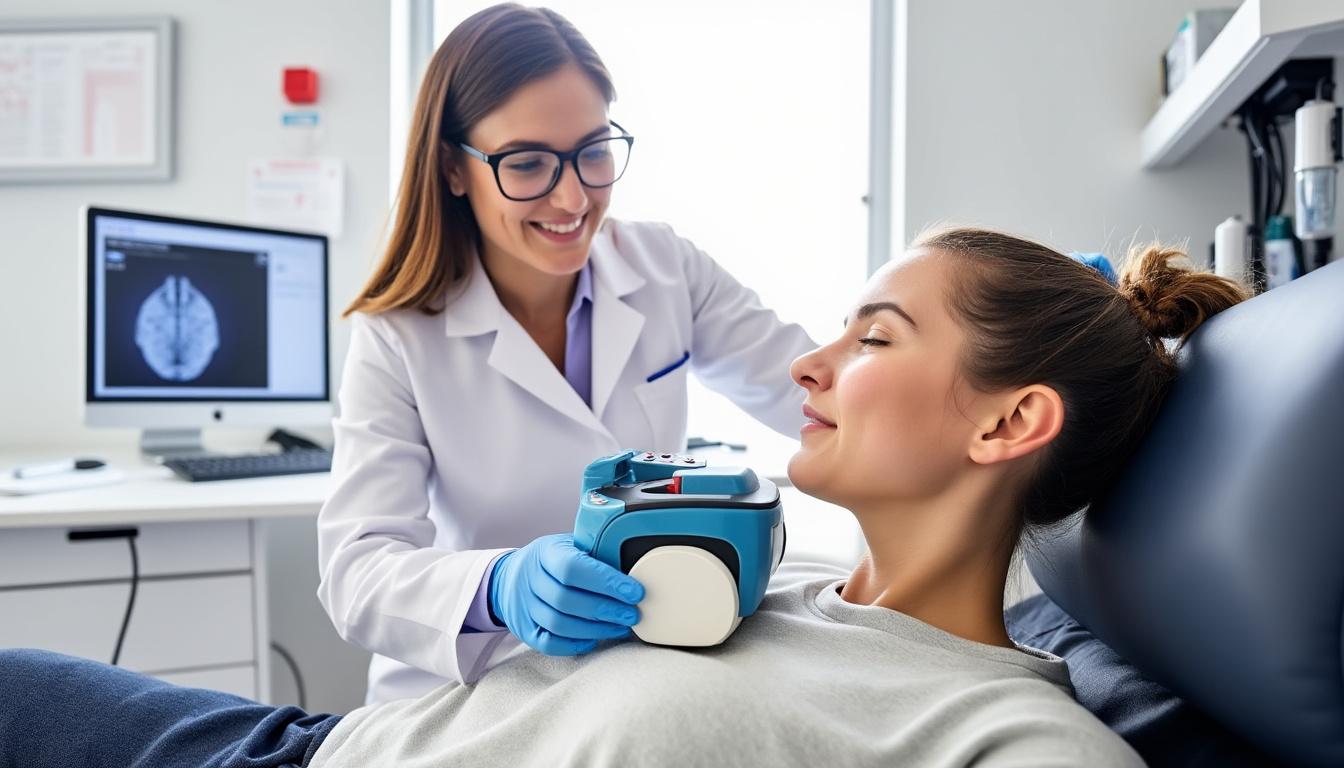
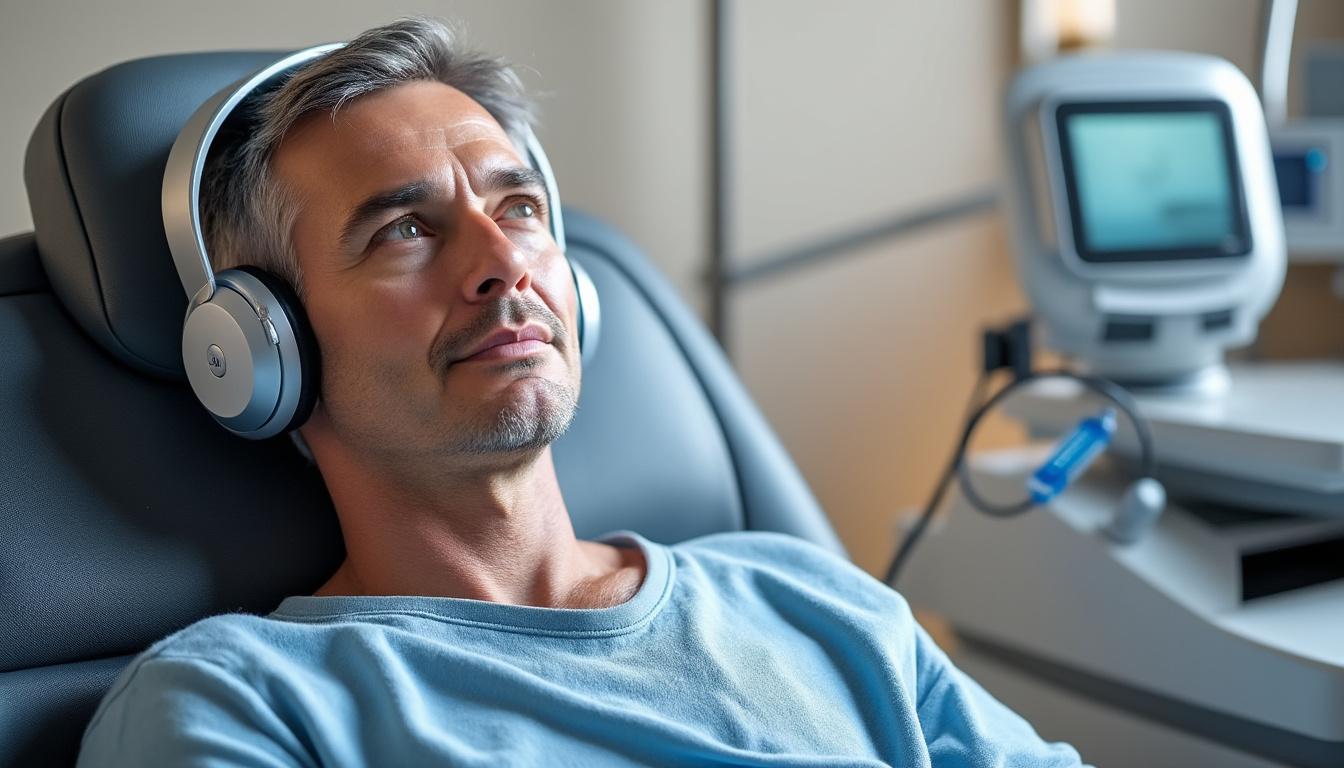
The core of rTMS therapy lies in its ability to modulate neural circuits by delivering targeted magnetic pulses through the scalp, stimulating specific brain regions implicated in pain perception, motor control, and emotional balance. This technique taps into neuroplasticity—the brain’s capacity to reorganize synaptic connections—thereby promoting adaptive changes critical in post-surgical recovery enhancement.
Among post-surgical patients, especially those recovering from spinal fusion, motion-preserving surgery, or minimally invasive interventions, rTMS serves multiple therapeutic objectives:
- Pain Modulation: High-frequency rTMS applied over the motor cortex can significantly attenuate neuropathic pain by enhancing descending inhibitory pathways and dampening hyperactive nerve signals.
- Motor Rehabilitation: Stimulating sensorimotor regions facilitates restoration of muscle function, coordination, and voluntary movement control essential for regaining mobility post-surgery.
- Psychological Support: By altering activity in prefrontal and limbic areas, rTMS alleviates depression and anxiety symptoms commonly encountered in post-surgical convalescence, improving motivation and adherence to rehabilitation regimes.
These effects underscore the therapeutic versatility of rTMS, with clinical studies documenting improvements within 2 to 3 weeks of intensive daily sessions. The technology’s non-invasive nature and excellent safety profile further highlight its suitability as an outpatient treatment adjunct.
| Therapeutic Targets | rTMS Protocols | Expected Outcomes |
|---|---|---|
| Motor Cortex | High-frequency stimulation (10-20 Hz), 15-30 min/session | Pain reduction, improved motor function, enhanced neuroplasticity |
| Prefrontal Cortex | Low-frequency stimulation (1 Hz), 20 min/session | Mood stabilization, reduction of depressive symptoms |
| Sensorimotor Areas | Intermittent stimulation pattern, multi-session treatment | Restoration of coordination and voluntary movement |
For further detailed clinical treatment recommendations, professionals can consult the extensive rTMS Physician Guide, providing evidence-based therapeutic protocols for optimized application.

The Stepwise Role of Functional Recovery in Achieving Successful Outcomes
The journey to full recovery following spinal surgery is often complex and multifaceted, demanding a meticulously structured approach to ensure optimal functional outcomes. In recent years, the concept of functional recovery through a stepwise approach has garnered significant attention in…
Customizing rTMS Integration According to Surgical Types and Patient Conditions
The effectiveness of rTMS is closely associated with its adaptability to specific surgical contexts and individual patient recovery trajectories. Variations in postoperative neurophysiology necessitate nuanced adjustments in neuromodulation strategies, ensuring maximal benefit.
Consider these major categories of spinal surgery and corresponding rTMS integration approaches:
- Simple Surgery: For minimally invasive procedures, early rTMS initiation focuses on rapid pain attenuation and facilitation of neuro-muscular reactivation to shorten hospital stays and improve functional gains.
- Motion-Preserving Surgery: These operations maintain segmental mobility; rTMS protocols emphasize motor cortex stimulation to enhance proprioceptive feedback and optimize neuromuscular control, critical in preventing compensatory mechanisms and chronic pain.
- Spinal Fusion: Given the biomechanical fusion and expected loss of segmental movement, rTMS targets not only neuropathic pain relief but also compensatory neural mechanisms, supporting adjacent segment preservation and balancing psychological well-being.
| Postoperative Activity | Simple Surgery | Motion Surgery | Fusion Surgery |
|---|---|---|---|
| Ambulation | 1-2 weeks | 2-3 weeks | 3-4 weeks |
| Sedentary Work | 2-4 weeks | 4-6 weeks | 6-8 weeks |
| Moderate Exercise | 4-6 weeks | 6-8 weeks | 8-12 weeks |
These tailored timelines align with therapeutic end-points attainable through coordinated rTMS therapy, underscoring its role in individualized rehabilitation planning. More on precise surgical insights can be explored in expert perspectives about simple surgery, fusion and motion.

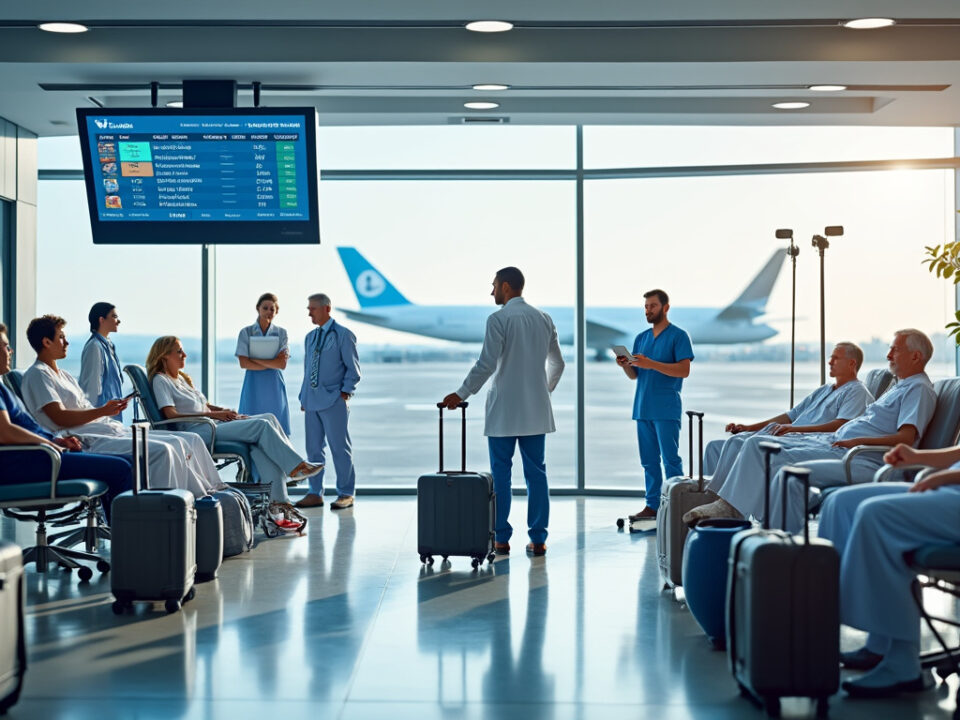
Transatlantic Patient Journey: Insights into Indications, Benefits, and Challenges
The emergence of the Transatlantic Patient Journey as a strategic model within healthcare continues to capture attention for its innovative potential, especially in specialized fields such as spinal surgery. This cross-border care pathway integrates rigorous medical evaluation from Quebec with…
Advanced Neuromodulation Techniques Complementing rTMS in Rehabilitation
rTMS therapy is but one facet of a growing field of non-invasive neuromodulation technologies aimed at improving patient outcomes in postoperative recovery. Facilities like Neurothérapie Montréal supplement rTMS with additional modalities such as Brainport and PoNS (Portable Neuromodulation Stimulator) devices to enhance neural network activation and plasticity.
The integration strategy is multifactorial, considering the following points:
- Combining Modalities: Using rTMS alongside sensory neurostimulation devices to provide complementary feedback loops that encourage motor relearning.
- Addressing Neuropathic Pain: Multimodal neuromodulation protocols tailored to disrupt maladaptive pain signaling and minimize reliance on pharmacotherapy.
- Psychological Reinforcement: Targeted brain stimulation modules designed to alleviate post-surgical depression and anxiety, thereby facilitating active patient participation.
Implementing these technologies requires highly specialized expertise and coordinated care pathways, as optimized by leading centers like Neurothérapie Montréal. For a comprehensive manifesto of neuromodulation advancements, professional literature, including the rTMS Handbook 2025, provides valuable reference points.
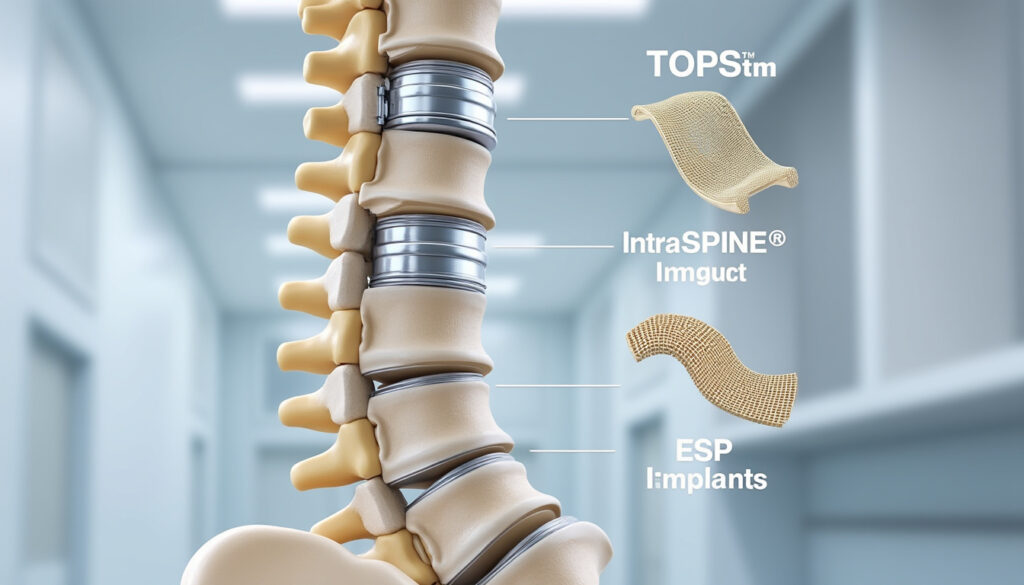
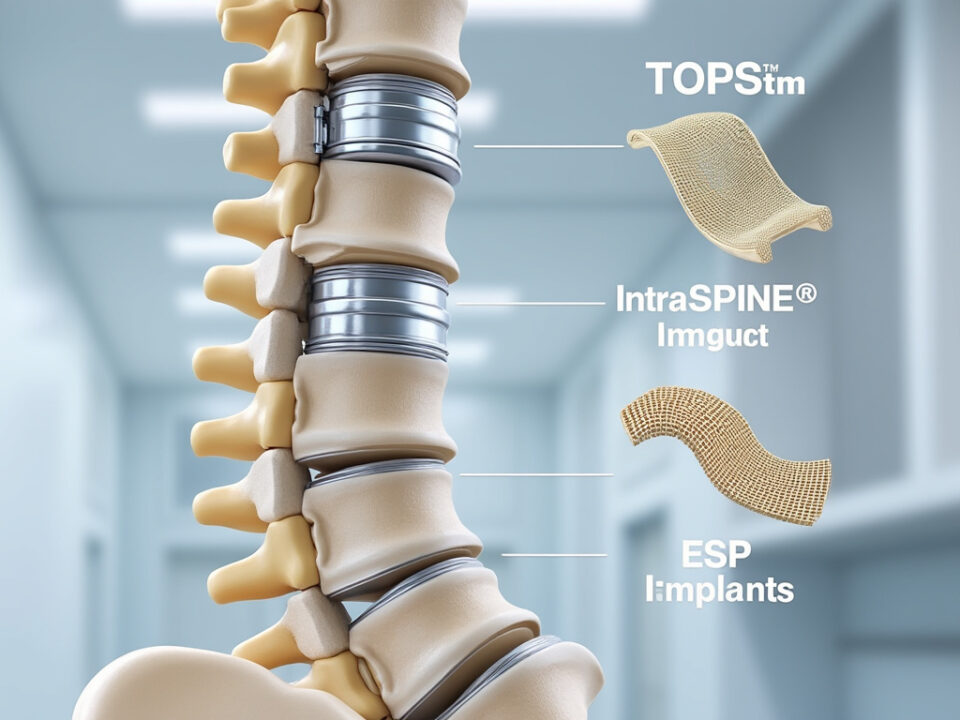
The evolving field of spinal surgery is witnessing a transformative shift, fueled by cutting-edge implant technologies such as TOPS, Intraspine, and ESP. These innovative implants redefine treatment possibilities by emphasizing preservation of natural spinal mechanics, while ensuring durable stabilization and…
Creating Seamless International Care Pathways for Postoperative rTMS Therapy
The growing trend of medical tourism, particularly for spinal surgeries, highlights the necessity for integrated postoperative care transcending borders. Collaborative frameworks play a pivotal role in ensuring patient safety, continuity of care, and therapeutic efficacy.
Key components of successful international coordination include:
- Preoperative Assessment: Detailed neurofunctional analysis and patient education conducted before surgery enhance preparedness and set realistic recovery expectations.
- Cross-Border Collaboration: Partnerships between surgical centers in France and rehabilitation providers in Canada, orchestrated by entities such as Franchir and SOS Tourisme Médical, guarantee seamless patient transfer and data exchange.
- Postoperative Monitoring and rTMS Protocol Adjustment: Follow-up conducted in specialized centers equipped to tailor rTMS parameters based on ongoing patient evaluations ensures optimal neurorehabilitation outcomes.
| Care Stage | Involved Stakeholder | Primary Role |
|---|---|---|
| Preoperative Evaluation | TAGMED and Dr. Sylvain Desforges | Specialized assessment of treatment candidacy and readiness |
| Organizing Surgery | Franchir | Surgical planning, logistics coordination in France |
| Patient Support & Information | SOS Tourisme Médical | Administrative and procedural assistance |
| Postoperative Follow-up | Neurothérapie Montréal | Longitudinal monitoring and customized rTMS delivery |
The international coordination model considerably reduces patient anxiety and procedural complications, promoting more robust recovery trajectories. More insights on managing transatlantic postoperative care can be discovered at expert insights on post-surgery integration of rTMS.

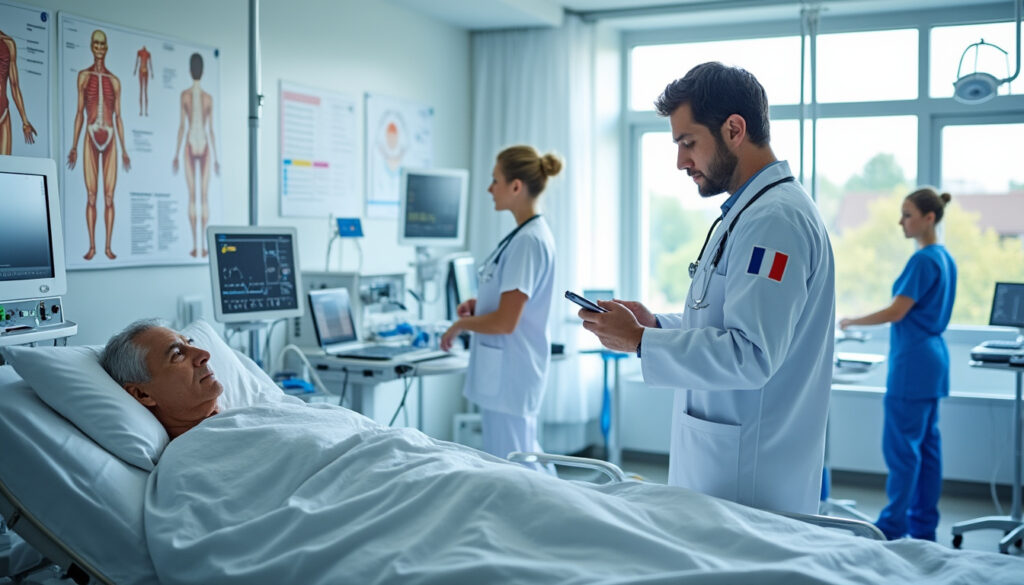
Preparing for Surgery in France: Key Indications, Benefits, and Limitations
In an evolving global healthcare landscape, France emerges as a beacon of advanced surgical expertise, particularly attracting international patients seeking expedited and innovative medical interventions. Patients from regions experiencing long wait times, such as Quebec, increasingly view France as an…
Optimizing Patient Outcomes: Protocol Development and Therapeutic Nuances in rTMS Applications
Fine-tuning rTMS therapy post-surgery relies on developing bespoke protocols responsive to the patient’s evolving clinical status. This requires continuous assessment, dynamic adjustments to stimulation parameters, and therapeutic session scheduling in line with rehabilitation goals.
Typical rTMS treatment phases include:
- Initiation Phase: Characterized by high-frequency daily sessions spanning 3 to 4 weeks targeting pain relief and mood improvement. Each session usually lasts 15-20 minutes.
- Maintenance and Rehabilitation Phase: Following initial improvements, treatment frequency reduces to 2-3 sessions per week, focusing on sustaining motor gains and psychological well-being.
- Long-term Support: Periodic booster sessions may be employed to preserve neuroplastic changes and prevent symptom relapse.
Empirical data suggests that a comprehensive course of 20 to 30 treatment sessions often yields measurable benefits, as outlined in clinical evaluations and reviews on neuroplasticity and recovery enhancement (refer to PMID 31901449 for in-depth analysis).
| Treatment Phase | Goals | Session Duration & Frequency |
|---|---|---|
| Initiation | Pain and anxiety reduction | 15-20 minutes per session, 5 sessions/week for 3-4 weeks |
| Maintenance | Neurological function optimization | 2-3 sessions/week for 6-8 weeks |
| Long-term | Neuroplasticity preservation | Monthly booster sessions as needed |
Case Example: Post-Fusion Lumbar Surgery Recovery With rTMS Support
Consider the scenario of a 48-year-old patient after lumbar spinal fusion injury who engaged in a customized rTMS regimen six weeks post-surgery. Over two months, the patient demonstrated notable pain decline, enhanced motor control, and mood stabilization, enabling a gradual return to moderate physical activity. This example exemplifies the synergistic effect of tailored neuromodulation therapy combined with multidisciplinary postoperative care.

Unveiling the Hidden Benefits of Quality and Certification in Devices
The landscape of device manufacturing and clinical application in 2026 has been fundamentally shaped by the rigorous interplay between quality management and certification processes. Within this complex framework, the hidden benefits of adhering to international standards and obtaining relevant certifications…
Exploring the Psychological Dimensions: rTMS for Emotional Resilience in Post-Surgical Care
The emotional toll of spinal surgery, compounded by chronic pain and functional impairment, can precipitate depression and anxiety, adversely affecting rehabilitation engagement. rTMS therapy targets associated brain regions to mitigate these psychological burdens, thus reinforcing recovery momentum.
Key psychological benefits include:
- Reduction of Anxiety and Depression: Low-frequency stimulation of the dorsolateral prefrontal cortex modulates mood circuits, decreasing the severity of symptoms.
- Motivational Enhancement: By alleviating depressive states, rTMS supports sustained patient participation in physical therapy and lifestyle adjustments.
- Improved Quality of Life: Addressing emotional well-being fosters holistic recovery, potentially reducing the incidence of postoperative complications linked to psychological distress.
This multifaceted approach to neuropsychiatric support is critical given the prevalence of mental health challenges in postoperative patients. In this context, practitioners can access comprehensive reviews on brain stimulation effects at MDPI’s latest brain study.
Why Experts Advocate for Comprehensive Preoperative Evaluations
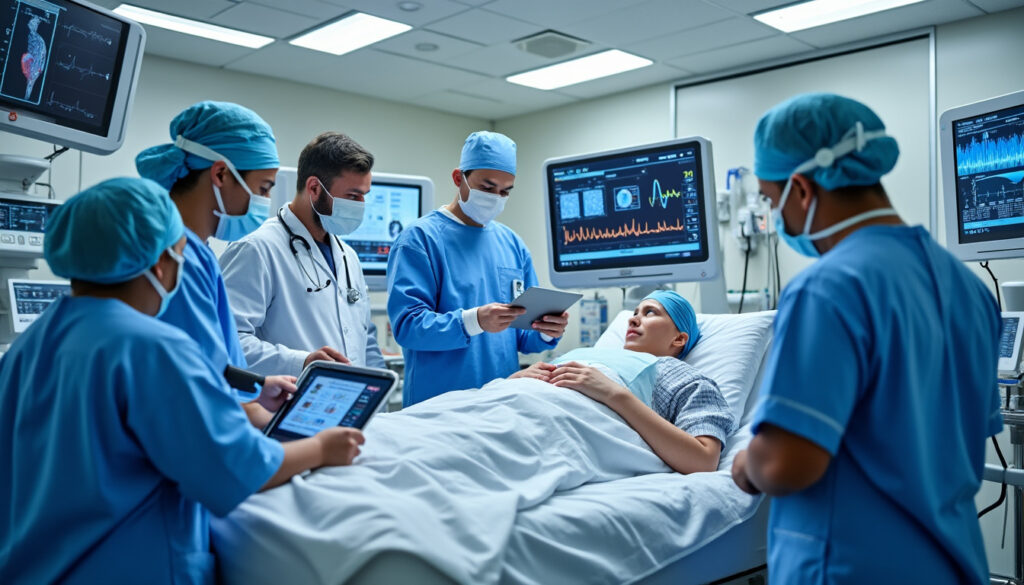
In the complex and demanding field of spinal surgery, the emphasis on comprehensive preoperative evaluations has become a fundamental pillar supporting successful surgical outcomes. These evaluations, far beyond mere routine checks, integrate detailed analyses of patient health, surgical risk assessments,…
Implementing Evidence-Based Frameworks for Enhanced rTMS Post-Surgery Integration
As rTMS expands in clinical application, robust evidence-based guidelines streamline its incorporation into recovery pathways. The Enhanced Recovery After Surgery (ERAS) protocols emphasize multidisciplinary coordination, integrating rTMS alongside physical and psychological rehabilitation techniques. This holistic model ensures optimization of therapeutic efficacy and patient quality of life through:
- Early Initiation: Beginning rTMS therapy within weeks after surgery maximizes neuroplastic potential.
- Personalized Treatment: Adapting neuromodulation parameters to individual responses avoids overtreatment and promotes adherence.
- Outcome Monitoring: Real-time assessment tools gauge recovery progression and allow timely protocol modifications.
Such frameworks, supported by continuing research and clinical audits, embody the future direction of surgical recovery. Professionals interested in an extensive integration roadmap can refer to this comprehensive guide to integrating rTMS post-surgery.
Comprehensive Guide to Integrating rTMS Therapy Post-Surgery
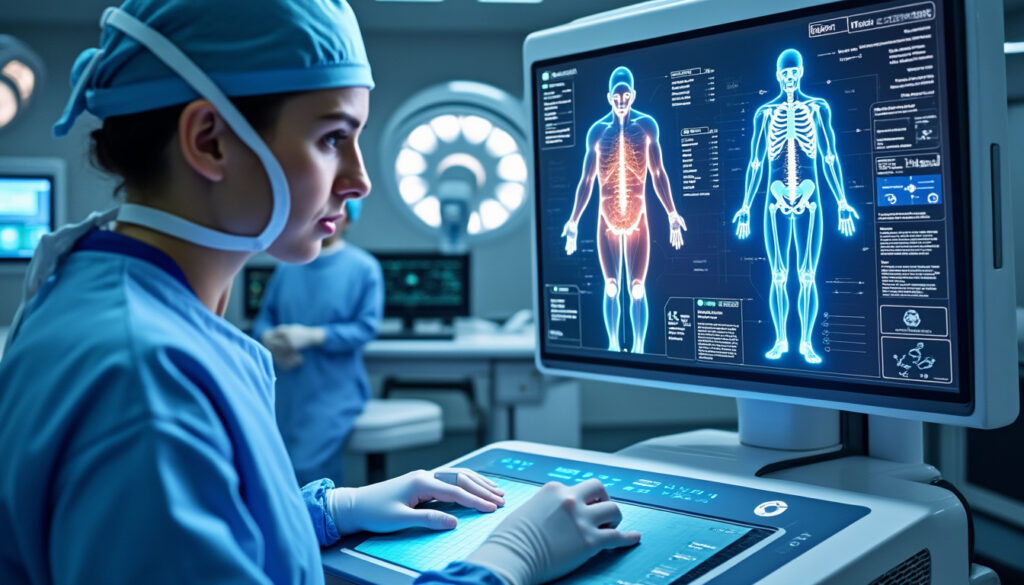
Explore key aspects of integrating rTMS therapy after surgery through this interactive infographic.
The Future of Surgery Lies in Stepwise Functional Recovery
The evolution of surgical care in 2026 reveals a compelling shift toward approaches that prioritize the holistic recovery of patients, moving beyond traditional metrics like length of hospital stay or mortality rates. This modern paradigm highlights the principle that the…
Addressing Challenges and Limitations in rTMS Application Post-Surgery
While rTMS therapy holds substantial promise, several challenges persist that influence its routine clinical usage. Accessibility and logistical complexity of delivering consistent treatment sessions can be significant barriers, particularly for remote patients. Moreover, interindividual variability in treatment responsiveness necessitates further refinement of predictive biomarkers and personalized dosing.
Common issues encountered include:
- Session Scheduling Constraints: Daily or frequent treatment regimens require patient commitment and health system resource allocation.
- Variable Clinical Response: Genetic and neurophysiological differences among patients affect outcomes, emphasizing the need for adaptive protocols.
- Need for Specialized Training: Delivering rTMS requires proficient practitioners and calibrated equipment, necessitating investment in healthcare infrastructure.
Overcoming these obstacles involves collaborative research and integration of telemedicine platforms, expanding accessibility while maintaining quality. Insightful research discussions can be accessed through authoritative databases, such as PubMed’s rTMS studies.
Common Pitfalls to Avoid in Neurovertebral Decompression Therapy and Its Crucial Role
Neurovertebral decompression therapy has emerged as a sophisticated non-invasive medical intervention aimed at relieving chronic spinal pain, particularly associated with conditions such as herniated discs and spinal stenosis. As spinal disorders persist as a leading cause of disability worldwide, patients…
Future Perspectives: Innovations Driving the Expansion of rTMS Postoperative Applications
Emerging scientific and technological advancements will continue to propel rTMS therapy into new dimensions of surgical recovery. Innovations in device miniaturization, adaptive brain-computer interfaces, and integrated software analytics promise increasingly personalized and efficient neuromodulation solutions.
Predicted trends encompass:
- Wearable and Home-based rTMS Devices: Empowering patients with accessible brain stimulation outside clinical settings.
- Artificial Intelligence Integration: Enhancing protocol optimization through real-time monitoring and machine learning algorithms.
- Expanded Indications: Broader application in neurological complications such as postoperative delirium and cognitive enhancement.
These advancements align with contemporary healthcare goals of maximizing functional independence, reducing hospital stays, and improving overall life quality. Interested readers may consult detailed reports on recent innovations in neuromodulation technologies available at ScienceDirect’s review.
What are the primary indications for rTMS after spinal surgery?
rTMS is indicated mainly for managing post-operative neuropathic pain, treating post-laminectomy syndrome, and supporting psychological recovery in patients with depressive or anxiety symptoms.
How many rTMS sessions are typically required to see benefits?
A typical protocol includes 20 to 30 sessions across several weeks, with clinical improvements often observed within 2 to 3 weeks of daily initial treatments.
Are there any side effects associated with rTMS?
rTMS is a non-invasive and well-tolerated method with minimal side effects. Some patients may experience temporary facial muscle contractions during sessions, but it lacks the systemic side effects common to pharmacological treatments.
How is postoperative care coordinated internationally for rTMS?
Post-surgery care is coordinated by Neurothérapie Montréal, ensuring assessment and rTMS protocol adjustments in collaboration with French surgical providers and facilitators such as Franchir and SOS Tourisme Médical.
Can rTMS therapy replace surgery in spinal conditions?
While rTMS can complement conservative treatments, it does not replace surgeries indicated for structural spine issues. It serves as a critical adjunct to improve recovery following surgical interventions.