Herniated Disc in Villeray–Saint-Michel–Parc-Extension: Exploring Treatment Options and the Role of Neurovertebral Decompression
November 23, 2025
Comprehensive Guide to Integrating rTMS Therapy Post-Surgery
November 24, 2025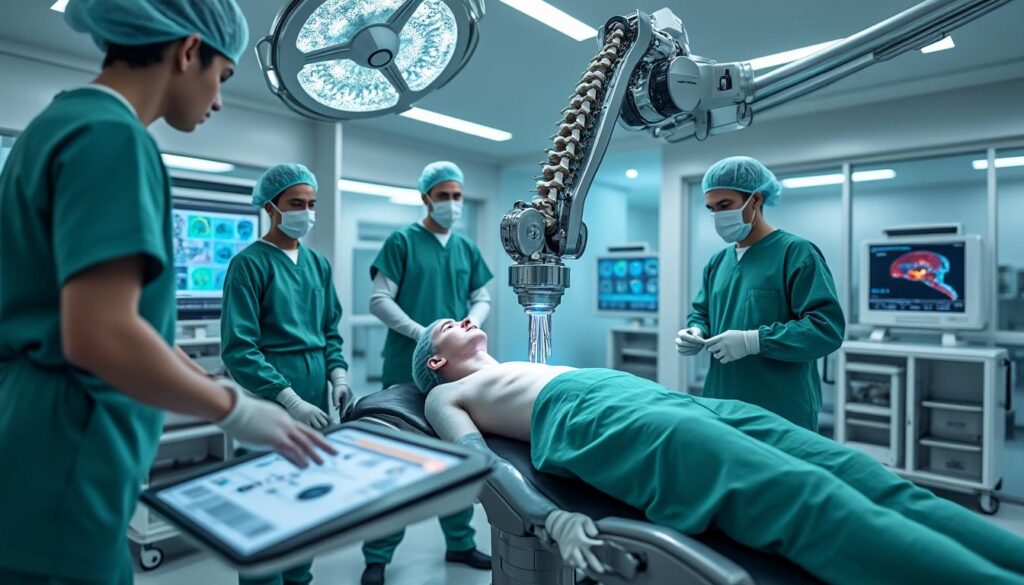
In the evolving landscape of spinal surgery in 2025, patients and clinicians alike face a dynamic interplay between established procedures and innovative treatments aimed at restoring spinal health while preserving natural function. The choices among simple surgery, spinal fusion, and motion-preserving techniques embody a continuum of approaches tailored to diverse spinal pathologies. With advances in biomechanical understanding, minimally invasive techniques, and surgical innovation, these options no longer represent isolated interventions but part of a strategic toolkit designed to optimize patient outcomes, recovery, and long-term spinal mobility.
International collaborations, especially the partnership between Quebec and France, reflect a growing trend where expertise and resources transcend geographical boundaries to offer comprehensive care pathways. Patients confronting chronic back or neck pain benefit from access to highly specialized surgical centers employing the latest in robotic assistance and imaging technology alongside personalized rehabilitation programs. This synthesis of technical prowess with human-centered care not only accelerates recovery but reduces complications associated with traditional fusion surgeries. In this context, motion-preserving surgery has emerged as a game-changer, challenging conventional paradigms and expanding possibilities for maintaining spine flexibility post-intervention.
Comparing Simple Surgery, Spinal Fusion, and Motion Preservation: Key Surgical Techniques and Patient Outcomes
Spinal surgery encompasses a range of interventions that vary significantly depending on the patient’s diagnosis, symptom severity, and lifestyle demands. The fundamental categories are simple surgery, spinal fusion, and motion preservation, each with unique biomechanical impacts and recovery profiles. Understanding these distinctions is essential not only for clinicians who must select the most appropriate procedure but also for patients preparing to make informed decisions about their care.
Simple surgery typically refers to targeted decompression procedures such as discectomy or laminectomy. These operations are minimally invasive or use mini-open techniques to relieve nerve root compression caused by herniated discs or spinal stenosis. One hallmark advantage of simple surgery lies in its ability to provide rapid pain relief by decompressing the affected nerve roots without sacrificing spinal mobility. The hospital stay is usually brief (<48 hours), and patients often resume normal activities within a few weeks. This approach is particularly suited for localized compressions with minimal spinal instability.
- Rapid nerve pain reduction
- Preservation of full spinal mobility
- Short hospitalization and quick return to daily life
- Suited for mild stenosis and disc herniations
In contrast, spinal fusion (arthrodesis) involves permanently joining two or more vertebrae using metallic implants such as screws, rods, and bone grafts. This technique provides rigid stabilization necessary in cases of significant deformity (e.g., scoliosis) or instability where micro-movements provoke pain or neurological deficits. Although fusion effectively corrects deformities and ensures long-term stability, it invariably restricts segmental mobility, potentially leading to accelerated degeneration (adjacent segment disease) of neighboring vertebral levels. Rehabilitation can be prolonged, often lasting months, emphasizing compensatory strengthening to adapt to reduced flexibility.
- Definitive spinal stabilization for complex cases
- Effective pain reduction from mechanical instability
- Loss of motion at fused segments
- Extended recovery and need for tailored rehabilitation
Between these two traditional approaches, motion-preserving surgery emerges as an innovative alternative that balances stability with the conservation of near-normal spinal movement. Utilizing dynamic implants such as the TOPS system or IntraSPINE prosthesis, this technique allows controlled flexion, extension, and rotation at the treated level, thereby mitigating the drawbacks linked to rigid fusion. Dynamic stabilization preserves approximately 60-80% of segmental mobility, contributing to a reduced risk of adjacent segment arthrosis and promoting a swifter functional recovery facilitated by minimally invasive robotic-assisted technology.
- Maintains physiological spinal motion
- Reduces chronic lower back and neck pain
- Decreases likelihood of adjacent segment degeneration
- Shortened hospital stay and rehabilitation period
- Best indication: moderate instability, early disc degeneration, and lumbar stenosis
| Technique | Primary Objective | Mobility Impact | Recovery Duration | Typical Indications |
|---|---|---|---|---|
| Simple Surgery | Targeted nerve decompression | Full mobility preserved | Few days to 2 weeks | Disc herniation, mild stenosis |
| Spinal Fusion | Rigid stabilization | Reduced to no segment movement | 2 to 6 months | Severe instability, scoliosis |
| Motion-Preserving Surgery | Dynamic stabilization | ~70% segmental mobility | 4 to 6 weeks | Moderate instability, disc degeneration |
These options reflect not just a set of surgical tools but an evolving philosophy toward spinal care, where preservation of motion is increasingly valued alongside stability and pain relief. More detailed surgical insights are available through resources emphasizing the synergy of simple surgery, fusion, and motion preservation techniques.

Understanding Sciatic Pain: Key Symptoms and When to Seek Medical Advice
Sciatic pain is a prevalent condition impacting a wide demographic, manifesting primarily as intense pain radiating from the lower back down the leg. This pain stems from irritation or compression of the sciatic nerve, a major nerve extending through the…
Benefits of Minimally Invasive Approaches in Spinal Fusion and Motion Surgery
Technological advancements in minimally invasive surgery (MIS) have transformed spine care by significantly reducing tissue trauma, blood loss, and hospital stays associated with traditional open procedures. Both fusion and motion-preserving surgeries benefit from these innovations, leading to improved biomechanical outcomes and enhanced patient recovery.
Minimally invasive techniques leverage 3D navigation systems, robotic guidance, and endoscopic tools to precisely target pathological spinal segments while sparing surrounding musculature and ligaments integral to stability. This precise approach preserves biomechanical integrity and minimizes postoperative complications like muscle atrophy and joint stiffness. More importantly, incorporating advanced surgical innovation reduces perioperative pain and accelerates rehabilitation, allowing patients to regain function sooner and reducing overall healthcare expenditures.
- Smaller incisions, reduced blood loss
- Preservation of paraspinal musculature for biomechanical stability
- Enhanced precision with robotic guidance and 3D imaging
- Lower infection and complication rates
- Shorter hospital stays and faster return to daily activities
For fusion surgeries, MIS techniques permit the placement of instrumentation via smaller tubular retractors and percutaneous screws, drastically reducing the collateral damage traditionally encountered. Simultaneously, motion-preserving procedures such as artificial disc replacement or dynamic stabilization implants are perfectly suited to minimally invasive implantation, making these techniques increasingly viable even in patients previously deemed unsuitable for surgery.
Clinical studies highlight that patients undergoing motion-preserving surgery under minimally invasive protocols experience superior spinal flexibility and better long-term biomechanical outcomes compared to fusion candidates. These improvements translate to more durable benefits, fewer adjacent segment issues, and an overall higher quality of life. For those interested, professional insights discuss why motion-sparing spine surgery is now viewed as a revolution in patient care.
| Procedure Type | Typical MIS Application | Impact on Surgical Time | Effect on Patient Outcomes |
|---|---|---|---|
| Spinal Fusion | Percutaneous screws and small incisions | Extended initial setup; shorter actual operation | Lower infection risk; reduced postoperative pain |
| Motion-Preserving Surgery | Endoscopic implant placement, robotic navigation | Similar or slightly reduced operating time | Improved mobility retention; faster rehab |
The integration of modern minimally invasive surgery advances represents a critical stepping stone to achieving these benefits, as described in current clinical protocols across leading centers.

The Stepwise Role of Functional Recovery in Achieving Successful Outcomes
The journey to full recovery following spinal surgery is often complex and multifaceted, demanding a meticulously structured approach to ensure optimal functional outcomes. In recent years, the concept of functional recovery through a stepwise approach has garnered significant attention in…
The Strategic Role of Preoperative Conservative Treatments in Optimizing Surgical Outcomes
Surgical intervention should be considered only after a rigorous period of conservative management aimed at alleviating symptoms and maximizing spinal function. This strategy helps identify patients who can recover without surgery and optimizes the surgical candidates’ physical condition to improve recovery and reduce complications.
In Quebec, pioneering centers integrate advanced conservative modalities such as robotic neurovertébral decompression and expert osteopathy, focusing on reducing nerve compression and inflammation non-invasively. This multimodal approach prioritizes restoring natural biomechanical balance and halting disease progression early.
- 3-6 months of comprehensive evaluation and non-operative treatment
- Specialized traction and decompression therapies using robotic assistance
- Osteopathic interventions targeting posture and musculoskeletal alignment
- Patient education on ergonomics and spine health optimization
- Monitoring and reassessment to guide timely surgical decision-making
The benefits of observant care before deciding on procedures such as fusion or motion surgery include a marked reduction in unnecessary surgeries, enhanced postoperative outcomes, and personalized patient-centered care plans. For more comprehensive insights, patients and clinicians may explore evidence-based narratives detailing conservative treatments versus surgery.
| Conservative Treatment | Purpose | Key Benefits | When Surgery Is Considered |
|---|---|---|---|
| Robotic Neurovertébral Decompression | Nerve root pressure relief without incisions | Reduced inflammation and improved spinal mobility | After failure of 3-6 months conservative care |
| Expert Osteopathy | Correcting posture and alignment | Prevents recurrence, enhances function | Adjunct to all treatment stages |
| Ergonomic Guidance | Reduce mechanical stress on spine | Improvement of daily comfort and quality of life | Continuously, pre- and post-surgery |
This conservative-first approach is a hallmark of patient-centered spine care internationally and is integral in enhancing the long-term success of surgical interventions.
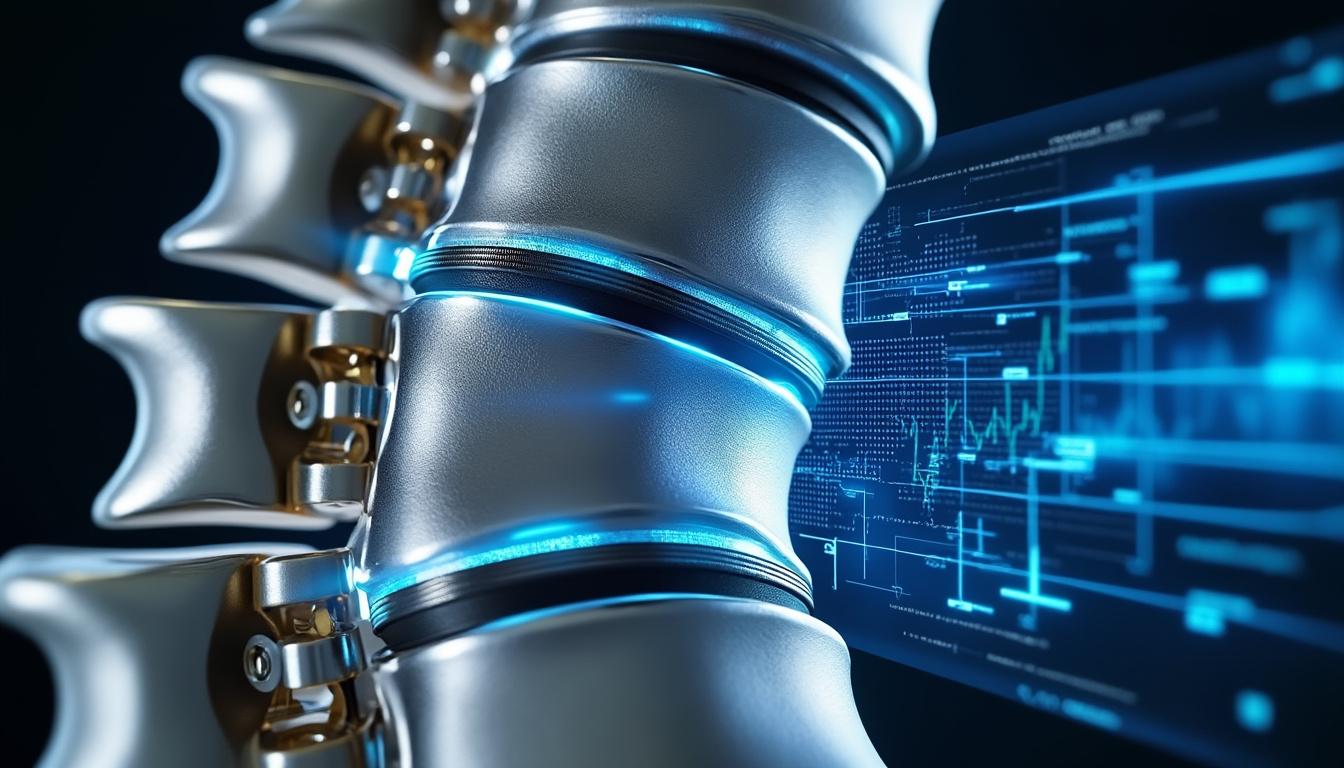

Transatlantic Patient Journey: Insights into Indications, Benefits, and Challenges
The emergence of the Transatlantic Patient Journey as a strategic model within healthcare continues to capture attention for its innovative potential, especially in specialized fields such as spinal surgery. This cross-border care pathway integrates rigorous medical evaluation from Quebec with…
Transatlantic Coordination: Integrated Care Pathways for Quebec Patients Seeking Spine Surgery in France
Facilitating a smooth transition across international healthcare systems requires meticulous coordination, especially for complex interventions like spine surgery. The synergy between Quebec and France exemplifies how cross-border pathways optimize access to cutting-edge treatments while ensuring continuity of care and compliance with diverse medical standards.
Key steps in this coordinated pathway involve:
- Initial evaluation and conservative treatment supervision in Quebec through specialized clinics such as TAGMED.
- Personalized surgical planning and logistical arrangements in France facilitated by expert organizations like Franchir.
- Performing surgery in state-of-the-art French centers equipped with robotic-assisted technologies and motion-preserving implants.
- Postoperative rehabilitation and monitoring through multidisciplinary teams in Quebec, notably Neurothérapie Montréal.
The collaboration assures Quebec patients access to expedited care circumventing local waiting lists, combined with the reassurance of a secure and personalized program spanning continents. This pathway emphasizes patient autonomy while leveraging international excellence in surgical innovation and postoperative quality assurance.
| Care Stage | Leading Entity | Goals | Typical Duration |
|---|---|---|---|
| Conservative Treatment and Evaluation | Clinique TAGMED | Optimize condition, minimize symptoms | 3 to 6 months |
| Orientation and Surgery Planning | Franchir | Personalized care coordination | 1 to 2 weeks |
| Surgical Intervention | French Surgical Teams | Definitive spinal treatment | 1 to 2 days hospitalization |
| Postoperative Rehabilitation | Neurothérapie Montréal | Optimal recovery and risk mitigation | Months to follow-up |
Extensive information on this pathway is accessible for patients seeking to understand the advantages and logistics of this transatlantic spine care journey.
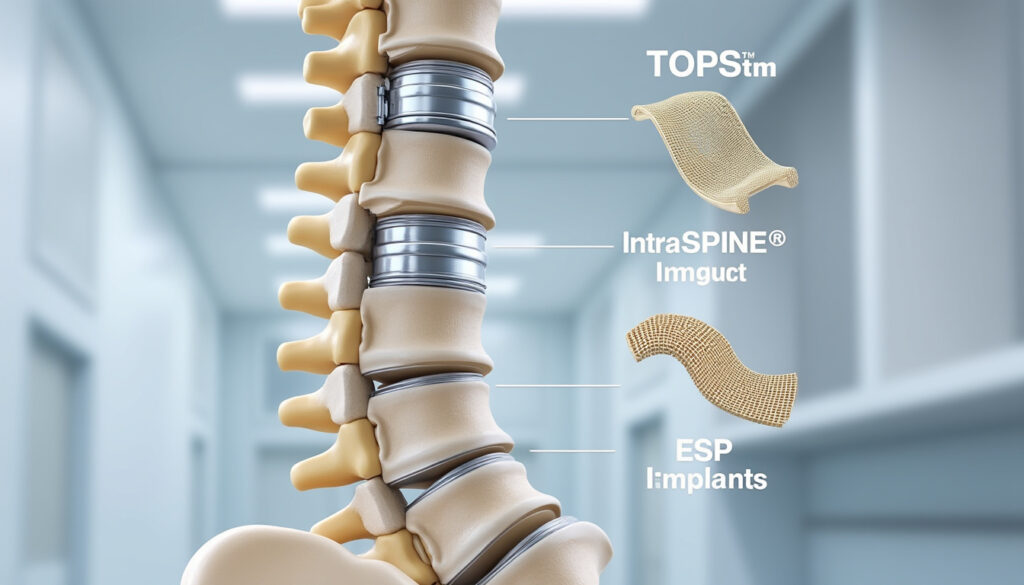
The evolving field of spinal surgery is witnessing a transformative shift, fueled by cutting-edge implant technologies such as TOPS, Intraspine, and ESP. These innovative implants redefine treatment possibilities by emphasizing preservation of natural spinal mechanics, while ensuring durable stabilization and…
Biomechanical and Economic Advantages of Fusion-Sparing Motion Surgery
Motion-preserving surgery embodies a biomechanical revolution by restoring controlled mobility while providing sufficient segmental stability. This dual feature alleviates issues linked to spinal rigidity, such as accelerated wear in adjacent vertebrae and diminished quality of life stemming from limited motion ranges.
Economically, the reduction in hospitalization duration and expedited patient recovery translates to lower healthcare costs, fewer lost workdays, and reduced reliance on postoperative pain management. Dynamic implants’ durability and the decreasing rate of reoperations further decrease long-term financial and human burdens on healthcare systems.
- Preserves physiological kinematics of the spine
- Reduces incidence of adjacent segment degeneration
- Enables faster return to employment and activities
- Decreases lifetime healthcare utilization and costs
In addition, patient testimonials reinforce the value of this approach, with many reporting sustained pain relief combined with preserved spinal function. This integration of biomechanical insight and health economics underlines motion surgery’s growing prominence within contemporary spinal care frameworks.
| Advantage Category | Clinical Impact | Economic Benefit | Patient Quality of Life |
|---|---|---|---|
| Biomechanics | Maintains segmental motion and reduces adjacent arthrosis | Lower need for revision surgeries | Higher satisfaction and mobility |
| Recovery | Quicker rehabilitation post-procedure | Reduced hospitalization expenses | Rapid reintegration into professional and social life |
| Long-Term Outcomes | Sustained symptom relief with preserved function | Decreased lifetime healthcare costs | Enhanced day-to-day comfort and independence |
To dive deeper into the revolutionary benefits of motion-preserving approaches, numerous expert reports highlight why this surgical innovation is reshaping spine care paradigms.

Preparing for Surgery in France: Key Indications, Benefits, and Limitations
In an evolving global healthcare landscape, France emerges as a beacon of advanced surgical expertise, particularly attracting international patients seeking expedited and innovative medical interventions. Patients from regions experiencing long wait times, such as Quebec, increasingly view France as an…
Training and Expertise: The Backbone of Safe and Effective Spinal Surgery
The quality of spinal surgery outcomes heavily depends on the expertise, training, and equipment of the surgical team. Institutions in France and Quebec place enormous emphasis on specialized education and continuous professional development in spinal biomechanics, surgical techniques, and patient-centered care.
Programs such as the Diplôme Inter-Universitaire de Chirurgie du Rachis and courses offered by the Institut de la Colonne Vertébrale provide surgeons with advanced knowledge encompassing both traditional fusion and innovative motion-preserving interventions. Ongoing training ensures practitioners stay abreast of rapidly evolving robotic assistance, 3D imaging, and dynamic implant technologies, further elevating patient safety and surgical precision.
- Specialized diplomas in spinal surgery
- Hands-on workshops and simulation courses
- Integration of robotic and navigation technologies
- Multidisciplinary teamwork with rehabilitation specialists
Investing in surgeon training and maintaining high certification standards serves as an essential pillar supporting continuous improvements in surgical innovation and patient outcomes. Collaboration between centers fosters best practices and scientific research, ensuring that the spine surgery community adapts dynamically to new discoveries.
| Training Program | Focus Area | Key Features | Location |
|---|---|---|---|
| DIU Chirurgie du Rachis | Comprehensive spinal surgery education | Fusion and motion preservation techniques | France |
| Spinal Solution Course | Practical and theoretical skills | Robotics, 3D imaging, endoscopic methods | Bordeaux, France |
| Continuing Education Workshops | Latest surgical technology | Simulation and hands-on training | Quebec and France |

Unveiling the Hidden Benefits of Quality and Certification in Devices
The landscape of device manufacturing and clinical application in 2026 has been fundamentally shaped by the rigorous interplay between quality management and certification processes. Within this complex framework, the hidden benefits of adhering to international standards and obtaining relevant certifications…
Postoperative Care and Long-Term Rehabilitation: Ensuring Durable Benefits of Spinal Surgery
Postoperative management is crucial in maximizing the success of any spinal intervention, whether simple surgery, fusion, or motion-preserving procedures. Effective rehabilitation combines careful symptom monitoring, progressive physical therapy, and patient education focused on maintaining spinal health.
In Quebec, comprehensive follow-up programs such as those provided by Neurothérapie Montréal utilize personalized approaches blending in-person therapies with telemedicine consultations to support patients ensuring a smooth recovery. Such models help detect early complications, prevent stiffness, and encourage proper motion patterns critical for preserving the surgical benefits over time.
- Individualized rehabilitation strategies depending on surgery type
- Regular neurological and functional assessments
- Integration of advanced modalities such as repetitive transcranial magnetic stimulation (rTMS) to support nerve recovery
- Patient education aiming at lifestyle modification and ergonomics
These proactive protocols contribute to minimizing the risk of complications, enhancing quality of life, and ensuring surgical investments translate into durable outcomes for patients over years.
| Postoperative Component | Key Objectives | Benefits | Duration |
|---|---|---|---|
| Physical Therapy | Restore mobility and strength | Reduces pain and stiffness | Weeks to months |
| Neurological Monitoring | Early detection of complications | Improves safety and recovery | Ongoing during rehab |
| Integrative Therapies (e.g. rTMS) | Enhance nerve regeneration | Improved functional outcomes | Optional, varies |
| Patient Education | Prevention of recurrence | Promotes spinal health and lifestyle changes | Continuous |
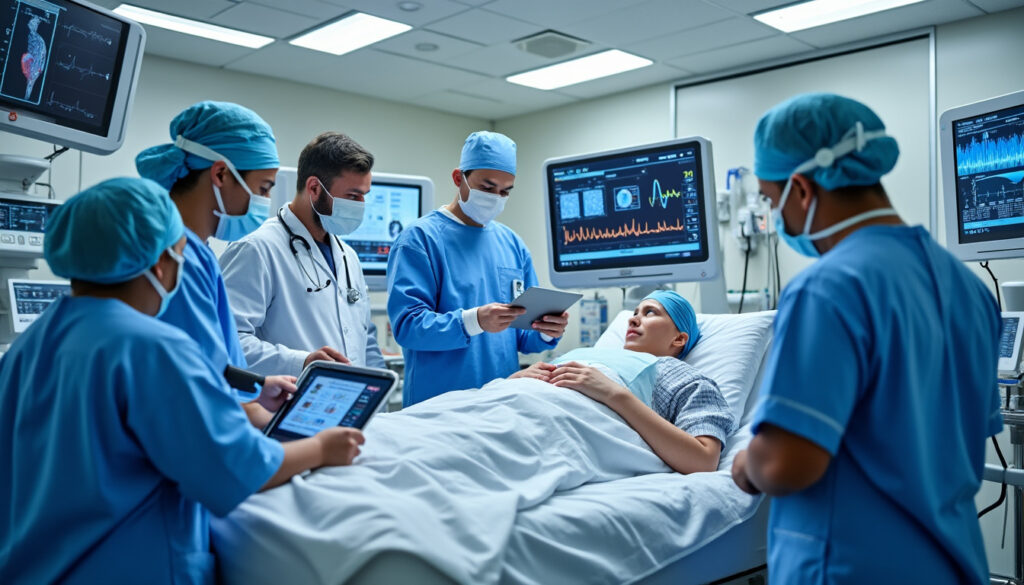
Why Experts Advocate for Comprehensive Preoperative Evaluations
In the complex and demanding field of spinal surgery, the emphasis on comprehensive preoperative evaluations has become a fundamental pillar supporting successful surgical outcomes. These evaluations, far beyond mere routine checks, integrate detailed analyses of patient health, surgical risk assessments,…
Patient Experiences Highlighting the Impact of Surgical Innovation Across Borders
Individual journeys showcase how combining simple surgery, fusion, and motion-preserving options with international collaboration revolutionizes patient care. For example, a 52-year-old Quebec resident with moderate lumbar instability underwent motion-preserving surgery with advanced implants in France after completing comprehensive conservative care in Quebec. This integrated pathway allowed a rapid recovery characterized by preserved spinal mobility, absence of chronic pain, and a swift return to professional and recreational activities.
The patient’s success exemplifies the combined benefits of expert surgical techniques, cutting-edge biomechanics, and meticulous postoperative follow-up. These stories reinforce the value of expanding access to international spine surgery innovations for those facing significant wait times or limited options domestically.
- Personalized care plans tailored to individual anatomy and pathology
- Access to advanced dynamic implants unavailable locally
- Seamless integration of conservative and surgical treatments
- Global coordination ensuring continuity of care
- Enhanced quality of life and functional independence
Further insights and patient testimonies can be reviewed at specialized platforms focused on spinal surgery advancements and healthcare tourism.
What are the main benefits of motion-preserving spinal surgery compared to fusion?
Motion-preserving surgery maintains most of the natural spinal movement, reducing the risk of adjacent segment degeneration and allowing faster recovery compared to traditional fusion that immobilizes segments.
When is spinal fusion preferred over simple or motion-preserving surgery?
Fusion is typically indicated for severe instabilities, deformities like scoliosis, or when rigid stabilization is essential to prevent worsening spinal pathology.
Why is conservative treatment important before considering spine surgery?
Conservative approaches reduce symptoms noninvasively, may avoid the need for surgery, and optimize spinal condition to enhance surgical safety and outcomes when surgery is required.
How does minimally invasive surgery improve spinal fusion outcomes?
Minimally invasive techniques minimize tissue damage, reduce postoperative pain, shorten hospital stays, and help preserve spinal biomechanics leading to better overall recovery.
What is the role of international coordination in spine surgery today?
Cross-border collaboration allows patients access to cutting-edge treatments, reduced waiting times, and comprehensive care pathways integrating preoperative to postoperative phases for optimal results.
Simple Surgery, Fusion, and Motion: Insights from an Expert’s Perspective
Filter table rows by any matching text in procedure or objective columns.
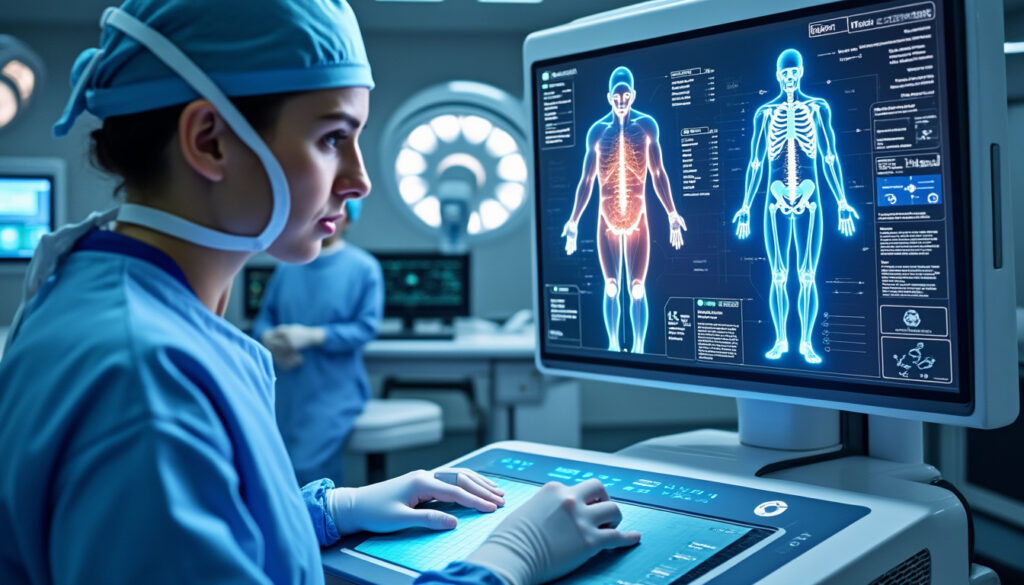
The Future of Surgery Lies in Stepwise Functional Recovery
The evolution of surgical care in 2026 reveals a compelling shift toward approaches that prioritize the holistic recovery of patients, moving beyond traditional metrics like length of hospital stay or mortality rates. This modern paradigm highlights the principle that the…