Comprehensive Guide to Integrating rTMS Therapy Post-Surgery
November 24, 2025
Can Surgery Be Avoided? Exploring the Role of Franchir in Modern Treatment Approaches
November 24, 2025
In the complex journey towards spinal surgery, preoperative preparation in France offers a host of hidden benefits that many patients, particularly those from Québec, often overlook. Beyond the visible advantages of advanced surgical techniques and priority access to care, there lies a comprehensive, coordinated approach that seamlessly integrates medical expertise, patient education, and psychological readiness. This fusion of care frameworks significantly shapes surgical outcomes and recovery trajectories.
Patients embarking on this transatlantic medical pathway find themselves immersed in an environment where healthcare meets holistic human support. From the initial neurofunctional assessment conducted locally in Québec to the optimized physical and mental conditioning led by specialized teams, every step is designed to enhance surgery readiness and reduce anxiety. The French healthcare system’s collaboration with Canadian partners ensures patient compliance through clear communication and individualized plans, ultimately improving postoperative recovery experiences.
This article dives into the many layers of preoperative preparation within the French context, uncovering how profound patient education, structured logistics, and modern technological integration collectively transform what might seem like routine pre-surgical protocols into powerful catalysts for improved health outcomes. It emphasizes why understanding these concealed benefits is essential for patients considering spinal surgery abroad and how these advantages empower them throughout the entire perioperative journey.
Comprehensive Pre-Surgery Assessment: A Cornerstone for Successful Surgical Outcomes in France
Preoperative preparation in France is deeply rooted in a rigorous pre-surgery assessment system that goes far beyond simple eligibility checks. This assessment is fundamental in crafting personalized care pathways that optimize safety and efficacy for patients, especially those traveling internationally from Québec. The process begins locally, where medical experts such as Dr. Sylvain Desforges and his team at TAGMED conduct detailed neurofunctional evaluations. These assessments include:
- In-depth symptom analysis to gauge the functional impact on daily life
- Review and consolidation of imaging studies like MRIs and X-rays
- Screening through specialized questionnaires that detect contraindications or unique patient needs
- Monitoring ongoing conservative treatments such as robot-assisted neurovertebral decompression
Such a thorough evaluation ensures not only eligibility but also that the selected surgical intervention—be it arthrodesis, disc prosthesis, or minimally invasive techniques—is truly the best fit. This process mitigates postoperative risks by uncovering factors that might influence recovery, allowing for tailored strategies that enhance patient compliance and safety.
For instance, understanding the subtle neurological and functional nuances of each patient’s condition helps surgeons and care teams anticipate potential challenges during and after surgery. Numerous studies corroborate that enhanced preoperative evaluations correlate with reduced complication rates, shorter hospital stays, and faster recuperation (see comprehensive preoperative assessment insights).
| Assessment Component | Purpose | Patient Benefit |
|---|---|---|
| Symptom Analysis | Identify severity and impact | Customized surgical planning |
| Imaging Consolidation | Precise anatomical mapping | Improved surgical accuracy |
| Contraindication Screening | Detect risks and patient limitations | Reduce postoperative complications |
| Conservative Treatment Monitoring | Evaluate alternatives and delay surgery | Potential avoidance of surgery |
This multi-faceted pre-surgery assessment exemplifies France’s commitment to surgery readiness, highlighting a distinct advantage for patients who actively engage in their health preparation processes.
Can Rehabilitation and Return to Work Prevent the Need for Surgery?
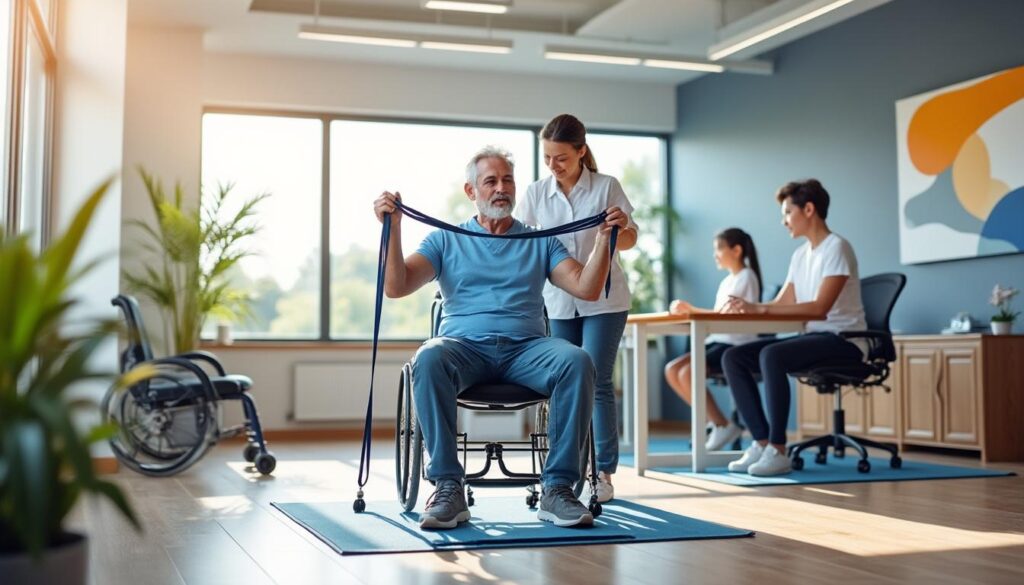
In the constantly evolving landscape of spinal healthcare, patients and practitioners alike grapple with a pivotal question: can the rigorous pathways of rehabilitation and structured return to work reduce or even eliminate the need for surgical intervention? The answer, as…
Exploring the Overlooked Benefits of Spine Surgery in France
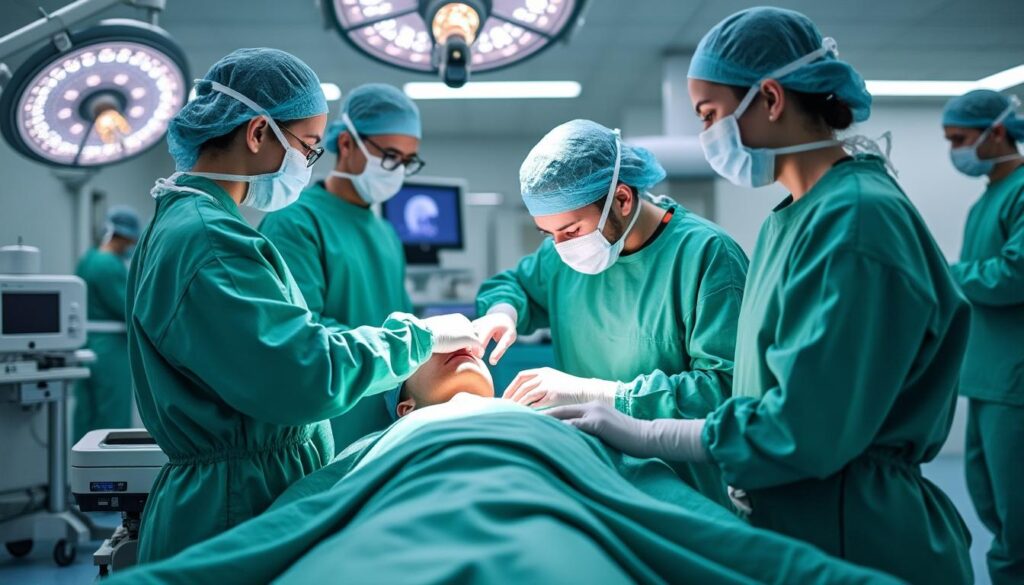
Spinal disorders are a significant health concern for many patients worldwide, yet the solutions and benefits of spine surgery often remain underappreciated. France, with its advanced healthcare infrastructure and pioneering surgical techniques, has emerged as a noteworthy destination for patients…
Patient Education and Anxiety Reduction: Transforming Surgery Readiness in France’s Healthcare System
One of the hidden benefits often underestimated by patients is the profound emphasis placed on patient education within the French preoperative framework. Patient education involves providing clear, detailed information about the surgical procedure, anesthesia, expected sensations, postoperative care, and possible outcomes. This aspect of preoperative preparation directly mitigates anxiety, which is a significant factor influencing surgical success.
Effective preoperative education empowers patients by improving their understanding, increasing trust in their care providers, and fostering better patient compliance. For example, providing tailored educational materials and counseling sessions have been shown to significantly reduce preoperative anxiety, which not only boosts mental readiness but also impacts physiological responses during surgery positively.
Consider the approach used in collaborative transatlantic care coordination, where patients receive educational content in their native language, with opportunities for Q&A to address personal concerns. This practice aligns with findings indicating that active patient preparation has a substantial impact on surgical outcomes and recovery quality, as noted by authoritative healthcare resources such as the importance of active preparation for surgery.
- Clear explanations of anesthesia and pain management techniques
- Pre-surgery behavioral guidance like cessation of smoking and alcohol
- Detailed postoperative expectations and rehabilitation timelines
- Supportive counseling for psychological stress and coping strategies
By integrating these elements into preoperative instruction, healthcare teams significantly raise the baseline preparedness of patients. This often-overlooked factor helps reduce the frequency and intensity of postoperative complications and accelerates recovery periods, directly contributing to enhanced surgical outcomes.
| Education Subject | Purpose | Impact on Patient |
|---|---|---|
| Anesthesia and Procedure Details | Clarify expectations | Decrease fear and anxiety |
| Lifestyle Modifications | Reduce surgical risks | Optimize physical condition |
| Postoperative Recovery Plan | Set realistic goals | Improve adherence to rehab |
| Psychological Support | Coping and resilience building | Enhance mental readiness |
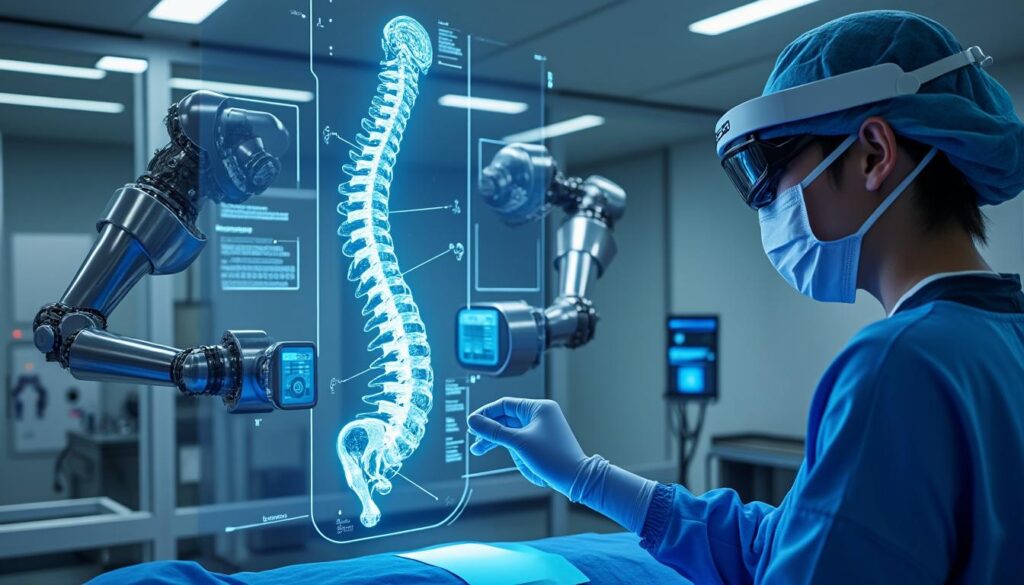
Cousin Spine Technology and Franchir: Transforming Surgical Decision-Making
In recent years, the integration of advanced medical technologies has dramatically shifted how spinal surgeries are planned, performed, and managed. Among the transformative developments, the alliance between Cousin Spine Technology and Franchir stands out as a pioneering force redefining surgical…
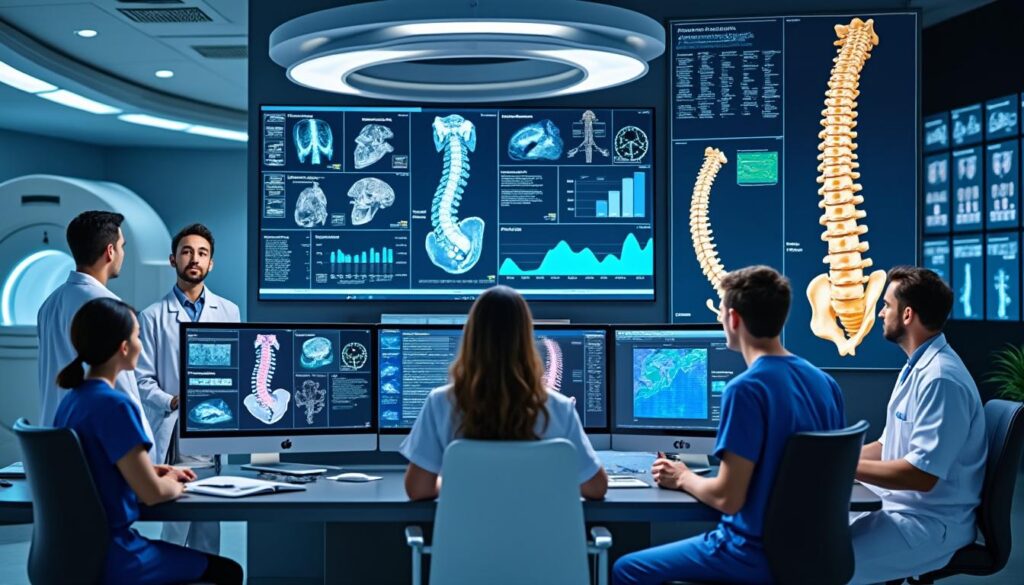
Insights from Research on Preventing Post-Laminectomy Syndrome
Post-Laminectomy Syndrome (PLS), a chronic pain condition arising after spinal surgery, remains a formidable challenge in spinal surgery and pain management. Despite advances in surgical techniques, a significant subset of patients continues to experience persistent neuropathic pain and functional limitations,…
Tailored Neurofunctional Preparation: Enhancing Patient Compliance and Recovery
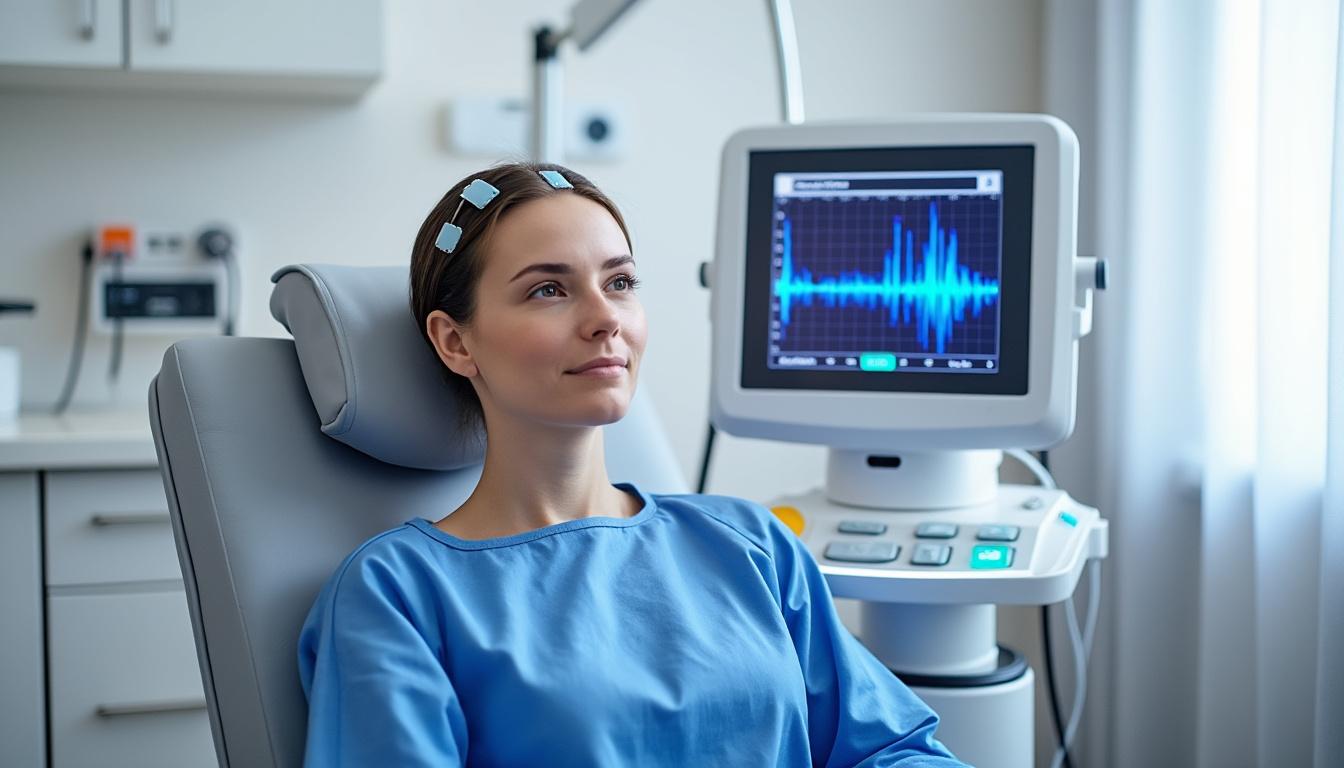
Preoperative preparation in France extends into specialized neurofunctional conditioning, a dimension often unnoticed by patients until after surgery. Patients from Québec benefit from this prehabilitation through programs led by Neurothérapie Montréal that aim to optimize the autonomic nervous system and overall neurological health before surgery.
This preparation is vital because stress and anxiety can severely affect nerve function and post-surgical healing. Techniques such as biofeedback and neurofeedback are employed to help patients regulate physiological responses, reduce stress, and improve neurological function, directly influencing postoperative recovery trajectories. Psychological counseling is also integrated, addressing the mental burdens associated with awaiting major surgery.
Structured neurofunctional training protocols support patient compliance by:
- Enhancing neural adaptability and resilience
- Improving muscular coordination and control post-surgery
- Reducing perioperative anxiety and enhancing emotional stability
- Promoting active patient engagement in rehabilitation programs
The benefits of such tailored approaches are significant. Patients exhibit fewer postoperative complications, reduced pain interference, and a smoother return to daily activities. This strategy correlates with research emphasizing the value of comprehensive preoperative preparation in minimizing surgical risks and optimizing health-related quality of life (studies on preoperative preparation).
| Neurofunctional Intervention | Goal | Patient Outcomes |
|---|---|---|
| Biofeedback Training | Stress modulation | Reduced surgical anxiety |
| Neurofeedback Sessions | Neurological optimization | Improved nerve function |
| Psychological Counseling | Mental preparedness | Enhanced emotional resilience |
International Comparison: Spotlight on Spine Care Practices Between France and Quebec
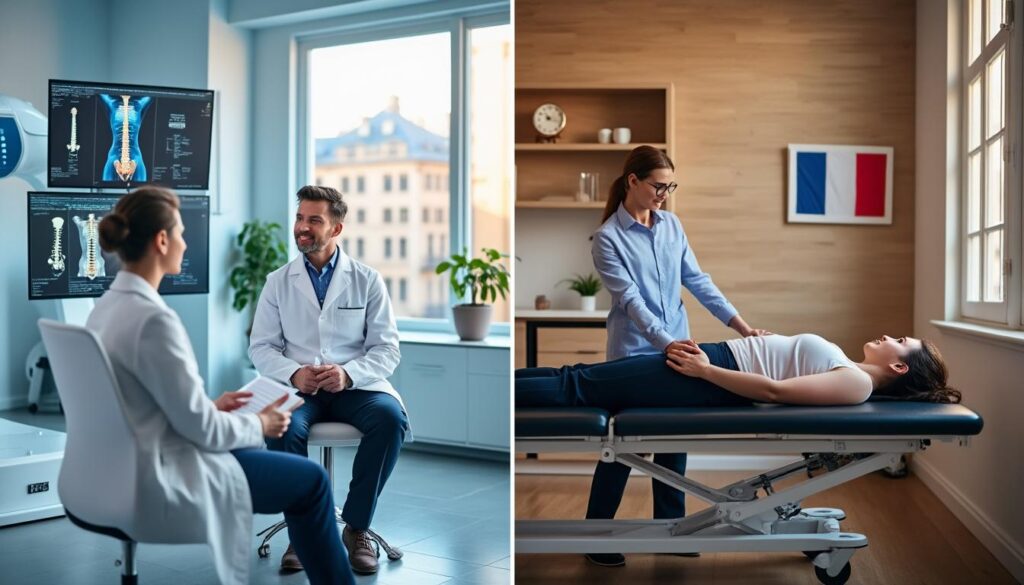
The growing emphasis on spine health in Quebec has spotlighted the value of international collaboration in advancing patient care. With the challenges of prolonged wait times and high private care costs in Quebec, France emerges as an attractive alternative, boasting…

Medical Logistics and Accommodation: Central Pillars in the Patient Care Journey
In the evolving landscape of global healthcare, the interplay between medical logistics and patient accommodation has become a cornerstone for effective and patient-centric care delivery. This synergy is particularly evident in the management of international patient journeys, where cross-border coordination,…
Innovative Surgical Techniques in France: Impact on Preoperative Steps and Recovery
France’s leadership in spinal surgery innovations provides a distinct context in which preoperative preparation takes on added importance. Surgical options such as motion preservation through disc prostheses and dynamic stabilizations, minimally invasive approaches, and robot-assisted arthrodesis come with unique preparation protocols that patients must understand and engage with fully.
For example, disc prostheses preserve segmental mobility, requiring patients to maintain specific muscular strength and neurological function pre-surgery, often achieved through the neurofunctional methods previously described. Minimally invasive and endoscopic surgeries, meanwhile, demand the patient to adhere closely to pre-surgery nutrition and hygiene instructions to reduce infection risks and optimize tissue healing.
- Motion Preservation: Support natural spinal mobility with devices like TOPS and Intraspine
- Minimally Invasive Surgery: Reduce tissue trauma and facilitate quicker discharge
- Robot-Assisted Arthrodesis: Use precision technology for anatomical correction
These techniques influence preoperative preparation by necessitating:
- Detailed patient education to understand specific postoperative expectations
- Prehabilitation exercises targeting muscle groups involved in surgical segments
- Optimizing health parameters such as smoking cessation, hydration, and nutritional balance
- Engagement in psychological readiness programs to reduce anxiety and stress
| Technique | Main Indications | Preoperative Implications | Recovery Benefits |
|---|---|---|---|
| Disc Prosthesis | Degenerative disc disease, herniated disc | Muscular conditioning, neurological assessment | Preserved mobility, faster functional recovery |
| Dynamic Stabilization (TOPS, Intraspine) | Instability, spondylolisthesis | Strength training, mobility preservation | Reduced adjacent segment degeneration |
| Minimally Invasive Surgery | Spinal stenosis, hernias | Strict pre-surgical hygiene, nutritional optimization | Less pain, shorter hospital stay |
| Robot-assisted Arthrodesis | Severe instability, scoliosis | Comprehensive imaging, precise patient positioning | Accurate corrective outcomes |
This evolving landscape of spinal interventions underscores the necessity of a well-structured preoperative regimen which directly links to the reduction of complications and the acceleration of postoperative recovery, supporting better long-term results (how pre-surgical preparation transforms patient experience).
Comprehensive Guide to Eligibility Criteria for Back Surgery
The decision to undergo back surgery involves numerous complex considerations that extend beyond the presence of spinal discomfort. Through an international collaboration between healthcare experts in Quebec and France, patients facing severe spine conditions now have access to advanced surgical…
Unveiling the Hidden Benefits of Neurovertebral Decompression Therapy
Chronic back and neck pain remain pervasive health issues impacting millions, often leading to debilitating effects on daily life and overall well-being. Traditional management strategies frequently fall short due to lengthy wait times, high costs, or invasive procedures. Amid this…
Medical Logistics and Accommodation: A Hidden Benefit of Seamless Preoperative Coordination for Québec Patients
Often underestimated but critical to patient experience is the precise medical logistics and accommodation coordination that underpins the entire surgical journey for patients traveling from Québec to France. Managed by entities such as the company Franchir, this comprehensive service orchestrates every facet of travel and stay, minimizing stress and optimizing patient compliance.
Key elements of these medical logistics include:
- Selection of surgical centers and renowned specialists matched to patient needs
- Efficient booking of international flights with an emphasis on comfort and timing to reduce travel fatigue
- Local arrangements in France covering accommodations, ground transport, and medical appointments
- Consistent communication channels connecting Québec-based teams and French healthcare providers
By centralizing these components, patients can focus entirely on their health and preparation. This holistic management caters to practical needs and psychological well-being, ensuring smooth transitions throughout the perioperative period. The synergy of logistic expertise and medical oversight significantly diminishes administrative burdens — an often-overlooked factor that plays a vital role in surgery readiness and in reducing anxiety.
| Logistics Component | Role | Benefit to Patient |
|---|---|---|
| Surgical Center Selection | Match patient condition to expert surgeon | Improved surgical outcomes |
| Flight and Travel Planning | Optimize travel times and comfort | Minimize preoperative fatigue |
| Accommodation and Transfers | Ensure convenient access to care | Reduce logistical stress |
| Bi-national Communication | Coordinate care and updates | Improve trust and compliance |

Multidisciplinary Postoperative Follow-Up: Continuing Support for Enhanced Recovery
The preoperative journey seamlessly extends into a robust postoperative follow-up protocol, which is integral to the patient-centered care paradigm in France. After surgical intervention, patients are closely monitored through neurofunctional assessments and are supported by personalized rehabilitation strategies coordinated by Neurothérapie Montréal when back in Québec.
This ongoing follow-up focuses on:
- Regular biofeedback sessions to monitor nerve and muscular recovery
- Adjustment of rehabilitation protocols tailored to patient progress
- Psychological support to manage persistent anxiety and maintain motivation
- Open communication loops connecting surgeons and therapists cross-continental
The close-knit collaboration ensures early identification of complications, timely interventions, and reinforced patient adherence to the recovery plan, significantly influencing long-term surgical success. Patient empowerment through continued education and support exemplifies the benefits of the comprehensive preoperative and postoperative preparation model seen in France and Québec cooperation.
| Follow-Up Aspect | Purpose | Benefit |
|---|---|---|
| Neurofunctional Monitoring | Track recovery physiological markers | Early detection of complications |
| Customized Rehab Adjustments | Optimize physical recovery | Faster functional improvement |
| Psychological Support | Address mental health post-surgery | Sustained motivation and reduced anxiety |
| International Care Coordination | Ensure seamless information exchange | Continuity of care and patient safety |
The Strength of an International Specialized Network: A Hidden Asset for Patients Choosing Surgery in France
The collaboration between Québec and France forms a powerful international specialized network in spinal surgery that confers numerous hidden benefits. This alliance provides:
- Access to over twenty renowned surgeons skilled in the latest techniques
- Shortened wait times compared to regional healthcare systems
- Exclusive access to innovative implants and surgical robotics
- Centralized administrative support that minimizes patient stress
- Cost efficiencies through well-organized care pathways
This network not only enhances medical performance but also affirms a patient-centric philosophy, blending scientific precision with compassionate care. It empowers patients with choices, timelines, and state-of-the-art interventions—benefits that are frequently overlooked when considering surgery abroad. For patients with complex spinal pathologies, this network acts as a catalyst for achieving optimal health outcomes and smoother, more confident recovery experiences.
| Network Advantage | How It Benefits Patients |
|---|---|
| Access to Expert Surgeons | Customized, high-quality care |
| Reduced Waiting Times | Faster treatment initiation |
| State-of-the-Art Technology | Improved surgical precision |
| Centralized Process Management | Less anxiety and better organization |
| Cost Optimization | More affordable procedures |
Hidden Benefits of Preoperative Preparation in France: What Patients Often Overlook
Discover the essential steps and advantages of thorough preoperative care tailored for Quebec patients undergoing surgery in France.
Preoperative Preparation Steps in France for Quebec Patients
Quick Quiz: Test Your Knowledge
How can I determine if I am a suitable candidate for surgery in France?
A thorough evaluation conducted by specialists like Dr. Sylvain Desforges and his team at TAGMED reviews your medical documents and tests to establish surgical eligibility tailored to your condition.
Which documents should I prepare before traveling for surgery in France?
Prepare your recent medical test results, health insurance or Carte Vitale where applicable, current prescriptions, and signed informed consent forms to ensure a smooth preoperative process.
What does my surgical stay in France typically involve?
The logistic company Franchir handles booking flights, accommodation, local transport, and medical appointments so that your stay is comfortable and focused on your health.
Who manages postoperative follow-up after returning to Québec?
Neurothérapie Montréal coordinates neurofunctional assessments, pain management, and psychological support to facilitate your successful long-term recovery.
How long is the typical waiting period between evaluation and surgery?
Thanks to a well-coordinated international partnership, waiting times are significantly reduced, ranging from a few weeks to several months depending on case complexity.