
Dispel 5 Common Myths About Herniated Discs in Ahuntsic-Cartierville and Explore Neurovertebral Decompression Therapy
November 27, 2025
Why Experts Advise Choosing Partner Hospitals and Surgeons
November 27, 2025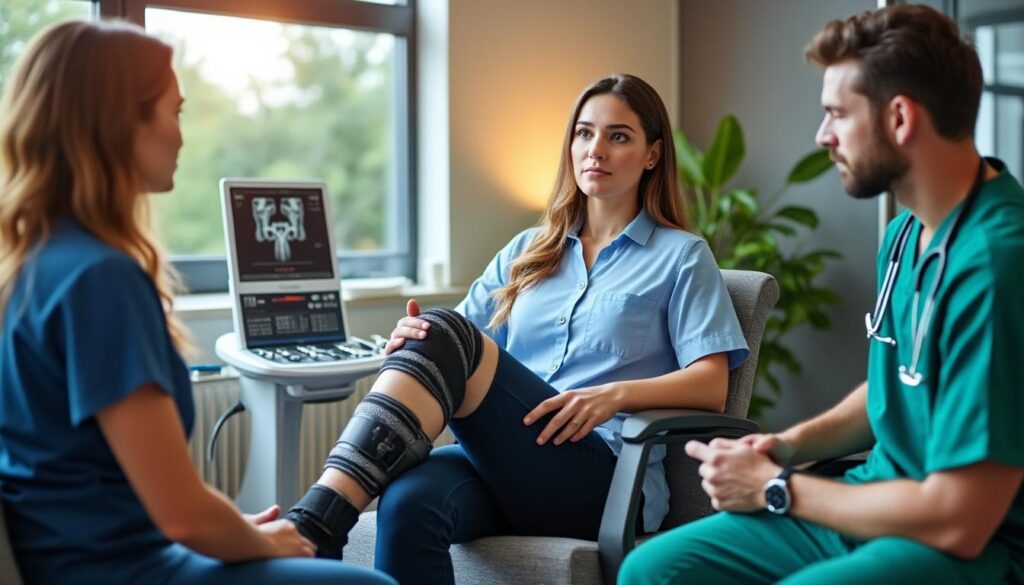
In the landscape of spinal health, patients and clinicians are continuously navigating the complex decision-making process between conservative treatments and surgical interventions. With spinal disorders impacting an increasing number of individuals, particularly within regions such as Quebec and beyond, distinguishing the optimal therapeutic route hinges on a delicate balance of medical indications, risk assessment, and patient preferences. The interplay between non-invasive strategies and surgery is not merely a clinical choice but a multifaceted consideration influenced by evolving technologies, economic factors, and recovery expectations. This rich context invites a deeper exploration into how treatment options are evaluated and the myriad factors shaping surgical decisions today.
The challenge lies in discerning when conservative management suffices and when surgical solutions become indispensable. Advances in robotic-assisted neurovertebral decompression and motion-preserving implants have transformed the therapeutic palette, offering alternatives that promise enhanced outcomes with minimized complications. Yet, patient engagement and individualized care remain paramount to ensure that every treatment pathway is aligned with both clinical efficacy and human-centered considerations. This dialogue between evidence-based medicine and patient-specific nuances underscores the importance of clear communication, ethical transparency, and interdisciplinary collaboration in spinal treatment planning.
Essential Roles of Conservative Treatments in Managing Spinal Disorders and Guiding Surgical Choices
Conservative treatments form the cornerstone of initial management in spinal pathologies, offering symptom control while aiming to preserve functionality and delay or avert surgical intervention. This approach entails a blend of scientifically validated modalities designed to fit each patient’s unique clinical picture and adhere to stringent Canadian and Quebecois healthcare standards.
Among these treatments, robotic neurovertebral decompression stands out due to its precision and non-invasive nature. By applying tailored traction forces, it effectively relieves nerve root compression related to herniated discs or spinal stenosis, underpinning its role as a first-line alternative to immediate surgery. Functional rehabilitation complements this by focusing on strengthening paravertebral musculature, enhancing joint mobility, and correcting postural deficits to alleviate pain and contribute to long-term spinal health.
- Robotic neurovertebral decompression for targeted nerve relief
- Functional rehabilitation emphasizing muscle strengthening and posture correction
- Controlled pain management using appropriate pharmacologic and interventional therapies
- Patient education focusing on ergonomics and self-care to prevent recurrence
Pharmacologic interventions and physiotherapy are carefully balanced to manage pain without compromising rehabilitation potential. Patient education is integral as well, empowering individuals to participate actively in their care by adopting behaviors that minimize strain on the spinal column and reduce the likelihood of symptomatic relapse.
| Conservative Treatment | Advantages | Limitations |
|---|---|---|
| Robotic Neurovertebral Decompression | Non-invasive; precise targeting of lesions; effective for disc herniations and stenosis | Variable outcomes depending on severity; requires patient commitment to treatment duration |
| Functional Rehabilitation | Improves strength and mobility; prevents future dysfunction | Needs expert supervision; slow progression |
| Medication and Pain Control | Rapid symptom relief | Potential side effects and dependency risks |
| Patient Education | Empowers self-management; reduces recurrence risk | Long-term adherence required |
Evidence from clinical guidelines and international experience consistently recommends a conservative management period of three to six months before considering elective surgery, emphasizing evaluation of natural spinal recovery and individual response variability. This approach reduces unnecessary surgical risks and prepares patients physically and psychologically should operative intervention later be indicated. As highlighted in comprehensive reports like those at Sosherniateddisc, conservative care forms an indispensable foundation in spinal care pathways.

Understanding Sciatic Pain: Key Symptoms and When to Seek Medical Advice
Sciatic pain is a prevalent condition impacting a wide demographic, manifesting primarily as intense pain radiating from the lower back down the leg. This pain stems from irritation or compression of the sciatic nerve, a major nerve extending through the…
Risk Assessment and Outcome Effectiveness: Weighing Surgical Versus Conservative Treatment
Evaluating the risks and outcomes associated with surgery compared to conservative treatments involves multifactorial analysis. The decision framework includes potential operative complications, expected recovery timelines, and the durability of functional improvement. Chronic pain management often starts conservatively, reserving surgery for cases exhibiting significant neurological deficits or inadequate pain control after exhaustive non-surgical attempts.
Surgical interventions carry inherent risks including infection, neurological complications, and prolonged hospital stays. A recent analysis of degenerative spinal surgeries in France revealed noteworthy factors such as complication rates and patient-reported function at one year post-operation, underscoring the importance of meticulous patient selection. Conversely, conservative treatment risks are generally limited but may include inadequate symptom control or disease progression if inappropriately applied.
- Operative risks: infection, neurovascular injury, anesthesia complications
- Recovery time: varies markedly between minimally invasive techniques and open surgeries
- Functional outcome: assessed via standardized scales and patient satisfaction metrics
- Natural healing potential considered before surgery to prevent premature interventions
| Factor | Surgical Treatment | Conservative Treatment |
|---|---|---|
| Risk Level | Moderate to high, some irreversible complications possible | Low, generally reversible with minimal side effects |
| Recovery Time | Weeks to months depending on invasiveness | Several months with ongoing management |
| Outcome Durability | Often long-lasting; dependent on surgical technique | Variable; may require maintenance therapy |
| Patient Functional Improvement | Typically substantial in indicated cases | Effective in milder cases or as adjunct |
Insights in surgical conservatism are documented in studies examining the variability of surgeon preferences and decision-making processes, like those found in Welly. These investigations reveal a trend toward cautious approach when evidence of benefit is equivocal, reflecting a growing commitment to avoiding overtreatment and enhancing patient safety.

The Stepwise Role of Functional Recovery in Achieving Successful Outcomes
The journey to full recovery following spinal surgery is often complex and multifaceted, demanding a meticulously structured approach to ensure optimal functional outcomes. In recent years, the concept of functional recovery through a stepwise approach has garnered significant attention in…
Technological Innovations in Surgery Impacting Patient Surgical Choices
The advent of advanced surgical technologies has significantly influenced patient and surgeon preferences by mitigating traditional challenges associated with spinal operations. Techniques such as arthrodesis, dynamic implants like TOPS and Intraspine systems, and disc prostheses now offer tailored solutions that preserve motion and improve biomechanical function, reducing the risk of adjacent segment degeneration.
Minimally invasive and endoscopic procedures enhanced by robotic navigation systems deliver precise interventions with minimized tissue trauma. This evolution in surgical care translates into reduced hospital stays, quicker recoveries, and improved overall outcomes, justifying expanded indications for surgery when appropriate. The French medical infrastructure, benefiting from transatlantic collaborations, provides privileged access to these innovations for patients from elsewhere, including Quebec.
- Arthrodesis techniques for spinal stabilization
- Dynamic stabilization implants that preserve range of motion
- Disc replacement prostheses to restore natural biomechanics
- Robot-assisted minimally invasive and endoscopic surgeries
| Surgical Technique | Main Advantages | Potential Limitations |
|---|---|---|
| Decompression (Laminectomy/Discectomy) | Less invasive, quicker recovery | Potential recurrence, segment instability |
| Fusion (Arthrodesis) | Stable and durable relief from instability | Loss of mobility and stress on adjacent segments |
| Dynamic Implants (TOPS, Intraspine) | Retains motion, minimizes adjacent segment overload | Higher costs, limited availability |
| Disc Prostheses | Functional preservation and pain relief | Strict indications, implant-related risks |
| Minimally Invasive & Robot-assisted Surgery | Reduced pain, faster hospital discharge | Requires specialized expertise |
Transatlantic healthcare collaborations, such as those facilitated by agencies like Franchir, optimize patient pathways by aligning Quebec patients with the most suitable French surgical centers and surgeons. These partnerships underscore a comprehensive approach to care coordination that includes preoperative evaluation, operative management, and postoperative rehabilitation support.

Transatlantic Patient Journey: Insights into Indications, Benefits, and Challenges
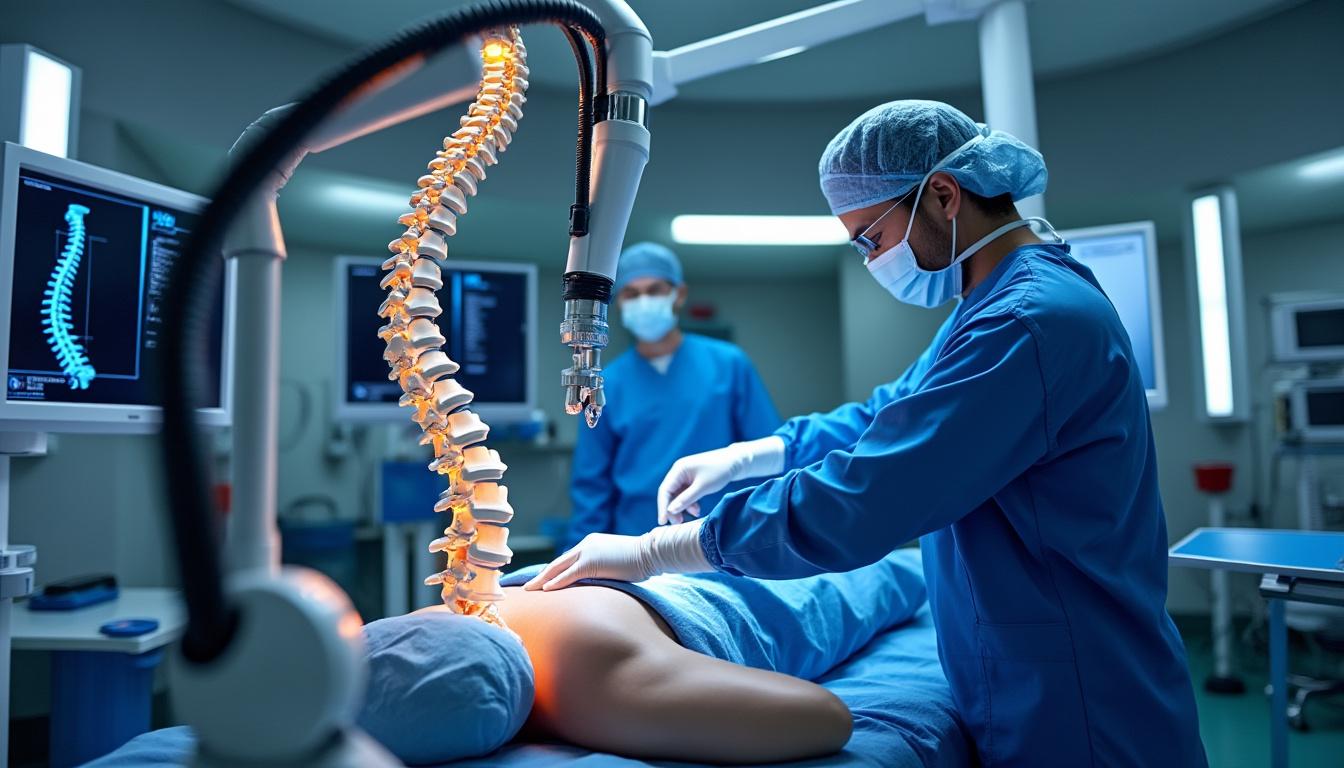
The emergence of the Transatlantic Patient Journey as a strategic model within healthcare continues to capture attention for its innovative potential, especially in specialized fields such as spinal surgery. This cross-border care pathway integrates rigorous medical evaluation from Quebec with…
Integrated International Patient Pathways for Spinal Surgery
Cross-border healthcare coordination has emerged as a vital model for delivering specialized spinal surgical care. Patients identified for surgery by experts like Dr. Sylvain Desforges in Quebec undergo thorough conservative management, followed by precise surgical referral and seamless logistics managed by organizations such as Franchir. This system ensures prioritized access to cutting-edge surgical technologies in France and continuity of care through centers like Neurothérapie Montréal postoperatively.
The pathway is characterized by rigorous multidisciplinary evaluation, customized treatment plans, efficient scheduling, and ongoing patient communication. Administrative support from entities like SOS Tourisme Médical simplifies complex formalities, making this international healthcare experience accessible and patient-friendly.
- Initial functional and imaging assessments to define treatment strategy
- Supervised conservative treatments before surgical consideration
- Selection of specialized surgeons and surgical centers abroad
- Comprehensive logistics and accommodation arrangements
- Postoperative rehabilitation and follow-up coordinated at home
| Phase | Responsible Partner | Objectives |
|---|---|---|
| Evaluation and Conservative Care | Dr. Sylvain Desforges & TAGMED | Optimize non-surgical management and monitor response |
| Surgical Referral and Logistics | Franchir | Select best surgeon; organize travel and appointments |
| Operative Care | French Surgical Centers | Perform advanced surgical procedures |
| Postoperative Rehabilitation | Neurothérapie Montréal | Personalized recovery support and therapy |
| Administrative Guidance | SOS Tourisme Médical | Simplify procedural aspects; patient education |
This integrative model showcases the benefits of combining local expertise with international innovations, ultimately improving surgical outcomes and patient satisfaction.
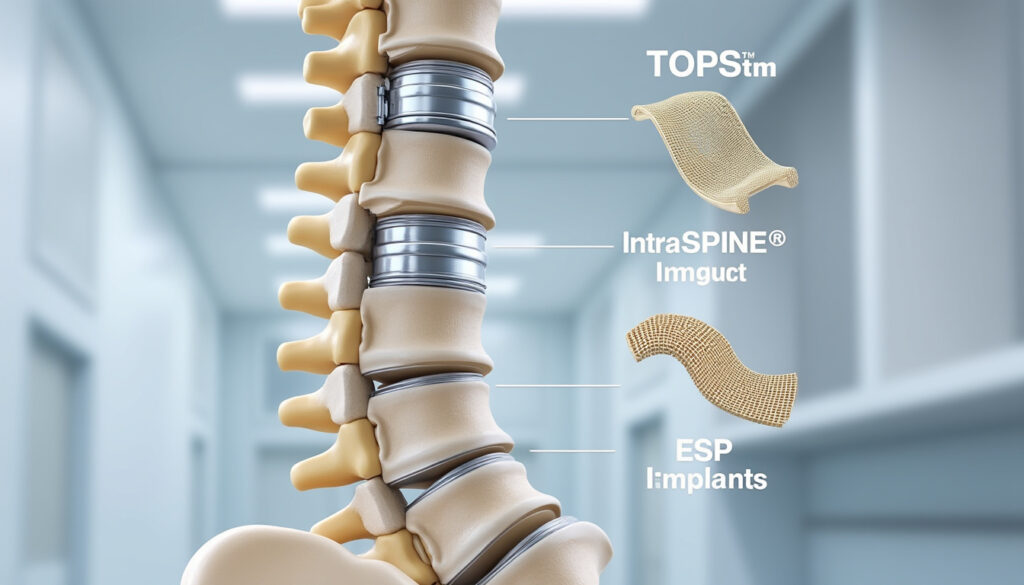
The evolving field of spinal surgery is witnessing a transformative shift, fueled by cutting-edge implant technologies such as TOPS, Intraspine, and ESP. These innovative implants redefine treatment possibilities by emphasizing preservation of natural spinal mechanics, while ensuring durable stabilization and…
Economic and Human Considerations Affecting the Choice Between Surgery and Conservative Care
Cost plays a pivotal role in decision-making surrounding spinal treatments. Conservative management typically incurs lower direct expenses and capitalizes on local healthcare resources, whereas advanced surgeries, especially transatlantic procedures, demand higher investments. However, faster rehabilitation and reduced long-term disability can offset initial costs, particularly with minimally invasive and motion-preserving techniques.
Economic factors intersect with accessibility, as long surgical waitlists and the limited availability of private options in some regions delay care. In contrast, internationally coordinated programs streamline access to state-of-the-art interventions and comprehensive postoperative rehabilitation, potentially reducing chronic pain and productivity losses.
- Cost differences between conservative care and surgical intervention
- Impact of wait times and healthcare system capacity
- Insurance and funding schemes affecting treatment availability
- Human impact: pain relief, improved function, and quality of life
| Factor | Conservative Treatment | Surgical Treatment with International Coordination |
|---|---|---|
| Initial Cost | Lower; outpatient procedures | Higher; includes surgery and travel expenses |
| Accessibility | Widely available locally but with long treatment duration | Streamlined access to expert surgical care abroad |
| Recovery Duration | Extended, requires patient adherence | Accelerated with modern techniques |
| Long-term Benefits | Possible delay of progression; symptom control | Potential for major functional restoration |
The human dimension is critical, where patients’ fears, expectations, and values significantly influence surgical decisions beyond clinical criteria. Transparent discussions about risks, benefits, and lifestyle impacts foster shared decision-making, as reflected in medical edges covered by platforms like 866attylaw.


Preparing for Surgery in France: Key Indications, Benefits, and Limitations
In an evolving global healthcare landscape, France emerges as a beacon of advanced surgical expertise, particularly attracting international patients seeking expedited and innovative medical interventions. Patients from regions experiencing long wait times, such as Quebec, increasingly view France as an…
Surgeon and Institutional Influences on Surgical Decision-Making Processes
Surgeon preference and institutional culture profoundly shape surgical indications and techniques, often creating variability in practice even for similar spinal conditions. This phenomenon, well documented in surgical morbidity conferences, highlights the necessity for evidence-based guidelines while acknowledging personal expertise.
Experienced surgeons weigh clinical factors alongside emerging technologies, patient comorbidities, and logistical aspects. Institutions play roles in offering access to advanced equipment and multidisciplinary support teams, which can either encourage conservative management or prompt early surgical intervention based on resource availability and organizational philosophies.
- Surgeon experience and comfort with advanced techniques
- Institutional availability of technology such as robotic-assisted surgery
- Multidisciplinary team involvement in decision-making
- Quality assurance programs influencing practice standardization
| Influencing Factor | Impact on Treatment Decision |
|---|---|
| Surgeon Preference | Determines surgical approach and candidacy |
| Technological Resources | Enables minimally invasive and advanced surgery |
| Institutional Protocols | Guides conservative vs. surgical treatment options |
| Team Collaboration | Facilitates shared decision-making and patient engagement |
Understanding these determinants is key to harmonizing care and optimizing patient outcomes, as highlighted in contemporary literature on surgical decision-making frameworks such as those available through American Journal of Surgery.

Unveiling the Hidden Benefits of Quality and Certification in Devices
The landscape of device manufacturing and clinical application in 2026 has been fundamentally shaped by the rigorous interplay between quality management and certification processes. Within this complex framework, the hidden benefits of adhering to international standards and obtaining relevant certifications…
Patient Preferences and Psychosocial Considerations in Decision-Making
Patient-centered care demands inclusion of individual preferences, fears, social environments, and psychological readiness in the surgical decision process. Chronic pain sufferers frequently deliberate extensively between conservative and surgical routes, weighing anticipated relief against operative risks and recovery burdens.
Incorporating comprehensive education and counseling facilitates informed choices, while psychosocial support mitigates anxiety and fosters adherence to rehabilitation protocols. Studies in neurosurgical and orthopedic care confirm that patient involvement correlates with improved satisfaction and often better outcomes.
- Patient knowledge and understanding of treatment options
- Psychological readiness and anxiety management
- Social support systems facilitating recovery
- Long-term outlook and quality-of-life considerations
| Psychosocial Factor | Influence on Treatment Choice |
|---|---|
| Education Level | Affects comprehension and expectations |
| Anxiety and Depression | Can delay or complicate decisions |
| Family and Social Support | Improves compliance and recovery |
| Patient Autonomy | Enhances shared decision-making processes |
Effective communication strategies are essential to bridge gaps and ensure transparent dialogue, as discussed in sources like PMC, fostering mutually respected clinical pathways.
Conservative Treatments versus Surgery: Influencing Factors
| Facteur | Traitements Conservateurs | Chirurgie |
|---|

Why Experts Advocate for Comprehensive Preoperative Evaluations
In the complex and demanding field of spinal surgery, the emphasis on comprehensive preoperative evaluations has become a fundamental pillar supporting successful surgical outcomes. These evaluations, far beyond mere routine checks, integrate detailed analyses of patient health, surgical risk assessments,…
Customized Evaluation and Preoperative Preparation by Spine Specialists
A thorough and meticulous evaluation by experienced spine specialists is indispensable before surgical decisions are finalized. Leaders in the field emphasize leveraging objective functional assessments, detailed imaging studies, and multidisciplinary consultations to tailor treatment plans that accord with latest research and individual patient profiles.
Specialized centers, such as those led by experts akin to Dr. Sylvain Desforges, utilize protocols incorporating robotic neurovertebral decompression and progressive conservative care to optimize patient status preoperatively. This preparatory phase mitigates surgical risks and enhances post-surgical recovery, highlighting the importance of personalized, evidence-based pathways.
- Functional evaluations to assess neurological and musculoskeletal status
- Advanced imaging modalities for precise diagnosis
- Multidisciplinary case discussions for consensus treatment planning
- Supervised conservative therapy to test responsiveness
| Preoperative Assessment Component | Purpose |
|---|---|
| Functional Testing | Identify deficits and potential for improvement |
| Imaging Studies | Confirm anatomical pathology and severity |
| Interdisciplinary Review | Establish a coherent, evidence-based plan |
| Conservative Treatment Trial | Assess natural recovery and guide timing of surgery |
Such protocols encourage shared decision-making guided by thorough understanding of potential benefits and limitations. Resources such as Science Direct provide valuable insights into the evolving standards of preoperative assessment and patient engagement.

The Future of Surgery Lies in Stepwise Functional Recovery
The evolution of surgical care in 2026 reveals a compelling shift toward approaches that prioritize the holistic recovery of patients, moving beyond traditional metrics like length of hospital stay or mortality rates. This modern paradigm highlights the principle that the…