
Conservative Treatments versus Surgery: Influencing Factors Behind Surgical Decisions
November 27, 2025Herniated Disc Care in Mercier–Hochelaga-Maisonneuve: Why TAGMED Stands Out with Neurovertebral Decompression Therapy
November 28, 2025
In the evolving landscape of healthcare, the collaboration between partner hospitals and surgeons stands out as a critical determinant of patient outcomes and overall healthcare quality. With increasing complexities in medical procedures, particularly in specialized fields such as spinal surgery, experts emphasize the importance of selecting institutions and surgeons who not only demonstrate surgical expertise but also engage in a robust medical partnership. This collaboration ensures cohesive, patient-centered care that significantly enhances treatment effectiveness, safety, and recovery experiences.
Partner hospitals provide infrastructure, access to innovative technology, and multidisciplinary teams that complement the skills of expert surgeons. Through coordinated efforts, these collaborations foster an environment that prioritizes healthcare quality and patient safety at every stage—from diagnosis to post-operative rehabilitation. The effectiveness of such partnerships is underscored by advancements in surgical techniques, refined hospital selection processes, and a commitment to continuous improvement in treatment outcomes.
Moreover, the integration of patients as partners in their care journey has emerged as a transformative model, where patients’ experiential knowledge enriches medical protocols and communication pathways. This form of collaborative care exemplifies how expert advice now extends beyond clinical merits to embrace a holistic, participatory approach to healing.
Strategic Hospital Selection: Foundations for Superior Healthcare Quality
The choice of hospital is a pivotal factor in determining the success of surgical interventions and the broader spectrum of healthcare services delivered. Partner hospitals typically exhibit distinct characteristics that position them as optimal collaborators for expert surgeons:
- Certification and Accreditation: Hospitals bearing CE certification or equivalent demonstrate adherence to stringent quality and safety standards, which serve as a baseline for reliable medical care.
- Advanced Technical Infrastructure: Availability of cutting-edge surgical equipment and comfortable recovery facilities underpins enhanced treatment outcomes and patient safety.
- Multidisciplinary Collaboration: Comprehensive teams including anesthesiologists, radiologists, and rehabilitation therapists ensure integrative care tailored to each case.
- Research and Innovation Involvement: Partner hospitals engaged in clinical research contribute to the continuous evolution of surgical techniques and implementation of novel technologies.
- Patient-Centered Services: Efficient logistics, including coordinated appointment scheduling and personalized patient support, minimize stress and foster seamless care.
Consider, for example, a hospital network strategically chosen for its fusion of technology and clinical expertise, enabling surgeons to perform innovative, minimally invasive spinal surgeries with reduced complication rates. This synergy between partner hospitals and surgeons enhances not only surgical success but also overall patient care quality through improved recovery times and lower readmission rates.
| Key Hospital Selection Criteria | Impact on Patient Care |
|---|---|
| Certification & Accreditation | Ensures compliance with rigorous safety standards |
| Cutting-Edge Equipment | Enables complex and precise surgical interventions |
| Multidisciplinary Teams | Offers holistic and continuous patient support |
| Participation in Clinical Research | Integrates latest evidence-based practices |
| Patient Logistics Management | Streamlines patient flow and reduces procedural delays |
Such meticulous hospital selection underscores the significance of collaborative care frameworks highlighted in understanding hospital-physician partnerships, which play a vital role in optimizing healthcare efficiency and outcomes.


Understanding Sciatic Pain: Key Symptoms and When to Seek Medical Advice
Sciatic pain is a prevalent condition impacting a wide demographic, manifesting primarily as intense pain radiating from the lower back down the leg. This pain stems from irritation or compression of the sciatic nerve, a major nerve extending through the…

The Stepwise Role of Functional Recovery in Achieving Successful Outcomes
The journey to full recovery following spinal surgery is often complex and multifaceted, demanding a meticulously structured approach to ensure optimal functional outcomes. In recent years, the concept of functional recovery through a stepwise approach has garnered significant attention in…
Surgical Expertise and Surgeon Selection: Cornerstones of Treatment Outcomes
Surgical expertise is paramount to successful healthcare delivery, especially in complex procedures like spinal surgery. Experts advocate choosing surgeons who not only have extensive clinical experience but also demonstrate a commitment to adopting innovative practices and maintaining comprehensive vocational education.
- Specialized Training and Certifications: Surgeons with advanced diplomas in spinal surgery or related fields ensure precision and safety in procedures.
- Experience with Advanced Techniques: Proficiency in minimally invasive, endoscopic, or dynamic implant surgeries reflects cutting-edge surgical capabilities.
- Engagement in Research and Industry Collaboration: Surgeons actively involved in clinical trials and device development provide access to latest therapeutic options.
- Patient-Centered Approach: Emphasis on personalized treatment plans that preserve mobility and enhance quality of life.
- Ethical Standards and Multidisciplinary Coordination: Adherence to rigorous ethical guidelines promotes trust and effective team collaboration.
For instance, surgeons integrating novel dynamic implants such as TOPS or Intraspine demonstrate a blend of technical skill and innovation that improves post-surgical mobility and reduces complications. The importance of selecting such surgeons is emphasized in expert sources discussing why experts advocate for partnered hospitals and surgeons, reinforcing how surgical prowess is enhanced through medical partnerships.
| Surgeon Expertise Indicators | Contribution to Patient Outcomes |
|---|---|
| Advanced Clinical Certifications | Ensures mastery of spinal surgical procedures |
| Innovative Surgical Techniques | Enables less invasive surgeries with quicker recovery |
| Active Research Participation | Facilitates use of novel treatment modalities |
| Patient-Centered Treatment Philosophy | Enhances individualized care and satisfaction |
| Strong Ethical Commitments | Builds patient trust and safety assurance |
Developing a successful collaboration with such surgeons complements the hospital’s technological capabilities, as noted in discussions about creating the right hospital partner to ensure optimal surgical outcomes and patient well-being.

Transatlantic Patient Journey: Insights into Indications, Benefits, and Challenges
The emergence of the Transatlantic Patient Journey as a strategic model within healthcare continues to capture attention for its innovative potential, especially in specialized fields such as spinal surgery. This cross-border care pathway integrates rigorous medical evaluation from Quebec with…
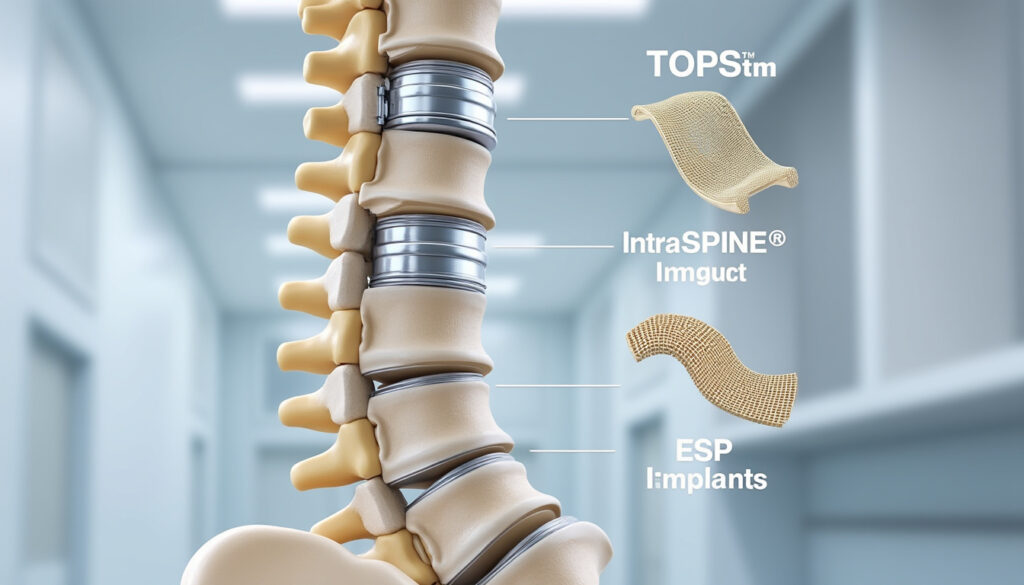
The evolving field of spinal surgery is witnessing a transformative shift, fueled by cutting-edge implant technologies such as TOPS, Intraspine, and ESP. These innovative implants redefine treatment possibilities by emphasizing preservation of natural spinal mechanics, while ensuring durable stabilization and…
Medical Partnership Dynamics: How Integration Enhances Patient Safety
The essence of expert advice in modern healthcare emphasizes the dynamic synergy between partner hospitals and surgeons. This medical partnership fosters a culture where shared protocols, joint decision-making, and seamless information exchange prioritize patient safety.
- Coordinated Clinical Pathways: Agreed-upon treatment algorithms reduce variability and improve consistency.
- Shared Quality Assurance Programs: Continuous monitoring and evaluation of outcomes enhance safety standards.
- Joint Risk Management Strategies: Identification and mitigation of potential complications through collaborative efforts.
- Integrated Patient Data Systems: Real-time access to comprehensive medical records ensures informed surgical planning.
- Regular Interdisciplinary Meetings: Facilitates communication and alignment among surgeons, nurses, and ancillary staff.
Such structured medical partnerships contribute to fewer perioperative complications and enhanced recovery rates. They also encourage adoption of evidence-based innovations like robotic assistive devices, contributing to safer surgical navigation.
| Elements of Medical Partnership | Impact on Patient Safety and Outcomes |
|---|---|
| Coordinated Clinical Protocols | Standardizes treatment, reducing errors |
| Shared Quality Metrics | Improves objective evaluation of care |
| Risk Management Collaboration | Proactively addresses potential complications |
| Data Integration Systems | Supports clinical decision-making with accurate information |
| Interdisciplinary Communication | Ensures aligned patient-centric treatment |
Insights into effective strategies can be found in analyses of enhancing hospital-physician partnerships for success, which explore how these dynamics underpin healthcare quality and patient safety.


Preparing for Surgery in France: Key Indications, Benefits, and Limitations
In an evolving global healthcare landscape, France emerges as a beacon of advanced surgical expertise, particularly attracting international patients seeking expedited and innovative medical interventions. Patients from regions experiencing long wait times, such as Quebec, increasingly view France as an…

Unveiling the Hidden Benefits of Quality and Certification in Devices
The landscape of device manufacturing and clinical application in 2026 has been fundamentally shaped by the rigorous interplay between quality management and certification processes. Within this complex framework, the hidden benefits of adhering to international standards and obtaining relevant certifications…
Innovations in Surgical Technology: Collaboration Amplifies Treatment Outcomes
Technological advancements form a cornerstone of why experts emphasize partnering with hospitals proficient in deploying innovative devices and techniques. The integration of dynamic spinal implants and robotic-assisted surgery exemplifies cutting-edge progress that partner hospitals and surgeons offer collectively.
- Dynamic Implants (e.g., TOPS, Intraspine, ESP, B-DYN): Designed to preserve spinal mobility, these implants reduce postoperative stiffness and improve long-term functionality.
- Minimally Invasive Approaches: Reduced tissue damage and infection risk translate into quicker recovery and less postoperative pain.
- Robotic Surgical Systems: Featuring high-precision navigation and reduced human error, robotics optimize implant placements and surgical accuracy.
- 3D Imaging and Preoperative Planning: Tailored surgical strategies based on advanced imaging optimize patient-specific approaches.
- Endoscopic Spine Surgery: Less invasive visualization techniques allow surgeries with fewer complications and reduced hospital stays.
Access to these technologies requires hospitals equipped with advanced facilities and surgeons trained in their application, reinforcing the value of medical partnerships. This has been documented in the latest research on hospital and surgeon collaborations that highlight improved clinical outcomes attributable to technology-enabled care.
| Technology | Benefits | Clinical Impact |
|---|---|---|
| Dynamic Implants (TOPS, Intraspine) | Preservation of spinal motion | Reduced stiffness, lower risk of adjacent segment degeneration |
| Minimally Invasive Surgery | Less tissue trauma | Faster recovery, fewer infections |
| Robotic-Assisted Surgery | Enhanced surgical precision | Improved implant placement, fewer complications |
| 3D Imaging and Planning | Customized surgery plans | Optimized treatment tailored to patient anatomy |
| Endoscopic Techniques | Minimized invasiveness | Shorter hospital stays, quicker rehabilitation |
For patients seeking spine surgery, the benefits of clinical partnerships enabling access to this technology are increasingly clear, as illustrated by case studies available in expert resources such as how quality and certification of medical devices enhance clinical outcomes.

Why Experts Advocate for Comprehensive Preoperative Evaluations
In the complex and demanding field of spinal surgery, the emphasis on comprehensive preoperative evaluations has become a fundamental pillar supporting successful surgical outcomes. These evaluations, far beyond mere routine checks, integrate detailed analyses of patient health, surgical risk assessments,…

The Future of Surgery Lies in Stepwise Functional Recovery
The evolution of surgical care in 2026 reveals a compelling shift toward approaches that prioritize the holistic recovery of patients, moving beyond traditional metrics like length of hospital stay or mortality rates. This modern paradigm highlights the principle that the…
Patient Safety Protocols Within Partner Hospitals: Expert Recommendations
Ensuring patient safety is central to the commitment shared by partner hospitals and surgeons. Experts advise rigorous implementation of safety protocols aligned with international standards to mitigate risks associated with surgical care.
- Preoperative Risk Assessment: Thorough evaluation to identify patient-specific risk factors guides tailored care.
- Infection Control Measures: Sterile environments, antibiotic prophylaxis, and continuous staff training reduce complications.
- Standardized Surgical Checklists: Implementation ensures consistency and error reduction in the operating theater.
- Continuous Outcome Monitoring: Postoperative tracking and complication management feed into quality improvement initiatives.
- Patient Education and Involvement: Empowering patients improves adherence to postoperative instructions and promotes safer recoveries.
Partner hospitals with established quality departments conduct regular audits that refine these protocols, translating expert advice into concrete patient safety enhancements. The role of such practices aligns with insights from authoritative analyses including those on medical partnerships improving safety.
| Safety Protocol | Implementation | Patient Safety Impact |
|---|---|---|
| Preoperative Assessment | Individualized risk evaluation | Reduces perioperative complications |
| Infection Control | Strict sterilization and prophylaxis | Lowers infection rates |
| Surgical Checklists | Standardized procedural steps | Prevents human error |
| Outcome Monitoring | Continuous data review | Informs care improvements |
| Patient Education | Information sessions and guidance | Boosts compliance and recovery |

Facilitating International Medical Care: Medical Partnerships’ Role in Logistics and Accessibility
International patients, such as those traveling from Canada to France for spinal surgery, greatly benefit from the organizational support provided by partner hospitals working in tandem with dedicated medical partnerships. This collaboration ensures logistics and accommodations are flawlessly arranged to optimize the care pathway.
- Streamlined Appointment Coordination: Synchronizing consultations, diagnostics, and surgical dates avoids unnecessary delays.
- Comprehensive Travel and Accommodation Support: Managing flights, lodging, and in-country transport alleviates patient stress.
- Multilingual Care Teams: Bridging communication and cultural barriers enhances patient comfort and compliance.
- Integrated Postoperative Rehabilitation Planning: Establishing plans that span multiple countries ensures continuity of care.
- Administrative Assistance: Navigating insurance and regulatory paperwork simplifies patient experiences abroad.
Such partnerships enable patients to focus on their treatment and recovery with confidence, knowing that medical and logistical challenges are professionally managed. This holistic approach is highlighted in expert discussions on medical logistics and accommodation management as a crucial factor for successful international treatments.
| Logistics Element | Benefit for International Patients |
|---|---|
| Appointment Scheduling | Reduces wait times and streamlines treatments |
| Travel and Lodging Coordination | Minimizes patient stress and confusion |
| Multilingual Support | Improves communication and satisfaction |
| Rehabilitation Integration | Ensures seamless care across borders |
| Administrative Guidance | Facilitates smooth regulatory compliance |
Collaborative Care Models: Elevating Patient Experience and Therapeutic Success
The evolution towards collaborative care models embodies the essence of expert recommendations for partnering hospitals and surgeons. Integrating diverse healthcare professionals and patients creates an ecosystem where treatment is optimized holistically.
- Interdisciplinary Teamwork: Coordinated efforts by surgeons, nurses, therapists, and patient partners foster comprehensive care.
- Patient Engagement as Partners: Involving patients actively in decisions improves compliance and satisfaction.
- Shared Decision-Making Processes: Transparency and dialogue empower informed choices in treatment pathways.
- Continuous Outcome Evaluation: Dynamic feedback loops refine and personalize therapies.
- Education and Support Services: Providing resources ensures patients and families are well-informed throughout.
This model resonates with findings from studies on hospital and surgeon partnership insights, emphasizing how collaborative care optimizes surgical expertise for improved patient safety and health outcomes.
Why Experts Advise Choosing Partner Hospitals and Surgeons
Découvrez en interagissant les principaux avantages des hôpitaux et chirurgiens partenaires.
What are the key criteria in selecting partner hospitals?
Selection is based on hospitals’ certification, technical capabilities, multidisciplinary teams, research involvement, and patient-centered logistics ensuring healthcare quality and safety.
How do patients contribute as partners in their surgical care?
Patients share experiential knowledge, support education programs, aid communication, and participate in research, enhancing treatment personalization and safety.
What advantages do international patients gain from these hospital-surgeon partnerships?
They benefit from expedited care access, personalized treatment plans, advanced surgical technologies, and comprehensive logistical support across borders.
What surgical technologies are prioritized by expert medical partnerships?
Innovative dynamic implants, robotic assistance, minimally invasive procedures, and advanced imaging tools are utilized to maximize patient outcomes.
How is patient safety enhanced within these partner networks?
Through rigorous preoperative assessments, infection control, standardized surgical checklists, outcome monitoring, and patient education anchored in collaborative care models.