Longueuil Sciatica Relief Using Decompression Therapy
November 27, 2025
Conservative Treatments versus Surgery: Influencing Factors Behind Surgical Decisions
November 27, 2025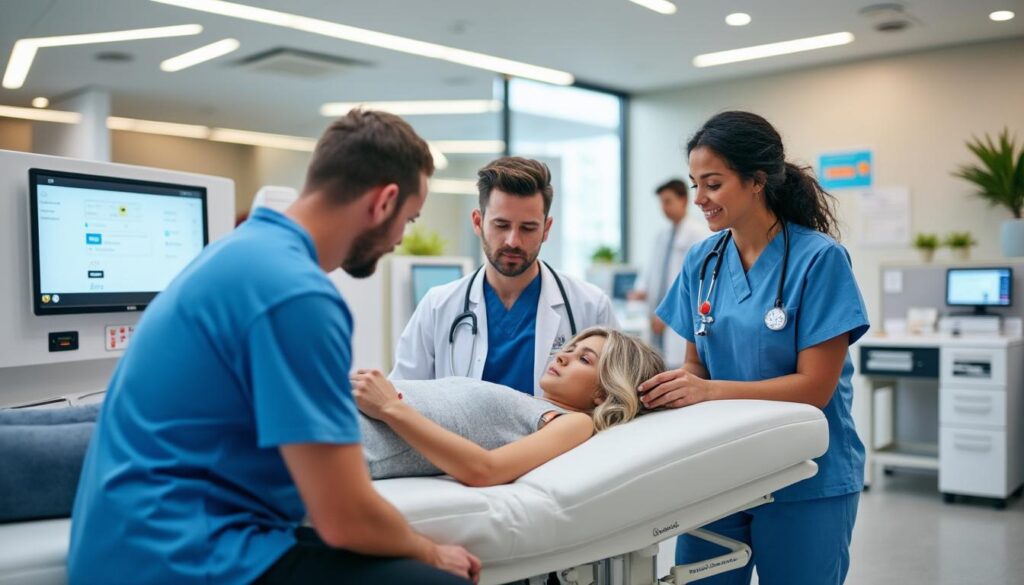
Herniated discs are a frequent source of back pain and discomfort for residents of Ahuntsic-Cartierville, yet misconceptions and myths about this condition often complicate treatment and recovery. Many individuals suffer needlessly, uncertain of their options and hesitant about emerging therapies. Today, a better understanding of spinal health and conservative treatments such as neurovertebral decompression therapy is reshaping patient outcomes. This non-surgical treatment modality has been gaining traction as a safe, effective alternative, offering back pain relief without the risks of invasive procedures. Through the insights of Dr. Sylvain Desforges, a prominent spine care expert, we explore not only the scientific realities behind herniated discs but also the transformative potential of modern spinal therapy approaches available locally.
In Ahuntsic-Cartierville, where workplace ergonomics and personal habits often contribute to spinal strain, misinformation about herniated discs remains widespread. From the false belief that surgery is the only solution to myths linking every episode of back pain directly to disc herniation, these misunderstandings prevent many patients from pursuing optimal care pathways. Dispelling these myths empowers residents to make informed decisions. Alongside this education, advanced therapies like neurovertebral decompression present a promising frontier for managing disc herniations conservatively. By expanding awareness of these treatment remedies and clarifying commonly held mistaken beliefs, this discussion aims to improve both the quality of life and the clinical outcomes of those affected by spinal disorders in this community.
Understanding Herniated Discs: Anatomy and Pathophysiology in Ahuntsic-Cartierville’s Context
To effectively dispel myths about herniated discs, it’s imperative to begin with a clear grasp of spinal anatomy and the pathophysiological processes involved. The spine consists of vertebrae cushioned by intervertebral discs, each composed of a tough outer fibrous ring known as the annulus fibrosus and a gelatinous center called the nucleus pulposus. Herniation occurs when the nucleus pulposus protrudes through a weakened or torn annulus fibrosus, potentially compressing nearby nerve roots and eliciting symptoms such as back pain, numbness, or sciatica.
In Ahuntsic-Cartierville, prevalent occupational exposures and postural stresses contribute notably to disc degeneration and injury. For example, jobs requiring frequent lifting or prolonged sitting can accelerate wear on spinal structures. Comprehensive imaging techniques including MRI scans are vital for accurate diagnosis, distinguishing between types of herniations such as protrusions (where the nucleus bulges without rupturing the annulus), extrusions (nucleus material breaks through but remains connected), and sequestrations (fragments detach completely).
Identifying the herniation’s characteristics—type, location (most commonly lumbar but also cervical or thoracic), and the extent of nerve involvement—guides targeted treatment strategies. Osteopathic expertise, such as that provided by Dr. Sylvain Desforges at Clinique TAGMED in Montréal and Terrebonne, is invaluable for a detailed evaluation that informs personalized care plans. This nuanced understanding transcends simplistic labels, emphasizing that each patient’s spinal pathology is unique, necessitating tailored interventions rather than one-size-fits-all solutions.
| Herniation Type | Key Feature | Typical Symptoms |
|---|---|---|
| Protrusion | Nucleus displaced, annulus intact | Mild to moderate pain, stiffness |
| Extrusion | Nucleus breaks through annulus, still attached | Severe pain, frequent sciatica |
| Sequestration | Detached nucleus fragment | Intense pain, higher neurological risk |
- Maintain regular clinical and imaging evaluations to assess herniation type and severity.
- Understand the influence of occupational and lifestyle factors inherent to Ahuntsic-Cartierville residents.
- Recognize that herniations vary widely and impact patients differently, requiring bespoke therapeutic plans.
IntraSPINE® in Sherbrooke: A Long-Lasting Solution for Chronic Lower Back Pain
Chronic lower back pain remains one of the most pressing health concerns in Sherbrooke and beyond, impacting millions and often diminishing daily quality of life. Despite the prevalence of lumbar discomfort, many face limited access to cutting-edge treatments amidst lengthy…
Dispel Myths About Herniated Discs in Ahuntsic-Cartierville: Scientific Perspectives and Patient Realities
Myths about herniated discs can deter patients in Ahuntsic-Cartierville from seeking the right treatment. Here we tackle five common misconceptions based on the latest clinical experience and current research, underscored by Dr. Sylvain Desforges’ evidence-based approach.
- Surgery is the inevitable solution for every herniated disc.
While historically surgery was considered the primary treatment, advances in spinal therapy now provide effective non-surgical alternatives such as neurovertebral decompression. This technique alleviates nerve pressure without the risks of invasive procedures. Surgery remains a last resort for specific cases with severe neurological deficits. - Back pain always indicates a herniated disc.
Back pain has numerous causes including muscular strains, arthritis, or ligament injuries. Disc herniation is just one possible source; therefore, thorough evaluation is essential for accurate diagnosis. - No pain means no herniated disc.
Surprisingly, many asymptomatic individuals have herniated discs visible on imaging. Pain depends on nerve involvement and inflammation rather than just structural changes. - Physical activity worsens a herniated disc.
Controlled exercise and rehabilitation often strengthen supporting muscles, improve posture, and enhance recovery. Avoiding movement can sometimes prolong dysfunction. - Alternative therapies are ineffective for herniated discs.
Complementary treatments such as osteopathy, acupuncture, and massage, when integrated into a multidisciplinary care plan, can significantly aid symptom management and patient comfort.
This comprehensive myth-busting aligns with respected resources like Airrosti’s article on 5 Myths About Herniated Discs and movement restoration insights, reinforcing the importance of evidence-based patient education.
| Myth | 2025 Scientific Reality |
|---|---|
| Surgery is always needed | Non-surgical decompression therapy offers effective alternatives for most patients |
| Back pain equals herniated disc | Multiple causes require careful differential diagnosis |
| No pain means no herniation | Asymptomatic herniations are common |
| Exercise worsens the condition | Guided activity supports recovery |
| Alternative care is a waste of time | Complementary therapies improve results when integrated properly |
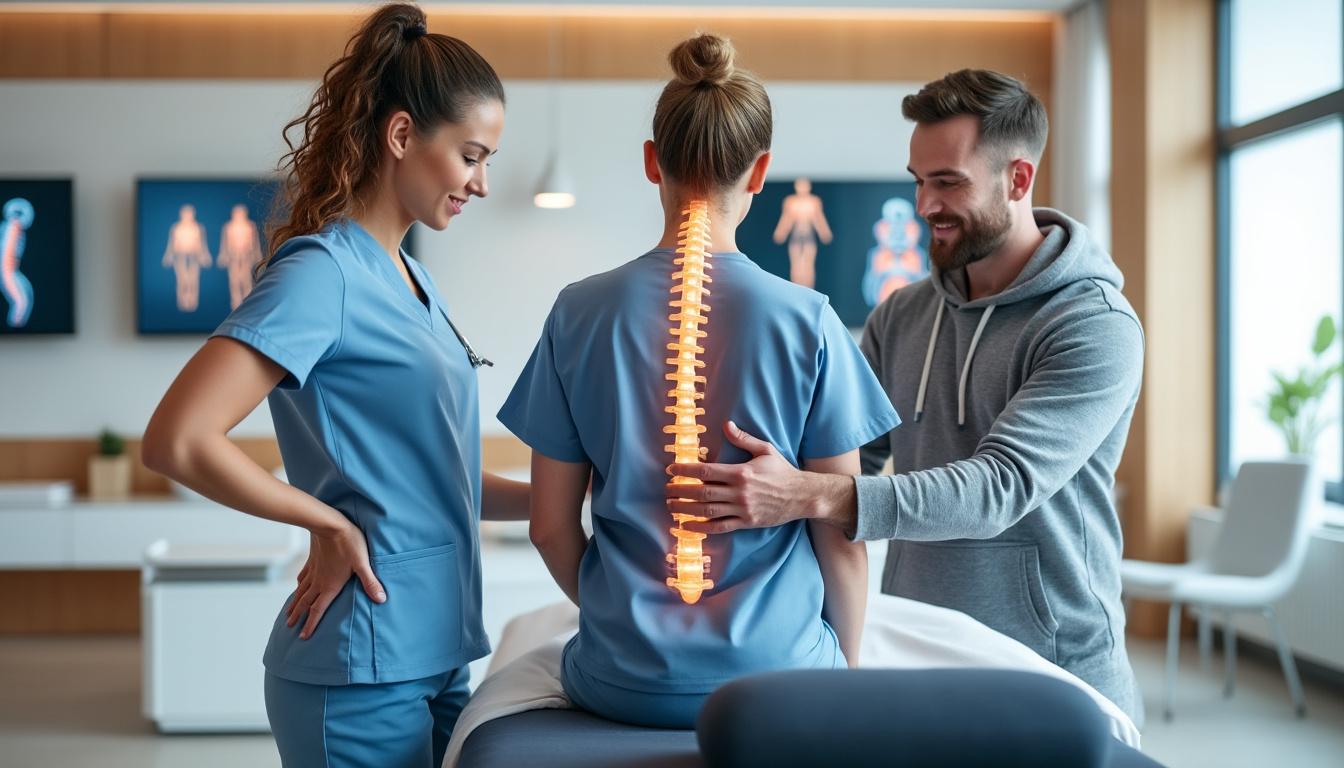
Herniated Disc Care in Sainte-Julie: Why TAGMED’s Neurovertebral Decompression Therapy Stands Out
In the vibrant community of Sainte-Julie, back pain—particularly that stemming from herniated discs—has become a widespread concern affecting people from all walks of life. The relentless search for effective, non-invasive treatments has brought renewed attention to a pioneering therapy that…
Exploring Neurovertebral Decompression Therapy: A Cutting-Edge Non-Surgical Treatment in Ahuntsic-Cartierville
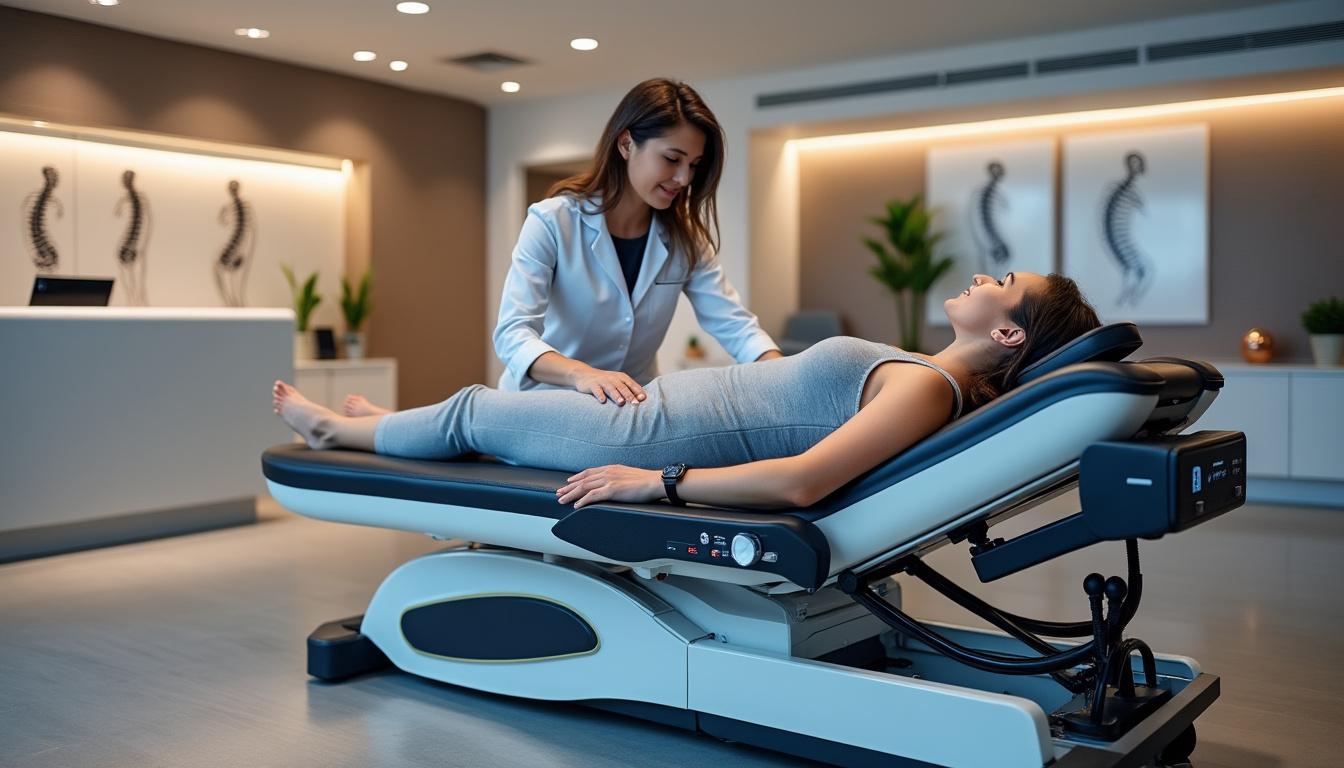
Neurovertebral decompression therapy stands as a breakthrough treatment modality designed to alleviate the symptoms of herniated discs with minimal risk. By applying precise traction to the spine, this therapy gently increases the intervertebral space, reducing pressure on pinched nerves. The resultant negative pressure can encourage the nucleus pulposus to retract, promoting natural healing and pain relief.
Key benefits include:
- Non-invasive and painless procedure: Eliminates risks associated with surgery and anesthesia.
- Short recovery times: Patients often resume normal activities quickly.
- Personalized treatment protocols: Tailored to the herniation’s location and severity.
- Synergy with rehabilitation: Complements physiotherapy and osteopathic care.
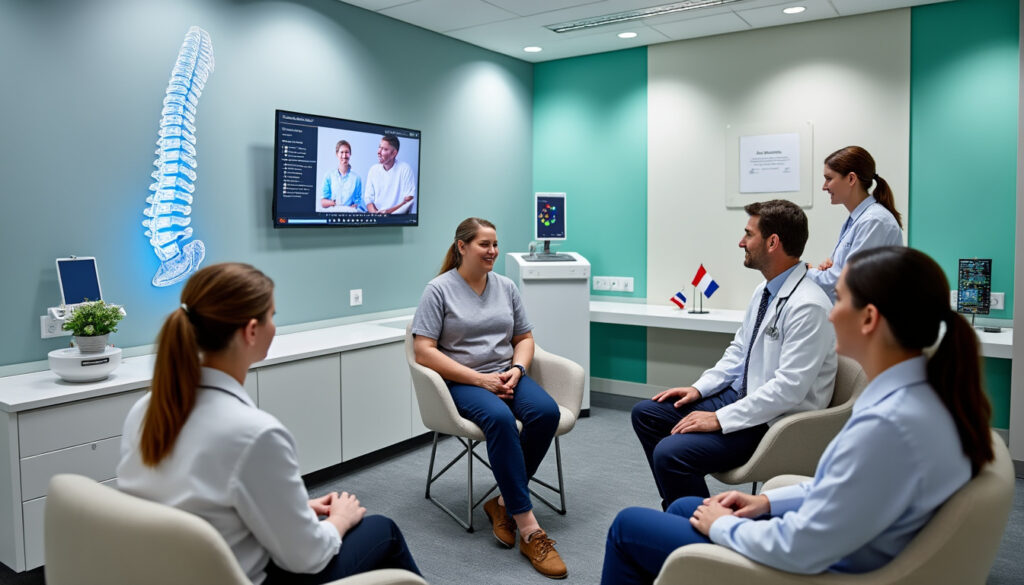
Dr. Sylvain Desforges integrates this therapy within the comprehensive services offered at his renowned Clinique TAGMED, which utilizes advanced equipment and a multidisciplinary approach for optimal outcomes in Ahuntsic-Cartierville’s urban population. Patient testimonials here frequently highlight significant reductions in sciatica and improvements in spinal function.
| Feature | Description |
|---|---|
| Traction technique | Targeted decompression applied specifically to lumbar or cervical regions |
| Pressure relief | Reduces intradiscal pressure to facilitate nucleus repositioning |
| Tissue regeneration | Stimulates natural healing mechanisms in spinal structures |
| Integration with rehab | Works alongside physiotherapy and manual therapies |
Back Surgery in Trois-Rivières: Alleviating Pain While Preserving Mobility
In Trois-Rivières, Quebec, the persistence of back pain affects a substantial portion of the population seeking effective and personalized solutions. Back pain, often caused by spinal disorders or herniated discs, can drastically diminish quality of life, limiting mobility and causing…
Complementary Therapies in Ahuntsic-Cartierville: Enhancing Outcomes for Herniated Disc Patients
Optimal management of herniated discs often involves a combination of interventions. In Ahuntsic-Cartierville, various complementary methods support and extend the benefits of neurovertebral decompression:
- Physiotherapy: Specialized exercises to strengthen back muscles and restore mobility
- Anti-inflammatory medications: Controlled use of drugs like DoloPreg for symptom control
- Corticosteroid injections: Localized inflammation reduction when necessary
- Osteopathic manipulation: Manual techniques to enhance musculoskeletal balance and relieve tension
- Alternative treatments: Acupuncture, therapeutic massage, and herbal remedies to augment comfort and healing
Each approach carries benefits and limitations, underscoring the importance of individualized treatment decisions overseen by professionals such as Dr. Sylvain Desforges. His guided protocols emphasize safety, effectiveness, and patient education to ensure sustainable spinal health improvements.
| Therapeutic Option | Advantages | Limitations |
|---|---|---|
| Physiotherapy | Muscle strengthening and relapse prevention | Dependent on patient adherence and time commitment |
| Medications | Rapid pain and inflammation relief | Possible side effects with long-term use |
| Corticosteroid Injections | Effective local inflammation control | Temporary effects, may require multiple sessions |
| Osteopathy | Improves mobility and muscular balance | Variable outcomes depending on practitioner skill |
| Alternative Therapies | Enhances comfort and symptom management | Scientific evidence varies, best used as complement |
Disc herniation remains a significant health concern in Pointe-Claire, impacting the lives of a diverse population ranging from labor-intensive workers to the aging community. The condition, characterized by the displacement or rupture of the intervertebral disc, often leads to debilitating…
The Crucial Role of Post-Treatment Rehabilitation Following Neurovertebral Decompression or Surgery
Whether after neurovertebral decompression or surgical intervention, rehabilitation plays a decisive role in restoring spinal function and preventing recurrence. In Ahuntsic-Cartierville, tailored rehab programs focus on:
- Improving spinal mobility through progressive stretching and flexibility exercises
- Strengthening core and back muscles with customized physiotherapy regimens
- Correcting posture to reduce biomechanical stress on vertebrae
- Implementing long-term stabilization strategies to maintain health
This personalized rehabilitation is coordinated by multifaceted teams under the guidance of experts like Dr. Sylvain Desforges, who understands the necessity of comprehensive care pathways to optimize recovery. The integration of modern technologies and professional support accelerates return to daily activities and work, thereby improving patient quality of life significantly.
| Rehabilitation Goal | Method | Expected Outcome |
|---|---|---|
| Mobility restoration | Progressive stretching and exercises | Enhanced spinal range of motion |
| Muscle strengthening | Personalized physiotherapy programs | Improved spine stability |
| Postural correction | Patient education and ergonomic advice | Reduced chronic pain |
| Recurrence prevention | Long-term maintenance plans | Durable spinal health |
TOPS™ in Gatineau: A High-Performance Solution for Lumbar Spine Care
In a region where chronic back pain increasingly affects quality of life, the quest for advanced and effective lumbar spine treatments is paramount. Lumbar spinal stenosis, a prevalent condition among Quebec’s aging population, often imposes persistent discomfort and mobility limitations.…
Addressing Risk Factors and Preventive Measures Specific to Ahuntsic-Cartierville for Disc Herniation
Environmental and lifestyle risk factors distinctive to Ahuntsic-Cartierville influence the prevalence of herniated discs among residents. Primary contributors include:
- Prolonged poor postures, especially for desk workers
- Repetitive heavy lifting common in manual occupations
- Age-related degeneration of discs
- Lack of regular physical activity
- Excess body weight increasing spinal load
To counter these, community-specific prevention strategies revolve around:
- Ergonomic education in workplaces to encourage correct postures and periodic breaks
- Strengthening exercises targeted at spinal musculature
- Regular osteopathic and clinical assessments to detect early signs
- Introducing neurovertebral decompression therapy promptly when symptoms appear
- Promotion of healthy nutrition and weight management
| Risk Factor | Recommended Preventive Measure |
|---|---|
| Poor posture | Ergonomic training and regular breaks |
| Physical inactivity | Structured strengthening programs |
| Overweight | Nutritional guidance and exercise |
| Aging | Frequent check-ups and early intervention |
| Repetitive trauma | Workplace safety education |
At Gouin Clinic, the landscape of herniated disc therapy has entered a transformative era marked by the integration of Personalized Treatment Plans and breakthrough Neurovertebral Decompression Therapy. This non-surgical approach is revolutionizing how spinal disorders are managed, offering patients an…
Emerging Innovations in Herniated Disc Treatment and Spinal Care in Ahuntsic-Cartierville
The landscape of spinal therapy continues to evolve rapidly, with Ahuntsic-Cartierville clinics at the forefront of integrating promising technologies and methodologies. This commitment aligns with Dr. Sylvain Desforges’ dedication to innovation, ethics, and scientific rigor.
Among the notable advancements:
- Robot-assisted spinal surgery: Enhances precision, minimizes complications, but remains reserved for complex cases.
- Dynamic spinal implants: Preserve vertebral mobility, a shift from traditional fusion approaches.
- Shockwave therapy: Harnesses acoustic waves to stimulate tissue repair non-invasively.
- Telemedicine follow-ups: Facilitate continuous patient monitoring remotely.
- Customization of decompression therapy: Tailored interventions based on individual spine biomechanics.
While some innovations may carry higher costs or require specialized expertise, their integration into clinical pathways promises improved outcomes, reduced recovery times, and enhanced patient satisfaction. Communities like Ahuntsic-Cartierville stand to benefit significantly from these cutting-edge developments within their accessible healthcare settings.
| Innovation | Expected Benefits | Limitations |
|---|---|---|
| Robot-assisted surgery | Greater precision, fewer complications | High cost and limited availability |
| Dynamic implants | Mobilization, reduced secondary pain | Requires specialized expertise |
| Shockwave therapy | Stimulates natural regeneration | Still being studied for effectiveness |
| Telemedicine | Improved follow-up accessibility | Not suitable for all patients |
| Customized decompression | Enhanced treatment efficacy | Needs detailed evaluation |
Cervical Disc Prosthesis in Quebec: Preventing Post-Operative Stiffness
Neck pain is one of the most common musculoskeletal complaints in Quebec, affecting a significant portion of the population annually. Often rooted in degenerative cervical disc diseases or herniated discs, this persistent discomfort severely impacts daily life and mobility. Fortunately,…
Patient Experiences and Outcomes of Neurovertebral Decompression in Urban Ahuntsic-Cartierville
Patient feedback is crucial for understanding real-world impacts of neurovertebral decompression therapy. Numerous testimonies from Ahuntsic-Cartierville residents underline substantial improvements in pain relief, sleep quality, and mobility, often avoiding the need for surgery.
Consider the case of Marie, a local middle-aged woman who struggled with debilitating sciatica for months before discovering care at Clinique TAGMED. Thanks to a regimen including neurovertebral decompression and osteopathic support, her symptoms diminished significantly, enabling her to resume her daily activities and maintain an active lifestyle.
Such stories highlight the power of integrated, empathetic care that Dr. Sylvain Desforges champions. They also illustrate how personalized treatment protocols can adapt to individual needs, leading to meaningful recovery without relying on invasive methods.
| Patient | Initial Symptoms | Therapeutic Approach | Outcome |
|---|---|---|---|
| Marie | Severe sciatica and back pain | Neurovertebral decompression with osteopathic care | Significant pain reduction and restored mobility |
| John | Chronic lumbar disc herniation | Combining decompression, physiotherapy, and medication | Improved function and decreased pain episodes |
| Sophie | Cervical disc protrusion | Non-surgical decompression with alternative therapies | Symptom relief without surgery |
For more detailed patient experiences and comprehensive management insights, readers can explore resources from Clinique TAGMED’s patient testimonials and related case studies available online.
What exactly is a herniated disc and how does it form?
A herniated disc occurs when the gelatinous nucleus pulposus protrudes through a tear in the annulus fibrosus, causing nerve compression and back pain.
Why is surgery not always necessary for treating herniated discs?
Many herniated discs respond well to non-surgical treatments like neurovertebral decompression therapy, which alleviates symptoms without invasive procedures.
What are the main benefits of neurovertebral decompression therapy?
This therapy reduces nerve pressure, increases intervertebral space, and supports natural healing processes safely and painlessly.
How can residents of Ahuntsic-Cartierville prevent herniated discs?
Preventive measures include proper posture, regular physical activity, maintaining a healthy weight, and early consultation upon persistent back pain.
What is the role of post-treatment rehabilitation after spinal decompression?
Rehabilitation restores mobility, strengthens muscles, corrects posture, and helps prevent pain recurrence to support lasting spinal health.
The prevalence of herniated disc conditions in Blainville has sparked considerable discussion and misconceptions about their causes, symptoms, and treatments. While the pain and disability associated with this spinal disorder are well documented, the emergence of non-surgical options such as…