TOPS™: Preserve the Spine’s Natural Biomechanics
October 25, 2025
Minimally Invasive Surgery in Longueuil: Maintain Function After Surgery
October 25, 2025
In the evolving landscape of spinal care, disc prosthesis offers a compelling alternative for patients seeking long-lasting relief from lumbar disc disease. For residents of Laval and across Quebec, the advent of advanced surgical options in France coupled with innovative non-surgical treatments closer to home represents a new horizon in spinal health management. These technologies provide hope for those challenged by chronic back pain, particularly when conventional approaches have fallen short or waiting times in local healthcare systems delay access to care. Due to rising demand and recognition, disc prosthesis now stands as a durable and proven solution that balances mobility preservation with symptom relief, helping patients to reclaim active and fulfilling lives.
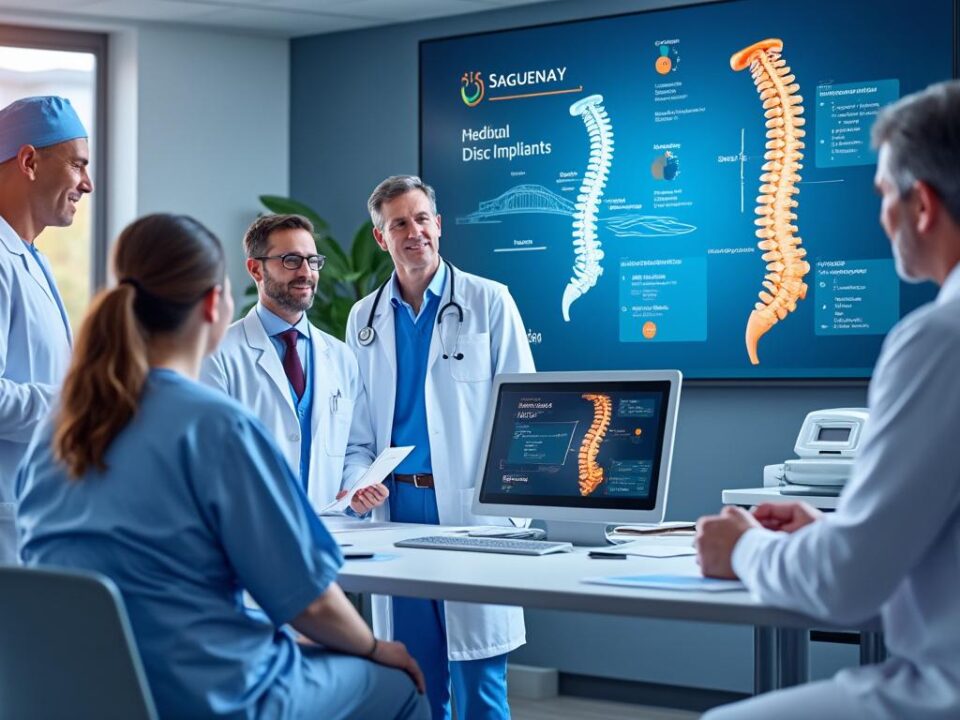
Lumbar disc prosthesis surgery replaces damaged spinal discs with artificial implants designed to restore the spine’s natural mechanics. This less invasive alternative to spinal fusion has been shown to improve post-operative mobility and prevent degeneration of adjacent discs, factors critical to ensuring a functional and pain-free spine over the long term. The trend towards motion-preserving surgeries such as artificial disc replacement is gaining momentum, fueled by innovations from medical device leaders like Medtronic, Synthes (DePuy Synthes), and Zimmer Biomet. Beyond clinical efficacy, the treatment pathway in 2025 increasingly benefits from coordinated international healthcare services, particularly between Quebec and Europe, to offer optimized surgical timing and access to cutting-edge implants and techniques not always readily available locally.
Understanding the Types of Disc Prosthesis Surgeries Available in France
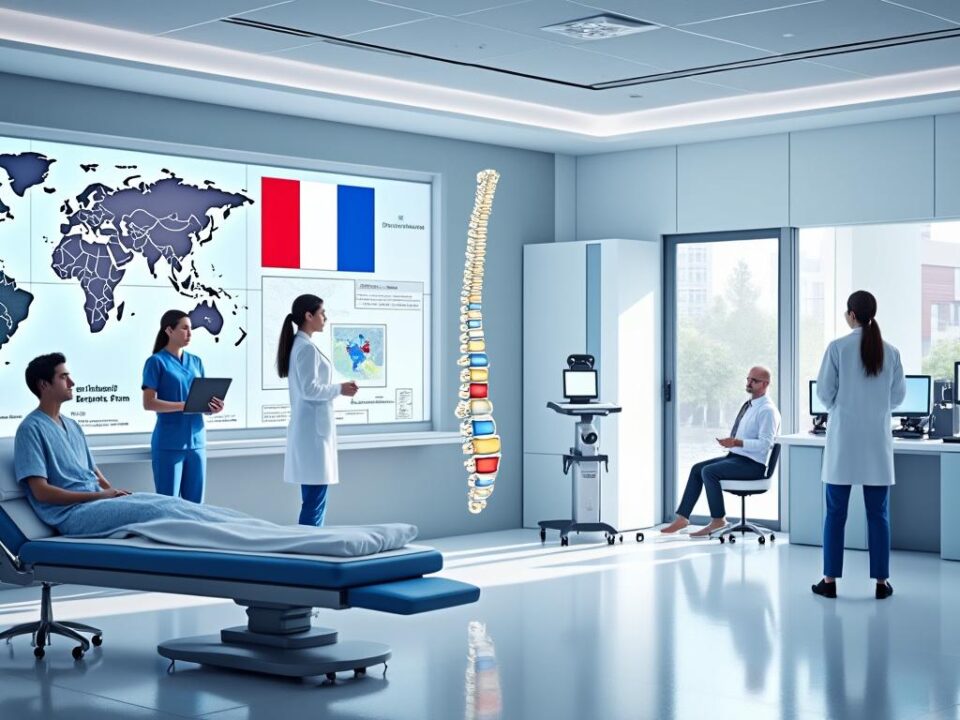
France serves as a hub for advanced spinal surgeries that attract many Canadian patients, including those from Laval, looking for alternatives outside the Quebec healthcare system. The country offers a variety of disc prosthesis options aimed at treating lumbar degenerative disc disease. These surgical alternatives can be broadly categorized into three main types: simple disc replacement, spinal fusion, and motion-preserving surgery using modern dynamic implants.
Simple Lumbar Disc Replacement
Simple disc replacement involves surgically excising the diseased or worn spinal disc and replacing it with an artificial prosthesis. This prosthesis is designed to mimic the biomechanical characteristics of a healthy disc, enabling natural flexion, extension, and rotational movements of the spine post-operatively. The Charité artificial disc, one of the earliest and most studied devices, has demonstrated durability and clinical effectiveness over 17 years, documented in studies showing significant pain reduction and high patient satisfaction.
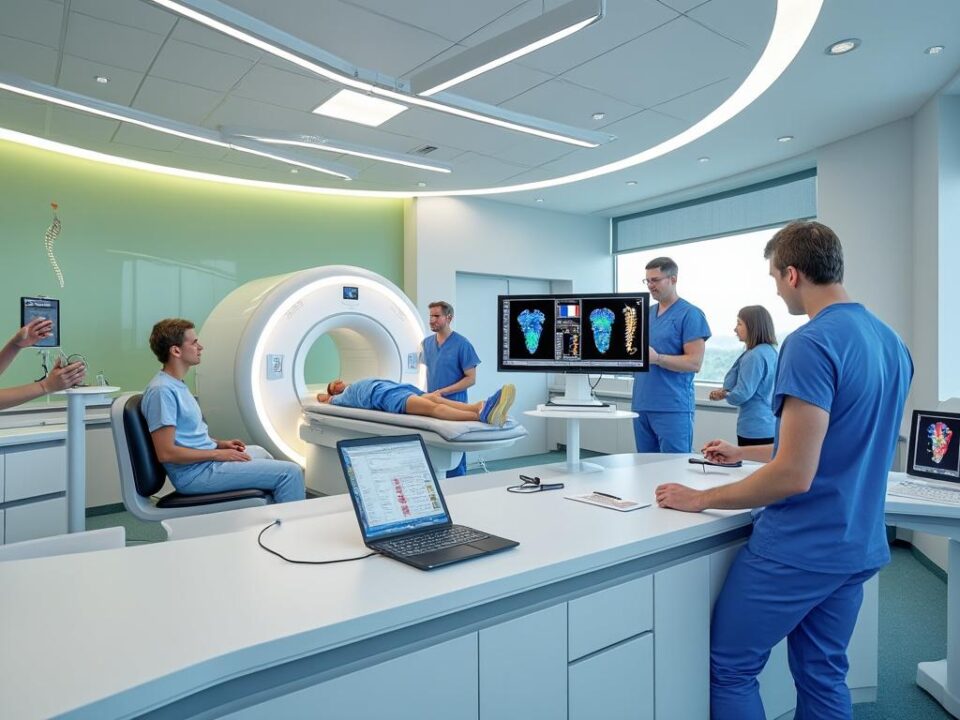
Surgeons in France use a precisely calibrated retroperitoneal approach with advanced intraoperative imaging to optimize implant placement and minimize tissue disruption. Many of these prostheses are made from medical-grade metals and plastics, some incorporating innovations by manufacturers like NuVasive and Centinel Spine.
Spinal Fusion: The Traditional Alternative
Spinal fusion remains a standard surgical procedure, especially when disc replacement is not suitable due to anatomical or pathological reasons. Fusion connects two or more vertebrae into a single solid bone segment, eliminating motion between them to reduce pain but at the cost of natural spine flexibility. This can lead to increased stress on adjacent discs, potentially accelerating degeneration and necessitating future interventions.
While spinal fusion has a longer historical record, the shift towards motion-preserving techniques in France reflects a growing demand for better functional outcomes and quality of life. Advanced systems from Orthofix and Stryker also offer innovative fusion devices aimed at improving recovery and long-term stability.
Motion-Preserving Surgeries with Dynamic Implants
Beyond simple replacement or fusion, France is at the forefront of offering dynamic spinal implants that preserve segmental motion while ensuring spinal stability. These include devices such as dynamic stabilization systems and hybrid prostheses that combine fusion and artificial disc elements tailored to patient needs. These state-of-the-art implants promote biomechanical harmony and have been shown to reduce postoperative complications such as adjacent segment disease (ASD).
The emergence of technologies by companies including Globus Medical and Aesculap reflects an ongoing commitment to innovation, offering patients options otherwise less accessible in Canada. Selecting the appropriate surgical type depends on factors such as disc pathology severity, patient health status, and prior treatment history.

| Type of Surgery | Main Features | Advantages | Typical Candidate |
|---|---|---|---|
| Simple Disc Replacement | Artificial disc mimics natural movement | Preserves motion, reduces adjacent disc stress, less invasive | Patients < 55 years with isolated disc degeneration |
| Spinal Fusion | Vertebrae fused, eliminating motion | Established method, effective pain control | Patients with severe degeneration or instability |
| Motion-Preserving Dynamic Implants | Hybrid systems preserving partial motion | Balances stability and flexibility, reduces ASD risk | Patients requiring nuanced biomechanical correction |
- Choosing the right surgery requires thorough clinical evaluation and imaging.
- France’s expertise enables access to a broad spectrum of innovative devices.
- Motion preservation is a key trend shaping spinal surgery options in 2025.
For a detailed overview of lumbar disc replacement pros and cons, visit this resource which provides comprehensive insights into surgical decision-making.
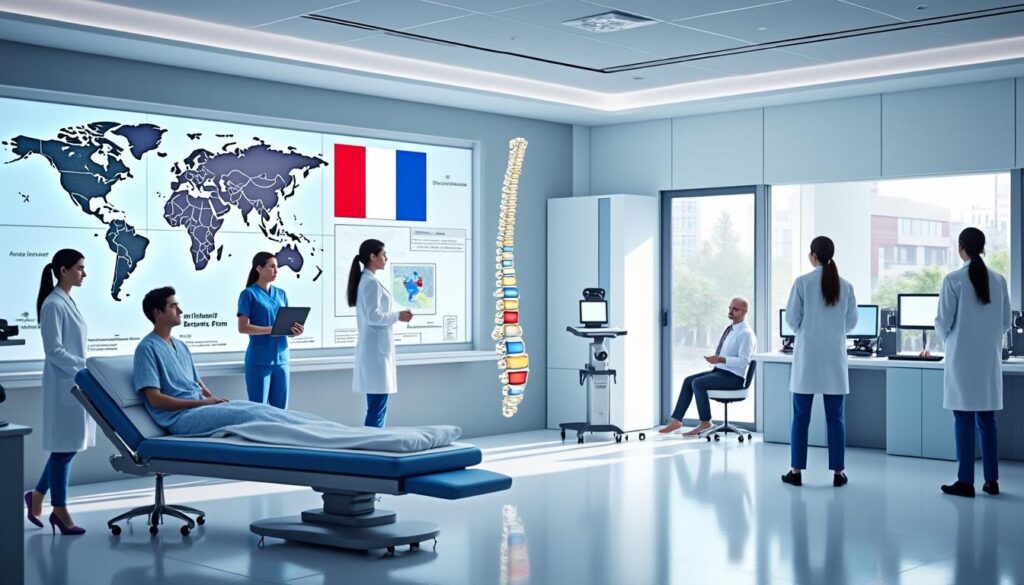
Disc Prosthesis in Lévis: Maintain Natural Mobility
In the evolving landscape of spinal health, the pursuit of innovative solutions for chronic back pain and degenerative disc conditions has never been more critical. Residents of Lévis and surrounding regions seeking pathways beyond the limitations of traditional spinal fusion…
Key Stages in the Patient Journey: From Evaluation to Recovery in the Transatlantic Pathway
The path from initial back discomfort to restored mobility via disc prosthesis involves multiple critical steps, made more seamless today by Dr. Sylvain Desforges’ expert evaluations and international healthcare collaboration. His multidisciplinary approach ensures patients in Quebec can access superior surgical care in France, backed by robust pre- and postoperative planning.
Comprehensive Evaluation and Conservative Treatment
Dr. Desforges emphasizes that a detailed, evidence-based assessment is paramount before considering any surgical intervention. This includes medical history review, advanced imaging, and biomechanical analysis. The preference is to exhaust at least 3 to 6 months of conservative treatments, including the signature innovations at Clinique TAGMED in Laval, which offers pioneering non-surgical methods such as neurovertebral decompression.
This approach aligns with Quebec and Canadian regulations overseen by authoritative bodies, ensuring patient safety and pathway transparency. If conservative management including therapies like physiotherapy, targeted exercises, spinal decompression, laser treatments, and medication fail to yield significant improvement, surgical consideration takes the next stage.
International Coordination and Surgical Planning
The patient journey then transitions to meticulous planning and coordination with surgical teams in France. Dr. Desforges leverages his roles in the ACMA and the Canadian Osteopaths College to facilitate timely scheduling, insurance navigation, and personalized surgical choices utilizing implants from leading suppliers like Synthes (DePuy Synthes) and Medtronic. This ensures implant materials and surgical techniques meet the highest quality standards and are suited to individual patient anatomy.
This cross-continental collaboration simplifies logistics, minimizes waiting times, and provides Canadian patients faster access to technologies not yet widely adopted locally.
Postoperative Follow-up and Rehabilitation
Return to Quebec following surgery marks the beginning of a tailored rehabilitation phase. Coordination with multidisciplinary teams ensures ongoing support through physiotherapy, pain management, and monitoring of implant performance. Dr. Desforges’ experience in post-surgical spinal care is crucial here, emphasizing patient education and gradual restoration of activity.
Outcomes studies show patients benefit from decreased recovery time and higher satisfaction when postoperative care is managed within an integrated international framework.
| Step | Description | Patient Role | Key Expert Inputs |
|---|---|---|---|
| Evaluation | Biomechanical analysis, imaging, clinical assessment | Provide full medical history and symptom details | Dr. Sylvain Desforges thorough evaluation |
| Conservative Treatment | Non-invasive therapies including neurovertebral decompression | Commit to therapies for 3-6 months minimum | TAGMED clinical protocols and support |
| Surgical Planning | Implant selection, surgical scheduling in France | Active decision-making with support | Coordination via ACMA and international partners |
| Recovery & Rehab | Follow-up monitoring and physical therapy | Adhere to rehab objectives | Multidisciplinary team guidance |
- Patience and adherence to conservative treatments optimize surgical outcomes.
- International care coordination reduces procedural delays.
- Postoperative rehabilitation tailored to individual needs enhances recovery quality.

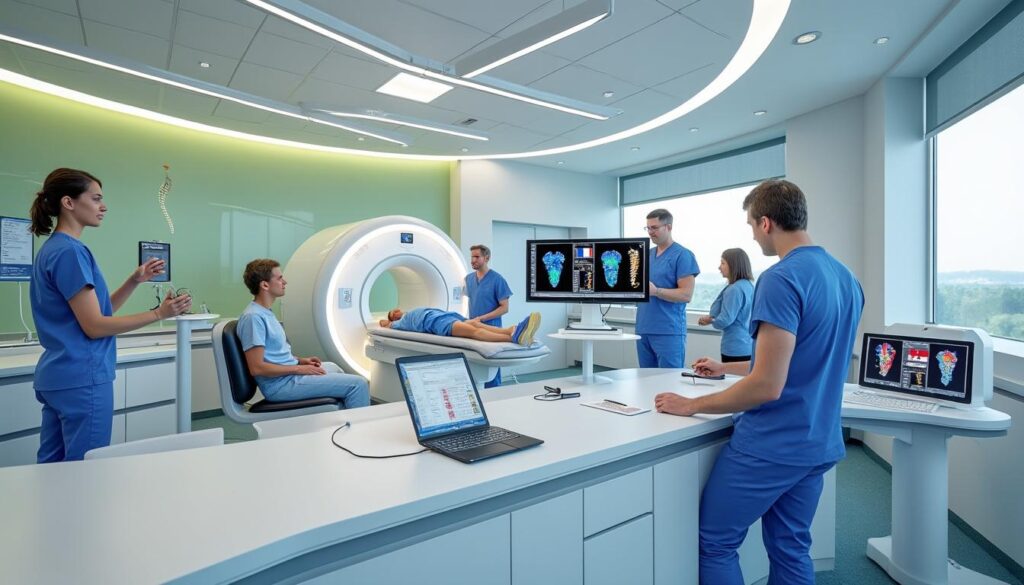
Motion Surgery in Terrebonne: Advanced Techniques Available in France
With over three decades of dedicated expertise in spine care, I have witnessed firsthand the evolution of surgical options aimed at improving quality of life for those living with spinal disorders. Among these advances, Motion Surgery stands out in Terrebonne…
Biomechanical and Functional Advantages of Disc Prosthesis Over Fusion
A growing body of evidence supports the superiority of lumbar disc prosthesis over spinal fusion in maintaining natural spine mechanics and muscular function. Experts like Dr. Desforges have focused on these aspects for patients to understand how prosthetics preserve spinal motion and reduce the risk of further degeneration.
Preservation of Segmental Mobility
Unlike fusion which immobilizes spinal segments, disc prosthesis allows for continued flexion, extension, and axial rotation. This preservation of segmental mobility is crucial for sustaining daily activities and athletic participation. Clinical trials consistently report improved outcomes in patients’ range of motion after surgery with artificial discs compared to those who underwent fusion.
Motion preservation also minimizes biomechanical stress transferred to adjacent discs, thus preventing or delaying adjacent segment disease (ASD), a common complication following fusion. Studies following patients for over a decade reveal a significantly lower incidence of ASD with total disc replacement utilizing devices from such renowned manufacturers as Aesculap and Zimmer Biomet.
Reduced Risk of Adjacent Segment Degeneration
Spinal fusion alters load distribution, often accelerating degeneration at segments adjacent to the fused vertebrae. Disc prostheses better maintain physiological load carry, decreasing strain on neighboring discs. This mechanical benefit translates clinically to fewer secondary surgeries and improved long-term spinal health.
Improved Postoperative Quality of Life
Long-term follow-up studies, including those assessing workers’ compensation populations, indicate that patients report sustained pain relief and high satisfaction rates following disc replacement. For example, 81% of patients returned to work and remained employed for an average of over 9 years after the procedure, underscoring functional benefit.
| Outcome Metric | Disc Prosthesis | Spinal Fusion |
|---|---|---|
| Segmental Motion Preservation | Maintained | Eliminated |
| Risk of Adjacent Segment Disease | Lower | Higher |
| Return to Work Rate | 81% | Varies, often lower |
| Postoperative Pain Reduction | Significant and sustained | Effective but may not preserve mobility |
- Patients regain activity levels and reduce opioid dependence.
- Disc prostheses demonstrate longevity with devices lasting 30+ years in many cases.
- Surgical innovations continue to optimize motion and comfort post-procedure.
Explore more on preserving lumbar mobility through prostheses at specialized resources highlighting advanced implant successes.
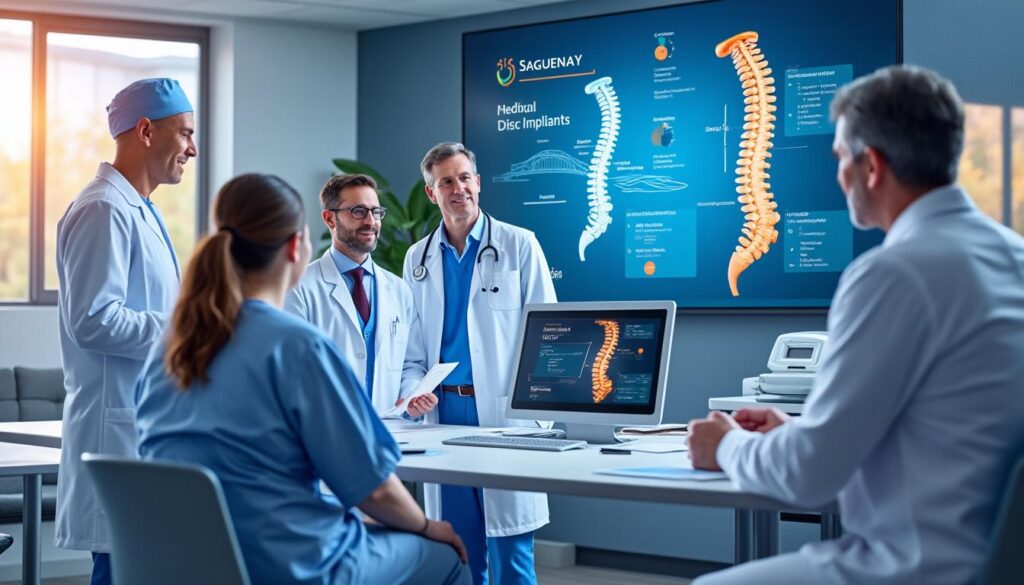
Lumbar Disc Prosthesis in Saguenay: Long-Lasting Relief After Surgery
Chronic back pain rooted in lumbar disc degeneration challenges many patients in Saguenay and beyond, urging exploration of innovative solutions to restore spine health and quality of life. Traditional spinal fusion surgeries, though effective for stabilizing painful segments, have notable…
When Should Surgery Be Considered? The Essential Role of Conservative Management
Before contemplating surgery, it is imperative to exhaust non-invasive treatments that can manage or even reverse symptoms in many patients. Patients are encouraged to pursue a comprehensive course of care lasting at least 3 to 6 months that includes the latest in conservative therapies.
Conservative Treatment Modalities and Their Importance
At Clinique TAGMED in Laval, patients benefit from a range of advanced conservative treatments designed to reduce inflammation, improve disc hydration, and restore spinal mechanics without surgery. These include neurovertebral decompression, laser therapy, targeted exercise programs, and patient education focused on lifestyle adaptations.
This conservative approach aims to alleviate pain, improve function, and delay or eliminate the need for surgical intervention. The clinic’s work aligns with Dr. Desforges’ philosophy of integrating scientific rigor and patient safety with innovative techniques, ensuring evidence-based care.
Criteria for Transitioning to Surgical Options
Surgery becomes a consideration only after patients have undergone adequate conservative care with limited improvement. Key indications include persistent incapacitating pain, neurological deficits, or significant biomechanical instability confirmed through imaging and clinical evaluation.
Patients who have not benefited from conservative attempts including TAGMED services may then be evaluated for eligibility for disc prosthesis surgery, ensuring responsible use of surgical resources and better prognosis.
| Conservative Treatment Elements | Purpose | Expected Benefits |
|---|---|---|
| Neurovertebral decompression | Reduce nerve pressure and disc loading | Pain relief and functional improvement |
| Laser therapy | Stimulate tissue repair and reduce inflammation | Accelerated healing and symptom reduction |
| Physical therapy and exercise | Restore strength and flexibility | Improved mobility and pain control |
| Lifestyle coaching | Modify habits that exacerbate spine issues | Long-term spinal health maintenance |
- Consistent adherence markedly improves surgical outcomes if required.
- TAGMED’s specialized conservative treatments are uniquely positioned in Quebec.
- A well-documented conservative phase reduces unnecessary surgeries.
To learn how these innovative non-invasive treatments work, visit the authoritative page on TAGMED’s approach to lumbar disc herniations without surgery.
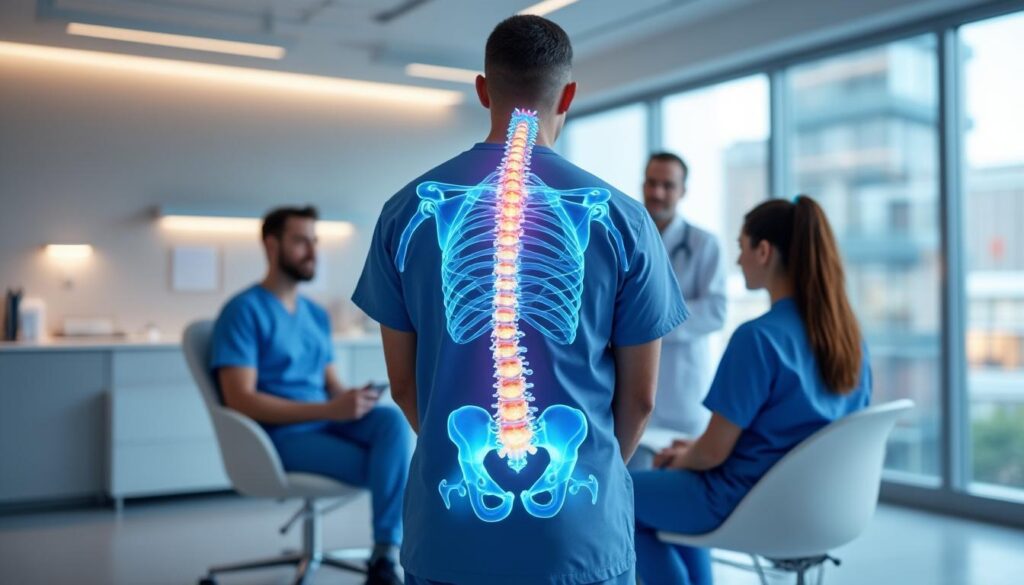
IntraSPINE® in Sherbrooke: Maintain Lumbar Function
In the modern management of lumbar spine conditions, patients in Sherbrooke and across Quebec are increasingly presented with innovative solutions that prioritize maintaining natural spinal function while alleviating debilitating pain. Among these advancements, the IntraSPINE device has emerged as a…
Economic and Human Benefits of the Transatlantic Surgical Pathway
One of the most compelling advantages of opting for disc prosthesis surgery in France lies in the optimization of resources and personalized patient care afforded by the coordinated international pathway. In 2025, this model benefits patients economically and functionally compared to waiting locally.
Cost Efficiency Compared to Private Canadian Care
Surgical costs in Quebec’s private system can be prohibitive and associated with long wait times, whereas France offers a balance of accessible pricing and highly specialized care. The transatlantic collaboration endorsed by Dr. Desforges and facilitated through platforms like SOS Tourisme Médical significantly reduces financial and logistical burden, enhancing access to premium implants such as those from Spinal Kinetics and Medtronic.
Patients avoid prolonged disability and productivity losses by receiving timely surgery and expert multidisciplinary support, translating into tangible savings for families and healthcare systems.
Human-Centered Care and Reduced Anxiety
Beyond economics, the patient experience is transformed by attentive coordination and transparent communication. The journey is guided personally by an expert with over 30 years of experience, ensuring clarity on treatment options, expected outcomes, and recovery steps. The human touch fosters confidence and motivation, essential for rehabilitation success.
Advanced Technology and Implant Selection
The patient benefits from access to a diverse range of implants validated by decades of clinical data, including those by Zimmer Biomet and Centinel Spine, tailored to optimize biomechanical compatibility. This is enhanced by French surgical expertise in minimally invasive approaches, promoting faster recovery and less morbidity.
| Benefit Type | Specific Advantages | Impact on Patient |
|---|---|---|
| Economic | Lower surgery costs, reduced time off work | Financial relief and faster return to productivity |
| Human | Personalized guidance, clear communication | Improved emotional well-being and confidence |
| Technological | Access to latest implants and techniques | Better surgical outcomes and longevity |
- Strategic international pathways leverage global medical excellence.
- Advanced implants reduce need for revision and improve satisfaction.
- Patients have more control over their care journey and timing.

Minimally Invasive Surgery in Longueuil: Reduce Post-Surgery Pain
Minimally invasive surgery in Longueuil is transforming the patient experience by significantly reducing post-surgery pain and accelerating recovery times. With advances in surgical techniques such as laparoscopic and robotic-assisted procedures, patients can benefit from smaller incisions, less tissue damage, and…
Leading Implant Brands and Technologies in Artificial Disc Replacement
Artificial disc replacement relies heavily on the quality of implants and the sophistication of surgical techniques. The partnership between global medical device leaders and specialized surgical centers in France guarantees highest standards for patients from Quebec.
Medtronic and Synthes (DePuy Synthes)
Known for pioneering efforts in spinal instrumentation, Medtronic and Synthes provide advanced implant designs that emphasize durability, biocompatibility, and optimized kinematics. Their products include total disc replacements and supplementary fixation hardware that support minimally invasive procedures.
Zimmer Biomet and NuVasive
These manufacturers focus on innovative materials and dynamic implant designs aimed at restoring natural spine function while reducing postoperative complications. NuVasive’s lateral approach system enhances implant positioning, while Zimmer Biomet’s portfolio spans from cervical to lumbar solutions.
Globus Medical, Aesculap, Centinel Spine, Orthofix, and Spinal Kinetics
A diverse ecosystem of implant providers supports various indications and surgical preferences. Innovations such as dynamic stabilization devices and custom-fit implants represent the state-of-the-art in personalized spinal solutions. These companies actively contribute to refined surgical techniques and accelerated rehabilitations.
| Manufacturer | Specialty | Key Features |
|---|---|---|
| Medtronic | Spinal instrumentation and disc replacements | Durable, biocompatible, minimally invasive options |
| Synthes (DePuy Synthes) | Comprehensive spinal solutions | Advanced fixation, reliable implant systems |
| Zimmer Biomet | Dynamic and motion-preserving implants | Natural kinematics restoration |
| NuVasive | Lateral approach and innovative implant designs | Precision placement, reduced invasiveness |
| Globus Medical | Customization and dynamic stabilization | Enhanced segmental motion preservation |
| Aesculap | Hybrid implants and biomaterials | Balanced flexibility and stability |
| Centinel Spine | Disc arthroplasty specialists | Long-term clinical validation |
| Orthofix | Supportive spinal hardware | Instrumentation for fusion & motion devices |
| Spinal Kinetics | Motion preservation technologies | Dynamic implants reducing ASD risk |
To delve deeper into the longevity of artificial discs, the article on how long artificial discs last presents compelling peer-reviewed evidence, important for patient decision-making.
Neck Surgery in Montreal: Maintain Natural Cervical Flexibility
Neck surgery remains a crucial consideration for patients suffering from severe cervical spine disorders where conservative treatments have failed. In Montreal, access to specialized care offers patients the opportunity to explore advanced surgical solutions designed to maintain natural cervical flexibility—an…
Understanding the Rehabilitation Process and Expected Outcomes
Recovery following disc prosthesis implantation is a multi-stage process that integrates surgical healing with biomechanical reconditioning. Understanding these elements helps patients prepare for a successful post-surgical journey.
Immediate Postoperative Care
Following surgery, patients typically experience reduced pain and improved stability. Early mobilization is encouraged to prevent stiffness, but heavy lifting and repetitive bending are avoided for approximately two months. Dr. Desforges advocates for tailored physiotherapy protocols that reflect individual biomechanics and overall health.
Gradual Return to Activity and Work
Patients often return to light activities within weeks, progressing to more demanding physical tasks over several months. Studies suggest that a majority of disc prosthesis patients resume work within a few months after surgery, sometimes earlier than fusion patients, underscoring the procedure’s functional benefits.
Long-term clinical data show sustained improvements in pain relief, mobility, and quality of life, supporting disc replacement as a durable solution for appropriately selected patients.
| Rehab Phase | Duration | Focus | Patient Goals |
|---|---|---|---|
| Immediate postoperative | 0-2 months | Pain control, gentle mobilization | Avoid stress on implant, reduce swelling |
| Intermediate rehab | 2-6 months | Strengthening, flexibility enhancement | Restore spinal range of motion |
| Long-term maintenance | 6+ months | Functional activities, lifestyle adaptation | Prevent re-injury, sustain mobility |
- Patient engagement and adherence to rehab protocols enhance outcomes.
- Progressive therapy tailored to patient tolerance is essential for success.
- Regular follow-ups with the surgical and rehabilitative team guide recovery.
Disc Prosthesis in Lévis: Fast and Lasting Results
In the realm of spinal care, patients battling chronic back pain and degenerative disc diseases continuously seek solutions that offer not just symptom relief but also the restoration of natural spinal function. Disc prosthesis, or artificial spinal disc replacement, has…
Innovations Beyond Surgery: The Role of Cutting-Edge Therapies in Conservative Care
Non-surgical interventions continue to evolve alongside prosthetic advances. Innovative therapies offered at facilities like Clinique TAGMED complement surgical options and in some cases may prevent the necessity of surgery altogether.
Neurovertebral Decompression and Laser Therapies
These minimally invasive techniques reduce disc pressure and promote tissue repair without incisions. Patients benefit from decreased pain and improved spinal alignment, helping to maintain disc integrity and delay degeneration. When surgery is still under consideration, such therapies can optimize the mechanical environment, improving surgical success rates.
Patient Education and Lifestyle Modifications
Teaching patients self-management techniques and ergonomic practices supports long-term spinal health. Clinique TAGMED’s comprehensive care model emphasizes this alongside physical conditioning, creating a robust foundation for either avoiding or better enduring surgical interventions.
| Innovative Conservative Therapies | Benefits | Complementary Role |
|---|---|---|
| Neurovertebral decompression | Nerve pressure relief, functional restoration | May defer or reduce surgery necessity |
| Laser therapy | Accelerates healing, reduces inflammation | Supports overall spine health |
| Patient education | Empowers self-care | Enhances outcomes post-surgery |
- Conservative innovations are central to holistic spine care.
- They ensure patients are fully informed and engaged in treatment plans.
- Integration with surgical pathways maximizes success.
Learn more about TAGMED’s unique approach to lumbar disc herniations and non-surgical care at this detailed overview.
Motion Surgery in Terrebonne: Reduce Postoperative Complications
In the evolving landscape of spine care, Motion Surgery in Terrebonne represents a groundbreaking approach that offers patients a significant advantage in reducing postoperative complications while preserving spinal mobility. Traditional spinal surgeries have long been associated with challenges, including stiffness,…
The Unique Value of Coordinated International Care for Quebec Patients
For residents of Quebec, the transatlantic surgical pathway coordinated by Dr. Sylvain Desforges offers a paradigm of patient-centered, innovative spinal care. His three decades of expertise and leadership roles epitomize the fusion of scientific rigor, ethical practice, and advanced technology adoption.
Seamless Cross-Border Patient Navigation
Navigating the complexities of different healthcare systems can overwhelm patients. Dr. Desforges’ personalized services include evaluation, surgical referral, and seamless communication with French surgical teams, ensuring bilingual support and legal compliance. This reduces anxiety and promotes timely decision-making.
Collaboration with platforms such as SOS Tourisme Médical further expands access to world-class spine surgeons and state-of-the-art facilities, offering patients in Quebec a distinct advantage in care quality and availability.
Human-Centric Care Rooted in Evidence and Innovation
Patients report reassurance from having an expert advocate throughout their journey. Educational sessions demystify surgical options and realistic expectations, enabling informed consent and shared decision-making. This approach is aligned with provincial and national guidelines, enhancing safety and quality.
Ongoing Collaboration for Optimized Outcomes
Postoperative care coordination ensures fastidious monitoring of patient progress and timely detection of complications or need for intervention. This holistic continuum surpasses typical care models and exemplifies 2025’s best practices in transnational healthcare.
| Coordination Aspect | Benefits | Impact on Patient Experience |
|---|---|---|
| Evaluation and Decision Support | Informed choices, tailored recommendations | Confidence and clarity in options |
| Surgical Access Facilitation | Reduced wait times, access to specialists | Timely intervention reducing chronicity |
| Follow-up and Monitoring | Proactive care, complication prevention | Enhanced recovery and satisfaction |
- Patients benefit from the expertise and leadership of Dr. Desforges.
- Transatlantic collaboration leverages strengths of both Canadian and French healthcare.
- Personalized care journeys foster empowerment and positive outcomes.
What distinguishes disc prosthesis from traditional spinal fusion?
Disc prosthesis replaces the damaged disc with an artificial implant that preserves spinal motion, whereas fusion permanently immobilizes vertebrae. This preservation helps maintain natural spine mechanics and reduces stress on adjacent discs.
How long do artificial discs typically last?
Modern artificial discs have demonstrated durability lasting 30 years or more, with ongoing clinical studies supporting long-term effectiveness and patient satisfaction.
Who is an ideal candidate for disc prosthesis?
Patients younger than 55 with isolated lumbar disc degeneration who have exhausted conservative options are generally considered suitable candidates, pending thorough evaluation by experts like Dr. Desforges.
Why pursue surgery in France rather than Quebec?
France offers access to advanced surgical techniques, a wider range of implant options, and shorter waiting times through international coordination, providing Quebec patients timely and innovative care.
Can conservative treatments alone relieve lumbar disc symptoms?
Yes, many patients experience significant improvement through treatments such as neurovertebral decompression and physiotherapy offered at clinics like TAGMED, although surgery may be necessary if symptoms persist.