Disc Herniation in Sainte-Julie: Success Rates, Clinical Studies, and Neurovertebral Decompression Treatment Insights
February 24, 2026
Saint-Eustache Neck Herniation Solutions Using Decompression
February 24, 2026
In the modern management of lumbar spine conditions, patients in Sherbrooke and across Quebec are increasingly presented with innovative solutions that prioritize maintaining natural spinal function while alleviating debilitating pain. Among these advancements, the IntraSPINE device has emerged as a groundbreaking alternative to traditional fusion surgeries, offering dynamic support that respects the biomechanical intricacies of the lumbar spine. With the intersection of cutting-edge technology and rigorous expert evaluation, this approach reshapes expectations for spinal care in 2026. Its minimally invasive implantation reduces trauma and fosters faster recovery, factors critically desired in contexts marked by extended wait times for surgical intervention within Canadian public health systems.
At the core of delivering this innovation is Dr. Sylvain Desforges, a distinguished osteopath and spine expert with over 30 years of experience in patient-centered care across Canada and international collaboration in France. His commitment to evidence-based practice, patient education, and personalized treatment pathways ensures that those considering spinal intervention can do so with confidence and clarity. This article explores the dynamic stabilization technology offered through IntraSPINE in Sherbrooke, contextualizes its application in modern spine surgery, and highlights the transatlantic healthcare coordination fostering optimized patient outcomes.
Understanding Lumbar Spine Surgery Options: Emphasis on Motion-Preserving Techniques in Sherbrooke
In treating degenerative lumbar diseases, a surprising variety of surgical options exist, each tailored to the unique anatomical, pathological, and functional needs of patients. Traditional approaches have often involved spinal fusion, which stabilizes the spine by permanently joining vertebrae but at the cost of reduced segmental motion and the risk of adjacent segment disease (ASD). Recognizing these limitations, advances like the IntraSPINE device promote a shift towards motion-preserving surgeries that maintain spinal mobility while providing necessary stabilization.
Developed in France and clinically introduced in 2007, the IntraSPINE is an interlaminar, dynamic stabilization implant made from flexible medical-grade silica gel and polyester fiber. Its strategic placement between the laminae positions it close to the instantaneous axis of rotation (IAR) of the vertebral motion segment, offering natural cushioning and support. This unique biomechanical feature enables the device to preserve lumbar function and lordosis, contrasting with rigid fusion techniques that immobilize motion segments.
Surgical options come typically in three broad categories:
- Simple decompression surgery: Focused on relieving nerve pressure by removing offending tissue such as herniated discs or bone spurs without implanting hardware. Best suited for cases of mild stenosis or isolated nerve root irritation.
- Fusion surgery (e.g., PLIF, TLIF): Techniques that permanently fuse vertebrae to stabilize the spine, indicated in patients with significant instability but associated with extensive post-op rehabilitation and risk of degenerative changes in adjacent segments.
- Motion-preserving devices like IntraSPINE: Innovative implants supporting targeted stabilization without sacrificing motion, reducing secondary complications and enhancing quality of life post-surgery.
Patients in Sherbrooke considering surgery benefit from being fully informed of these options, their biomechanical implications, and expected outcomes, enabling well-grounded decisions aligned with modern evidence-based care approaches.
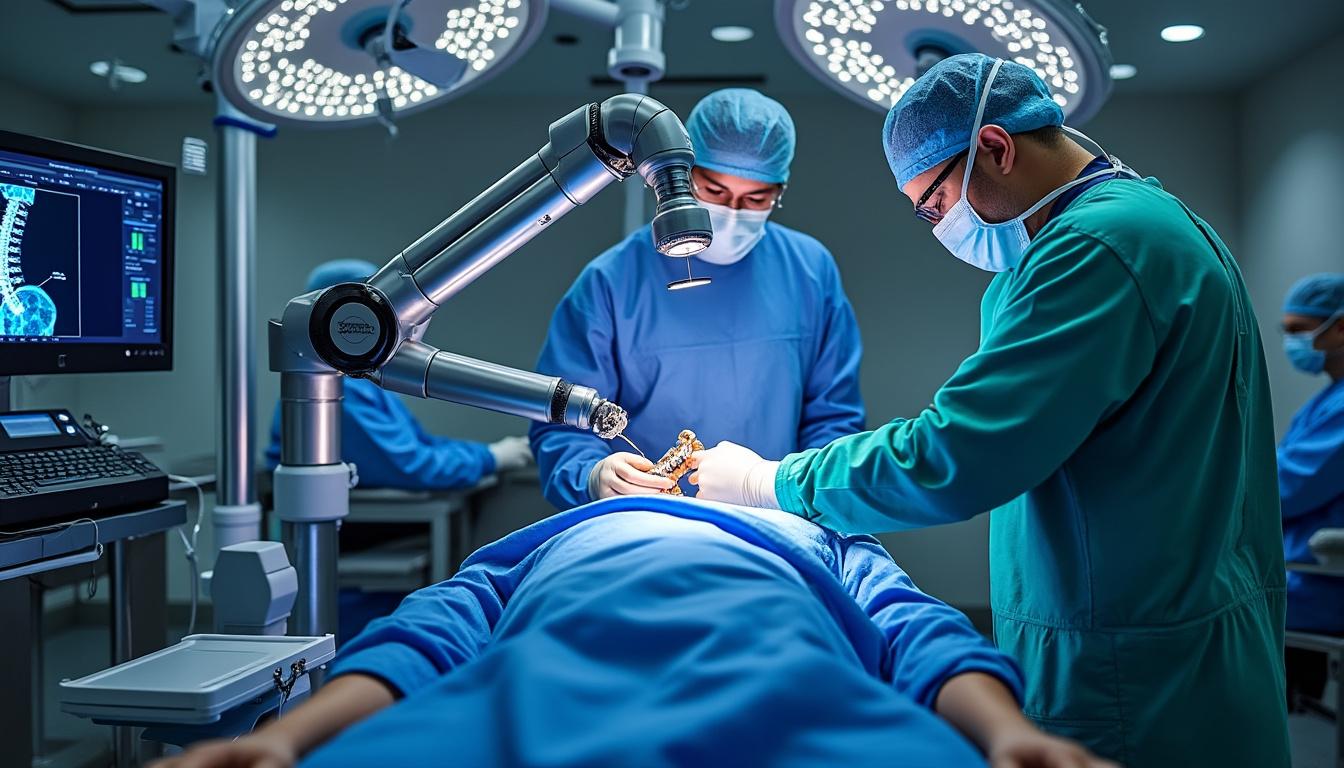
IntraSPINE® in Sherbrooke: Durable Solution for Chronic Low Back Pain
The management of chronic low back pain, a widespread condition affecting millions across Quebec and beyond, has reached a pivotal moment thanks to innovative medical technologies and coordinated care pathways. At the heart of this evolution lies the IntraSPINE implant,…
Stepwise Patient Pathway for Minimally Invasive IntraSPINE Surgery: From Evaluation to Recovery
Dr. Sylvain Desforges and his interdisciplinary team emphasize the importance of a meticulous and compassionate patient journey. Prior to considering surgery, patients undergo a comprehensive assessment that combines clinical evaluation, advanced imaging, and functional testing to determine candidacy for dynamic stabilization or other interventions. Individualized insight guides care planning, ensuring safety and tailored treatment. Importantly, surgery is recommended only after completing a robust course of conservative care lasting 3 to 6 months, including therapies like neurovertebral decompression at Clinique TAGMED, which has proven effective in reducing symptoms and possibly avoiding operative intervention.
Once surgical indication is confirmed, the surgical preparation process is transparent and educational. Patients receive information about the IntraSPINE device, detailed procedural steps, and realistic postoperative expectations. The procedure itself involves:
- Precise localization of affected lumbar levels through imaging and diagnostic nerve blocks.
- Minimally invasive implantation of the IntraSPINE device via small incisions, minimizing muscle disruption and blood loss.
- In cases of coexisting instability or severe stenosis, combined procedures such as posterior lumbar interbody fusion (PLIF) on targeted segments may be performed alongside IntraSPINE placement.
- Postoperative rehabilitation focused on early controlled mobilization, muscle strengthening, and gradual return to daily activities supported by specialized bracing.
This meticulous protocol results in enhanced outcomes, shorter hospital stays, and faster return to function compared to traditional lumbar fusion surgeries, as documented in multiple clinical reports.
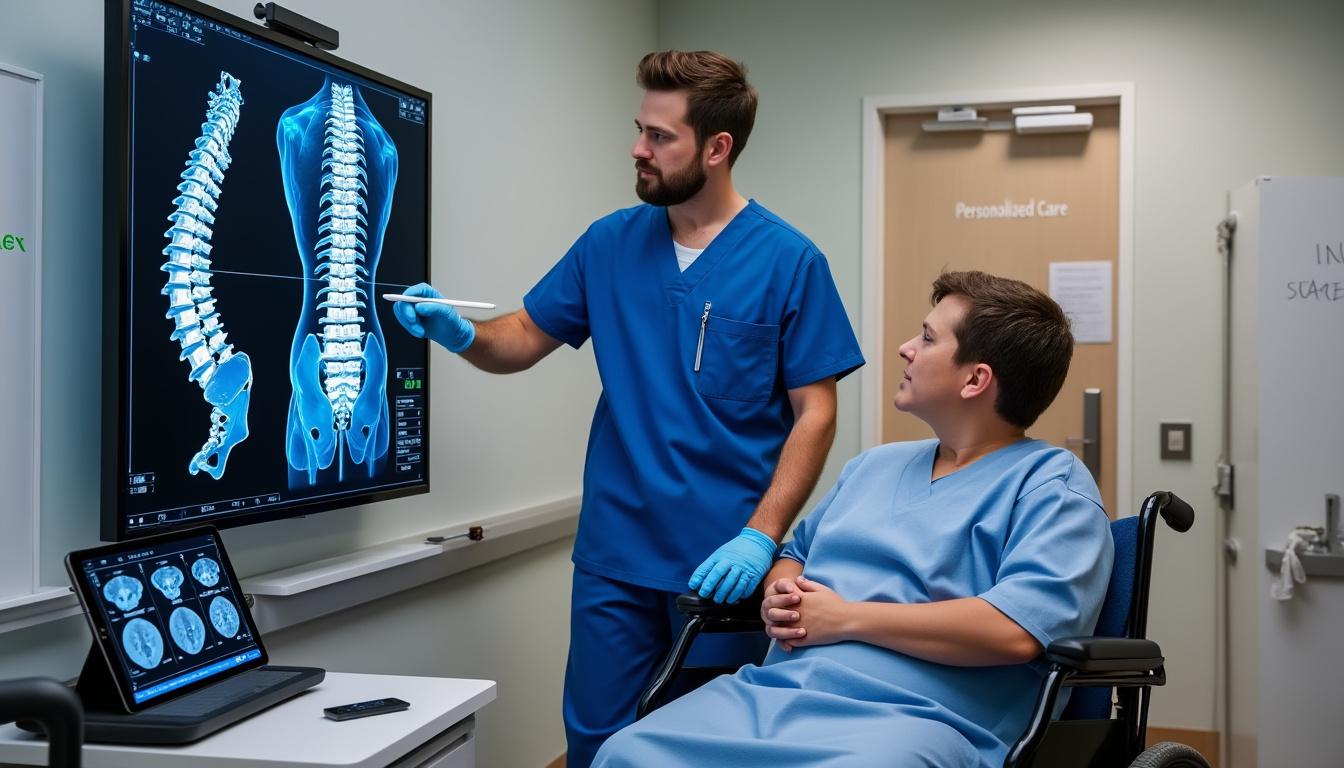
Spine Surgery in Trois-Rivières: Reduce Pain and Preserve Mobility
In recent years, spine surgery in Trois-Rivières has evolved notably, combining advanced medical expertise with innovative technologies to deliver patient-centered care. This growing field addresses the increasing demand among Quebec residents seeking effective solutions for chronic back pain and mobility…
Biomechanical Benefits of the IntraSPINE Device: Preserving Natural Lumbar Dynamics and Stability
The hallmark advantage of the IntraSPINE implant lies in its capacity to combine support with biomechanical preservation. Designed to fit within the interlaminar space near the spine’s instantaneous axis of rotation, it maintains a natural range of motion in lumbar flexion and extension. This unique positioning enables multiple therapeutic effects:
- Restoration and preservation of lumbar lordosis: Maintaining natural curvature supports physiological load distribution, enhancing posture and reducing pain.
- Foraminal enlargement: By increasing interlaminar and foraminal spaces, nerve root compression is relieved, leading to significant lumbar pain relief and improved limb function.
- Facet joint unloading: Reducing stress on posterior lumbar joints mitigates arthritic pain and progression.
- Prevention of adjacent segment disease: The device’s dynamic properties reduce mechanical stress on adjacent unfused levels, a major benefit over traditional fusion surgery.
Clinical experience, including studies from Sherbrooke, demonstrates that patients experience reduced back pain and significant functional improvement with preserved spinal mobility. This contrasts with rigid fusion, which often results in lumbar stiffness and subsequent complications.
| Feature | IntraSPINE Device | Traditional Spinal Fusion |
|---|---|---|
| Motion Preservation | Maintains segmental lumbar mobility | Immobilizes fused spinal segments |
| Impact on Adjacent Segments | Reduces risk of adjacent segment disease | Increases incidence of degeneration at adjacent levels |
| Surgical Approach | Minimally invasive with small incisions | Open surgery requiring extensive tissue dissection |
| Recovery Time | Shortened hospitalization and rehabilitation | Longer recovery with extensive rehabilitation |
| Patient Comfort | Less postoperative stiffness and pain | Higher rates of lumbar stiffness and persistent pain |
For further scientific detail, review primary publications and clinical outcomes at PMC and reports highlighting the efficacy of the IntraSPINE device in Sherbrooke’s clinical context.

TOPS™ in Gatineau: High-Performance Option for the Lumbar Spine
The landscape of spinal surgery has witnessed profound evolution, particularly for patients grappling with lumbar spine disorders such as spinal stenosis and spondylolisthesis. These conditions, increasingly prevalent among Quebec’s population, impose substantial limitations on mobility and quality of life. The…
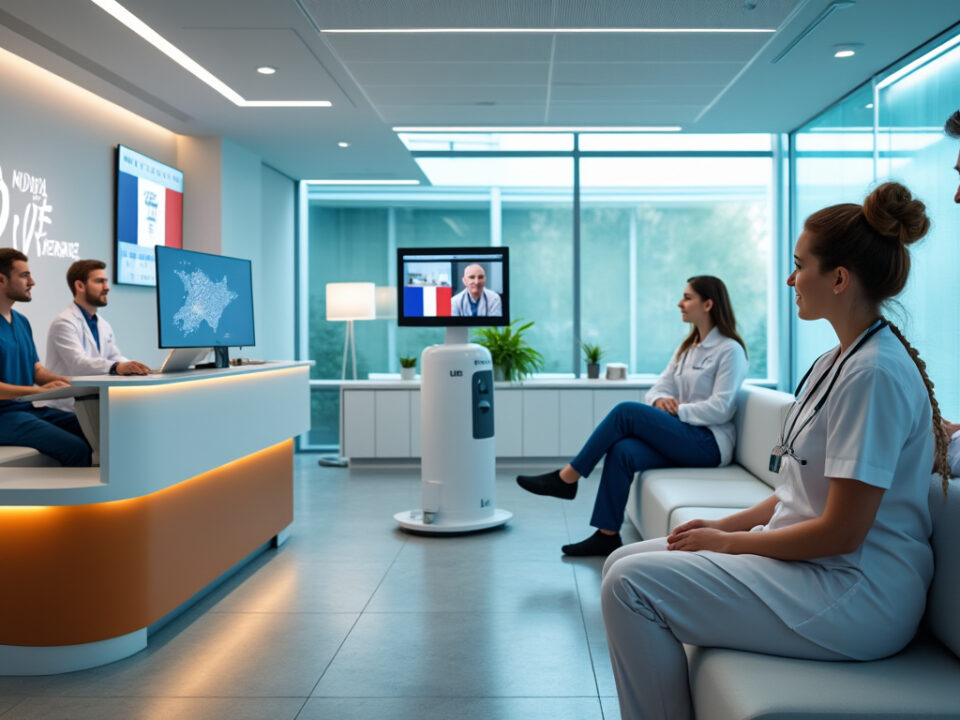
Transatlantic Coordination: Expert-Led Pathways Between Quebec and France for Enhanced Spine Care
One of the distinctive elements in delivering the IntraSPINE solution lies in the collaborative medical ecosystem bridging Quebec and France. Dr. Desforges plays an instrumental role in navigating patients through this transatlantic continuum, ensuring seamless integration of expertise, surgical innovation, and postoperative care coordination.
This coordinated approach entails an initial expert evaluation in Quebec, followed by remote consultations with experienced French spine surgeons skilled in the IntraSPINE technique and complementary procedures. Patients can then undertake surgery in accredited French clinics, benefitting from shorter wait times, advanced technologies, and seasoned clinical teams. Postoperative follow-up is collaboratively managed to ensure continuity, personalizing recovery and rehabilitation protocols.
This model has been lauded for:
- Excelling in clinical results due to specialist surgical expertise and precise patient selection.
- Minimizing wait times inherent to the Canadian public health system, thus reducing patient distress and disease progression.
- Offering access to highly specialized, minimally invasive spinal devices often unavailable within Canada’s healthcare landscape.
- Integrating diverse healthcare standards while adhering strictly to ethical and regulatory requirements in both jurisdictions.
Patients benefit holistically from this innovative model designed to optimize lumbar function while supporting their journey through trustful care coordination. Learn more about this approach at expert surgeries using IntraSPINE in Sherbrooke.
Cervical Disc Prosthesis in Quebec City: Avoid Post-Surgery Stiffness
Chronic neck pain remains a significant challenge for thousands of residents in Quebec City every year, often leading them to seek effective spinal surgery options that minimize downtime and maximize long-term mobility. Among the recent advancements revolutionizing cervical spine care,…
The Essential Role of Conservative Care: Neurovertebral Decompression and Beyond Before Considering Surgery
While the promise of the IntraSPINE device is significant, it is crucial from an ethical and scientific perspective to emphasize that surgery is not a first-line treatment. Dr. Sylvain Desforges advocates strongly for patients to exhaust 3 to 6 months of evidence-based conservative treatments before contemplating operative intervention.
The Clinique TAGMED in Quebec represents a pioneering center focused on such advanced conservative treatments. Using state-of-the-art neurovertebral decompression technology, TAGMED offers patients a non-invasive pathway to symptom relief, reducing lumbar nerve compression and inflammation through specialized mechanical and manual therapies.
Conservative therapy components typically include:
- Neurovertebral decompression: Targeted techniques to reduce nerve root pressure and restore neurovascular function.
- Physical therapy: Exercises to strengthen core and back muscles, improving mechanical support.
- Patient education: Guidance on ergonomics, posture, and lifestyle modifications to protect spinal health.
- Pharmacologic interventions: Limited use focused on pain and inflammation control.
Patients who have not previously experienced such advanced conservative care, particularly that available at TAGMED, are encouraged to explore these options to maximize the potential to avoid or postpone surgery, thereby aligning with the highest standards of patient safety and therapeutic efficacy.
Minimally Invasive Surgery in Longueuil: Reduce Hospital Stay Duration
In recent years, advances in spinal care have dramatically reshaped the treatment landscape for patients suffering from debilitating spinal conditions. Particularly in Longueuil, the emergence of minimally invasive surgery (MIS) techniques offers a transformative alternative to conventional open surgeries. These…
Specialized Services and Added Value of the Sherbrooke IntraSPINE Program
What truly distinguishes the IntraSPINE program available to patients in Sherbrooke is the combination of technological innovation, rigorous clinical evaluation, and personalized care coordination helmed by Dr. Desforges and his team. The clinical pathway incorporates:
- Name-brand advanced implants: Careful selection of high-quality IntraSPINE devices aligned with patient needs and pathologies.
- Access to minimally invasive surgical modalities: Reducing operative trauma and accelerating recovery time.
- Continuity of care: Complete management from preoperative evaluation through surgery and post-operative rehabilitation with expert osteopath involvement.
- International collaboration: Linking Canadian expertise with French surgical centres known for pioneering spine stabilization techniques.
This multidisciplinary approach emphasizes patient safety, compliance with provincial and national health regulations, and an ethical framework informed by evidence and close patient communication. Such a program encourages informed and motivated patient participation, increasing satisfaction and therapeutic success.
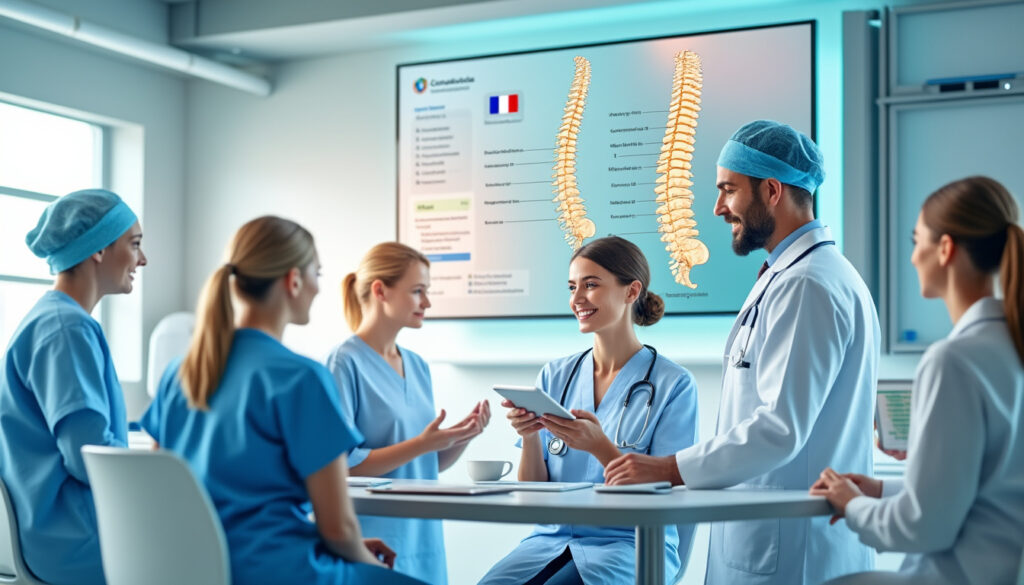
IntraSPINE® in Laval: Modern Solution for Lumbar Stabilization
In the evolving landscape of orthopedic treatments, the city of Laval has become a hub for innovations addressing chronic lower back pain. Among the groundbreaking solutions gaining attention is the IntraSPINE device—a modern spinal implant designed to offer dynamic lumbar…
Patient-Centered Communication: Empowering Through Knowledge and Human Support
Dr. Desforges and his team understand that spinal surgery can be a daunting prospect. Their approach prioritizes clear, jargon-free explanations aimed at demystifying complex surgical strategies and technologies such as the IntraSPINE device. Patients are encouraged to ask questions and actively participate in decisions about their care, with every effort made to respect individual contexts and expectations.
This humanized method builds trust and eases anxiety. By explaining possible risks, benefits, and alternatives in an accessible manner, patients feel equipped and supported throughout their surgical journey. Motivational guidance helps patients maintain optimism and adhere to rehabilitation protocols, promoting optimal outcomes.
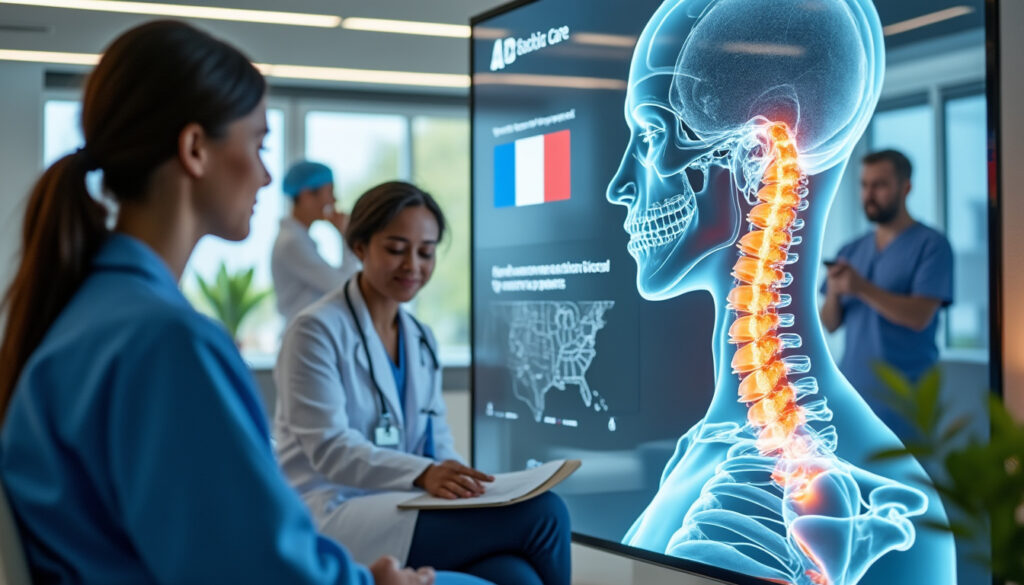
Neck Surgery in Montreal: Maintain Cervical Flexibility and Function
Neck conditions causing persistent pain or functional loss place a substantial burden on individuals and healthcare systems, especially in urban centers like Montreal. Surgical interventions targeting the cervical spine have evolved tremendously, aiming not only to relieve symptoms but to…
Call to Action: Begin Your Personalized Spinal Health Journey Today
If you are experiencing persistent lumbar pain and seeking an alternative pathway to surgery that aligns with advanced technologies and expert evaluation, consider initiating your evaluation with Dr. Sylvain Desforges’ team. With a strong foundation in evidence-based practice and transatlantic medical collaboration, this program in Sherbrooke offers a unique route to restoring your lumbar function and quality of life.
To receive personalized recommendations and explore the innovative minimally invasive options available, please visit https://www.sostourismemedical.com/contact and take the first step toward a healthier spine.
What distinguishes the IntraSPINE device from traditional spinal fusion implants?
The IntraSPINE device is uniquely positioned in the interlaminar space to preserve natural spinal motion while providing dynamic stabilization, in contrast to fusion implants that immobilize spinal segments, leading to stiffness and potential adjacent segment disease.
Is surgery the first option for treating lumbar degenerative disease with IntraSPINE?
No, expert osteopaths like Dr. Desforges recommend a minimum of 3 to 6 months of conservative care, including neurovertebral decompression, before considering surgery. This approach ensures surgery is only pursued when other treatments have been insufficient.
How does the collaboration between Quebec and France benefit patients undergoing lumbar spine surgery?
This transatlantic partnership offers reduced wait times, access to advanced minimally invasive surgical techniques, and comprehensive care coordination that optimizes patient safety and recovery outcomes.
What role does conservative care play in spinal health before surgery?
Conservative treatments like those provided at Clinique TAGMED focus on relieving nerve compression, strengthening supportive musculature, and educating patients, all crucial steps to potentially avoid or delay surgery while managing symptoms effectively.
Where can I find more information or begin my consultation for IntraSPINE treatment?
For expert evaluation and personalized guidance on IntraSPINE and lumbar spine care, visit the contact page at https://www.sostourismemedical.com/contact to connect with Dr. Desforges’ specialized team.

Disc Prosthesis in Lévis: Quick and Long-Lasting Results
Chronic back pain caused by degenerative disc disease continues to profoundly impact the quality of life for many residents in Lévis and the broader Quebec area. For decades, traditional spinal fusion surgery has been the primary solution for alleviating severe…