
Saint-Eustache Neck Herniation Solutions Using Decompression
February 24, 2026
Vaudreuil-Dorion Sciatica Recovery Through Non-Invasive Care
February 24, 2026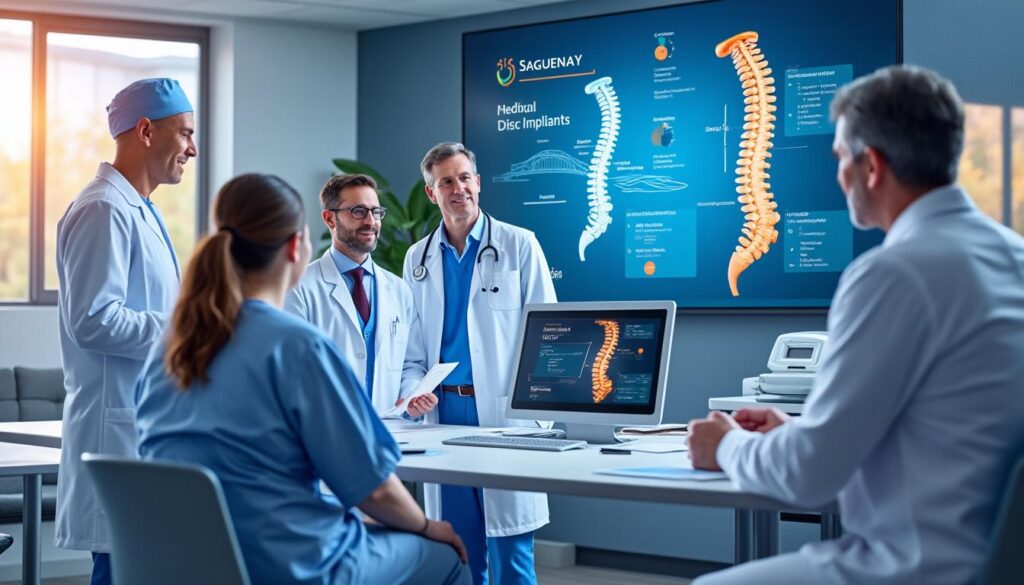
Chronic back pain rooted in lumbar disc degeneration challenges many patients in Saguenay and beyond, urging exploration of innovative solutions to restore spine health and quality of life. Traditional spinal fusion surgeries, though effective for stabilizing painful segments, have notable drawbacks, including reduced spinal mobility and increased strain on adjacent discs. In this evolving landscape, lumbar disc prostheses emerge as advanced alternatives designed to preserve natural lumbar motion while delivering durable pain relief. Through a pioneering transatlantic care pathway, patients benefit from state-of-the-art surgical expertise and technologies available in France, coordinated locally by Dr. Sylvain Desforges—an expert with over three decades of experience in spinal evaluation and osteopathy. This approach not only accelerates treatment timelines but also ensures personalized, evidence-based care that prioritizes patient safety and functional recovery.
Addressing degenerative disc disease with motion-preserving prostheses revolutionizes existing paradigms by integrating biomechanical innovation, minimally invasive surgical techniques, and multidisciplinary coordination. Patients gain access to implants like the LP-ESP, whose unique viscoelastic design mimics natural disc kinematics, an outstanding advantage compared to fusion surgery. Beyond clinical benefits, this transatlantic model offers economic and human advantages, including reduced wait times, cost efficiency, high-quality multidisciplinary follow-up, and ongoing rehabilitation support upon return to Quebec. In this comprehensive article, the surgical options available in France will be explored in depth, alongside the critical role of preoperative conservative management, the detailed patient journey under Dr. Desforges’ dedicated coordination, and long-term outcomes that inspire confidence in this transformative treatment pathway.
Understanding Lumbar Disc Prosthesis Surgery: Preserving Natural Spine Mobility
The lumbar spine’s functionality hinges on its intricate anatomy—comprising five vertebrae interconnected by flexible intervertebral discs that absorb shock and enable multi-directional movement. When these discs degenerate due to age, wear, trauma, or disease, patients often develop degenerative disc disease (DDD), a significant source of chronic back pain that affects mobility and daily activities.
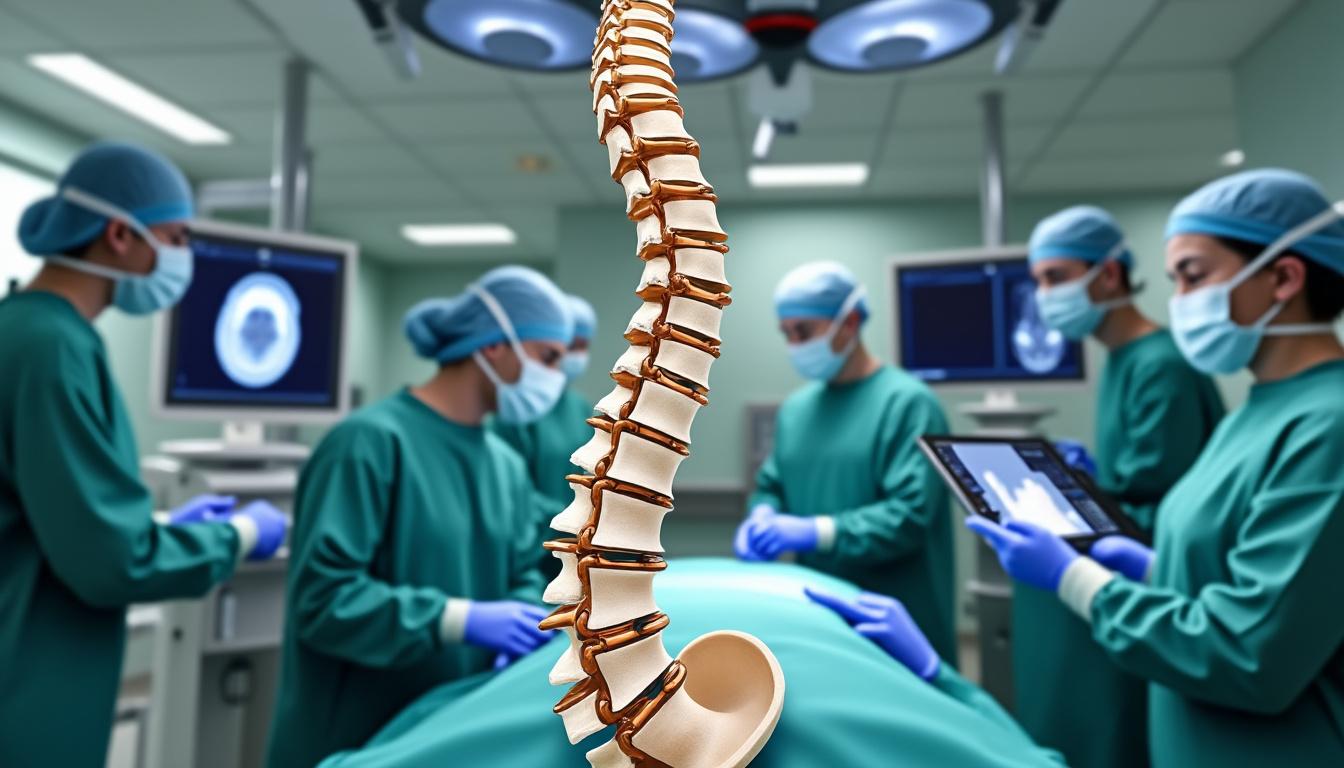
Lumbar disc prosthesis surgery aims to replace the damaged disc with an artificial implant engineered to mimic the natural disc’s biomechanical properties. Unlike traditional spinal fusion, which permanently immobilizes spinal segments to reduce pain, disc replacements focus on restoring physiological motion in flexion, extension, lateral bending, and axial rotation. This preservation of movement is crucial in reducing the mechanical stress that rigid fusion imposes on adjacent segments, which can accelerate degeneration and cause further complications.
Leading implants such as the LP-ESP lumbar disc prosthesis feature a one-piece viscoelastic core bonded to titanium endplates, allowing six degrees of freedom with controlled elasticity. This nuanced mobility not only replicates natural spinal dynamics but also incorporates shock absorption, safeguarding surrounding structures like the facet joints. Clinical studies consistently demonstrate how such devices improve functional spinal range of motion, decrease disability indices, and maintain sagittal balance over time.
Patients in Saguenay experiencing chronic lower back pain due to disc degeneration can particularly benefit from this approach, especially active individuals whose lifestyle demands sustained spinal flexibility. For comprehensive insights on maintaining lumbar motion post-surgery, visit Lumbar Disc Prosthesis in Saguenay Maintain Intervertebral Mobility.

IntraSPINE® in Sherbrooke: Durable Solution for Chronic Low Back Pain
The management of chronic low back pain, a widespread condition affecting millions across Quebec and beyond, has reached a pivotal moment thanks to innovative medical technologies and coordinated care pathways. At the heart of this evolution lies the IntraSPINE implant,…
Available Surgical Options in France: From Simple Decompression to Motion-Preserving Techniques
France is renowned for its advanced spine surgery programs, offering Quebec patients multiple surgical options tailored to specific lumbar spine pathologies. Understanding the distinctions between these surgical approaches aids patients in informed decision-making, guided closely by expert evaluators like Dr. Desforges.
Simple Decompression Surgery
Commonly indicated for lumbar spinal stenosis or herniated discs causing neural element compression, simple decompression surgery involves removing elements like bone spurs or part of the disc that impinge on nerves. It preserves most spinal structures and typically allows a faster recovery compared to more invasive surgeries. However, it does not directly address the underlying disc degeneration, and symptoms may recur over time.
Spinal Fusion Surgery
This traditional method fuses adjacent vertebrae to stabilize painful segments by eliminating motion at the affected level. While resulting in strong pain relief, fusion sacrifices segmental mobility, which alters spinal biomechanics. Such rigidity increases the risk of accelerated degeneration in adjacent discs, potentially leading to additional surgical interventions in the future.
Motion-Preserving Lumbar Disc Prosthesis Surgery
Disc prosthesis surgery replaces the degenerative disc with an artificial implant designed to restore natural motion and spinal biomechanics. Devices like the Mobidisc L and LP-ESP prostheses offer sophisticated multiple axes of movement paired with shock absorption. This approach helps maintain functional spine kinetics, reduce adjacent segment degeneration risk, and support earlier return to activity.
| Surgical Type | Primary Goal | Advantages | Potential Drawbacks |
|---|---|---|---|
| Simple Decompression | Relieve nerve compression | Preserves anatomy, quick recovery | Does not treat disc degeneration; possible symptom recurrence |
| Spinal Fusion | Stabilize painful segment | Effective pain relief | Loss of mobility; risk of adjacent segment degeneration |
| Disc Prosthesis | Restore disc function and motion | Preserves natural motion; shock absorption; reduced adjacent segment stress | Requires precise candidate selection and surgical expertise |
French surgical centers integrate top-tier technology providers, including Zimmer Biomet and Globus Medical, ensuring personalized implant selection corresponding to patient-specific biomechanics and anatomy. Under Dr. Desforges’ guidance, this highly specialized ecosystem maximizes functional outcomes and implant longevity, providing Quebec patients with a safe and modern solution available in Saguenay and beyond.
Spine Surgery in Trois-Rivières: Reduce Pain and Preserve Mobility
In recent years, spine surgery in Trois-Rivières has evolved notably, combining advanced medical expertise with innovative technologies to deliver patient-centered care. This growing field addresses the increasing demand among Quebec residents seeking effective solutions for chronic back pain and mobility…
The Vital Role of Conservative Treatments Before Considering Surgery
Respecting the highest standards of scientific rigor and ethical care, Dr. Sylvain Desforges emphasizes that lumbar disc prosthesis surgery is a considered option only after a thorough trial of conservative therapies. Typically, a minimum of three to six months of non-surgical treatment is advocated prior to surgical evaluation.
This conservative management includes:
- Physical therapy targeting spinal stabilization and mobilization.
- Non-invasive neurovertebral decompression, a key modality offered at Clinique TAGMED that alleviates intervertebral pressure and supports tissue healing.
- Osteopathic interventions focusing on biomechanical optimization and pain modulation.
- Pharmacological management for symptom control.
- Patient education emphasizing lifestyle adaptations to protect spinal health.
If neurovertebral decompression was not part of initial conservative care, Dr. Desforges strongly recommends patients complete it before considering surgery. This method has demonstrated meaningful symptom improvement and may reduce the need for surgical intervention altogether.
By adhering to this pathway, patients ensure surgery is both appropriate and timely, reducing unnecessary risks and optimizing outcomes. This rigorous approach aligns with both Quebec and Canadian medical regulatory standards, reinforcing patient safety and comprehensive care.
Further information about advanced conservative care protocols is available through resources such as the Safe and Modern Lumbar Disc Prosthesis Solution educational portal.

TOPS™ in Gatineau: High-Performance Option for the Lumbar Spine
The landscape of spinal surgery has witnessed profound evolution, particularly for patients grappling with lumbar spine disorders such as spinal stenosis and spondylolisthesis. These conditions, increasingly prevalent among Quebec’s population, impose substantial limitations on mobility and quality of life. The…
Coordinating the Transatlantic Patient Journey: Personalized Care from Quebec to France
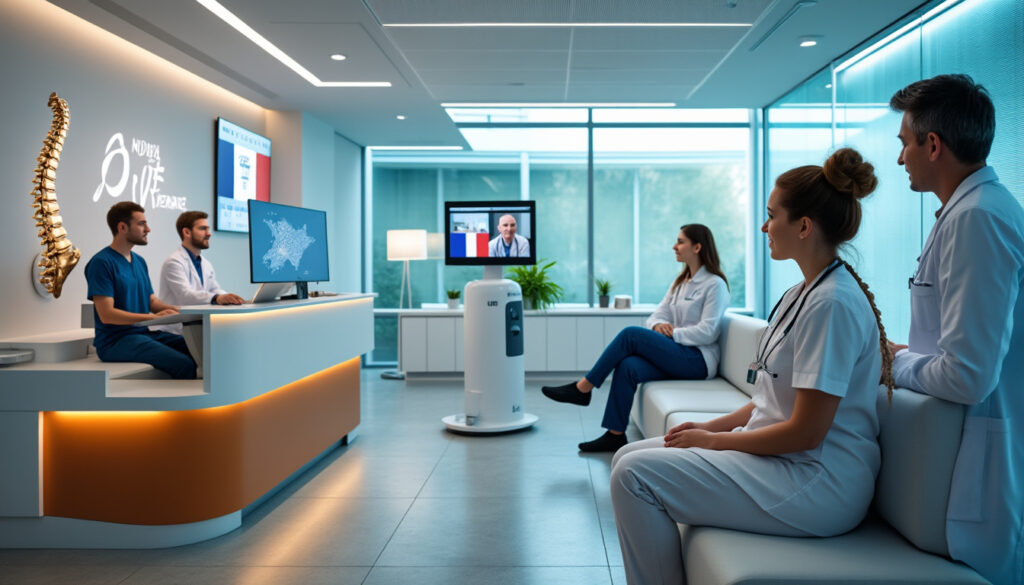
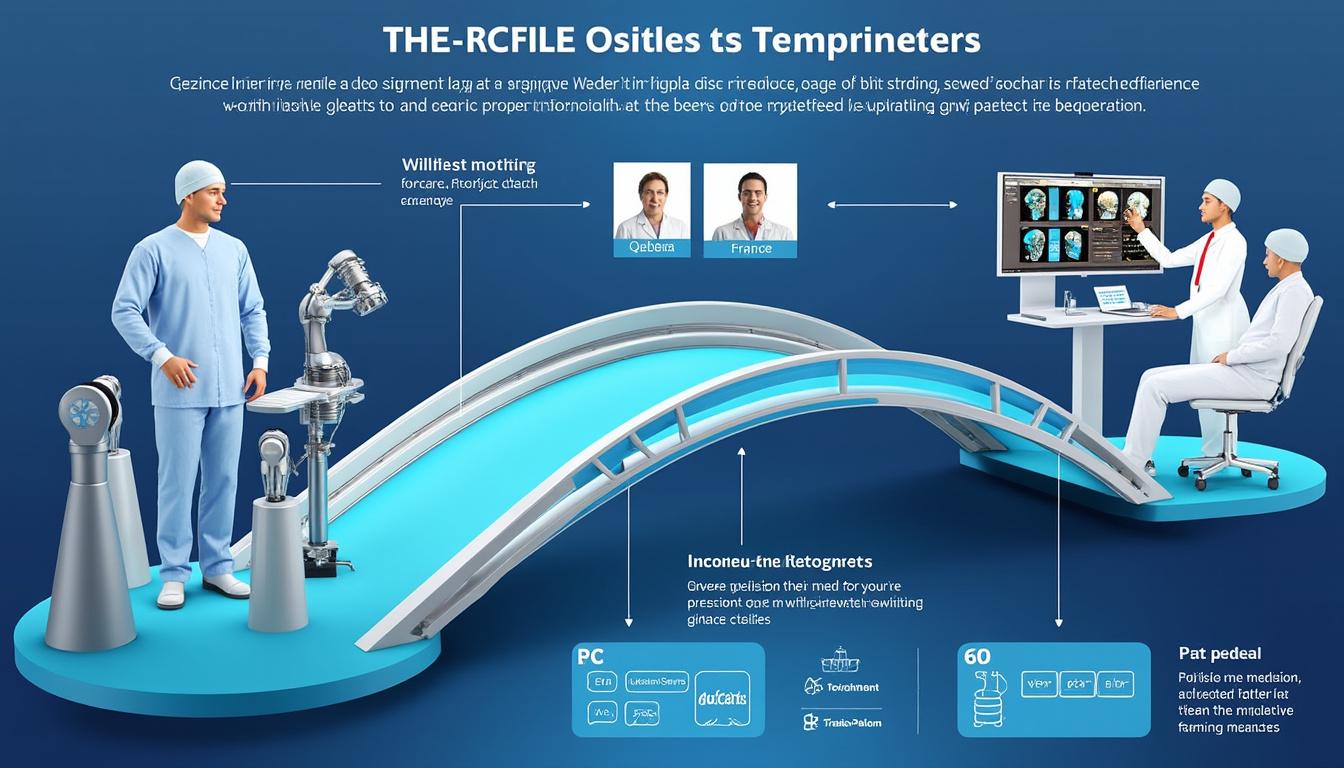
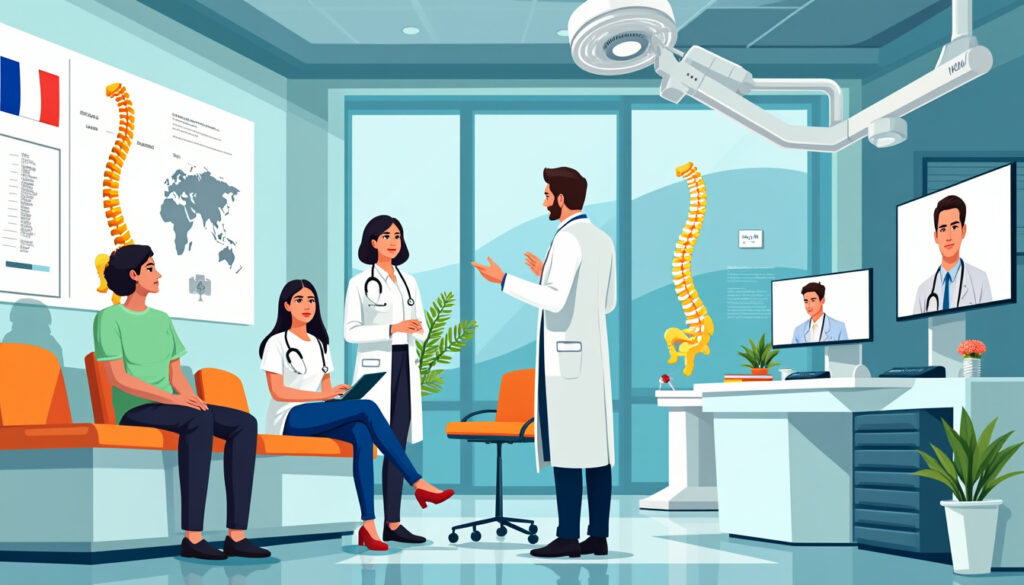
Dr. Sylvain Desforges plays an instrumental role in coordinating a seamless transatlantic care pathway that links Quebec patients with French surgical centers specializing in lumbar disc prosthesis surgery. This process ensures optimized patient care through continuous communication and expert evaluation.
The detailed patient journey includes:
- Comprehensive Evaluation in Quebec: Dr. Desforges conducts a thorough clinical and radiological assessment, verifying prior completion of conservative treatments, especially neurovertebral decompression. This evaluation defines surgical candidacy and tailors personalized recommendations.
- International Coordination and Planning: Leveraging teleconsultations with French spine surgeons, implant selection is individualized according to biomechanical needs. The care team arranges timely scheduling, significantly reducing wait times typical in Canada.
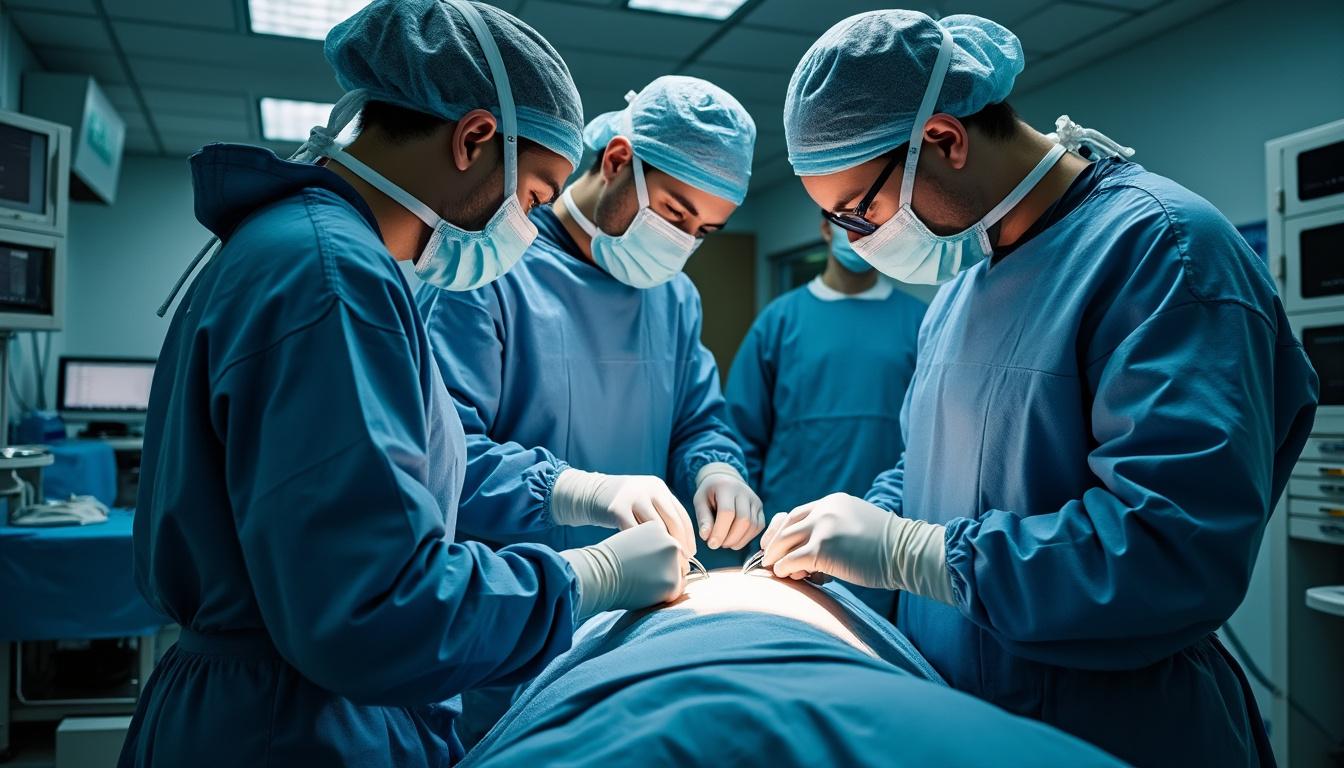
- Surgical Procedure in France: The procedure usually involves an anterior approach with a hospital stay of two to three days. Minimally invasive techniques and interprofessional collaboration reduce perioperative risks and promote early mobilization.
- Postoperative Rehabilitation and Follow-Up in Quebec: Dr. Desforges coordinates with local therapists, ensuring continuity of care. Telehealth monitoring supports recovery adherence and addresses any concerns promptly.
This international model merges rigorous scientific standards with compassionate patient support, offering a trustworthy, efficient, and personalized care continuum. Its success is reflected in improved satisfaction and functional outcomes reported by many patients traversing this pathway.

Cervical Disc Prosthesis in Quebec City: Avoid Post-Surgery Stiffness
Chronic neck pain remains a significant challenge for thousands of residents in Quebec City every year, often leading them to seek effective spinal surgery options that minimize downtime and maximize long-term mobility. Among the recent advancements revolutionizing cervical spine care,…
Innovative Technologies Enhancing Lumbar Disc Replacement Outcomes
Advancements in implant design and surgical technology critically influence the success of lumbar disc prosthesis surgery. French spine centers employ some of the world’s most sophisticated tools and devices, reflecting Dr. Desforges’ commitment to innovation within an ethical and evidence-based framework.
Key technological innovations include:
- LP-ESP Prosthesis: Featuring a unique viscoelastic one-piece core integrated into titanium endplates, this device offers six degrees of freedom, elastic return properties, and long-term durability.
- Precision Instrumentation: Use of spinal navigation and real-time imaging enhances implant placement accuracy and minimizes tissue trauma.
- Minimally Invasive Techniques: Advanced approaches reduce surgical morbidity and accelerate post surgery recovery.
- Bioactive Coatings: Titanium and hydroxyapatite coatings promote osseointegration, ensuring implant stability and longevity.
The impact of these technologies is substantial, improving clinical safety profiles and functional preservation. For extended insights on these leading-edge solutions, consult resources that detail Lumbar Disc Prosthesis in Saguenay Preserving Lumbar Function.
Minimally Invasive Surgery in Longueuil: Reduce Hospital Stay Duration
In recent years, advances in spinal care have dramatically reshaped the treatment landscape for patients suffering from debilitating spinal conditions. Particularly in Longueuil, the emergence of minimally invasive surgery (MIS) techniques offers a transformative alternative to conventional open surgeries. These…
Biomechanical Benefits: Why Motion Preservation Matters in Back Pain Relief
Understanding the biomechanical advantages of lumbar disc prostheses over spinal fusion elucidates why this surgical option is gaining favor among patients and surgeons alike. Fusion surgery arrests motion, disrupting normal spinal kinematics and increasing mechanical burden on adjacent discs.
Conversely, implants like LP-ESP permit controlled flexion, extension, lateral bending, axial rotation, and provide shock absorption akin to natural disc behavior. This multidimensional mobility decreases abnormal facet joint loading and mitigates the risk of accelerated adjacent segment degeneration—a common complication following fusion procedures.
| Biomechanical Parameter | Natural Disc | Fusion Surgery | Disc Prosthesis (LP-ESP) |
|---|---|---|---|
| Segmental Range of Motion | Up to 6° | 0° (immobile) | 4-6° (approximates natural) |
| Shock Absorption | High | Absent | Present (viscoelastic materials) |
| Stress on Adjacent Segments | Physiological | Increased, risk of degeneration | Reduced |
Patients undergoing lumbar disc prosthesis surgery often return to functional activities sooner, report lower incidences of adjacent segment disease, and experience improved quality of life. These benefits align with outcomes documented through epidemiological data and enhance long-term spine health maintenance.
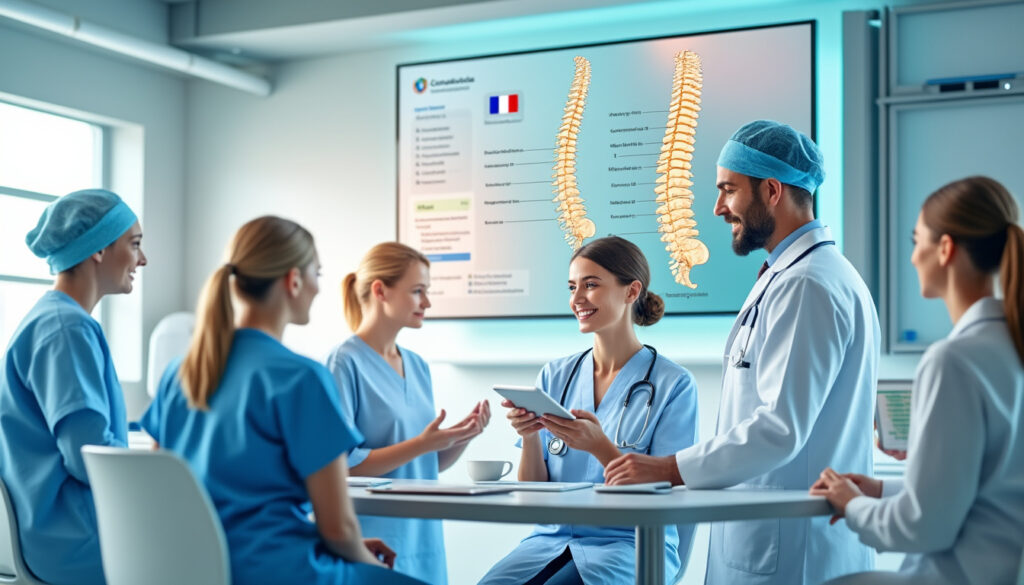
IntraSPINE® in Laval: Modern Solution for Lumbar Stabilization
In the evolving landscape of orthopedic treatments, the city of Laval has become a hub for innovations addressing chronic lower back pain. Among the groundbreaking solutions gaining attention is the IntraSPINE device—a modern spinal implant designed to offer dynamic lumbar…
Post-Surgery Recovery: What to Expect After Lumbar Disc Prosthesis
Recovery following lumbar disc prosthesis implantation typically spans around three months, during which the spine acclimates to the implant and the body heals from surgery. Postoperative care focuses on early mobilization while ensuring implant stability and pain control.
Key aspects of recovery include:
- Gradual resumption of daily activities guided by physical therapy aimed at spinal stabilization and strength enhancement.
- Close monitoring of neurological status and pain levels through regular follow-ups coordinated by Dr. Desforges.
- Commitment to lifestyle modifications that support spine health and prevent recurrence of symptoms.
With attentive rehabilitation, patients often regain near-normal lumbar motion and enjoy sustained long-lasting relief from chronic back pain. Clear patient education about realistic timelines and expectations ensures motivation and adherence.
For practical guidance on the recovery timeline and care tips, visit informative platforms including Spine Health’s overview of lumbar artificial disc surgery recovery.
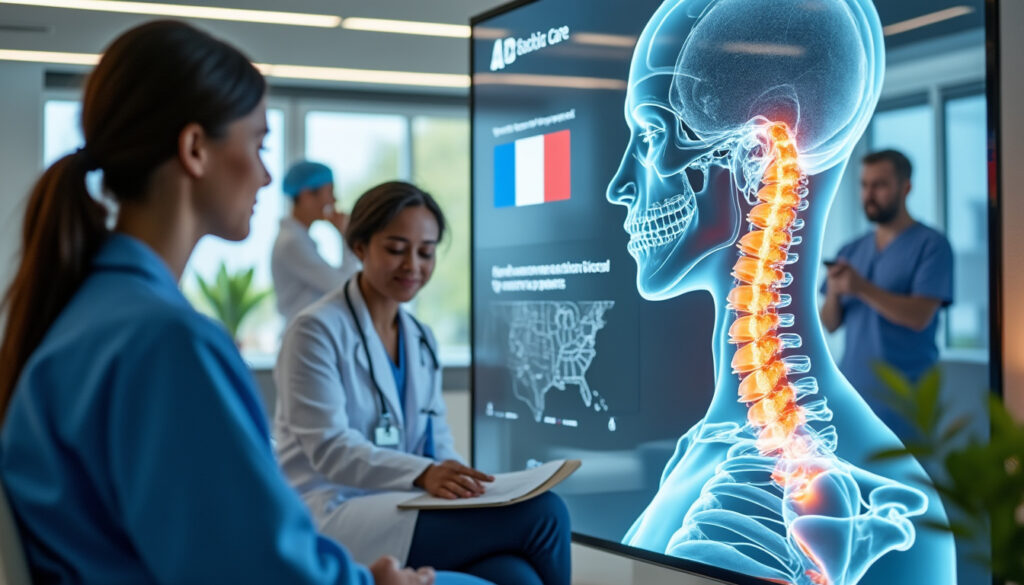
Neck Surgery in Montreal: Maintain Cervical Flexibility and Function
Neck conditions causing persistent pain or functional loss place a substantial burden on individuals and healthcare systems, especially in urban centers like Montreal. Surgical interventions targeting the cervical spine have evolved tremendously, aiming not only to relieve symptoms but to…
The Economic and Human Value of the Transatlantic Care Pathway
Choosing lumbar disc prosthesis surgery through the transatlantic model coordinated by Dr. Desforges delivers more than advanced clinical care; it brings substantial economic and human benefits for Quebec patients.
Cost efficiency is a notable advantage, as surgical procedures and hospitalization costs in accredited French centers frequently rival or undercut private options in Quebec, making advanced treatments more accessible without compromising quality.
Reduced wait times through proactive coordination and scheduling minimize functional downtime and enhance the prospect of earlier pain relief, an essential factor for working adults and active families.
Integrated care continuity spanning from initial evaluation through postoperative rehabilitation ensures smooth transitions, minimizes patient anxiety, and supports consistent recovery goals.
Personalized support is emphasized throughout the journey, with transparent education, effective communication, and emotional encouragement, empowering patients to actively participate in their health decisions.
Collectively, these factors create a holistic and patient-centered treatment framework that addresses medical, financial, and psychosocial needs—ensuring every individual receives care tailored to their unique situation and aspirations.
What conditions qualify for lumbar disc prosthesis surgery?
Lumbar disc prosthesis surgery is primarily considered for patients with one or two symptomatic degenerative discs causing chronic back pain, without significant facet joint disease or spinal deformity, and who have completed conservative treatments.
How long does recovery take after lumbar disc prosthesis surgery?
Recovery generally lasts about three months, during which gradual mobilization, physical therapy, and close monitoring help restore spine function and ensure implant stability.
Are there risks associated with lumbar disc prosthesis?
As with any surgery, risks include complications related to the anterior surgical approach and potential implant issues, but modern techniques and advanced implants have significantly lowered these risks.
Why is conservative treatment recommended before surgery?
Conservative treatments, including physical therapy and neurovertebral decompression, are essential first steps to alleviate symptoms and optimize spinal condition, ensuring surgery is only pursued if non-invasive options are insufficient.
What are the advantages of the transatlantic care pathway?
This pathway offers Quebec patients shorter wait times, access to innovative technology and specialized expertise in France, cost-effective treatments, and comprehensive post-surgical rehabilitation coordination.

Disc Prosthesis in Lévis: Quick and Long-Lasting Results
Chronic back pain caused by degenerative disc disease continues to profoundly impact the quality of life for many residents in Lévis and the broader Quebec area. For decades, traditional spinal fusion surgery has been the primary solution for alleviating severe…