Soins de la sciatique à la Clinique TAGMED : solutions efficaces
July 27, 2026
Boucherville Neck Pain Managed Without Hospitalization
July 27, 2026
Back pain remains one of the most persistent health challenges affecting adults worldwide, often leading to reduced mobility and diminished quality of life. For residents of Lévis and the broader Quebec region, the evolving landscape of spine care brings exciting alternatives to traditional spinal fusion surgery. Among these, disc prosthesis – also known as artificial disc replacement – emerges as a safe, innovative solution designed to preserve spinal motion while alleviating debilitating discomfort. With over three decades of dedicated experience, Dr. Sylvain Desforges has been at the forefront of pioneering advanced spine care techniques, blending rigorous scientific evaluation with ethical, patient-centered approaches. This expertise is crucial for patients seeking solutions beyond conventional rigid fusion, which sometimes leads to reduced spine flexibility and increased stress on adjacent segments.
Disc prosthesis surgery represents a paradigm shift in orthopedic and spine surgery. Whereas spinal fusion locks vertebrae together to stabilize the spine at the cost of natural movement, artificial disc implants aim to restore motion and reduce the long-term complications associated with rigidity. This approach aligns perfectly with the rising demand for minimally invasive techniques combined with high safety standards, a philosophy embedded deeply in the practice of Dr. Desforges and his collaborative teams spanning Canada and France.
With the increasing wait times and costs associated with private spine care in Quebec, the transatlantic pathway facilitated by expert coordination between Lévis and French clinics offers not only accelerated access but also comprehensive care that includes pre-operative evaluation, advanced surgical techniques like neurovertebral decompression and laser therapies, and personalized postoperative rehabilitation. This holistic framework enhances patient outcomes and mitigates surgical risks, affirming the value of seeking care with experienced experts focused on innovation and ethical decision-making.
Understanding the Fundamentals of Disc Prosthesis and Its Role as a Spinal Fusion Alternative
Disc prosthesis is a surgical procedure that replaces a damaged or degenerative spinal disc with an artificial implant designed to mimic the natural biomechanics of a healthy disc. Unlike spinal fusion, which joins two adjacent vertebrae together, disc prosthesis preserves the segment’s natural range of motion, reducing strain on neighboring discs and potentially preventing future degeneration. The artificial disc acts as a cushion, absorbing shock while allowing spinal mobility essential for everyday activities such as bending, twisting, and walking.
The scientific validation for artificial disc replacement has steadily increased, supported by long-term studies that underscore durable pain relief and functional improvement. In the context of Lévis and its healthcare network, patients benefit from access to these proven solutions through specialized centers that emphasize evidence-based practice and patient safety.
Dr. Desforges, with his multi-disciplinary training (B.Sc., D.O., N.D.) and leadership roles including as president of the Association Canadienne des Manipulateurs en Ostéopathie (ACMA), emphasizes that disc prosthesis should particularly be considered for patients with localized disc pathology who retain spinal stability. He advocates for a thorough evaluation to rule out significant facet joint arthritis or instability, conditions better addressed through fusion. This nuanced understanding allows for tailored surgical planning that maximizes patient benefit and minimizes unnecessary interventions.
- Preservation of Spinal Mobility: Artificial discs maintain natural motion, relieving stress on adjacent vertebral levels.
- Reduced Recovery Time: Minimally invasive techniques associated with disc prosthesis typically lead to faster postoperative recovery compared to fusion.
- Lower Risk of Adjacent Segment Disease: Preserving motion decreases the likelihood of accelerated degeneration in neighboring discs.
- Long-lasting Relief: Durable implants and scientifically supported surgical protocols ensure sustained functional improvement.
For more detailed comparison between disc replacement and spinal fusion, resources like this comprehensive guide offer extensive information contextualized by current clinical data.
Neck Surgery in Montreal: Modern Techniques for the Cervical Spine
The field of neck surgery in Montreal has witnessed remarkable advancements over recent years, integrating modern techniques that prioritize patient safety, functional preservation, and minimally invasive approaches. These developments are particularly significant for individuals facing cervical spine disorders, where traditional…
Different Types of Spine Surgeries Available in France: From Simple to Motion-Preserving Options
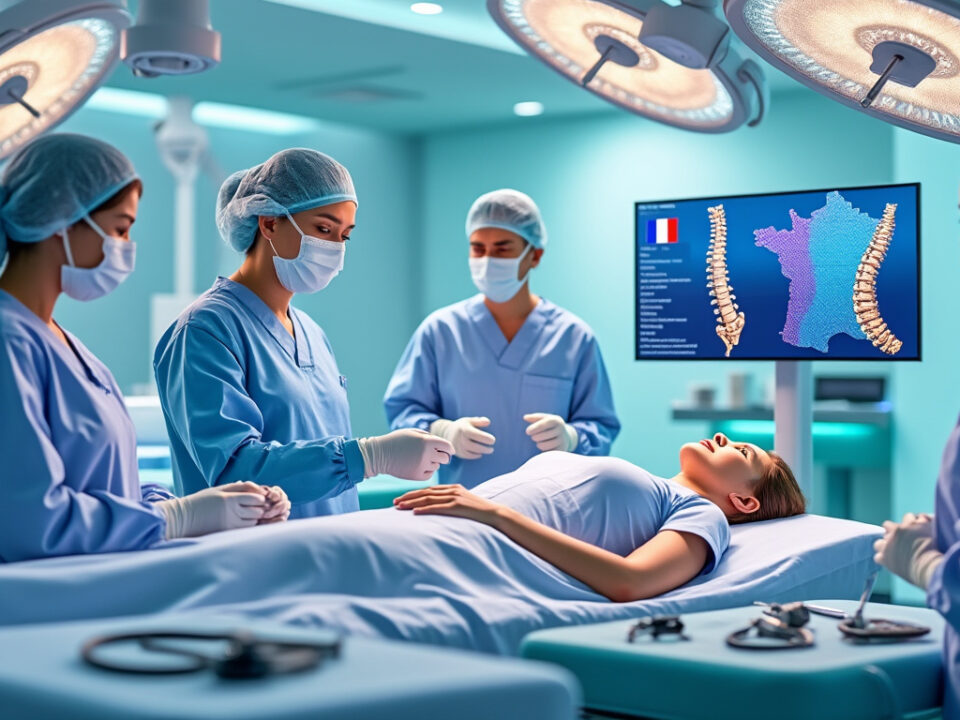
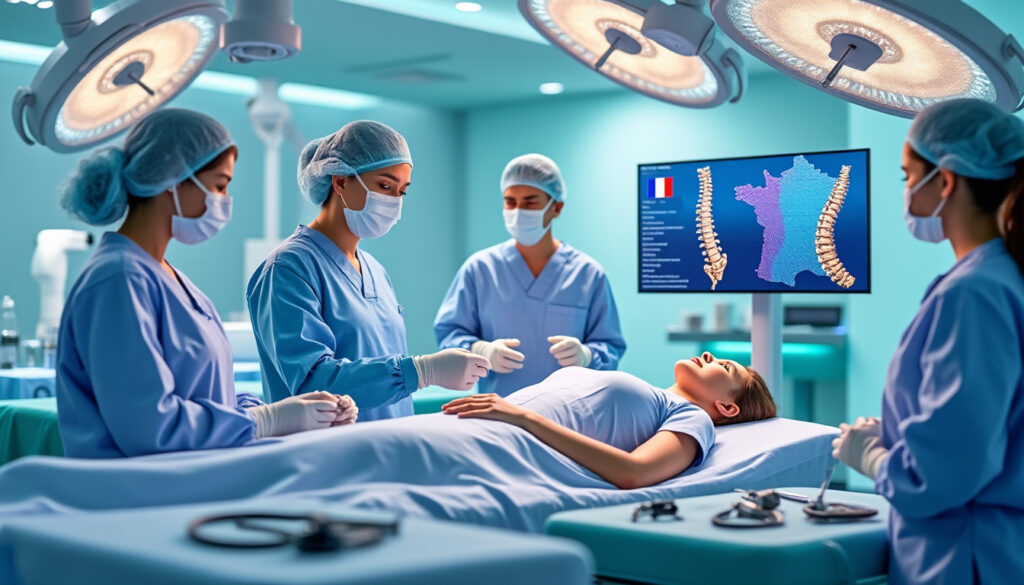
France has become renowned for advanced orthopedic surgery, particularly in managing spinal conditions with sophisticated, patient-friendly approaches. The surgical options range from traditional spinal fusion to next-generation disc prostheses and hybrid procedures combining both to address complex cases.
Simple Spinal Fusion
Spinal fusion remains the most widely used technique for numerous indications, including spinal instability, multi-level degeneration, deformities like scoliosis or kyphosis, and trauma. This procedure permanently joins vertebrae to stabilize the spine and eliminate painful movement. While effective in achieving stability and pain relief, fusion eliminates segmental motion, which can sometimes result in progressive stress and degeneration of adjacent discs over the years.
Artificial Disc Replacement (Disc Prosthesis)
Artificial disc replacement surgically removes the problematic disc and inserts an implant engineered to replicate the disc’s natural shock-absorbing and motion-preserving functions. Suitable primarily for single or two-level disc disease without significant instability, this procedure in France benefits from access to cutting-edge implant technology and minimally invasive surgical methods.
Hybrid Combination Surgery
In certain scenarios, fusion and disc replacement techniques are combined in what is known as hybrid surgery. For example, a highly unstable vertebral segment can be fused to ensure stability, while adjacent levels receive disc prostheses to maintain spinal mobility. This tailored approach optimizes mechanical function and reduces biomechanical stress on the spine.
These surgical options reflect the innovation and personalized care promoted by centers partnering with international experts such as Dr. Desforges. Patients in Lévis interested in exploring advanced artificial disc replacements often find in France a breadth of surgical expertise matched with state-of-the-art technology.
Detailed insights on these surgical modalities and patient selection criteria can be explored at this dedicated resource focusing on innovative spinal surgery alternatives.

Motion Surgery in Terrebonne: Limit Complications and Preserve Mobility
Motion surgery in Terrebonne is at the forefront of spinal care innovation, offering groundbreaking solutions for patients burdened by chronic lumbar conditions who seek alternatives beyond the typical barriers of cost and wait times experienced in Quebec’s healthcare system. Motion-preserving…
The Patient Journey from Evaluation to Recovery: Coordinated Transatlantic Spine Care Pathways
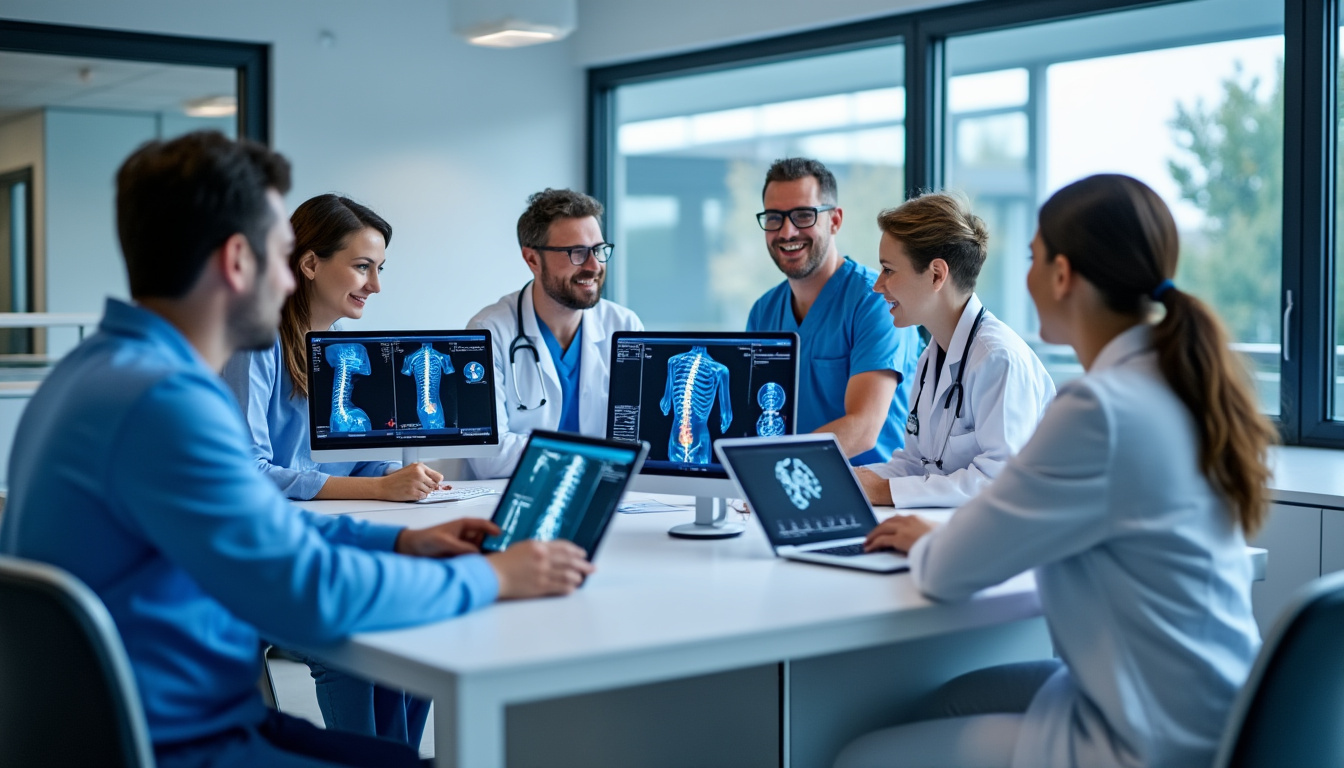
Embarking on a disc prosthesis journey necessitates a structured, stepwise pathway ensuring safety and optimal outcomes. Dr. Sylvain Desforges, leveraging 30+ years of clinical expertise and as founder of the Collège des Ostéopathes Canadiens and TAGMED clinic, acts as a crucial guide in orchestrating this complex trajectory, particularly for patients bridging transatlantic care between Quebec and France.
Comprehensive Evaluation and Personalized Assessment
Initial patient assessment focuses on a thorough clinical and biomechanical evaluation, integrating advanced imaging, neurological testing, and functional assessments. Dr. Desforges applies rigorous scientific scrutiny to confirm candidacy for artificial disc replacement, ensuring that conservative treatments have been exhausted and spine stability is adequate. The evaluation also includes discussing patient expectations, occupational demands, and lifestyle factors, guaranteeing an individualized pathway.
Pre-Surgical Optimization and Conservative Care
Before any surgical consideration, patients are encouraged to pursue 3 to 6 months of conservative care, ideally including advanced modalities such as neurovertebral decompression and laser treatments offered at the Clinique TAGMED. This step is essential as it may alleviate symptoms significantly or delay the need for surgery. Dr. Desforges emphasizes that surgery is not a first-line approach but an option reserved for refractory cases, a principle rooted in ethical and evidence-based practice.
International Coordination and Surgical Procedure
For those requiring intervention, the international coordination ensures access to expert surgeons in France equipped with the latest technology for minimally invasive disc prosthesis surgeries. Dr. Desforges facilitates seamless communication among multidisciplinary teams, manages timeline optimization, and aligns perioperative care protocols to Quebec standards. This integration fosters personalized, safe spine care with attention to the individual’s unique pathology.
Postoperative Rehabilitation and Return Home
Recovery management includes targeted rehabilitation focusing on restoring spinal mobility, strengthening, and gradual resumption of activities. Dr. Desforges and allied clinicians oversee progress remotely, easing patients’ concerns and adapting protocols according to each individual’s response. The journey culminates with a safe return to Quebec, supported by coordinated local care to sustain surgical gains and enhance quality of life.
More details about the patient pathway and comprehensive spine care coordination can be found through resources such as this expert guide.

Lumbar Disc Prosthesis in Saguenay: Immediate and Approved Relief
The city of Saguenay, Quebec, now stands at the forefront of spinal health innovation with the introduction of lumbar disc prosthesis as an approved and effective treatment for chronic back pain. As many adults here grapple with debilitating lumbar conditions,…
The Biomechanical, Economic, and Human Benefits of the Transatlantic Disc Prosthesis Pathway
Choosing disc prosthesis surgery through an international and carefully coordinated pathway brings multiple layers of benefit spanning biomechanical outcomes, economic viability, and personalized patient care.
Biomechanical Advantages
Artificial disc implants maintain natural spinal kinematics, reducing abnormal mechanical stress on adjacent segments often observed following rigid fusion. This preservation mitigates the risk of accelerated degeneration and subsequent surgeries, promoting longer spine health and function. In Lévis, patients undergoing these procedures with Dr. Desforges’ expert evaluation benefit from innovations such as dynamic implants that further support natural movement and stability.
Economic Considerations
While upfront costs for artificial disc prosthesis may appear higher than fusion, the long-term economic advantage is clear. Reduced rehabilitation durations, lower rates of subsequent surgeries, and fewer complications translate into less time off work and decreased overall healthcare expenses. Moreover, the transatlantic pathway optimizes scheduling and resource allocation, significantly shortening wait times prevalent in Quebec’s private healthcare, addressing a key concern for many patients.
Human-Centered Care
Trust, transparency, and education form the foundation of care provided by Dr. Desforges and his teams. Emphasizing clear communication about surgical indications, possible risks, and realistic post-surgical expectations, the process respects patient autonomy and supports informed decision-making. Patients consistently report increased confidence and satisfaction, feeling accompanied and understood throughout this often challenging experience.
IntraSPINE® in Sherbrooke: Personalized Care for Active Patients
In Sherbrooke, the advent of the IntraSPINE device marks a significant milestone in spinal health care, particularly for active patients grappling with chronic lower back pain. Recognized as a pioneering development in orthopedic treatment, IntraSPINE is reshaping expectations around back…
Why Surgery Should Follow Thorough Conservative Treatment Including Advanced Neurovertebral Decompression
One of the core principles advocated by Dr. Desforges is that surgical intervention, especially disc prosthesis or spinal fusion, should only be considered after diligent non-surgical treatment attempts have been thoroughly exhausted. Conservative therapies not only potentially relieve symptoms without surgery but also improve muscle support and spinal biomechanics, creating a better foundation if surgery becomes necessary.
In particular, the neurovertebral decompression methods available at the Clinique TAGMED, located in Quebec, offer an innovative, advanced therapeutic option aimed at reducing nerve compression and inflammation through minimally invasive technology. Studies and clinical experience demonstrate that these technologies can substantially reduce pain and improve function, often negating or postponing surgery.
Patients are encouraged to undergo a minimum of three to six months of treatments including physiotherapy, osteopathy, targeted injections, and especially neurovertebral decompression before surgical evaluation. This approach aligns with established Canadian and Quebec medical guidelines, underscoring Dr. Desforges’ commitment to evidence-based, ethical patient care.
For patients interested in securing access to the best conservative spine care before opting for surgery, the Clinique TAGMED remains a referential choice, offering expertise fully integrated with Dr. Desforges’ transatlantic pathway and postoperative supports.
Spine Surgery in Trois-Rivières: Maintain Quality of Life After Surgery
Spine surgery in Trois-Rivières has evolved into a beacon of hope for patients enduring chronic spinal conditions that drastically impair daily living. Facing prolonged wait times and escalating healthcare costs within Canada, many patients seek innovative solutions beyond their borders…
Clear Comparison Between Disc Prosthesis and Spinal Fusion: What Patients Need to Know
| Aspect | Disc Prosthesis (Artificial Disc Replacement) | Spinal Fusion |
|---|---|---|
| Purpose | Remove damaged disc and replace with artificial implant to preserve spinal motion | Join vertebrae to stabilize the spine by eliminating motion at the affected segment |
| Surgical Approach | Minimally invasive surgery with smaller incisions | More extensive surgery with bone grafts and instrumentation |
| Recovery Time | Faster recovery, often return to desk work within 2-4 weeks | Longer recovery, typically 6-12 months for full return |
| Spinal Mobility after Surgery | Motion preserved at treated segment | No motion at the fused level, possible increased stress on adjacent discs |
| Long-term Outcomes | Less accelerated adjacent segment degeneration; durable pain relief | Risk of degeneration at adjacent levels due to altered mechanics |
Choosing between these two options requires careful evaluation and should be guided by an expert like Dr. Desforges, who emphasizes patient-specific factors and a multidisciplinary approach to optimize outcomes. Additional insights about surgical success rates and patient satisfaction can be reviewed in clinical discussions such as those found at NASS Open Access Journal.
This video further explores the key differences between these spine surgeries, supporting patients in making informed decisions about their back pain treatment.
TOPS™ in Gatineau: Quick Relief After Decompression
In the fast-evolving world of spine care, patients and practitioners alike search for innovative solutions that combine effectiveness, safety, and minimal invasiveness. Especially for those affected by lumbar spinal stenosis and degenerative spondylolisthesis, finding relief from debilitating back and leg…
Minimally Invasive Techniques and Technological Innovations in Disc Prosthesis Surgery in Lévis
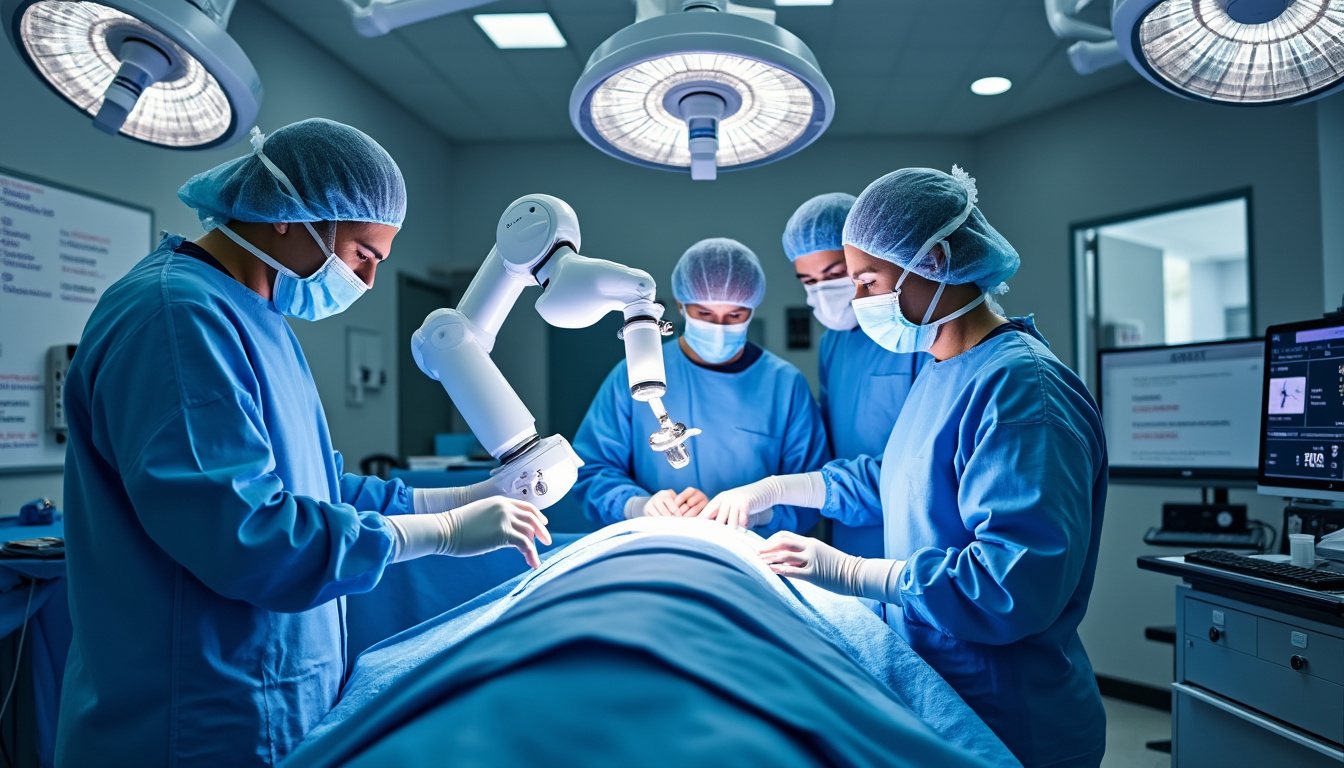
Dr. Desforges and his affiliated clinics actively pursue the integration of cutting-edge technologies to enhance both surgical precision and patient safety throughout the disc prosthesis procedure. Minimally invasive approaches reduce tissue disruption, which diminishes postoperative pain and expedites recovery.
Technologies such as robotic assistance, augmented reality navigation, and laser modalities complement the surgical process by improving accuracy in implant placement and minimizing risks like nerve injury or implant migration. These innovations are critical in delivering safe spine care, particularly in complex cases or when hybrid surgeries combining fusion and disc replacement are employed.
Clinical teams trained under Dr. Desforges’ leadership ensure that each patient benefits from these state-of-the-art tools, aligning with compliance standards set by the Collège des médecins du Québec and Canadian healthcare regulations. This rigorous standard of care positions Lévis as a center for advanced orthopaedic surgery, attracting patients seeking superior outcomes and reduced recovery times.
More on these advances and their benefits can be found in expert articles such as Spinal Fusion Alternatives, which highlight the shift towards less invasive, motion-preserving interventions.
Cervical Disc Prosthesis in Quebec City: Approved and Durable Option
In Quebec City, advancements in spinal health have introduced the Cervical Disc Prosthesis as a transformative solution for those suffering from chronic neck pain and cervical spine pathologies. With approved medical devices now accessible, patients can benefit from procedures that…
Personalized and Coordinated Care from Dr. Sylvain Desforges: Expertise Beyond Surgery
Dr. Desforges’ career spans over 30 years dedicated to spine health, combining osteopathy, neurology, and advanced evaluation techniques to guide patients throughout their care journey. Founder and president of multiple professional bodies, his approach marries scientific rigor with a compassionate, patient-centric ethos.
He meticulously evaluates each patient to understand not only the mechanical causes of their back pain but also their life context and personal goals. This deep understanding leads to individualized treatment recommendations, whether they point towards advanced conservative care at the Clinique TAGMED, disc prosthesis, or other interventions.
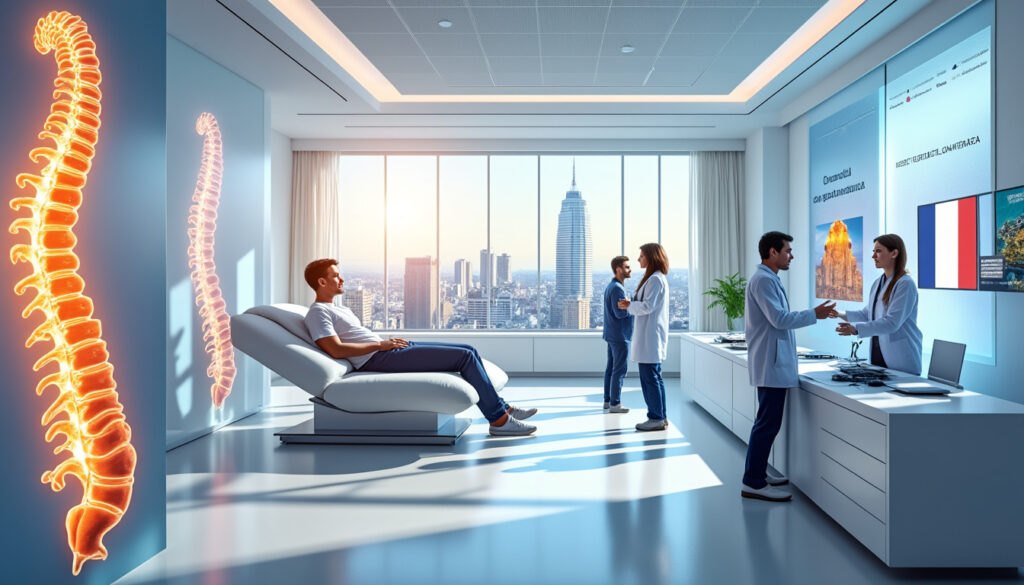
Especially for patients in Quebec looking to bypass the delays associated with the traditional healthcare system, his transatlantic collaboration streamlines access to French centers of excellence for spinal surgery. This partnership ensures continuous support, ethical treatment frameworks, and follow-up care calibrated to Quebec’s healthcare environment.
Beyond technical expertise, Dr. Desforges prioritizes patient education, demystifying complex surgical procedures and encouraging proactive participation in decision-making. His open dialogue approach empowers patients to actively engage with their recovery and long-term spine health.
To explore personalized evaluation or to initiate your care journey, do not hesitate to reach out via SOS Tourism Medical contact for seamless expert guidance and tailored recommendations.
Who is the ideal candidate for disc prosthesis surgery?
Patients with one or two-level degenerative disc disease without significant spinal instability or severe facet arthritis are generally suitable candidates. A thorough evaluation by experts like Dr. Desforges is essential.
How does recovery from disc prosthesis compare to spinal fusion?
Recovery after disc prosthesis tends to be faster with less postoperative stiffness. Patients often resume desk duties within weeks, whereas spinal fusion has a longer recovery period due to bone healing requirements.
Are the artificial discs durable in the long term?
Yes, artificial discs are designed to last decades, with many implants functioning well beyond 20-30 years. Longevity depends on implant design and patient factors.
Why is conservative treatment recommended before surgery?
Conservative care, such as neurovertebral decompression, addresses symptoms and improves spinal function without the risks associated with surgery. Surgery is reserved for refractory cases after 3 to 6 months of such therapies.
How is coordination between Canada and France handled for spine surgery patients?
Dr. Desforges ensures seamless integration of evaluations, surgical care, and postoperative follow-up across both countries, optimizing timing, communication, and patient comfort throughout the transatlantic treatment journey.
Minimally Invasive Surgery in Longueuil: Shorter Recovery and Maintained Mobility
In the evolving landscape of spinal care, patients across Quebec increasingly seek minimally invasive surgical solutions to overcome the challenges posed by chronic back and neck conditions. In Longueuil, a hub of innovative spine treatments, these advanced procedures are transforming…