Neck Surgery in Montreal: Cutting-Edge Techniques for Cervical Spine Care
July 26, 2026
Blainville Chronic Back Pain Solutions from TAGMED
July 26, 2026
Motion surgery in Terrebonne is at the forefront of spinal care innovation, offering groundbreaking solutions for patients burdened by chronic lumbar conditions who seek alternatives beyond the typical barriers of cost and wait times experienced in Quebec’s healthcare system. Motion-preserving techniques in this region prioritize maintaining joint movement and spinal flexibility while effectively limiting complications that traditionally follow fusion surgeries. These advancements provide renewed hope to active individuals and those desiring a more rapid, comfortable recovery.
Under the expert guidance of Dr. Sylvain Desforges, a pioneer with over 30 years of unparalleled expertise in spinal evaluation and osteopathy, Terrebonne has become a nucleus for state-of-the-art surgical interventions. His leadership extends beyond borders through transatlantic coordination that integrates the best practices and technological innovations from both Canada and France. This synergy is reshaping patient experiences by offering a carefully coordinated continuum of care, from initial assessment to postoperative rehabilitation, ensuring safety, scientific rigor, and a humanistic approach.
The burgeoning popularity of motion surgery owes much to its ability to balance the biomechanical demands of the spine with patient quality of life. Innovations such as dynamic stabilization devices and artificial disc replacements have emerged as essential tools that challenge the limitations imposed by traditional spinal fusion. This article outlines the surgical options available in Terrebonne, the patient journey across continents, the economic and biomechanical advantages of international care pathways, and why conservative treatments remain a prerequisite for surgery consideration.
Understanding Motion Surgery in Terrebonne: Safeguarding Mobility While Limiting Complications
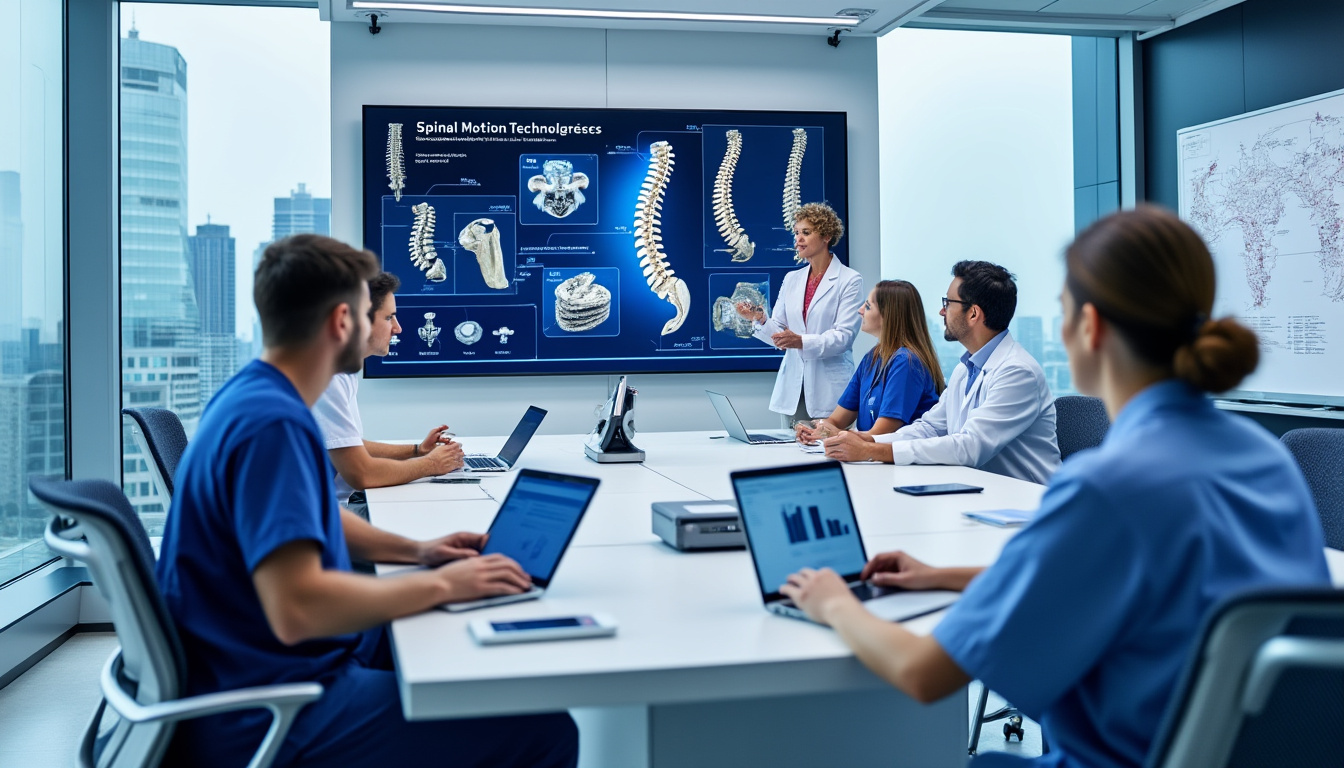
Motion surgery represents a significant evolution in managing spinal disorders by placing a strong emphasis on preserving the spine’s natural movement. Unlike traditional spinal fusion surgery, which immobilizes affected vertebrae, motion surgery employs dynamic implants or artificial discs designed to sustain the natural biomechanical properties of the lumbar region.
The lumbar spine experiences substantial mechanical stress because of its role in supporting body weight and facilitating motion. Over time, degenerative changes such as herniated discs, spinal stenosis, or facet joint arthritis impair function and cause persistent pain. Surgical fusion, while effectively stabilizing problematic segments, often leads to unwanted stiffness, reduced spinal flexibility, and an increased risk of adjacent segment degeneration due to altered load distribution.
In contrast, motion-preserving surgeries ensure the continued functionality of spinal segments, enabling patients to retain a broader range of motion and reduce the likelihood of developing complications associated with rigidity. Advanced devices like the TOPS System and IntraSPINE provide controlled stability without sacrificing movement. Clinical centers in Terrebonne are equipped with minimally invasive surgical techniques geared toward precise implant placement, reducing tissue trauma and facilitating faster recovery.
Key benefits of motion surgery include:
- Preservation of intervertebral joint movement
- Reduction of biomechanical stress on adjacent segments
- Lower rates of postoperative complications such as adjacent segment disease
- Accelerated rehabilitation and return to daily activities
- Decrease in patient discomfort related to spinal stiffness
These advantages align with Dr. Desforges’ philosophy of integrating rigorous scientific evidence and ethical patient-centered care. Such a holistic approach ensures that treatment plans in Terrebonne are optimized to minimize long-term risks, particularly for patients desperate to avoid the immobilization and lifestyle limitations associated with fusion surgery.
The benefits of motion surgery are well documented in peer-reviewed literature, including studies demonstrating improved durability and patient satisfaction when joint preservation is prioritized. Patients who undergo these advanced procedures often experience superior clinical outcomes, allowing them to maintain their quality of life and active lifestyles.
More detailed insights on how motion surgery preserves natural spinal biomechanics are available through expert reviews and specialized clinical reports showcasing Terrebonne’s innovative techniques.

Lumbar Disc Prosthesis in Saguenay: Immediate and Approved Relief
The city of Saguenay, Quebec, now stands at the forefront of spinal health innovation with the introduction of lumbar disc prosthesis as an approved and effective treatment for chronic back pain. As many adults here grapple with debilitating lumbar conditions,…
Exploring Surgical Techniques in Terrebonne: From Simple Decompression to Advanced Motion Preservation
Terrebonne’s specialized surgical centers offer a comprehensive range of options to suit various lumbar spine pathologies, each tailored to individual patient needs. Understanding these choices empowers patients to engage knowledgeably in their care decisions.
Simple Decompression Procedures
For many patients, nerve root compression stemming from spinal stenosis or herniated discs is the primary cause of pain and dysfunction. Simple decompression surgeries focus on relieving pressure on neural tissues by excising obstructive bone or soft tissue. Importantly, these interventions are motion-preserving as they do not involve fusing vertebral segments.
Such procedures serve as an initial surgical option once conservative treatments have been exhausted. They typically involve lower surgical risk and promote quicker postoperative recovery. Preserving natural joint movement in this way aligns with the goal of maintaining spinal biomechanics and preventing secondary complications.
Spinal Fusion Surgery
When segmental instability or severe degeneration precludes less invasive measures, spinal fusion is often employed to stabilize affected vertebrae permanently. This technique joins two or more vertebrae, eliminating motion at those levels to reduce pain and correct deformity.
While fusion achieves immediate mechanical stability, it comes at the cost of spinal flexibility. Over time, the increased load on neighboring segments accelerates degenerative processes, increasing the risk of further intervention. Patients must be fully informed of these trade-offs when considering fusion.
Motion-Preserving Surgical Options
In Terrebonne, advanced motion surgery options are gaining prominence. These include:
- Artificial Disc Replacement: Prosthetic discs replicate the cushion-like properties and movements of natural intervertebral discs, allowing bending and rotation while stabilizing degenerated segments.
- Dynamic Stabilization Devices: Implants such as the TOPS and IntraSPINE systems provide controlled segmental support while permitting physiological motion, minimizing the risk of adjacent segment disease.
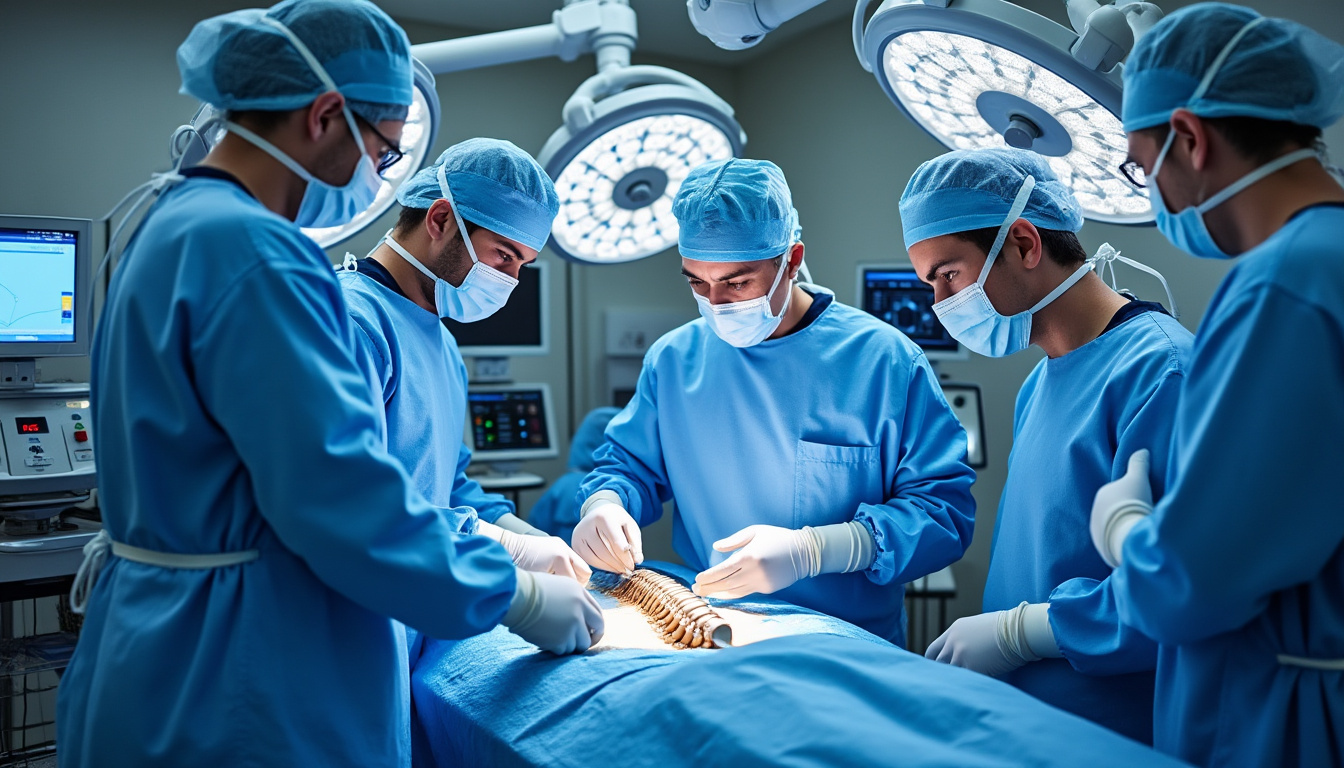
Minimally invasive surgery techniques enhance these procedures by reducing patient trauma during surgery, which results in less blood loss, decreased postoperative pain, and shortened hospital stays. These approaches are part of Terrebonne’s commitment to leveraging technological advancements under the expert oversight of Dr. Desforges.
To understand the full scope of how simple, fusion, and motion surgeries contribute to improved clinical outcomes, readers may explore comprehensive analyses offered at transatlantic care resources.
IntraSPINE® in Sherbrooke: Personalized Care for Active Patients
In Sherbrooke, the advent of the IntraSPINE device marks a significant milestone in spinal health care, particularly for active patients grappling with chronic lower back pain. Recognized as a pioneering development in orthopedic treatment, IntraSPINE is reshaping expectations around back…
Structuring the Patient Journey: Rigorous Evaluation and Transatlantic Coordination
One of the distinctive features of motion surgery care in Terrebonne is the seamless integration of comprehensive evaluation, surgical intervention, and postoperative rehabilitation orchestrated across Canadian and French healthcare settings. This pathway is expertly coordinated by Dr. Sylvain Desforges, who ensures that patients benefit from the highest standards of care tailored to their specific clinical profiles.
The journey begins with an in-depth spinal evaluation, whereby Dr. Desforges employs advanced imaging and osteopathic assessment techniques to accurately identify pathology and evaluate candidacy for motion surgery. This phase emphasizes evidence-based medicine, clear communication, and ethics to foster patient understanding and trust.
Prior to the consideration of surgical intervention, the patient must have undergone at least 3 to 6 months of conservative management. Treatment programs include physiotherapy, lifestyle adaptations, pharmacologic pain control, and notably, neurovertebral decompression therapies offered by the TAGMED Clinic. This non-invasive treatment modality has shown significant clinical benefit and can dramatically reduce the need for surgery.
For patients where surgery is deemed indicated, Dr. Desforges facilitates referrals to highly experienced surgical teams in France via platforms like SOS Tourism Medical. This transatlantic collaboration shortens wait times and expands access to cutting-edge motion surgery techniques, otherwise limited in Canada.
Following surgery, rehabilitation is meticulously coordinated across borders, maximizing functional recovery through synchronized efforts between French and Canadian providers. This comprehensive care model supports reduced complications and expedites the return to daily activities.
A clear outline of the patient pathway includes:
- Initial detailed evaluation and imaging by Dr. Desforges
- Completion of 3–6 months of conservative therapy including advanced decompression treatments
- Referral and surgical scheduling with specialized international teams
- Minimally invasive motion-preserving surgical intervention
- Postoperative rehabilitation and ongoing monitoring in Canada
This carefully managed continuum prioritizes safety, innovation, and personalized care, which together contribute to superior clinical outcomes and patient satisfaction.
Spine Surgery in Trois-Rivières: Maintain Quality of Life After Surgery
Spine surgery in Trois-Rivières has evolved into a beacon of hope for patients enduring chronic spinal conditions that drastically impair daily living. Facing prolonged wait times and escalating healthcare costs within Canada, many patients seek innovative solutions beyond their borders…
Conservative Treatment: The Essential First Step Before Surgery Consideration
Dr. Desforges advocates strongly for an ethical and evidence-based approach whereby surgery is reserved only after ample conservative management has been pursued. The critical preliminary phase spans 3 to 6 months during which a variety of non-surgical therapies aim to control symptoms and improve function.
These measures typically encompass physical therapy, medication adjustments, lifestyle modifications, and innovative treatments such as neurovertebral decompression, particularly performed at TAGMED Clinic. This advanced technique harnesses laser and mechanical modalities to relieve nerve compression without surgery.
Numerous patients experience significant symptom relief during this phase, often eliminating the need for surgical intervention. However, for those patients whose conservative care did not previously include neurovertebral decompression, integrating such advanced therapies is essential before progressing to surgery to optimize results.
This stepwise treatment logic reduces unnecessary surgical risks, safeguards patient safety, and strengthens surgical readiness for those who require operative intervention. Dr. Desforges’ leadership ensures each patient receives personalized counseling on benefits, limitations, and realistic expectations of conservative versus surgical care.
TAGMED Clinic’s expertise in advanced conservative care has become a cornerstone for many Québécois patients seeking safer alternatives prior to surgery, exemplifying a fully integrated and evidence-based patient management strategy.
TOPS™ in Gatineau: Quick Relief After Decompression
In the fast-evolving world of spine care, patients and practitioners alike search for innovative solutions that combine effectiveness, safety, and minimal invasiveness. Especially for those affected by lumbar spinal stenosis and degenerative spondylolisthesis, finding relief from debilitating back and leg…
Biomechanical and Economic Advantages of the Transatlantic Motion Surgery Pathway
The integration of Canadian and French healthcare resources for motion surgery provides a dual advantage that extends beyond the surgical act itself. Biomechanically, preserving joint mobility protects adjacent segments from accelerated degeneration, maintaining spinal integrity and reducing the risk of future interventions.
This preservation translates into improved pain management, faster return to normal activities, and increased overall quality of life. Economically, despite travel costs, patients often find the bundled expense of surgery, hospitalization, and rehabilitation in France to be more affordable than local options in Quebec, particularly when considering the high costs and delays intrinsic to some public healthcare settings.
| Cost Elements | Average Costs in Quebec (CAD) | Average Costs in France (EUR) | Patient Benefits |
|---|---|---|---|
| Initial Consultation | 150 | 80 | Affordable expert evaluation |
| Surgery | 15,000 | 8,000 | Lower cost advanced surgical care |
| Postoperative Rehabilitation | 3,000 | 1,500 | Cost-effective and multidisciplinary follow-up |
The overall reduction in expenses, coupled with access to innovative devices like dynamic implants unavailable locally, exemplifies the value proposition behind this coordinated transatlantic care approach. Importantly, the integration of evidence-based surgical techniques and personalized postoperative care decreases the likelihood of costly revision surgeries, offering patients sustained relief and functional improvement.
Such compelling economic and biomechanical advantages highlight why patients seeking to limit complications while preserving mobility choose Terrebonne’s motion surgery pathway supported by strong international collaboration.
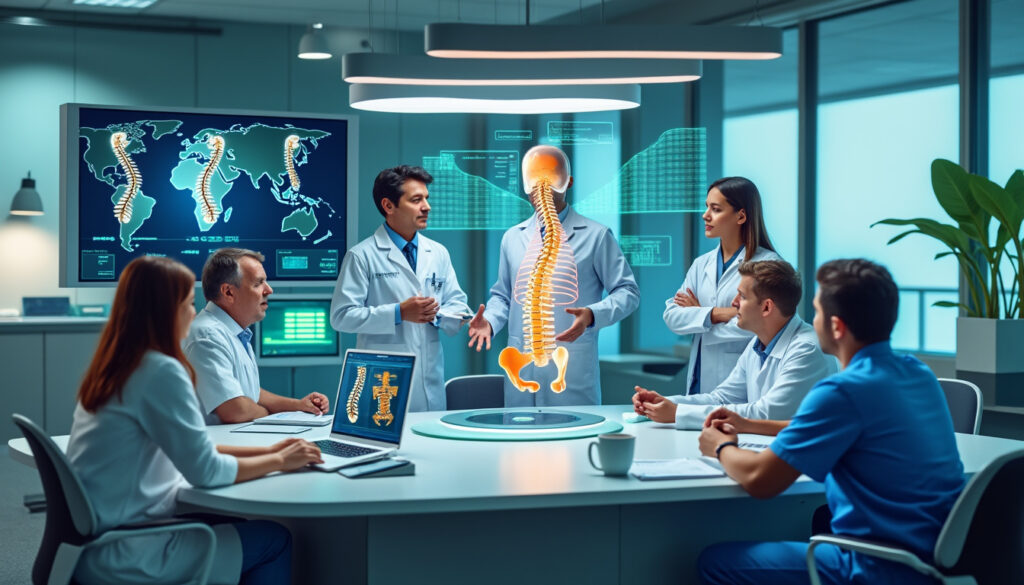
Cervical Disc Prosthesis in Quebec City: Approved and Durable Option
In Quebec City, advancements in spinal health have introduced the Cervical Disc Prosthesis as a transformative solution for those suffering from chronic neck pain and cervical spine pathologies. With approved medical devices now accessible, patients can benefit from procedures that…
Innovations in Minimally Invasive Surgery: Enhancing Outcomes and Reducing Risks
Terrebonne’s surgical teams employ cutting-edge minimally invasive surgery (MIS) techniques to optimize motion surgery outcomes. These approaches use smaller incisions, precision instruments, and intraoperative imaging technologies to minimize tissue trauma, lower infection rates, and preserve healthy structures critical for spinal motion.
MIS facilitates faster postoperative mobilization, reduces pain, and shortens hospital stays. Combined with dynamic stabilization implants or artificial discs, MIS delivers the dual benefit of effective symptom relief and preserved joint function. The use of laser-assisted neurovertebral decompression and real-time imaging enhances surgical precision, directly translating into fewer complications and improved long-term patient satisfaction.
Dr. Desforges champions these innovations as part of a comprehensive care process that balances technical advancement with ethical standards and transparent patient communication. These principles ensure that patients fully understand the benefits and potential risks before proceeding, fostering trust and informed consent.
For detailed examples of minimally invasive motion surgery techniques and their advantages, readers can consult resources detailing clinical outcomes and patient safety improvements observed in Terrebonne’s centers.
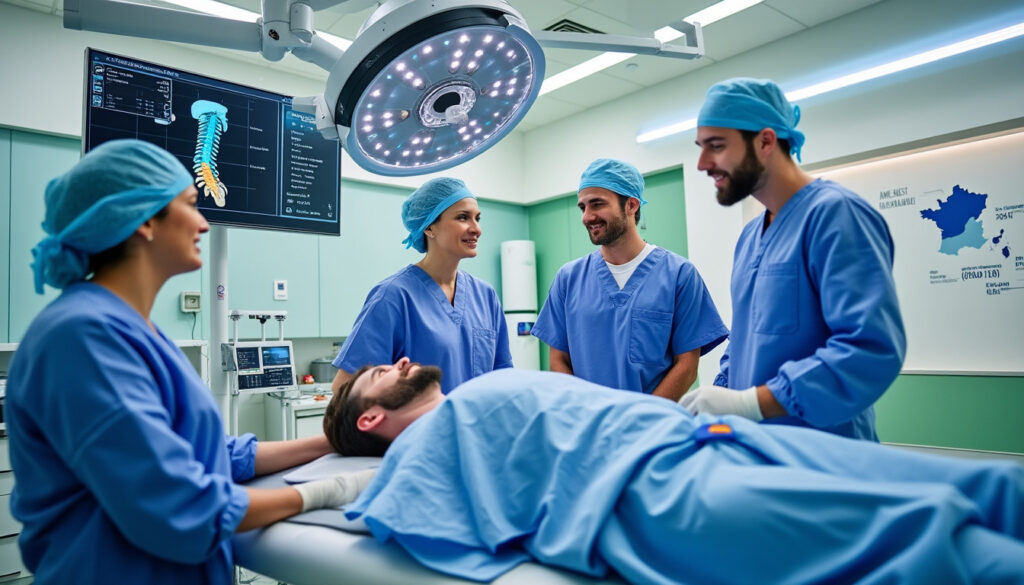
Minimally Invasive Surgery in Longueuil: Shorter Recovery and Maintained Mobility
In the evolving landscape of spinal care, patients across Quebec increasingly seek minimally invasive surgical solutions to overcome the challenges posed by chronic back and neck conditions. In Longueuil, a hub of innovative spine treatments, these advanced procedures are transforming…
Specialized Services and Unique Advantages of Terrebonne’s Motion Surgery Programs
What differentiates Terrebonne’s motion surgery offerings is the remarkable combination of advanced implant technologies, an expert multidisciplinary team, and strict adherence to rigorous scientific and regulatory standards. The exclusive availability of certain dynamic spine implants like TOPS or IntraSPINE, which have limited or no approval in Canada, distinctly broadens the therapeutic options for patients.
Moreover, preoperative preparation, surgical intervention, and postoperative care are tightly coordinated to each patient’s specific needs, ensuring optimal treatment sequencing and consistent quality control. This integrated approach under Dr. Desforges’ expert oversight ensures compliance with Quebec and Canadian medical regulations while applying international best practices.
Patients benefit from access to innovative devices, minimally invasive techniques, and comprehensive rehabilitation protocols tailored to preserve natural joint function. This blend of innovation and personalization accelerates recovery, mitigates complications, and supports long-lasting clinical success.
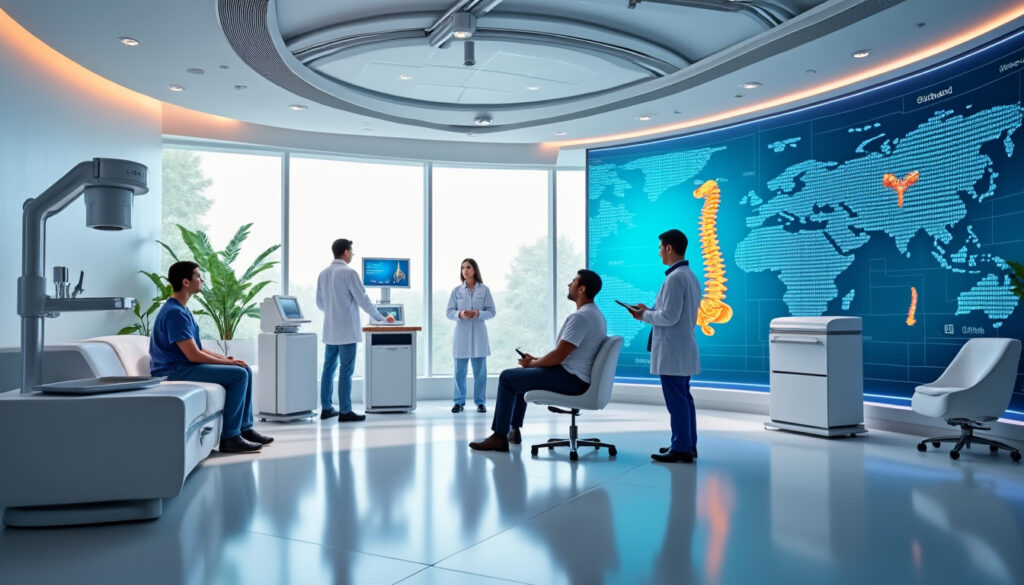
IntraSPINE® in Laval: Fast Recovery After Lumbar Intervention
The quest for effective solutions to chronic lumbar back pain continues to inspire innovative approaches in spine care. With over three decades of expertise, Dr. Sylvain Desforges stands at the forefront of this transformation, weaving scientific rigor, cutting-edge technology, and…
Encouragement Toward Informed Patient Decision-Making and Care Engagement
Dr. Desforges places significant emphasis on education and patient empowerment throughout the treatment continuum. Complex concepts such as the biomechanics of the spine, surgical indications, implant function, and rehabilitation processes are carefully explained in clear, accessible language without unnecessary jargon.
This pedagogic approach addresses patients’ emotional and informational needs, alleviating anxieties and fostering cooperation. Patients are encouraged to ask questions, reflect on their options, and actively participate in crafting personalized care pathways that respect their lifestyle and recovery goals.
Empowered by transparent communication, patients demonstrate improved adherence to postoperative regimens, experience reduced complication rates, and enjoy more satisfactory health outcomes. Such trust-based relationships underpin the humanistic, evidence-based care culture led by Dr. Desforges and his interdisciplinary teams.
Those considering motion surgery are invited to initiate a thorough expert evaluation and discuss tailored recommendations by visiting SOS Tourism Medical contact page, where personalized support and guidance commence the transformative care journey.
What is motion surgery and how does it differ from traditional spinal fusion?
Motion surgery utilizes dynamic implants or artificial discs to preserve natural spinal movement, reducing complications related to stiffness that often accompany spinal fusion which permanently immobilizes vertebrae.
How long should conservative treatment be pursued before considering surgery?
A minimum of three to six months of comprehensive conservative care, including physical therapy and advanced neurovertebral decompression if not previously tried, is essential to optimize outcomes and avoid unnecessary surgery.
Are advanced motion-preserving implants like TOPS available in Canada?
Although some implants have limited approval in Canada, patients can access these through coordinated international pathways, notably with specialists in France, facilitated by Dr. Desforges’ transatlantic collaboration.
What are the expected recovery times after motion surgery compared to fusion?
Recovery after motion surgery is typically faster with less postoperative pain and preserved mobility, enabling a quicker return to daily activities than traditional spinal fusion.
How does Terrebonne’s motion surgery program ensure patient safety and quality?
Terrebonne employs minimally invasive techniques, advanced implant technology, and rigorous interdisciplinary coordination overseen by Dr. Desforges, ensuring compliance with Canadian medical standards and personalized patient care.
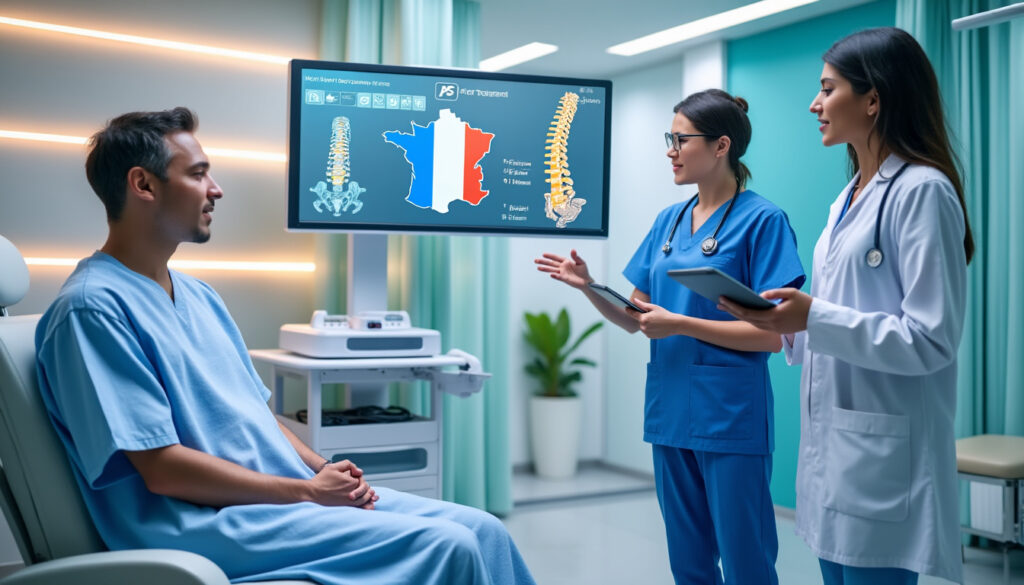
Neck Surgery in Montreal: Maintain Cervical Flexibility
Neck surgery stands at a crossroads of medical innovation and patient-centered care in Montreal, evolving significantly to address the complexities of cervical spine conditions. For those enduring persistent neck pain and debilitating spinal disorders, surgery often serves as a critical…