
Living with a Herniated Disc in Sainte-Julie: How Neurovertebral Decompression Improves Quality of Life
November 4, 2025
Can Preoperative Preparation in France Help Patients Avoid Surgery?
November 4, 2025
Back surgery, particularly laminectomy, is often a critical intervention for individuals struggling with severe spinal conditions such as lumbar stenosis or herniated discs. Despite the surgical success in alleviating nerve compression and restoring mobility, a significant concern remains: the onset of Post-Laminectomy Syndrome (PLS), which manifests as persistent pain and neurological symptoms post-surgery. As spinal surgeons and patients alike seek to optimize outcomes, understanding the multifaceted approach to preventing this syndrome is paramount. This article explores comprehensive strategies, from preoperative preparation and postoperative rehabilitation to innovative therapies like repetitive transcranial magnetic stimulation (rTMS), emphasizing the integration of cutting-edge medical device solutions from industry leaders including Medtronic, Stryker, and Zimmer Biomet.
Collaborative healthcare pathways, exemplified by initiatives such as Neurothérapie Montréal under the guidance of Philippe Mazaltarim, demonstrate how mixing traditional rehabilitation with modern neuromodulation techniques enhances recovery. This synergy offers not only pain mitigation but also critical psychological support during convalescence. With increasing global medical tourism and cross-border healthcare collaborations between Canada and France, patients benefit from coordinated care programs, ensuring tailored interventions that address individual risk factors for PLS. Embedded in this discourse are detailed timelines, therapeutic modalities, and lifestyle adjustments necessary to minimize complications and foster long-term spinal health.
Understanding Post-Laminectomy Syndrome and Its Underlying Causes
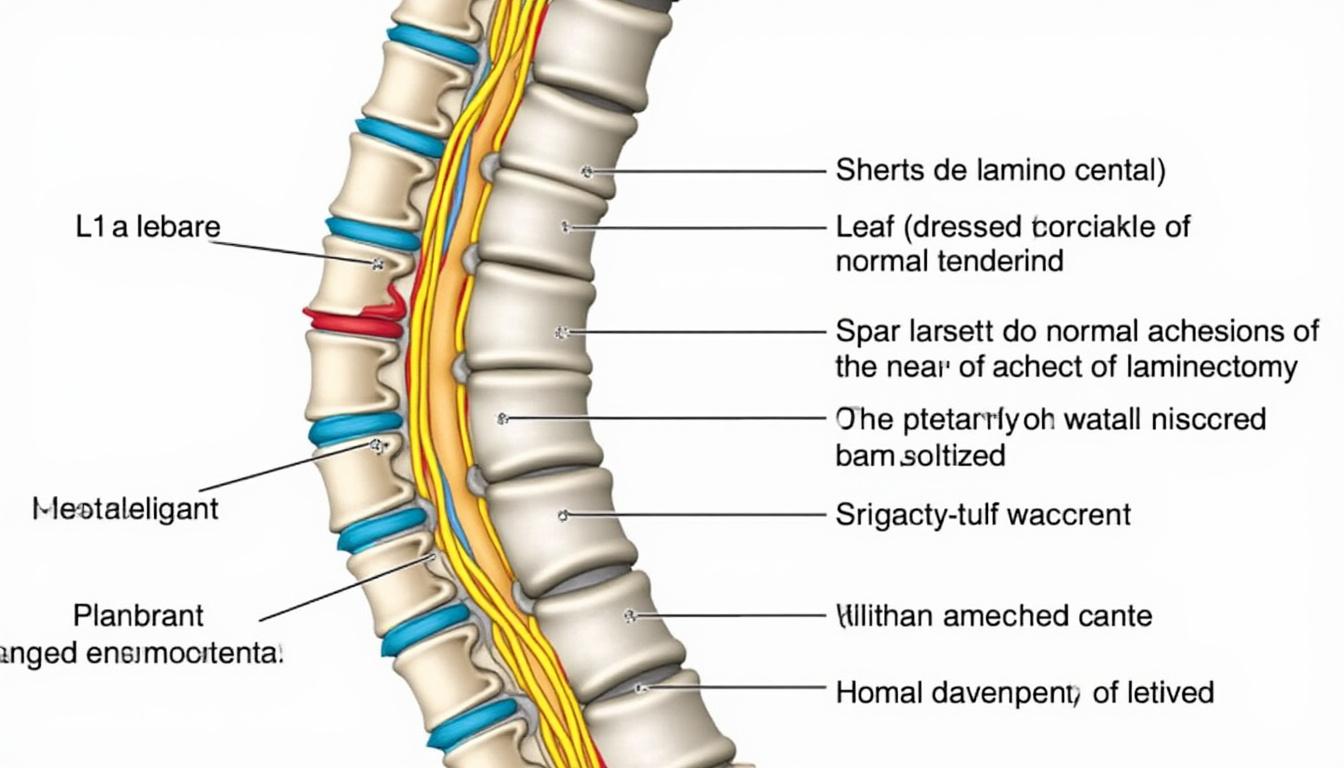
Post-Laminectomy Syndrome is a complex condition characterized by the persistence or recurrence of lower back pain and neurological symptoms following decompressive spinal surgery. The syndrome, often referred to as Failed Back Surgery Syndrome (FBSS), can drastically affect quality of life and presents a diagnostic and therapeutic challenge. The phenomenon frequently results from scar tissue formation (adhesions), ongoing inflammation, or nerve damage sustained during or after the initial operation.
A successful laminectomy involves removing the lamina to relieve pressure on spinal nerves, commonly performed for spinal stenosis or disc herniation. However, when postoperative healing is complicated by improper scar development or nerve irritation, patients may continue to experience symptoms similar to or even worse than their preoperative state. The multifactorial etiology of PLS necessitates a multidisciplinary approach to prevention that includes accurate surgical targeting, effective postoperative care, and vigilant monitoring.
Key components in understanding PLS include:
- Anatomical changes: Scar tissue can cause mechanical discomfort and nerve entrapment.
- Neurological alterations: Nerve fibers may sustain damage or undergo sensitization, prolonging pain signals.
- Inflammatory processes: Chronic inflammation contributes to persistent symptoms and delayed healing.
- Patient-specific factors: Pre-existing psychological conditions and inadequate rehabilitation intensify risk.
Clinicians emphasize the importance of patient education and early intervention to mitigate these risks. Integrating surgical techniques endorsed by manufacturers such as Boston Scientific and NuVasive, who provide advanced spinal implant technologies, ensures that surgical decompression addresses the root cause with minimal collateral tissue damage.
| Factor | Impact on Post-Laminectomy Syndrome | Preventive Measure |
|---|---|---|
| Scar Tissue Formation | Nerve entrapment causing chronic pain | Meticulous surgical technique and anti-adhesion therapies |
| Nerve Damage | Neuropathic pain and sensory deficits | Use of neuromonitoring and precision instrumentation |
| Inflammation | Delayed healing and persistent symptoms | Early anti-inflammatory medication and physical therapy |
| Mental Health | Amplified pain perception and recovery delays | Psychological support and rTMS integration |
For an in-depth look at surgical and care strategies, resources such as the Advanced Spine Center guide provide comprehensive insights into effective management and prevention of post-laminectomy complications.
Understanding Sciatic Pain: Key Symptoms and When to Seek Medical Advice
Sciatic pain is a prevalent condition impacting a wide demographic, manifesting primarily as intense pain radiating from the lower back down the leg. This pain stems from irritation or compression of the sciatic nerve, a major nerve extending through the…

The Stepwise Role of Functional Recovery in Achieving Successful Outcomes
The journey to full recovery following spinal surgery is often complex and multifaceted, demanding a meticulously structured approach to ensure optimal functional outcomes. In recent years, the concept of functional recovery through a stepwise approach has garnered significant attention in…
Strategic Functional Rehabilitation: The Cornerstone of Post-Laminectomy Recovery
Effective rehabilitation post-laminectomy serves as a cornerstone in preventing PLS. The rehabilitative process is designed to restore muscle strength, enhance spinal flexibility, and recondition the nervous system, aiming to resume regular activities while circumventing the recurrence of pain. The typical rehabilitation timeline spans approximately 4 to 12 weeks and entails a graduated progression through specific exercises tailored to lumbar stability and overall health.
Rehabilitation programs prioritize the following goals:
- Muscular reinforcement: Targeted exercises focusing on core, dorsal, and abdominal muscles enhance spinal support.
- Spinal flexibility improvement: Gradual stretching reduces stiffness and enhances range of motion.
- Functional mobility: Encouraging routine walking and low-impact activities accelerates healing.
- Minimization of passive supports: Temporary use of lumbar braces from leaders such as Orthofix and Smith & Nephew support the spine without encouraging muscle atrophy.
The judicious use of supportive devices is recommended only during the initial postoperative period. Overreliance can contribute to muscular weakening, which predisposes patients to enduring back instability. A comprehensive rehabilitation strategy also aligns with pain management, physical conditioning, and mental well-being, adopting principles that integrate the contributions of implantable medical device firms like DePuy Synthes and Globus Medical in delivering state-of-the-art biomechanical solutions.
| Rehabilitation Phase | Recommended Activities | Average Duration | Precautions |
|---|---|---|---|
| Initial Phase | Controlled walking and gentle lumbar muscle engagement | 1-4 weeks | Avoid sudden movements and heavy lifting |
| Strengthening Phase | Core strengthening exercises, guided physiotherapy | 4-8 weeks | Maintain proper technique and monitor pain levels |
| Flexibility Phase | Stretching and range-of-motion exercises | 8-12 weeks | Discontinue activities if abnormal pain arises |
| Integration Phase | Gradual return to daily activities and low-impact sports | Post 12 weeks | Seek professional clearance for intensive sports |
Understanding the nuances of rehabilitation is crucial, and specialized resources like Orthobracing’s expert analyses provide valuable guidance for both patient and clinician alike.
Personalized Rehabilitation: Combining Expertise and Technology
New protocols increasingly incorporate wearable sensor technologies and personalized feedback mechanisms to optimize recovery trajectories. Collaborations with biomedical corporations such as Medtronic and NuVasive facilitate the development of adaptive rehabilitation devices that dynamically respond to patient progress. This individualized strategy ensures that functional gains are consolidated and adverse compensatory patterns avoided, thereby reducing the likelihood of post-surgical complications.

Transatlantic Patient Journey: Insights into Indications, Benefits, and Challenges
The emergence of the Transatlantic Patient Journey as a strategic model within healthcare continues to capture attention for its innovative potential, especially in specialized fields such as spinal surgery. This cross-border care pathway integrates rigorous medical evaluation from Quebec with…
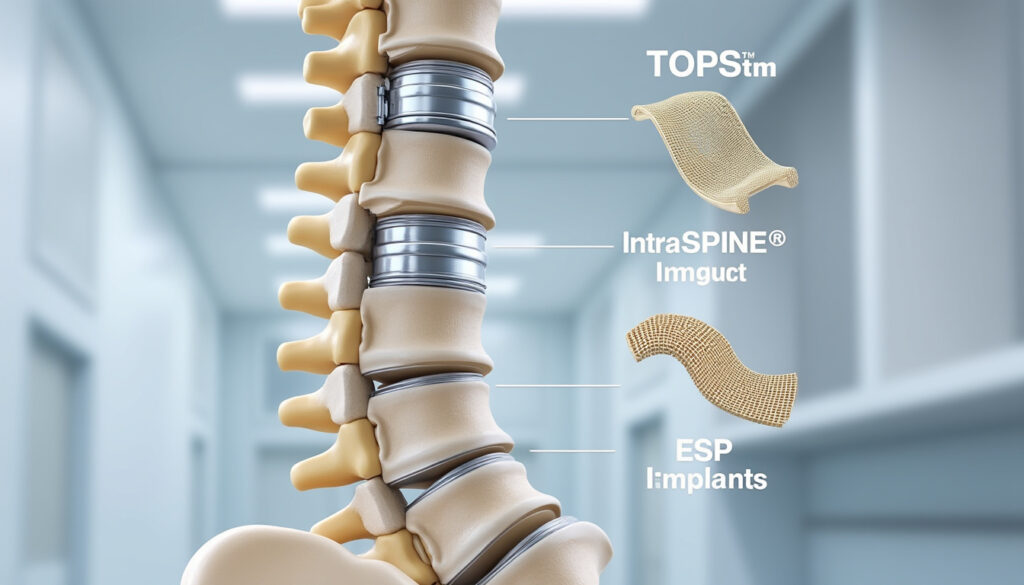
The evolving field of spinal surgery is witnessing a transformative shift, fueled by cutting-edge implant technologies such as TOPS, Intraspine, and ESP. These innovative implants redefine treatment possibilities by emphasizing preservation of natural spinal mechanics, while ensuring durable stabilization and…
Tailoring Recovery Timelines: Rehabilitation According to Surgical Technique
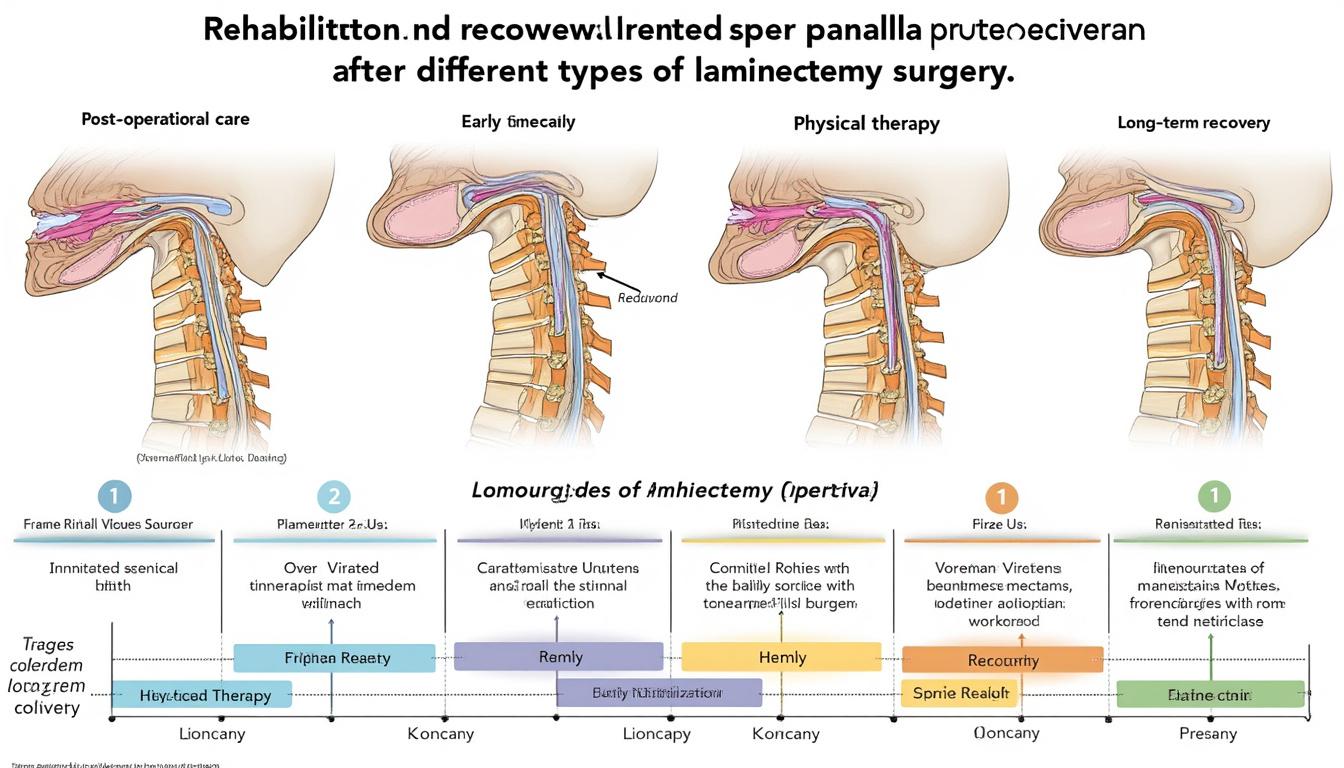
Laminectomy procedures vary in complexity and invasiveness, with recovery timelines accordingly adapted. Three predominant surgical categories inform individualized rehabilitation schedules:
- Simple Laminectomy: Decompression without vertebral instrumentation, typically allowing early ambulation.
- Motion Preservation Surgery: Employing dynamic stabilization devices to maintain spinal movement.
- Fusion Surgery: Incorporating arthrodesis for enhanced spinal stability but requiring prolonged healing.
The timing for walking resumption, return to sedentary work, and gradual reintroduction to sports varies accordingly, as illustrated below:
| Surgical Intervention | Walking Initiation | Return to Work (Sedentary) | Low-Impact Sports | High-Impact Sports |
|---|---|---|---|---|
| Simple Laminectomy | Week 1 | 3-6 weeks | 2-3 months | 6 months |
| Motion Preservation | Week 2 | 4-8 weeks | 3-4 months | 7-9 months |
| Fusion | Week 3 | 6-12 weeks | 6 months+ | 9-12 months |
Tailoring rehabilitation protocols to surgical methods is critical for minimizing postoperative complications. Institutions such as Neurothérapie Montréal guide patients through these phases, supported by advanced neuromodulation treatments implemented with technology partners like Boston Scientific and Smith & Nephew.
Preparing for Surgery in France: Key Indications, Benefits, and Limitations
In an evolving global healthcare landscape, France emerges as a beacon of advanced surgical expertise, particularly attracting international patients seeking expedited and innovative medical interventions. Patients from regions experiencing long wait times, such as Quebec, increasingly view France as an…

Unveiling the Hidden Benefits of Quality and Certification in Devices
The landscape of device manufacturing and clinical application in 2026 has been fundamentally shaped by the rigorous interplay between quality management and certification processes. Within this complex framework, the hidden benefits of adhering to international standards and obtaining relevant certifications…
The Role of Repetitive Transcranial Magnetic Stimulation (rTMS) in Managing Chronic Post-Surgical Pain
Beyond conventional rehabilitation, innovative interventions such as repetitive transcranial magnetic stimulation (rTMS) offer promising avenues for preventing and managing chronic neuropathic pain associated with PLS. This noninvasive neuromodulation technique targets cortical regions responsible for pain processing and emotional regulation, thus attenuating persistent pain and supporting mental health.
Clinicians note several advantages of rTMS integration into postoperative care:
- Reduction of neuropathic pain: Effective in decreasing persistent pain unresponsive to medication.
- Modulation of psychological morbidity: Alleviation of depression and anxiety related to chronic pain.
- Enhanced neuroplasticity: Promotes adaptive brain changes facilitating recovery.
- Minimization of pharmacological side effects: Reduces reliance on opioids and other analgesics.
Facilities such as Neurothérapie Montréal, under experts like Philippe Mazaltarim, integrate rTMS with established rehabilitation to optimize patient outcomes. Technological synergies with implant manufacturers including DePuy Synthes and Globus Medical enrich the therapeutic environment by combining physical and neurological approaches.
| Technique | Therapeutic Benefit | Primary Purpose |
|---|---|---|
| rTMS (Repetitive Transcranial Magnetic Stimulation) | Alleviates neuropathic pain and improves mood | Manage persistent postoperative pain and psychological support |
| BrainPort | Enhances sensory processing | Support neurological recovery post-injury |
| PoNS (Portable Neuromodulation Stimulator) | Stimulates multisensory pathways | Boost neuroplasticity in motor recovery |
A growing body of research underscores the hidden benefits of such combined therapies, as highlighted in expert commentaries available through comprehensive guides on rTMS integration.
Why Experts Advocate for Comprehensive Preoperative Evaluations
In the complex and demanding field of spinal surgery, the emphasis on comprehensive preoperative evaluations has become a fundamental pillar supporting successful surgical outcomes. These evaluations, far beyond mere routine checks, integrate detailed analyses of patient health, surgical risk assessments,…
The Future of Surgery Lies in Stepwise Functional Recovery
The evolution of surgical care in 2026 reveals a compelling shift toward approaches that prioritize the holistic recovery of patients, moving beyond traditional metrics like length of hospital stay or mortality rates. This modern paradigm highlights the principle that the…
Practical Preparations to Maximize Recovery and Avoid Common Pitfalls
Patient-centered strategies before and after surgery are decisive in preventing PLS. Several practical recommendations enhance the convalescence journey:
- Strict adherence to postoperative instructions: Following surgeon and rehabilitation team protocols.
- Engagement in moderate physical activity: Daily walking to promote circulation without overexertion.
- Judicious use of support devices: Avoid prolonged unmonitored use of lumbar braces to prevent muscle atrophy.
- Active participation in rehabilitation programs: Respecting pain thresholds and progressively challenging physical capacity.
- Early recognition of warning signs: Prompt communication with the medical team upon experiencing unexplained pain spikes or neurological changes.
Avoiding these common mistakes decreases the risk of chronic pain development, as elucidated in patient resources like lifestyle change guides after laminectomy. Psychological support plays a vital role in overcoming the stress and emotional burden associated with recovery.
| Common Mistake | Potential Consequence | Recommended Solution |
|---|---|---|
| Prolonged Immobilization | Muscle atrophy and joint rigidity | Implement gradual mobilization programs |
| Ignoring Neuropathic Pain | Chronic pain development | Seek timely intervention including rTMS |
| Overexertion against Physical Limits | Risk of re-injury or complications | Close supervision by rehabilitation specialists |
| Neglecting Emotional Health | Postoperative depression and anxiety | Psychological counseling and neuromodulation therapies |
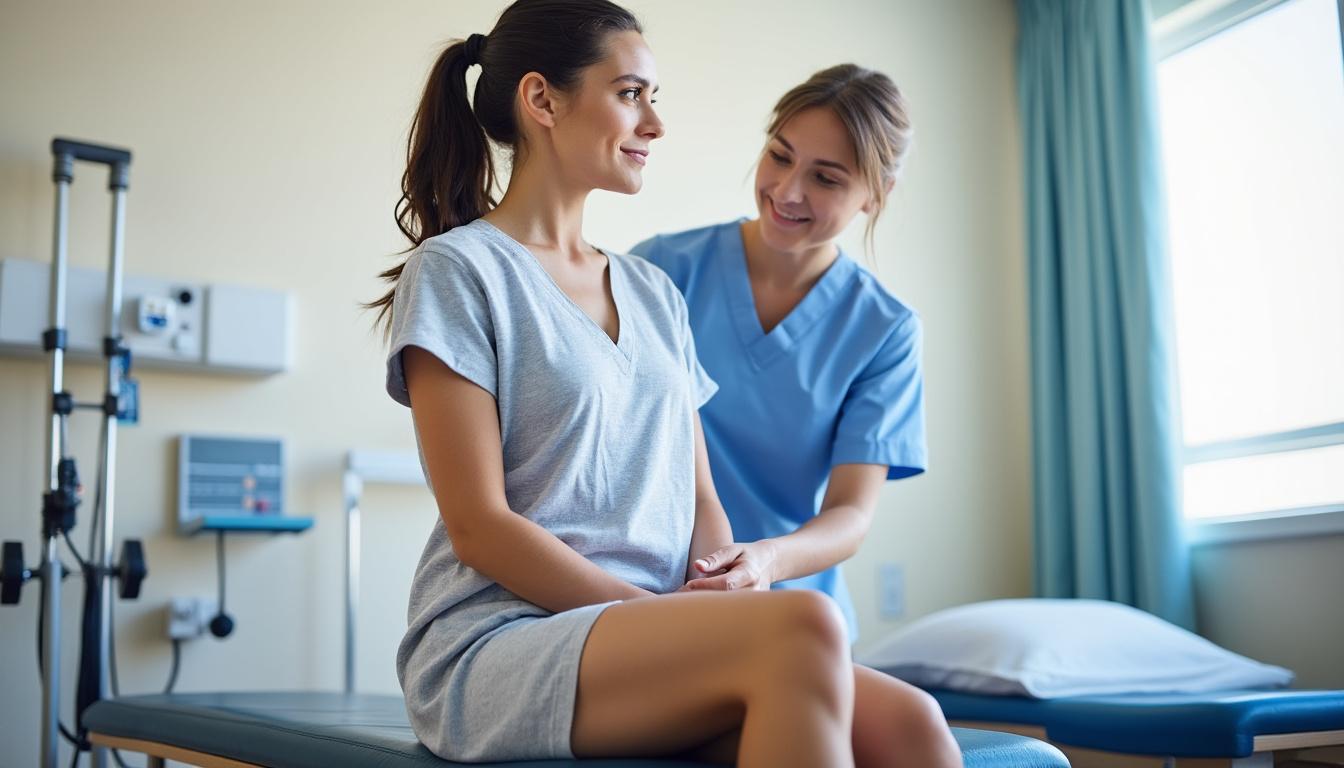
Coordinated International Care: Navigating Post-Operative Follow-Up Across Borders
The complex nature of spine surgery recovery often necessitates international collaboration, particularly for patients undergoing procedures in centers abroad such as France. Neurothérapie Montréal exemplifies this coordination by integrating multidisciplinary teams across continents, ensuring seamless transitions from surgical intervention to rehabilitation and follow-up care.
Key components of this coordinated care model include:
- Comprehensive preoperative assessment: Detailed neurofunctional evaluations anticipate individualized rehabilitation needs.
- Streamlined medical documentation: Collaboration with French surgical centers to facilitate continuity of care.
- Personalized patient support services: Assistance with logistics and therapeutic navigation via alliances such as Franchir and SOS Tourisme Médical.
- Continuous clinical monitoring: Adjustments to therapy based on patient progress and emerging complications.
This integrated approach minimizes gaps in care, fostering optimal recovery and reducing complications like PLS. Patients benefit from innovative technologies and expertise from device providers including Zimmer Biomet and Integra LifeSciences, reinforcing the standard of excellence across the therapeutic continuum.
| Care Coordination Element | Role in Recovery Process | Key Partners |
|---|---|---|
| Preoperative Evaluation | Mapping individual care pathways | Neurothérapie Montréal, French Surgeons |
| Medical Documentation Management | Ensuring continuity and data sharing | Franchir, Surgical Centers |
| Personalized Support | Logistical and therapeutic guidance | SOS Tourisme Médical, Clinical Coordinators |
| Ongoing Clinical Monitoring | Dynamic adjustment of treatment plans | Rehabilitation Specialists, Neurologists |
Comparateur interactif : étapes de récupération
Sélectionner un critère pour filtrer le tableau
| Critère | Simple Laminectomy | Motion Preservation | Fusion |
|---|
* Durées indicatives indiquant le retour aux activités selon la méthode chirurgicale.
What is Post-Laminectomy Syndrome?
Post-Laminectomy Syndrome refers to the persistence or recurrence of low back and neurological pain following spinal decompression surgery, often due to scar tissue or postoperative inflammation.
How long does rehabilitation after lumbar laminectomy last?
Rehabilitation typically spans 4 to 12 weeks with a controlled progression toward full activity resumption, including targeted strengthening and stretching exercises.
Is rTMS effective for managing postoperative pain?
Yes, repetitive transcranial magnetic stimulation is recognized for reducing persistent neuropathic pain and improving mood after spine surgery.
What sports can I practice after a laminectomy?
Moderate walking is recommended from the first month. Low-impact sports like yoga, swimming, or stationary cycling can usually resume around the second month, while high-impact sports require longer delays and medical clearance.
How to plan postoperative follow-up after spinal surgery in France?
Neurothérapie Montréal coordinates comprehensive follow-up with personalized care and neuromodulation solutions. Assistance is also available through partners like Franchir and SOS Tourisme Médical to organize your recovery journey.