Essential Steps to Preventing Post-Laminectomy Syndrome: How to Prepare Effectively
November 4, 2025
Mastering Medical Logistics and Accommodation: Essential Tips for Effective Preparation
November 4, 2025
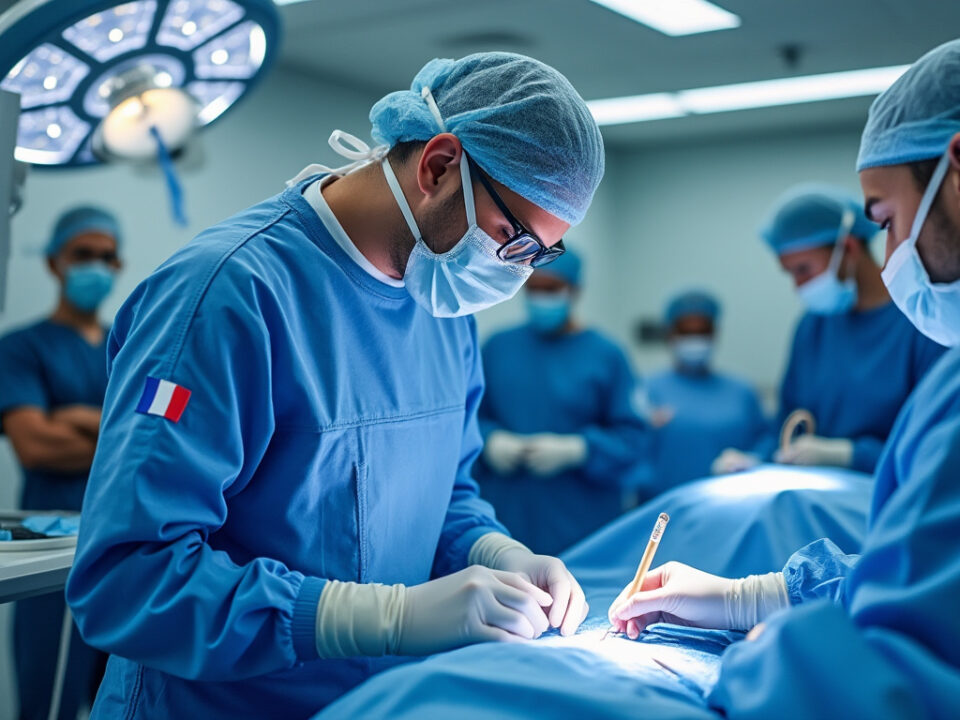
Each year, thousands of patients face the daunting prospect of spinal surgery, weighed down by anxiety and uncertainty about the best path forward. Increasing collaboration between Quebec and France is transforming this journey by offering a uniquely comprehensive preoperative preparation process. This partnership not only ensures swift access to top-tier spinal surgeons in France but also integrates rigorous postoperative follow-up in Montreal, creating a seamless continuum of care. Patients benefit from expert guidance that illuminates all therapeutic options—some of which may help avoid invasive surgery entirely. This thorough preparation involves medical, logistical, and psychological elements crafted to optimize outcomes and empower patients with a clear understanding of their choices.
Spinal surgeries such as those addressing herniated discs, spondylolisthesis, and spinal stenosis require meticulous assessment to discern when surgery is truly necessary or when conservative treatments might suffice. With international coordination, multi-disciplinary evaluations, and cutting-edge technologies, tailored protocols can be designed to delay or even prevent surgery. The France-Quebec network presents a safe, effective solution designed specifically for Quebec patients, offering access to advanced surgical options like minimally invasive techniques, dynamic stabilization devices like TOPS or Intraspine implants, and comprehensive rehabilitation programs. The following exploration delves into how this enhanced preoperative preparation can help patients make a careful choice and, in many cases, smartly avoid the knife.
Comprehensive Preoperative Evaluation: The Foundation of Surgical Decision-Making
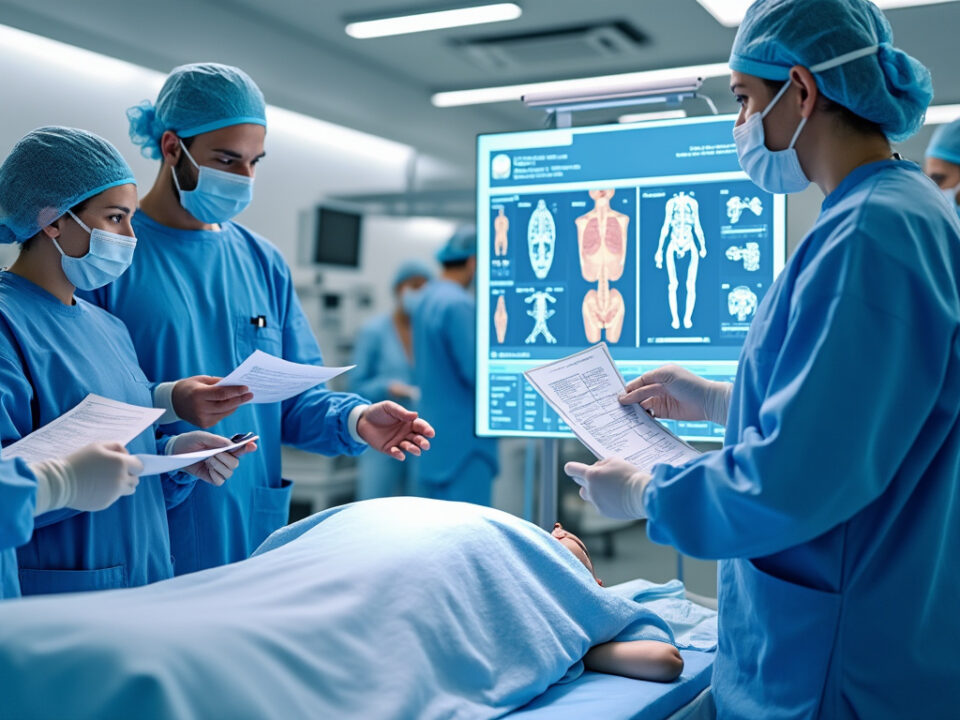
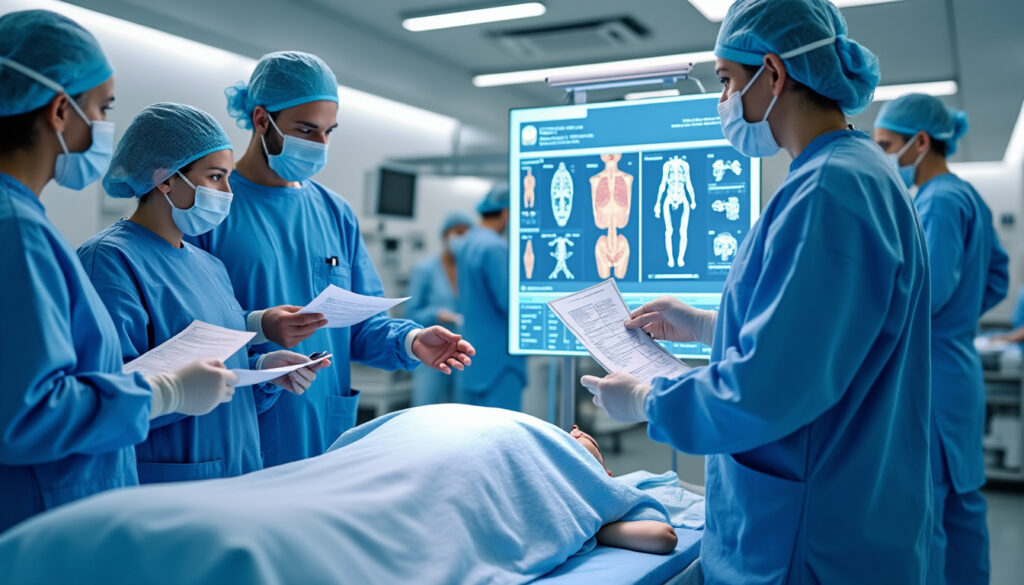
Before any spinal surgery is considered, a detailed preoperative evaluation is paramount. In Quebec, this assessment is administered by Dr. Sylvain Desforges and his team at TAGMED, marking a crucial step that involves thorough review and analysis aimed at exhaustively exploring all treatment avenues, particularly conservative options. The evaluation aims to confirm surgery as the best possible intervention after carefully weighing alternative therapies.
This multifaceted evaluation includes the following components:
- Targeted Medical History Review: In-depth exploration of patient symptoms, prior treatments, and medical background to identify factors influencing treatment strategy.
- Validated Imaging Studies: MRI scans, X-rays, and CT images conducted in Quebec, minimizing redundant examinations when forwarded to surgeons in France.
- Functional Questionnaires: Insightful surveys assessing pain levels, functional limitation, and impact on quality of life to understand the patient’s daily challenges.
- Contraindication Screening: Rigorous exclusion criteria to ensure patient suitability for surgery, avoiding unnecessary risks.
This detailed approach not only facilitates precise diagnosis but also delivers valuable data supporting personalized care planning. According to Marcel Mazaltarim, the Quebec-based coordinator and neurotherapy expert at SOS Tourisme Médical, this multidimensional scrutiny is indispensable for identifying patients who could benefit from non-surgical interventions. For example, individuals with moderate spinal stenosis may experience significant relief with robotically guided lumbar traction or neurofeedback protocols, improving posture and neurological function without surgery.
| Preoperative Evaluation Step | Description | Main Objective |
|---|---|---|
| Medical History Collection | Symptom analysis, prior treatment history | Identify factors influencing therapeutic choices |
| Imaging Tests | MRI, X-rays, CT scans as needed | Visualize precise lesion characteristics |
| Functional Questionnaires | Pain and disability scores, quality of life | Assess real-world impact on patient |
| Patient Interview | Discuss expectations and concerns | Personalize the care path |
Reducing surgical wait times in Quebec is an added benefit of this streamlined evaluation. Priority consultations with TAGMED often liaise directly with French spinal surgeons via the digital platform Franchir, facilitating rapid referral when surgery is truly indicated. In certain cases, patients enter structured rehabilitation and prehabilitation programs to delay intervention or prepare optimally for surgery, enhancing their overall recovery trajectory.

The Pivotal Role of Spinal Surgery in Achieving Successful Treatment Pathways in France
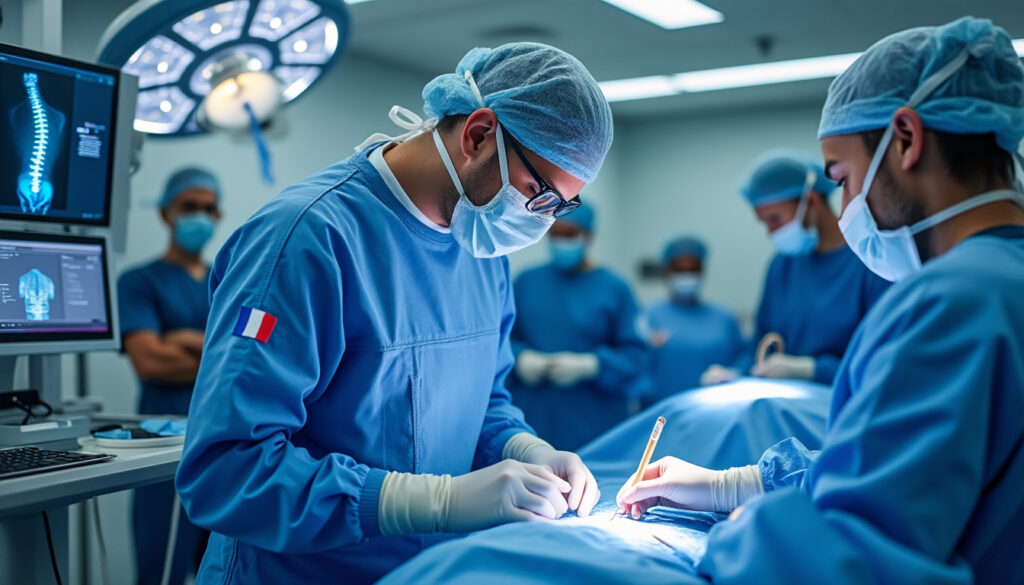
France’s healthcare system stands at the forefront of advancements in spinal surgery, reflecting a broader commitment to enhancing patient outcomes in orthopedic surgery and neurosurgery. The integration of spinal surgery within comprehensive treatment pathways is pivotal for managing complex spinal…
Coordinated Preoperative Preparation in France: Safety and Personalized Care
Patients from Quebec referred for spinal surgery in France undergo a tightly coordinated preparation process that assures maximum safety and personalized treatment. The oversight by SOS Tourisme Médical and Neurothérapie Montréal streamlines multiple logistical and medical aspects, while fostering a supportive partnership between patients and French specialists.
The preparation phases generally consist of:
- Eligibility Confirmation: Careful examination of test results and clinical status to select the optimal surgical technique, whether it be arthrodesis, disc prosthesis, or dynamic stabilization with devices such as TOPS.
- Travel and Accommodation Planning: Booking flights, arranging transfers, and securing comfortable lodging designed for optimal postoperative rest.
- Close Communication Channels: Continuous dialogue between Montreal coordinators, French surgical teams, and patients to tailor the journey responsive to evolving clinical needs.
- Physical and Psychological Readiness: Custom preoperative advice covering stress management, nutrition, and physical activity based on guidelines by experts such as Dr. Philippe Veroli.
This well-organized framework eliminates common patient concerns around administrative and medical logistics, paving the way for a smooth experience from Quebec through surgery in France and back. Neurothérapie Montréal’s unique role includes access to advanced technologies like biofeedback and neurofeedback, enhancing the preparation and later recovery.
Additionally, patients receive critical guidance on hospital admission protocols — for instance, mandatory fasting before surgery and rigorous pre-admission checks — which collectively minimize risks of perioperative complications and support procedural success.
| Element of Preparation | Description | Patient Benefits |
|---|---|---|
| Surgical Validation | Tailoring surgical approach to patient’s pathology | Reduced complication rates, optimized outcomes |
| Logistical Coordination | Managing travel and accommodation logistics | Lower stress, better rest pre- and post-surgery |
| Ongoing Clinical Follow-Up | Regular communication with French teams | Timely adjustments, enhanced care personalization |
| Psychophysical Preparation | Stress, nutrition, and exercise counseling | Improved recovery prospects, fewer postoperative issues |
This high-touch methodology embodies the principles of SurgicalPrep and HealthFirstPrep by considering every facet of the patient’s journey for optimal SmartRecoveryFR.

Can Medical Logistics and Accommodation Help Avoid Surgery?
The management of spinal pathologies is an intricate process, often necessitating a multidisciplinary approach that combines advanced medical interventions with comprehensive healthcare planning. For patients, especially those traveling internationally, meticulous coordination of medical logistics and accommodation can not only enhance…
Conservative Treatments and Advanced Technologies as Alternatives to Surgery
Within the franco-québécois medical unit led by Dr. Sylvain Desforges, conservative management receives strong emphasis to potentially avoid surgical intervention altogether. The integration of pioneering treatments leverages both robotics and neuromodulation, exemplifying the evolution in spine care.
Key conservative options include:
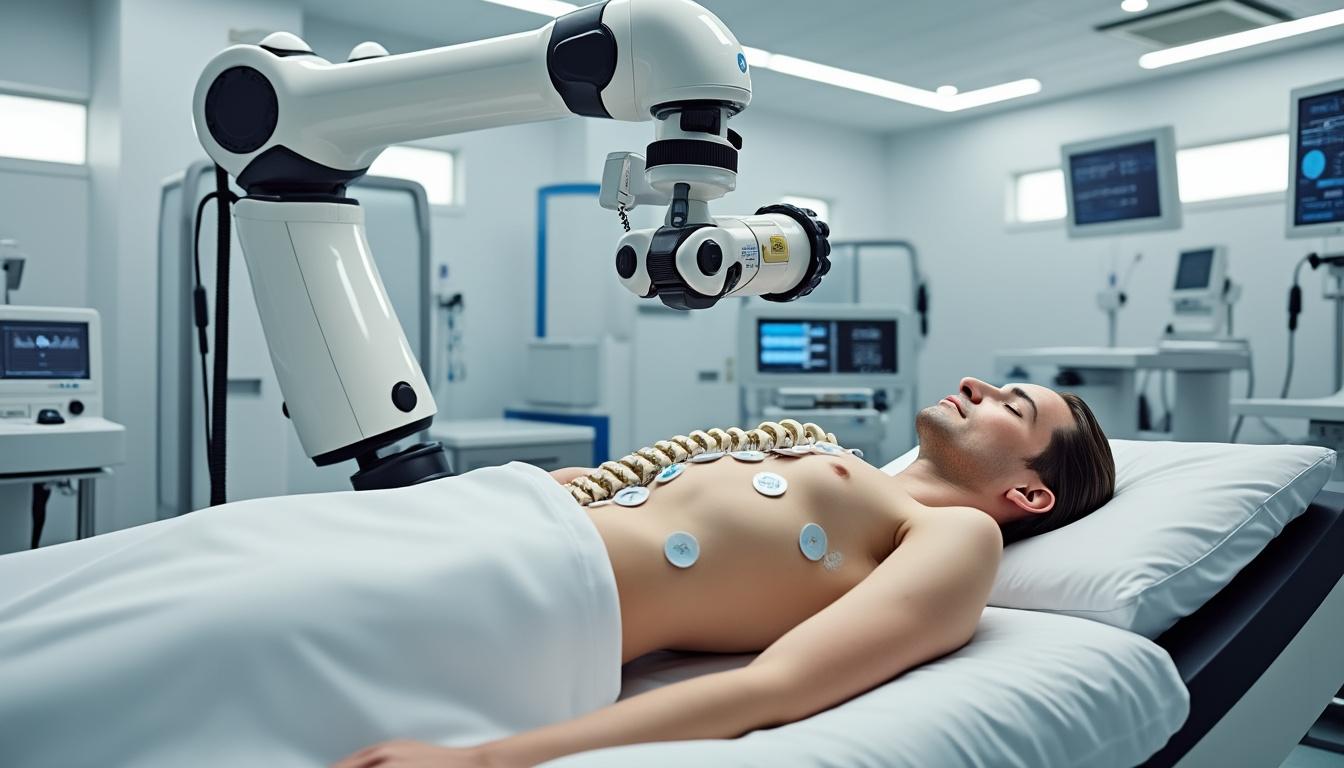
- Robot-Assisted Neurovertebral Traction: Customized, computer-controlled decompression facilitating nerve root relief without invasive procedures.
- Biofeedback and Neurofeedback Applications: Techniques designed to improve neuromuscular control and reduce chronic pain through real-time sensory feedback.
- Individualized Exercise Protocols: Tailored rehabilitation plans aimed at enhancing posture, strength, and functional recovery related to specific spinal pathologies.
- Multidisciplinary Care Team: Collaboration among neurologists, physiotherapists, and neurotherapists to address complex symptoms comprehensively.
Patients with conditions like lumbar disc herniation or mild to moderate spinal stenosis often achieve meaningful pain relief and improved mobility, enabling them to postpone or avoid surgery. This approach dovetails with recommendations for PreOpGuide and CarefulChoice, ultimately reducing surgical risks and improving quality of life.
| Conservative Treatment | Indications | Benefits |
|---|---|---|
| Robot-Assisted Lumbar Traction | Moderate spinal stenosis, disc herniation | Nonsurgical nerve decompression, pain reduction |
| Biofeedback/Neurofeedback | Chronic pain, motor control dysfunction | Improved neuromuscular control, reduced symptoms |
| Tailored Exercise Programs | Postural problems, functional recovery | Strengthening, enhanced daily function |
Why Experts Advocate for Thorough Preparation Before Surgery in France
In recent years, France has become a preferred destination for patients seeking advanced surgical care, especially for complex procedures such as spinal surgeries. The country’s commitment to medical excellence is reflected in its integration of cutting-edge technology and comprehensive patient…
Postoperative Care: Ensuring Recovery with Neurotherapy Montreal’s Support
Following spinal surgery in France, patients return to Quebec to receive critical postoperative management coordinated by Neurothérapie Montréal under Marcel Mazaltarim’s supervision. This continuity ensures stable recovery and addresses potential complications early.
The core components of the follow-up care involve:
- Regular Clinical Assessments: Scheduled in-person or teleconsultations to monitor healing and adjust pain management regimens timely.
- Neurotherapy and Targeted Rehabilitation: Therapeutic interventions including biofeedback designed to restore motor function and alleviate residual symptoms.
- Psychological Support: Addressing anxiety and promoting positive mindset to enhance adherence and functional recovery.
- Emergency Coordination: Rapid communication with French surgical centers via Franchir to manage any arising issues efficiently.
This integrated approach markedly contrasts with more isolated postoperative journeys, granting patients peace of mind and superior outcomes—a testament to the power of international collaboration in spinal care.
| Postoperative Follow-up Aspect | Actions Taken | Advantages for Patients |
|---|---|---|
| Scheduled Consultations | Wound inspections, medication adjustment | Proactive complication prevention |
| Rehabilitation Sessions | Biofeedback-based motor rehabilitation | Accelerated functional recovery |
| Emotional Support | Psychological counseling | Reduced anxiety and better therapy adherence |
| Emergency Communication | Contact with French hospital teams | Quick resolution of complications |
This unmatched support network exemplifies the principles of Prep4Healing and PreSurgerySmart, assuring patient safety and well-being throughout the recuperation phase.
Unveiling the Hidden Benefits of Simple Surgery, Fusion, and Motion Techniques
Spinal health has undergone a remarkable transformation in recent years, with advancements in surgical approaches dramatically altering patient outcomes. In an era where maintaining quality of life is paramount, the fusion of innovative technologies with surgical expertise has unveiled a…
Accessing Innovative Surgical Technologies through the Franco-Québécois Network
Thanks to strategic partnerships facilitated by entities such as Franchir, Quebec patients gain privileged access to French surgical experts skilled in state-of-the-art spinal interventions. These sophisticated techniques ensure better preservation of spinal function and quicker recovery while reducing complications.
Among the innovative surgical options are:
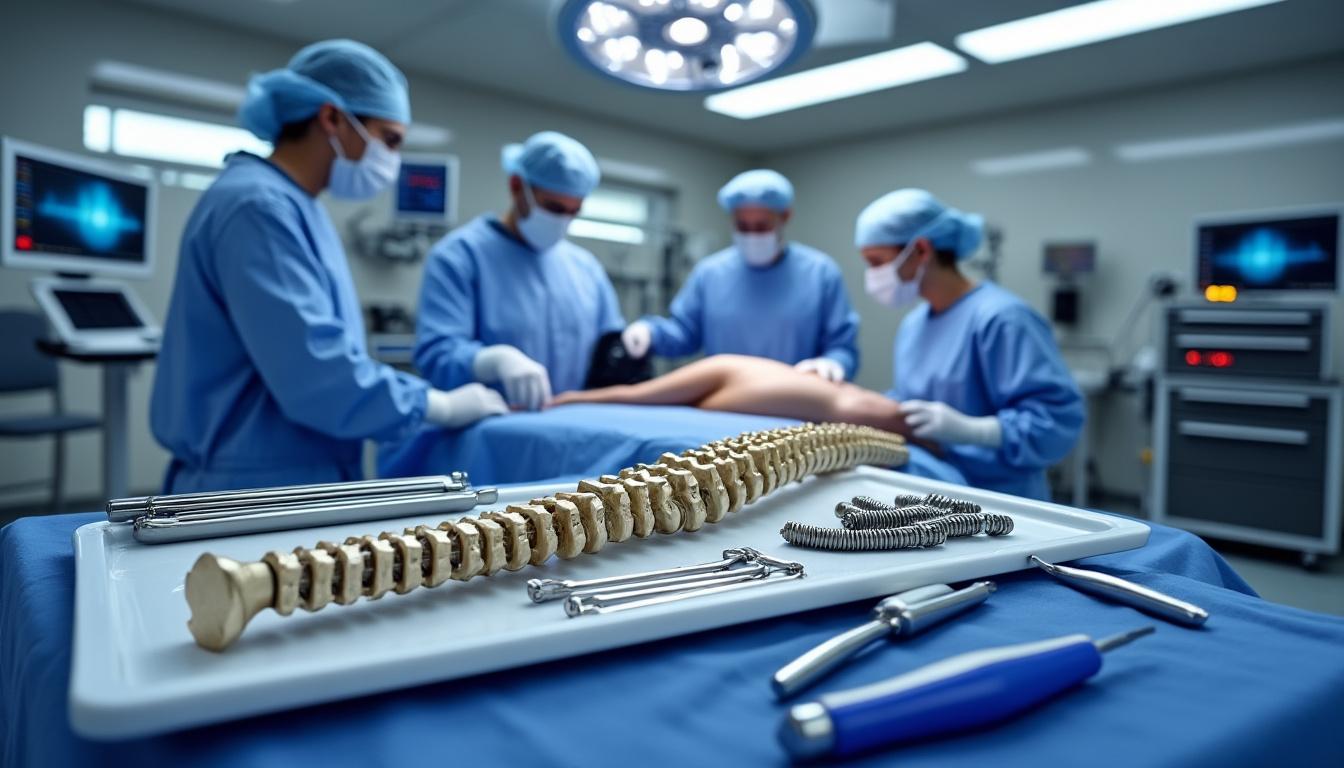
- Cervical and Lumbar Disc Prostheses: Preserving spinal motion while alleviating degenerative disc pain.
- Dynamic Stabilization Devices (TOPS, Intraspine): Stabilizing spinal segments with flexible implants that avoid rigid fusion.
- Minimally Invasive and Endoscopic Surgery: Techniques reducing tissue trauma, improving cosmetic outcomes, and shortening hospital stays.
- Standard Arthrodesis Procedures: Employing implants meeting strict European standards for maximum stability in severe cases.
Choice of surgical strategy depends on individual diagnosis, ensuring a truly personalized approach. Beyond technical excellence, the network guarantees human-centric care and expedient pathways, slashing waiting times and enhancing patient satisfaction.
| Surgical Technique | Primary Indications | Notable Advantages |
|---|---|---|
| Disc Prosthesis | Degenerative disc disease, herniated discs | Maintained spinal mobility, pain alleviation |
| Dynamic Stabilization (TOPS, Intraspine) | Spinal instability, spondylolisthesis | Flexible support with preserved function |
| Minimally Invasive Surgery | Stenosis, herniation requiring decompression | Less scarring, faster recovery |
| Arthrodesis (Fusion) | Severe instability, deformities | Solid long-term correction |
To learn more about these advancements and their integration in preoperative strategies, consider resources highlighting effective surgical pathways in France and how they compare internationally, such as the insightful analysis comparing spinal care between France and Quebec or detailed patient support information available at Franchir’s role in patient care.
Post-Operative Back Surgery Care: A Clear Guide for Quebec Patients
In recent years, an increasing number of Quebec patients have chosen to undergo back surgery in France, drawn by the country’s advanced surgical techniques and high standard of care. This cross-continental approach to managing spinal conditions highlights not only the…
Optimizing Surgical Outcomes through Integrated Perioperative Care
Modern perioperative management extends beyond the surgery itself, encompassing the entire spectrum from preoperative preparation to postoperative rehabilitation. The holistic strategy embraced in France incorporates coordinated staff effort, evidence-based protocols, and patient engagement initiatives aligned with the latest science on reducing surgical risks.
This approach includes:
- Preoperative Optimization: Includes managing comorbidities, medication adjustments, and educating patients about anesthesia and surgery.
- Standardized Skin and Surgical Site Preparation: Rigorous antiseptic measures to lower infection risks, consistent with guidelines outlined in recent studies on surgical site infection prevention.
- Multidisciplinary Coordination: Surgeons, anesthesiologists, nurses, and rehab specialists collaborating to tailor care.
- Patient-centered Education: Engaging patients through active preparation for surgery to improve adherence and outcomes.
| Perioperative Element | Actions | Impact |
|---|---|---|
| Medical Optimization | Manage chronic diseases, adjust meds | Reduced perioperative risks |
| Skin Preparation | Antiseptic protocols in pre-op phase | Decreased surgical site infections |
| Multidisciplinary Teamwork | Coordinated operative and rehab care | Enhanced recovery quality |
| Patient Engagement | Pre-op education and counseling | Improved compliance and outcomes |
The continuous evolution of these strategies encourages incorporation of health- and safety-conscious practices like SurgicalPrep and OperationPreCheck, fostering a culture where avoiding complications and boosting recovery are core goals.
Comparative Table: Preoperative Treatment Options
| Treatment | Key Benefits | Common Clinical Uses |
|---|

Why Experts Advocate for Patient Testimonials During Recovery
The recovery journey from surgical interventions, especially those involving complex procedures like spinal surgeries, is far more than the body’s physical healing. It encompasses an intricate interplay of emotional resilience, psychological endurance, and the need for a nurturing support system.…
The Integral Role of Patient Empowerment and Smart Recovery in Preoperative Care
Beyond medical intervention, the France-Quebec partnership places patient education and empowerment at the core of preoperative preparation. Encouraging patients to participate actively in their health fosters better adherence, lowers anxiety, and primes the body for healing — all integral to successful surgery or conservative management.
Strategies utilized include:
- Information Sessions: Explaining surgical procedures, risks, and alternatives clearly to demystify the process.
- Personalized Counseling: Tailoring psychological support and lifestyle advice to each patient’s unique needs.
- Structured Physical Conditioning: Prehabilitation focused on enhancing strength, balance, and cardiovascular health before intervention.
- Digital Tools: Use of platforms like Franchir for ongoing communication and monitoring helps patients stay engaged and informed.
This thoughtful approach complements clinical care with evidence-based techniques for mental and physical readiness. Encouraging patients to prepare actively aligns with the ideals of Prep4Healing and FrancePreOpCare, underscoring the valuable role of holistic care in improving long-term outcomes.

Can Simple Surgery, Fusion, or Motion Techniques Help You Avoid More Invasive Procedures?
As chronic back pain continues to burden millions worldwide, the spectrum of spinal treatments evolves with remarkable advancements in 2026. Patients seeking relief from debilitating conditions often confront the dilemma of whether to pursue traditional, highly invasive surgeries or consider…
International Collaboration as a Model for Spine Surgery Care Pathways
The collaborative network between Quebec and France exemplifies how international healthcare partnerships can optimize surgical decision-making and patient outcomes. By combining expertise, resources, and technology, this alliance fosters an integrated care pathway visible from initial consultation through rehabilitation.
Benefits from this collaboration include:
- Access to Leading Spinal Surgeons: Patients can receive care from specialized teams with extensive training and cutting-edge skills.
- Reduced Surgical Delays: Streamlined cross-border evaluations and referrals eradicate some of the typical waiting periods encountered domestically.
- Shared Research and Innovation: Joint participation in advanced surgical courses and clinical trials ensures procedures remain at the forefront of innovation.
- Holistic Patient Support: Coordinated follow-up and rehabilitation keep the patient’s physical and psychological needs at the forefront.
As interest in medical tourism evolves, this partnership could serve as a blueprint, inspiring replication in other specialties and regions, blending the best of two healthcare cultures into a single patient-centered journey.
Who determines whether surgery is necessary?
The decision is based on a comprehensive evaluation conducted by Dr. Sylvain Desforges and his team at TAGMED that considers all clinical data and conservative treatment options before concluding that surgery is warranted.
What are the eligibility criteria for spinal surgery in France?
Eligibility depends on thorough evaluation of imaging and general health status, adhering to criteria set by French surgeons and the Quebec coordinator Marcel Mazaltarim.
How is postoperative care managed after surgery in France?
Neurothérapie Montréal provides personalized follow-up with regular in-person or teleconsultations, tailored rehabilitation, and coordination with French teams to ensure safety and comfort.
Which documents are required for preoperative evaluation?
A complete dossier includes imaging results, lab tests, functional questionnaires, and medication details, facilitating precise and efficient assessment.
Can surgery be avoided through preparation and conservative treatments?
In many cases, yes. Complete evaluations help identify if personalized treatments like robotic traction or neurofeedback can sufficiently alleviate symptoms to delay or avoid surgery.
Comprehensive Guide to Organizing Medical Imaging Examinations
In the complex world of spinal surgery and multidisciplinary healthcare, precise organization of medical imaging examinations stands as a pivotal element for patient safety and surgical success. As demand rises for cross-border medical collaboration, particularly between regions like Québec and…