TOPS™ in Gatineau: Innovative Solution for Lumbar Spine
November 4, 2025
Essential Steps to Preventing Post-Laminectomy Syndrome: How to Prepare Effectively
November 4, 2025
In Sainte-Julie and its surrounding communities, living with a herniated disc is a reality that affects many individuals, reshaping their everyday lives in profound ways. This condition, which often results from modern lifestyle factors such as prolonged sitting and physically demanding jobs, does far more than just cause localized discomfort. It frequently leads to chronic pain episodes, restricted mobility, and significant disruptions to professional and social activities. As the urban environment continues to promote sedentary habits and repetitive postures, the incidence of herniated disc problems has surged, placing a heavier burden on those affected.
Thankfully, advances in medical technology have introduced treatments that offer hope without the risks and recovery time associated with invasive surgery. Among these innovations, neurovertebral decompression stands out as a promising non-surgical method that has been successfully integrated into specialized clinics in Sainte-Julie. This technique applies carefully calibrated mechanical forces to alleviate pressure on spinal discs, enabling healing and improved function. For patients navigating the challenges of a herniated disc, understanding how neurovertebral decompression can transform their quality of life is key to embracing a path toward relief and restored independence.
Understanding the Epidemiology of Herniated Discs in Sainte-Julie: A Comprehensive Overview
The prevalence of herniated discs in Sainte-Julie reflects a significant health concern affecting a considerable segment of the working population. Research shows that individuals aged between 30 and 50 years are most commonly diagnosed with this spinal condition, which aligns with global trends. The demands of modern work environments—ranging from long hours seated at desks to repetitive physical labor—play a key role in this scenario. Men are disproportionately affected, with an incidence ratio nearing 2:1 compared to women, often due to more physically intensive occupations. However, factors like obesity contribute notably to risk among women as well.
Statistics relevant to Sainte-Julie reveal that approximately 1 to 3 percent of residents will face herniated disc issues during their lifetime. Of these, a significant subset—estimated between 20 and 30 percent—experiences temporary disability that impacts their ability to sustain normal work and social engagement. An important contributing factor is excess body weight, which amplifies spinal strain and disc vulnerability by around 50 percent, highlighting the intertwined nature of lifestyle and spinal health. These epidemiological insights assist health practitioners in tailoring preventive and therapeutic strategies for the local population.
| Demographic Factor | Impact Mechanism | Data Specific to Sainte-Julie |
|---|---|---|
| Age | Peak vulnerability due to natural disc degeneration | 60% of cases diagnosed between 30-50 years |
| Sex | Higher physical work strain in males | 65% men, 35% women affected |
| Overweight | Increased lumbar spine pressure | 40% of patients exhibit overweight condition |
| Occupational Posture | Prolonged sitting, repetitive lifting stresses discs | Prevalence in office workers and manual laborers |
| Temporary Disability | Resulting from pain and mobility restriction | 20-30% experience work absence episodes |
This detailed epidemiological framework not only mirrors the challenges recognized worldwide but also equips Sainte-Julie health services, including renowned facilities such as the Clinical PSB, to better forecast demand and deliver targeted care. Engaging with these statistics enables both patients and clinicians to foster proactive approaches in the management of herniated discs.
IntraSPINE® in Sherbrooke: A Long-Lasting Solution for Chronic Lower Back Pain
Chronic lower back pain remains one of the most pressing health concerns in Sherbrooke and beyond, impacting millions and often diminishing daily quality of life. Despite the prevalence of lumbar discomfort, many face limited access to cutting-edge treatments amidst lengthy…
Identifying Triggers and Exacerbating Factors of Herniated Discs in Sainte-Julie
The causative and aggravating factors underlying herniated disc development are multifaceted and closely linked to the typical lifestyle and occupational environment in Sainte-Julie. Excess weight remains a primary element that intensifies compressive forces on lumbar vertebrae, precipitating micro-injuries or displacement within discs. Simultaneously, sedentary habits diminish muscular support around the spine, rendering it more susceptible to injury. This combination of mechanical overload and weakening of spinal stabilizers is particularly detrimental amid urban living conditions.
Jobs commonly held by Sainte-Julie residents include office-based roles requiring prolonged seated postures and labor-intensive positions involving repeated lifting or handling of heavy objects. These occupational stressors frequently result in cumulative microtraumas that can lead to disc herniation. Characteristic clinical presentations often encompass radiating pain, muscular weakness, sensory disturbances, and, in severe cases, motor deficits indicating nerve root compression. Early and thorough clinical assessments, including advanced neurovertebral decompression evaluations, become crucial in preventing escalation and irreversible damage.
- Overweight and Obesity: Amplify pressure on lumbar discs and increase herniation risk.
- Sedentary Lifestyle: Reduces muscular strength and spinal support.
- Prolonged Postural Stress: Sustained sitting or repetitive manual handling contribute to disc strain.
- Repetitive Physical Effort: Leads to microtrauma accumulation within spinal structures.
- Genetic Predisposition: Family history can suggest inherent disc vulnerability.
- Age-Related Degeneration: Natural wear and tear on disc tissues over time.
| Risk Factor | Mechanism of Impact | Local Prevalence in Sainte-Julie |
|---|---|---|
| Overweight | Increased mechanical load on lumbar spine | Observed in approximately 40% of patients |
| Sedentary Behavior | Muscle atrophy and reduced circulation impair disc health | Common among urban population |
| Occupational Posture | Mechanical strain from prolonged sitting or heavy lifting | Office and manual workers predominantly affected |
| Repeated Efforts | Accumulation of micro-injuries at disc sites | Notably in construction and industrial employees |
| Age | Natural degeneration of disc integrity beyond 40 years | Key factor in chronic cases |
Recognizing these factors encourages early intervention strategies focusing on lifestyle modification, ergonomic adjustments at workplaces, and tailored therapeutic plans. Clinical partners like Décompression Québec emphasize the importance of comprehensive evaluations and education in mitigating long-term damage.
Herniated Disc Care in Sainte-Julie: Why TAGMED’s Neurovertebral Decompression Therapy Stands Out
In the vibrant community of Sainte-Julie, back pain—particularly that stemming from herniated discs—has become a widespread concern affecting people from all walks of life. The relentless search for effective, non-invasive treatments has brought renewed attention to a pioneering therapy that…
Advanced Neurovertebral Decompression Therapy in Sainte-Julie: Approach and Outcomes
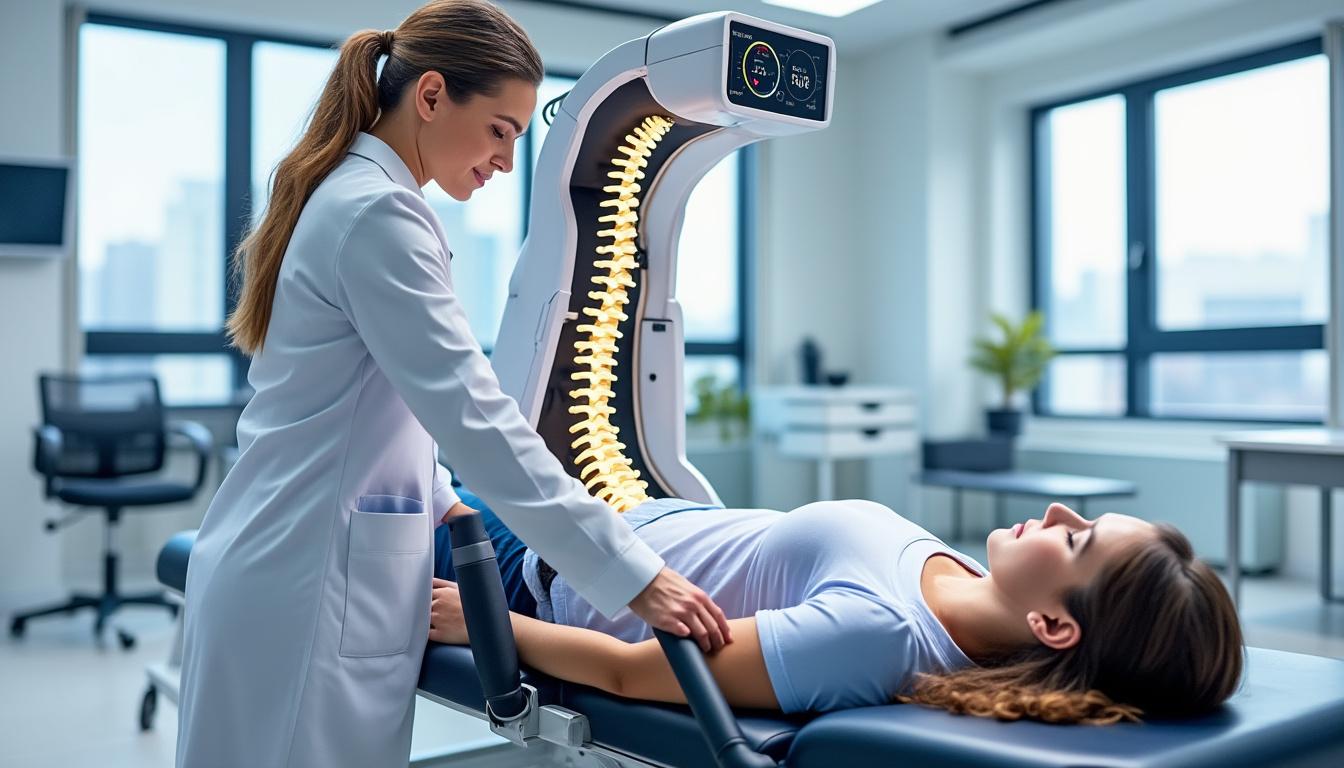
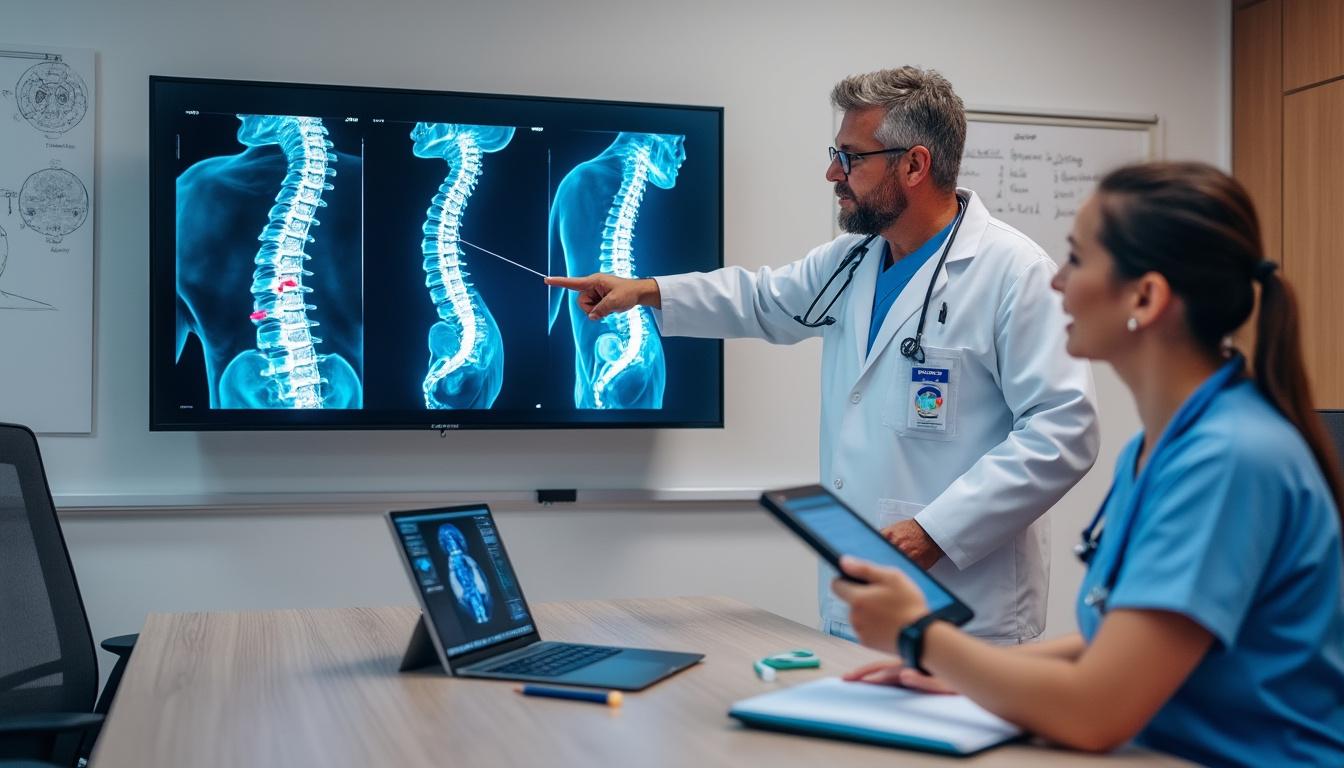
Neurovertebral decompression is increasingly recognized in Sainte-Julie as a sophisticated, non-invasive intervention for herniated and bulging discs. This therapy operates on biomechanical principles, delivering controlled spinal traction to relieve pressure on the affected discs and adjacent nerve roots. The result is a marked reduction in pain, encouragement of disc rehydration, and stimulation of the body’s natural healing processes.
Clinical evidence from centers such as Clinique TAGMED demonstrates success rates ranging between 70% and 90% in alleviating symptoms and restoring patient mobility. Treatment plans involve a carefully structured program typically spanning 15 to 25 sessions, personalized to the hernia’s location and individual patient factors. These interventions are complemented by ergonomic counseling and multidisciplinary follow-up for enduring benefits.
- Pressure Reduction: Decreases compressive forces on discs and nerves through precise traction.
- Disc Rehydration: Facilitates nutrient flow and promotes natural tissue repair.
- Pain Relief: Addresses both localized and radiating discomfort effectively.
- Mobility Enhancement: Restores functional movement and reduces stiffness.
- Customized Care: Tailored programs improve individual response rates and outcomes.
| Treatment Parameter | Neurovertebral Decompression | Conventional Therapy |
|---|---|---|
| Pain Relief Success Rate | 70-90% | Variable; often lower efficacy |
| Treatment Duration | 15-25 sessions | Dependent on protocol |
| Invasiveness | Non-invasive | Possibility of medication or surgery |
| Side Effects | Minimal | Increased frequency |
| Longevity of Benefit | Durable, lasting one year or more | Variable and sometimes limited |
This therapeutic option, available in specialized Sainte-Julie centers and often combined with physiotherapy from providers like Groupe Spine Québec, offers an integrated approach that transcends symptom treatment by targeting underlying biomechanical issues.
Back Surgery in Trois-Rivières: Alleviating Pain While Preserving Mobility
In Trois-Rivières, Quebec, the persistence of back pain affects a substantial portion of the population seeking effective and personalized solutions. Back pain, often caused by spinal disorders or herniated discs, can drastically diminish quality of life, limiting mobility and causing…
Daily Lifestyle Adaptations for Living Well with a Herniated Disc in Sainte-Julie
Success in managing a herniated disc extends beyond clinical treatments. Patients in Sainte-Julie benefit greatly from learning practical strategies for daily life that minimize pain and improve function. Experts highlight three pillars for sustained well-being: ergonomic adjustments, effective pain management, and strong social support.
Simple modifications such as choosing chairs with proper lumbar support, alternating between sitting and standing during work hours, and using hot or cold compresses can significantly reduce strain and discomfort. Encouraging movement through scheduled breaks for walking and participation in support groups or rehabilitation workshops enhances both physical and mental resilience. Resources like Solutions Pain and Spine provide valuable guidance on incorporating these approaches responsibly.
- Ergonomic Furniture and Posture: Chairs with lumbar support and workstation setup tailored to spinal health.
- Pain Management Techniques: Use of thermotherapy, relaxation methods, and appropriate medication.
- Movement Scheduling: Frequent breaks to reduce spinal load and enhance circulation.
- Social Support Networks: Access to patient groups and educational programs to boost morale.
- Regular Physical Activity: Tailored exercises designed to strengthen back muscles and prevent recurrence.
| Category | Recommended Actions | Benefits |
|---|---|---|
| Ergonomics | Adjust furniture height and use supports | Reduced mechanical stress on the spine |
| Pain Control | Apply heat/cold therapy and practice relaxation | Alleviation of intermittent pain episodes |
| Support | Attend support groups and rehab workshops | Improved psychological well-being and encouragement |
| Physical Activity | Engage in supervised strengthening exercises | Enhanced muscle support and prevention of future injury |
Such comprehensive lifestyle measures complement medical interventions and are central to sustainable spine health. Collaborations with organizations like Centre Mieux-être Sainte-Julie ensure patients access the full spectrum of care needed for lasting improvement.
Disc herniation remains a significant health concern in Pointe-Claire, impacting the lives of a diverse population ranging from labor-intensive workers to the aging community. The condition, characterized by the displacement or rupture of the intervertebral disc, often leads to debilitating…
The Economic Toll of Herniated Disc Conditions on Sainte-Julie’s Community and Health System
Healthcare systems in Sainte-Julie are challenged not only by the medical demands of herniated disc patients but also by the wider economic ramifications. Direct costs encompass physician consultations, diagnostic imaging, medication regimens, and treatments such as physical therapy or neurovertebral decompression. Meanwhile, indirect consequences stem from workplace absenteeism, diminished productivity, and, in some cases, the need for occupational reclassification due to limitations.
Adoption of innovative treatments like neurovertebral decompression has demonstrated potential to lessen these financial burdens by promoting faster recovery and reducing reliance on costly surgical procedures. Studies suggest that patients receiving comprehensive conservative care experience fewer work absences and improved quality of life. Consequently, strategic prioritization of such therapies can support both individual wellness and broader health fiscal sustainability.
- Direct Medical Costs: Frequent doctor visits, imaging, and medication expenses.
- Indirect Costs: Loss of income due to time off work and lower workplace efficiency.
- Social Consequences: Increased stress and quality of life decline for patients and families.
- Preventive Strategies: Early intervention and education cut long-term expenses.
- Benefits of Innovative Care: Reduced surgery rates and shorter rehabilitation periods.
| Cost Category | Estimated Annual Cost (thousands CAD) | Potential Savings via Neurovertebral Decompression |
|---|---|---|
| Medical Consultations | 15-25 | Decrease through targeted follow-up |
| Surgical Procedures | 25-50 | Significant reduction |
| Work Absence Costs | 30-60 | Decreased through expedited recovery |
| Medication Usage | 10-15 | Reduced frequency |
The economic perspective underscores the importance of integrating cutting-edge therapies in community health policies and exemplifies the practical value of treatment centers such as Chiro-Santé Vertébrale in mitigating economic and personal costs linked to spinal conditions.
TOPS™ in Gatineau: A High-Performance Solution for Lumbar Spine Care
In a region where chronic back pain increasingly affects quality of life, the quest for advanced and effective lumbar spine treatments is paramount. Lumbar spinal stenosis, a prevalent condition among Quebec’s aging population, often imposes persistent discomfort and mobility limitations.…
Latest Technological Innovations Enhancing Neurovertebral Decompression in Sainte-Julie
By 2025, technological advancements in neurovertebral decompression have significantly improved the precision and efficacy of the treatment offered in Sainte-Julie’s specialized clinics. Leading centers like Clinique TAGMED employ state-of-the-art traction systems featuring intelligent biometric sensors that continuously monitor patient responses and adjust forces accordingly. This custom tailoring ensures optimal therapeutic traction while prioritizing patient comfort and safety.
The benefits of these innovations include enhanced personalization, improved treatment efficiency, and accelerated recovery times. The use of advanced algorithms allows clinicians to modulate spinal traction dynamically based on patient morphology, while ergonomic interfaces assist in precise patient positioning to maximize therapeutic benefits. Integration with complementary technologies such as laser therapy and shockwave treatments further refines the care pathway, delivering superior clinical outcomes.
- Adaptive Traction Algorithms: Real-time adjustment for individualized therapy.
- Biometric Sensors: Monitoring physiological responses during treatment sessions.
- Ergonomic Equipment Design: Enhances patient comfort and reduces compensatory movements.
- Digital Tracking Systems: Enable remote monitoring and follow-up coordination.
- Multimodal Therapy Integration: Combines decompression with complementary modalities.
| Technology Feature | Benefit | Application in Sainte-Julie |
|---|---|---|
| Biometric Monitoring | Detailed real-time feedback | Highly personalized treatment adjustments |
| Smart Traction Control | Precision force application | Improved safety and efficacy |
| Ergonomic Positioning Systems | Comfort optimization | Reduced treatment-related discomfort |
| Digital Patient Management Platforms | Seamless multidisciplinary coordination | Enhanced treatment outcome tracking |
| Complementary Therapies Integration | Synergistic healing effects | Comprehensive patient care |
These innovations not only boost the clinical success of treatment but also reflect the commitment of Sainte-Julie’s healthcare providers to scientific rigor, patient safety, and technological excellence. Clinics such as TAGMED stand at the forefront of applying these cutting-edge tools.
At Gouin Clinic, the landscape of herniated disc therapy has entered a transformative era marked by the integration of Personalized Treatment Plans and breakthrough Neurovertebral Decompression Therapy. This non-surgical approach is revolutionizing how spinal disorders are managed, offering patients an…
The Essential Role of Multidisciplinary Care in Optimizing Herniated Disc Treatment in Sainte-Julie
Addressing herniated disc disorders effectively requires a multidisciplinary approach to encompass the complex factors involved in spinal health. Sainte-Julie’s clinical landscape embraces teams composed of osteopaths, chiropractors, physiotherapists, medical doctors, and mental health professionals working collaboratively to deliver holistic care tailored to each patient’s unique profile.
Notably, Dr. Sylvain Desforges, B.Sc., D.O., N.D., founder of Clinique TAGMED, exemplifies this integrated model through his comprehensive evaluations and personalized treatments incorporating neurovertebral decompression alongside osteopathic techniques. Physiotherapists contribute with targeted rehabilitation exercises enhancing muscular support, chiropractors adjust spinal alignment, and medical specialists oversee overall health and comorbidities. Psychological support addresses the emotional strain chronic pain can impose, further enhancing patient resilience.
- Osteopathy: Realigns and balances musculoskeletal structures.
- Physiotherapy: Strengthens muscles and improves posture.
- Chiropractic Care: Fine-tunes vertebral alignment.
- Medical Oversight: Ensures comprehensive health monitoring and diagnostics.
- Psychological Support: Helps manage stress and emotional well-being.
| Disciplinary Role | Intervention | Patient Benefit |
|---|---|---|
| Osteopath | Body rebalancing therapies | Improved mobility and pain relief |
| Physiotherapist | Personalized exercise programs | Prevention of relapse and muscle strengthening |
| Chiropractor | Vertebral adjustments | Enhanced spinal alignment and function |
| Medical Doctor | Patient evaluation and monitoring | Optimized clinical outcomes |
| Psychologist | Coping strategy and mental health support | Stress reduction and improved quality of life |
This multidisciplinary framework ensures robust, individualized care fostering lasting improvements in patient well-being and functionality. Institutions such as the Centre Mieux-être Sainte-Julie actively promote this collaborative ethos.

Cervical Disc Prosthesis in Quebec: Preventing Post-Operative Stiffness
Neck pain is one of the most common musculoskeletal complaints in Quebec, affecting a significant portion of the population annually. Often rooted in degenerative cervical disc diseases or herniated discs, this persistent discomfort severely impacts daily life and mobility. Fortunately,…
Personal Stories Illustrating the Impact of Neurovertebral Decompression on Quality of Life
For many living with the limitations imposed by herniated discs, the path to recovery is not just about alleviating pain but reclaiming a fulfilling lifestyle. Consider the case of Mathieu, a 42-year-old office worker from Sainte-Julie who endured chronic sciatica for years. After a thorough evaluation by Dr. Sylvain Desforges, he embarked on a tailored neurovertebral decompression protocol combined with osteopathic care. Over weeks, Mathieu experienced significant pain reduction and gradually regained mobility, enabling him to resume daily activities and a return to recreational sports—previously thought unattainable without surgery.
Another patient, Isabelle, a manual laborer, struggled with progressive weakness and numbness due to a cervical herniated disc. The integration of advanced decompression sessions at a local clinic alongside physiotherapy and the support of a multidisciplinary team allowed her to avoid invasive surgery, restore function, and improve her work capacity. These stories exemplify how personalized care plans anchored in scientific innovation translate into real-world benefits.
- Early Comprehensive Evaluation: Identifies patient-specific needs and disc pathology.
- Tailored Neurovertebral Decompression Program: Optimizes symptom relief and tissue healing.
- Multimodal Complementary Therapies: Enhances recovery and prevents recurrence.
- Monitoring and Support: Maintains progress and adjusts treatment as needed.
- Empowerment Through Education: Encourages patient engagement and self-care.
| Patient | Condition | Intervention | Outcome |
|---|---|---|---|
| Mathieu | Chronic lumbar sciatica | Neurovertebral decompression + osteopathy | Significant pain relief and mobility restoration |
| Isabelle | Cervical disc herniation with nerve symptoms | Decompression + physiotherapy + multidisciplinary support | Avoidance of surgery and functional improvement |
This human dimension underscores the value of the expertise and innovative approach offered by Dr. Sylvain Desforges and Sainte-Julie clinics, helping patients navigate their unique journeys toward recovery.

The prevalence of herniated disc conditions in Blainville has sparked considerable discussion and misconceptions about their causes, symptoms, and treatments. While the pain and disability associated with this spinal disorder are well documented, the emergence of non-surgical options such as…
Building Lasting Success: Follow-Up and Prevention Strategies Post-Herniated Disc Treatment
Completion of an initial neurovertebral decompression program marks a critical milestone but not the end of patient care. Sustained success involves ongoing follow-up to preserve benefits and guard against recurrence. Sainte-Julie clinics emphasize a structured post-treatment plan integrating routine osteopathic check-ups, physiotherapy exercises, ergonomic assessments, and patient education. Such measures ensure patients maintain spinal health and adapt lifestyle behaviors appropriately.
Crucially, patients are encouraged to participate actively in their long-term management through daily postural vigilance and adherence to recommended physical activity regimes. Engagement with educational workshops and support groups further reinforces positive habits and psychological resilience, which are vital in overcoming the chronic nature of disc pathology.
- Regular Osteopathic Follow-Up: Maintains musculoskeletal balance and detects early dysfunctions.
- Targeted Physiotherapy: Focuses on muscle strengthening and posture correction.
- Routine Medical Evaluation: Monitors spinal integrity and overall health annually.
- Preventive Education: Empowers patients with knowledge on ergonomic and lifestyle adaptations.
- Psychological Support: Addresses stress and emotional factors contributing to pain perception.
| Post-Treatment Intervention | Objective | Recommended Frequency |
|---|---|---|
| Osteopathic Sessions | Correct muscular and skeletal imbalances | 1-2 times per quarter |
| Physiotherapy | Enhance stability and muscle tone | Variable, based on patient progress |
| Medical Consultations | Assess spinal health status | Once yearly minimum |
| Educational Workshops | Reinforce prevention techniques | Semiannual to annual |
| Self-Management | Implement ergonomic and activity guidelines daily | Continuous |
Sainte-Julie’s commitment to thorough post-treatment care reflects its holistic approach, viewing herniated disc management as a continuous journey rather than a temporary fix. Organizations like Clinique Vertébrale Sainte-Julie actively champion these follow-up protocols to reinforce lasting patient success.
Frequently Asked Questions About Herniated Disc and Neurovertebral Decompression in Sainte-Julie
How do I book a neurovertebral decompression treatment in Sainte-Julie?
Patients can easily schedule a diagnostic consultation with specialized clinics like Centre Mieux-être Sainte-Julie or directly through expert practitioners such as those at Clinique TAGMED, facilitating a personalized treatment plan.
Is neurovertebral decompression suitable for all types of herniated discs?
This therapy primarily targets lumbar, cervical, and thoracic herniated discs, effectively reducing nerve compression and improving mobility in these regions.
Can neurovertebral decompression replace surgery?
While not always a substitute, neurovertebral decompression can often defer or eliminate the need for surgery, especially in moderate or severe cases within conservative treatment eligibility.
How many sessions does a complete decompression treatment require?
Typical treatment programs consist of approximately 15 to 25 sessions, customized based on the severity of the condition and patient responsiveness.
What long-term advantages does neurovertebral decompression provide?
Beyond enduring pain relief, this therapy supports improved spinal mobility, reduces recurrence risks, and promotes a better overall quality of life.