A Comprehensive Guide to the Transatlantic Patient Journey
October 25, 2025
Global Comparison: A Spotlight on Simple Surgery, Fusion Techniques, and Motion Dynamics
October 25, 2025
Recent advances in neuromodulation have revolutionized the postoperative care landscape, especially in spinal surgery rehabilitation. The integration of repetitive transcranial magnetic stimulation (rTMS) post-surgery is emerging as a pivotal adjunctive therapy, offering enhanced neuroplasticity, pain management, and psychological support during recovery. Leading experts and clinics worldwide now emphasize a multidisciplinary approach, bridging surgical innovation with neuromodulatory techniques to optimize functional outcomes and patient satisfaction.
Collaborations spanning continents, such as between Neurothérapie Montréal and surgical centers in France, offer patients a seamless continuum of care. This synergy enables customized rTMS protocols tailored to individual surgical procedures — ranging from simple decompression to complex arthrodesis — ensuring that each patient’s recovery pathway maximizes neural rehabilitation while mitigating common postoperative complications like chronic neuropathic pain or mood disturbances. Patient testimonials reflect this evolution in care, highlighting faster mobilization, lower analgesic requirements, and improved mental well-being.
Advanced rTMS Protocols Optimizing Neuroplasticity Following Spinal Surgery
Postoperative rehabilitation after spinal surgery is multifaceted, demanding strategies that enhance cerebral plasticity to restore motor and sensory functions effectively. rTMS employs targeted, non-invasive magnetic pulses to modulate cortical excitability, fostering neuronal adaptation crucial for recovery. This neuromodulation specifically targets cortical areas linked to pain processing and motor control, accelerating functional reintegration.
The diversity of spinal surgeries—ranging from decompressions, motion-preserving disc replacements to spinal fusions—necessitates differentiated rTMS protocols. For example, patients undergoing decompression procedures benefit most from rTMS sessions aiming primarily to alleviate neuropathic pain and assist early mobilization. In contrast, motion-preserving surgeries require intensive cortical stimulation to reinforce plasticity that helps maintain segmental mobility and prevent ankyloses.
Clinical evidence increasingly validates these approaches. Recent studies in neurorehabilitation demonstrate that rTMS, when combined with standard physical therapy and cognitive support, accelerates motor recovery and significantly reduces pain medication dependence. Notably, devices such as NeuroStar, BrainsWay, and MagVenture are instrumental due to their ability to deliver precise, reproducible stimulation with minimal adverse effects.
- Enhancement of cortical excitability to stimulate motor pathways.
- Reduction of neuropathic pain through modulation of pain circuits.
- Promotion of neuroplasticity facilitating functional recovery.
- Integration with cognitive and physical therapy for comprehensive rehabilitation.
- Personalized treatment protocols adapting stimulus frequency and intensity based on patient progress.
| Type of Surgery | rTMS Application Focus | Typical Recovery Targets |
|---|---|---|
| Simple decompression | Neuropathic pain management | Early mobilization, analgesic reduction |
| Motion Preservation Disc Implant | Motor cortical plasticity enhancement | Preservation of mobility, prevention of ankylosis |
| Spinal fusion (arthrodesis) | Chronic pain mitigation, mental health support | Pain stabilization, functional reintegration |
Device selection for rTMS plays a critical role in clinical outcomes. Platforms such as Magstim and Nexstim provide adjustable magnetic fields to tailor treatment specificities, while Neuronetics and eNeura enhance session efficacy through advanced software monitoring. CloudTMS further facilitates remote monitoring, enriching patient compliance and enabling dynamic protocol adjustments. These innovations underscore the importance of a technologically-informed rehabilitation plan.

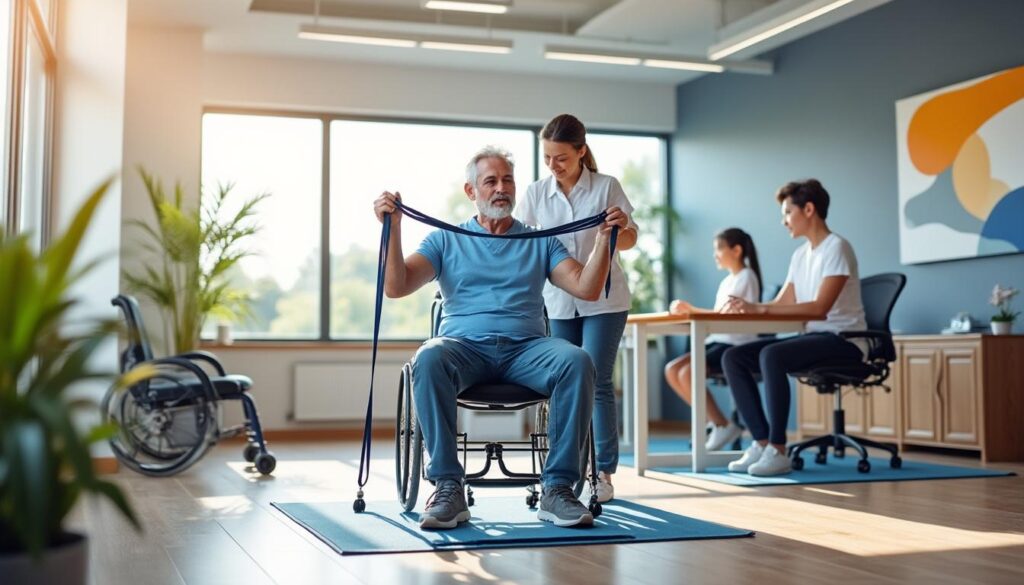
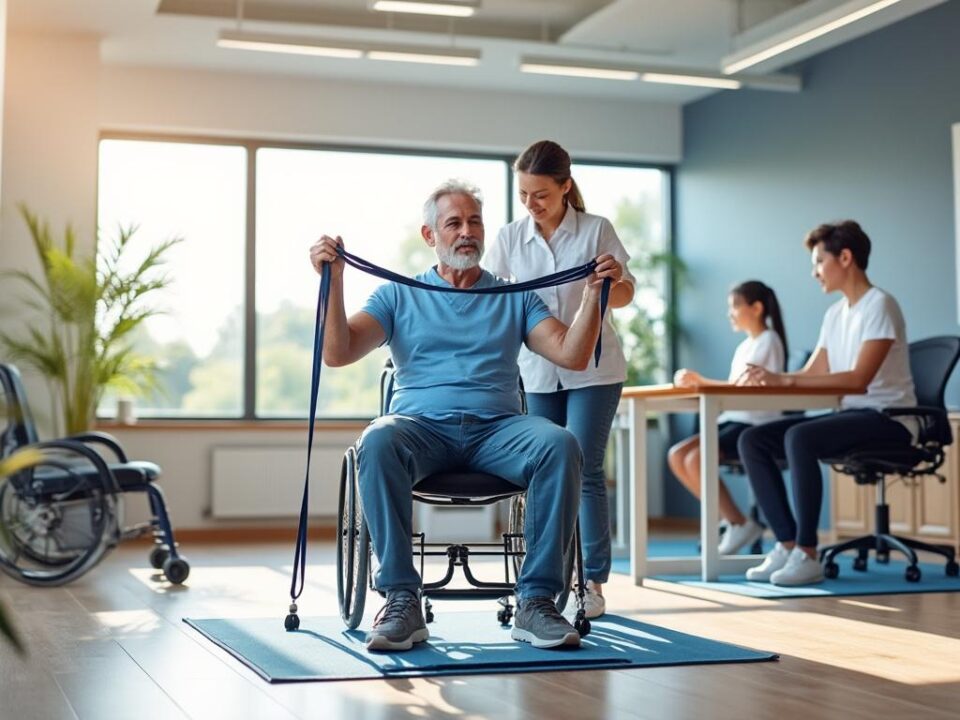
Can Rehabilitation and Return to Work Prevent the Need for Surgery?
In the constantly evolving landscape of spinal healthcare, patients and practitioners alike grapple with a pivotal question: can the rigorous pathways of rehabilitation and structured return to work reduce or even eliminate the need for surgical intervention? The answer, as…
Stages of Postoperative Recovery and Strategic rTMS Integration in Spinal Surgery
Recovery trajectories post-spinal surgery are largely contingent on the type of surgical intervention and the patient’s baseline neurological status. rTMS plays a dynamic role across various recovery stages, from early postoperative pain control to long-term functional restoration and psychological well-being.
In early stages, rTMS is particularly effective in reducing neuropathic pain, a common and often debilitating complication following interventions such as lumbar decompression or cervical disc replacement. By modulating the contralateral motor cortex, rTMS downregulates nociceptive signaling, reducing the need for systemic analgesics which often bear undesired side effects.
The intermediate phase focuses on reactivating motor circuits and promoting neuroplastic changes necessary for regaining mobility and strength. Here, rTMS in synergy with physical therapy accelerates gains in motor function by potentiating corticomotor excitability and minimizing maladaptive neural patterns that impede recovery.
Long-term rehabilitation goals target psychological aspects, where rTMS demonstrates efficacy in alleviating postoperative depression and anxiety commonly observed after spinal surgeries. As rTMS modulates activity in the dorsolateral prefrontal cortex, patient mood improves, which correlates with higher motivation and better rehabilitation adherence.
- Early postoperative phase: pain reduction and inflammation control.
- Mid-phase: motor recovery, neuroplasticity enhancement.
- Late phase: psychological support, anxiety and depression mitigation.
- Cross-phase continuity: coordinated care with physiotherapy and neuropsychology.
- Patient-specific adjustments: individualized timing and dosing of sessions.
| Recovery Stage | rTMS Focus | Expected Benefits | Usual Intervention Timeline |
|---|---|---|---|
| Early | Pain modulation | Reduction in neuropathic pain, decreased opioid use | 0–2 weeks post-surgery |
| Intermediate | Motor cortex stimulation | Improved motor control, enhanced neuroplasticity | 2–8 weeks post-surgery |
| Late | Prefrontal cortex modulation | Mood stabilization, anxiety relief | 8 weeks onward |
Advanced therapeutic regimens often combine rTMS with adjunct neuromodulatory technologies such as Soterix Medical’s high-definition transcranial direct current stimulation or Yiruide’s novel coil designs. Such combinations have shown promise in amplifying neurorehabilitation outcomes and are under investigation in recent randomized controlled trials documented at PubMed and ScienceDirect.
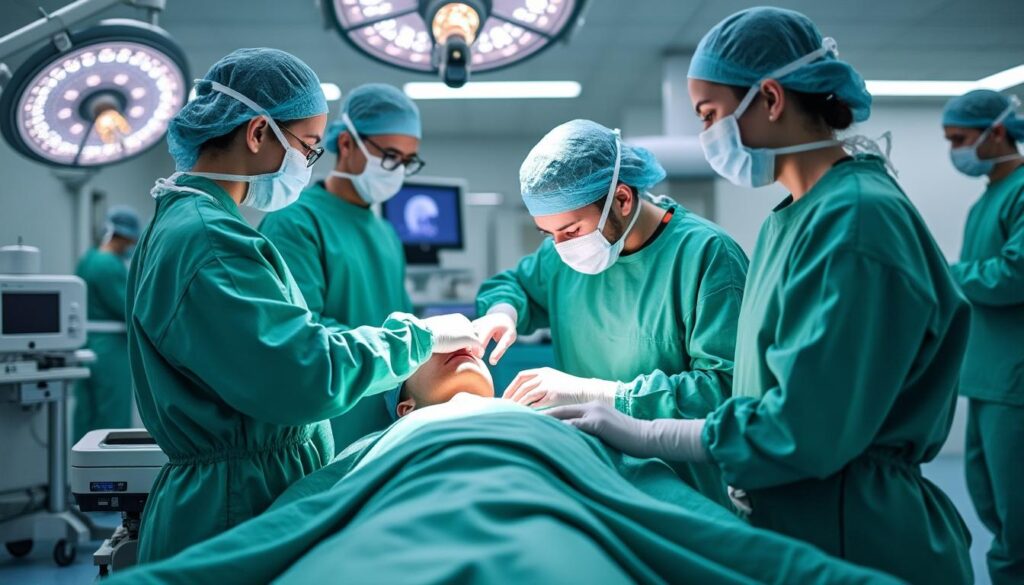
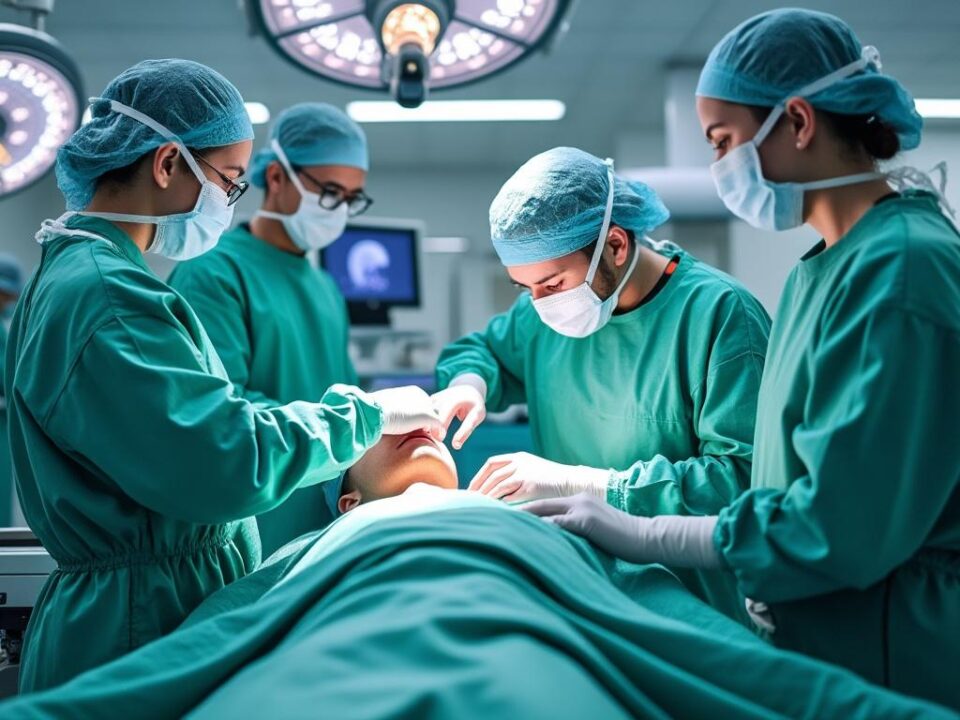
Exploring the Overlooked Benefits of Spine Surgery in France
Spinal disorders are a significant health concern for many patients worldwide, yet the solutions and benefits of spine surgery often remain underappreciated. France, with its advanced healthcare infrastructure and pioneering surgical techniques, has emerged as a noteworthy destination for patients…
Personalized Patient Follow-up and Multidisciplinary Coordination After Spine Surgery
The seamless postoperative integration of rTMS therapies hinges on meticulous coordination among surgeons, neurologists, physiotherapists, and psychologists. In the context of international cooperation between Canada and France, expert-led clinics facilitate continuous monitoring to adapt therapy dynamically based on recovery progress and complications.
Key components of patient management include comprehensive pre-surgical evaluation, in-hospital care optimization, and structured outpatient follow-up. Coordination with stakeholders such as SOS Tourisme Médical and Franchir allows for streamlined logistics and bolsters patient confidence during cross-border care transitions.
Specific aspects addressed in follow-up protocols entail:
- Comprehensive neurofunctional assessments to tailor rTMS parameters and schedules.
- Pain and neurological symptom tracking enabling prompt identification of complications like post-laminectomy syndrome.
- Psychological evaluation to detect and counteract postoperative mood disorders.
- Dynamic rehabilitation plans synergizing rTMS with physiotherapy and cognitive behavioral therapy.
- Patient education and engagement fostering adherence and empowering self-management.
Integration platforms such as CloudTMS facilitate remote session monitoring, ensuring treatment consistency even across geographical borders. Furthermore, device manufacturers including Magstim and Nexstim provide sophisticated software tools enhancing patient data tracking and treatment customization.
| Care Element | Responsible Team | Key Actions |
|---|---|---|
| Preoperative Evaluation | Neurothérapie Montréal & TAGMED | Medical history review, neurofunctional testing, patient education |
| Surgical Coordination | Franchir & French surgical centers | Referral, logistics, hospital stay management |
| Postoperative Neuromodulation | Neurothérapie Montréal | rTMS protocols, pain management, psychological support |
| Patient Support Services | SOS Tourisme Médical | Administrative assistance, patient guidance |

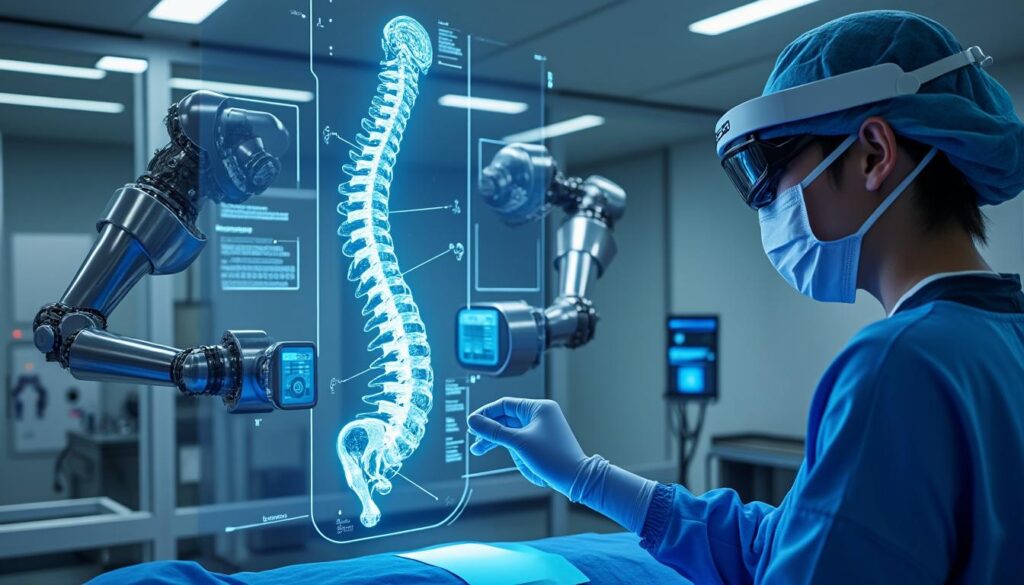
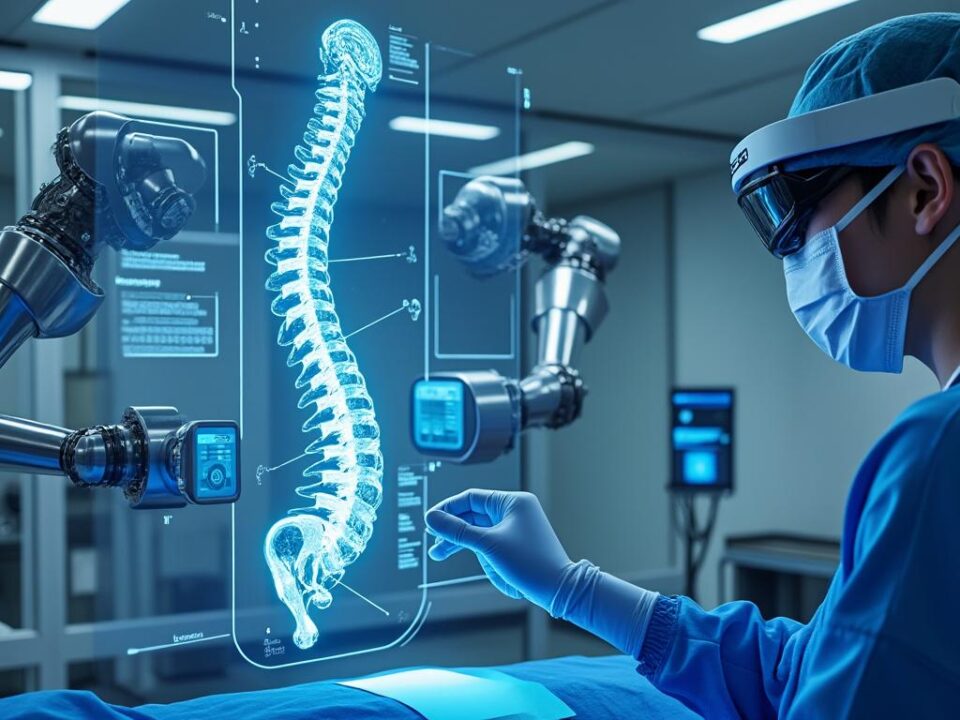
Cousin Spine Technology and Franchir: Transforming Surgical Decision-Making
In recent years, the integration of advanced medical technologies has dramatically shifted how spinal surgeries are planned, performed, and managed. Among the transformative developments, the alliance between Cousin Spine Technology and Franchir stands out as a pioneering force redefining surgical…
Innovative Pain Management Through rTMS in Complex Spine Surgeries
Chronic neuropathic pain is a challenging postoperative issue, particularly prevalent after spinal fusion surgeries and laminectomy procedures. Traditional pharmacological therapies exhibit limited efficacy and narrowly balanced side effect profiles. rTMS emerges as a robust alternative due to its modality of selectively modulating cortical pain networks rather than systemic effects.
By focusing stimulation on the primary motor cortex and related areas, rTMS decreases pain perception intensity, yielding tangible clinical benefits such as reduced opioid reliance and improved functional capacity. Patients report heightened comfort and quality of life with minimal adverse effects. The United States and European health authorities have corroborated these findings, supporting the integration of rTMS in pain protocols.
Further benefits include the dual effect on comorbid depression and anxiety, which commonly exacerbate pain experiences and hinder rehabilitation.
- Non-invasive and well-tolerated modality improving patient compliance.
- Reduction in opioid and analgesic consumption decreasing side effect burden.
- Improved mood and cognitive function bolstering rehabilitation engagement.
- Potential to prevent progression to chronic pain syndromes through early cortical modulation.
- Adjunct to existing pharmacologic and physical therapies enabling multimodal pain management.
| Pain Condition | rTMS Application Scope | Clinical Outcomes |
|---|---|---|
| Post-laminectomy Syndrome | Symptom reduction and cortical modulation | 70% pain relief in some patients, decreased medication use |
| Neuropathic pain after fusion | Suppression of nociceptive signaling | Improved functional capacity, mood enhancement |
| Depression-related pain amplification | Prefrontal cortex stimulation for mood regulation | Reduced anxiety and depressive symptoms, improved rehab adherence |
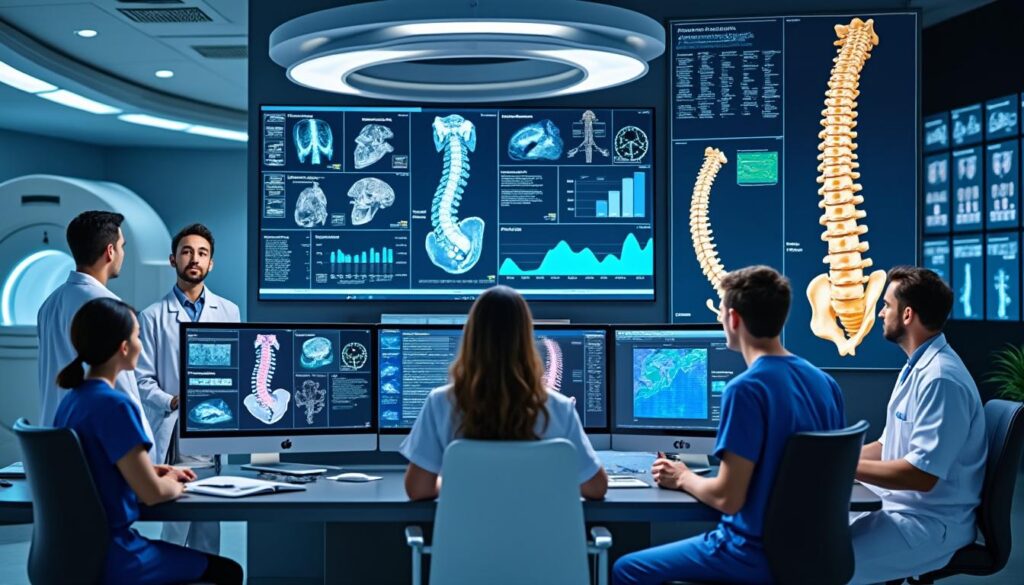
Insights from Research on Preventing Post-Laminectomy Syndrome
Post-Laminectomy Syndrome (PLS), a chronic pain condition arising after spinal surgery, remains a formidable challenge in spinal surgery and pain management. Despite advances in surgical techniques, a significant subset of patients continues to experience persistent neuropathic pain and functional limitations,…
Transdisciplinary Research and Clinical Trials Enhancing rTMS Usage in Postoperative Care
Ongoing clinical investigations refine rTMS application parameters, safety profiles, and synergistic potential with novel neuromodulatory and pharmacologic interventions. Key global centers employing devices such as Yiruide and Soterix Medical’s HD-tDCS are leading in comparative trials that elucidate optimal stimulation frequencies and session cycles tailored to specific spinal pathologies.
Emerging data from studies hosted on BMC Trials Journal and comprehensive meta-analyses on MDPI Brain Sciences confirm beneficial outcomes, particularly in delayed recovery cases or patients experiencing postoperative neurocognitive dysfunction. This evidence supports refinement of protocols integrating rTMS earlier in care pathways to maximize neural regeneration.
- Optimization of stimulation timing and intensity based on patient-specific neurophysiology.
- Combining rTMS with cognitive training interventions for enhanced neurorehabilitation.
- Use of advanced devices including CloudTMS for remote monitoring and MagVenture for precision targeting.
- Multicenter randomized controlled trials validating efficacy in diverse patient cohorts.
- Focus on long-term safety and quality of life improvements post spinal surgeries.
| Research Focus | Key Findings | Impact on Clinical Practice |
|---|---|---|
| Stimulation protocols in spinal arthrodesis | Improved pain control and motor recovery | Earlier integration in post-op care routines |
| Combined neurostimulation and cognitive therapies | Enhanced neuroplasticity and mood stabilization | Broader adoption of multimodal rehab |
| Remote monitoring via CloudTMS | Improved adherence and personalized care | Expanded accessibility for rural or remote patients |
Clinicians pursuing state-of-the-art spinal care are encouraged to review findings in dedicated journals such as Neuropsychological Rehabilitation and Neurosurgery Open for cutting-edge insights.

International Comparison: Spotlight on Spine Care Practices Between France and Quebec
The growing emphasis on spine health in Quebec has spotlighted the value of international collaboration in advancing patient care. With the challenges of prolonged wait times and high private care costs in Quebec, France emerges as an attractive alternative, boasting…
Technological Innovations Driving rTMS Precision in Post-Surgical Neurorehabilitation
Recent years have witnessed remarkable advancements in rTMS device engineering, greatly enhancing clinical utility in spinal postoperative management. Modern devices incorporate features such as robotic coil positioning, real-time cortical mapping, and adaptive stimulation algorithms. Brands like Nexstim and MagVenture lead with FDA-approved platforms that synchronize neuroimaging data to precisely target cortical regions implicated in pain and motor control.
Furthermore, integration with artificial intelligence allows dynamic adjustment of stimulation parameters based on EEG or fMRI feedback, optimizing therapy tolerability and efficacy. Innovations also include mobile and cloud-based platforms like CloudTMS, which enable remote supervision, expanding accessibility to patients in decentralized locations.
- Robotic-assisted coil navigation for millimeter precision targeting.
- Adaptive stimulation protocols via AI-driven algorithms.
- Real-time neuroimaging integration to guide therapy sessions.
- Portable and cloud-based treatment platforms increasing reach.
- Interoperability with other neuromodulation devices for combined therapies.
| Technology Feature | Clinical Benefit | Representative Device |
|---|---|---|
| Robotic coil positioning | Enhanced targeting accuracy | Nexstim |
| AI adaptive parameters | Increased session efficacy and comfort | MagVenture |
| Cloud-based remote monitoring | Patient compliance and accessibility | CloudTMS |
| Multi-device compatibility | Synergistic neuromodulation | Soterix Medical, Yiruide |
Clinicians are advised to remain current with device trends and emerging software upgrades to harness the full potential of rTMS within comprehensive postoperative protocols. Manufacturers like Neuronetics continue pushing frontiers with novel coil designs and integration capabilities facilitating personalized care pathways.
Medical Logistics and Accommodation: Central Pillars in the Patient Care Journey
In the evolving landscape of global healthcare, the interplay between medical logistics and patient accommodation has become a cornerstone for effective and patient-centric care delivery. This synergy is particularly evident in the management of international patient journeys, where cross-border coordination,…
Strategic Planning and Patient Education for Optimal rTMS Postoperative Outcomes
Successful assimilation of rTMS into spinal surgery recovery requires structured planning—including patient education and expectation management. Ensuring patients comprehend the nature of neuromodulation, its benefits, and limitations is paramount to adherence and positive outcomes.
Educational strategies involve multidisciplinary consultations explaining the progressive stages of recovery and the supportive role rTMS plays. Transparent discussions about potential sensations during stimulation, typical session durations, and anticipated improvements foster trust and reduce anxiety.
Patients are encouraged to actively participate via scheduling treatments at frequencies aligned with their life activities, and maintaining communication channels for reporting side effects or progress. Incorporation of digital applications for symptom tracking and appointment reminders further augments engagement.
- Preoperative counseling detailing rTMS roles and treatment timeline.
- Clear articulation of therapeutic goals to shape realistic expectations.
- Training on symptom monitoring and feedback communication.
- Integration of digital health tools to support adherence and data collection.
- Ongoing psychological support addressing postoperative stressors.
| Educational Component | Implementation Strategy | Patient Benefit |
|---|---|---|
| Understanding rTMS Treatment | Pre-op talks with neuromodulation specialists | Reduced anxiety, improved cooperation |
| Setting Realistic Goals | Collaborative goal setting during rehabilitation | Increased motivation, satisfaction |
| Symptom Tracking Tools | Use of mobile apps and wearable devices | Prompt response to adverse events |
| Regular Psychological Follow-up | Scheduled sessions with mental health professionals | Emotional stability and resilience |
Such a structured approach benefits from the expertise of clinics like Neurothérapie Montréal, which emphasizes holistic patient engagement combined with technological resources. Insights on effective postoperative follow-up can be enhanced via review of comprehensive guides on post-operative recovery after back surgery.
Comprehensive Guide to Eligibility Criteria for Back Surgery
The decision to undergo back surgery involves numerous complex considerations that extend beyond the presence of spinal discomfort. Through an international collaboration between healthcare experts in Quebec and France, patients facing severe spine conditions now have access to advanced surgical…
Global Patient Experiences Highlighting the Impact of rTMS in Postoperative Recovery
Patient-reported outcomes increasingly emphasize the efficacy of rTMS combined with traditional rehabilitation in regaining quality of life after spinal surgeries. Anecdotal evidence from centers adopting rTMS cite significant alleviation of chronic pain, improved mood, and functional independence.
For instance, testimonials from patients like Paul, who underwent lumbar arthrodesis, report up to 70% pain reduction and expedited return to work, owing to personalized rTMS regimens. Similarly, case studies reveal accelerated recovery times for athletes returning to high-demand sports post disc replacement through aggressive neuromodulation-focused rehabilitation.
Such outcomes not only highlight the physiological benefits but also underscore the crucial psychological and social dimensions of recovery. Patients report enhanced confidence, reduced anxiety, and better social reintegration. These findings align with recent publications focusing on hidden benefits of integrating rTMS following surgery accessible through medical platforms like hidden benefits of rTMS integration.
- Significant reduction in neuropathic and chronic pain symptoms.
- Improved mood and reduced incidence of postoperative depression.
- Quicker resumption of activities and occupational roles.
- Increased patient engagement and empowerment.
- Positive feedback reinforcing multidisciplinary post-surgical models.
| Patient Case | Surgery Type | rTMS Benefits Reported | Recovery Milestones |
|---|---|---|---|
| Paul | Lumbar arthrodesis | 70% pain reduction, decreased medication use | Return to work within 4 weeks |
| Mélanie | Lumbar fusion with complex injury | Restored mobility, improved sleep, pain control | Resumed running after 3 months |
Comparative Table: rTMS Devices
| Parameter ↕ | NeuroStar ↕ | BrainsWay ↕ | MagVenture ↕ | Magstim ↕ | Nexstim ↕ | Neuronetics ↕ | eNeura ↕ | CloudTMS ↕ | Yiruide ↕ | Soterix Medical ↕ |
|---|
What are the main benefits of using rTMS in post-spinal surgery rehabilitation?
rTMS helps reduce neuropathic pain, promotes neuroplasticity for motor recovery, decreases the need for analgesics, and supports mental health by alleviating anxiety and depression related to postoperative challenges.
When is the optimal time to start rTMS after spinal surgery?
The ideal initiation period is usually within the first few weeks post-surgery after stabilization; however, treatment timing can be individualized based on surgical type and patient condition.
Are there any risks or contraindications for rTMS therapy?
rTMS is generally safe; contraindications include the presence of ferromagnetic implants near the stimulation site. Pre-treatment evaluations assess suitability to minimize risks.
Can rTMS replace physical rehabilitation exercises?
rTMS complements but does not replace physical rehabilitation. It enhances recovery by modulating pain and facilitating cortical plasticity, thereby improving overall therapy outcomes.
How can patients arrange post-surgery rTMS follow-up with Neurothérapie Montréal?
Patients can schedule evaluations and treatments by contacting Neurothérapie Montréal through their official communication channels, ensuring integrated and personalized care postoperatively.
Unveiling the Hidden Benefits of Neurovertebral Decompression Therapy
Chronic back and neck pain remain pervasive health issues impacting millions, often leading to debilitating effects on daily life and overall well-being. Traditional management strategies frequently fall short due to lengthy wait times, high costs, or invasive procedures. Amid this…