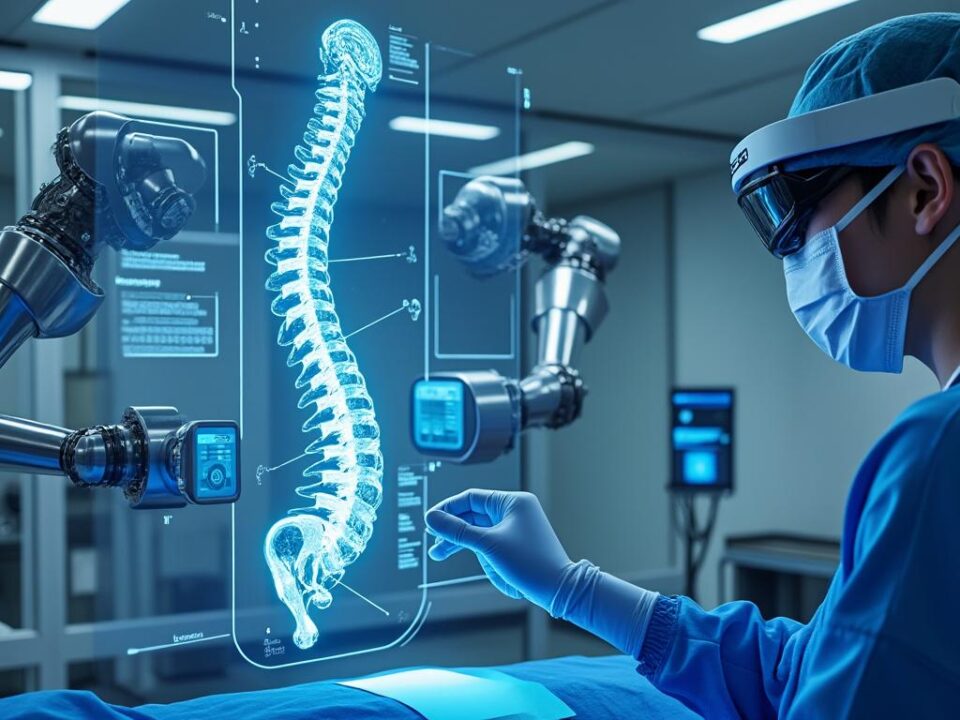
Cousin Spine Technology and Franchir: Transforming Surgical Decision-Making
December 1, 2025
Can Rehabilitation and Return to Work Prevent the Need for Surgery?
December 1, 2025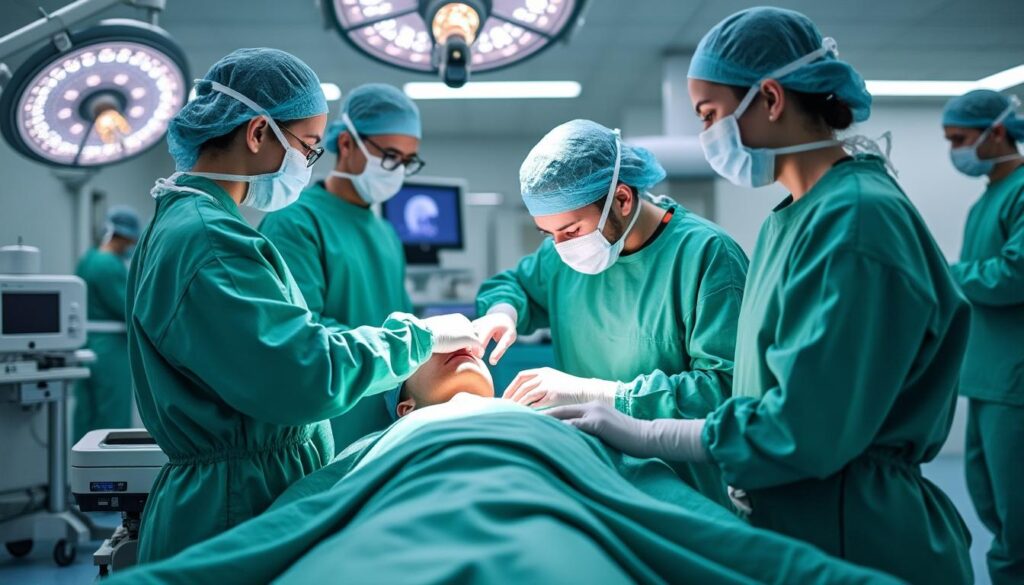
Spinal disorders are a significant health concern for many patients worldwide, yet the solutions and benefits of spine surgery often remain underappreciated. France, with its advanced healthcare infrastructure and pioneering surgical techniques, has emerged as a noteworthy destination for patients seeking effective spinal care. Despite common misconceptions and the overshadowing of surgical risks, the nuanced advantages of spine surgery in France encompass technological innovation, comprehensive postoperative care, and notably improved patient outcomes. This exploration reveals France’s approach to spine surgery—a blend of medical precision, minimally invasive strategies, and patient-centered recovery pathways—that addresses a broader spectrum of needs beyond the mere anatomical correction.
The healthcare system in France is distinguished by its accessibility, efficiency, and integration of multidisciplinary teams dedicated to spinal health. Patients, particularly those facing prolonged waits elsewhere or high treatment costs, find in France a streamlined pathway to advanced surgical options and rehabilitation programs designed to optimize recovery time and maintain spinal mobility. State-of-the-art methods such as neurovertebral decompression and dynamic stabilization implants are regularly employed, showcasing the country’s commitment to minimizing invasiveness while ensuring durable results. Recognizing the overlooked benefits of such approaches in France encourages a paradigm shift in how spinal surgery is perceived, highlighting not just the immediate surgical correction but also long-term functional improvement and quality of life enhancement.
Advanced Surgical Techniques Elevating Spine Surgery Outcomes in France
France’s spine surgery protocols extensively utilize cutting-edge minimally invasive surgery (MIS) techniques, significantly advancing patient outcomes by reducing trauma and facilitating faster recovery. These surgical techniques are meticulously tailored to the specific spinal disorder, whether herniated discs, spinal stenosis, or complex instabilities, ensuring personalized care.
Minimally invasive procedures typically involve smaller incisions and less muscle disruption compared to traditional surgeries. For example, endoscopic spine surgery allows surgeons to perform decompression and discectomy with high precision using a camera-guided system. This approach drastically reduces postoperative pain and shortens hospital stays, supporting quicker reintegration into daily activities.
- Endoscopic spinal surgery: particularly effective for herniated discs and radicular stenosis, offering reduced trauma and rapid activity resumption.
- Spinal fusion (arthrodesis): applied in cases of spinal instability, employing advanced implants that stabilize vertebrae while maintaining biomechanical integrity.
- Motion preservation techniques: including artificial disc replacements and dynamic implants like TOPS and Intraspine, which maintain segmental mobility and limit adjacent segment degeneration.
These surgical techniques are constantly refined through specialized training programs such as the Diplôme Inter-Universitaire de Chirurgie du Rachis and collaborative professional societies. The clinical expertise in France enables a comprehensive spectrum of procedures ranging from conservative endoscopic interventions to complex fusion surgeries, providing diverse treatment options tailored to patient needs. A detailed understanding of such innovations demonstrates why France is shaping global trends in minimally invasive spinal care, as highlighted in recent international reports like French spine surgery demographics and trends.
| Technique | Indications | Advantages | Benefits for Patients |
|---|---|---|---|
| Endoscopic/Minimally Invasive Surgery | Herniated Disc, Radicular Stenosis | Less invasive, reduced trauma | Rapid recovery, early return to activities |
| Spinal Fusion (Arthrodesis) | Severe Instability, Spondylolisthesis | Strong stabilization, advanced implants | Long-term pain control, vertebral stability |
| Motion Preservation (Disc Prostheses, Dynamic Implants) | Discopathy without major instability | Maintains mobility, reduces adjacent segment degeneration | Improved quality of life, sustained flexibility |
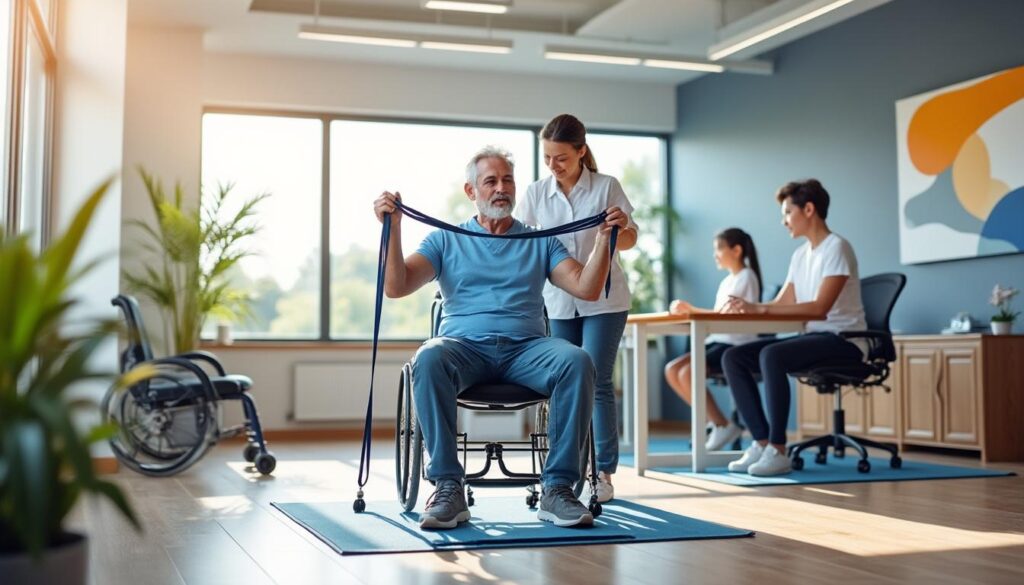
Can Rehabilitation and Return to Work Prevent the Need for Surgery?
In the constantly evolving landscape of spinal healthcare, patients and practitioners alike grapple with a pivotal question: can the rigorous pathways of rehabilitation and structured return to work reduce or even eliminate the need for surgical intervention? The answer, as…
Collaborative Transatlantic Pathways Enhancing Patient Access to Spine Surgery
One of the most overlooked benefits of undergoing spine surgery in France is the structured patient pathway that international collaborations have established, especially for patients from Quebec facing long wait times and costly treatments at home. Coordination between French specialists and Quebec clinics enables seamless access to evaluation, surgery, and recovery support through highly personalized protocols.
The surgical journey begins with a comprehensive conservative treatment phase, emphasizing non-surgical neurovertebral decompression techniques, such as robotically-assisted therapies. Clinics like TAGMED in Montreal and Terrebonne lead these efforts, aiming to relieve nerve compressions without rushing toward surgery. This paradigm respects a minimum trial of three to six months of specialized conservative care before surgical indication is revisited.
- Initial evaluation and conservative treatment: In Quebec, uses advanced decompression therapies and ergonomic guidance.
- Surgical orientation and planning: Coordinated by organizations such as Franchir, guiding patients to specialized surgeons and facilities in France.
- Surgery and immediate recovery: Performed in French hospitals with access to innovative implants and minimally invasive techniques.
- Postoperative monitoring and rehabilitation: Conducted back in Quebec with multidisciplinary teams focusing on functional recovery and pain management.
This cross-continental medical collaboration showcases the adaptability of healthcare in France to patient needs worldwide and highlights a model of care combining biomolecular innovation, economic feasibility, and empathetic human support. More details on this patient-centered approach, examining the essential coordination of surgical decisions and follow-ups, are accessible through insightful resources such as specialized surgical decision-making frameworks.
| Stage | Location and Responsible Party | Primary Objective | Key Services Provided |
|---|---|---|---|
| Initial Evaluation and Conservative Care | TAGMED Clinics, Quebec | Assessment and non-surgical decompression | Robot-assisted neurovertebral decompression, ergonomic advice |
| Surgical Coordination and Travel Planning | Franchir Organization, France | Optimal surgeon and facility selection | Travel logistics, accommodation, surgery scheduling |
| Surgery | French Spine Surgery Centers | Advanced surgical intervention | Minimally invasive techniques, innovative implants |
| Postoperative Follow-up | Neurothérapie Montréal, Quebec | Functional rehabilitation and pain management | Multidisciplinary rehab programs, personalized care |
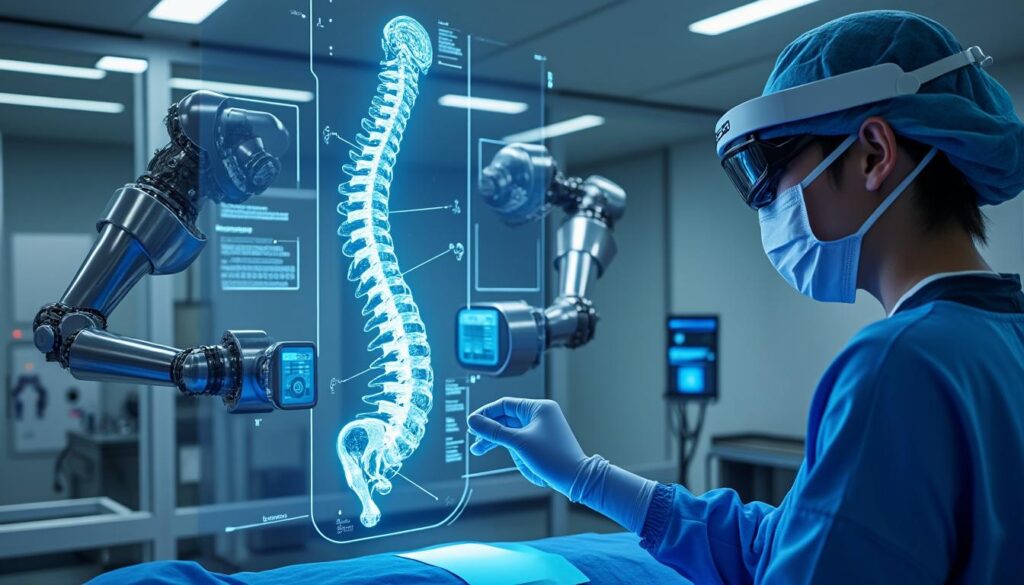
Cousin Spine Technology and Franchir: Transforming Surgical Decision-Making
In recent years, the integration of advanced medical technologies has dramatically shifted how spinal surgeries are planned, performed, and managed. Among the transformative developments, the alliance between Cousin Spine Technology and Franchir stands out as a pioneering force redefining surgical…
Minimally Invasive Surgery: Revolutionizing Spinal Disorder Treatments
In recent years, particularly up to 2025, minimally invasive surgery (MIS) has transformed the landscape of spine surgery in France. MIS offers substantial benefits including reduced tissue damage, shorter hospitalization, and quicker recovery time. These advantages are especially valuable in treating spinal disorders where the preservation of healthy structures and postoperative function is paramount.
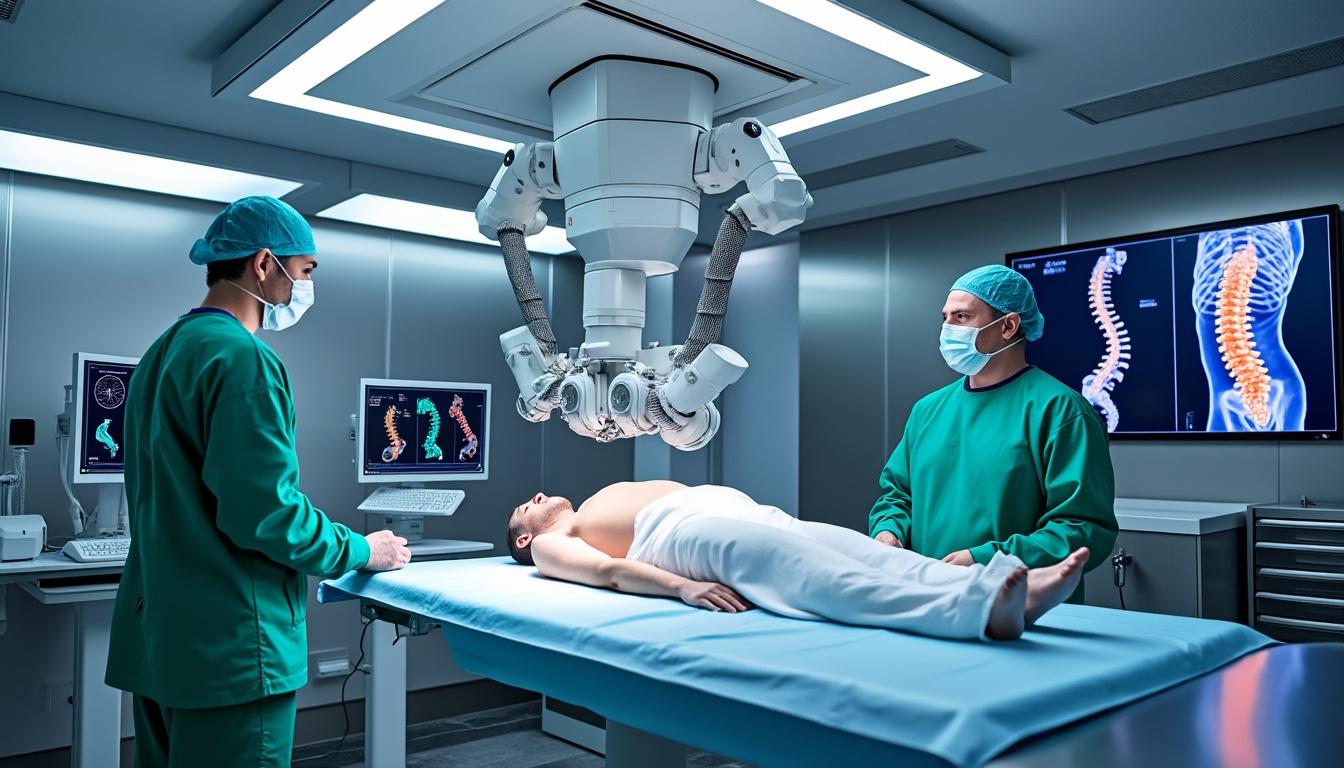
French centers have widely adopted robot-assisted navigation and 3D imaging technologies, which allow precise instrument placement while minimizing operative risks. For instance, the FDA-approved eCential Robotics platform exemplifies this innovative approach, coordinating 3D imaging with robotic assistance to ensure exact screw placement and enhance surgical accuracy, thus reducing complications.
- Reduced postoperative pain: Smaller incisions and less muscle disruption lead to decreased pain intensity and analgesic needs.
- Minimized blood loss: Precision techniques control bleeding more effectively than traditional open surgery.
- Preserved spinal mobility: Dynamic stabilization implants promote maintenance of vertebral motion segments.
- Lower infection rates: Smaller wounds and enhanced sterile protocols reduce postoperative infection risk.
The integration of MIS in France is well-documented in research underscoring its impact on patient outcomes and healthcare efficiency, with dedicated training courses like the Endoscopic Spine Course at IRCAD Strasbourg further advancing surgeon expertise. Such contributions demonstrate Europe’s leadership in developing minimally invasive spinal care technologies, as highlighted by detailed industry insights on innovation trends.
| Benefits of Minimally Invasive Spine Surgery | Description | Patient Outcome |
|---|---|---|
| Reduced Trauma | Smaller incisions and precise interventions | Accelerated healing and decreased rehabilitation time |
| Improved Surgical Precision | Enhanced visualization and robotic assistance | Lower complication rates and better functional results |
| Shorter Hospital Stay | Less pain and faster mobilization | Earlier return to home and work activities |
| Lower Infection Risk | Smaller surgical sites and strict protocols | Reduced postoperative morbidity |
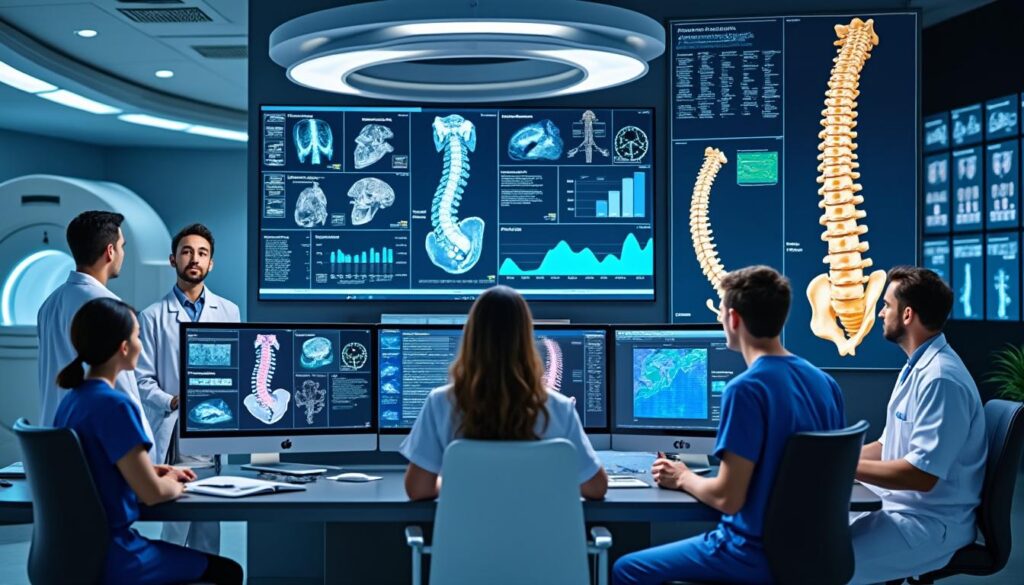
Insights from Research on Preventing Post-Laminectomy Syndrome
Post-Laminectomy Syndrome (PLS), a chronic pain condition arising after spinal surgery, remains a formidable challenge in spinal surgery and pain management. Despite advances in surgical techniques, a significant subset of patients continues to experience persistent neuropathic pain and functional limitations,…
Postoperative Care and Rehabilitation: Ensuring Long-Term Success
The postoperative period following spine surgery in France is as crucial as the surgical techniques themselves. Comprehensive rehabilitation and diligent follow-up care are integrated within the healthcare system, focusing on patient recovery, pain management, and the prevention of complications. These tailored approaches support optimized functional outcomes and enhanced quality of life after surgery.
Rehabilitation may encompass physical therapy, occupational therapy, and pain modulation therapies, often available through coordinated networks such as Neurothérapie Montréal for patients returning to Quebec. Postoperative care strategies also include patient education on ergonomics and lifestyle modifications to support spinal health.
- Structured physical rehabilitation: Custom programs tailored to the patient’s surgery type and overall health.
- Ongoing pain management: Multimodal analgesic strategies minimize opioid use and improve comfort.
- Functional assessments: Regular evaluation of mobility and neurological status support early detection of complications.
- Patient education and support: Informational sessions enhance compliance and empower patients in self-care.
The emphasis on postoperative monitoring is supported by research demonstrating that close follow-up significantly improves patient outcomes by identifying issues early and adapting rehabilitation plans accordingly. Insightful guidance on postoperative enhancements can be found through content such as clinical outcome monitoring after back surgery, illustrating the critical role of coordinated follow-up care.
| Postoperative Care Component | Description | Impact on Recovery |
|---|---|---|
| Physical Therapy | Individualized exercises to restore strength and flexibility | Improved mobility and reduced disability |
| Pain Management | Use of multimodal analgesics and nerve modulation | Enhanced comfort and reduced medication side effects |
| Functional Monitoring | Regular neurological and physical assessments | Early detection and management of complications |
| Patient Education | Training on ergonomics and postoperative lifestyle | Greater adherence and empowerment |
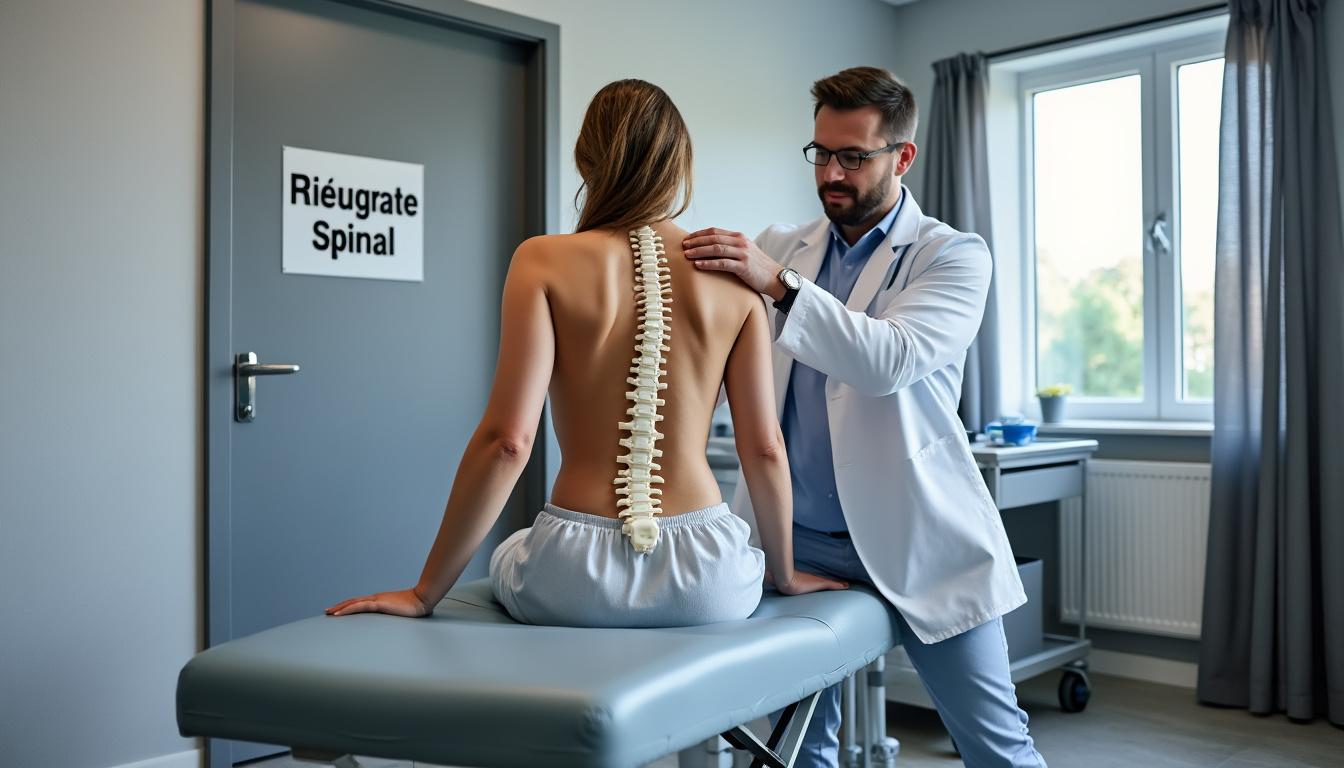
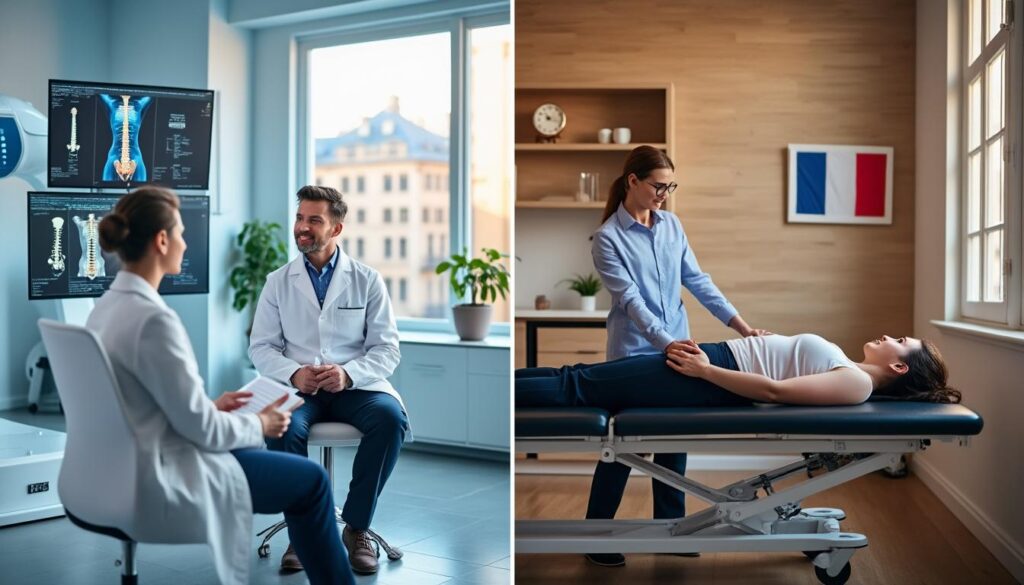
International Comparison: Spotlight on Spine Care Practices Between France and Quebec
The growing emphasis on spine health in Quebec has spotlighted the value of international collaboration in advancing patient care. With the challenges of prolonged wait times and high private care costs in Quebec, France emerges as an attractive alternative, boasting…
Economic and Human-Centered Advantages of Spine Surgery in France
The choice to undergo spine surgery in France transcends clinical benefits, encompassing economic and human considerations often unappreciated by prospective patients. Although travel and accommodation represent upfront expenses, the overall cost-effectiveness, combined with superior healthcare quality and patient support, presents a compelling value proposition.
From an economic perspective, the total expenditure related to surgery abroad may be balanced by shorter hospitalizations, lower complication rates, and decreased indirect costs such as lost workdays. Tax-funded infrastructure and efficient healthcare logistics in France facilitate access to diverse surgical options, reducing delays and resulting in earlier symptom resolution.
- Cost-competitive healthcare: Efficient public-private partnerships offer affordability relative to some private systems.
- Speed of access: Reduced waiting times minimize the progression of spinal compromise.
- Comprehensive support: Integrated pre- and postoperative care contributes to smoother recovery trajectories.
- Enhanced patient dignity: Patient-focused communication, education, and empathy build trust and compliance.
These human-centered care principles and resource utilization efficiencies explain the rising popularity of France as a spine surgery destination. Insights into these multifaceted benefits are detailed in narratives emphasizing France as an ideal medical tourism spot for spinal treatment and complex health journeys alike.
| Aspect | Benefit | Comparison to Alternative Systems |
|---|---|---|
| Biomolecular and Technological | Innovative implants preserving spinal function | More advanced compared to traditional options |
| Economic | Optimized global costs including care and logistics | More affordable and accessible than some private care models |
| Human Factors | Dedicated multidisciplinary teams with empathetic care | Higher patient satisfaction and trust |
Medical Logistics and Accommodation: Central Pillars in the Patient Care Journey
In the evolving landscape of global healthcare, the interplay between medical logistics and patient accommodation has become a cornerstone for effective and patient-centric care delivery. This synergy is particularly evident in the management of international patient journeys, where cross-border coordination,…
Emphasis on Conservative Treatment to Optimize Surgical Timing
Experts in France, such as Dr. Sylvain Desforges, emphasize that spinal surgery should never be the first recourse. A mandatory phased approach covering 3 to 6 months of conservative therapy ensures surgery is reserved for patients truly requiring intervention. This protocol improves long-term results and avoids premature surgical risks.
Conservative management is dominated by innovative techniques like neurovertebral decompression robotically guided to decompress nerve roots and promote healing. Where appropriate, physiotherapy and pain management complement this approach, which must be tailored and closely monitored.
- Mandatory conservative trial period: 3 to 6 months of treatment before any surgical consideration.
- Robot-assisted neurovertebral decompression: A non-invasive alternative that relieves nerve pressure effectively.
- Complementary therapies: Physiotherapy and pain modulation to enhance function and comfort.
- Outcome-oriented monitoring: Regular assessments determine the necessity and timing of surgery precisely.
Adherence to conservative protocols aligns with international standards and safeguarding patient safety. More comprehensive knowledge on preoperative assessments and eligibility can be explored through detailed guides focusing on patient selection and surgical candidacy, enriching understanding of this balanced treatment philosophy.
| Treatment | Duration | Goals | Influence on Surgery Decision |
|---|---|---|---|
| Neurovertebral Decompression (Robot-assisted) | 3-6 months | Reduce nerve pressure and improve function | Essential prior to surgical planning |
| Physiotherapy | Variable | Pain relief and muscle strengthening | Supportive, but not a surgical prerequisite |
| Pain Management | Variable | Manage symptoms and improve mobility | Adjunct to main protocol |
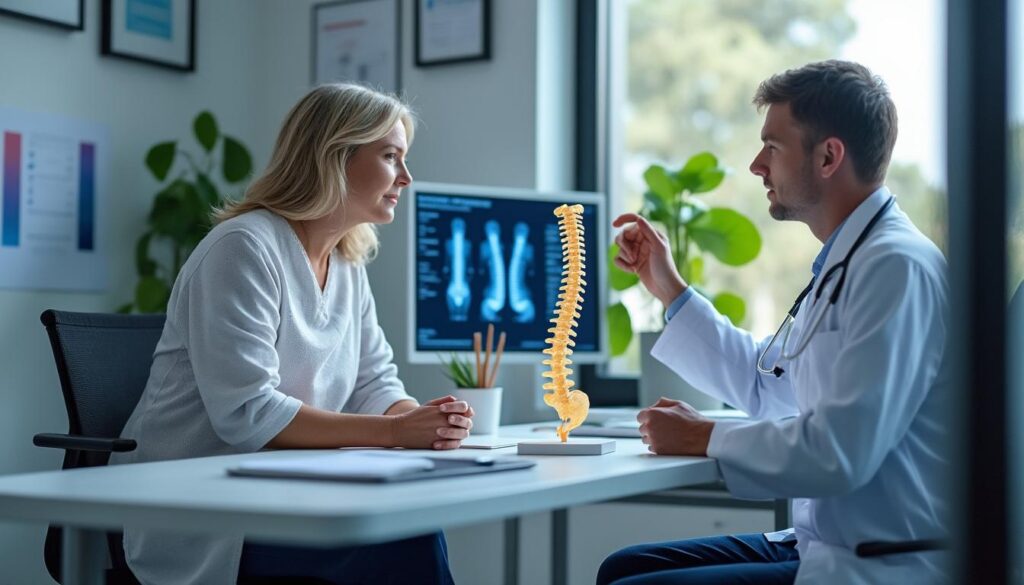
Comprehensive Guide to Eligibility Criteria for Back Surgery
The decision to undergo back surgery involves numerous complex considerations that extend beyond the presence of spinal discomfort. Through an international collaboration between healthcare experts in Quebec and France, patients facing severe spine conditions now have access to advanced surgical…
Innovations in Implant Technology Reinforcing Postoperative Mobility
The integration of dynamic and biomechanically advanced implants into spine surgery in France represents a paradigm shift. These devices aim not only to stabilize but also to preserve natural spinal movement — a significant factor often overlooked in traditional fusion strategies.
Implants such as the TOPS system and Intraspine prostheses offer segmental stabilization while allowing flexibility, reducing the risk of adjacent segment disease—a common complication marked by degeneration of spinal levels adjacent to fused segments. This approach reinforces patients’ postoperative mobility and overall quality of life, as reflected in clinical studies and patient feedback.
- Dynamic implants: Designed to maintain physiological motion while providing necessary support.
- Minimized adjacent segment degeneration: By preserving motion, these implants reduce stress on neighboring vertebrae.
- Enhanced patient satisfaction: Mobility preservation contributes to higher functional scores post-surgery.
- Technological collaboration: Developed jointly by top manufacturers and surgical teams for optimal design and outcomes.
Seamlessly blending biomolecular innovation with patient-centered design, these implants establish France among the leading nations in spinal surgery technology. More detailed comparisons of simple surgeries, fusion, and motion preservation techniques highlighting their global impact are available in comprehensive reports.
| Implant Type | Purpose | Patient Benefit | Impact on Postoperative Recovery |
|---|---|---|---|
| TOPS Dynamic Implant | Preserve segmental motion | Maintains flexibility, reduces adjacent levels’ stress | Faster return to activity, less pain |
| Intraspine Interlaminar Prosthesis | Dynamic lumbar stabilization | Improves lumbar function and patient comfort | Reduced incidence of secondary degeneration |
| Traditional Fusion Implant | Rigid vertebral stabilization | Effective for severe instability | Longer recovery, potential loss of motion |
Advanced Spine Surgery Implant Technologies Comparison
| Criteria ▲▼ | TOPS Dynamic Device | Intraspine Prostheses | Traditional Fusion Implants |
|---|
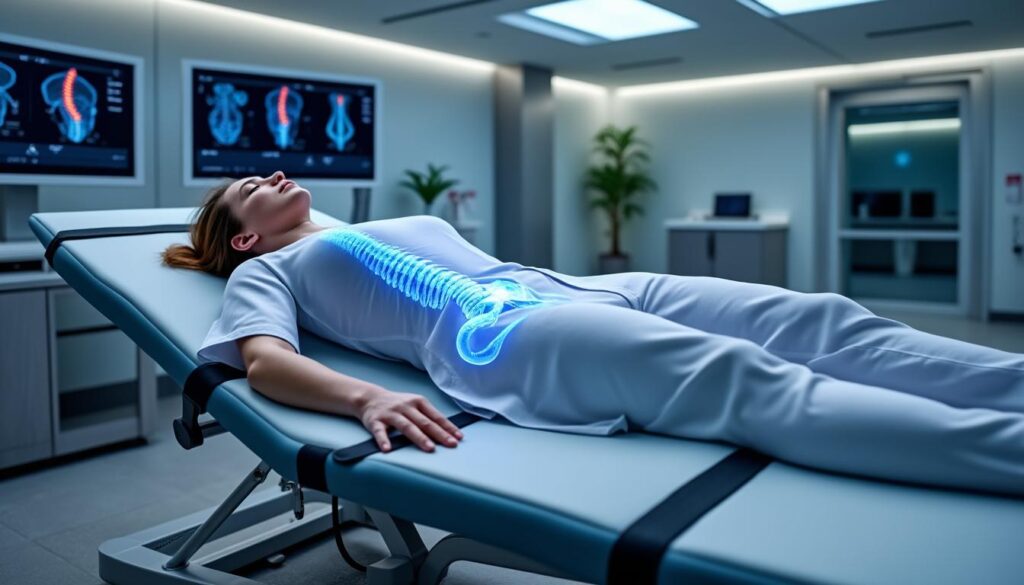
Unveiling the Hidden Benefits of Neurovertebral Decompression Therapy
Chronic back and neck pain remain pervasive health issues impacting millions, often leading to debilitating effects on daily life and overall well-being. Traditional management strategies frequently fall short due to lengthy wait times, high costs, or invasive procedures. Amid this…
Emerging Trends in Spinal Surgery Research and Education in France
Research and education remain pillars sustaining the innovation momentum in spine surgery across France. Institutions focus on advancing surgical skills and validating new technologies through rigorous training courses and clinical trials. Notably, the French society for spinal surgery (SFCR) supports programs such as the DIU Chirurgie du Rachis to cultivate expert surgeons proficient in both established and emerging techniques.
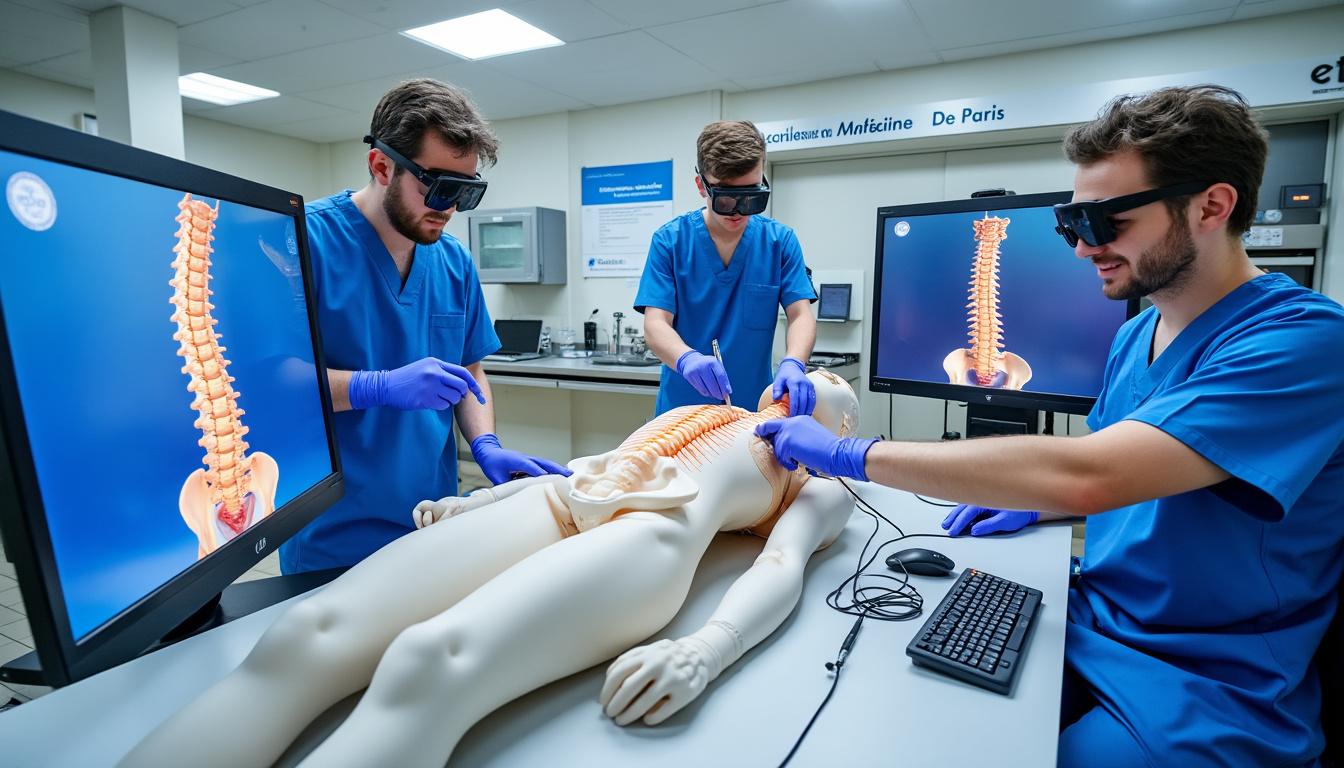
Innovations include the integration of 3D printed vertebral models aiding preoperative planning and robotic navigation platforms enhancing precision. Additionally, the IRCAD Strasbourg endoscopic spine course represents a collaborative international platform fostering skill dissemination and research. These educational efforts propel France’s spine surgery field to a leadership position within Europe and globally.
- Specialized diploma programs: Focused education for spine surgery excellence.
- Integration of 3D printing: Facilitates customized surgical planning and implant fittings.
- Robotic navigation technologies: Enhances intraoperative accuracy and safety.
- International surgical courses: Supporting knowledge exchange and innovation.
These ongoing advancements are well documented in both clinical publications and training modules, reinforcing the reputation of French spine care as both progressive and comprehensive. The combination of education and innovation continues to refine patient outcomes and diversify surgical options.
| Research/Education Feature | Benefit | Example |
|---|---|---|
| Diploma Programs (DIU) | Specialized training and expertise | Diplôme Inter-Universitaire de Chirurgie du Rachis |
| 3D Printing Innovation | Customized surgical preparations | 3D printed vertebral models for preoperative use |
| Robotic Navigation | Enhanced surgical precision | eCential Robotics FDA-approved platform |
| International Collaborations | Surgical skill dissemination | Endoscopic Spine Course – IRCAD Strasbourg |

What Research Reveals About Rehabilitation and Returning to Work
Rehabilitation and the process of returning to work form a complex interplay that extends far beyond physical recovery. It is a multifaceted journey involving medical treatment, psychological adaptation, workplace accommodation, and social reintegration. Research in recent years underscores the profound…
Understanding Patient Eligibility and Preoperative Preparations in French Spine Surgery
Every successful spine surgery begins with thorough patient assessment and precise eligibility criteria. France adheres to comprehensive preoperative evaluations integrating clinical questionnaires, imaging, and conservative treatment responses to ensure optimized surgical timing and outcome.
This detailed scrutiny ensures that surgery is reserved for appropriate candidates, thereby reducing postoperative complications and enhancing surgical benefits. The extensive use of standardized questionnaires and examinations improves communication between patient and surgeon while facilitating individualized treatment plans.
- Preoperative screening questionnaires: Capture patient history and symptom severity to guide treatment decisions.
- Imaging diagnostics: MRI, CT, and 3D vertebral modeling aid in surgical mapping.
- Conservative care trials: Evaluate non-surgical response prior to surgery.
- Multidisciplinary case discussions: Surgeons, therapists, and neurologists coordinate for optimal planning.
Proper preoperative workup aligns with contemporary standards and is a cornerstone of the care pathway in France. Patients interested in understanding eligibility and preparation can refer to comprehensive guides providing clarity on this critical phase, thereby empowering informed participation.
| Evaluation Type | Purpose | Impact on Surgery |
|---|---|---|
| Initial Questionnaires | Assess symptom severity and patient history | Guide individualized treatment |
| Diagnostic Imaging | Visualize spinal pathology in detail | Supports surgical planning |
| Conservative Treatment Trial | Determine response to non-surgical options | Refine surgical indication |
| Multidisciplinary Review | Integrate multiple perspectives for best care | Ensure comprehensive planning |
What are the main surgical techniques used in spine surgery in France?
The primary techniques include minimally invasive endoscopic surgery, spinal fusion with advanced implants, and motion preservation procedures such as artificial disc replacements and dynamic stabilization devices. These methods prioritize patient outcomes and recovery time.
How does France ensure patient access to specialized spine surgery for international patients?
Collaborative transatlantic pathways involve initial conservative treatment in the patient’s home country, coordinated surgical scheduling with French centers, and structured postoperative care, ensuring safety, efficiency, and continuity of care throughout the surgical journey.
What role does minimally invasive surgery play in the treatment of spinal disorders in France?
Minimally invasive surgery in France reduces tissue trauma and speeds up recovery. With integration of robotic assistance and 3D imaging, it has become a cornerstone in treating spinal disorders with improved precision and patient outcomes.
Why is a conservative treatment period mandatory before surgery in France?
A trial of 3 to 6 months of conservative therapies, including neurovertebral decompression, helps determine if surgical intervention is necessary. This protocol enhances long-term results and avoids premature surgeries.
What innovative implants are used in French spine surgery to preserve postoperative mobility?
Dynamic implants like TOPS and Intraspine enable segmental spinal motion while providing stability, reducing secondary degeneration and improving patient satisfaction and quality of life.