Global Insights: Comparing Simple Surgery, Fusion, and Motion Techniques in Spine Care
November 28, 2025
The Ultimate Guide to Quality and Certification of Devices
November 28, 2025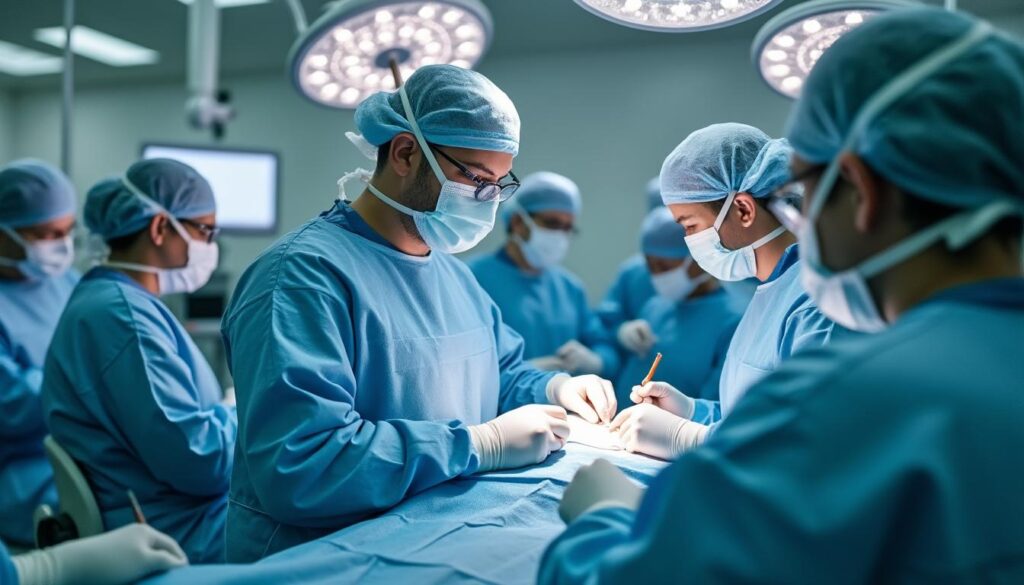
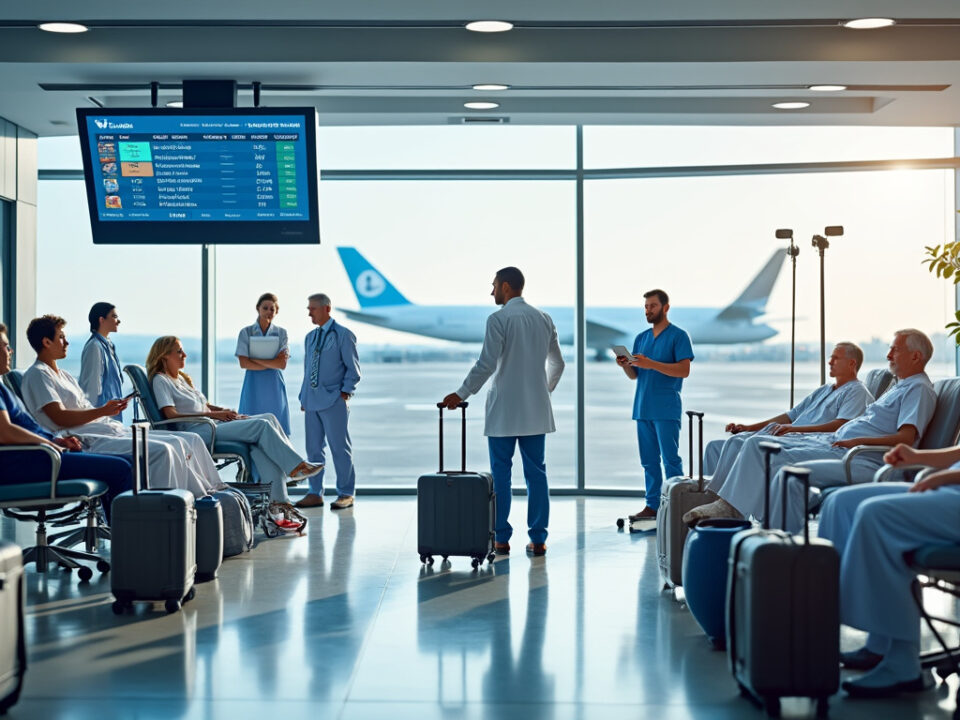
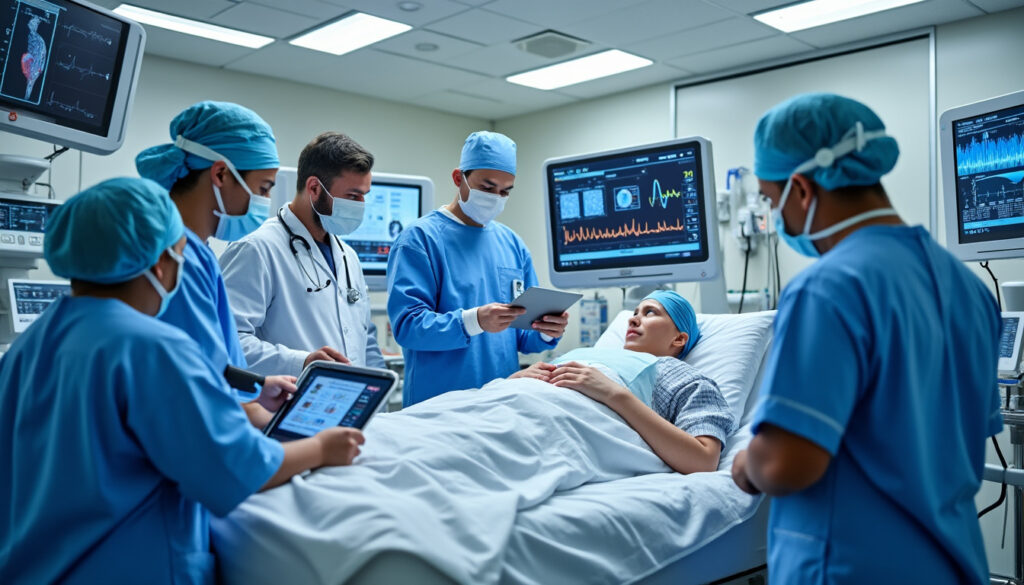
In 2025, advancements in post-operative monitoring have transformed the landscape of back surgery recovery, aligning clinical successes with patient-centric care models. As an increasing number of patients from Quebec opt for spinal procedures in France to benefit from established medical expertise and state-of-the-art surgical technologies, the emphasis on thorough post-operative follow-up emerges as a defining factor in patient outcomes. This extended care phase plays a pivotal role in optimizing rehabilitation, preventing surgical complications, controlling pain, and supporting gradual reintegration into daily activities. Innovative neuromodulation techniques, like repetitive transcranial magnetic stimulation (rTMS) employed by specialists at Neurothérapie Montréal, underscore the integration of scientific progress with personalized healthcare. Such multidisciplinary and transatlantic coordinated efforts between French surgical teams and Canadian rehabilitation services herald a new era in spinal surgery recovery where continuous monitoring, early detection of complications, and tailored interventions revolutionize patient trajectories.
Combining remote monitoring systems and precision neuromodulatory therapies, healthcare providers pave a smoother path for patient recovery. The utilization of telemetry devices allows practitioners real-time visibility into critical physiological parameters, simultaneously reducing hospital stays and enhancing safety through early intervention. Moreover, the nuanced understanding of different surgical approaches—from simple decompression to dynamic motion-preserving techniques and complex spinal fusion—affords the customization of rehabilitation protocols attuned to individual patient needs. This holistic approach not only accelerates physical healing but addresses often underestimated aspects such as chronic postoperative pain and psychological wellbeing, ultimately contributing to superior long-term clinical outcomes. The interplay of cutting-edge technology, comprehensive follow-up strategies, and human-centered care is reshaping post-surgical management in spinal surgery as a beacon of enhanced recovery.
Understanding the Impact of Post-Operative Monitoring on Patient Recovery in Back Surgery
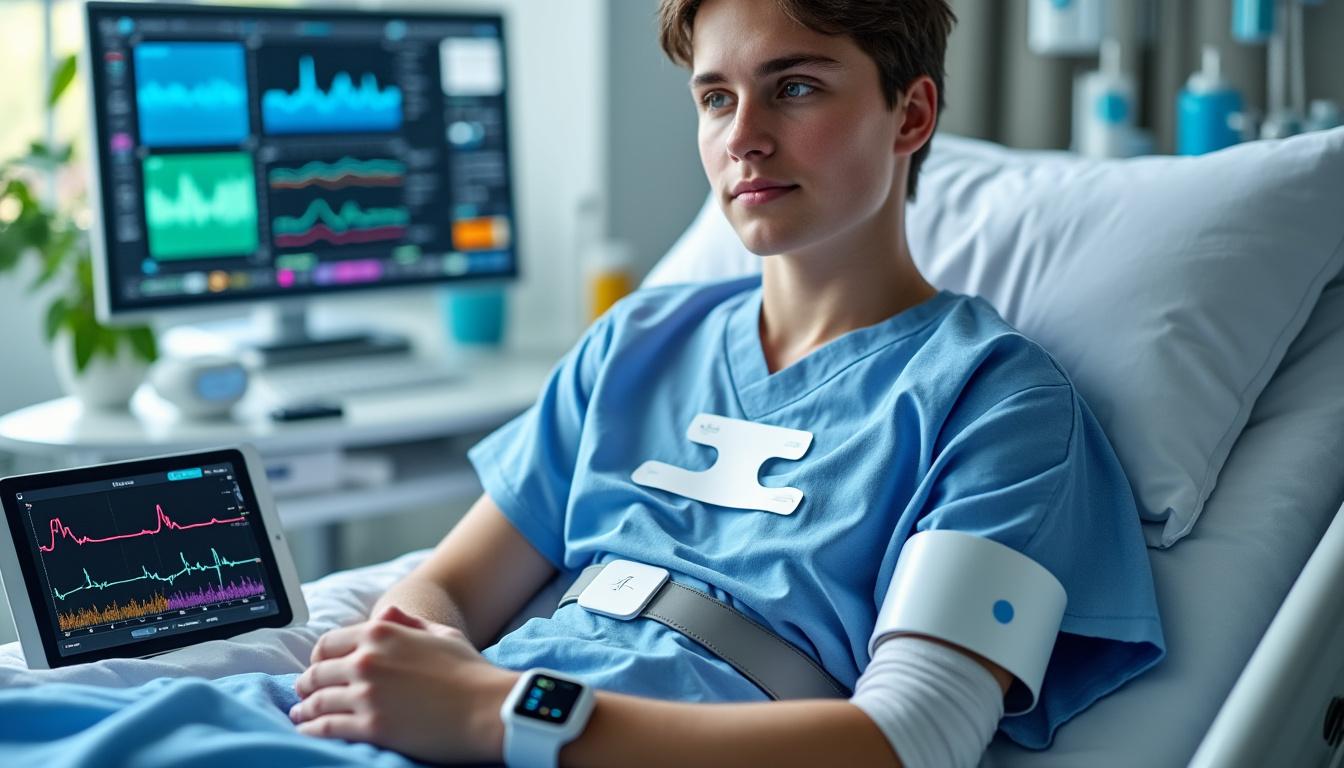
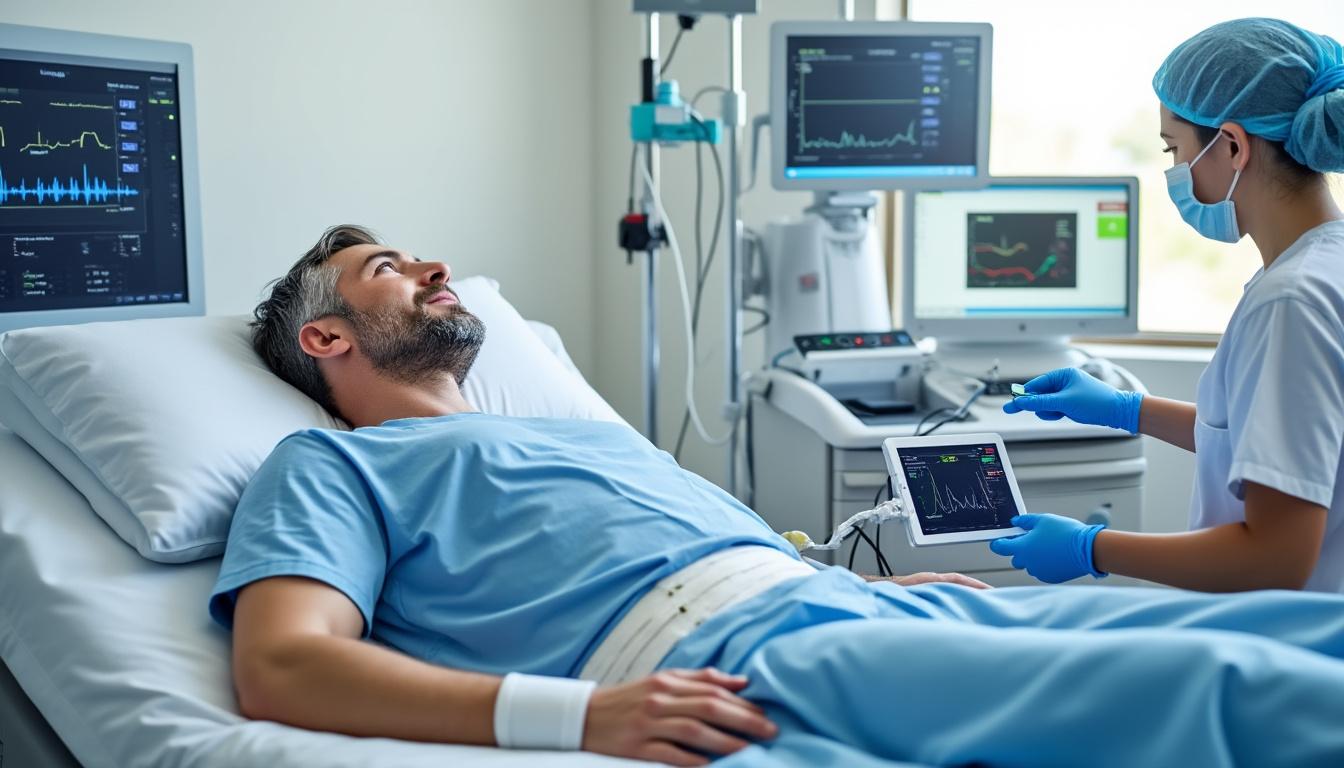
Effective post-operative monitoring is critical in fostering improved clinical outcomes after back surgery, ensuring that patients traverse their recovery periods safely and efficiently. Patient Recovery hinges on vigilant evaluation of vital signs, pain levels, functional progress, and complications arising during convalescence. Remote Patient Monitoring (RPM) technologies now afford continuous surveillance, offering invaluable insights that direct clinical decisions. This method complements traditional in-person assessments by allowing for early detection of potential issues such as infection, delayed healing, or neurological symptoms without requiring constant hospital visits.
Incorporating telemetry and wearable technologies within RPM frameworks equips clinicians with objective data reflective of patient activity levels and physiological stability. For example, continuous vital sign monitoring can identify cardiovascular or respiratory disturbances early, which is especially important for patients with complex spinal fusion surgeries. As documented in studies, the integration of RPM accelerates intervention timelines and mitigates the risk of surgical complications, thereby enhancing recovery kinetics.
Additionally, structured post-operative monitoring facilitates precise pain management, enabling personalized adjustment of analgesic regimens. Engagement with neuromodulatory interventions such as rTMS further complements pharmacological approaches, reducing opioid dependency and the risk of chronic pain development. This comprehensive surveillance fosters functional rehabilitation through timely referrals to physiotherapy and occupational therapy while ensuring psychological support is integrated to address post-surgical depression or anxiety.
In practical terms, post-operative monitoring protocols for back surgery patients often include:
- Regular assessment of wound healing and infection markers;
- Structured pain evaluation and management plans;
- Tracking of mobility milestones appropriate to the surgical intervention;
- Neurological function surveillance to detect sensory or motor deficits;
- Psychosocial evaluations to support mental health during recovery.
| Monitoring Aspect | Purpose | Technology/Method Used |
|---|---|---|
| Vital Signs & Telemetry | Early detection of complications | Wearables, Remote Sensors |
| Pain Management | Personalized analgesia adjustment | Clinical Assessments, rTMS |
| Functional Recovery | Guidance of rehabilitation protocols | Wearable Activity Trackers, Physiotherapy Reports |
| Psychological Support | Improve overall recovery experience | Teleconsultations, Neuromodulation |
The multifaceted approach to monitoring after back surgery underscores that patient recovery is not merely a physical process but an intricate balance involving physiological, neurological, and psychological domains. A continuous, well-structured follow-up reduces the occurrence of hospital readmissions and improves the quality of life, a success documented extensively in clinical literature, including post-surgical recovery monitoring with RPM systems.

Understanding Sciatic Pain: Key Symptoms and When to Seek Medical Advice
Sciatic pain is a prevalent condition impacting a wide demographic, manifesting primarily as intense pain radiating from the lower back down the leg. This pain stems from irritation or compression of the sciatic nerve, a major nerve extending through the…
Tailored Post-Operative Protocols for Different Types of Back Surgery
Back surgery encompasses a spectrum of operative procedures, each requiring distinct post-operative monitoring and recovery strategies. Recognizing the specific needs associated with simple decompressions, motion-preserving surgeries (such as disc prostheses), and complex spinal fusion or arthrodesis is key to devising effective follow-up care that enhances clinical outcomes.
Simple surgeries, typically involving nerve decompression without implantation of hardware, often allow for faster mobilization. Early ambulation within 24 to 48 hours post-surgery is encouraged to reduce the risks of thromboembolism and stimulate circulation. Pain management focuses on controlling acute discomfort with minimal opioid use, supported by neuromodulation techniques like rTMS for modulating pain signals and improving neuroplasticity.
Motion surgeries include dynamic stabilization or artificial disc implantation aiming to preserve spinal mobility. These procedures demand cautious, controlled mobilization to encourage implant integration and joint function restoration. Frequent neurological assessments monitor for sensory or motor changes that may signal implant displacement or nerve irritation. Adjusting rehabilitation intensity and therapeutic modalities depends greatly on data from continuous monitoring systems, enabling personalized progression plans. Clinical evidence shows that such tailored follow-up reduces post-operative complications and improves functional restoration, as detailed in analyses comparing simple surgery and motion techniques in spine care.
Spinal fusions represent complex interventions addressing instability, degenerative disc disease, or deformity correction, with correspondingly rigorous post-operative requirements. Immobilization protocols during initial weeks prevent mechanical stress on the fusion site. Subsequently, gradual physical therapy augmented by neuromodulatory support aims to alleviate neuropathic pain and promote neural recovery. Prolonged monitoring ensures that any signs of pseudoarthrosis or implant failure are promptly identified, reducing the risk of revision surgeries.
| Type of Back Surgery | Initial Mobilization | Return to Work Timeline | Resumption of Sports | Role of Neuromodulation (rTMS) |
|---|---|---|---|---|
| Simple Decompression | Walk 24-48 hours post-op | 4-6 weeks | Light activities at 3 months | Pain management, opioid reduction |
| Motion-Preserving | Controlled early mobilization | 3-6 months | Progressive depending on tolerance | Reduction of neuropathic pain |
| Spinal Fusion (Arthrodesis) | Strict immobilization initially | 3-4 months | 6 months to 1 year | Neuromodulation for complex pain |
Consequently, crafting post-operative protocols tailored to the surgical type and individual patient comorbidities optimizes healing while preserving function and comfort. The evolution of rehabilitation strategies in line with modern surgical techniques illustrates a leap forward in enhancing recovery and limiting complications, following evidence shared in discussions of motion surgery minimizing postoperative complications.
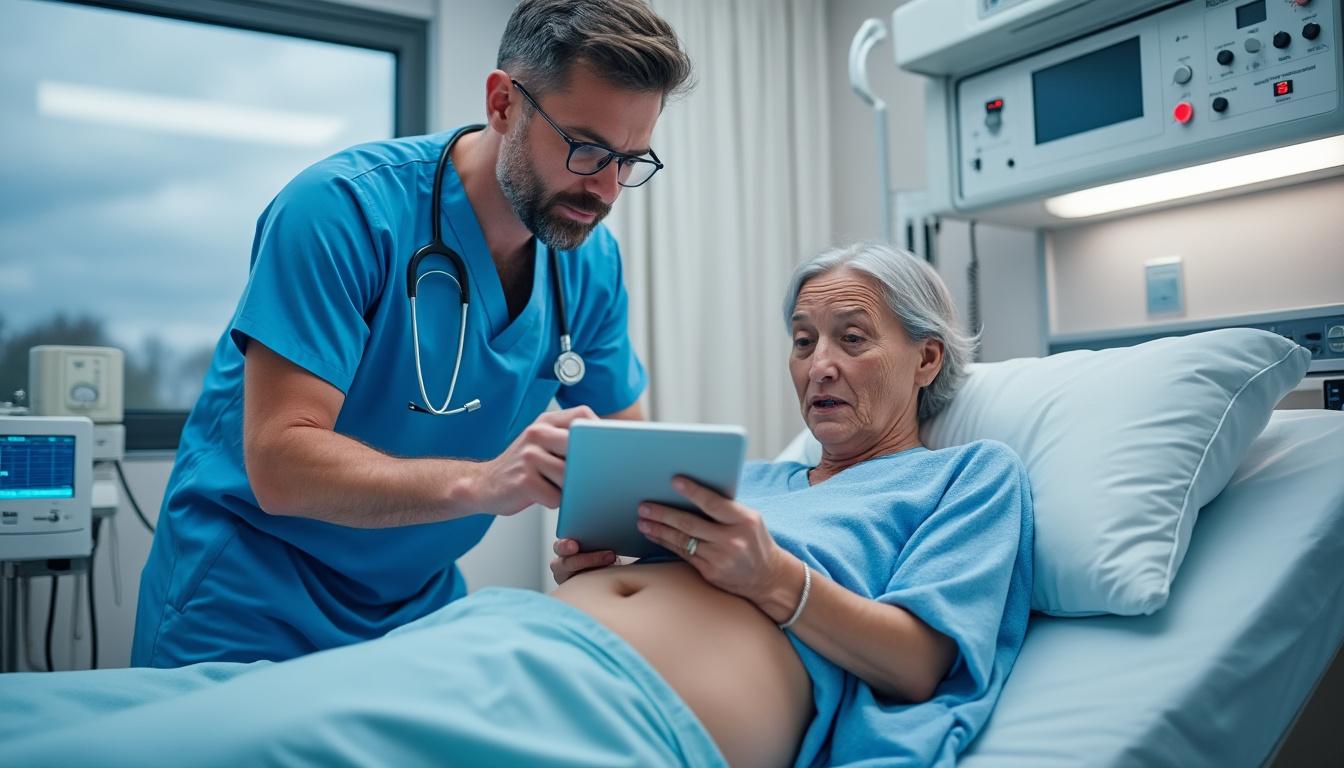

The Stepwise Role of Functional Recovery in Achieving Successful Outcomes
The journey to full recovery following spinal surgery is often complex and multifaceted, demanding a meticulously structured approach to ensure optimal functional outcomes. In recent years, the concept of functional recovery through a stepwise approach has garnered significant attention in…
Early Detection and Prevention of Surgical Complications Through Continuous Monitoring
Back surgery entails inherent risks, including infections, neurological impairments, and thromboembolic events. However, post-operative continuous monitoring significantly diminishes these risks by facilitating prompt identification and management of complications. Telemetry and wearable sensors provide clinicians with near real-time data on vital signs, movement patterns, and neurological status, enabling early alerts to emerging issues.
For instance, postoperative infections often manifest through subtle changes in temperature, heart rate, or localized inflammation before clinical signs become apparent. Continuous telemetry systems alert healthcare teams to these early markers, triggering timely antibiotic interventions and preventing severe sequelae. Similarly, neurological complications such as nerve conduction deficits or motor weakness can be detected through systematic neurofunctional assessments supported by digital platforms.
Moreover, the psychological dimension, including post-surgical depression or anxiety, is increasingly recognized as a surgical complication affecting recovery quality. Integrating mental health monitoring technologies within post-operative care pathways ensures comprehensive attention to the patient’s well-being and hastens rehabilitation.
Implementing structured complication screening schedules includes:
- Regular remote evaluation of wound integrity and inflammation;
- Continuous telemetry of cardiovascular and respiratory parameters;
- Neurological examination through wearable devices and patient-reported outcomes;
- Psychological well-being assessments via teleconsultations.
| Complication Type | Early Sign(s) | Monitoring Strategy | Intervention |
|---|---|---|---|
| Infection | Elevated temp, swelling | Telemetry, wound imaging | Antibiotics, drainage |
| Neurological Deficit | Sensory/motor changes | Neurofunctional tests, wearable sensors | Neurosurgeon evaluation, rehab |
| Thromboembolism | Leg swelling, pain | Circulatory telemetry, symptom reporting | Anticoagulants, mobilization |
| Psychological Disorders | Depression, anxiety | Psychological screening, telehealth | Therapeutic counseling, neuromodulation |
Numerous clinical investigations echo that continuous post-operative monitoring and early detection of adverse events remain cornerstone approaches for improving survival rates and quality of life post-back surgery. The synergy between innovative telemetry platforms and personalized clinical interventions offers unparalleled benefits in preventing severe outcomes, as highlighted in recent studies examining continuous vital sign monitoring for surgical patients.

Transatlantic Patient Journey: Insights into Indications, Benefits, and Challenges
The emergence of the Transatlantic Patient Journey as a strategic model within healthcare continues to capture attention for its innovative potential, especially in specialized fields such as spinal surgery. This cross-border care pathway integrates rigorous medical evaluation from Quebec with…
Role of Pain Management and Neuromodulation Techniques in Enhancing Clinical Outcomes
Effective pain management post-back surgery is indispensable for patient satisfaction, adherence to rehabilitation, and overall recovery success. Traditional pharmacological approaches are increasingly complemented by neuromodulation strategies, such as repetitive transcranial magnetic stimulation (rTMS), which modulate cerebral circuits related to pain perception and emotional regulation.
A primary challenge in managing post-operative spinal pain involves neuropathic components and chronic syndromes like post-laminectomy pain syndrome. These conditions frequently resist conventional analgesics and contribute to prolonged disability. Implementing rTMS offers a non-invasive, drug-free avenue to mitigate these symptoms by adjusting cortical excitability and dampening maladaptive pain processing pathways.
Furthermore, neuromodulation supports psychological resilience by alleviating post-surgical depression and anxiety, factors that have a documented detrimental effect on recovery kinetics. Alongside rTMS, sensory neuromodulation devices such as BrainPort or PoNS enhance neurofunctional recovery by improving motor coordination and sensory integration, constituting integral tools within comprehensive rehabilitation programs.
- Use of rTMS for chronic post-op neuropathic pain;
- Implementation of sensory neuromodulation to improve motor function;
- Adjunct psychological therapy facilitated by neuromodulation;
- Reduction in opioid use and potential side effects;
- Integration with physiotherapy and occupational therapy protocols.
| Neuromodulation Application | Target | Clinical Benefit |
|---|---|---|
| rTMS | Neuropathic Pain, Depression | Reduced pain sensation, improved mood |
| BrainPort/PoNS | Motor Coordination | Enhanced neuroplasticity, improved function |
| Combined Approach | Pain & Psychological Recovery | Accelerated convalescence, patient satisfaction |
These advancements represent an important step towards personalized medicine in spinal surgery aftercare, addressing the multifaceted needs of patients and optimizing outcomes beyond the surgical intervention alone. The integration of these novel approaches is well documented in recent clinical reviews and practice guidelines.
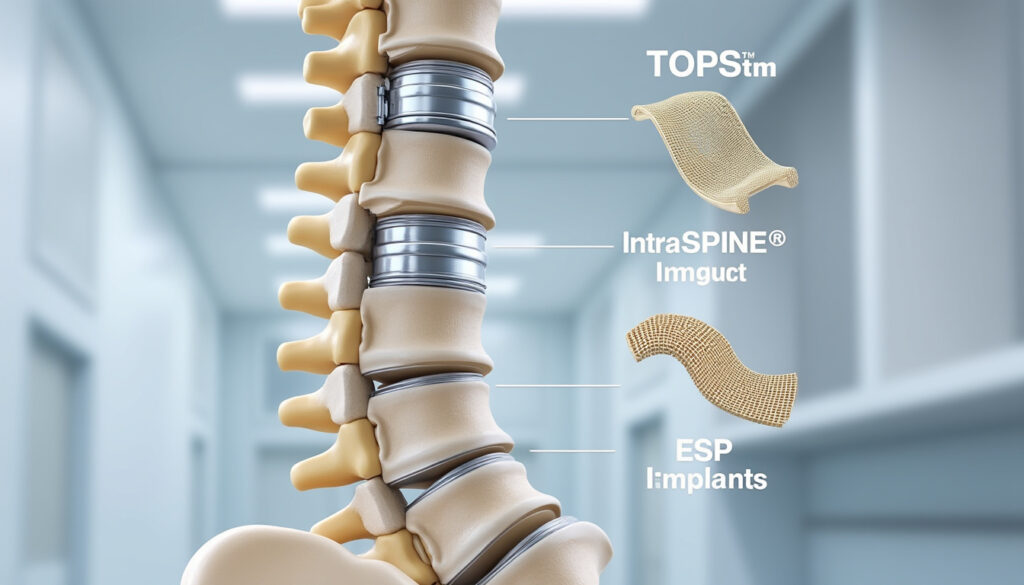
The evolving field of spinal surgery is witnessing a transformative shift, fueled by cutting-edge implant technologies such as TOPS, Intraspine, and ESP. These innovative implants redefine treatment possibilities by emphasizing preservation of natural spinal mechanics, while ensuring durable stabilization and…
Integration of Advanced Telemetry and AI in Personalized Post-Operative Rehabilitation
The development of sophisticated telemetry systems paired with artificial intelligence (AI) is revolutionizing post-operative rehabilitation for patients undergoing back surgery. AI-driven pattern recognition and predictive analytics allow clinicians to anticipate adverse events and tailor therapy proactively, significantly improving clinical outcomes.
Remote monitoring devices capture continuous streams of physiological data such as heart rate variability, movement range, and respiratory patterns. AI algorithms analyze these parameters in real-time, identifying early deviations that may signify emerging complications or suboptimal recovery progress. Such insights enable interventions before symptoms escalate, optimizing resource allocation and enhancing patient safety.
Clinical platforms integrating multi-source data enhance communication among multidisciplinary teams, bridging geographical gaps particularly relevant in transatlantic care pathways between Canadian and French healthcare providers. This interconnected approach supports dynamic adjustments in rehabilitation intensity and pain management protocols aligned with the patient’s evolving condition.
- Continuous biometric data collection;
- Real-time AI pattern recognition;
- Customized rehabilitation plans based on data-driven insights;
- Facilitation of remote consultations and patient engagement;
- Reduction in hospital readmissions through early intervention.
| Technology Component | Function | Impact on Clinical Care |
|---|---|---|
| Telemetry Devices | Continuous vital sign monitoring | Early detection of complications |
| AI Analysis | Pattern recognition, predictive analytics | Personalized rehabilitation adaptations |
| Multi-Source Data Platform | Integration of clinical, rehab, and patient-reported data | Enhanced multidisciplinary communication |
These technologies underpin the shift towards more proactive and personalized post-operative care paradigms, enabling better outcomes and patient empowerment. For more comprehensive insights, the transformative impact of AI-driven continuous monitoring on personalized post-operative rehabilitation has been discussed thoroughly in recent expert analyses.
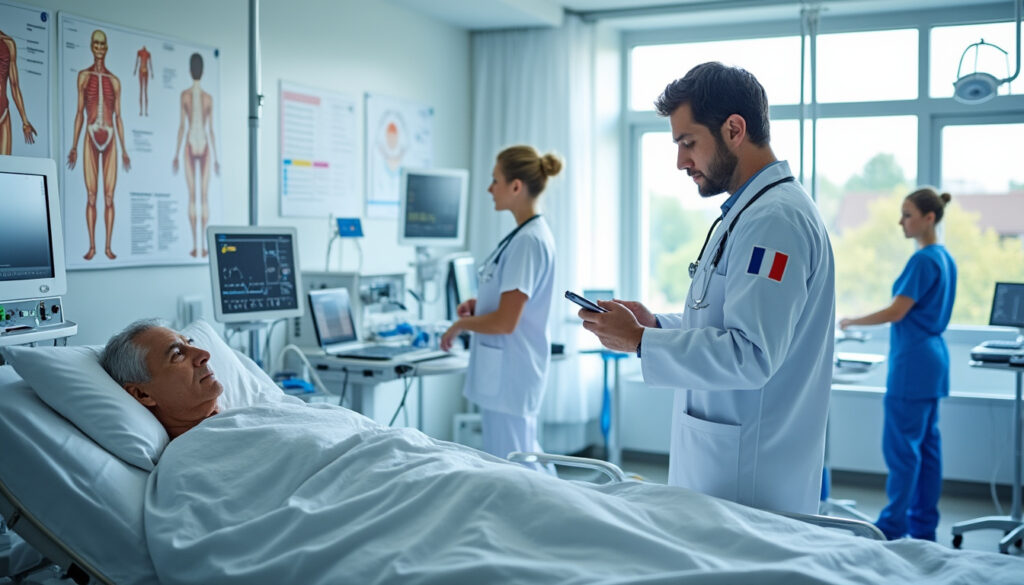
Preparing for Surgery in France: Key Indications, Benefits, and Limitations
In an evolving global healthcare landscape, France emerges as a beacon of advanced surgical expertise, particularly attracting international patients seeking expedited and innovative medical interventions. Patients from regions experiencing long wait times, such as Quebec, increasingly view France as an…
Multidisciplinary Coordination in Transatlantic Back Surgery Care Enhances Clinical Outcomes
International collaboration has become an integral feature of back surgery care, with patients from Quebec increasingly seeking treatment in France for the specialized expertise available. This transatlantic approach demands seamless coordination among surgical teams, rehabilitation centers, and support organizations to sustain continuity of care and optimize clinical outcomes.
Neurothérapie Montréal plays a central role in this continuum by providing tailored post-operative monitoring, neuromodulation therapies, and psychological support within the Quebec healthcare setting. This is harmonized with French surgical providers organized by agencies such as Franchir and supported administratively by SOS Tourisme Médical to ensure patients receive comprehensive preoperative preparation, informed consent, and follow-up without interruption.
Coordinated care pathways typically include:
- Preoperative evaluation and optimization;
- Organized logistics and communication between international teams;
- Telehealth-based post-operative follow-up and rehabilitation;
- Centralized pain and psychological management protocols;
- Continuous outcome assessment to inform clinical decisions.
| Stage of Care | Responsible Entity | Objective |
|---|---|---|
| Preoperative Assessment | Dr. Sylvain Desforges & TAGMED | Comprehensive evaluation and conservative management |
| International Surgery Coordination | Franchir | Logistics, surgeon selection, accommodation |
| Patient Support | SOS Tourisme Médical | Administrative guidance and information |
| Postoperative Monitoring | Neurothérapie Montréal | Rehabilitation, pain control, psychological care |
This multidisciplinary synergy exemplifies how bridging healthcare systems across continents can result in smoother patient journeys, fewer complications, and enhanced satisfaction. The model provides an elegant solution to the inherent challenges of cross-border medical experiences, ensuring no disruption in quality care, as explored in the comprehensive framework for post-operative follow-up enhancing clinical outcomes.

Unveiling the Hidden Benefits of Quality and Certification in Devices
The landscape of device manufacturing and clinical application in 2026 has been fundamentally shaped by the rigorous interplay between quality management and certification processes. Within this complex framework, the hidden benefits of adhering to international standards and obtaining relevant certifications…
Customizing Recovery Timelines and Rehabilitation for Optimal Results
Recovery after back surgery is a dynamic process that varies widely depending on the type of surgical intervention and the patient’s baseline health. Adopting a customized timeline and rehabilitation strategy is crucial for maximizing clinical outcomes and minimizing setbacks.
Critical elements in customizing recovery schedules include physiological healing rates, the extent of surgery, and functional demands of the patient’s daily life or occupation. Early mobilization protocols after simple surgery favor rapid return to light activities, while complex fusion surgeries benefit from gradual progression through immobilization phases and staged physiotherapy.
Implementing clear activity milestones prevents premature strain on healing tissues and supports mental reassurance, fostering patient engagement and compliance. For example, walking is typically initiated within 24 to 48 hours post-simple decompression, whereas strict immobilization may be warranted after spinal fusion. Return to sports and heavy work generally occurs months later and is often guided by objective functional assessments and neuromodulation-assisted reinforcement.
Common recommended recovery phases include:
- Early Movement and Light Activity: Initiated within the first 2 days post-op to support circulation and inflammation control;
- Return to Sedentary Work: Typically between 4 to 8 weeks, adjusted to patient capacity and job demands;
- Return to Physical Work: Delayed until at least 3 months post-op, with neuromodulatory support to address neuropathic pain;
- Resumption of Light Sport: Often allowed around 3-6 months, based on pain and functional recovery;
- High-Impact Activities: Postponed up to one year, especially after fusion surgeries.
| Activity | Recommended Timing | Clinical Rationale |
|---|---|---|
| Walking and Light Activities | 24-48 hours post-op | Reduce venous stasis and inflammation |
| Sedentary Work | 4-8 weeks | Allow healing with minimal strain |
| Physically Demanding Work | 3+ months | Ensure structural integrity and pain control |
| Light Sports | 3-6 months | Restore mobility and muscle strength |
| High-Impact Sports | 6-12 months | Prevent mechanical failure and complications |
This stage-wise recovery model, supported by neuromodulation and consistent clinical monitoring, enhances functional independence and quality of life. Patient education is integral to this process, with emphasis on understanding convalescence phases which improves adherence and reduces anxiety. Detailed discussions on recovery timing and support are available in resources addressing post-operative rehabilitation strategies for back surgery patients.
Timeline: Post-Operative Monitoring After Back Surgery
Why Experts Advocate for Comprehensive Preoperative Evaluations
In the complex and demanding field of spinal surgery, the emphasis on comprehensive preoperative evaluations has become a fundamental pillar supporting successful surgical outcomes. These evaluations, far beyond mere routine checks, integrate detailed analyses of patient health, surgical risk assessments,…
Patient Education and Psychological Support as Pillars of Post-Operative Care
Beyond physical and neurological monitoring, patient education and psychological well-being are essential components of post-operative care that significantly influence clinical outcomes. Anxiety, depression, and lack of understanding regarding recovery often hinder progress. Therefore, comprehensive educational initiatives and emotional support enhance patient resilience and engagement.
Educational programs inform about surgical procedures, expected recovery timelines, pain management options, and warning signs requiring attention. Reinforcing this knowledge reduces postoperative stress and empowers patients to actively participate in their recovery journey. Psychological interventions, combined with neuromodulation, support mental health, addressing common issues encountered after back surgery including postoperative depression.
Effective strategies for psychological care include:
- Routine screening for mood disorders during recovery visits;
- Individualized counseling or psychotherapy sessions;
- Integrating supportive neuromodulation treatments such as rTMS;
- Providing peer support groups and resources;
- Encouraging caregiver involvement to foster a supportive home environment.
| Educational/Psychological Intervention | Focus | Benefit to Patient |
|---|---|---|
| Preoperative Information | Understanding surgery and recovery phases | Reduced anxiety and improved compliance |
| Mood Disorder Screening | Early identification of depression/anxiety | Timely psychological intervention |
| Neuromodulation Support | Enhance mood and pain control | Improved rehabilitation outcomes |
| Peer Support Groups | Shared experience and encouragement | Increased motivation and adherence |
| Caregiver Engagement | Home environment support | Faster recovery, reduced complications |
Recognizing psychological factors and integrating education within post-operative programs represent a holistic evolution in back surgery management promoting patient-centered care. This area is increasingly highlighted in literature outlining comprehensive patient care frameworks, which corroborate the essential role of psychology alongside physical rehabilitation in spinal surgery recovery.
The Future of Surgery Lies in Stepwise Functional Recovery
The evolution of surgical care in 2026 reveals a compelling shift toward approaches that prioritize the holistic recovery of patients, moving beyond traditional metrics like length of hospital stay or mortality rates. This modern paradigm highlights the principle that the…
Cutting-Edge Surgical Advances Complementing Post-Operative Monitoring
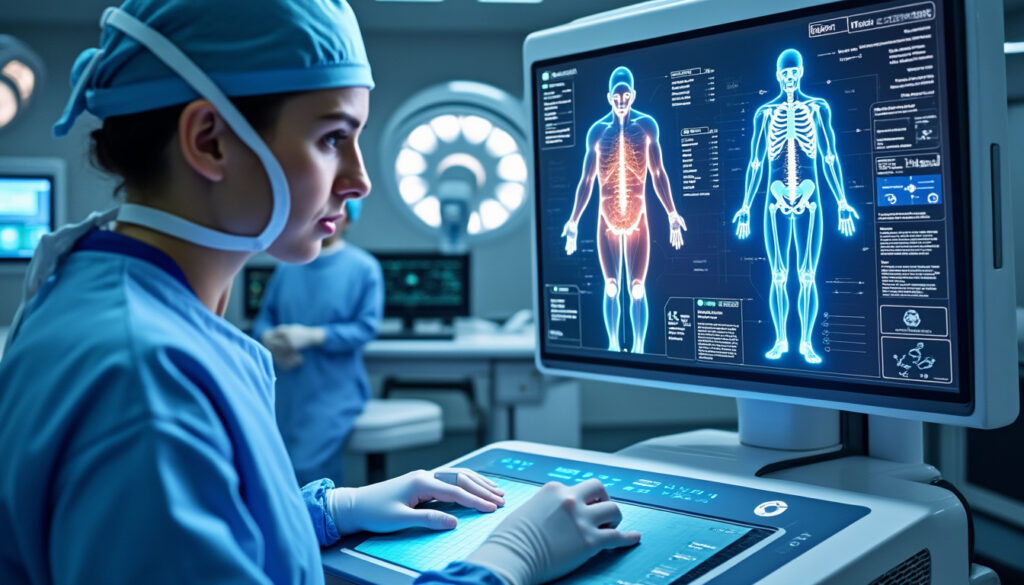
Technological innovations in spine surgery in 2025 dramatically complement post-operative care by minimizing surgical trauma and expediting recovery. Minimally invasive techniques, robot-assisted procedures with 3D imaging, and dynamic stabilization devices revolutionize operative precision and patient comfort.
The widespread adoption of these advances reduces the extent of tissue disruption, postoperative pain, and infection risk, directly influencing the ease and trajectory of post-operative monitoring. For instance, robotic navigation platforms supported by FDA clearance streamline implant placement and minimize human error, creating a robust foundation for optimized healing.
Examples of such technologies include:
- Robotic-assisted minimally invasive spine surgery;
- 3D printed vertebral implants tailored to patient anatomy;
- Dynamic interlaminar stabilization devices such as IntraSPINE;
- Endoscopic spine techniques reducing incisional size and blood loss.
| Technology | Impact on Surgical and Post-Operative Care | Clinical Benefit |
|---|---|---|
| Robotic-Assist Platforms | Enhanced precision, reduced operative time | Faster recovery, fewer complications |
| 3D Printed Implants | Custom fit and biocompatibility | Improved fusion rates, better function |
| Dynamic Stabilizers (IntraSPINE) | Preserve motion, reduce adjacent segment disease | Enhanced long-term functionality |
| Endoscopic Spine Surgery | Minimally invasive access | Lower pain, faster mobilization |
These cutting-edge interventions dovetail perfectly with comprehensive post-operative monitoring strategies to deliver superior clinical outcomes and patient satisfaction. The benefits of minimally invasive surgery in reducing postoperative pain and preserving mobility have been outlined in focused studies.
What are the key protocols in post-operative monitoring after back surgery?
Key protocols include regular medical follow-up, proactive pain management, tailored physical rehabilitation, and psychological support to maximize recovery.
How does repetitive transcranial magnetic stimulation (rTMS) assist recovery after back surgery?
rTMS modulates brain activity linked to pain perception and mood disorders, aiming to reduce pain sensation and bolster psychological resilience for a faster and more durable recovery.
What duration of follow-up is typically recommended for patients undergoing back surgery?
Follow-up periods vary from several months up to more than a year depending on the specific surgery performed, ensuring ongoing care adaptations to support full healing.
How is post-operative care coordinated between Canadian and French healthcare providers?
Through integrated collaboration among Neurothérapie Montréal, Franchir, SOS Tourisme Médical, and French surgeons, patients benefit from seamless care transitions, regular teleconsultations, and continuous monitoring.
What are the best approaches to managing post-operative pain?
Besides pharmacological treatments, pain management includes neuromodulation, relaxation techniques, and progressive activity resumption, with personalized adjustments based on patient progress.