Can Quality and Certification of Medical Devices Help Avoid Surgery?
October 27, 2025
Non-Surgical Cervical Disc Herniation Care in Blainville
October 27, 2025
The post-operative journey following spine surgery is pivotal for ensuring lasting clinical success and restoring patients’ quality of life. This phase, especially complex when involving international medical pathways such as patients from Quebec undergoing procedures in France, transcends the surgical intervention itself. It requires a meticulously coordinated, integrated, and personalized approach to recovery management. Among the leading experts in this domain is Philippe Mazaltarim, director at Neurothérapie Montréal and a specialist in advanced neuromodulation techniques like repetitive transcranial magnetic stimulation (rTMS). His involvement highlights how innovative medical technology combined with empathetic patient support drastically enhances post-surgical rehabilitation. The latest research underscores crucial protocols that optimize physical healing, pain control, and psychological well-being, reinforcing the indispensable bond between medical centers across borders.
As spine surgery techniques advance with contributions from companies such as Medtronic, NuVasive, and DePuy Synthes, the significance of robust post-operative care becomes more evident. Enhanced recovery strategies now integrate pharmacological management, physical therapy, and novel neuromodulation therapies, offering a multifaceted recovery path. This dynamic interaction between surgical innovation and post-operative care is shedding light on new standards that promise improved outcomes for spine surgery patients globally.
Comprehensive Stages of Post-Operative Care After Spine Surgery: An In-Depth Overview
Recovery after spine surgery is a multifaceted process that extends over several months to years, depending on the specific technique employed—be it simple decompression, motion-preserving surgery, or spinal fusion. Understanding the post-operative phases is critical to tailoring effective interventions that address individualized patient needs and facilitate timely functional restoration.
Initial Hospitalization and Pain Management
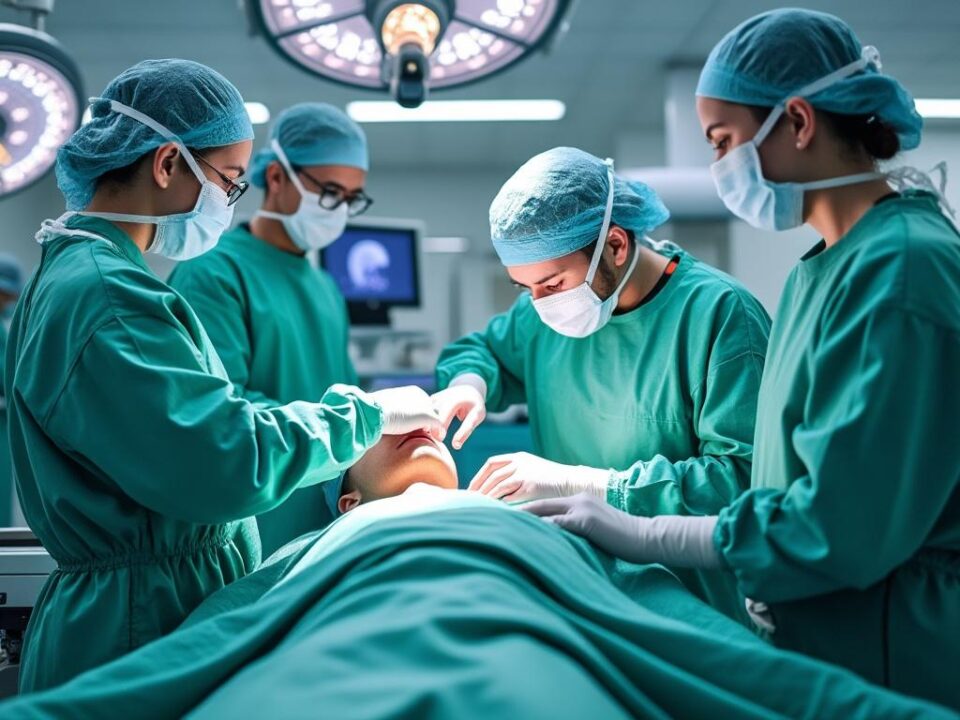
The immediate post-surgical period focuses on controlling acute pain, preventing complications such as infections or deep venous thrombosis, and encouraging early mobilization. For lumbar fusion surgeries, for example, medical teams diligently monitor osseous consolidation while promoting assisted ambulation as early as possible to prevent deconditioning.
- Daily clinical evaluations emphasizing neurological signs and potential post-operative issues
- Customized pharmacologic pain protocols utilizing multimodal analgesia, often involving medications from providers like Stryker and Baxter
- Supervised early mobilization aiming to regain basic locomotion without surgical site strain
- Rigorous infection surveillance including wound inspection and temperature monitoring
Progressive Mobilization and Rehabilitation Phase
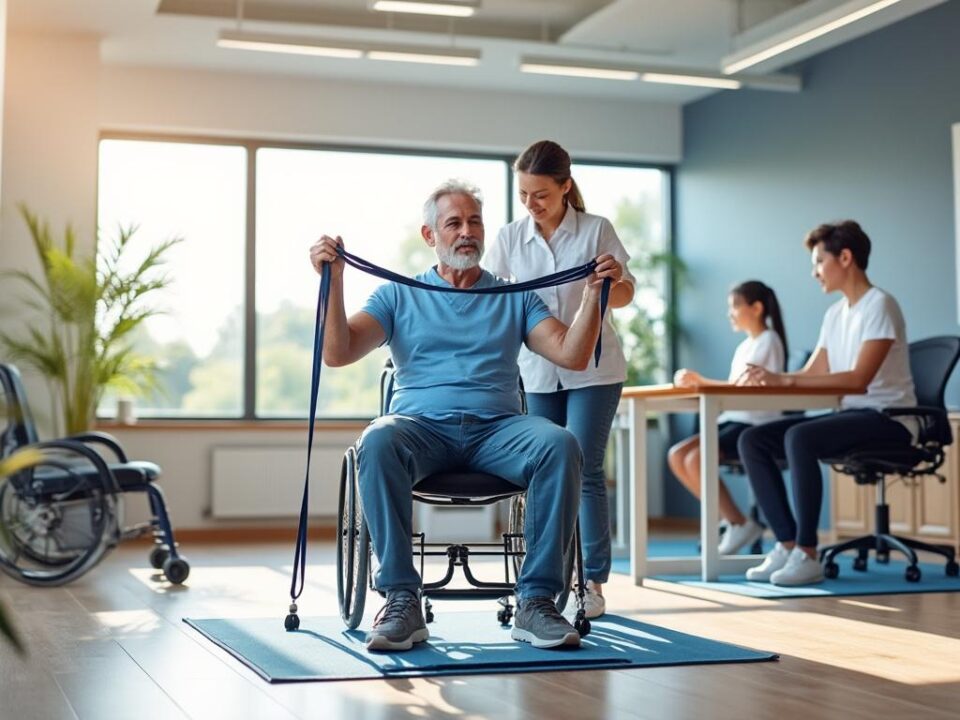
Following hospital discharge, a critical 2-8 week window assesses the patient’s gradual physical recovery, highlighting the transition towards independent gait and functional activities. This phase integrates carefully graded physical therapy supported by centers such as Neurothérapie Montréal, where collaborations with innovative neuromodulation approaches help to prevent neuropathic pain syndromes.
- Daily ambulation without support while maintaining spinal precautions
- Integration of gentle kinesiology exercises focusing on trunk stabilization
- Regular outpatient assessments including neurological and psychological evaluations
- Patient education focused on ergonomic daily movements and injury prevention
Return to Normal Activities and Physical Work
Three months onwards, patients are often counseled on resuming work duties and moderate sports activities corresponding to their recovery progress and surgery type. Utilizing advanced technologies such as Zimmer Biomet’s motion preservation systems can influence rehabilitation pacing. Furthermore, adjunct neuromodulation therapies like those offered by Integra LifeSciences enhance pain modulation and neuroplasticity, facilitating the mental and physical readiness required for activity resumption.
| Surgery Type | Typical Walking Resumption | Light Work Return | Moderate Sports Return |
|---|---|---|---|
| Simple Decompression | 1-3 days | 3-4 weeks | 1-2 months |
| Motion Preservation (Disc Prosthesis) | 1-5 days | 4-6 weeks | 2-3 months |
| Spinal Fusion (Lumbar or Cervical) | 1 day to 1 week | 6-12 weeks | 3-6 months |
Understanding these timelines is vital for designing personalized rehabilitation plans and setting realistic patient expectations to enhance compliance and optimize recovery outcomes.
Can Rehabilitation and Return to Work Prevent the Need for Surgery?
In the constantly evolving landscape of spinal healthcare, patients and practitioners alike grapple with a pivotal question: can the rigorous pathways of rehabilitation and structured return to work reduce or even eliminate the need for surgical intervention? The answer, as…
Neurothérapie Montréal’s Crucial Role in Coordinating Transatlantic Post-Operative Spine Care
The nuanced recovery after spine surgery for patients traveling overseas, such as Quebecois undergoing procedures in France, requires a seamless coordination that defies distance barriers. Neurothérapie Montréal, led by Philippe Mazaltarim, exemplifies this integrative care model by offering advanced neurostimulation alongside traditional rehabilitation methods.
The center specializes in various innovative neuromodulation techniques including repetitive transcranial magnetic stimulation (rTMS), BrainPort, and PoNS systems, which are instrumental in treating persistent neuropathic pain, sensory deficits, and post-operative psychological conditions.
- Preoperative psychological preparation and education addressing expectations and mental health resilience
- Post-operative neurofunctional evaluations vital for monitoring neurological recovery
- Application of non-invasive neuromodulation to reduce neuropathic pain and enhance cortical plasticity
- Close collaboration with French surgical teams via networking platforms such as Franchir to ensure continuity of care
This multi-disciplinary approach extends beyond symptom management to foster holistic well-being, aligning with findings in recent research emphasizing the significance of integrated pain and psychological management protocols after spinal interventions (clinical outcomes of post-op interventions).
| Intervention | Neuromodulation Method | Clinical Benefits |
|---|---|---|
| Post-fusion pain management | rTMS targeting neuropathic pain pathways | Significant reduction in chronic pain intensity, enabling increased activity |
| Motor coordination impairment post-disc surgery | PoNS enhancing sensorimotor pathways | Improved balance and fine motor function |
| Post-operative depression and anxiety | rTMS sessions applied for mood stabilization | Enhanced psychological well-being and social reintegration |
The compelling results underscore the evolving role of centers like Neurothérapie Montréal in shaping a new standard of post-operative spine care integrating technological innovation with personalized patient management.
Exploring the Overlooked Benefits of Spine Surgery in France
Spinal disorders are a significant health concern for many patients worldwide, yet the solutions and benefits of spine surgery often remain underappreciated. France, with its advanced healthcare infrastructure and pioneering surgical techniques, has emerged as a noteworthy destination for patients…
Modern Post-Operative Pain Management Techniques in Spine Surgery Recovery
Effective post-operative pain management remains one of the central challenges in spine surgery recovery. Patients often present with pre-existing chronic pain conditions, compounding the difficulty of control. Advanced protocols are essential for mitigating acute pain and preventing chronic postsurgical pain syndromes.
Recent consensus increasingly supports multimodal analgesia, which leverages pharmacologic agents from companies such as Smith & Nephew and Baxter, combined with complementary non-pharmacologic therapies, including physical therapy and neurostimulation technologies.
- Use of local anesthetics and opioids in a balanced regimen to minimize side effects
- Integration of anti-inflammatory drugs and neuropathic pain agents (e.g., gabapentinoids) early post-op
- Employing rTMS to modulate central pain pathways and reduce neuropathic symptoms
- Incorporating physical therapy focused on gentle mobilization to enhance endogenous pain mitigation
Propelling these innovations, a recent narrative review highlights the pivotal contribution of enhanced recovery after surgery (ERAS) protocols, advancing both acute and chronic pain outcomes (ERAS in spine surgery).
| Modality | Purpose | Examples & Benefits |
|---|---|---|
| Pharmacological Management | Acute & neuropathic pain control | Multimodal analgesia utilizing opioids, NSAIDs, gabapentin |
| Neurostimulation | Neuropathic pain modulation | rTMS, BrainPort used to decrease pain perception and improve functionality |
| Physical Therapy | Functional recovery & endogenous analgesia | Graduated mobilization exercises improve circulation and reduce stiffness post-op |
Cousin Spine Technology and Franchir: Transforming Surgical Decision-Making
In recent years, the integration of advanced medical technologies has dramatically shifted how spinal surgeries are planned, performed, and managed. Among the transformative developments, the alliance between Cousin Spine Technology and Franchir stands out as a pioneering force redefining surgical…
Coordinated International Patient Management: Challenges and Solutions for Transatlantic Follow-up
Patients who undergo spine surgery abroad encounter unique challenges in post-operative management including communication barriers, continuity of care, and logistical constraints. Coordination among health providers from different countries is critical.
The Quebec-France care pathway involves several key partners: Franchir facilitates surgical orientation and logistics in France, SOS Tourisme Médical manages pre- and post-operative administrative guidance, while Neurothérapie Montréal handles distant clinical monitoring and neurofunctional assessments.
- Centralized medical record sharing and appointment scheduling improves care continuity
- Telemedicine platforms used for remote evaluations and personalized follow-up adjustments
- Structured patient education materials provided before and after surgery to empower self-care
- Tight collaboration among multidisciplinary teams minimizing delays and medical errors
Successful models of this pathway demonstrate improved patient satisfaction and recovery rates, as documented in case studies on international backbone care coordination (transatlantic care pathways).
| Partner | Role | Contribution |
|---|---|---|
| Franchir | French Surgical Orientation | Facilitates surgeon selection, hospital coordination, travel arrangements |
| SOS Tourisme Médical | Administrative Assistance | Pre/post-op paperwork, insurance liaison, patient education |
| Neurothérapie Montréal | Clinical Follow-up | Remote neurological assessment, neuromodulation therapy implementation |
Insights from Research on Preventing Post-Laminectomy Syndrome
Post-Laminectomy Syndrome (PLS), a chronic pain condition arising after spinal surgery, remains a formidable challenge in spinal surgery and pain management. Despite advances in surgical techniques, a significant subset of patients continues to experience persistent neuropathic pain and functional limitations,…
Innovative Rehabilitation Pathways Combining Neuromodulation and Therapeutic Exercise
Rehabilitation after spine surgery today surpasses classical physiotherapy techniques through incorporation of neuromodulation, which actively promotes neuroplasticity and modulates pain perception. This integrative model enhances recovery and decreases the incidence of chronic post-op syndromes.
Recent clinical evidence supports the use of supervised, individualized exercise programs in parallel with cutting-edge neuromodulation therapies such as the BrainPort protocol or repetitive transcranial magnetic stimulation. These interventions stimulate neural pathways and improve motor control while addressing neuropathic discomfort.
- Therapeutic exercises aiming at core and paraspinal muscle strengthening
- Neuromodulation for sensory and pain pathway recalibration
- Functional training focusing on balance, gait, and postural control
- Psychological counseling integrated to reduce anxiety and enhance motivation
| Rehabilitation Component | Target | Effectiveness |
|---|---|---|
| Supervised Exercise | Strength, flexibility | Shown to reduce pain and improve function after lumbar surgery (systematic review on exercise) |
| rTMS Neuromodulation | Pain & mood regulation | Effective in neuropathic pain relief and psychological support |
| Balance Training | Postural stability | Enhances gait safety and reduces fall risk |
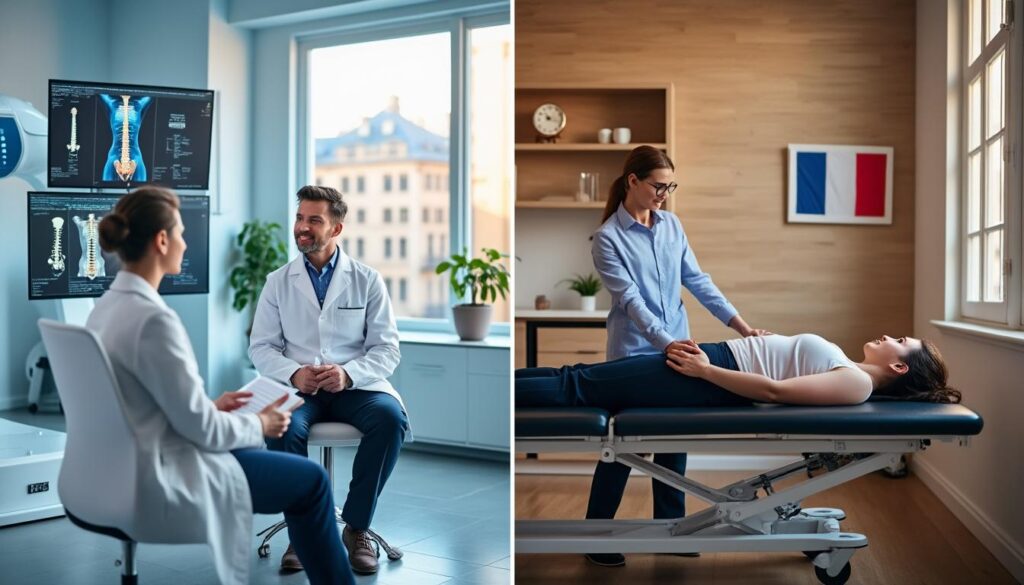
International Comparison: Spotlight on Spine Care Practices Between France and Quebec
The growing emphasis on spine health in Quebec has spotlighted the value of international collaboration in advancing patient care. With the challenges of prolonged wait times and high private care costs in Quebec, France emerges as an attractive alternative, boasting…
Technological Innovations in Spine Surgery and Their Impact on Post-Operative Care
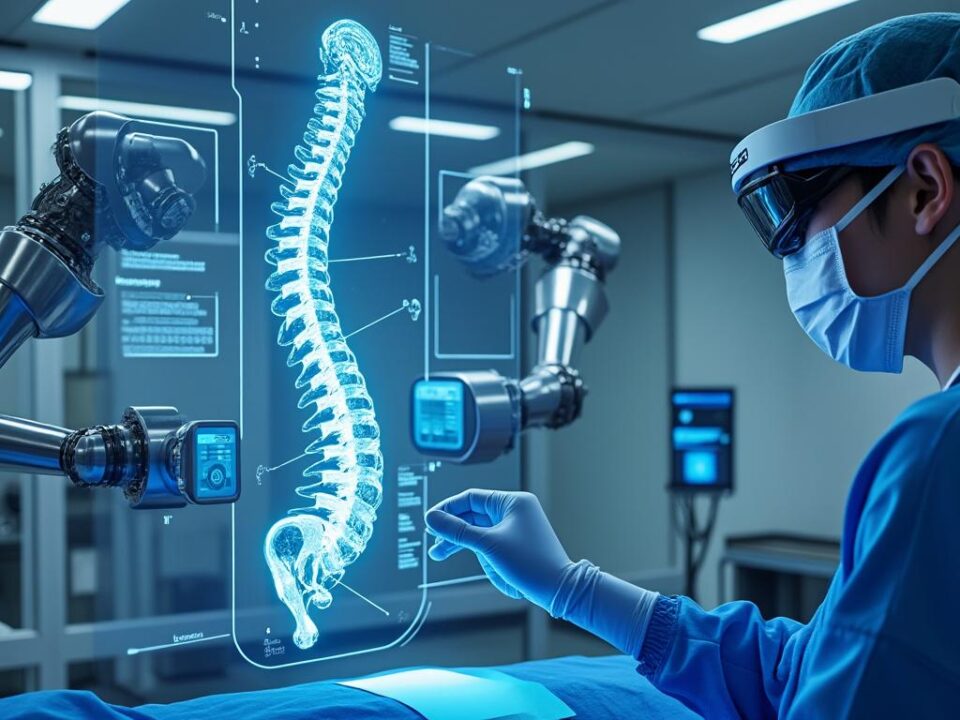
The integration of advanced technologies like robotic assistance, 3D imaging, and personalized implants developed by companies such as Globus Medical, Arthex, and Medtronic is revolutionizing both surgical procedures and subsequent patient follow-up.
The application of robotic navigation and minimally invasive techniques has been proven to reduce operative trauma, lower complication rates, and shorten hospital stays, which in turn streamlines post-operative recovery. Furthermore, customized implants and dynamic stabilization devices support motion preservation, lessening the likelihood of adjacent segment degeneration and facilitating faster functional restoration.
- Robot-assisted spine surgeries enable precision with reduced tissue disruption
- 3D preoperative planning and intraoperative imaging optimize implant placement
- Innovation in dynamic stabilization promotes natural spine biomechanics
- Biomaterial advancements decrease inflammatory responses post-surgery
| Technology | Impact on Surgery | Post-Operative Benefit |
|---|---|---|
| Robotic Navigation (e.g., eCential Robotics) | Enhanced accuracy in screw placement | Reduced reoperation rates, faster recovery times |
| 3D-Printed Customized Implants | Individualized anatomical fit | Improved spinal stability, decreased pain |
| Dynamic Stabilization Devices | Maintain segment mobility | Minimized adjacent segment disease |
| Minimally Invasive Surgery | Less soft tissue damage | Shortened hospitalization, less postoperative pain |
These technological breakthroughs synergize with post-operative protocols to create a comprehensive recovery environment that reflects the latest evidence and surgical innovation principles (robotic assistance advances).
Medical Logistics and Accommodation: Central Pillars in the Patient Care Journey
In the evolving landscape of global healthcare, the interplay between medical logistics and patient accommodation has become a cornerstone for effective and patient-centric care delivery. This synergy is particularly evident in the management of international patient journeys, where cross-border coordination,…
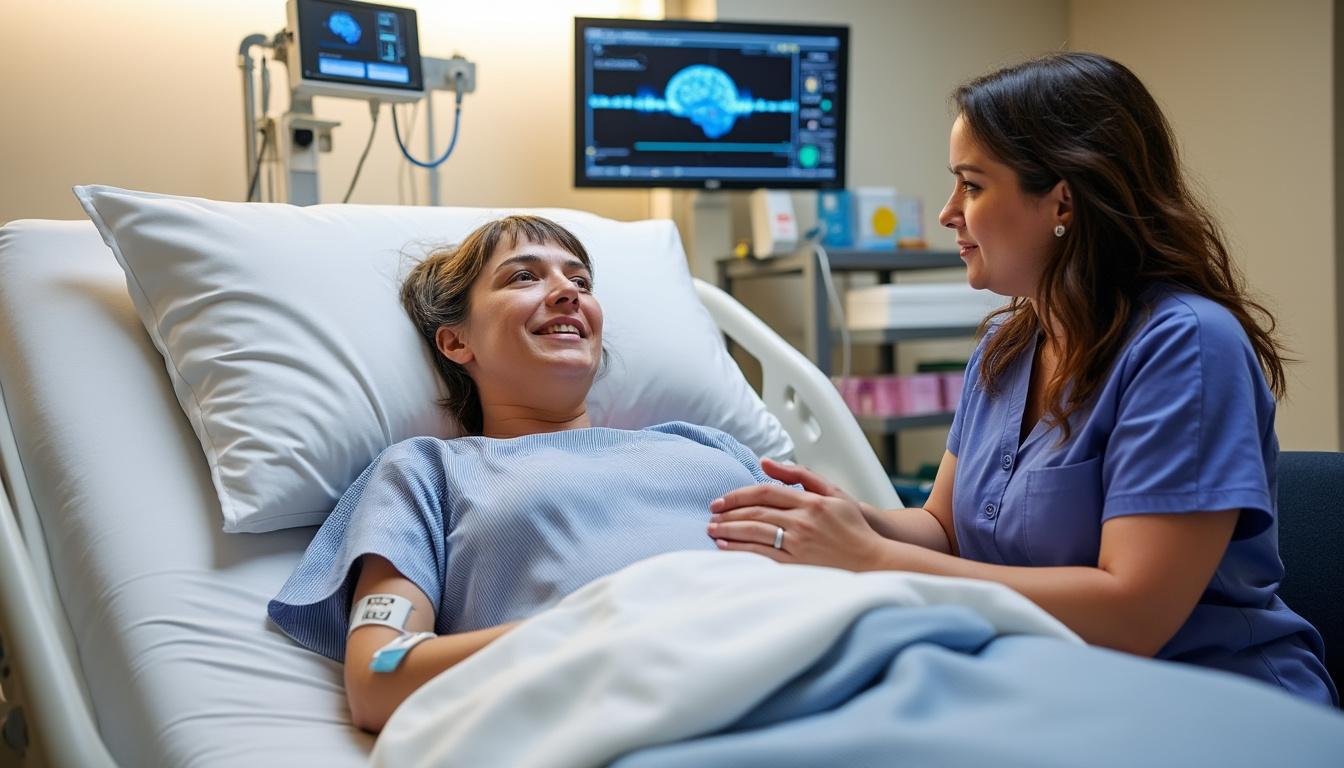
Psychological Dimensions and Support Strategies in Spine Surgery Recovery
Addressing the psychological repercussions of spine surgery and the associated pain is now recognized as a crucial factor influencing postoperative outcomes. Anxiety, depression, and fear of movement (kinesiophobia) can dramatically hinder rehabilitation progress and quality of life.
Therapeutic interventions incorporating psychological support, cognitive-behavioral therapy, and neuromodulation such as rTMS provide avenues to mitigate these barriers effectively. Programs facilitated by professionals at Neurothérapie Montréal demonstrate significant improvements in patient mood stabilization and engagement in physical recovery.
- Routine psychological screening pre- and post-surgery to identify at-risk patients
- Integration of counseling tailored to mitigate surgical anxiety and depressive symptoms
- Utilizing neuromodulation to address mood disorders indirectly related to chronic pain
- Patient education on pain neuroscience to reduce catastrophic thinking and fear avoidance
| Psychological Intervention | Target Symptom | Outcome |
|---|---|---|
| Cognitive-Behavioral Therapy | Anxiety, depression | Improved coping mechanisms and reduced pain catastrophizing |
| rTMS Treatment | Postoperative mood disorders | Enhanced emotional resilience and motivation |
| Patient Education | Fear of movement | Increased adherence to rehabilitation protocols |
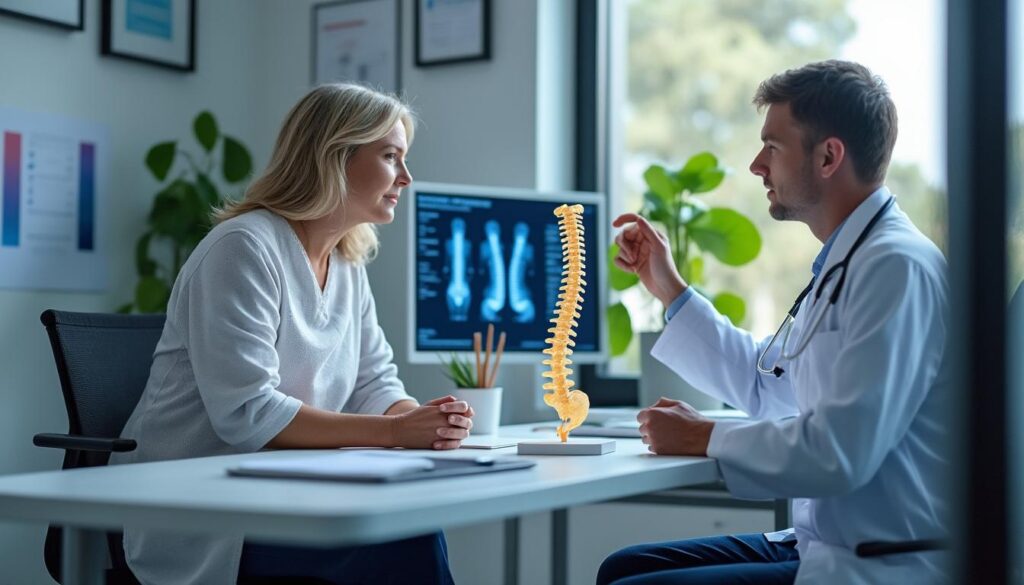
Comprehensive Guide to Eligibility Criteria for Back Surgery
The decision to undergo back surgery involves numerous complex considerations that extend beyond the presence of spinal discomfort. Through an international collaboration between healthcare experts in Quebec and France, patients facing severe spine conditions now have access to advanced surgical…
Common Questions on Effective Spine Surgery Post-Operative Follow-Up
How can patients from Quebec effectively manage their post-operative spine surgery care remotely?
Through coordinated services such as those provided by Neurothérapie Montréal in collaboration with SOS Tourisme Médical and Franchir, patients benefit from integrated telemedicine evaluations, personalized neuromodulation therapies, and continuous clinical support ensuring seamless recovery across continents.
What is the recommended timeline for resuming physical activities after lumbar fusion surgery?
Most patients can consider returning to light work at 6-12 weeks post-op and gradually engage in moderate sports from 3 to 6 months, depending on individual healing and physician guidance.
Is post-operative neuropathic pain common, and how is it managed?
Neuropathic pain can persist after spine surgery but can be effectively managed using advanced therapies like repetitive transcranial magnetic stimulation (rTMS) alongside conventional pain medications.
Are there specific risks associated with spine surgery recovery that patients should be aware of?
Common post-operative complications include infections, neurological deficits, and post-laminectomy syndrome; early detection through regular monitoring is critical to address these promptly.
How does neuromodulation complement traditional rehabilitation after spine surgery?
Neuromodulation enhances neural plasticity and modulates pain pathways, complementing physical therapy and psychological support to optimize functional recovery and reduce chronic pain incidence.
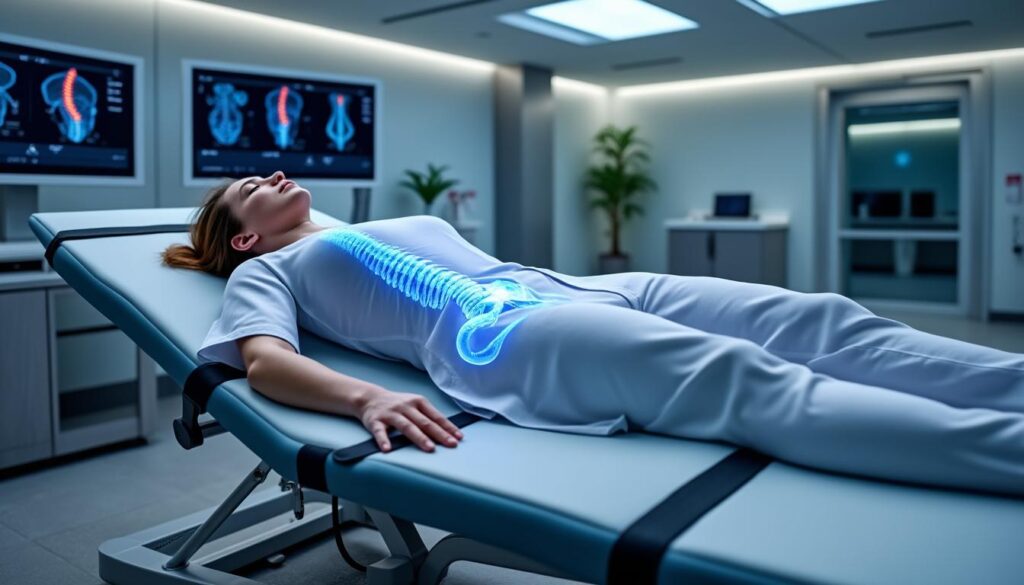
Unveiling the Hidden Benefits of Neurovertebral Decompression Therapy
Chronic back and neck pain remain pervasive health issues impacting millions, often leading to debilitating effects on daily life and overall well-being. Traditional management strategies frequently fall short due to lengthy wait times, high costs, or invasive procedures. Amid this…