
Medical Logistics and Accommodation: Central Pillars in the Patient Care Journey
November 29, 2025
Insights from Research on Preventing Post-Laminectomy Syndrome
November 30, 2025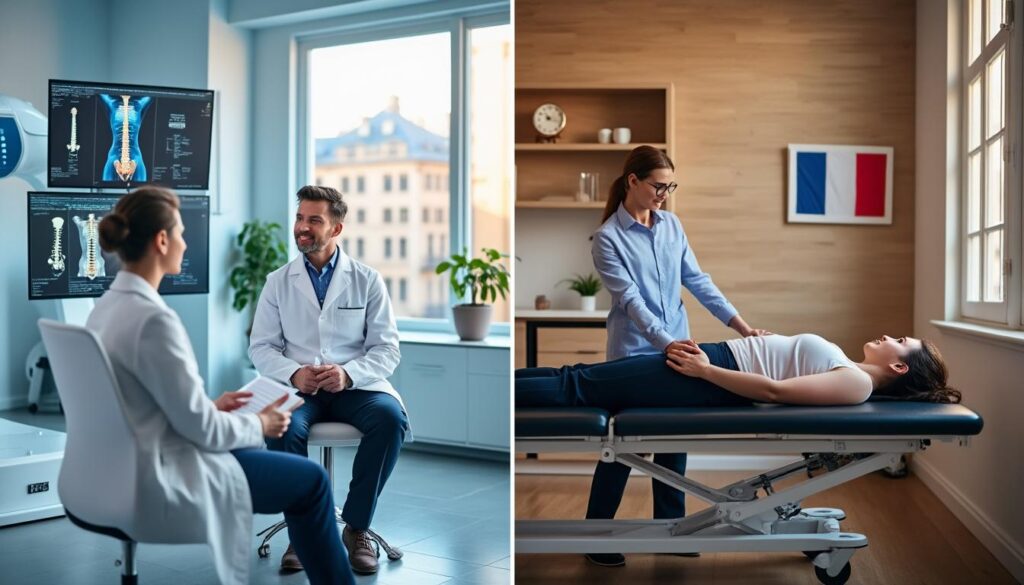
The growing emphasis on spine health in Quebec has spotlighted the value of international collaboration in advancing patient care. With the challenges of prolonged wait times and high private care costs in Quebec, France emerges as an attractive alternative, boasting innovative techniques, structured healthcare organization, and high-quality spinal care. A pioneering transatlantic network, led by Dr. Sylvain Desforges, a veteran expert with over 30 years in spinal disorder evaluation, exemplifies this synergy. This network integrates advanced conservative treatments in Canada, precision surgical interventions in France, and personalized post-operative care upon patients’ return to Quebec. The comparative insights reveal not only organizational contrasts but a dynamic interplay of therapeutic approaches that leverage technology, ethics, and patient-centered education to optimize recovery and empower patients in decision-making.
This exploration uncovers the nuanced distinctions and complementarities between France and Quebec’s spine care systems. France’s robust regulatory framework and fast adoption of innovative implants and robotic surgery contrast with Quebec’s publicly dominated but often fragmented care delivery, which excels in specialized conservative therapies. By unpacking these differences through expert-led collaboration and shared knowledge platforms, healthcare professionals and patients alike gain a comprehensive understanding of how culture, policy, and clinical standards shape spinal care outcomes across borders today.
Comparing Healthcare System Structures: Spine Care Access and Organization in France vs. Quebec
The organizational frameworks of spine care in France and Quebec reflect deep-rooted differences in healthcare governance, impacting patient access, treatment offerings, and system efficiency. France operates a highly centralized healthcare system, with integrated hospital networks coordinated under strict regulations enforced by the Collège des médecins. This oversight ensures rapid integration of medical innovations such as TOPS dynamic implants and advanced robotic techniques, facilitating efficient patient pathways through public and private institutions working collaboratively.
Contrastingly, Quebec’s system, predominately public and less centralized, faces challenges with longer waiting periods for specialist consultations and restricted access to emerging technologies. These factors often compel patients with spinal pain to seek alternative options abroad, especially in France. Quebec’s healthcare ecosystem favors scientific rigor and bilingual care but lacks the cohesive multidisciplinary integration found in France.
- France: Centralized care, rapid innovation adoption, rigorous regulation, multidisciplinary collaboration
- Quebec: Fragmented care, longer wait times, emphasis on advanced conservative treatments, predominantly public providers
| Criteria | France | Quebec |
|---|---|---|
| Care Organization | Centralized, integrated networks | Fragmented, public-centric |
| Innovation Access | Wide availability of dynamic implants, robotic assistance | Limited; focus on neurovertebral decompression |
| Regulation | Strict oversight by medical college | Less centralized regulation |
| Professional Training | Multidisciplinary including osteopathy | Scientific, bilingual approach |
This organizational dichotomy extends to philosophical differences in patient management: France emphasizes integrated, collaborative care involving surgeons, osteopaths, and therapists to provide continuity, while Quebec prioritizes cutting-edge conservative therapies like robotic neurovertebral decompression, often delivered within specialized clinics.
Common pitfalls to avoid in comparing spine care between France and Quebec highlights the challenges inherent in cross-cultural healthcare evaluation, underscoring the need for nuanced interpretation of data across these distinct systems.
Can Rehabilitation and Return to Work Prevent the Need for Surgery?
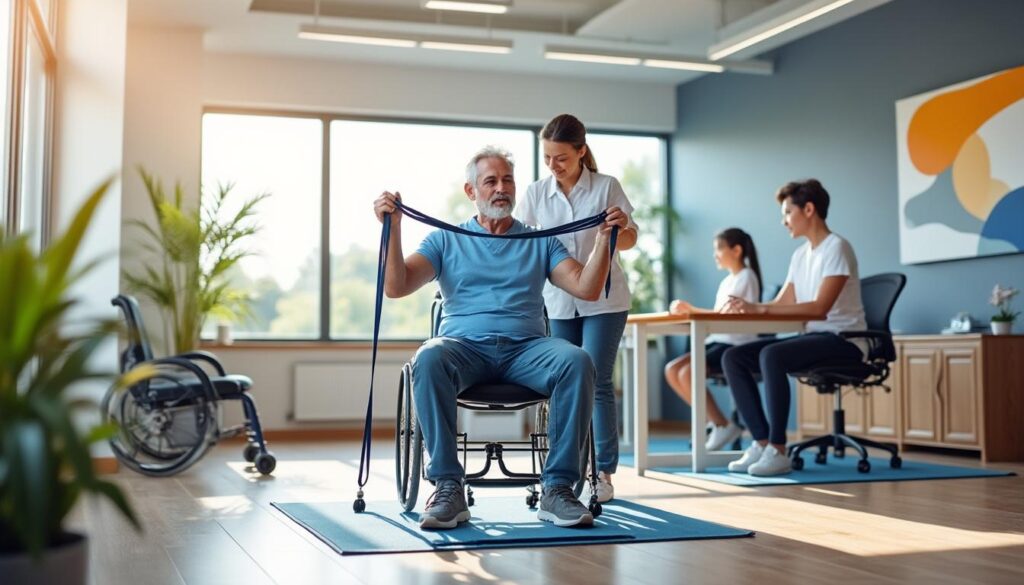
In the constantly evolving landscape of spinal healthcare, patients and practitioners alike grapple with a pivotal question: can the rigorous pathways of rehabilitation and structured return to work reduce or even eliminate the need for surgical intervention? The answer, as…
Innovative Surgical Techniques in France Addressing Quebec Patients’ Spinal Disorders
France distinguishes itself with a broad spectrum of sophisticated spinal surgical options tailored to complex pathologies. The prevailing consensus, as noted by Dr. Sylvain Desforges, advocates for surgery only after exhaustive conservative management lasting 3 to 6 months, ensuring maximal benefit and minimizing unnecessary procedures.
French spinal surgery ranges from minimally invasive interventions such as microdiscectomy, monoportal endoscopic laminectomy, and facetectomy—which are designed to target decompression with minimal patient trauma—to more involved fusion surgeries (arthrodesis) employing advanced implants from leading manufacturers like Cousin Spine and Premia Spine. Additionally, France leads in motion-preserving techniques, using dynamic implants (TOPS, Intraspine) and cervical/lumbar disc prostheses that maintain vertebral mobility and encourage biomechanical restoration.
- Simple surgery: Minimally invasive, quick recovery, for localized lesions
- Fusion surgery (arthrodesis): Stabilizes severe instabilities or deformities
- Motion preservation: Maintains natural spinal movement using dynamic implants
| Surgical Technique | Main Objective | Advantages | Limitations |
|---|---|---|---|
| Simple Surgery (Endoscopy, Microdiscectomy) | Targeted nerve decompression | Minimally invasive, reduced post-operative pain | Limited to simple pathologies |
| Fusion (Arthrodesis) | Spinal stabilization | Effectively corrects deformities, solid fixation | Temporary loss of segmental mobility, prolonged recovery |
| Motion Preservation (Dynamic Implants, Disc Prostheses) | Maintain vertebral mobility | Improved quality of life, natural biomechanics preserved | Selective patient criteria required, intensive follow-up |
French centers also pioneer robotic and 3D imaging guidance integration, endorsed by the Société Française de Chirurgie Rachidienne, enhancing surgical precision and reducing complication rates. This technical edge significantly benefits Quebec patients who undergo surgery in France, representing a bridge toward optimized outcomes unavailable locally.
Global insights comparing simple surgery, fusion, and motion techniques in spine care.
Exploring the Overlooked Benefits of Spine Surgery in France
Spinal disorders are a significant health concern for many patients worldwide, yet the solutions and benefits of spine surgery often remain underappreciated. France, with its advanced healthcare infrastructure and pioneering surgical techniques, has emerged as a noteworthy destination for patients…
Transatlantic Patient Pathways: Coordinated Spine Care Journeys Between Quebec and France
This transatlantic collaboration provides a seamless and personalized spine care continuum for Quebec patients, beginning with an initial evaluation and advanced conservative treatment at Clinique TAGMED in Montreal, where neurovertebral decompression therapy is offered under expert supervision. This phase spans 3 to 6 months to monitor response and inform surgical necessity.
Subsequently, the French-based company Franchir steps in to coordinate surgical appointments with selected French hospitals and expert surgeons, managing logistics including travel and accommodation, alleviating patient burden. Surgery is conducted with cutting-edge techniques and humane care standards in France, followed by patients’ return to Quebec for post-operative rehabilitation at facilities like Neurothérapie Montréal, ensuring continuity and maximizing recovery.
- Initial Assessment and Conservative Care: Clinique TAGMED, Montreal
- Surgical Planning and Logistics: Franchir (France)
- Surgical Intervention: Partnered French surgical centers
- Post-operative Follow-up: Neurothérapie Montréal
| Step | Lead Providers | Objectives | Added Value |
|---|---|---|---|
| Evaluation and Conservative Management | Dr. Sylvain Desforges & TAGMED Team | Optimize non-surgical treatment, avoid premature surgery | Evidence-based, tailored care |
| Orientation and Surgical Logistics | Franchir | Coordinate expert surgeon and hospital selection, travel | Simplifies international care access, reduces stress |
| Surgical Procedure | French Spine Surgeons | Provide surgical care with latest technology | Innovative and precise interventions |
| Post-operative Care & Rehabilitation | Neurothérapie Montréal | Ensure optimal recovery, prevent complications | Personalized rehabilitation, follow-up |
This internationally coordinated pathway highlights the value of cross-border healthcare collaboration, enhancing patient safety, care continuity, and clinical outcomes for complex spinal conditions.
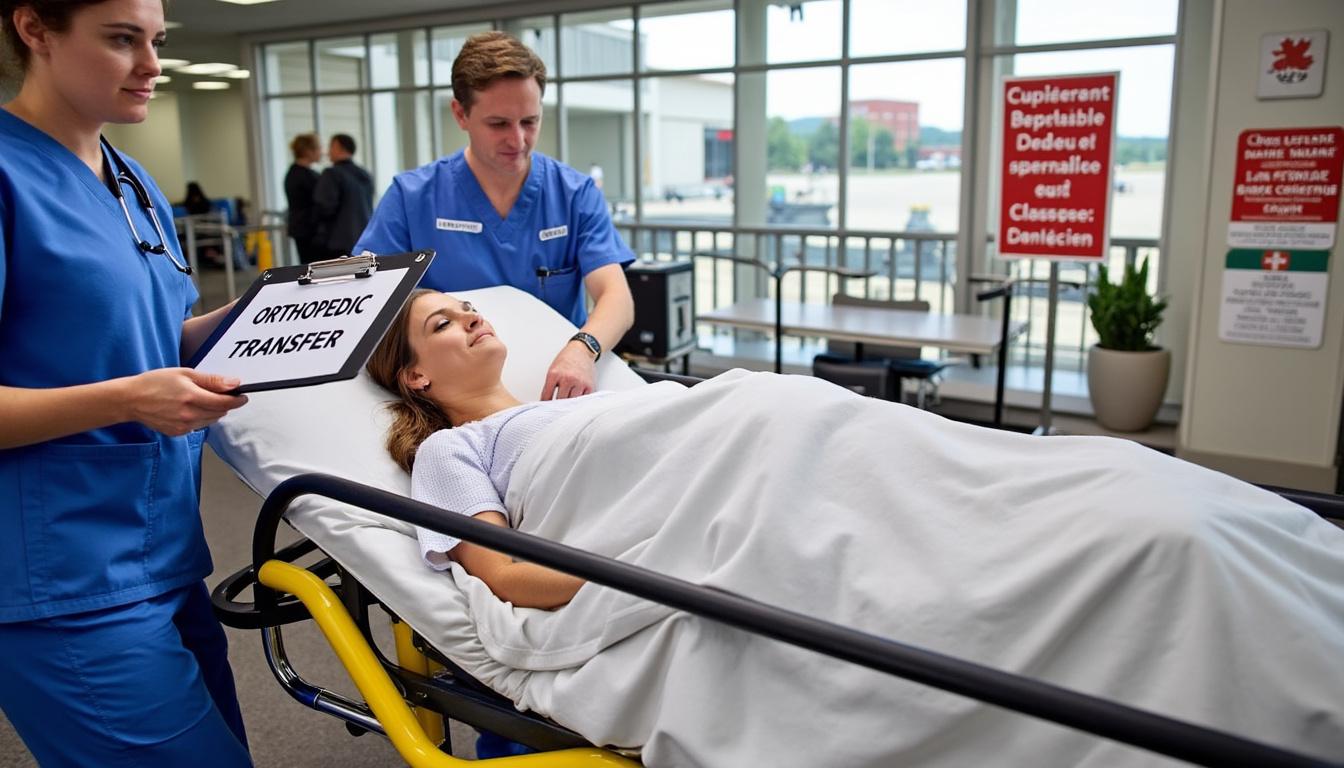
Medical logistics and accommodation central pillars in the patient care journey.
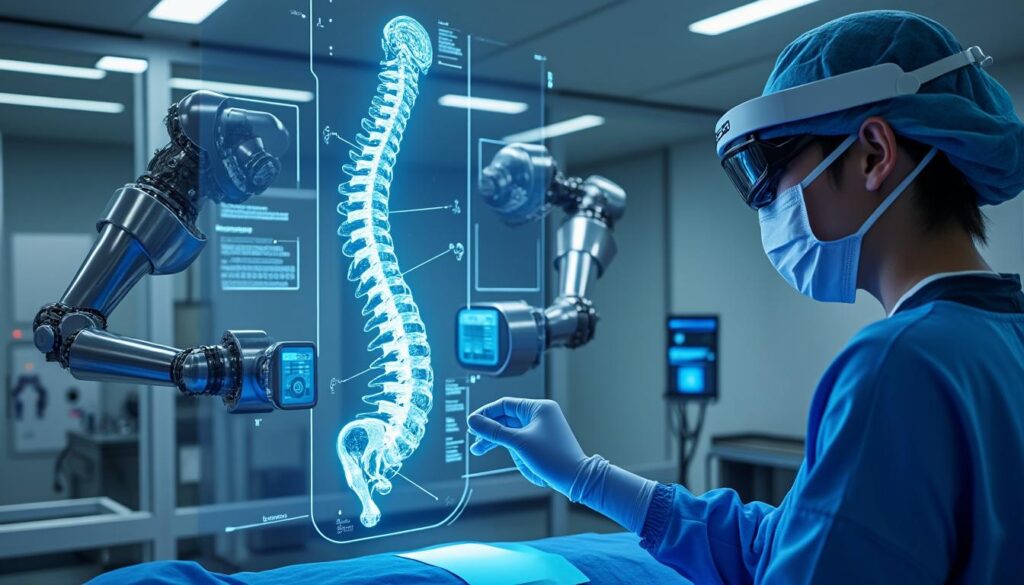
Cousin Spine Technology and Franchir: Transforming Surgical Decision-Making
In recent years, the integration of advanced medical technologies has dramatically shifted how spinal surgeries are planned, performed, and managed. Among the transformative developments, the alliance between Cousin Spine Technology and Franchir stands out as a pioneering force redefining surgical…
Conservative Treatments and Neurovertebral Decompression: Essential Foundations Before Spine Surgery
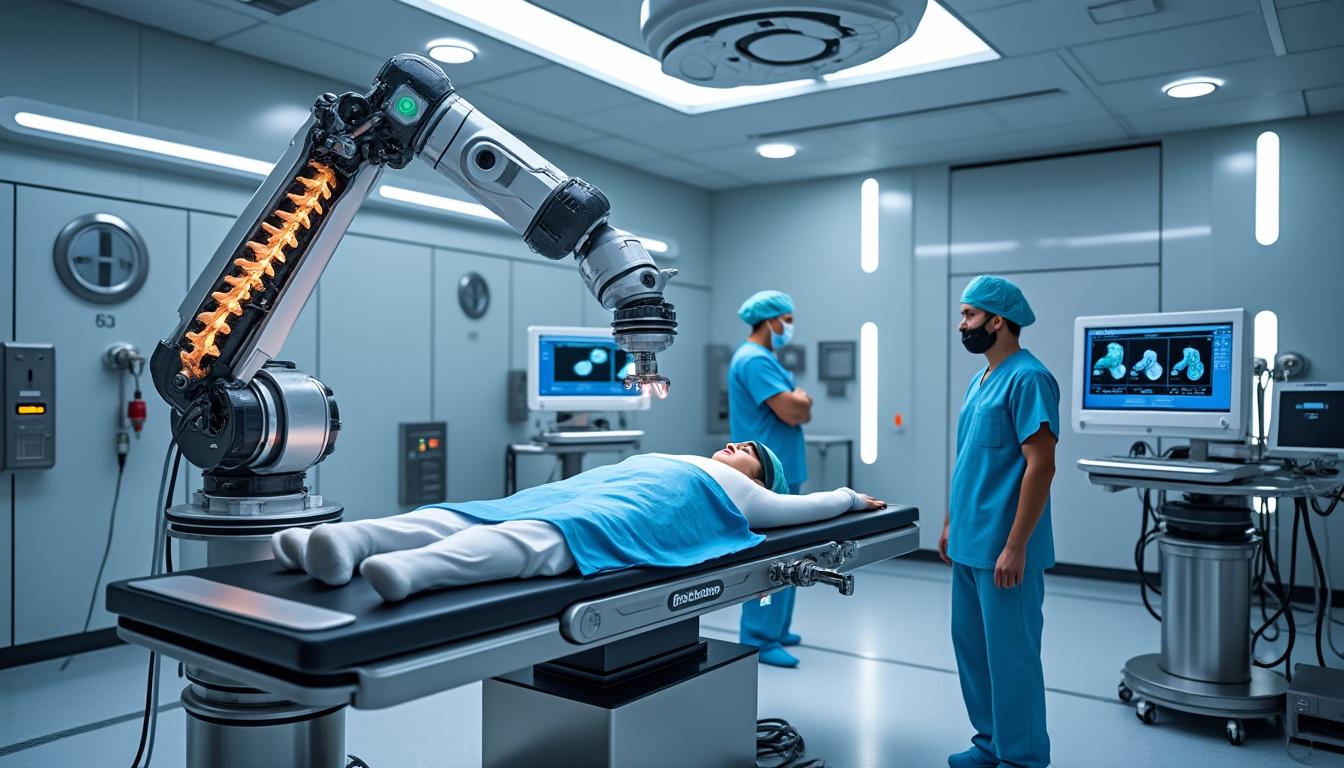
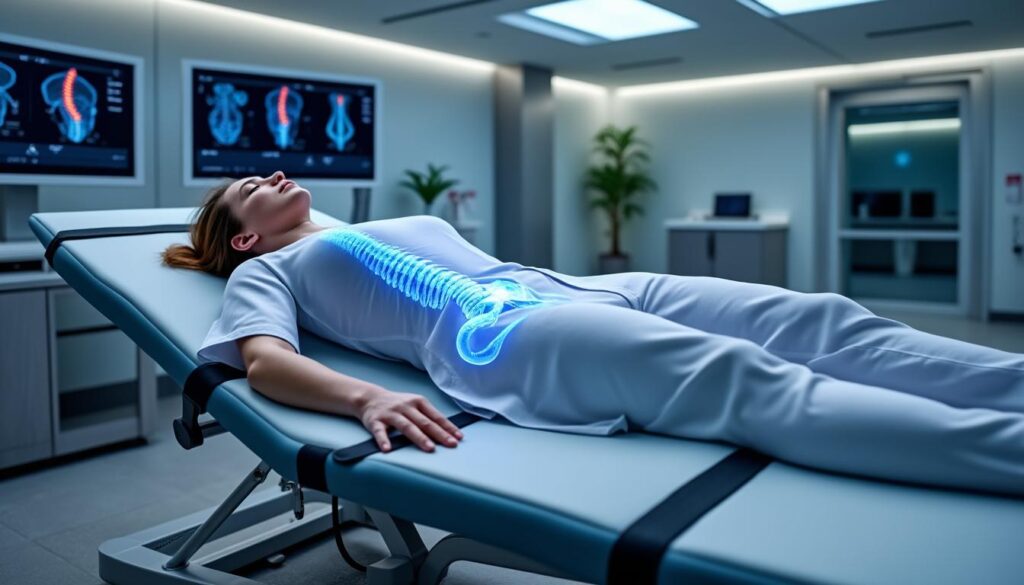
Recognizing the intrinsic risks and complexities of spinal surgery, Dr. Desforges stresses the necessity of rigorous conservative management prior to any operative intervention. The cornerstone of this approach lies in advanced neurovertebral decompression therapy offered at Clinique TAGMED, featuring robotic-controlled, targeted traction methods that alleviate nerve root pressure without anesthesia or invasive procedures.
This therapy spans several months to evaluate effectiveness while integrating adjunctive osteopathic care to optimize vertebral alignment and function. It serves dual purposes: symptom reduction through non-invasive means and preparation for possible surgical intervention if conservative measures fail.
- Neurovertebral Decompression: Robotic-aided, computer-monitored spinal traction
- Cervical and Lumbar Traction: Non-invasive techniques to improve mobility, reduce pain
- Osteopathic Support: Customized manual therapy aiding structural optimization
| Conservative Treatment | Duration (Months) | Goals | Benefits |
|---|---|---|---|
| Neurovertebral Decompression | 3 – 6 | Reduce nerve compression, promote tissue recovery | Non-invasive pain relief, delays or avoids surgery |
| Cervical/Lumbar Traction | Variable | Improve spinal mobility, decrease discomfort | Enhanced functional mobility |
| Osteopathic Therapy | Variable | Optimize vertebral structure, support healing | Structural balance and pain reduction |
This foundational treatment phase respects international medical standards and provides patients with critical knowledge about their condition, enhancing shared decision-making and surgical readiness.
Herniated disc care with neurovertebral decompression therapy.
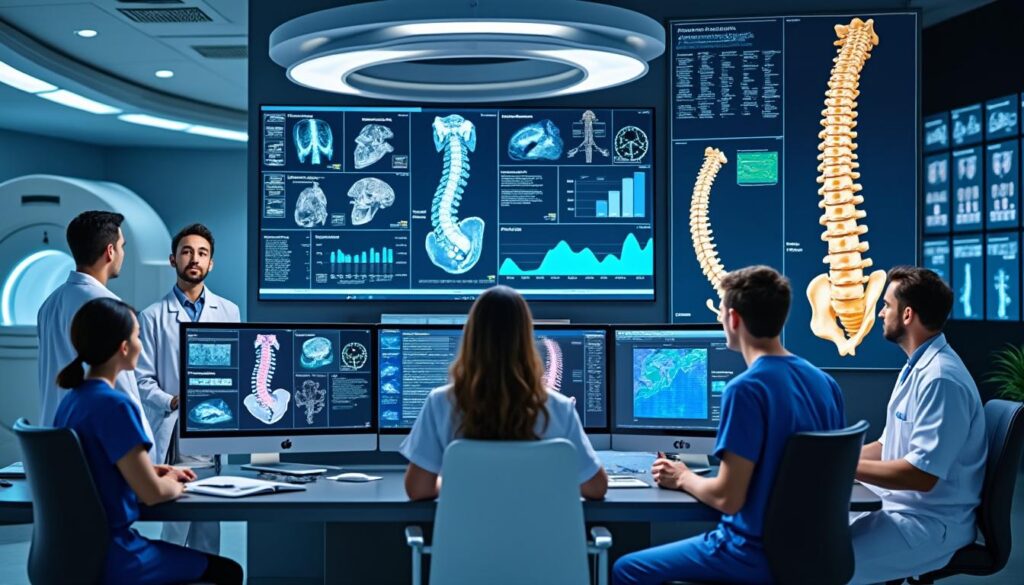
Insights from Research on Preventing Post-Laminectomy Syndrome
Post-Laminectomy Syndrome (PLS), a chronic pain condition arising after spinal surgery, remains a formidable challenge in spinal surgery and pain management. Despite advances in surgical techniques, a significant subset of patients continues to experience persistent neuropathic pain and functional limitations,…
Biomechanical and Humanistic Benefits of Transatlantic Spine Surgery Collaboration
The transatlantic approach to spine surgery between France and Quebec exemplifies how combining innovative technology and humanized care enhances clinical outcomes. French dynamic implants and disc prostheses, such as TOPS and Intraspine, not only stabilize but also preserve natural spinal motion—a biomechanical advantage reducing adjacent segment degeneration and secondary pain compared to traditional fusion.
In addition to biomechanical benefits, this collaborative model optimizes economic efficiency by streamlining surgical access and post-operative care logistics through expert coordination, lowering costs compared to private Quebec interventions. The comprehensive support network—including patient education and psychological assistance—places the individual at the heart of the healing process, fostering confidence and adherence.
- Biomechanical Advancements: Dynamic stabilization reducing post-surgical stiffness
- Economic Advantages: Cost-efficient transatlantic surgical logistics
- Human-centric Care: Patient empowerment through clear communication and support
| Aspect | Transatlantic Collaboration Benefits |
|---|---|
| Biomechanical | Preservation of mobility, reduction of adjacent segment degeneration |
| Economic | Competitive costs, comprehensive care without interruptions |
| Humanistic | Personalized education, psychological and logistical support |
This integrative perspective pushes the frontier for future cross-cultural healthcare standards in spine care.
Insights from research on post-operative care following spine surgery further underpin the critical role of coordinated follow-up in surgical success.

Medical Logistics and Accommodation: Central Pillars in the Patient Care Journey
In the evolving landscape of global healthcare, the interplay between medical logistics and patient accommodation has become a cornerstone for effective and patient-centric care delivery. This synergy is particularly evident in the management of international patient journeys, where cross-border coordination,…
International Data Sharing and Comparative Research: Mapping Spine Care Practices Globally
The Spine Atlas Initiative (SAI) exemplifies strides in international data collaboration to map spinal care service variations and treatment effectiveness across countries including France and Quebec. Through platforms enabling hospitals, surgeons, and registries globally to contribute epidemiological data, the SAI fosters a robust evidence base for harmonizing medical standards.
This comprehensive data sharing supports identification of disparities in care delivery and informs targeted policy reforms. For the orthopedic and physical therapy fields, SAI’s collaborative framework provides a structured pathway toward standardizing pain management, surgical protocols, and rehabilitation methodologies in diverse healthcare contexts.
- Global spine care service mapping with participatory data from specialists and institutions
- Identification of practice variation to improve treatment consistency
- Evidence-based healthcare policy recommendations grounded in comparative outcomes
| SAI Initiative Focus | Outcomes and Benefits |
|---|---|
| Mapping healthcare services | Comprehensive visibility of spine care accessibility |
| Comparing treatment variations | Insight into clinical practice differences by country |
| Enhancing clinical practice | Evidence-driven improvements and reduced disparities |
Understanding these international differences is essential for orthopedic specialists and physical therapists aiming to elevate spinal pain management globally.
Spine Atlas Initiative on mapping healthcare services and practice variation.
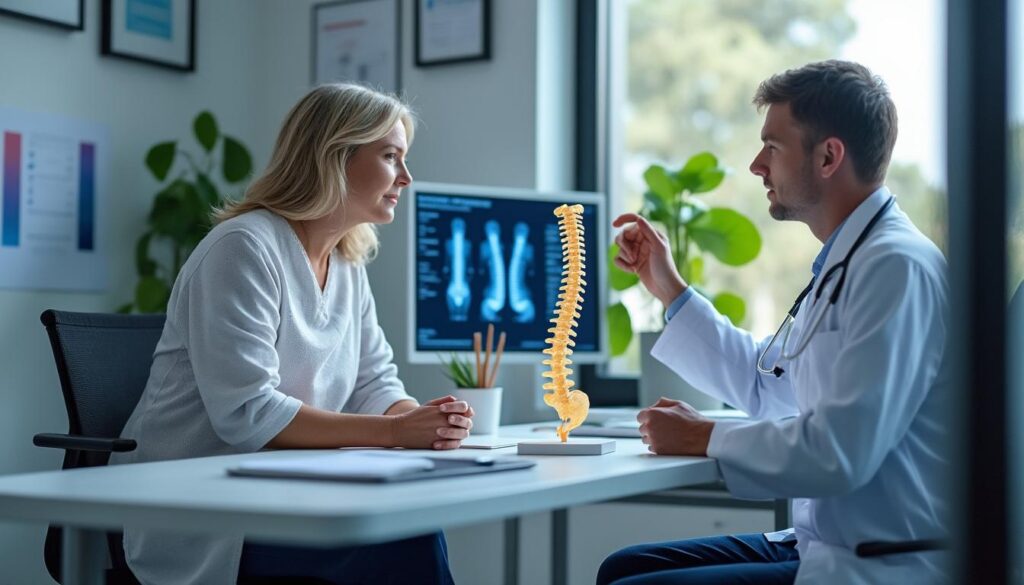
Comprehensive Guide to Eligibility Criteria for Back Surgery
The decision to undergo back surgery involves numerous complex considerations that extend beyond the presence of spinal discomfort. Through an international collaboration between healthcare experts in Quebec and France, patients facing severe spine conditions now have access to advanced surgical…
Cross-Cultural Implications in Spine Care: Regulatory and Educational Perspectives
Cultural context and regulatory environments significantly influence spine care practices. France’s integration of osteopathy within a strictly regulated multidisciplinary framework contrasts with Quebec’s emphasis on deep scientific training supported by bilingualism. These differences affect interdisciplinary collaboration capabilities and patient engagement in treatment planning.
The certification pathways further highlight disparities: France offers numerous inter-university diplomas emphasizing comprehensive spine surgery education through bodies like the Société Française de Chirurgie Rachidienne, while Quebec’s medical professionals follow different curricula emphasizing research and conservative care.
- France: Multidisciplinary team-based care with osteopathy integration
- Quebec: Scientific bilingual education focusing on conservative management
- Certification Differences: Diverse diploma systems reflecting healthcare priorities
| Aspect | France | Quebec |
|---|---|---|
| Care Philosophy | Multidisciplinary collaboration | Scientific, research-driven |
| Education | Diplomas focused on surgical specialization | Emphasis on conservative treatment knowledge |
| Regulatory Environment | Strict medical oversight | Decentralized regulation |
This cross-cultural divergence impacts implementation strategies for spine care innovations, highlighting areas for mutual learning and exchange.
Expert insights on spinal care differences between France and Quebec.
Unveiling the Hidden Benefits of Neurovertebral Decompression Therapy
Chronic back and neck pain remain pervasive health issues impacting millions, often leading to debilitating effects on daily life and overall well-being. Traditional management strategies frequently fall short due to lengthy wait times, high costs, or invasive procedures. Amid this…
Emerging Trends in Orthopedics and Physical Therapy: Opportunities for Quebec’s Spinal Care
Quebec’s spine care landscape stands to benefit from emerging orthopedic and physical therapy trends inspired by practices abroad, particularly those in France. The adoption of minimally invasive procedures, endoscopic surgery, and dynamic implant technology provides alternatives to traditional fusion techniques, fostering faster recovery and improved functional outcomes.
Physical therapy programs increasingly emphasize active rehabilitation supporting spontaneous remission in acute cases, aligning with the French paradigm that integrates manual therapy, osteopathy, and patient education. These trends dovetail with Quebec’s advanced conservative care model, offering pathways to harmonize treatment options and elevate standards.
- Minimally invasive and endoscopic spine surgery to reduce operative morbidity
- Dynamic implant utilization for motion preservation and biomechanical restoration
- Patient-centered physical therapy programs promoting active recovery and education
| Emerging Practices | Potential Benefits for Quebec |
|---|---|
| Advanced Surgical Techniques | Less invasive, improved precision and outcomes |
| Dynamic Implants | Preserved mobility, decreased adjacent segment degeneration |
| Holistic Physical Therapy | Faster functional gains, enhanced patient empowerment |
Strategic integration of these approaches, enhanced by interdisciplinary collaboration, promises to refine Quebec’s spine care efficiency and patient satisfaction.
A comparative analysis of spine care in France and Quebec.
International Comparison: Spotlight on Spine Care Practices Between France and Quebec
Use the filters below to search and highlight specific aspects.
| Aspect | France Spine Care | Quebec Spine Care |
|---|
No results found for filtered criteria.
What are the key differences between spine care systems in France and Quebec?
France features centralized, regulated care with rapid innovation adoption, whereas Quebec operates a more fragmented and publicly dominant system emphasizing advanced conservative treatment.
How does robotic neurovertebral decompression therapy function in Quebec’s spine care?
It uses computer-monitored, robotic-controlled spinal traction to alleviate nerve root pressure non-invasively, often reducing pain and improving mobility before considering surgery.
What advantages does spine surgery in France offer to Quebec patients?
Access to minimally invasive techniques, dynamic implants that preserve motion, expert multidisciplinary teams, and reduced costs through integrated transatlantic pathways.
Why is conservative treatment emphasized before spine surgery in these healthcare systems?
Because conservative treatments can reduce symptoms and avoid unnecessary surgery, improving patient outcomes and ensuring surgery is reserved for cases where maximum benefit is achievable.
How does international data sharing impact spine care practices?
It enables mapping of treatment variations, identification of disparities, and fosters evidence-based improvement across countries, ultimately enhancing global spine care standards.

What Research Reveals About Rehabilitation and Returning to Work
Rehabilitation and the process of returning to work form a complex interplay that extends far beyond physical recovery. It is a multifaceted journey involving medical treatment, psychological adaptation, workplace accommodation, and social reintegration. Research in recent years underscores the profound…