The future of surgery lies in spinal surgery in France
August 17, 2025
Avoid Back Surgery in Longueuil: Herniated Disc Relief with Decompression Therapy
August 18, 2025
Severe low back pain remains one of the most challenging conditions faced by patients worldwide, often leading to significant disability and diminished quality of life. In Laval, the introduction of IntraSPINE technology promises a minimally invasive breakthrough for those afflicted by debilitating lumbar discomfort. This innovative treatment specifically targets mechanical dysfunction and pain stemming primarily from the L5-S1 spinal segment, a common site plagued by degenerative changes and biomechanical stress. Over 30 years of expertise by pioneers such as Dr. Sylvain Desforges have paved the way for integrating this advanced device into patient care, blending scientific rigor with compassionate, patient-centered approaches. For individuals frustrated by the limitations of conventional therapies and weighing the prospect of major surgery, IntraSPINE offers an alternative that aligns with contemporary standards emphasizing safety, efficacy, and expedited recovery.
This article delves into the clinical aspects of the IntraSPINE system, clarifies its role within comprehensive treatment plans, and situates it within the broader landscape of spine care innovations. We also emphasize the importance of prior conservative management and outline the valuable synergy between Canadian and French healthcare partnerships optimized by a globally coordinated care pathway. Understanding when and how IntraSPINE fits into a personalized patient journey could transform expectations and outcomes for severe low back pain sufferers.
Understanding the IntraSPINE Device: Innovation in Minimally Invasive Spine Treatment
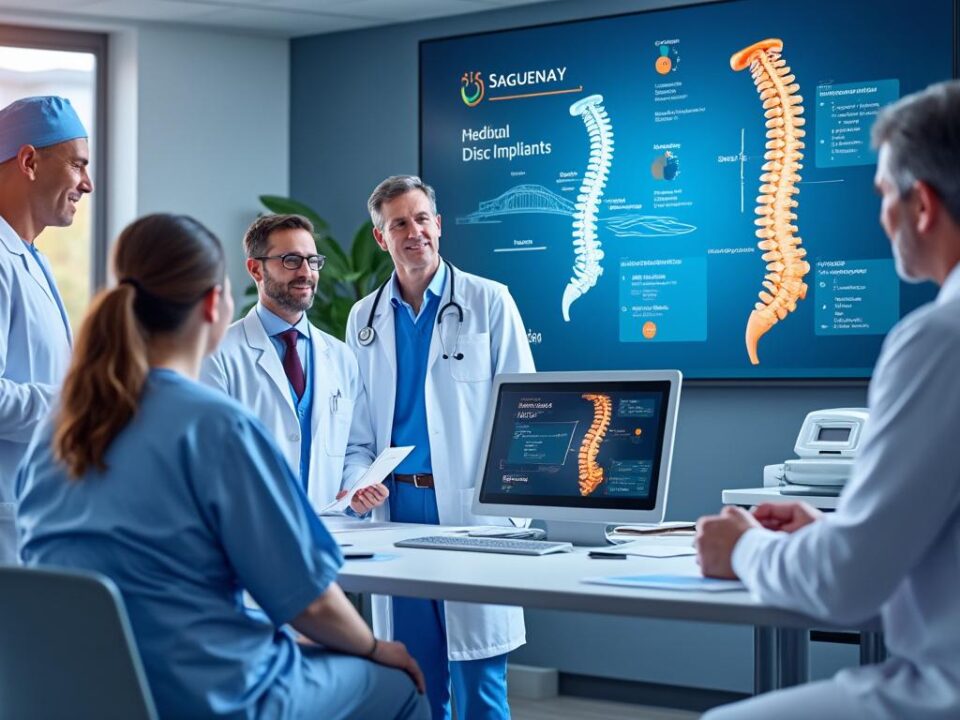
IntraSPINE represents a cutting-edge interspinous process device designed to alleviate pain while preserving spinal mobility. Unlike traditional fusion methods that restrict motion, this implant aims to maintain normal spinal biomechanics through a dynamic stabilization mechanism. This distinction is crucial for younger patients or those seeking to avoid the limitations often associated with fusion surgery.
The device is strategically implanted between the spinous processes, typically at the L5-S1 level, where it restores disc height and unloads stressed facets and discs, effectively reducing the mechanical strain that contributes to nerve irritation and pain. Unlike invasive procedures that require extensive bone removal or instrumentation, IntraSPINE implantation involves a minimally disruptive approach with the goal of expedited rehabilitation.
Biomechanical Benefits and Clinical Impact
The spinal segment at L5-S1 endures considerable biomechanical forces during movement and load-bearing activities, making it susceptible to disc degeneration, facet arthropathy, and herniation. IntraSPINE addresses these challenges through:
- Restoring physiological spacing between vertebrae to mitigate nerve impingement.
- Improving range of motion to avoid the stiffness experienced in fusion surgeries.
- Reducing stress on adjacent levels, which helps prevent the progression of degeneration.
Several studies and case reports support the device’s efficacy in improving pain scores and functional outcomes for patients suffering from spinal stenosis, facet joint syndrome, and discogenic pain. Its compatibility with other advanced implants from leading manufacturers such as Medtronic, NuVasive, Zimmer Biomet, and DePuy Synthes also allows a tailored surgical approach if additional interventions are required.
Minimally Invasive Technique Offers Faster Recovery
The surgical procedure for IntraSPINE implantation emphasizes minimal soft tissue disruption. This approach reduces intraoperative blood loss, decreases postoperative pain, and shortens hospital stays compared to traditional open spine surgeries. Patients typically experience:
- Same-day discharge or brief overnight observation.
- Rapid mobilization and return to daily activities within weeks.
- Less dependence on opioids due to reduced procedural trauma.
- Low complication rates linked to smaller incisions and precise implant placement.
Thanks to the precision enabled by intraoperative fluoroscopy and specialized instrumentation, surgeons can accurately position the implant, maximizing biomechanical benefits while safeguarding neural elements. Given the availability of cutting-edge technologies from companies like Stryker, Globus Medical, Alphatec Spine, Orthofix, and Paradigm Spine, patients in Laval can expect a comprehensive and state-of-the-art care environment.

Disc Prosthesis in Lévis: Maintain Natural Mobility
In the evolving landscape of spinal health, the pursuit of innovative solutions for chronic back pain and degenerative disc conditions has never been more critical. Residents of Lévis and surrounding regions seeking pathways beyond the limitations of traditional spinal fusion…
Exploring Surgical Options for Low Back Pain in France: Simple, Fusion, and Motion-Preserving Techniques
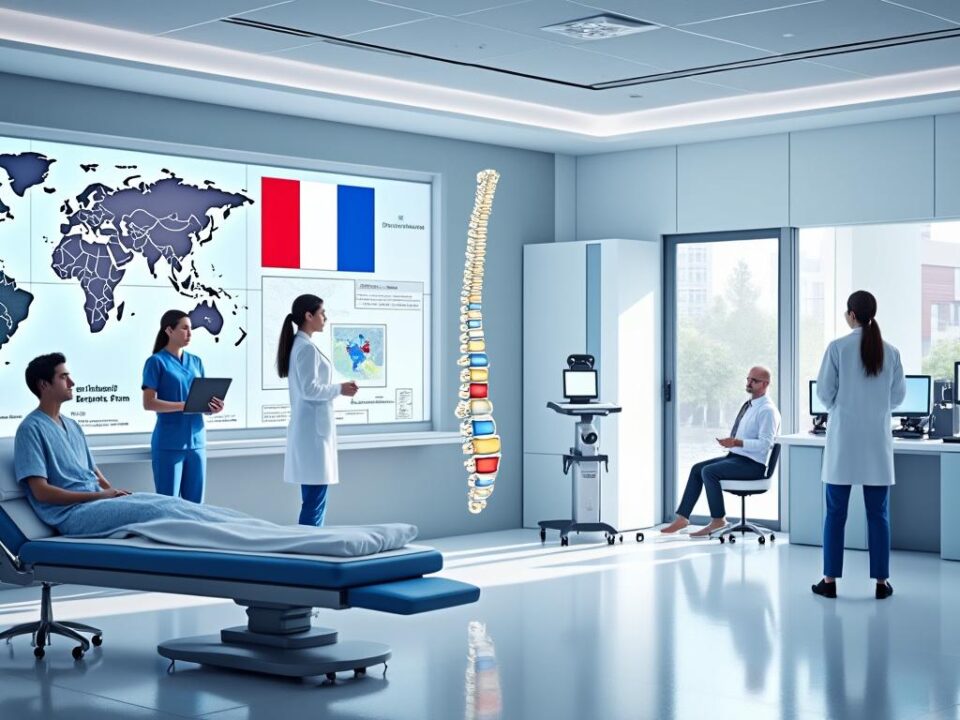
For Quebec patients considering a transatlantic solution to access innovative spine care, France offers a rich landscape of surgical options beyond what is typically available domestically. Understanding these options clarifies the role of IntraSPINE and other procedures within a continuum of care.
Simple Decompression Surgery
Simple decompressive surgery addresses nerve compression by removing bone spurs, thickened ligaments, or herniated disc fragments that press on neural structures. This technique is particularly suitable for patients with symptomatic spinal stenosis or isolated radiculopathy. It is often performed via minimally invasive approaches minimizing soft tissue damage and speed recovery. However, simple decompression does not address underlying spinal instability or biomechanical dysfunction.
Fusion Surgery
Spinal fusion involves permanently joining two or more vertebrae to eliminate painful motion at unstable segments. Widely used in more advanced degenerative conditions or deformity corrective surgeries, fusion is effective but may:
- Limit spinal mobility.
- Lead to adjacent segment degeneration over time.
- Require instrumentation with screws, rods, and plates often provided by industry leaders like Zimmer Biomet and DePuy Synthes.
While fusion may be necessary for specific cases, it requires prolonged recovery and carries a higher complication risk compared to motion-preserving alternatives.
Motion-Preserving Techniques
Technologies such as IntraSPINE and other dynamic implants (e.g., TOPS system, ESP implant) are part of a growing category that aims to alleviate pain while maintaining natural spinal movement. France has been at the forefront of developing and refining these devices, offering patients access to solutions that combine pain relief with quality of life improvements.
Choosing the appropriate surgical approach depends on detailed patient evaluation and expertise in both biomechanical and clinical implications, areas of proficiency where Dr. Sylvain Desforges excels. As founder and president of key professional bodies, his transatlantic coordination ensures that Quebec patients receive a thorough assessment and personalized care plan respecting both medical evidence and patient preferences.
Motion Surgery in Terrebonne: Advanced Techniques Available in France
With over three decades of dedicated expertise in spine care, I have witnessed firsthand the evolution of surgical options aimed at improving quality of life for those living with spinal disorders. Among these advances, Motion Surgery stands out in Terrebonne…
Patient Journey for Low Back Pain Surgery: From Evaluation to Return to Quebec
Embarking on an international surgical pathway demands meticulous coordination, continuity of care, and patient education. At the core of such a journey lies comprehensive evaluation and patient-centered dialogue, essential steps to optimize outcomes and reassurance.
Initial Assessment and Diagnostic Evaluation
An expert evaluation by Dr. Sylvain Desforges typically involves:
- Clinical history and physical examination, focusing on pain characteristics and functional limitations.
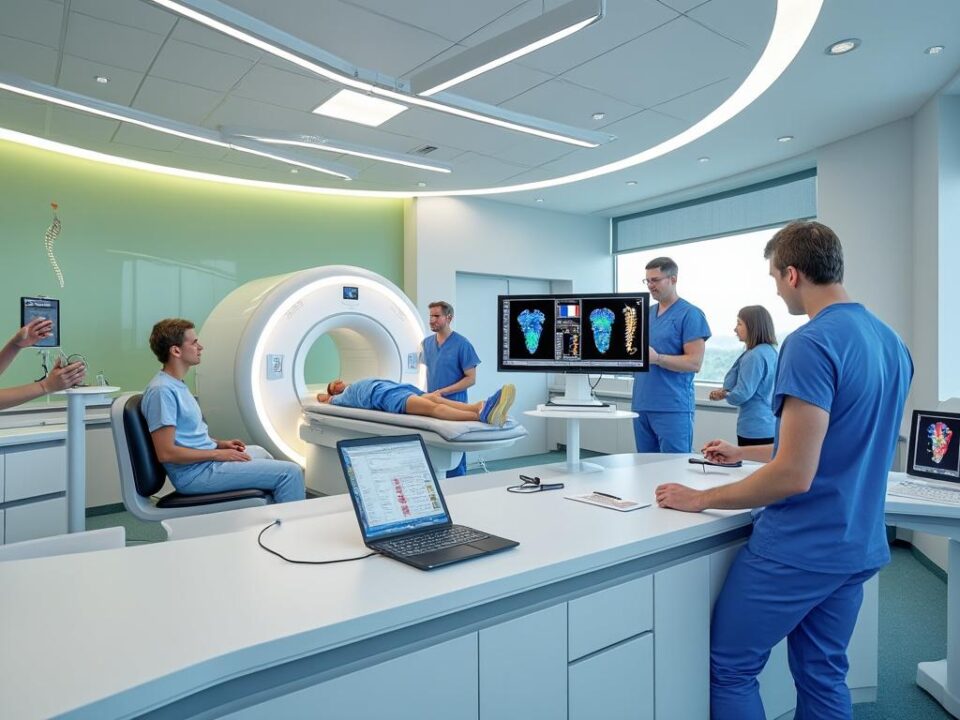
- Advanced imaging studies such as MRI, CT scan, or dynamic X-rays to identify Modic changes, instability, or other pathologies.
- Review of previous conservative treatments, emphasizing whether advanced non-surgical options like neurovertébral decompression at the Clinique TAGMED have been explored.
This evaluation respects Quebec’s regulatory framework and embraces evidence-based medicine principles to guide treatment recommendations.
Preoperative Planning and Coordination
Once surgical indication is established, intensive planning ensures:
- Selection of the most suitable surgical technique (simple, fusion, or motion-preserving).
- Coordination with French surgical teams, radiologists, and rehabilitation specialists.
- Scheduling and logistics support including travel, accommodation, and postoperative follow-up arrangements aligned with patient preferences.
Such coordination is facilitated by collaboration with platforms like SOS Tourisme Médical, guaranteeing streamlined communication between Quebec and European stakeholders.
Surgery and Postoperative Care
Patients undergo surgery at specialized centers with state-of-the-art technology and experienced multidisciplinary teams. Postoperative care in France emphasizes:
- Early mobilization and pain control with minimally invasive protocols.
- Tailored physical therapy focusing on spinal stability and functional restoration.
- Regular follow-up consultations with surgeons and rehabilitation experts.
Having Dr. Desforges involved in postoperative assessment ensures continuity of care upon the patient’s return to Quebec, with personalized recommendations supported by comprehensive documentation.
Reintegration and Long-Term Monitoring
Reestablishing care in Quebec is critical for sustained recovery. Patients benefit from:
- On-going clinical assessments by local healthcare providers familiar with international surgical modalities.
- Access to advanced conservative care such as the Clinique TAGMED neurovertébral decompression if needed.
- Patient education on spine health, ergonomics, and lifestyle modifications.
This coordinated transatlantic pathway underlines the value of seamless communication and ethical responsibility toward the patient’s overall well-being.

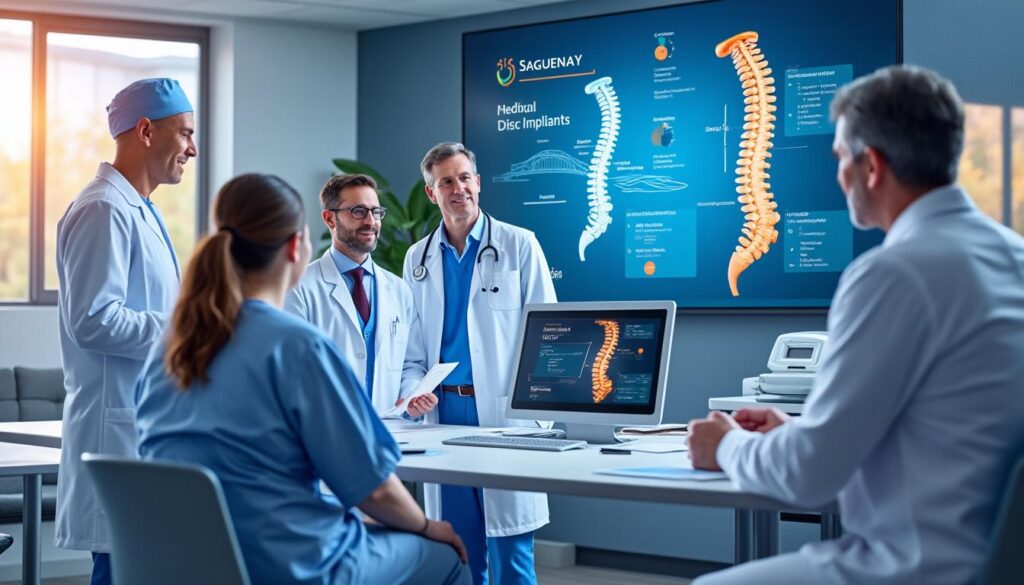
Lumbar Disc Prosthesis in Saguenay: Long-Lasting Relief After Surgery
Chronic back pain rooted in lumbar disc degeneration challenges many patients in Saguenay and beyond, urging exploration of innovative solutions to restore spine health and quality of life. Traditional spinal fusion surgeries, though effective for stabilizing painful segments, have notable…
Why Minimally Invasive Surgery and Advanced Implants Are Game-Changers for Quebec Patients
Quebec’s healthcare system, while robust, often faces challenges with surgical wait times and high costs associated with spine surgery. Minimally invasive options and novel implants like IntraSPINE deliver tangible benefits by:
- Reducing waiting periods through partnerships with expert European centers.
- Decreasing hospitalization length and enabling quicker return to personal and professional life.
- Lowering overall treatment costs when factoring in faster recovery and less postoperative complications.
- Offering access to innovations unavailable or limited in Canada, such as specific dynamic implants and neurovertebral decompression technologies.
These advantages illustrate why international surgical pathways serve as compelling alternatives for many Quebec patients, blending the best of both worlds with personalized care from experienced professionals.
Economic and Quality of Life Considerations
Beyond clinical improvements, accessing treatment abroad can alleviate the burden of lost income, emotional stress, and dependency on long-term pain medications. Faster recovery trajectories restore autonomy and empower patients in their daily activities.
Technological Excellence and Patient-Centered Innovation
Working with industry leaders like Spinal Elements, Medtronic, NuVasive, Stryker, and Alphatec Spine ensures patients benefit from the highest quality implants and devices. Multidisciplinary teams focus on precisely tailored solutions, balancing technology and humanistic care to achieve optimal results.
IntraSPINE® in Sherbrooke: Maintain Lumbar Function
In the modern management of lumbar spine conditions, patients in Sherbrooke and across Quebec are increasingly presented with innovative solutions that prioritize maintaining natural spinal function while alleviating debilitating pain. Among these advancements, the IntraSPINE device has emerged as a…
The Critical Role of Conservative Treatments Before Considering Surgery
It is imperative to emphasize that surgery, including innovative options such as IntraSPINE, must only be considered after patients have undergone a comprehensive trial of conservative management. Typically, a period of 3 to 6 months of non-surgical treatments is advocated. This includes:
- Physical therapy tailored to spinal stabilization and pain modulation.
- Pharmacological interventions, including NSAIDs and nerve pain medications.
- Advanced non-invasive modalities such as neurovertébral decompression, laser therapy, and manual therapies provided by centers like Clinique TAGMED.
- Patient education to empower self-management and ergonomic adjustments.
Importantly, if patients have not benefited from neurovertébral decompression using state-of-the-art techniques as offered by Clinique TAGMED, it is strongly recommended to pursue such care prior to contemplating surgery. This approach aligns with ethical responsibility and evidence-based best practices.
Learn more about preparing for neurovertebral decompression and optimize your spine health journey.
Minimally Invasive Surgery in Longueuil: Reduce Post-Surgery Pain
Minimally invasive surgery in Longueuil is transforming the patient experience by significantly reducing post-surgery pain and accelerating recovery times. With advances in surgical techniques such as laparoscopic and robotic-assisted procedures, patients can benefit from smaller incisions, less tissue damage, and…
Cutting-Edge Basivertebral Nerve Ablation: A Minimally Invasive Alternative for Vertebrogenic Pain
Recent advances in spine pain management include the Intracept procedure, a minimally invasive technique targeting the basivertebral nerve responsible for transmitting chronic vertebrogenic pain. This innovative approach has shown promising effectiveness and safety profiles in multiple clinical studies, including community-based settings.
The procedure involves the use of radiofrequency energy to ablate the basivertebral nerve housed within the vertebral body at lumbar segments like L4-L5. Patients with Modic Type 1 or 2 changes on MRI, indicative of inflammation and fat replacement in vertebral endplates, frequently benefit from this intervention.
How Basivertebral Nerve Ablation Enhances Patient Care
The procedure boasts several advantages over more invasive surgeries:
- Outpatient treatment with same-day discharge.
- Minimal complications given the targeted nature of ablation.
- Rapid pain relief often noticeable within weeks.
- No disruption of spinal stability or need for implants.
- Applicability for patients who have not improved with conservative therapies.
Clinical Evidence and Patient Outcomes
Studies, such as one published in the North American Spine Society Journal (PMCID: 36926532), demonstrated significant reductions in pain scores and disability indices lasting up to six months and beyond. A notable finding is the high proportion of patients experiencing at least 50% pain reduction, correlating with improved quality of life and functional abilities.
| Outcome Measure | 1 Month | 3 Months | 6 Months |
|---|---|---|---|
| Oswestry Disability Index (ODI) Improvement | 13.1 points | 16.5 points | 21.1 points |
| Visual Analog Scale (VAS) Pain Reduction | 2.62 points | 2.18 points | 3.44 points |
| SF-36 Pain Component Summary | 10.1 points | 13.1 points | 16.4 points |
These results illustrate the durable nature of basivertebral nerve ablation in treating vertebrogenic chronic low back pain. While not a surgical implant like IntraSPINE, it offers another minimally invasive option aligned with an evidence-based holistic approach.

Neck Surgery in Montreal: Maintain Natural Cervical Flexibility
Neck surgery remains a crucial consideration for patients suffering from severe cervical spine disorders where conservative treatments have failed. In Montreal, access to specialized care offers patients the opportunity to explore advanced surgical solutions designed to maintain natural cervical flexibility—an…
Integrating International Collaboration for Optimized Spine Care Pathways
Dr. Sylvain Desforges’ extensive experience and leadership in spine care have fostered transatlantic collaborations that enhance care delivery for Quebec patients seeking specialized interventions in France. His role as founder and president of multiple professional organizations underscores his dedication to combined excellence and ethical innovation.
This international coordination offers:
- Streamlined referral processes ensuring timely access to expert surgical teams.
- Personalized treatment plans integrating the latest advances in spinal technology and techniques.
- Comprehensive patient support throughout travel, surgery, and postoperative recovery.
- Ongoing communication between Quebec and French healthcare providers to ensure continuity.
Such collaboration not only improves clinical outcomes but also reassures patients through transparent, educational engagement, an approach championed by Dr. Desforges throughout his career.
Disc Prosthesis in Lévis: Fast and Lasting Results
In the realm of spinal care, patients battling chronic back pain and degenerative disc diseases continuously seek solutions that offer not just symptom relief but also the restoration of natural spinal function. Disc prosthesis, or artificial spinal disc replacement, has…
Additional Resources and Patient Empowerment
Patients are encouraged to seek clear information and actively participate in decision-making. Reliable resources provide valuable insights into:
- Understanding differences between simple surgery, fusion, and motion-preserving options: Common Pitfalls to Avoid in Simple Surgery, Fusion, and Motion Techniques.
- Logistics and accommodations facilitating international medical travel: Medical Logistics and Accommodation Transformation in Quebec.
Empowered with knowledge, patients can engage in constructive dialogues with their care teams, fostering informed, personalized treatment decisions that reflect the latest scientific standards.
Motion Surgery in Terrebonne: Reduce Postoperative Complications
In the evolving landscape of spine care, Motion Surgery in Terrebonne represents a groundbreaking approach that offers patients a significant advantage in reducing postoperative complications while preserving spinal mobility. Traditional spinal surgeries have long been associated with challenges, including stiffness,…
Questions Commonly Asked About Minimally Invasive Spine Treatments in Laval and Beyond
What distinguishes IntraSPINE from traditional fusion surgery?
IntraSPINE is a dynamic interspinous device preserving natural spinal movement, whereas fusion surgery permanently restricts motion by joining vertebrae. IntraSPINE reduces pain while maintaining mobility and is implanted with a minimally invasive technique.
Who is an ideal candidate for basivertebral nerve ablation?
Patients with chronic vertebrogenic low back pain, particularly those showing Modic Type 1 or 2 changes on MRI and who have not responded to conservative therapies, may be suitable candidates. The procedure targets nerve pathways that transmit pain signals from vertebral endplates.
How important is conservative treatment before considering surgery?
Extremely important. A 3 to 6-month trial of therapies like physical therapy, medication, and advanced non-invasive treatments such as neurovertébral decompression at Clinique TAGMED is essential to maximize outcomes and potentially avoid surgery.
What advantages does international surgical collaboration provide for Quebec patients?
International collaboration offers access to innovative technologies, reduces wait times, and enhances personalized care through expert multidisciplinary teams in France, coordinated effectively by spine experts like Dr. Desforges.
Are these minimally invasive procedures covered by insurance?
Coverage varies across insurance providers and countries. Patients should consult with their insurers and care coordinators. Some procedures, such as basivertebral nerve ablation, might have limited coverage due to their relative novelty but have growing acceptance as evidence accumulates.