Herniated Disc Care in Sainte-Julie: Why TAGMED’s Neurovertebral Decompression Therapy Stands Out
August 10, 2026
Repentigny Neck Pain Solutions Without Surgery
August 11, 2026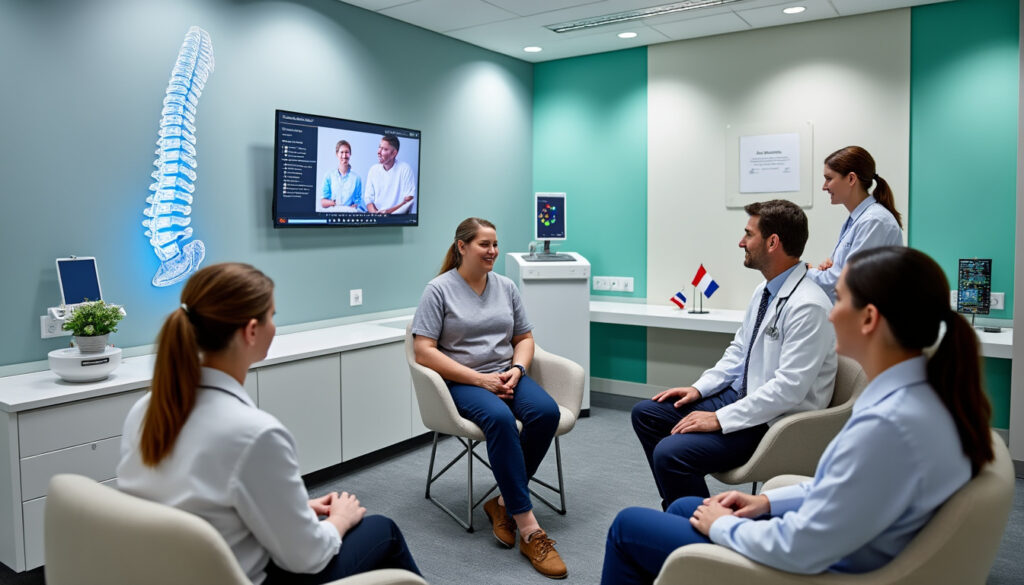
Chronic lower back pain remains one of the most pressing health concerns in Sherbrooke and beyond, impacting millions and often diminishing daily quality of life. Despite the prevalence of lumbar discomfort, many face limited access to cutting-edge treatments amidst lengthy waiting lists and conventional care pathways. In response, the emergence of IntraSPINE technology in Sherbrooke marks a significant milestone in the management of persistent lumbar pain. This innovative device offers a minimally invasive, scientifically grounded alternative tailored toward patients seeking durable relief while preserving spinal mobility.
The approach integrates advanced biomechanics and medical technology, reflecting a harmonious blend of rigorous evidence, ethical considerations, and continuous innovation. At the forefront of this breakthrough in Quebec is Dr. Sylvain Desforges, an acclaimed expert in spine care with over three decades of clinical experience. His leadership at Clinique TAGMED ensures that patients receive personalized and comprehensive evaluations, as well as coordinated care between Canada and France, enabling access to progressive surgical solutions like IntraSPINE. This article delves into the multifaceted benefits of IntraSPINE, its exceptional role in modern spine health, and the orchestrated patient journey that distinguishes care in Sherbrooke.
Revolutionizing Chronic Lower Back Pain Treatment with IntraSPINE in Sherbrooke
Addressing chronic lower back pain requires not only effective treatment but also approaches that respect the natural biomechanics of the lumbar spine. Traditional surgical methods such as spinal fusion often come with significant drawbacks, including reduced range of motion and increased stress on adjacent vertebral segments. IntraSPINE offers a dynamic stabilization mechanism that supports the spine without compromising its mobility, presenting a pioneering shift in pain management.
The implantable device is specifically designed to fit in the interspinous space between lumbar vertebrae L1 and S1, where degenerative changes commonly cause debilitating discomfort. Unlike fusion surgery, which immobilizes the spinal segments, IntraSPINE functions as a shock absorber by maintaining physiological disc space and redistributing mechanical loads, thereby alleviating pain while protecting surrounding tissues from further damage.
In Sherbrooke, this treatment is integrated within a comprehensive care pathway led by experts like Dr. Sylvain Desforges who underscores the necessity of combining technological advancement with patient-centered evaluations. Potential candidates undergo thorough assessments, including a minimum of 3 to 6 months of conservative treatments such as neurovertebral decompression and physiotherapy to maximize non-surgical benefits before considering an implant. This protocol ensures that patients are optimally selected and supported for the best outcomes.
The distinctive combination of innovation and ethics in Sherbrooke translates into a medical model that emphasizes patient safety, clinical efficacy, and minimization of invasiveness. This treatment modality aligns perfectly with the modern clinical paradigm prioritizing early functional recovery and long-lasting relief for chronic lower back pain sufferers.
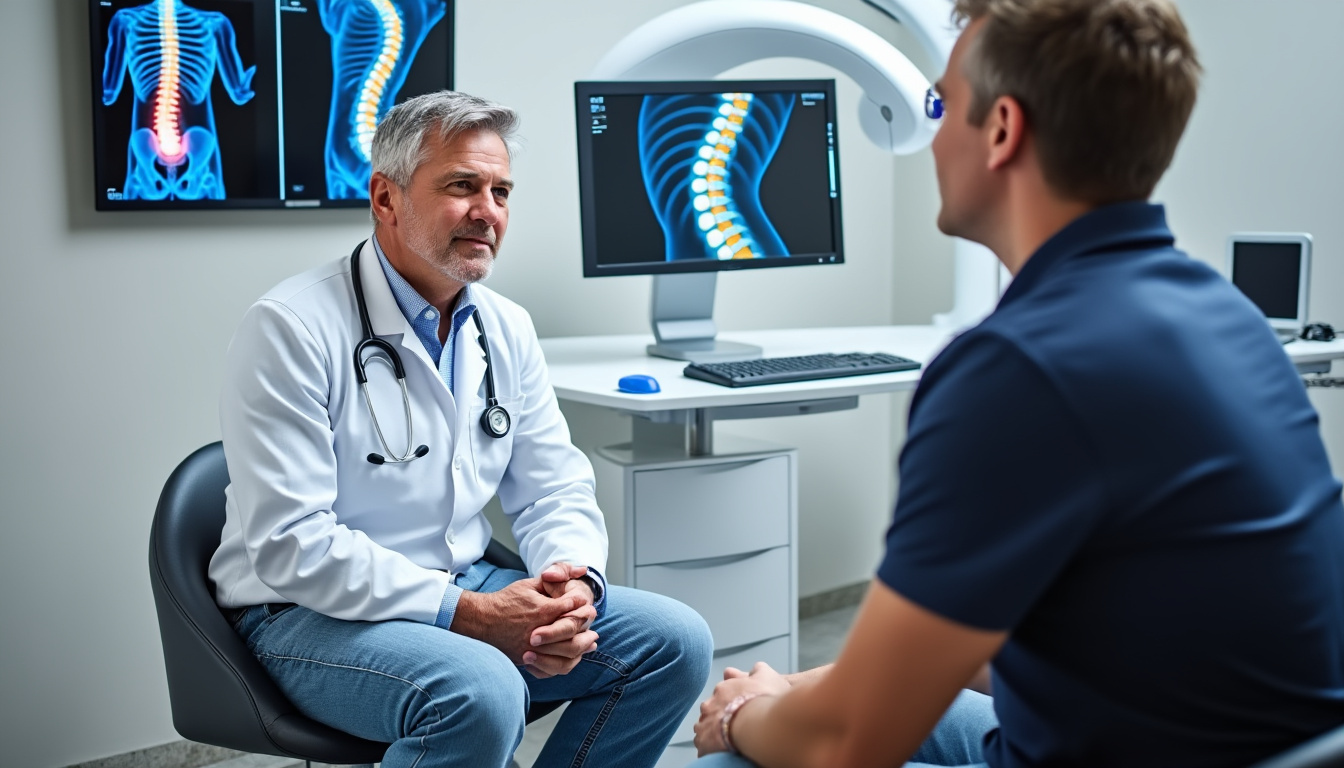
Biomechanical Benefits of IntraSPINE in Lumbar Spine Stabilization
Understanding the biomechanical principles behind IntraSPINE is essential to appreciate its transformative impact on spine health. The device targets the lumbar region’s dynamic stabilization, which is fundamental to maintaining posture and facilitating movement without pain. IntraSPINE respects the complex motions of the lumbar vertebrae allowing forward flexion, extension, and lateral bending, unlike rigid fixation solutions.
By specifically supporting the interspinous space, the implant diminishes abnormal compressive forces that contribute to disc degeneration and inflammation. Its ability to absorb mechanical shocks helps reduce the transmission of stress to adjacent spinal levels, thereby lowering the incidence of secondary degenerative changes, a common complication of traditional fusion surgery. The implant’s biocompatible materials further ensure seamless integration with vertebral tissues, promoting both safety and durability.
These biomechanical advantages translate into clinical benefits such as reduced pain intensity, enhanced functional mobility, and improved postural stability. Patients who undergo this treatment often report a significant decrease in daily limitations, enabling participation in activities previously hampered by chronic lumbar discomfort.
This innovation, combined with continuous monitoring and physiotherapeutic support post-implantation, creates favorable conditions for sustained recovery and prevention of relapse, establishing IntraSPINE as a long-lasting solution for those burdened by chronic lower back pain.
Patient-Centered Adaptability of the IntraSPINE Implant
One of the fundamental strengths of IntraSPINE lies in its adaptability tailored to individual patient anatomy and biomechanics. The implant accommodates the natural variation in vertebral spacing and dynamics, thereby optimizing pressure distribution across the lumbar spine. This personalized fit is crucial to achieving pain relief without compromising spinal function.
Adaptability also mitigates the risk of adjacent segment disease, a frequent consequence following rigid spinal fusions wherein biomechanical overload accelerates degeneration of nearby vertebrae. Surgical intervention with IntraSPINE therefore represents a conscientious choice, balancing stabilization with physiological motion preservation, which aligns with the ethical and scientific standards advocated by Dr. Desforges at Clinique TAGMED.
Moreover, the use of biocompatible materials enhances tissue integration and reduces postoperative inflammation, ensuring superior patient tolerance and faster rehabilitation. These features collectively contribute to an improved patient experience and promote long-term health of the lumbar spine.
Importantly, patients are empowered through detailed education on the device’s benefits, potential risks, and the importance of adherence to a preoperative conservative care period, bridging expectations with realistic treatment outcomes.
Herniated Disc Care in Sainte-Julie: Why TAGMED’s Neurovertebral Decompression Therapy Stands Out
In the vibrant community of Sainte-Julie, back pain—particularly that stemming from herniated discs—has become a widespread concern affecting people from all walks of life. The relentless search for effective, non-invasive treatments has brought renewed attention to a pioneering therapy that…
Back Surgery in Trois-Rivières: Alleviating Pain While Preserving Mobility
In Trois-Rivières, Quebec, the persistence of back pain affects a substantial portion of the population seeking effective and personalized solutions. Back pain, often caused by spinal disorders or herniated discs, can drastically diminish quality of life, limiting mobility and causing…
The Comprehensive Care Pathway to IntraSPINE Surgery in Sherbrooke
The journey towards an IntraSPINE intervention in Sherbrooke is a highly structured and patient-focused process emphasizing cautious evaluation and stepwise therapy. Patients with persistent chronic lower back pain first undergo an extensive assessment by Dr. Sylvain Desforges, whose expertise in spinal disorders ensures precise evaluation and personalized treatment plans.
Initial management prioritizes conservative approaches, including neurovertebral decompression—a non-invasive method available at Clinique TAGMED shown to alleviate nerve pressure effectively—and dedicated physical rehabilitation. These treatments aim to reduce pain and improve spinal function, often alleviating symptoms without the need for surgery.
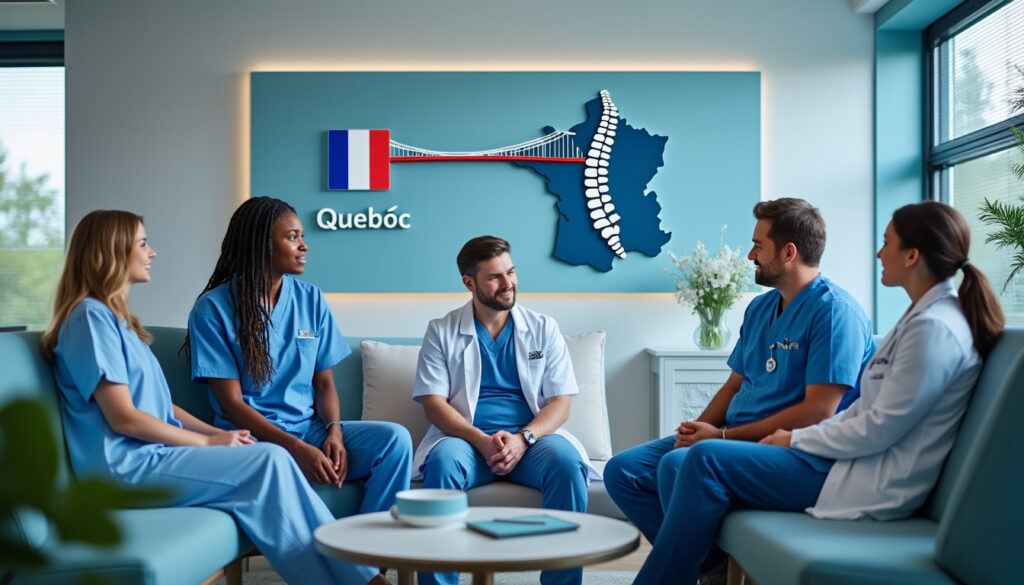
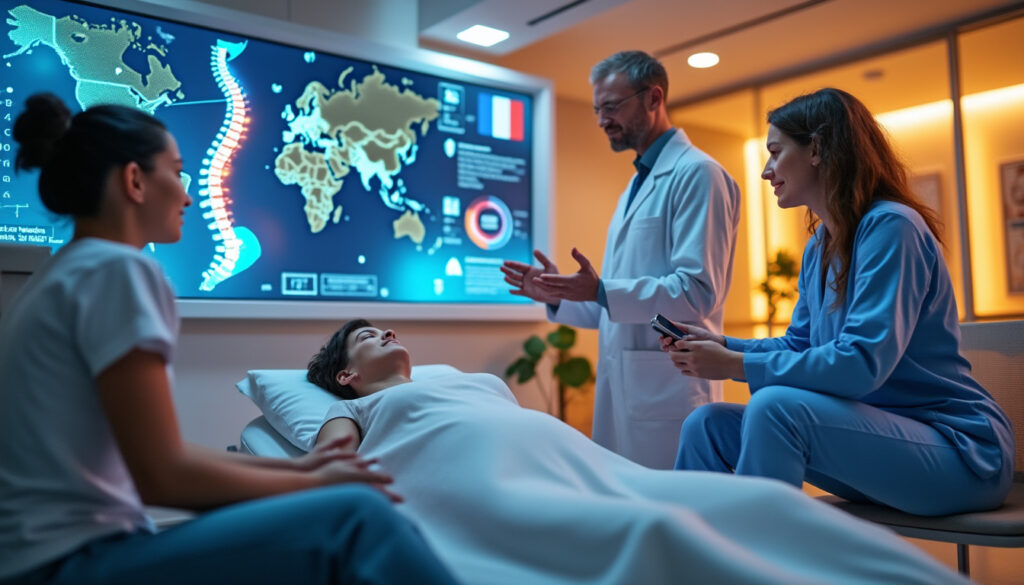
Should surgical implantation be indicated after consensus between patient and care team, preparations for the minimally invasive procedure commence. Here, international collaboration plays a significant role. Thanks to coordinated partnerships with specialized spine surgery centers in France and organizations such as SOS Tourisme Médical, patients benefit from seamless logistical support, including travel arrangements, medical appointments, and postoperative follow-up coordination across borders.
This model of care with a transatlantic structure not only reduces administrative burden on patients but optimizes treatment timelines and ensures the highest clinical standards. Postoperative care and monitoring remain firmly anchored in Sherbrooke, with Dr. Desforges’ team providing ongoing rehabilitation guidance to maximize recovery and restore active lifestyles efficiently.
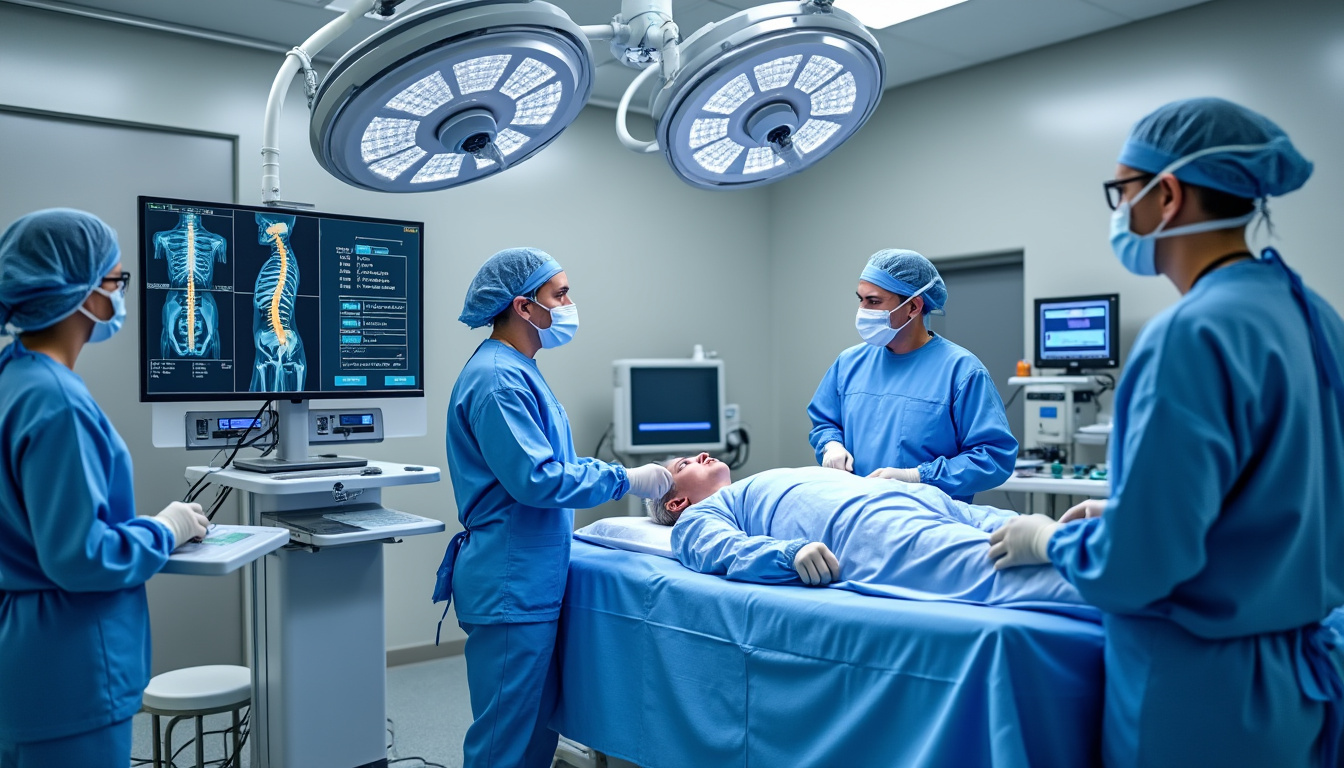
International Collaboration Enhancing Spine Surgery Access and Quality
The partnership between Canadian and French spine care providers epitomizes modern healthcare innovation through international cooperation. This strategic alliance enables Sherbrooke patients to access surgical technologies and expertise not readily available domestically, elevating the care standard and offering superior options for chronic lumbar pain management.
Organizations like SOS Tourisme Médical facilitate the patient journey by managing complex logistics and ensuring fluid communication between multidisciplinary teams. This approach guarantees continuity of care before, during, and after the IntraSPINE implantation, mitigating common challenges associated with medical travel.
Furthermore, collaborating with highly skilled French surgeons familiar with the IntraSPINE device ensures patients benefit from surgical interventions grounded in cutting-edge techniques and comprehensive safety protocols. This model exemplifies how thoughtful coordination, patient-centered ethics, and scientific rigor converge to deliver tangible benefits to chronic lower back pain sufferers worldwide.
Disc herniation remains a significant health concern in Pointe-Claire, impacting the lives of a diverse population ranging from labor-intensive workers to the aging community. The condition, characterized by the displacement or rupture of the intervertebral disc, often leads to debilitating…
At Gouin Clinic, the landscape of herniated disc therapy has entered a transformative era marked by the integration of Personalized Treatment Plans and breakthrough Neurovertebral Decompression Therapy. This non-surgical approach is revolutionizing how spinal disorders are managed, offering patients an…
How IntraSPINE Surpasses Traditional Lumbar Techniques in Chronic Pain Relief
To fully comprehend the advantages of IntraSPINE, it is valuable to compare its clinical features against conventional surgical strategies such as spinal fusion and simple decompression.
Spinal fusion, while effective in stabilizing certain lumbar segments, typically results in permanent loss of motion at the fused levels and significantly increases the risk of adjacent segment degeneration over time. Conversely, decompression techniques relieve nerve pressure but may fail to provide sufficient mechanical stabilization, sometimes leading to recurrent symptoms.
In contrast, IntraSPINE presents a balanced approach that preserves spinal mobility through dynamic stabilization, causing less trauma and allowing faster recovery. Patients often experience shorter rehabilitation periods and sustained pain reduction thanks to the implant’s design that absorbs stress and preserves physiological function.
Below is a comparative table highlighting these distinctions:
| Surgical Technique | Preserves Mobility | Recovery Time | Risk of Adjacent Segment Disease | Invasiveness |
|---|---|---|---|---|
| IntraSPINE Implant | Yes | Short | Low | Minimally Invasive |
| Spinal Fusion | No | Long | High | Highly Invasive |
| Simple Decompression | Yes | Short | Moderate | Moderate |
Clinical Indications for IntraSPINE Implantation
IntraSPINE is primarily indicated for patients experiencing chronic lumbar pain resulting from disc degeneration or spinal stenosis who have not adequately responded to conservative treatments. The implant offers a tailored solution suited for individuals whose condition matches these criteria, ensuring appropriate and safe use.
Dr. Sylvain Desforges emphasizes that candidacy for this implantation requires a thorough evaluation to weigh benefits against potential risks, ensuring each patient’s unique condition informs treatment choices.
Cervical Disc Prosthesis in Quebec: Preventing Post-Operative Stiffness
Neck pain is one of the most common musculoskeletal complaints in Quebec, affecting a significant portion of the population annually. Often rooted in degenerative cervical disc diseases or herniated discs, this persistent discomfort severely impacts daily life and mobility. Fortunately,…
The prevalence of herniated disc conditions in Blainville has sparked considerable discussion and misconceptions about their causes, symptoms, and treatments. While the pain and disability associated with this spinal disorder are well documented, the emergence of non-surgical options such as…
Innovative Pain Management Pathways at Clinique TAGMED
At Clinique TAGMED, the management of chronic lower back pain embraces precision, innovation, and empathy. Under the guidance of Dr. Desforges, the clinic integrates spine-specific osteopathic assessments with advanced neurovertebral decompression techniques, laser therapy, and shockwave treatments, providing a spectrum of conservative care options.
This holistic approach often mitigates the need for surgery by addressing the underlying biomechanical and neurological contributors to pain. However, when surgical intervention is warranted, TAGMED ensures a seamless transition to specialized centers, maintaining patient support throughout.
The clinic’s commitment to transparency and education enables patients to understand their condition and treatment options fully, fostering confidence in the chosen therapeutic path and reinforcing hope for improved spine health.
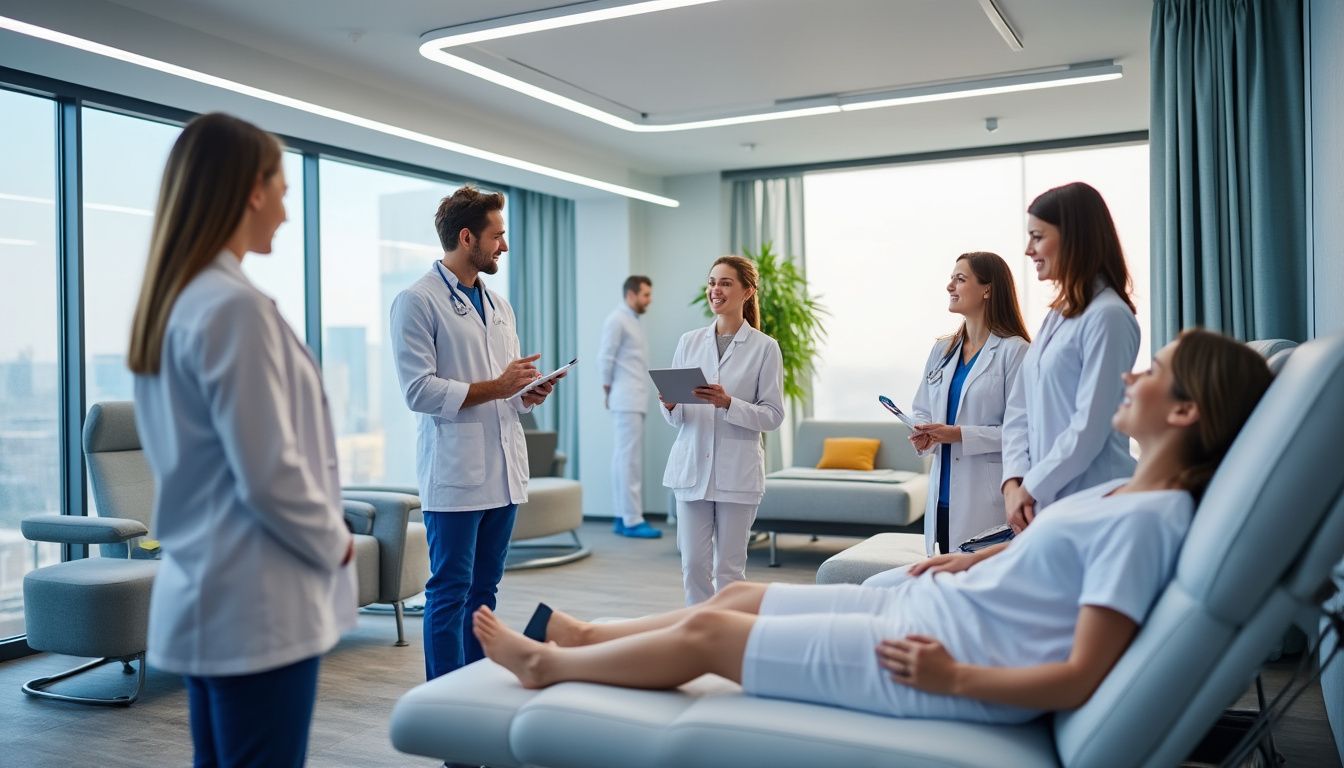
Supporting Patients with Tailored, Evidence-Based Education
Clear communication remains fundamental to effective pain management. Patients are provided with accessible, jargon-free explanations about IntraSPINE, detailing its indications, expected outcomes, and possible limitations. This practice empowers informed decision-making, aligning with Dr. Desforges’ dedication to scientific rigor and ethical responsibility.
Educational sessions also highlight the importance of continuing post-procedure rehabilitation and lifestyle modifications to optimize results and prevent recurrence.
Minimally Invasive Surgery in Longueuil: Reducing Hospital Stays for Faster Recovery
In recent years, a transformative wave has swept through spinal healthcare in Longueuil, aiming to revolutionize treatment experiences for patients suffering from back disorders. This shift stems from a growing demand for procedures that minimize hospital stays without compromising efficacy.…
In Sainte-Thérèse, the rising prevalence of herniated disc cases presents a significant challenge to residents seeking effective solutions for persistent back pain and compromised spinal health. This condition, often resulting from mechanical stress due to sedentary lifestyles or physical exertion,…
Long-Term Outcomes and Patient Experiences with IntraSPINE
Longitudinal patient data increasingly demonstrate the efficacy of IntraSPINE in delivering durable relief from chronic lower back pain. Many patients report rapid reductions in pain severity, improvements in functional ability, and a return to active lifestyles within weeks post-implantation.
Patient testimonials from Sherbrooke reflect not only relief but also renewed confidence stemming from the preservation of natural spinal motion and minimal surgical trauma. The device’s ability to reduce reliance on pain medications further enhances quality of life, underscoring the value of this innovative technology.
These positive outcomes validate the combined efforts of Dr. Desforges and his multidisciplinary team in delivering customized care pathways that respect patient individuality and promote sustainable spine health.
Postoperative Care and Rehabilitation Protocols
Postoperative care following IntraSPINE implantation is critical to ensuring optimal recovery. Specialized rehabilitation programs emphasize gentle mobilization, strength-building exercises, and ergonomic education to protect spinal integrity. Regular consultations with TAGMED’s expert team monitor progress and address any concerns promptly.
This comprehensive support mitigates risks of complications and fosters quick reintegration into daily activities and occupational roles.
Key Advantages of Choosing IntraSPINE for Chronic Lumbar Pain
- Dynamic spinal support preserving natural mobility
- Minimally invasive procedure reducing surgical risks
- Shorter recovery times enabling faster return to daily activities
- Reduced risk of adjacent segment degeneration
- Integration within a structured international care pathway
- Access to advanced technologies and multidisciplinary expertise
- Comprehensive patient education and personalized evaluation
This array of benefits situates IntraSPINE as a leading therapeutic option in Sherbrooke, contributing meaningfully to evolving standards in spine health and chronic back pain management.
What conditions qualify a patient for IntraSPINE implantation?
IntraSPINE is suitable for patients with chronic lumbar pain caused by disc degeneration or spinal stenosis who have not responded sufficiently to conservative treatments such as physical therapy and neurovertebral decompression.
How long does recovery typically take after IntraSPINE surgery?
Recovery varies by individual but generally involves a shorter rehabilitation period compared to spinal fusion, often allowing patients to resume normal activities within weeks under guided physiotherapy.
Is IntraSPINE surgery covered by Canadian healthcare or insurance?
Coverage depends on individual insurance plans and provincial healthcare policies. Patients should consult with their providers and the care team at Clinique TAGMED for specific coverage details.
Why is conservative treatment recommended before considering IntraSPINE surgery?
Conservative care aims to manage pain and improve function without invasive intervention. This approach helps identify patients who truly need surgery and can prevent unnecessary procedures, aligning with evidence-based practice.
How does international coordination improve patient outcomes for IntraSPINE surgery?
Coordination between Canadian and French medical teams provides patients access to specialized surgical expertise and advanced technology, ensuring a seamless experience from evaluation to postoperative care with minimized disruption and improved clinical results.