
Herniated Disc in Sainte-Thérèse: Exploring Neurovertebral Decompression and Alternative Treatment Options
August 6, 2026
Neck Surgery in Montreal: Maintain Cervical Flexibility and Function
August 7, 2026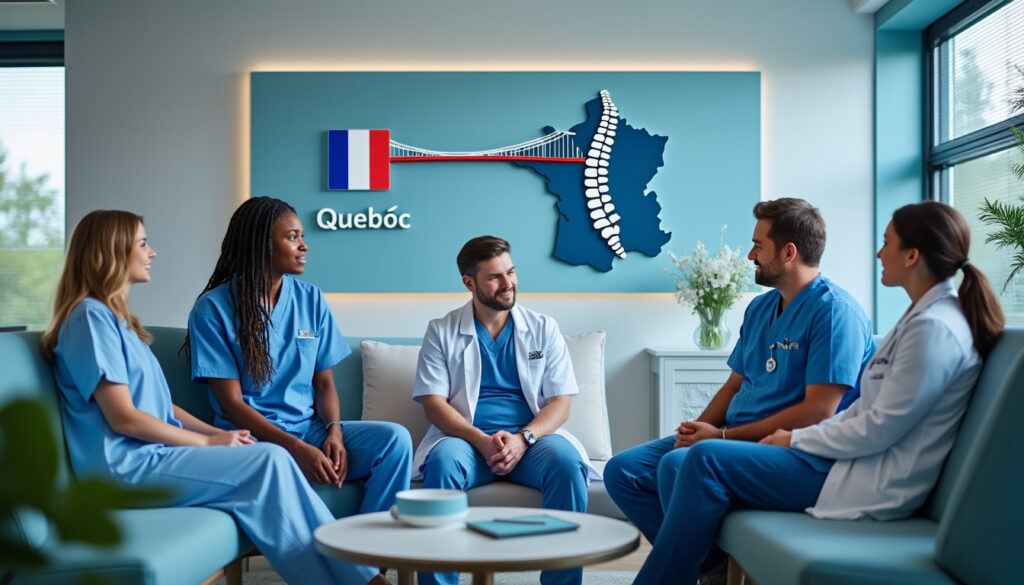
In recent years, a transformative wave has swept through spinal healthcare in Longueuil, aiming to revolutionize treatment experiences for patients suffering from back disorders. This shift stems from a growing demand for procedures that minimize hospital stays without compromising efficacy. Minimally invasive surgery (MIS), equipped with cutting-edge technologies such as robotic-assisted tools, endoscopic techniques, and dynamic spinal implants, represents a beacon of hope for those seeking faster recovery and reduced pain. This approach not only shortens the time patients spend in hospital but also significantly improves postoperative comfort and mobility, aligning clinical outcomes with patient-centered care.
Dr. Sylvain Desforges, an esteemed spinal care expert with over three decades of clinical experience, pioneers access to these innovative surgical techniques in Longueuil and beyond. His extensive background, including leadership positions at premier osteopathic and medical alliances, underscores his dedication to advancing spine health through ethical, evidence-based, and patient-focused strategies. Through transatlantic collaborations with leading French spinal surgeons and clinics, Dr. Desforges helps bridge geographical gaps that often delay patient care, ensuring timely interventions with high standards of safety and innovation.
Advancements in Minimally Invasive Surgery in Longueuil: Transforming Patient Care
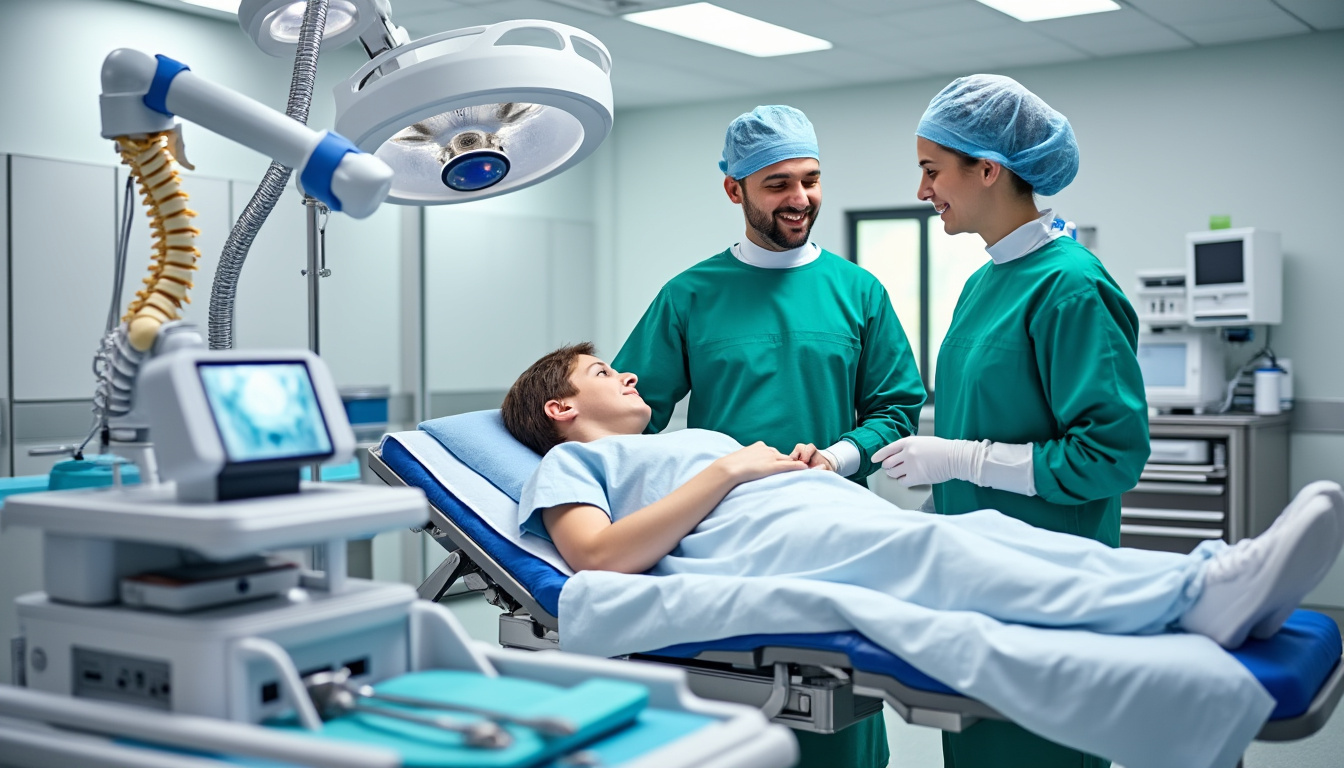
Minimally invasive surgery in Longueuil marks a significant departure from traditional open spine surgeries. Conventional methods often involve large incisions, extensive tissue damage, and prolonged hospital stays that can range from several days to weeks. MIS, by contrast, utilizes small incisions and highly specialized instruments to address spinal conditions with minimal disruption to surrounding tissues. Techniques such as tubular retractors, laser therapy, and robotic guidance allow surgeons to achieve precision previously unattainable, dramatically reducing trauma and accelerating healing.
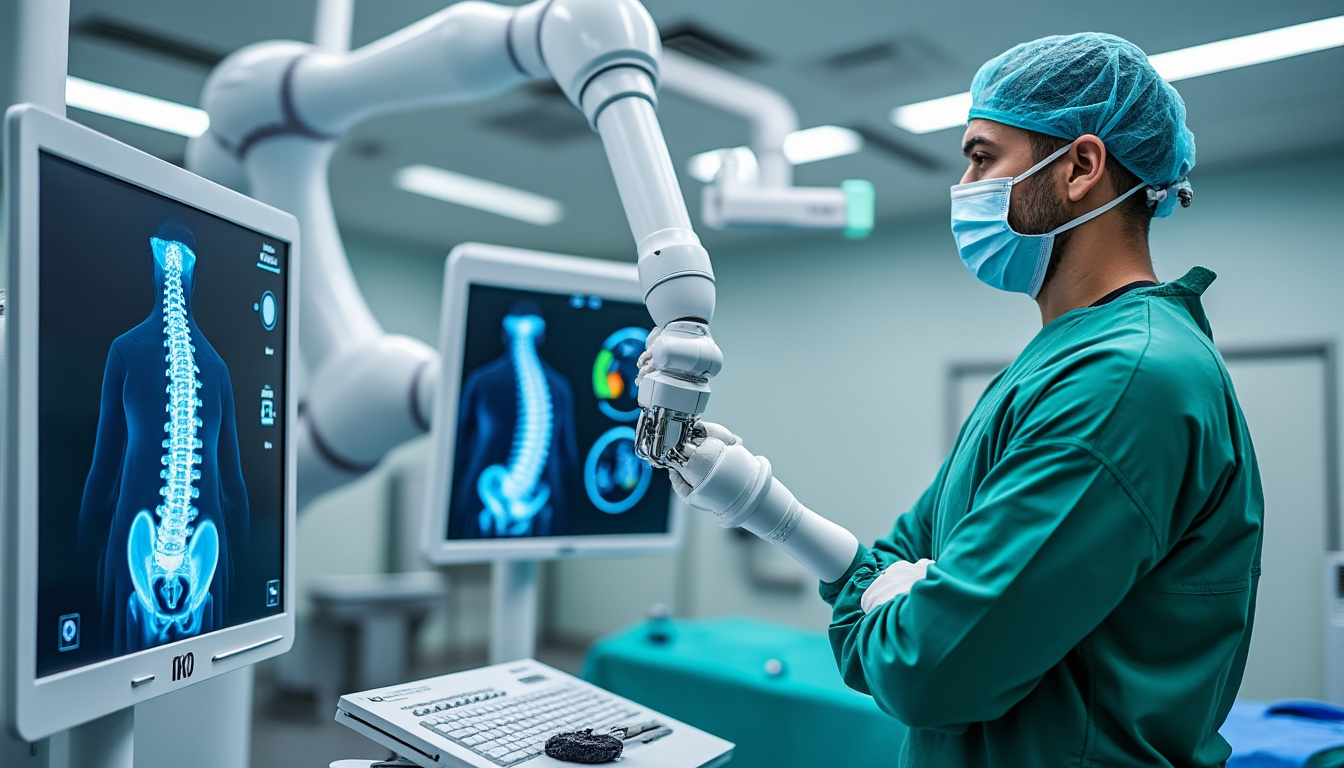
Patients benefit from a reduction in postoperative pain, which facilitates earlier mobilization and decreases dependency on pain medication. Recovery times plummet, often shrinking hospital stays from multiple days to 24-48 hours. Moreover, the cosmetic benefits of smaller scars appeal to many seeking a less invasive alternative. For example, robot-assisted spinal decompression therapies allow targeted treatment of herniated discs with pinpoint accuracy, reducing nerve irritation and inflammation more efficiently than traditional procedures.
These clinical advancements also dovetail with a refined patient experience. Medical teams emphasize transparent communication about surgical indications, limitations, and expected benefits, making the complex landscape of spinal care accessible and understandable. According to expertise shared through sources such as patient support platforms, this clarity enhances trust and empowers patients to take an active role in their recovery journey.
IntraSPINE® in Sherbrooke: A Long-Lasting Solution for Chronic Lower Back Pain
Chronic lower back pain remains one of the most pressing health concerns in Sherbrooke and beyond, impacting millions and often diminishing daily quality of life. Despite the prevalence of lumbar discomfort, many face limited access to cutting-edge treatments amidst lengthy…
Different Types of Minimally Invasive Surgery Available in Longueuil
The diversity of spinal disorders requires tailored surgical strategies. In Longueuil, minimally invasive surgery encompasses several principal types, each suited to specific pathology profiles. An expert such as Dr. Sylvain Desforges ensures thorough patient evaluations—integrating clinical history, imaging, and biomechanics—to determine the optimal intervention pathway.
Simple Minimally Invasive Procedures
Targeted at less complex spinal issues, these surgeries utilize tiny incisions and endoscopic techniques to relieve nerve compressions or remove minor disc herniations. Hospital stays are typically brief, often just 24 to 48 hours, enabling patients to quickly resume daily activities. The preservation of surrounding musculature and ligaments is a crucial advantage, minimizing postoperative stiffness and enhancing overall mobility.
Minimally Invasive Fusion Surgery
When spinal instability threatens function or causes severe pain, fusion surgery is employed to achieve lasting stabilization. Unlike traditional open fusion, MIS fusion uses smaller incisions and specialized implants to stabilize affected vertebrae. While this may reduce segmental mobility to an extent, it significantly relieves pain and prevents further degeneration. The use of rigid yet biomechanically compatible implants helps maintain a balance between stability and motion.
Motion-Preserving Surgery with Dynamic Implants
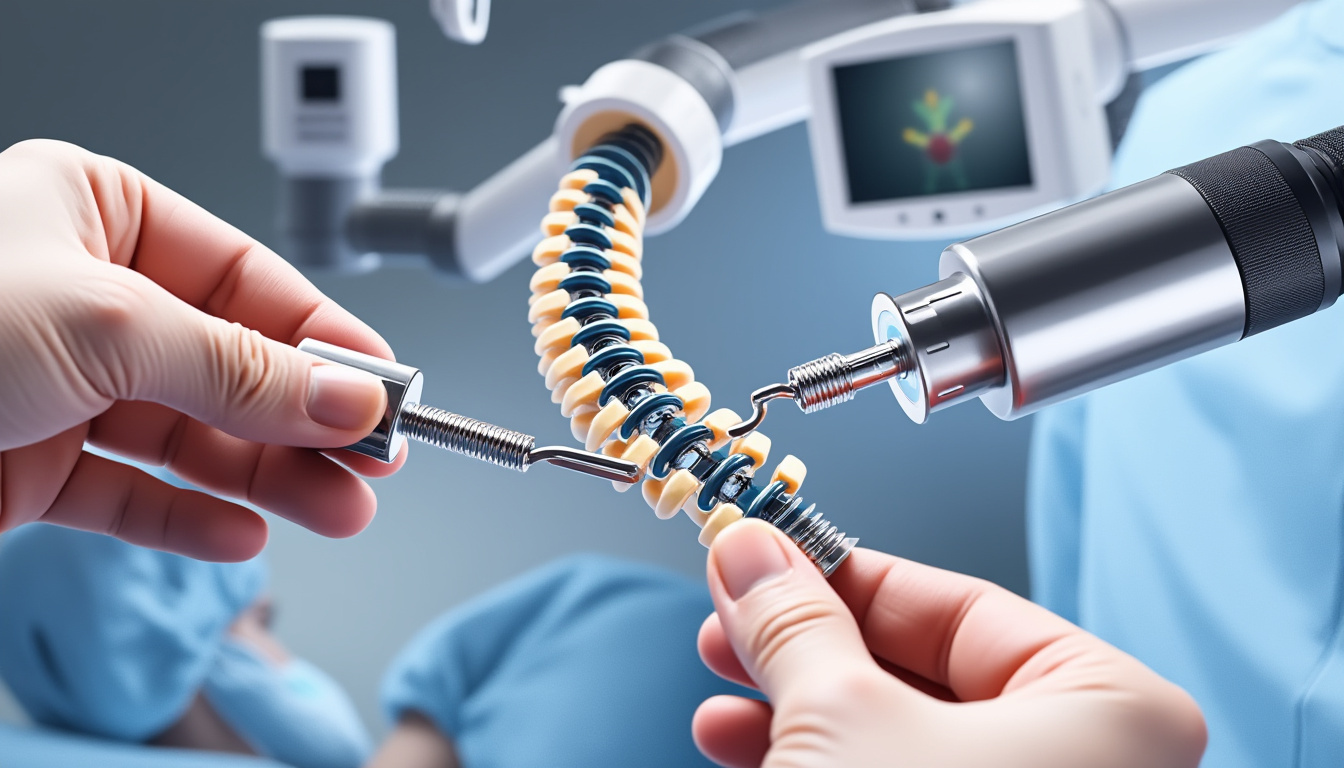
For patients without severe instability, dynamic implants represent a remarkable innovation. These devices preserve natural vertebral movement while stabilizing the spine, thereby reducing the risk of adjacent segment degeneration—a common complication of fusion surgeries. By maintaining flexibility, patients experience faster recovery and improved postoperative function. Dynamic stabilization techniques exemplify how medical innovation integrates biomechanical principles to optimize outcomes.
| Type of Surgery | Main Indication | Major Advantage | Impact on Mobility |
|---|---|---|---|
| Simple Minimally Invasive | Less complex spinal pathologies | Minimal access, rapid recovery | Generally preserved |
| Fusion Surgery | Spinal instability | Durable stabilization, pain relief | Potential segment immobilization |
| Motion-Preserving Surgery | Stable pathologies without severe instability | Maintains mobility, quick recovery | Preserved |
Herniated Disc Care in Sainte-Julie: Why TAGMED’s Neurovertebral Decompression Therapy Stands Out
In the vibrant community of Sainte-Julie, back pain—particularly that stemming from herniated discs—has become a widespread concern affecting people from all walks of life. The relentless search for effective, non-invasive treatments has brought renewed attention to a pioneering therapy that…
Patient Journey within Minimally Invasive Surgery: From Evaluation to Rehabilitation
The pathway to successful minimally invasive surgery in Longueuil begins with a meticulous evaluation, performed by experts like Dr. Sylvain Desforges whose 30+ years of clinical practice lend unparalleled insight. This comprehensive assessment accounts for symptom severity, prior treatments, imaging results, and the patient’s unique lifestyle requirements.
Before surgical consideration, conservative therapies, notably neurovertebral decompression, are administered over a 3-6 month period. This approach aligns with Dr. Desforges’ philosophy of prioritizing non-invasive options to reduce patient burden and surgical risk. Should these methods prove insufficient, patients are referred to specialized surgical centers equipped for minimally invasive interventions.
Longueuil benefits from an international framework connecting Canadian patients to leading European surgical teams, especially in France, where innovative techniques and regulatory rigor ensure safety and effectiveness. This transatlantic collaboration streamlines scheduling and communication, significantly reducing the time from diagnosis to treatment, while maintaining high standards.
Following surgery, the postoperative phase includes personalized care plans crafted by clinics such as Neurothérapie Montréal. These rehabilitative programs emphasize gradual mobilization, pain management, and functional restoration. This continuity of care ensures patients regain optimal spinal health with minimal setbacks.
Back Surgery in Trois-Rivières: Alleviating Pain While Preserving Mobility
In Trois-Rivières, Quebec, the persistence of back pain affects a substantial portion of the population seeking effective and personalized solutions. Back pain, often caused by spinal disorders or herniated discs, can drastically diminish quality of life, limiting mobility and causing…
Biomchanical and Human Benefits of Minimally Invasive Surgery in Longueuil
From a biomechanical perspective, minimally invasive surgery offers a refined method for preserving vital anatomical structures. By minimizing muscle dissection and bone removal, surgeons help maintain spinal integrity and function. The introduction of dynamic implants further supports this preservation by allowing controlled vertebral movement, which mitigates stress on adjacent segments and lowers the risk of early degeneration.
Patients experience reduced postoperative pain compared to traditional surgeries, facilitating quicker return to daily activities. Moreover, shortened hospital stays diminish the likelihood of nosocomial infections, a critical concern in modern healthcare environments.
The human aspect of care is equally central. An empathetic and clear communication style, as exemplified by Dr. Desforges, alleviates patient anxiety and fosters confidence. Patients receive detailed explanations of procedural steps, expected outcomes, and rehabilitation protocols, which nurtures a sense of control and partnership in their healing process.
This empathetic framework enhances pain management and improves adherence to recovery guidelines, which ultimately translates into better long-term results. The interplay between technical innovation and compassionate care sets a new standard in spine treatment paradigms.
Disc herniation remains a significant health concern in Pointe-Claire, impacting the lives of a diverse population ranging from labor-intensive workers to the aging community. The condition, characterized by the displacement or rupture of the intervertebral disc, often leads to debilitating…
Technological Innovations Elevating Surgical Techniques in Longueuil
Breakthrough technologies form the backbone of minimally invasive procedures in Longueuil, enhancing both precision and safety. Robotic-assisted neurovertebral decompression, for example, sharpens surgical accuracy while preserving delicate neural structures. This precision contributes to lower complication rates and smoother recovery trajectories.
Advanced imaging modalities integrated into surgical suites enable real-time monitoring, allowing immediate adjustments during procedures. This capability reduces operative time and improves outcomes. Additionally, dynamic spinal implants constitute a key technological leap, facilitating motion preservation without compromising spinal stability.
Regular updates in equipment and methodology ensure patients in Longueuil have access to the latest, evidence-based treatments. This innovation thrives within a collaborative network of skilled clinicians dedicated to elevating healthcare quality through continuous education and cooperative practice, bridging the latest science with compassionate application.
TOPS™ in Gatineau: A High-Performance Solution for Lumbar Spine Care
In a region where chronic back pain increasingly affects quality of life, the quest for advanced and effective lumbar spine treatments is paramount. Lumbar spinal stenosis, a prevalent condition among Quebec’s aging population, often imposes persistent discomfort and mobility limitations.…
Reducing Hospital Stays and Enhancing Quality of Life through Minimally Invasive Approaches
One of the hallmark benefits of minimally invasive surgery is the notable reduction in hospital stay durations. Patients in Longueuil typically spend 24 to 48 hours hospitalized postoperatively, a stark contrast with traditional open surgeries that may require week-long admissions. This efficiency not only accelerates patient discharge but also minimizes exposure to hospital-related complications like infections.
The expedited recovery fosters earlier resumption of professional and personal activities, significantly boosting quality of life. Critical to this process is a coordinated continuum of care, extending from preoperative education to postoperative rehabilitation. Patients receive clear guidance at each step, mitigating anxiety and setting realistic expectations tailored to individual progress.
By combining innovative surgical techniques with empathetic patient support, Longueuil’s healthcare system exemplifies a forward-thinking model that balances medical excellence with human-centered care. This integrative approach ensures that patients not only recover quickly but also regain functional independence with durable results.
At Gouin Clinic, the landscape of herniated disc therapy has entered a transformative era marked by the integration of Personalized Treatment Plans and breakthrough Neurovertebral Decompression Therapy. This non-surgical approach is revolutionizing how spinal disorders are managed, offering patients an…
The Role of International Collaboration in Optimizing Surgical Outcomes for Patients in Longueuil
The landscape of spine care in Longueuil benefits immensely from a robust international network that bridges expertise from North America and Europe. Dr. Sylvain Desforges stands at the forefront of this global coordination, managing patient pathways between Canadian clinics and leading French surgical centers.
This transatlantic alliance facilitates access to state-of-the-art surgical techniques that may not yet be widespread across Canadian facilities. By integrating knowledge from French innovators specializing in dynamic implants and robotic decompression, patients in Longueuil can experience advanced interventions without delayed or limited local options.
Seamless communication between multidisciplinary teams on both sides of the ocean ensures tailored treatment plans, optimized timing, and comprehensive support before, during, and after surgery. Platforms like SOS Tourisme Médical play a crucial role in simplifying logistics and enhancing patient experience, allowing smoother transitions and ensuring safety and quality throughout the medical journey.
Cervical Disc Prosthesis in Quebec: Preventing Post-Operative Stiffness
Neck pain is one of the most common musculoskeletal complaints in Quebec, affecting a significant portion of the population annually. Often rooted in degenerative cervical disc diseases or herniated discs, this persistent discomfort severely impacts daily life and mobility. Fortunately,…
Ethics, Scientific Rigor, and Patient Safety in the Era of Minimally Invasive Surgery
Commitment to ethical practice and scientific rigor parallels technological advancement in Longueuil’s approach to minimally invasive surgery. Dr. Sylvain Desforges upholds stringent compliance with provincial and national regulations, emphasizing adherence to guidelines set forth by entities such as the Collège des médecins du Québec. This ensures that every intervention prioritizes patient safety and evidence-based practices.
Innovations like neurovertebral decompression and laser therapy are carefully integrated following thorough clinical evaluation and robust scientific validation. The objective remains clear: to optimize outcomes while minimizing risks, respecting individual patient conditions, and ensuring transparent communication throughout care delivery.
Part of this ethical commitment includes educating patients in accessible language, without jargon, empowering them to understand their treatment options fully. This approach fosters informed consent and strengthens trust—cornerstones in advancing healthcare quality for spinal disorders.
- Small incisions minimize tissue trauma and scarring.
- Shortened hospital stays reduce infection risk and healthcare costs.
- Advanced technologies improve surgical precision and outcomes.
- Personalized care plans address unique patient needs and progress.
- International collaboration accelerates access to cutting-edge treatments.
The prevalence of herniated disc conditions in Blainville has sparked considerable discussion and misconceptions about their causes, symptoms, and treatments. While the pain and disability associated with this spinal disorder are well documented, the emergence of non-surgical options such as…
Comprehensive Postoperative Care Tailored for Lasting Recovery
Minimally invasive spine surgery in Longueuil is complemented by a thorough postoperative care system designed to ensure durable recovery. Leading rehabilitation clinics, including Neurothérapie Montréal, specialize in crafting individualized recovery programs that include physical therapy, pain management, and lifestyle adjustments.
This phase is critical to consolidate surgical benefits, restore function, and prevent long-term complications. Close monitoring and regular follow-up visits support patients in navigating challenges during healing, adjusting therapies as needed, and fostering independence.
Through continuous patient education and empathetic guidance, recovery transcends mere physical healing to embrace psychological well-being, equipping individuals with strategies to maintain spinal health and promote overall quality of life.
Frequently Asked Questions on Minimally Invasive Surgery in Longueuil
What are the main benefits of minimally invasive surgery compared to traditional surgery?
Minimally invasive surgery in Longueuil offers smaller incisions, reduced hospital stays, less postoperative pain, and quicker recovery, enabling patients to return to daily activities sooner.
How long do patients generally stay in the hospital after minimally invasive spinal surgery?
Typically, hospital stays last between 24 to 48 hours following minimally invasive procedures, significantly shorter than traditional open surgeries.
Are there non-surgical treatments recommended before considering minimally invasive surgery?
Yes, treatments such as neurovertebral decompression are usually recommended for 3 to 6 months prior to surgical intervention, emphasizing conservative management first.
What does postoperative rehabilitation involve after minimally invasive surgery?
Postoperative care includes personalized rehabilitation programs focusing on gradual mobilization, pain control, strengthening exercises, and lifestyle guidance developed by specialized clinics.
What innovative technologies are employed in minimally invasive spine surgery in Longueuil?
Technologies such as robotic-assisted decompression, dynamic spinal implants, laser therapy, and high-resolution intraoperative imaging are integrated to enhance surgical safety and outcomes.