Herniated Disc in Blainville: Debunking 5 Common Myths and Exploring Neurovertebral Decompression Therapy
August 7, 2026
IntraSPINE® in Laval: Modern Solution for Lumbar Stabilization
August 8, 2026
Neck pain is one of the most common musculoskeletal complaints in Quebec, affecting a significant portion of the population annually. Often rooted in degenerative cervical disc diseases or herniated discs, this persistent discomfort severely impacts daily life and mobility. Fortunately, advancements in spinal care have introduced the cervical disc prosthesis, a revolutionary intervention designed not only to alleviate pain but also to preserve natural neck motion and prevent the debilitating stiffness that frequently follows traditional spine surgeries.
With over 30 years of clinical expertise, Dr. Sylvain Desforges stands as a leading figure in spinal disorders evaluation and conservative care, guiding numerous patients in Quebec through this innovative surgical pathway. His commitment to scientific rigor, patient-centered methodologies, and international collaboration—particularly bridging contacts between Quebec and French medical teams—ensures an integrated and personalized approach to each patient’s journey.
This article explores the many facets of cervical disc prosthesis in Quebec, emphasizing how this technique addresses post-operative stiffness, enhances surgical outcomes, and fosters a smoother recovery, all underpinned by comprehensive rehabilitation and continuous patient support.
Understanding Cervical Disc Prosthesis: A Modern Solution for Neck Pain in Quebec
The cervical disc prosthesis represents a cutting-edge alternative to traditional spine fusion surgery, which often leads to unwanted stiffness and reduced range of motion. Unlike fusion, which immobilizes vertebral segments, the disc replacement approach aims to restore biomechanical function by substituting the damaged intervertebral disc with a dynamic implant.
Designed to mimic the natural structure and flexibility of an intact disc, these implants—such as the well-known Mobi-C and Prodisc C—are engineered using state-of-the-art biomaterials that preserve disc height while alleviating pressure on nerve roots. This preservation of movement at the affected cervical level helps reduce biomechanical stress on adjacent segments, potentially preventing future degenerative changes.
Patients suffering from chronic neck pain due to herniated discs or arthritic disc disease often find that conservative care alone proves insufficient after a prolonged period. It is under these circumstances that cervical disc replacement is considered a viable surgical option to restore quality of life without sacrificing cervical spine mobility.
Dr. Sylvain Desforges, recognized for his expertise and pioneering efforts in spine care, particularly highlights the importance of selecting appropriate candidates through careful evaluation. His multifaceted approach considers the patient’s history, imaging results, and response to conservative treatments to ensure that those who undergo disc replacement stand to gain the most benefit, with minimized risks of stiffness and complications.
Embracing advanced technologies and multidisciplinary protocols, the clinical teams at Quebec-based clinics provide an environment where this innovative therapy aligns with ethical standards and scientific excellence to restore patients’ functionality effectively.
IntraSPINE® in Sherbrooke: A Long-Lasting Solution for Chronic Lower Back Pain
Chronic lower back pain remains one of the most pressing health concerns in Sherbrooke and beyond, impacting millions and often diminishing daily quality of life. Despite the prevalence of lumbar discomfort, many face limited access to cutting-edge treatments amidst lengthy…
Indications and Patient Selection Criteria for Cervical Disc Replacement in Quebec
Successful outcomes in cervical disc prosthesis surgery fundamentally depend on proper patient selection—a process led by experts with deep clinical acumen like Dr. Desforges. Only patients with specific indications are recommended to undergo this procedure, following a comprehensive period of conservative management.
Typically, candidates are individuals experiencing degenerative cervical radiculopathy manifesting as radiating neck and arm pain, weakness, or numbness attributable to a single-level symptomatic disc disease. Before surgery, these patients usually attempt a combination of therapies over 3 to 6 months, including:
- Neurovertebral decompression therapy: advanced non-surgical methods to relieve nerve pressure.
- Physical therapy: strengthening and flexibility programs focusing on cervical and upper thoracic regions.
- Ergonomic modifications: personalized advice to adjust workstations and daily habits to reduce spinal strain.
If symptoms persist despite these conservative treatments, a thorough re-evaluation by Dr. Desforges is performed, involving clinical examination and imaging studies such as dynamic X-rays and MRI scans. The goal is to exclude contraindications like facet joint arthropathy, severe spondylosis, or osteoporosis that might jeopardize implant success.
Careful screening ensures that only patients likely to attain optimal range of motion and pain relief undergo the procedure, minimizing postoperative stiffness—a complication often associated with fusion surgeries. Moreover, this judicious selection aligns with Quebec and Canadian medical regulations, reinforcing the ethical and evidence-based practice standards upheld by Dr. Desforges.
Understanding these intricate criteria is crucial for patients and healthcare providers eager to explore disc replacement as a promising avenue for neck pain relief with preserved motion.

Herniated Disc Care in Sainte-Julie: Why TAGMED’s Neurovertebral Decompression Therapy Stands Out
In the vibrant community of Sainte-Julie, back pain—particularly that stemming from herniated discs—has become a widespread concern affecting people from all walks of life. The relentless search for effective, non-invasive treatments has brought renewed attention to a pioneering therapy that…
The Surgical Process: How Cervical Disc Replacement Fights Post-Operative Stiffness
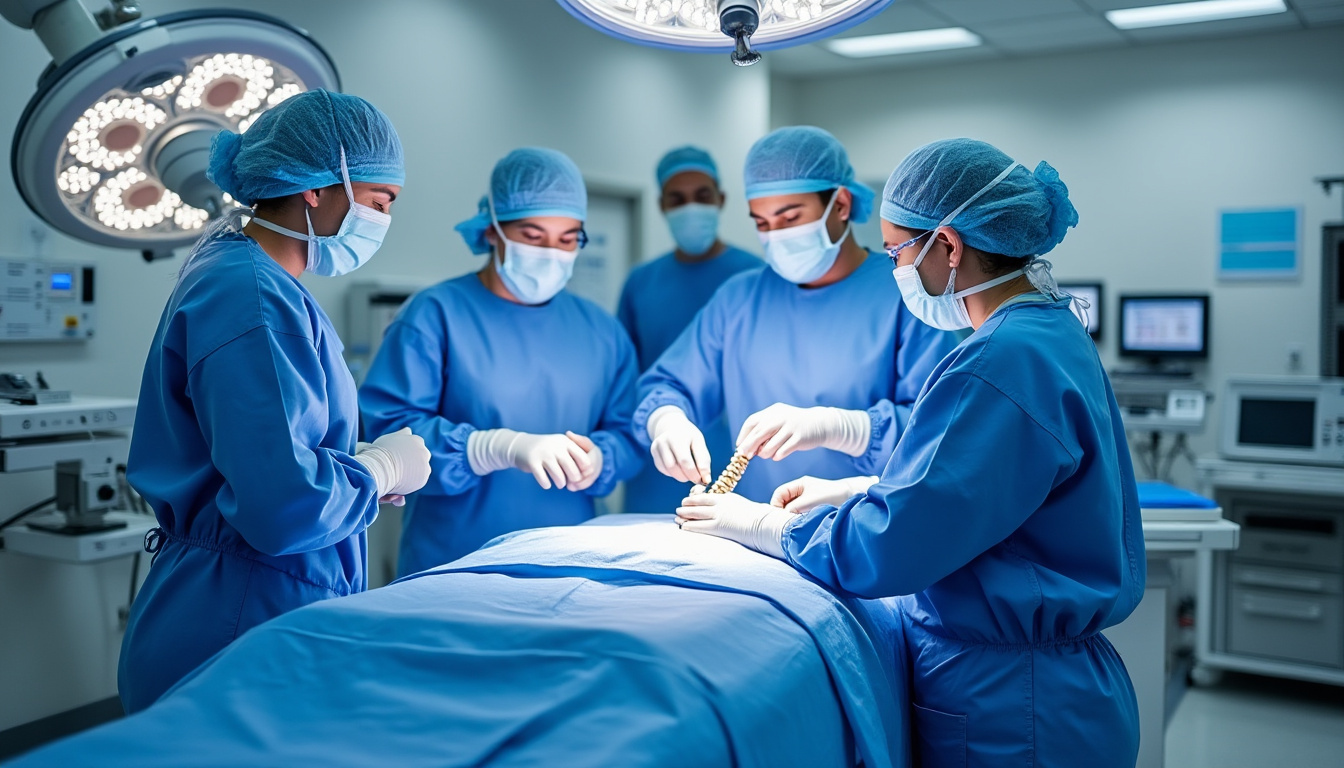
The cervical disc prosthesis surgery performed in Quebec clinics is a minimally invasive procedure conducted under general anesthesia, often requiring a hospital stay of only 1 to 3 days. Compared to fusion surgeries, this approach significantly reduces the duration and invasiveness of spine surgery.
The operating surgeon removes the damaged disc and implants a mechanical disc designed to allow movement in multiple planes, essentially replicating natural cervical spine biomechanics. This dynamic implant maintains disc height and flexibility, crucial factors in preventing the postoperative stiffness that hampers recovery and functionality.
One essential aspect of this surgery is the precision placement and secure fixation of the prosthesis, monitored through intraoperative imaging techniques. Devices from leading manufacturers such as Medtronic and Stryker, incorporating advanced biomechanical engineering, enhance the stability and longevity of the implants.
Postoperatively, patients benefit from a favorable prognosis typically showing faster returns to everyday activities compared to fusion, mainly due to the preserved cervical mobility. The prevention of stiffness after surgery is not solely dependent on the implant but is also significantly influenced by the multidisciplinary post-operative care protocols designed by experts like Dr. Desforges.
These protocols focus on a gradual mobilization strategy, while safeguarding implant integration, thus promoting better surgical outcomes.
Dr. Desforges emphasizes the importance of patients understanding the surgical process clearly, dispelling myths, clarifying expectations, and empowering them to participate actively in their recovery.
Back Surgery in Trois-Rivières: Alleviating Pain While Preserving Mobility
In Trois-Rivières, Quebec, the persistence of back pain affects a substantial portion of the population seeking effective and personalized solutions. Back pain, often caused by spinal disorders or herniated discs, can drastically diminish quality of life, limiting mobility and causing…
Comprehensive Rehabilitation Strategies to Ensure Long-Term Success After Disc Replacement
Rehabilitation following cervical disc prosthesis operations is a critical phase mandating coordinated efforts between physical therapists, osteopaths, and spine care experts. The overarching goal is to regain full range of motion, reduce discomfort, and improve overall neck functionality without compromising the implant’s stability.
Remarkably, patients usually commence gentle movement exercises as early as the day after surgery. This early mobilization combats the adverse effects of stiffness by stimulating blood flow, reducing swelling, and encouraging neural and muscular adaptation.
Dr. Desforges advocates a structured physical therapy regimen broken down into progressive phases:
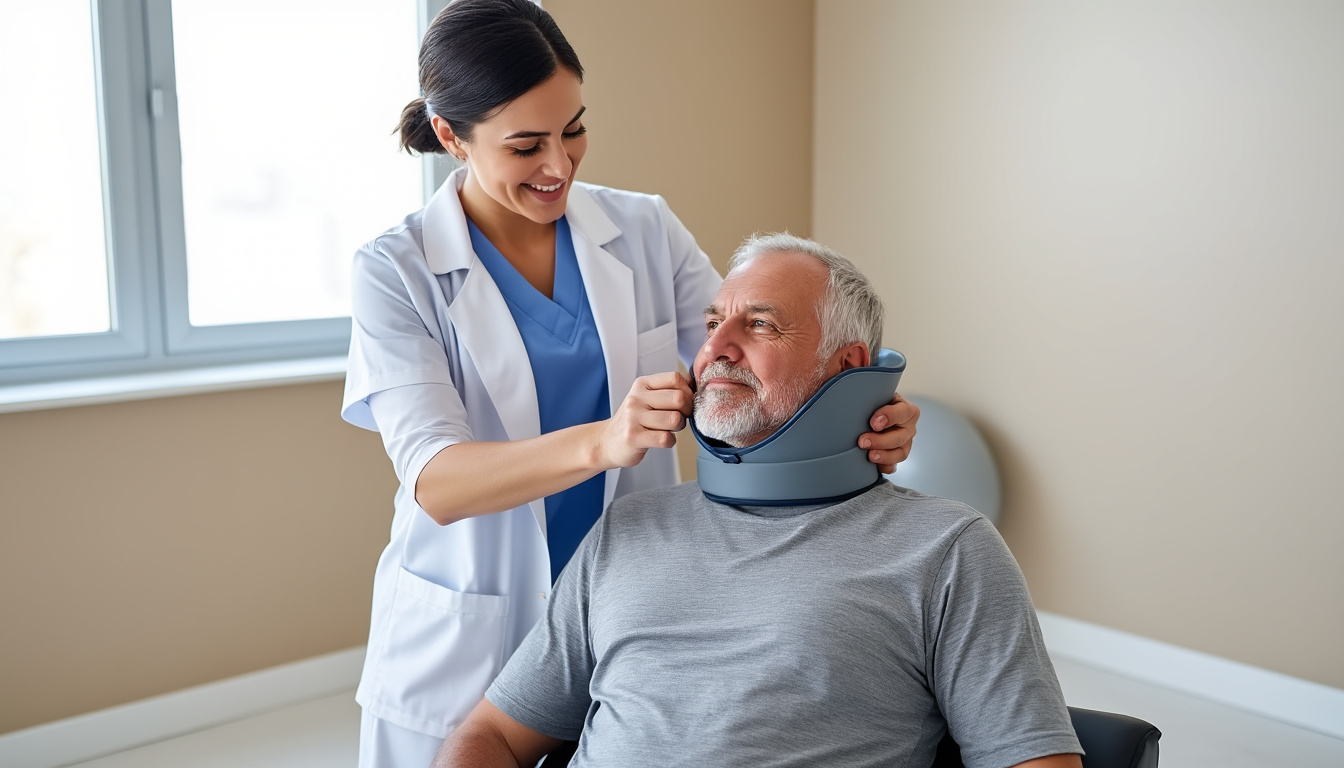
- Initial Phase (0-6 weeks): Focus is on healing management, mild cervical range-of-motion exercises, pain control, and wearing a soft cervical collar if necessary.
- Intermediate Phase (6 weeks to 3 months): Strengthening of cervical and upper thoracic muscles through therapeutic exercises adjusted to individual tolerance. Patients gradually resume light daily and professional activities.
- Advanced Phase (3 to 6 months): Return to more intense activities, such as sports or dynamic work tasks, with emphasis on posture and spinal load management.
This rehabilitation plan carefully balances mobility and protection, thereby reducing the risk of postoperative complications like implant loosening or pseudoarthrosis.
Furthermore, patient education on ergonomics and lifestyle modifications remains central to sustained spine health after surgery. Such an integrated approach aligns with Dr. Desforges’ ethical commitment to evidence-based, patient-focused care, fostering improved long-term results.
Disc herniation remains a significant health concern in Pointe-Claire, impacting the lives of a diverse population ranging from labor-intensive workers to the aging community. The condition, characterized by the displacement or rupture of the intervertebral disc, often leads to debilitating…
International Collaboration Enhances Access to Advanced Cervical Disc Prosthesis Solutions
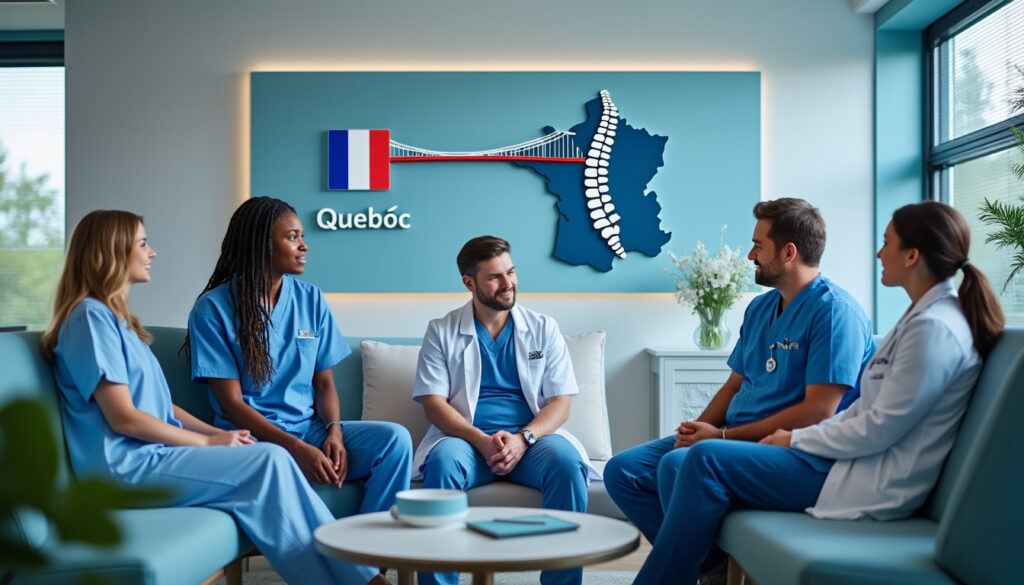
The innovative approach to cervical disc prosthesis in Quebec benefits substantially from robust collaborations between Canadian and French medical institutions. Facilitated by partnerships involving organizations such as SOS Tourisme Médical and Franchir, this transatlantic cooperation optimizes patient access to advanced surgical techniques and specialized implants often unavailable in Canada.
Patients seeking treatment under the guidance of Dr. Sylvain Desforges can expect a seamless care pathway integrating preoperative assessment, surgery, and postoperative follow-up coordinated between Quebec and France. This synergy reduces long wait times endemic to public healthcare and ensures access to cutting-edge technologies and expert surgeons.
The international framework is particularly advantageous for patients requiring complex spinal care, allowing personalized solutions that consider individual anatomical and clinical nuances while optimizing timelines and therapeutic outcomes.
Moreover, these collaborations embody a human-centric vision of care that aligns with Dr. Desforges’ mission of compassionate patient support through every phase of the treatment journey, enhancing not only surgical results but also patient confidence and satisfaction.
TOPS™ in Gatineau: A High-Performance Solution for Lumbar Spine Care
In a region where chronic back pain increasingly affects quality of life, the quest for advanced and effective lumbar spine treatments is paramount. Lumbar spinal stenosis, a prevalent condition among Quebec’s aging population, often imposes persistent discomfort and mobility limitations.…
Dr. Sylvain Desforges’ Unique Expertise in Evaluating and Supporting Patients with Cervical Spine Disorders
As the founder of Clinique TAGMED and the Alliance Canadienne de Médecine Alternative, Dr. Sylvain Desforges brings a rare blend of scientific rigor, clinical expertise, and compassionate patient care to the field of cervical spine disorders. His qualifications (B.Sc., D.O., N.D.) and three decades of experience empower him to provide comprehensive evaluations that meticulously assess each patient’s unique spinal health condition.
Dr. Desforges’ approach is holistic and personalized, ensuring that every diagnosis phase includes a meticulous review of conservative treatments before contemplating surgery. This safeguards patient safety and aligns with the strictest Quebec and Canadian medical regulations, including compliance with the Collège des médecins du Québec mandates.
Moreover, his ongoing interest in technological advancements—ranging from neurovertebral decompression devices to dynamic spinal implants—allows him to remain at the forefront of spinal care, bringing Quebec patients access to the best possible interventions in a reassuring and educational atmosphere.
His leadership roles, including presidency of the Canadian College of Osteopaths and TAGMED Clinics, further reflect his commitment to advancing spinal medicine and educating both patients and healthcare professionals, especially through clear communication of treatment options, benefits, and realistic expectations.
At Gouin Clinic, the landscape of herniated disc therapy has entered a transformative era marked by the integration of Personalized Treatment Plans and breakthrough Neurovertebral Decompression Therapy. This non-surgical approach is revolutionizing how spinal disorders are managed, offering patients an…
Post-Operative Risks, Patient Safety, and Long-Term Monitoring in Cervical Disc Replacement
Like any surgical intervention, cervical disc prosthesis surgery carries inherent risks, including infection, persistent pain, implant displacement, or neurological issues. However, with advances in surgical techniques and implant materials, these risks remain relatively low and manageable under expert care.
Dr. Desforges underscores the essential role of a personalized postoperative monitoring plan to promptly identify and address any complications. This plan includes regular clinical evaluation, imaging studies to assess implant position, and treating emerging symptoms efficiently.
An important consideration is the avoidance of smoking and other lifestyle factors that may increase the risk of pseudarthrosis or delayed healing, which can compromise surgical outcomes.
Long-term follow-up extends beyond the immediate recovery phase, with continued rehabilitation support to maintain cervical mobility and prevent stiffness—a major benefit of prosthesis over fusion.
Ensuring patient safety and durable results demands a cohesive multidisciplinary team committed to transparent communication and ongoing care. This collaborative model is central to Dr. Desforges’ clinical philosophy in Quebec.
The prevalence of herniated disc conditions in Blainville has sparked considerable discussion and misconceptions about their causes, symptoms, and treatments. While the pain and disability associated with this spinal disorder are well documented, the emergence of non-surgical options such as…
Financial Considerations and Accessibility of Cervical Disc Prosthesis Surgery in Quebec
Cost and coverage for cervical disc prosthesis surgery vary depending on individual patient circumstances and insurance plans. While public healthcare might cover aspects of the procedure, certain implants or components may require private funding.
Dr. Sylvain Desforges and his team provide detailed consultations to explore financial options transparently and help patients navigate reimbursement possibilities. Moreover, the international collaboration established between Quebec and France often results in economic advantages by reducing wait times and improving access to superior surgical technologies.
Patients are encouraged to engage proactively in discussions about the financial aspects as part of their evaluation and surgical planning, ensuring that decisions align with their personal needs and healthcare goals.
| Factor | Details | Impact on Patient |
|---|---|---|
| Public Healthcare Coverage | Partial or full coverage depending on eligibility and province policies | Reduces out-of-pocket expenses; may involve wait times |
| Private Insurance | Often covers advanced implants and complementary therapies | Enables access to cutting-edge treatments faster |
| International Partnerships | Collaborations with French centers to expedite surgery and access technology | Optimizes cost and care quality for patients |
| Rehabilitation Expenses | Costs vary depending on treatment length and complexity | Essential for successful long-term recovery |
Minimally Invasive Surgery in Longueuil: Reducing Hospital Stays for Faster Recovery
In recent years, a transformative wave has swept through spinal healthcare in Longueuil, aiming to revolutionize treatment experiences for patients suffering from back disorders. This shift stems from a growing demand for procedures that minimize hospital stays without compromising efficacy.…
Frequently Asked Questions about Cervical Disc Prosthesis in Quebec
What is the Cervical Disc Prosthesis, and how does it differ from traditional spine surgery?
The cervical disc prosthesis replaces a damaged intervertebral disc with a dynamic implant that maintains neck motion, unlike traditional fusion surgeries that immobilize the spine and often result in stiffness.
Who is a candidate for cervical disc replacement surgery?
Candidates are typically those with single-level cervical disc disease causing nerve root symptoms, who have not found relief through 3 to 6 months of conservative treatments including decompression therapy and physical therapy.
What does the rehabilitation process after surgery involve?
Rehabilitation includes early mobilization to prevent stiffness, progressive strengthening exercises tailored to the patient, and ergonomic education to support long-term spinal health.
Are there risks associated with cervical disc prosthesis surgery?
While risks such as infection or persistent pain exist, they are minimized under expert care with careful patient selection and rigorous postoperative monitoring.
Is the procedure covered by health insurance in Quebec?
Coverage depends on individual cases and insurance policies, with some components needing private funding; international collaborations may offer more affordable access and reduced waiting times.