TOPS™: Reduce Complications After Lumbar Decompression
October 25, 2025
Lumbar Disc Prosthesis: Long-Term Solution for Active Patients
October 25, 2025
In the evolving landscape of lumbar spine care, preserving natural mobility while addressing degenerative disc conditions is paramount. The IntraSPINE device, now available in Trois-Rivières, represents an innovative stride toward dynamic lumbar stabilization. Unlike traditional fusion surgeries that often restrict motion and lead to complications, IntraSPINE seeks to maintain physiological spinal movement, offering patients relief without compromising biomechanical function. As demand rises among patients in Québec for advanced, accessible spinal solutions, this dynamic interlaminar implant aligns with growing trends favoring less invasive, motion-preserving treatments. Understanding how this technology redefines lumbar care can empower individuals facing chronic low back pain to make informed decisions about their therapeutic options.
Dynamic stabilization methods like the IntraSPINE emerge at a critical time when conventional lumbar fusion presents challenges such as adjacent segment disease and post-surgical stiffness. With over 30 years of clinical insight and a dedication to ethical, evidence-based practice, experts like Dr. Sylvain Desforges have emphasized the significance of incorporating such technologies within comprehensive care pathways. His work highlights the importance of rigorous evaluation and personalized treatment coordination, including international collaborations that optimize surgical outcomes. As patients explore alternatives to circumvent the prohibitive wait times and financial constraints of private care in Québec, understanding the biomechanics, clinical advantages, and integrative approach of IntraSPINE offers a compelling narrative for health professionals and individuals alike.
Understanding IntraSPINE: A Breakthrough in Lumbar Spine Dynamic Stabilization
The IntraSPINE device is a revolutionary interlaminar implant designed to provide dynamic stabilization for lumbar spine conditions such as degenerative disc disease, facet arthropathy, and foraminal stenosis. Its unique design enables preservation of the spine’s natural range of motion in both flexion and extension, distinguishing it from traditional fusion implants. This preservation is crucial because rigid fusion often results in increased stress on adjacent segments, accelerating degeneration.
Comprised of medical-grade silica gel with a polyester fiber covering, the IntraSPINE implants close to the instantaneous axis of rotation (I.A.R.), a biomechanical sweet spot that allows the device to flex and deform elastically. This positioning unloads the facet joints, reopens the neuroforaminal spaces, relieves pressure on intervertebral discs, and maintains sagittal balance without sacrificing natural spine movement.
Key Features of IntraSPINE
- Dynamic motion preservation: Maintains spinal flexibility contrary to fusion techniques.
- Minimally invasive implantation: The procedure involves a monolateral approach, reducing trauma and recovery time.
- Biomechanical advantage: Located near the I.A.R., it optimizes load distribution across the vertebrae.
- Versatility in indications: Suitable for early disc degeneration, facet syndrome, foraminal and soft stenosis, and post-discectomy stabilization.
Since its clinical introduction in 2007 by Giancarlo Guizzardi, over 40,000 IntraSPINE devices have been implanted worldwide, supported by a growing body of evidence demonstrating improvements in low back pain and functional outcomes. Unlike other interspinous devices such as Wallis or Coflex, which primarily distract the spinous processes, IntraSPINE is placed between laminae, providing a more physiological stabilization effect.
| Device | Type | Placement | Range of Motion Preservation | Main Indications |
|---|---|---|---|---|
| IntraSPINE | Interlaminar dynamic stabilization | Between laminae, near I.A.R. | Full, in flexion and extension | Degenerative disc, facet syndrome, foraminal stenosis |
| Wallis | Interspinous spacer | Between spinous processes | Limited | Degenerative lumbar disease |
| Coflex | Interspinous device | Between spinous processes | Partial | Spinal stenosis, spondylolisthesis |
Explore detailed surgical techniques and outcomes in relation to IntraSPINE in Trois-Rivières on this insightful resource.

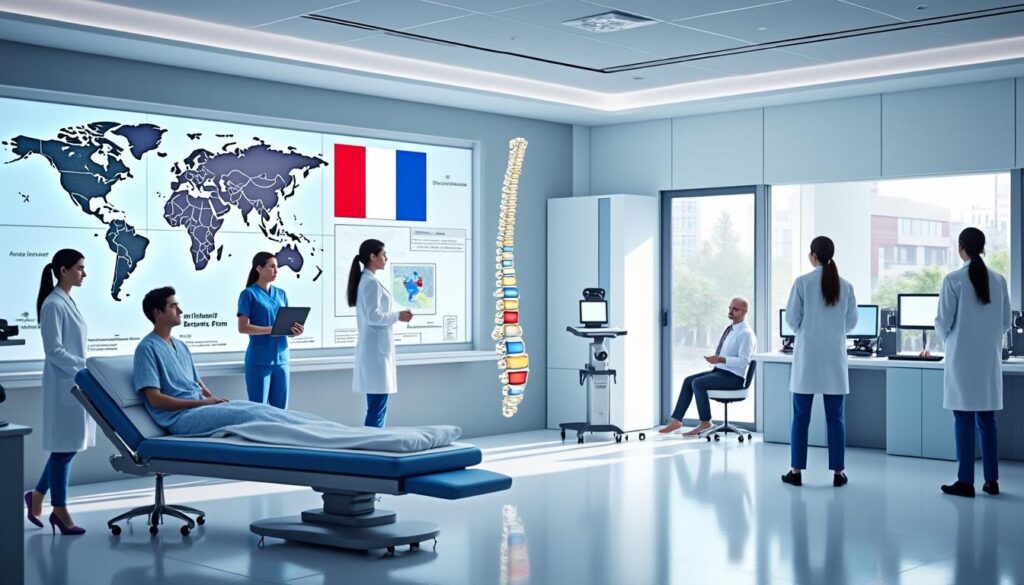
Disc Prosthesis in Lévis: Maintain Natural Mobility
In the evolving landscape of spinal health, the pursuit of innovative solutions for chronic back pain and degenerative disc conditions has never been more critical. Residents of Lévis and surrounding regions seeking pathways beyond the limitations of traditional spinal fusion…
Combining IntraSPINE with Traditional Fusion: Addressing Complex Lumbar Pathologies
Posterior lumbar interbody fusion (PLIF) remains a widely used technique for managing complex degenerative lumbar diseases. However, the fusion’s rigid fixation can lead to complications such as lumbar stiffness, intractable pain, and especially adjacent segment disease (ASD), which affects nearby spinal levels due to altered biomechanics. These factors have prompted the development of hybrid surgical approaches combining fusion with dynamic stabilization to minimize negative outcomes.
In select cases, particularly for skipped-level disc degeneration (SLDD) where degenerated discs are interrupted by healthy segments, combining PLIF at unstable levels with an IntraSPINE implant at intermediate segments offers a balanced strategy. This approach preserves motion where possible while providing necessary fusion to ensure stability.
Key Benefits of Combined Approaches
- Reduced surgical trauma: By limiting fusion to essential segments.
- Minimized risk of ASD: Dynamic stabilization preserves mobility, lessening adjacent segment overload.
- Preservation of lumbar lordosis: Supports natural spinal curvature and function.
- Improved postoperative outcomes: Decreased pain scores, faster recovery, and better functional status.
Clinical reports highlight cases where patients with multi-level disc herniations and lumbar stenosis underwent PLIF combined with IntraSPINE, experiencing significant symptom relief without the extensive morbidity associated with long fusion constructs. Imaging studies confirmed maintained device positioning and improved posterior disc height, demonstrating the device’s mechanical efficacy.
| Parameter | Traditional PLIF | Hybrid PLIF + IntraSPINE |
|---|---|---|
| Range of Motion at Intervened Levels | Reduced, near zero | Preserved at dynamic levels |
| Risk of Adjacent Segment Disease | High (up to 40%) | Lower (significantly reduced) |
| Operative Time and Blood Loss | Higher due to extensive fusion | Reduced by limiting fusion extent |
| Postoperative Pain Scores | Moderate to severe initially | Lower with faster recovery |
For a comprehensive overview of combined surgical techniques utilizing IntraSPINE, visit dedicated clinical summaries such as this clinical study. The integration of such devices is supported by leading spine implant manufacturers including Medtronic, Stryker, Zimmer Biomet, and NuVasive, who continue to innovate toward motion-preserving solutions.

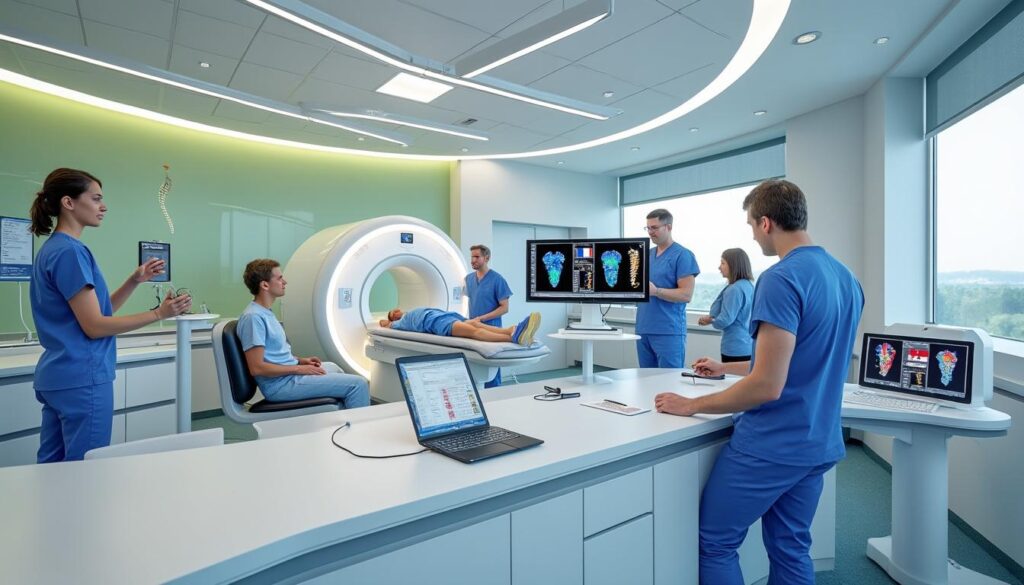
Motion Surgery in Terrebonne: Advanced Techniques Available in France
With over three decades of dedicated expertise in spine care, I have witnessed firsthand the evolution of surgical options aimed at improving quality of life for those living with spinal disorders. Among these advances, Motion Surgery stands out in Terrebonne…
Step-by-Step Patient Journey: From Evaluation to Postoperative Care
The pathway for patients considering IntraSPINE-associated care begins with a detailed evaluation performed by experts like Dr. Sylvain Desforges. This assessment includes clinical examination, imaging reviews, and functional analysis ensuring patient-specific factors guide treatment planning. Emphasizing scientific rigor and ethical standards, Dr. Desforges brings over 30 years of expertise in spine assessment to optimize care collaboration.
Critical Stages in the Patient Journey
- Initial Clinical Evaluation: Comprehensive history and physical exam focusing on spinal mobility and pain sources.
- Diagnostic Imaging: MRI and dynamic X-rays to assess disc degeneration, spinal stenosis, instability, and segmental motion.
- Trial of Conservative Care: Minimum 3 to 6 months of tailored, evidence-based conservative treatments, including physiotherapy, medications, and if not previously utilized, neurovertebral decompression therapies such as those provided by Clinique TAGMED.
- Expert Spine Evaluation: Detailed functional assessment and surgical candidacy discussion led by Dr. Desforges.
- Surgical Planning and Coordination: Cross-Atlantic collaboration between Canadian patients and French surgical centers, leveraging platforms like SOS Tourism Medical for seamless logistics and care transfer.
- Preoperative Preparation: Patient education, optimization of medical comorbidities, and clear communication to reduce anxiety.
- Surgery with Advanced Technology: Implementation of dynamic devices such as IntraSPINE combined with fusion when indicated.
- Postoperative Rehabilitation: Multidisciplinary support to restore function and monitor device integration through follow-up imaging.
| Journey Stage | Description | Typical Duration |
|---|---|---|
| Evaluation & Diagnostics | Clinical and imaging workup to confirm diagnosis and stability | 2-4 weeks |
| Conservative Treatment Trial | Non-surgical therapies including physiotherapy and possibly neurovertebral decompression | 3-6 months |
| Surgical Planning | Risk-benefit analysis, cross-border coordination, and patient education | 4-6 weeks |
| Surgery and Immediate Recovery | Operation with IntraSPINE ± fusion and initial rehabilitation | Hospital stay of 3-7 days |
| Long-Term Follow-Up | Ongoing monitoring of function and spinal stability | 12-24 months |
This coordinated patient journey is key to optimizing surgical success and aligns with the rigorous practices led by Dr. Desforges to ensure every intervention’s safety and effectiveness.
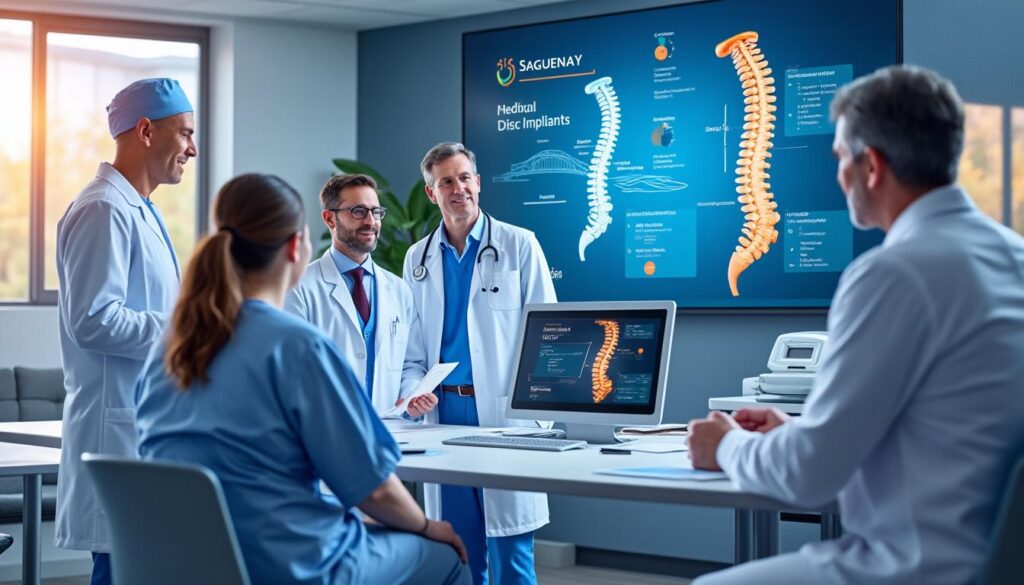
Lumbar Disc Prosthesis in Saguenay: Long-Lasting Relief After Surgery
Chronic back pain rooted in lumbar disc degeneration challenges many patients in Saguenay and beyond, urging exploration of innovative solutions to restore spine health and quality of life. Traditional spinal fusion surgeries, though effective for stabilizing painful segments, have notable…
Conservative Treatments as the Foundation Before Considering Surgery
Before contemplating any surgical intervention, a thorough course of conservative management is essential. Evidence consistently supports that 3 to 6 months of nonsurgical care reduces the need for surgery in many lumbar disc and facet conditions. The emphasis is on multimodal approaches that include manual therapies, exercise programs, pain management, and advanced non-invasive techniques.
One pioneering center offering highly specialized conservative care is Clinique TAGMED in Laval, near Montréal. This clinic integrates cutting-edge treatments such as neurovertebral decompression and laser therapies designed to alleviate pressure on spinal nerves and discs. Neurovertebral decompression in particular can be a game-changer for patients with herniated discs in avoiding or delaying surgery by gently expanding intervertebral spaces and reducing neural compression.
Key Conservative Modalities Prior to Surgery Consideration
- Physiotherapy and targeted exercise: To strengthen paraspinal musculature and improve spinal alignment.
- Pharmacological management: NSAIDs, muscle relaxants, and neuropathic agents tailored to symptomatology.
- Advanced decompression techniques: Such as those offered at Clinique TAGMED specialized lectures.
- Patient education and lifestyle modifications: Promoting ergonomics and activity adjustments.
| Modality | Purpose | Expected Outcome |
|---|---|---|
| Physiotherapy | Improve spinal mechanics and reduce pain | Enhanced function, decreased symptoms |
| Neurovertebral decompression | Alleviate nerve and disc pressure | Symptom relief, delay or avoidance of surgery |
| Pharmacological treatments | Manage inflammation and neuropathic pain | Symptom control during rehabilitation |
| Education | Support patient self-management | Long-term spine health maintenance |
Addressing these conservative options diligently allows patients to explore their potential before surgery and ensures that only those for whom surgery is truly necessary undergo invasive procedures.
IntraSPINE® in Sherbrooke: Maintain Lumbar Function
In the modern management of lumbar spine conditions, patients in Sherbrooke and across Quebec are increasingly presented with innovative solutions that prioritize maintaining natural spinal function while alleviating debilitating pain. Among these advancements, the IntraSPINE device has emerged as a…
International Collaborative Care: Leveraging Transatlantic Expertise for Optimal Outcomes
Faced with the limitations of lengthy wait times and prohibitively expensive private care in Québec, many patients seek innovative medical solutions abroad. The transatlantic collaboration coordinated by specialists like Dr. Sylvain Desforges links Canadian patients to advanced surgical centers in France, creating a seamless and efficient pathway for treatment involving state-of-the-art implants like the IntraSPINE device.
This international partnership is more than a referral system; it represents holistic care coordination ensuring optimized scheduling, preoperative planning, and postoperative follow-up adapted to patient needs. This approach reduces delays and improves quality by tapping into French expertise renowned for pioneering dynamic stabilization techniques unavailable or scarce in Canada.
Advantages of the Transatlantic Pathway
- Reduced waiting times: Swift access to surgical intervention often unavailable within Canadian public systems.
- Cost-efficiency: Competitive pricing of surgery abroad compared to private Canadian care.
- Access to advanced technologies: Utilization of high-tech dynamic devices like IntraSPINE and partnership with top companies such as Globus Medical and Alphatec Spine.
- Personalized surgical planning: Multidisciplinary teams including surgeons, osteopaths, and rehabilitation experts.
- Comprehensive follow-up: Ensuring care continuity from pre-op assessment in Canada to post-op rehabilitation locally.
| Benefit | Standard Canadian Care | Transatlantic Collaborative Care |
|---|---|---|
| Wait Time | Months to Years | Weeks to Months |
| Cost | High Private Cost | Moderate, competitive pricing |
| Technology Access | Limited | State-of-the-art dynamic implants |
| Multidisciplinary Support | Common but fragmented | Coordinated and integrated |
Patients and clinicians interested in this coordinated pathway are encouraged to consult resources such as comprehensive surgical impact analyses illustrating innovative implant benefits and collaborations.
The video above provides an expert-led walkthrough of the IntraSPINE implantation procedure, offering visual clarity on how the device preserves spinal mobility while stabilizing pathologic segments.
Minimally Invasive Surgery in Longueuil: Reduce Post-Surgery Pain
Minimally invasive surgery in Longueuil is transforming the patient experience by significantly reducing post-surgery pain and accelerating recovery times. With advances in surgical techniques such as laparoscopic and robotic-assisted procedures, patients can benefit from smaller incisions, less tissue damage, and…
Understanding the Biomechanical Advantages of IntraSPINE Versus Other Dynamic Devices
Biomechanical integrity is a cornerstone in spine surgery innovation. The IntraSPINE stands out among dynamic stabilization devices due to its interlaminar placement and elastic construction, which more closely mimics natural spinal mechanics than interspinous spacers. This is instrumental in maintaining normal sagittal balance and reducing facet joint loading.
Comparative Biomechanical Characteristics
- Close to Instantaneous Axis of Rotation: Minimizes segmental stiffness while ensuring stability.
- Elastic deformation zones: Enable flexibility in both flexion and extension movements.
- Pressure redistribution: Decreases disc and facet joint stress, possibly halting progressive degeneration.
- Neuroforamen reopening: Facilitates nerve root decompression without invasive bone removal.
| Attribute | IntraSPINE | Interspinous Devices (e.g., Coflex, X-Stop) | Traditional Fusion |
|---|---|---|---|
| Motion Preservation | Full preservation | Partial | None (segment immobilization) |
| Load on Adjacent Segments | Reduced | Moderate | High, accelerates degeneration |
| Impact on Facet Joints | Reduced stress | Variable | Increased due to immobilization |
| Need for Bone Removal | Minimal | Some | Extensive, including lamina and facet joints |
This nuanced understanding supports the clinical preference for IntraSPINE in preserving patient quality of life post-surgery, reducing the likelihood of secondary interventions.
An insightful biomechanical comparison video demonstrates the advantages of the IntraSPINE device over traditional fusion and interspinous spacers for spinal mobility preservation.
Neck Surgery in Montreal: Maintain Natural Cervical Flexibility
Neck surgery remains a crucial consideration for patients suffering from severe cervical spine disorders where conservative treatments have failed. In Montreal, access to specialized care offers patients the opportunity to explore advanced surgical solutions designed to maintain natural cervical flexibility—an…
Patient-Centered Perspectives: Empowering Decision-Making and Managing Expectations
Choosing lumbar spine surgery is a deeply personal decision entailing a clear understanding of risks, benefits, and potential alternatives. The expertise of Dr. Sylvain Desforges lies in guiding patients through this complex process with transparent communication and careful scientific evaluation.
Patients are encouraged to remain proactive by asking questions about:
- Why conservative care must precede surgery: Emphasizing that surgery is an option after at least 3-6 months of advanced treatments including neurovertebral decompression.
- The specific type of surgery recommended and its rationale: Such as fusion, dynamic stabilization with IntraSPINE, or a hybrid approach.
- Potential risks and benefits: Including the possibility of adjacent segment disease, the speed of recovery, and long-term spinal function.
- The role of interdisciplinary care: How coordinated follow-up, including physiotherapy and osteopathic care, improves outcomes.
Every patient’s case is unique; customized assessments ensure that interventions align with their lifestyle, health status, and personal goals. The empathetic approach of the clinical teams complements scientific rigor to foster confidence and adherence throughout the care continuum.
| Patient Concern | Expert Guidance | Benefit |
|---|---|---|
| When to consider surgery? | After sufficient conservative care trial | Avoids unnecessary surgery |
| What are the surgical options? | Fusion, dynamic stabilization, hybrid | Best matched treatment |
| What are the risks? | Discuss ASD risks and recovery expectations | Informed consent |
| How is follow-up managed? | Interdisciplinary postoperative coordination | Improved recovery and outcomes |
Disc Prosthesis in Lévis: Fast and Lasting Results
In the realm of spinal care, patients battling chronic back pain and degenerative disc diseases continuously seek solutions that offer not just symptom relief but also the restoration of natural spinal function. Disc prosthesis, or artificial spinal disc replacement, has…
Innovative Surgery in Trois-Rivières: Accessing IntraSPINE and Advanced Care
Trois-Rivières now proudly offers advanced lumbar care integrating the IntraSPINE device to patients seeking alternatives to traditional spinal fusion. The city’s surgical centers collaborate with multidisciplinary experts, including osteopaths and spine specialists with international experience such as Dr. Sylvain Desforges, founder and president of key Canadian osteopathic and medical associations.
This local availability brings the benefits of cutting-edge biomechanical implants closer to home, reducing the need for transatlantic travel and expediting care timelines. By combining innovation with rigorous evaluation and patient-centered planning, these centers ensure that surgeries capitalize on the latest evidence-supported techniques endorsed by global leaders in the field.
- Access to state-of-the-art implants such as IntraSPINE from renowned manufacturers like DePuy Synthes and Centinel Spine.
- Experienced surgical teams proficient in integrating dynamic devices with fusion when necessary.
- Comprehensive rehabilitation programs tailored to support mobility preservation and long-term function.
- Patient advocacy and education grounded in Dr. Desforges’ dedication to transparency and ethics.
| Feature | Benefit for Patients in Trois-Rivières |
|---|---|
| Local availability of IntraSPINE | Reduced delay and travel burden |
| Multidisciplinary expertise | Comprehensive care and improved outcomes |
| State-of-the-art technology | Access to innovative motion-preserving solutions |
| Educational support | Empowered patient decision-making |
Learn more about local lumbar care options at IntraSPINE Trois-Rivières details and explore conservative treatment advances at how TAGMED conservatively treats disc herniations.
An enlightening patient testimonial and surgical procedure overview emphasizing the benefits of IntraSPINE demonstrate the human impact of this innovative therapy.
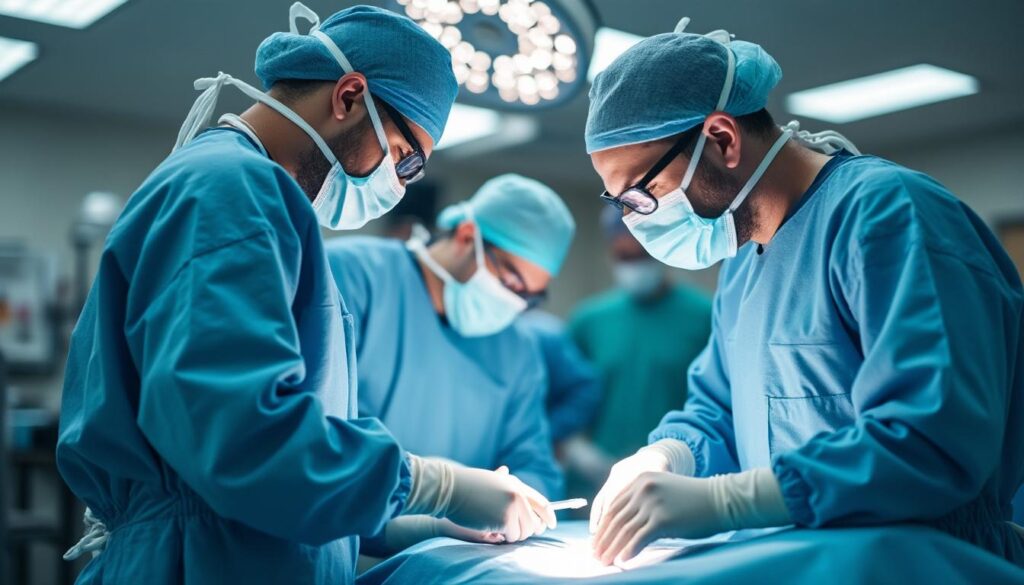
Motion Surgery in Terrebonne: Reduce Postoperative Complications
In the evolving landscape of spine care, Motion Surgery in Terrebonne represents a groundbreaking approach that offers patients a significant advantage in reducing postoperative complications while preserving spinal mobility. Traditional spinal surgeries have long been associated with challenges, including stiffness,…
Frequently Asked Questions About IntraSPINE and Lumbar Mobility Preservation
What is the primary advantage of IntraSPINE over traditional lumbar fusion?
IntraSPINE preserves the natural motion of the lumbar spine, reducing complications such as adjacent segment disease and maintaining spinal biomechanics.
Who is a good candidate for IntraSPINE implantation?
Patients with early disc degeneration, facet arthropathy, foraminal stenosis, or those requiring dynamic stabilization post-discectomy are potential candidates, pending expert evaluation including a trial of conservative treatment.
How does the transatlantic care coordination improve patient outcomes?
By facilitating access to advanced surgical care in France combined with thorough pre- and postoperative management in Canada, this model reduces wait times, cost, and enhances personalized care quality.
Why is conservative care emphasized before considering surgery?
Conservative care, including neurovertebral decompression therapies, often relieves symptoms effectively and may eliminate the need for surgery, ensuring surgery is reserved only for those who truly require it.
What are the common risks associated with traditional lumbar fusion surgeries?
Complications include lumbar stiffness, intractable low back pain, higher incidence of adjacent segment disease, increased surgical trauma, and longer recovery times.