Spine Surgery in Trois-Rivières: Reduce Chronic Pain
November 26, 2025
IntraSPINE® in Sherbrooke: Personalized Minimally Invasive Procedure
November 26, 2025
The journey to recovery from a lumbar disc injury often presents a path fraught with uncertainty and discomfort. For residents in Laval and surrounding regions struggling with lower back pain, understanding the recovery timeline for a lumbar disc injury is crucial. This detailed exploration sheds light on how spinal discs heal, the stages of injury recovery, and the role advanced medical treatments and rehabilitation methods play along this trajectory. In 2025, patients now have access to sophisticated, non-surgical options that complement traditional physical therapy, helping to minimize down-time and enhance outcomes.
Lumbar disc injuries, a leading cause of debilitating back pain, affect the spinal discs that act as cushions between vertebrae. When these discs become herniated or deteriorated, they can impinge nerves, leading to pain, numbness, and limited mobility. With over three decades of clinical expertise, Dr. Sylvain Desforges and his team in Quebec provide a scientific and compassionate approach to managing these injuries. Their commitment to evidence-based care and innovation, including technologies like neurovertebral decompression and laser therapy, offers hope for a functional recovery tailored to each patient’s unique needs.
Lumbar Disc Injury: Understanding the Anatomy and Initial Impact
The lumbar spine consists of five vertebrae separated by intervertebral discs designed to absorb shock and enable flexible motion. Each disc comprises a soft, gel-like center (nucleus pulposus) encased within a tough outer ring (annulus fibrosus). A lumbar disc injury frequently involves a tear or rupture in this outer ring, allowing the gel inside to protrude and press against surrounding nerves. This phenomenon triggers symptoms ranging from localized lower back pain to radiating pain, numbness, or muscle weakness in the legs.
The initial injury phase is often acute and characterized by inflammation and nerve irritation. Patients commonly experience a sudden onset of symptoms following activities like heavy lifting or even minor trauma exacerbated by poor posture or degeneration. According to stage-based models of disc herniation, understanding this biological process is critical to developing an effective recovery plan.
- Disc Anatomy: Lumbar discs cushion and facilitate spinal movements.
- Injury Mechanism: Herniation occurs when inner disc material leaks through a tear in the outer layer.
- Symptoms: Lower back pain, numbness, tingling, and weakness.
- Acute Impact: Inflammation and nerve compression initiate the pain cycle.
| Aspect | Description |
|---|---|
| Anatomical Feature | Intervertebral disc with annulus fibrosus and nucleus pulposus |
| Common Injury Location | L4-L5 and L5-S1 discs in the lumbar spine |
| Main Symptoms | Pain in lower back and legs, motor weakness, nerve tingling |
| Initial Biological Response | Inflammation and nerve root irritation |

Candiac Back Pain Relief for Herniated Disc Sufferers
Back pain stemming from herniated discs remains a challenging and widespread issue impacting many individuals in Candiac and the surrounding Quebec regions. This condition often leads to persistent discomfort, restricted mobility, and diminished quality of life for sufferers. In the…
Signs That Indicate a Lumbar Herniated Disc Is Healing
Knowing the signs that suggest a lumbar disc is healing can alleviate patient anxiety, facilitate realistic milestone setting, and promote safe rehabilitation practices. One of the earliest indicators is the gradual reduction in pain intensity, particularly the radiating pain that extends along the leg. Pain relief often coincides with diminished inflammation and reduced nerve compression.
Other important signs include:
- Reduced numbness and tingling: As nerve inflammation subsides, the sensory disturbances tend to significantly decrease.
- Return of muscle strength: Functional improvement in walking, standing, or climbing stairs signifies neurological recovery.
- Improved sleep quality: Less pain allows for uninterrupted sleep, an essential element for effective healing.
- Decreased need for pain medication: This reflects reduced inflammation and enhanced natural healing.
Dr. Desforges emphasizes the importance of recognizing these milestones, supporting patients not just with clinical care but also by providing clear educational resources. For further understanding of these recovery signs, refer to expert summaries like those found at Spine MD’s insights on herniated disc healing.
| Healing Sign | Clinical Explanation |
|---|---|
| Decreasing Pain Levels | Inflammation subsides and nerve pressure reduces. |
| Improved Sensory Function | Numbness and tingling fade as nerves recover. |
| Muscle Strength Returns | Indicates restoration of nerve supply and functional stability. |
| Better Sleep | Pain reduction allows normal sleep cycles. |
| Decreased Medication Use | Signifies inflammation control and healing progression. |
La Prairie Chronic Neck Pain Recovery Without Medication
Chronic neck pain continues to be a widespread and challenging condition that impacts millions globally, with significant effects on daily functioning and quality of life. Not confined to any particular age or occupation, it manifests from diverse causes such as…
Typical Recovery Timeline After a Lumbar Disc Injury
Understanding the expected timeline helps patients set realistic goals and tailor their rehabilitation accordingly. Recovery from a lumbar disc injury typically unfolds in three overlapping phases:
- Acute Phase (0–6 weeks): Inflammatory response dominates; rest and gentle movements are critical.
- Subacute Phase (6–12 weeks): Symptoms progressively improve; physical therapy accelerates functional gains.
- Chronic Phase (>12 weeks): Rehabilitation focuses on restoring full mobility and preventing recurrence.
Most patients notice significant relief within the first two months when following a supervised care pathway including physical therapy and pain management. The severity of the herniation, patient age, and adherence to treatment influence these milestones. For detailed recovery expectations, review comprehensive schedules from clinics like Buffalo Rehab’s recovery chart.
| Recovery Phase | Main Features | Estimated Duration | Key Interventions |
|---|---|---|---|
| Acute | Inflammation, pain peaks, limited mobility | 0–6 weeks | Rest, NSAIDs, gentle physical therapy |
| Subacute | Pain reduction, improved nerve function | 6–12 weeks | Active rehabilitation, targeted exercises |
| Chronic | Functional restoration, strengthening | 12+ weeks | Advanced rehab, activity modification |

Mirabel Lumbar Disc Protrusion Treatment Success Rates
The management of lumbar disc protrusion remains a critical focus in spinal health research and clinical care, especially within the dynamic context of Mirabel and surrounding regions. As low back pain continues to affect a significant portion of the adult…
Comprehensive Rehabilitation and Physical Therapy: The Cornerstones of Recovery
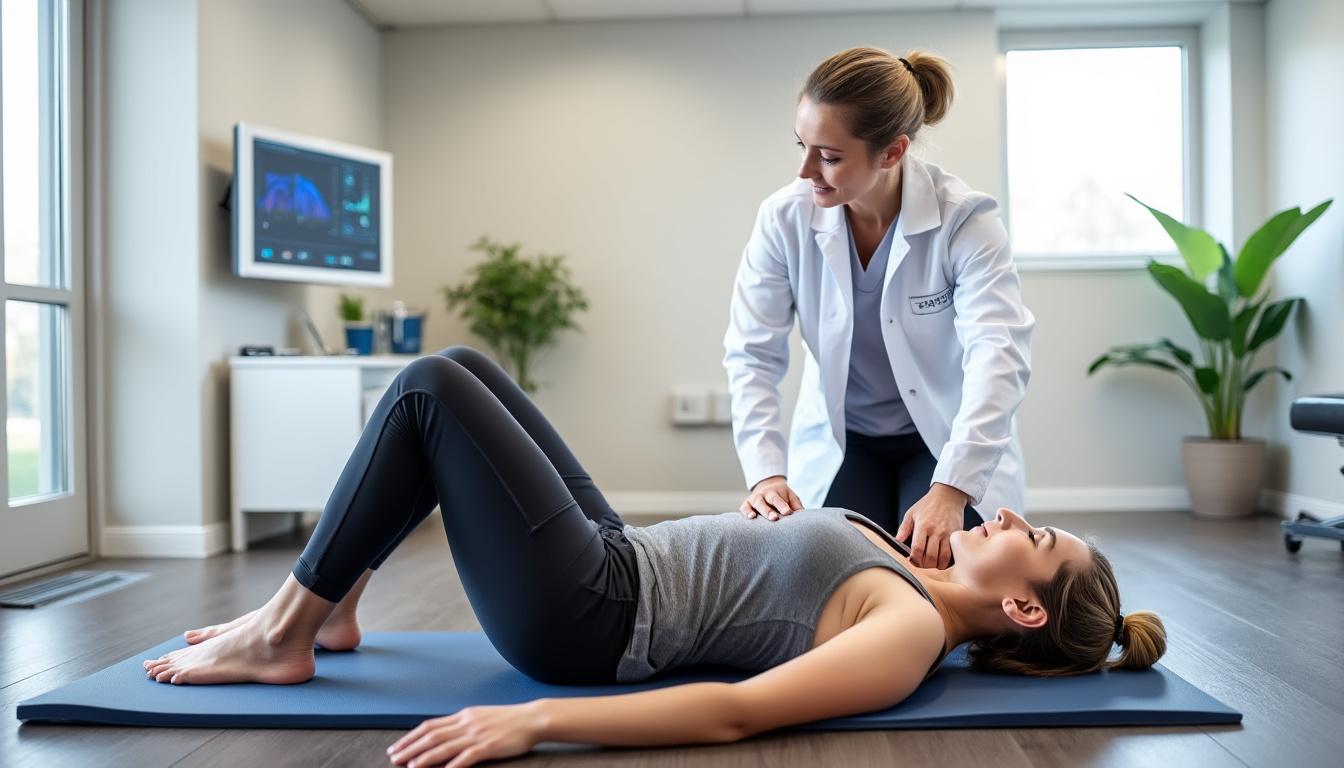
Rehabilitation and customized physical therapy are crucial to the successful recovery from a lumbar disc injury. The physical therapy regimen targets pain relief, restoration of spinal function, and prevention of future injury. Programs often include:
- Stretching and flexibility exercises: Reduce muscle tension and promote disc mobility.
- Strengthening exercises: Focus on core muscles surrounding the lumbar spine to support spinal alignment.
- Postural training: Corrective techniques to ensure proper biomechanics during activities.
- Education on ergonomics: To prevent bad habits that can exacerbate injury.
At Clinique TAGMED in Quebec, Dr. Sylvain Desforges integrates osteopathic assessments and innovative modalities like laser therapy and dynamic spinal implants where necessary, complementing traditional therapy to improve outcomes. Notably, patients from Laval benefit from treatment plans grounded in rigorous science and personalized patient education. For patients interested in effective rehabilitation pathways, Mascouche’s non-surgical program offers an excellent example of a structured recovery approach.
| Rehabilitation Component | Purpose | Typical Activities |
|---|---|---|
| Stretching | Increase flexibility and reduce muscle tightness | Hamstring, lower back, and hip flexor stretches |
| Strengthening | Support the spine and reduce disc stress | Core stabilization exercises, resistance training |
| Postural Training | Improve ergonomic body mechanics | Alignment exercises, workplace ergonomics education |
| Patient Education | Prevent recurrence, self-care guidance | Instruction on back care, lifting techniques |
Vaudreuil-Dorion Sciatica Recovery Through Non-Invasive Care
In the vibrant community of Vaudreuil-Dorion, many individuals grapple with debilitating sciatica, a condition characterized by sharp, radiating pain originating in the lower back and traveling down the legs. This ailment significantly disrupts daily life, impeding mobility and diminishing overall…
Advanced Non-Surgical Medical Treatments Enhancing Lumbar Disc Recovery
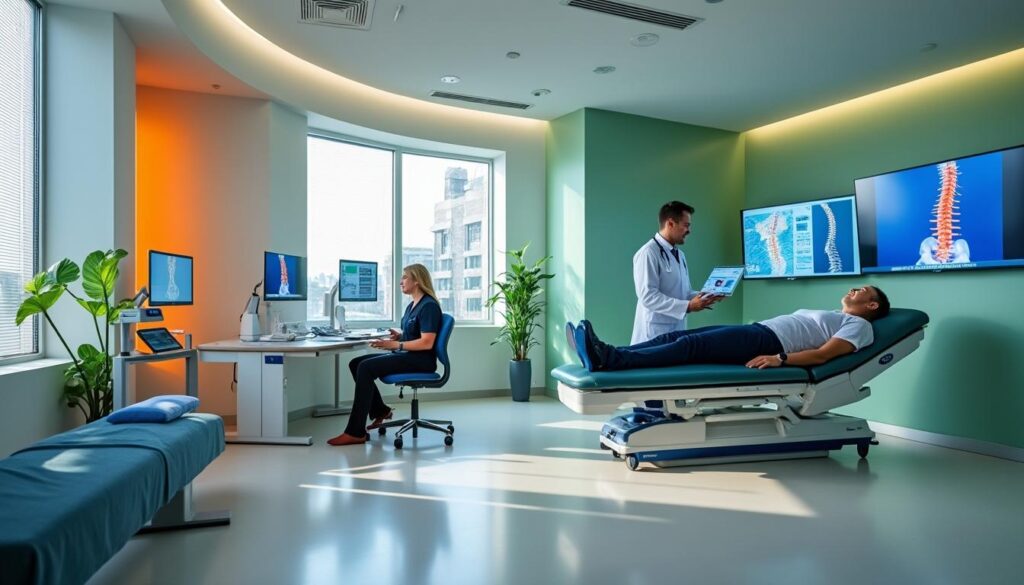
Beyond conventional rehabilitation, modern spinal care has seen significant advances including neurovertebral decompression, laser therapy, and minimally invasive interventions. These treatments aim to accelerate healing, reduce inflammation, and potentially avoid surgery.
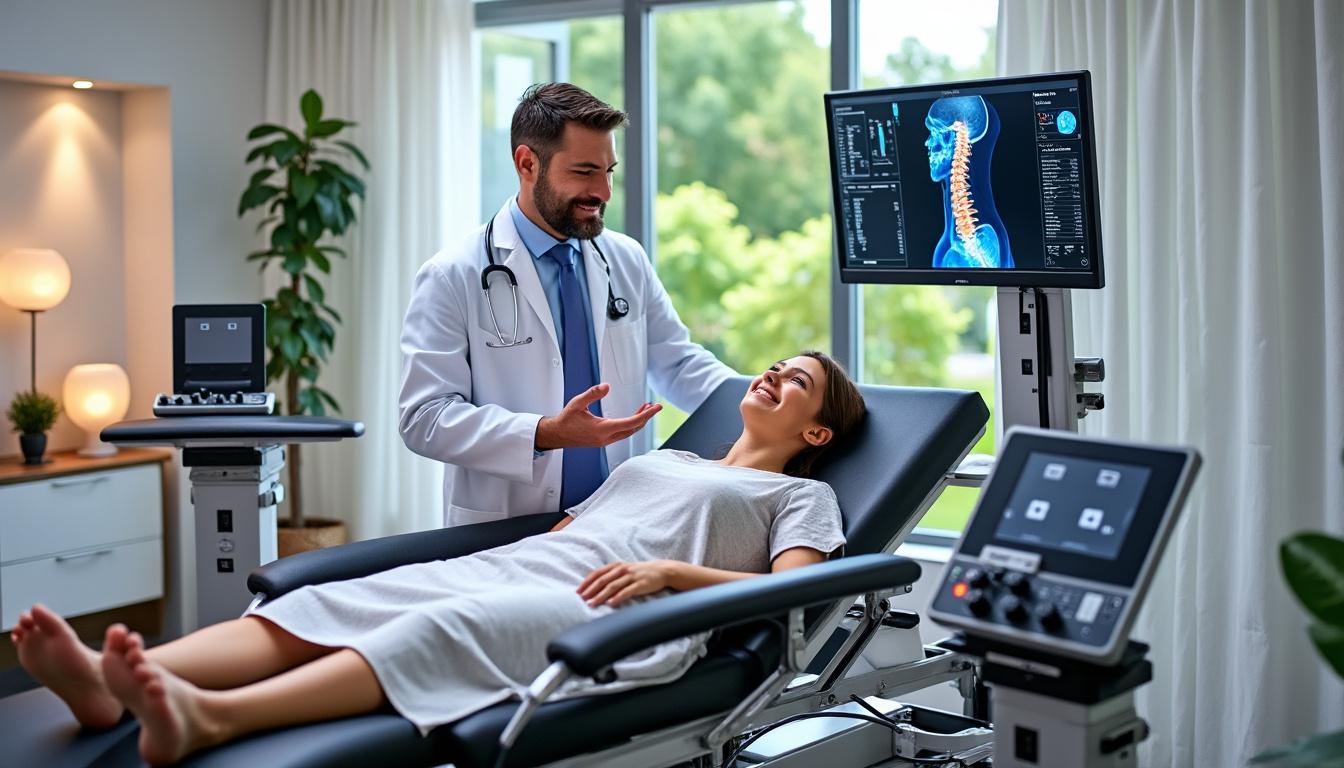
Neurovertebral decompression uses specialized tables to gently stretch the spine, relieving pressure on herniated discs. Laser therapy targets inflamed tissue to promote cellular repair and decrease pain. Dr. Desforges’ leadership at TAGMED Clinics leverages these technologies following strict evidence-based protocols, ensuring safety and measurable benefits.
- Neurovertebral decompression: Creates negative pressure within the disc to assist retraction of herniated material.
- Laser therapy: Stimulates tissue regeneration and reduces inflammation.
- Dynamic spinal implants: Used selectively to stabilize motion segments without fusion.
For more on such innovative therapies shaping recovery timelines, resources like Ville-Marie’s explanation of neurovertebral decompression provide detailed patient-friendly insights.
| Innovative Treatment | Function | Expected Benefit |
|---|---|---|
| Neurovertebral Decompression | Spine stretching to reduce disc pressure | Pain relief, disc material retraction |
| Laser Therapy | Anti-inflammatory and tissue healing | Reduced swelling and nerve irritation |
| Dynamic Implants | Disc space stabilization while preserving mobility | Improved function, less post-op stiffness |

Saint-Eustache Neck Herniation Solutions Using Decompression
Neck pain, often stemming from conditions like herniated disc and cervical spine disorders, is a widespread affliction impacting millions globally. Residents of Saint-Eustache facing such challenges now have access to innovative, non-surgical treatment options that tackle the root causes of…
Role of Patient Education and International Coordination in Recovery
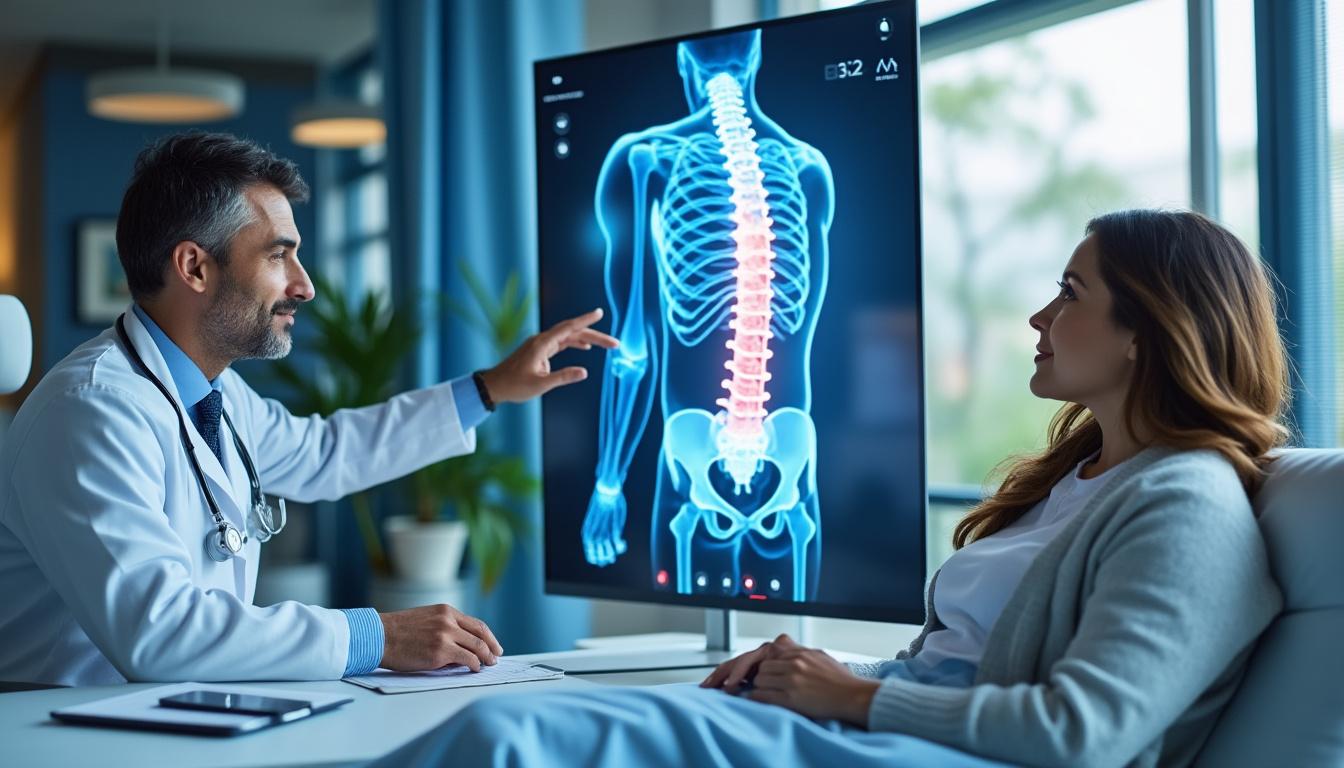
Dr. Sylvain Desforges underscores the essential role of education tailored to each patient’s situation. Helping patients comprehend their condition, the treatment pathway, and healing markers empowers them to actively participate in their recovery. This approach diminishes fears, clarifies realistic activity levels, and fosters adherence to rehabilitation plans.
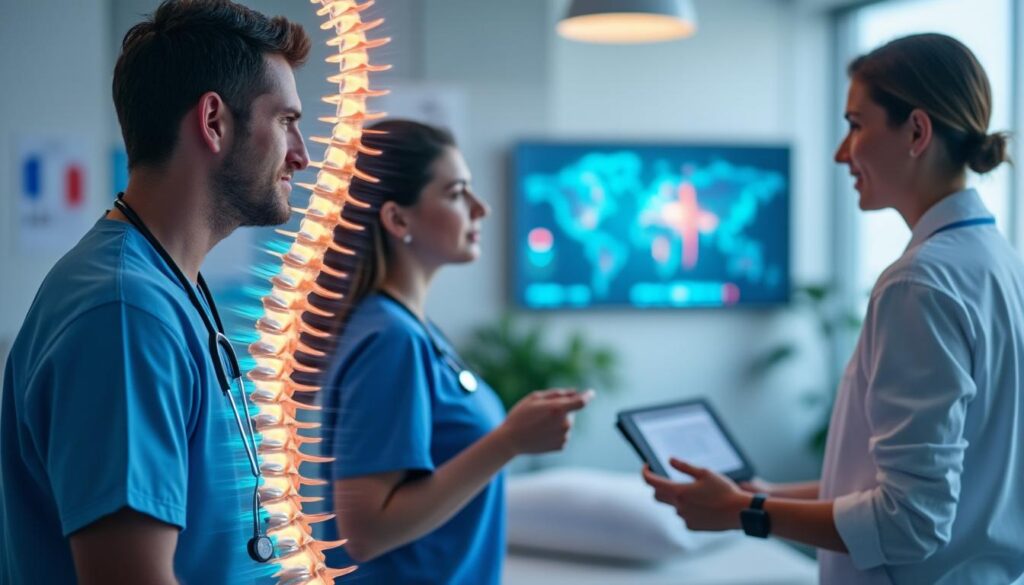
Moreover, Dr. Desforges coordinates care across borders, especially managing transatlantic patient journeys between Canada and France. Collaborations with spine surgeons and specialized clinics through partnerships like SOS Tourisme Médical refine timelines and treatment quality, offering a seamless experience for patients seeking access to advanced techniques unavailable locally.
- Clear communication: Simplifies scientific concepts for patient understanding.
- International referrals: Access to specialized spine surgery in Europe.
- Collaborative care plans: Personalized strategies respecting local and international resources.
| Patient Care Element | Impact |
|---|---|
| Education and Empowerment | Enhances treatment adherence and motivation |
| International Coordination | Optimizes timely access to advanced surgical options |
| Multidisciplinary Teamwork | Integrates osteopathic, surgical, and rehabilitative expertise |
Mascouche Lower Back Injury Rehabilitation Without Surgery
Lower back injuries are a prevalent challenge that impacts countless individuals in Mascouche and beyond, often resulting in debilitating pain and disrupted daily life. Despite the common perception that surgery is the inevitable recourse for such spinal issues, many patients…
Personalized Monitoring and When to Seek Urgent Medical Attention
Each lumbar disc injury recovery journey is unique, influenced by individual health and severity of the injury. Regular monitoring by an experienced expert like Dr. Sylvain Desforges ensures early detection of complications or stalled progress. Patients should maintain a symptom journal and promptly report any concerning changes.
Certain symptoms warrant immediate medical care:
- Loss of bladder or bowel control, signaling potential cauda equina syndrome.
- Severe, rapidly worsening weakness in the legs.
- New numbness in the groin or inner thigh region (saddle anesthesia).
Such signs indicate possible emergencies requiring advanced interventions. For comprehensive guidance on dangerous lumbar injury scenarios, consult expert resources such as those provided by the TAGMED Clinic’s patient stories.
| Urgent Symptom | Possible Condition | Recommended Action |
|---|---|---|
| Bladder or bowel control loss | Cauda equina syndrome | Immediate emergency medical evaluation |
| Rapidly worsening leg weakness | Significant nerve compression | Prompt specialist referral |
| New saddle anesthesia | Severe nerve involvement | Urgent diagnostic imaging |

Saint-Jérôme Cervical Disc Herniation Recovery in Weeks
Cervical disc herniation poses a significant challenge for many residents in Saint-Jérôme seeking fast and effective relief from neck pain and restricted movement. This condition, involving the displacement or rupture of the cushioning discs located between the cervical vertebrae, can…
Implementing a Holistic and Patient-Centered Approach to Lumbar Disc Recovery
A truly effective recovery from lumbar disc injury transcends symptom management; it incorporates physical, emotional, and educational support. Dr. Desforges’ philosophy integrates osteopathic care, advanced technology, and patient counseling to foster resilience and optimism throughout the recovery timeline. This compassionate model recognizes that each patient’s experience is unique and that therapy success depends on personalized care plans and transparent communication.
By embracing a holistic model, patients in Laval and beyond gain access to thoughtfully designed programs that:
- Emphasize scientific rigor and ethical practice.
- Utilize innovative technologies with proven efficacy.
- Provide multidisciplinary support and international expertise.
- Maintain clarity and accessibility in education and communication.
- Reassure and motivate patients toward full functional recovery.
| Care Principle | Patient Benefit |
|---|---|
| Scientific Rigor | Confidence in safe, evidence-based treatments |
| Innovation | Access to advanced, effective therapies |
| Patient Education | Empowerment and better treatment adherence |
| International Coordination | Broader treatment options and faster timelines |
| Empathetic Communication | Reduced anxiety and sustained motivation |
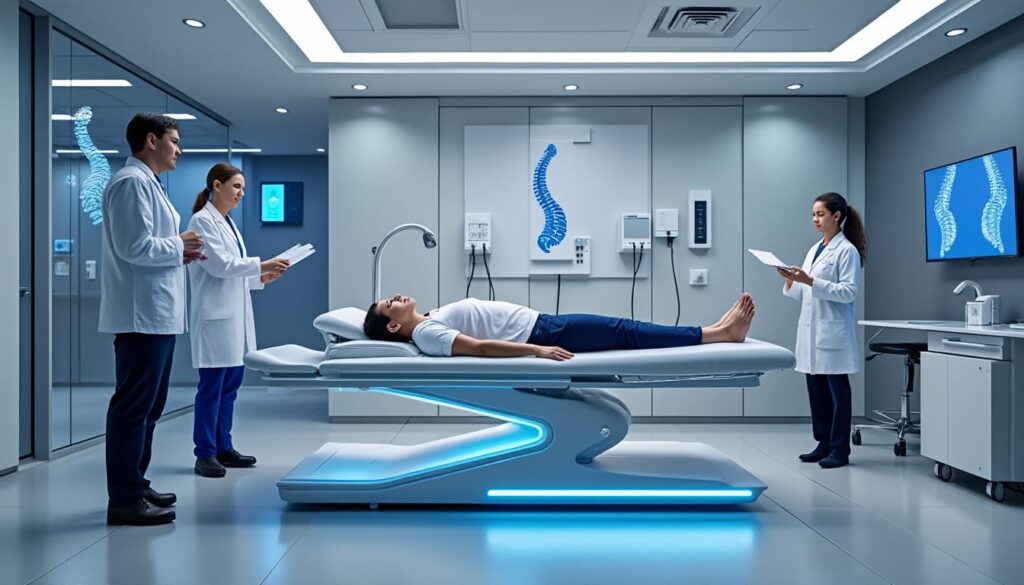
Boucherville Chronic Back Pain Solved with TAGMED’s Technology
Chronic back pain remains a formidable challenge for millions worldwide, deeply affecting quality of life, work productivity, and social interaction. In Boucherville, a city known for its vibrant community and active lifestyle, an innovative solution is transforming the approach to…
Encouragement to Take the First Step Toward a Personalized Recovery Plan
The path from lumbar disc injury to recovery can feel overwhelming, but expert guidance makes all the difference. Dr. Sylvain Desforges invites patients in Laval and across Quebec to reach out for an initial evaluation tailored to their unique clinical picture. Through a personalized and multidisciplinary approach, patients receive treatment plans aimed at alleviating symptoms, restoring mobility, and improving quality of life.
Starting the journey early maximizes recovery potential, whether through conservative care or advanced therapies. To explore comprehensive care options or discuss your spinal health concerns with the expert team, contact Clinique TAGMED or connect via platforms like SOS Tourisme Médical.
- Request a thorough spine evaluation to understand your specific injury.
- Access specialized non-surgical therapies designed to enhance healing.
- Benefit from professional guidance every step of the way.
For a detailed preparation plan and functional recovery techniques, patients may also consult the practical guidance provided at SOS Herniated Disc’s preparation protocols.
What is the typical recovery time for a lumbar disc injury?
Recovery usually spans from a few weeks to several months, depending on injury severity, patient health, and treatment adherence. Many patients experience significant improvement within 6 to 12 weeks with conservative care.
What are the earliest signs that a herniated lumbar disc is healing?
Early signs include decreasing pain, improved mobility, less tingling or numbness, and reduced dependence on pain medications.
When should I seek emergency medical attention for a lumbar disc injury?
Seek immediate care if you experience loss of bladder or bowel control, sudden worsening weakness in the legs, or new numbness in the groin area. These may indicate serious neurological complications.
Can lumbar disc injuries be managed without surgery?
Yes, many lumbar disc injuries are treated successfully with non-surgical options like physical therapy, neurovertebral decompression, and laser therapy, especially under the guidance of experts such as Dr. Sylvain Desforges.
How does international coordination enhance spine care for lumbar disc injuries?
International coordination allows patients to access advanced surgical and non-surgical treatments across borders, ensuring personalized care and timely interventions through collaborations such as with SOS Tourisme Médical.