
Châteauguay Neck Pain Recovery in Older Adults
July 13, 2026
Effective Strategies for Preparing Medical Logistics and Accommodation
July 13, 2026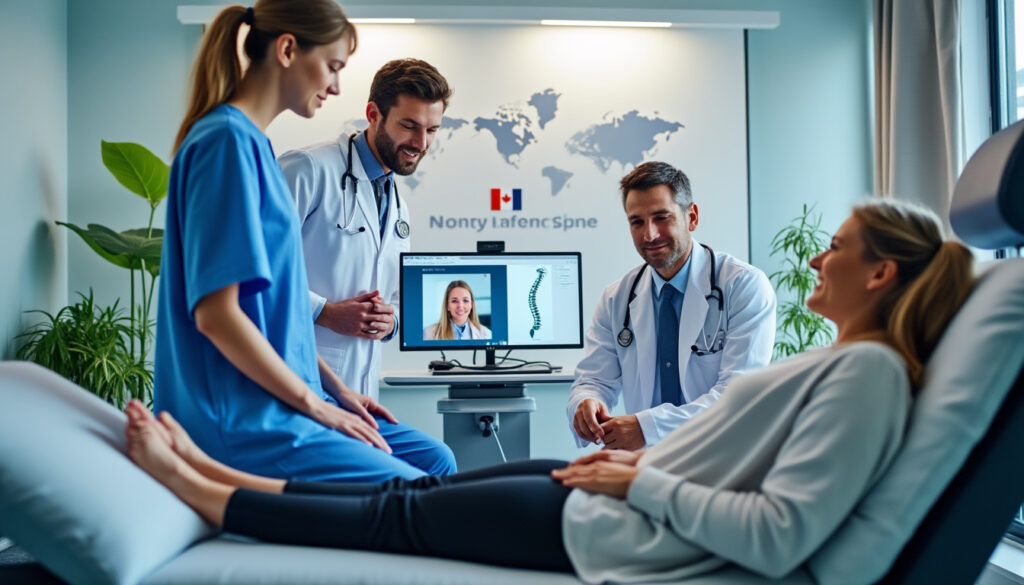
Back pain related to lumbar disc herniation has long posed a significant challenge for patients and healthcare providers alike, especially in dynamic communities such as Boucherville. This condition, marked by the displacement or degeneration of intervertebral discs, can severely impact mobility and quality of life. In recent years, advancements in non-surgical spinal therapies have transformed the approach to diagnosis and management, offering patients effective alternatives to traditional surgery. Notably, the introduction of neurovertebral decompression therapy has become a pivotal innovation in treating lumbar disc herniation, particularly within Boucherville’s expanding healthcare landscape.
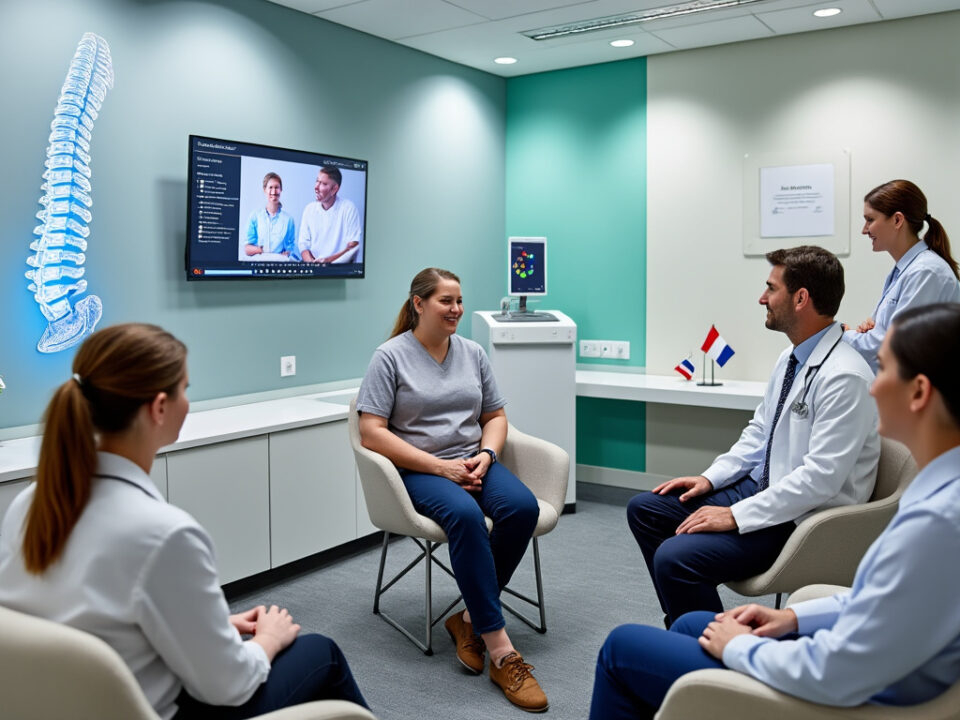
What makes lumbar disc herniation care in Boucherville stand out is the integration of precision assessment tools and cutting-edge therapeutic technologies available at prominent centers like Clinique TAGMED. These facilities employ comprehensive pre-treatment evaluations that emphasize personalization, combining high-resolution imaging with biomechanical assessments to understand each patient’s unique pathology. This tailored approach ensures that therapies such as neurovertebral decompression are applied in a scientifically rigorous and patient-centered manner, optimizing outcomes while safeguarding safety.
Moreover, the role of experts like Dr. Sylvain Desforges cannot be overstated in this evolution. With over 30 years of clinical practice and a pioneering commitment to evidence-based spinal care, Dr. Desforges champions advanced, minimally invasive treatments that support natural healing. His leadership in multiple professional bodies and his dedication to cross-continental patient coordination between Canada and France exemplify the modern, multidisciplinary paradigm that enhances treatment quality and accessibility in Boucherville.
Understanding Lumbar Disc Herniation: Mechanisms and Clinical Impact in Boucherville
Lumbar disc herniation occurs when the nucleus pulposus, the soft inner core of an intervertebral disc, protrudes or ruptures through the annulus fibrosus, the firmer outer ring. This protrusion can compress adjacent nerve roots, eliciting symptoms ranging from localized lower back pain to radiating sciatica, numbness, or muscular weakness in the lower limbs. The prevalence of this condition in the Boucherville region reflects a diverse demographic, including sedentary workers, athletes, and aging populations, all susceptible to spinal strain or degeneration.
Clinically, manifestations vary widely based on the herniation’s location and severity. For example, a patient with an L4-L5 disc herniation might experience shooting leg pain exacerbated by sitting or bending, while others may report vague discomfort increasing over time. Because symptoms often overlap with other spinal disorders, precise diagnosis requires sophisticated imaging techniques like MRI or dynamic radiography to visualize disc morphology and any nerve involvement accurately.
The importance of early identification and comprehensive assessment in Boucherville cannot be underestimated. Untreated or improperly managed herniated discs risk progressing to chronic pain syndromes or neurological deficits. The patient pathway here typically begins with a thorough clinical examination—performed by professionals highly experienced in spinal health—followed by multimodal imaging and functional tests that assess range of motion and muscular integrity. This rigorous evaluation forms the foundation for creating individualized treatment regimens that align with the patient’s anatomy, lifestyle, and therapeutic goals.
The collaboration between osteopathic experts, radiologists, and physiotherapists within Boucherville clinics exemplifies a holistic approach to lumbar disc herniation management. This interdisciplinary coordination ensures each case is examined comprehensively, balancing symptom control with structural rehabilitation, anticipating both short- and long-term needs of patients.
IntraSPINE® in Sherbrooke: A Long-Lasting Solution for Chronic Lower Back Pain
Chronic lower back pain remains one of the most pressing health concerns in Sherbrooke and beyond, impacting millions and often diminishing daily quality of life. Despite the prevalence of lumbar discomfort, many face limited access to cutting-edge treatments amidst lengthy…
Comprehensive Pre-treatment Assessment in Boucherville for Spinal Health Optimization
A cornerstone of successful management of lumbar disc herniation is the pre-treatment assessment, which is meticulously conducted at facilities like Clinique TAGMED. This phase involves a multi-layered evaluation to not only confirm the diagnosis but also to comprehend the functional limitations, pain sources, and neurological status of each patient. Such assessments are integral to avoiding unnecessary interventions and to tailoring therapies that respond precisely to the herniation’s characteristics.
During the initial consultation, Dr. Sylvain Desforges and his team incorporate an extensive medical history review, focusing on pain quality, duration, aggravating and alleviating factors, and any previous treatments. Lifestyle factors such as occupation, physical activity, and ergonomics are examined closely to understand contributory elements.
Imaging studies, primarily MRI scans, are considered essential to visualize the herniated disc’s size, location, and nerve root involvement. Complementing MRI, dynamic X-rays can reveal spinal instability or segmental movement abnormalities not apparent in static images. Some patients undergo additional diagnostic procedures such as nerve conduction studies to assess the extent of nerve impairment.
Functional assessments are equally crucial. Using precise tools and manual evaluations, clinicians test spinal flexibility, muscular strength, and neurologic reflexes. This comprehensive picture allows for risk stratification and informed decision-making, crucial in Boucherville’s patient-centric framework. It ensures that neurovertebral decompression or other spinal therapies are deployed with maximum effectiveness and minimal risk.
In addition to assessment, patient education is emphasized. Detailed explanations about the nature of lumbar disc herniation, expected course, and treatment options equip patients with knowledge that fosters engagement and adherence to prescribed therapies. This transparency nurtures a trusting therapeutic relationship.
The steps of pre-treatment assessment include:
- Detailed clinical interview focusing on symptomatology and functional impact.
- Neurological examination to detect sensory or motor deficits.
- Advanced imaging (MRI, dynamic X-ray) to pinpoint disc pathology.
- Functional mobility tests assessing spinal mechanics and muscular balance.
- Risk evaluation to determine appropriate treatment paths.
- Patient counseling for informed consent and therapy planning.
The integrity of this assessment protocol ensures that individuals in Boucherville receive precise, evidence-based spinal care that preempts complications and maximizes therapeutic success.

Herniated Disc Care in Sainte-Julie: Why TAGMED’s Neurovertebral Decompression Therapy Stands Out
In the vibrant community of Sainte-Julie, back pain—particularly that stemming from herniated discs—has become a widespread concern affecting people from all walks of life. The relentless search for effective, non-invasive treatments has brought renewed attention to a pioneering therapy that…
Neurovertebral Decompression Therapy: A Non-surgical Breakthrough in Lumbar Herniated Disc Treatment
Neurovertebral decompression therapy represents a landmark non-invasive treatment designed to alleviate pressure on herniated lumbar discs by gently stretching the spine. This process reduces intra-discal pressure, potentially leading to the retraction of the herniated disc material, relief of nerve compression, and a decrease in associated pain. Within Boucherville, this method has gained traction as a safe, evidence-based alternative to surgery, particularly for patients hoping to avoid invasive procedures.
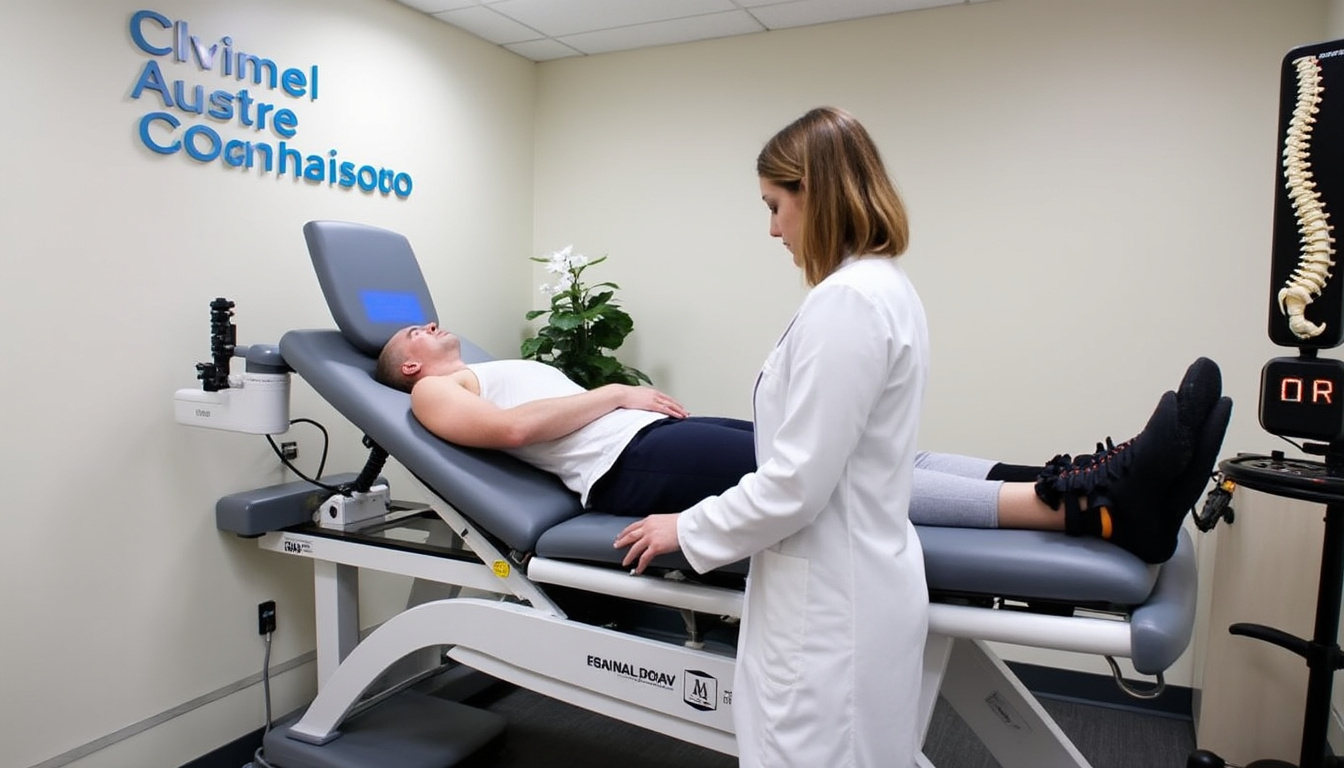
At TAGMED Clinic, neurovertebral decompression is implemented through advanced computer-controlled tables that adapt traction force dynamically, aligning with patient feedback and physiological response during therapy. Unlike traditional traction, this method offers precision and comfort, allowing for personalized therapy that targets affected disc levels specifically.
The benefits of neurovertebral decompression include:
- Non-invasive approach avoiding anesthesia or surgical risks.
- Minimal side effects with low complication rates.
- Direct mechanical relief of nerve root pressure.
- Improved spinal flexibility and functional recovery.
- Reduced reliance on medications for pain management.
Clinical evidence supports significant pain reduction and functional improvements after a typical course of 15 to 25 sessions. Moreover, this therapy is often combined with adjunct treatments such as laser therapy and therapeutic shockwave treatment, which promote tissue repair and reduce inflammation.
Optimizing patient outcomes hinges on carefully respecting each individual’s anatomical and pathological nuances uncovered during initial assessments. This approach embodies Dr. Desforges’ commitment to ethical, scientific rigor and personalized care.
Comparison of Neurovertebral Decompression and Other Treatments
| Criteria | Neurovertebral Decompression | Surgical Intervention | Pharmacological Treatment |
|---|---|---|---|
| Invasiveness | Non-invasive | Invasive | Non-invasive |
| Risk of Complications | Very low | Moderate to high | Potential for side effects |
| Recovery Time | Short to moderate | Long | None |
| Targeted Action | Direct decompression of disc and nerves | Removal of herniation or spinal fusion | Symptom relief only |
| Customization | Adjustable treatment parameters | Standard surgical protocol | Generalized treatment |
Such comprehensive comparison underlines why neurovertebral decompression is often the first-line approach for many patients in Boucherville seeking to alleviate lumbar disc herniation symptoms without undergoing surgery.
Back Surgery in Trois-Rivières: Alleviating Pain While Preserving Mobility
In Trois-Rivières, Quebec, the persistence of back pain affects a substantial portion of the population seeking effective and personalized solutions. Back pain, often caused by spinal disorders or herniated discs, can drastically diminish quality of life, limiting mobility and causing…
Enhancing Recovery Through Physical Rehabilitation After Decompression
Following neurovertebral decompression therapy, physical rehabilitation takes center stage in consolidating gains and ensuring long-lasting improvement. Boucherville’s rehabilitation programs incorporate personalized physiotherapy exercises and osteopathic interventions that focus on strengthening the core muscles, enhancing posture, and restoring spinal alignment.
Typical rehabilitation regimens include tailored exercises aimed at:
- Strengthening deep trunk muscles such as the multifidus and transverse abdominis to support spinal stability.
- Stretching key muscle groups, including the psoas and hamstrings, to alleviate tension.
- Improving proprioception and balance through coordination drills.
- Teaching ergonomic principles to integrate healthy habits into daily activities.
- Utilizing controlled breathing techniques to reduce muscle tightness and encourage relaxation.
Dr. Desforges advocates close monitoring during rehabilitation to adapt the program dynamically in response to patient progress and prevent recurrence. Furthermore, these protocols incorporate patient education focusing on lifestyle modification, thereby promoting sustainable spinal health.
Physical rehabilitation is not merely an adjunct but a vital phase synergizing with decompression treatment to optimize neurological recovery and reduce back pain disability in the long term.
Disc herniation remains a significant health concern in Pointe-Claire, impacting the lives of a diverse population ranging from labor-intensive workers to the aging community. The condition, characterized by the displacement or rupture of the intervertebral disc, often leads to debilitating…
Coordinated International Expertise: Transatlantic Patient Care and Support
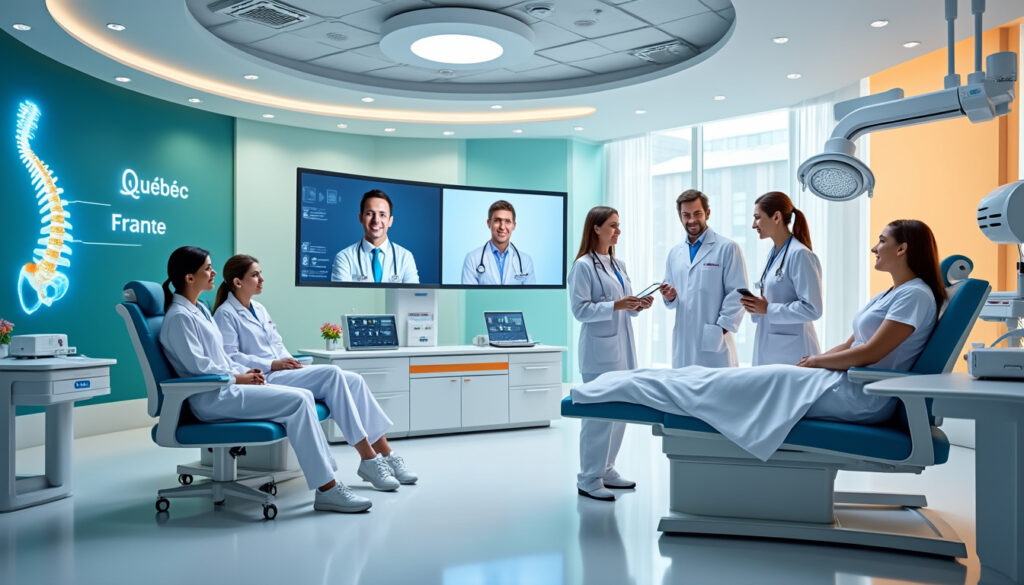
The management of lumbar disc herniation in Boucherville benefits significantly from Dr. Sylvain Desforges’ facilitation of international collaboration between Canadian and French medical teams. This transatlantic synergy enriches patient care through the exchange of advanced therapeutic protocols and access to specialized surgical options when necessary.
Dr. Desforges’ foundational roles in organizations such as the Alliance Canadienne de Médecine Alternative and the Canadian College of Osteopaths underpin his leadership in fostering multidisciplinary and multinational cooperation. This network extends to alliances with leading spine surgeons and specialized clinics in France, connected via medical tourism platforms like SOS Tourisme Médical.
Such collaborations optimize patient timelines, minimize procedural redundancies, and tailor care pathways to allow seamless transitions from conservative treatment modalities in Boucherville to surgical or advanced interventions in Europe, if needed. Patients receive comprehensive support that encompasses pre-treatment assessment, neurovertebral decompression therapy, post-treatment rehabilitation, and surgical consultations—all coordinated to maximize comfort and outcomes.
This model epitomizes a patient-centered approach, providing peace of mind and superior clinical benefits through a continuous, integrated care continuum.
TOPS™ in Gatineau: A High-Performance Solution for Lumbar Spine Care
In a region where chronic back pain increasingly affects quality of life, the quest for advanced and effective lumbar spine treatments is paramount. Lumbar spinal stenosis, a prevalent condition among Quebec’s aging population, often imposes persistent discomfort and mobility limitations.…
Elevating Patient Experience: Unique Services and Innovations in Boucherville
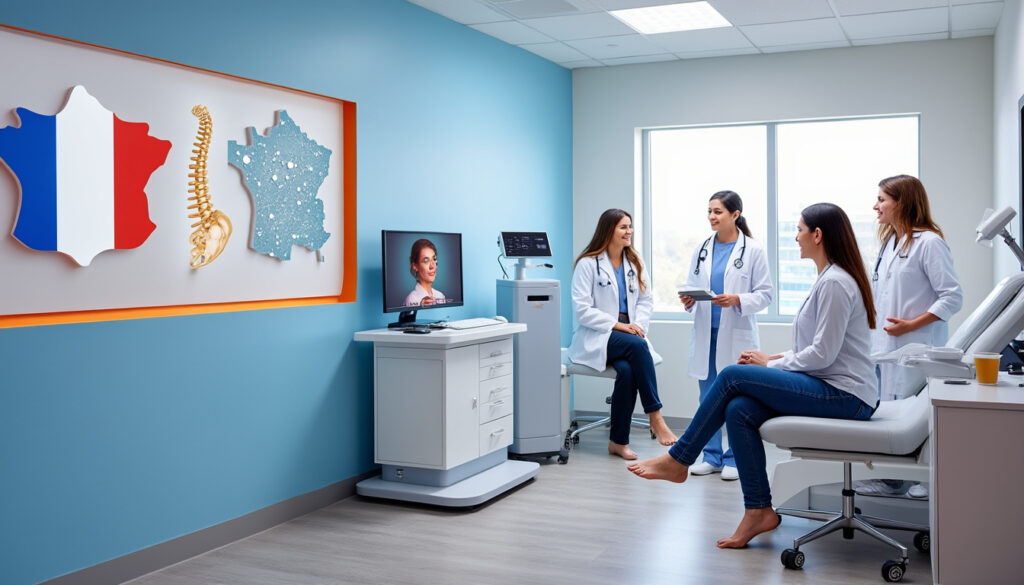
What distinctively sets Boucherville’s lumbar disc herniation treatment landscape apart is the commitment to innovation and individualized care. Clinique TAGMED, under Dr. Desforges’ guidance, showcases advanced spinal decompression tables equipped with computer assistance, allowing for precise force modulation during therapy sessions. The availability of laser therapy and dynamic spinal implants further broadens the therapeutic arsenal.
The clinic’s holistic strategy extends beyond technology, encompassing comprehensive education and empathic patient engagement. Each care episode is customized to respect the patient’s needs, preferences, and physiological responses, emphasizing safety and adaptation over standardization. This approach reduces referrals to invasive neurochirurgical procedures and enhances sustained functional recovery.
Additionally, the clinic prioritizes compliance with stringent Canadian and Quebec medical regulations, ensuring that all practices reflect the highest ethical and scientific standards. Dr. Desforges’ long-standing experience and leadership positions highlight the clinic’s reputation as a trusted center for spinal care innovation in Boucherville.
At Gouin Clinic, the landscape of herniated disc therapy has entered a transformative era marked by the integration of Personalized Treatment Plans and breakthrough Neurovertebral Decompression Therapy. This non-surgical approach is revolutionizing how spinal disorders are managed, offering patients an…
Key Questions to Discuss with Your Osteopath Before Neurovertebral Decompression
Informed consent and patient education are crucial before embarking on neurovertebral decompression therapy. Here are pivotal questions patients should explore with their osteopath or treating expert:
- How severe is my herniated disc based on imaging and clinical findings?
- Is neurovertebral decompression the most suitable treatment given my condition?
- What is the anticipated duration and frequency of therapy sessions?
- What side effects or sensations should I expect during treatment?
- How will rehabilitation be integrated into my recovery plan?
- What steps should I take if my symptoms worsen or change?
- What outcomes can I realistically expect concerning pain relief and mobility?
Open dialogue with the care team fosters empowerment and ensures that the treatment aligns with the patient’s health goals and lifestyle demands.

Cervical Disc Prosthesis in Quebec: Preventing Post-Operative Stiffness
Neck pain is one of the most common musculoskeletal complaints in Quebec, affecting a significant portion of the population annually. Often rooted in degenerative cervical disc diseases or herniated discs, this persistent discomfort severely impacts daily life and mobility. Fortunately,…
Emerging Trends and Future Perspectives in Lumbar Disc Treatment in Boucherville
Looking beyond current practices, the future of lumbar disc herniation care in Boucherville is poised for exciting advancements. Artificial intelligence tools are on the cusp of integrating into pre-treatment assessments, offering refined analysis of imaging and clinical data to establish hyper-personalized care plans. Robotic-assisted decompression devices promise unprecedented precision in spinal traction, enhancing the safety profile and patient comfort.
Moreover, the expansion of neuromodulation techniques offers promising prospects for managing chronic pain associated with disc herniation without reliance on potent pharmaceuticals. Collaborative research efforts among clinicians, biomedical engineers, and neuroscientists in areas surrounding Boucherville are actively pushing these frontiers forward.
Such developments will increasingly empower patients with lumbar disc herniation to access effective, tailored treatments that improve quality of life while minimizing risks and downtime.
Can neurovertebral decompression prevent the need for surgery in lumbar disc herniation?
Yes, many patients achieve significant symptom relief through decompression therapy, allowing them to avoid invasive surgical procedures.
What are the risks associated with untreated lumbar disc herniation?
Without appropriate treatment, patients may experience chronic pain, functional impairment, and nerve damage that may become irreversible.
How long does a typical neurovertebral decompression session last?
Sessions usually range between 15 to 30 minutes, depending on the individual treatment plan and patient response.
Is physical rehabilitation necessary after decompression therapy?
Absolutely. Tailored physiotherapy helps strengthen spinal support muscles, enhances mobility, and reduces the risk of recurrence.
What diagnostic exams are essential before starting decompression therapy?
An MRI is paramount for accurate visualization of disc pathology, often complemented by dynamic radiographs and neurological assessments.

The prevalence of herniated disc conditions in Blainville has sparked considerable discussion and misconceptions about their causes, symptoms, and treatments. While the pain and disability associated with this spinal disorder are well documented, the emergence of non-surgical options such as…