Laval Chronic Back Pain Managed Non-Surgically
June 17, 2026Minimally Invasive Surgery in Longueuil: Maintaining Post-Operative Flexibility
June 18, 2026
In the vibrant, active region of Laval, lumbar disc herniation (LDH) represents a significant health concern, especially among individuals facing repetitive spinal strain or leading sedentary lifestyles. This spinal condition, often manifesting as intense back pain and functional limitations, calls for innovative, patient-centered approaches that prioritize safety and efficacy. Neurovertebral decompression therapy has emerged as a groundbreaking non-surgical treatment promising effective relief and functional restoration without exposing patients to the risks inherent in traditional surgery.
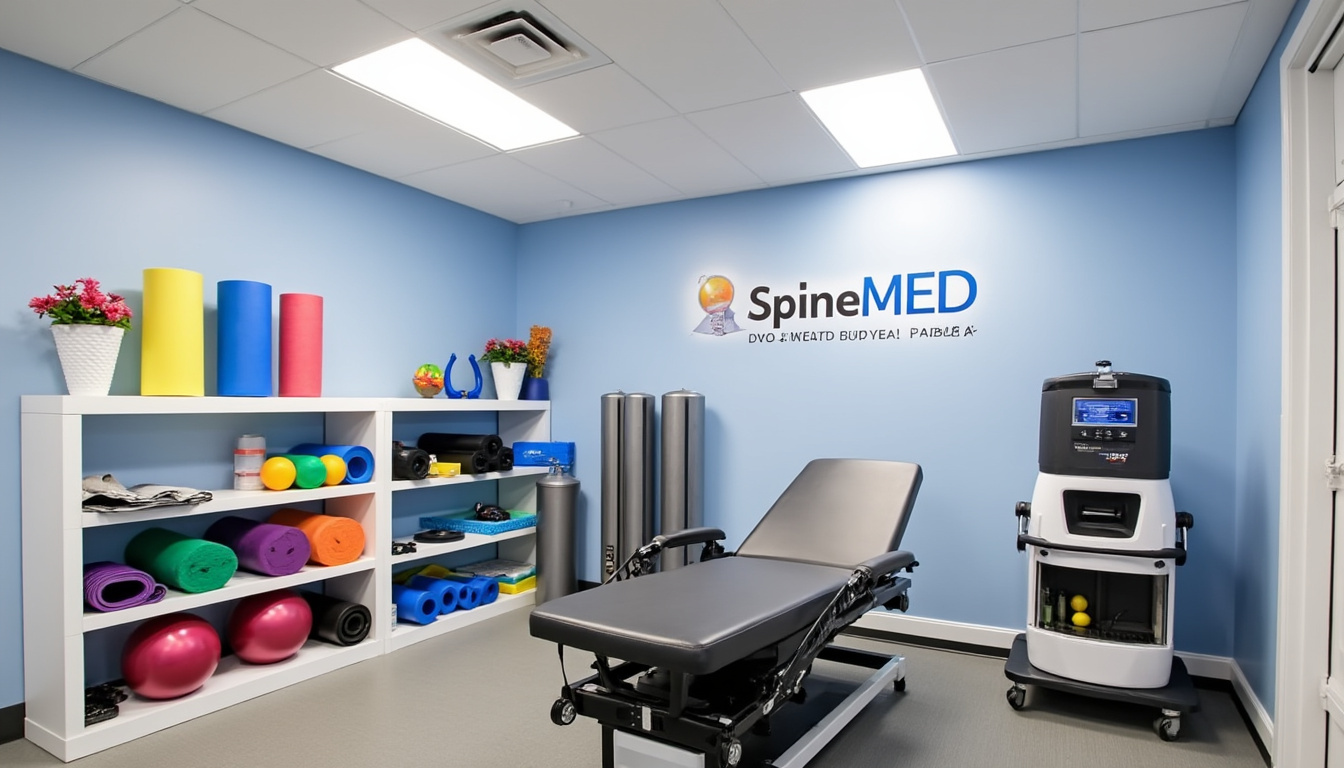
Patients in Laval benefit from state-of-the-art technologies such as the FDA-approved SpineMED system, which gently alleviates nerve compression while facilitating disc rehydration and healing. These advancements, integrated within comprehensive, multidisciplinary care protocols, underscore the progressive nature of spinal therapy in this Canadian city. This evolving landscape reinforces Laval’s reputation as a hub for conservative spinal care, where expert-led, evidence-based interventions make a tangible difference in the recovery trajectories of those struggling with herniated discs.
Understanding Lumbar Disc Herniation and Its Impact on Spine Health in Laval
Lumbar disc herniation is a condition characterized by the displacement of the nucleus pulposus through a tear in the annulus fibrosus of the intervertebral disc, often resulting in nerve root compression. This pathology commonly affects the L4-L5 and L5-S1 levels, which bear significant mechanical stress due to their role in spinal mobility and load-bearing. The clinical presentation usually involves localized lower back pain, radiating sciatica, sensory disturbances, and sometimes motor weakness.
In Laval, where many residents perform physically demanding work or maintain sedentary office lifestyles, the incidence of LDH has escalated, necessitating comprehensive public health strategies. Beyond the physical discomfort, lumbar disc herniation frequently impacts quality of life by restricting mobility and complicating daily activities. The socioeconomic implications include increased healthcare utilization, work absenteeism, and diminished productivity, emphasizing the importance of early and effective intervention.
Dr. Sylvain Desforges, recognized as a leading spine care expert with over three decades of clinical experience, stresses the importance of a thorough evaluation in every case. His method involves detailed clinical assessments and imaging studies to elucidate the precise characteristics of the herniated disc and its neurological implications. Such precision enables tailored treatment recommendations, avoiding unnecessary interventions while optimizing outcomes.
Minimally Invasive Surgery in Longueuil: Maintaining Post-Operative Flexibility
Minimally invasive surgery in Longueuil is transforming the way spinal conditions are treated, offering patients a path that emphasizes reduced tissue trauma, quicker recovery times, and preservation of natural spinal mobility. For many individuals suffering from chronic back and neck…
Principles and Mechanisms of Neurovertebral Decompression Therapy in Herniated Disc Recovery
Neurovertebral decompression therapy is a cutting-edge, non-invasive spine treatment designed to apply controlled, gentle traction to the vertebral column. This process decreases intradiscal pressure by creating a negative pressure environment within the disc. This negative pressure supports the retraction of herniated disc material back toward the disc center, promoting rehydration and restoration of the disc’s natural height, which alleviates nerve compression.
The SpineMED system, prominently used at specialized clinics in Laval such as the Clinique TAGMED, embodies this therapeutic approach with its sophisticated computer-controlled mechanisms. Unlike traditional traction, which applies broad and unmodulated forces, SpineMED delivers segmental, patient-specific decompression with real-time adjustment managed through embedded sensors that monitor patient muscle response and spinal condition.
The therapy sessions usually last between 20 to 30 minutes and follow a personalized protocol based on the patient’s diagnostic imaging and overall health. This precision ensures an optimal therapeutic dose of decompression while minimizing discomfort or the risk of additional strain. The non-invasive nature and scientific validation of this therapy have made it a preferred alternative for patients aiming to avoid surgical interventions, which carry higher risks and longer recovery timelines.
Studies published in reputable journals reiterate the mechanism by which neurovertebral decompression facilitates symptomatic relief by decreasing nerve root inflammation and restoring spinal mobility. Combining this therapy with adjunct modalities such as laser therapy and osteopathic care, as practiced by Dr. Desforges and his team, enhances overall treatment effectiveness.
IntraSPINE® in Laval: A Modern and Safe Solution
Back pain continues to challenge millions across Quebec, affecting everyday activities and diminishing quality of life. As the demand for modern, effective spinal treatments grows, innovations like IntraSPINE at Laval emerge as pivotal solutions. This advanced dynamic implant provides a…
State-of-the-Art Equipment and Treatment Protocols Unique to Laval’s Spinal Therapy Landscape
Laval’s spinal care facilities leverage advanced technologies that exemplify innovation and patient safety. Foremost is the SpineMED Disc Decompression System, approved by Health Canada and compliant with FDA 510(k) standards, representing third-generation spinal decompression technology. It precisely targets affected spinal segments via a dynamic traction program that isolates intervertebral levels such as L4-L5 or L5-S1 for maximal decompression efficiency.
The clinical protocol commonly employed in Laval includes initial diagnostic evaluation encompassing MRI and digital radiography to identify lesion localization. Prior to therapy sessions, patient education about posture, lifestyle adjustments, and activity modifications is imperative. Individualized treatment sessions commence with therapeutic warm-up to prepare spinal tissues, followed by a 30-minute decompression cycle, and conclude with a cooling phase using ice application to reduce post-treatment inflammation.
Ongoing monitoring allows therapists to fine-tune protocols based on patient tolerance and clinical progress. Additionally, some centers integrate biomechanical assessments and combine physiotherapy equipment to complement the decompression process. This multimodal strategy epitomizes comprehensive spinal care, emphasizing customized therapy that respects each patient’s unique anatomical and functional needs.
Details of these protocols harmonize with recent clinical guidelines for the conservative management of lumbar disc herniation, which advocate for combined therapeutic measures maximizing non-invasive recovery and functional rehabilitation.

Disc herniation in Sainte-Anne-de-Bellevue presents a significant challenge, impacting the daily lives of many adults in this thriving community. As bustling professional and family demands intensify, the prevalence of spinal disorders, particularly herniated discs, has amplified the need for effective,…
Critical Post-Treatment Guidelines to Enhance Lumbar Disc Herniation Recovery
Successful lumbar disc herniation recovery in Laval transcends the decompression treatment itself, requiring robust post-treatment strategies to consolidate therapeutic gains and prevent recurrences. Dr. Sylvain Desforges emphasizes a collaborative recovery approach where patient adherence to guidelines profoundly influences long-term success.
Key post-treatment recommendations include:
- Progressive physical activity: Patients are encouraged to resume gentle, controlled activities that reinforce paraspinal and core musculature without imposing undue spinal stress.
- Ergonomic posture maintenance: Awareness and correction of posture during daily tasks — whether working, commuting, or resting — minimizes recurrent mechanical stress.
- Continuing physical rehabilitation: Ongoing physiotherapy focusing on muscle balance, flexibility, and functional movement retraining is vital.
- Hydration and anti-inflammatory diet: Maintaining adequate hydration and consuming foods with anti-inflammatory properties support disc health and reduce localized swelling.
- Scheduled medical follow-up: Regular check-ups, including imaging when necessary, monitor recovery progression and allow early identification of any complications or need for treatment adjustments.
Data supports that patients committed to this comprehensive care plan demonstrate better symptom control, decreased reliance on medication, and enhanced functional outcomes. This holistic approach aligns perfectly with the multidisciplinary care model adopted in Laval’s specialized centers.
Post-treatment benefits highlighted in recent research include:
- Improved spinal alignment and load distribution
- Sustained reduction in radicular pain
- Lower incidence of hernia recurrence or progression
- Enhanced quality of life and daily function
Such outcomes underscore the importance of patient education and continuous support, which are cornerstones of Dr. Desforges’ clinical philosophy.
Neck Surgery in Montreal: Enhancing Mobility and Alleviating Pain
Chronic neck pain and cervical spine disorders remain among the leading causes of disability and reduced quality of life worldwide. In Montreal, a city known for its advanced medical facilities and cutting-edge research, the field of neck surgery has undergone…
Integrating Physiotherapy and Kinésithérapie into Neurovertebral Decompression Regimens in Laval
Complementing neurovertebral decompression with tailored physiotherapy and kinésithérapie strengthens recovery by addressing underlying musculoskeletal imbalances. These disciplines work synergistically to restore spinal stability, optimize posture, and enhance muscle function.
Physiotherapists in Laval design individualized regimens focusing on:
- Deep spinal musculature strengthening: Reinforcing the multifidus and transversus abdominis muscles to increase vertebral stability and reduce disc pressure.
- Functional mobility restoration: Exercises targeting spinal flexibility and controlled movement patterns to prevent compensatory dysfunction.
- Postural correction: Techniques to retrain neuromuscular control that supports optimal spinal alignment during activities.
Meanwhile, kinésithéraphy incorporates manual therapies to ease muscular tensions and augment pain relief. These may include soft tissue massage, myofascial release, and trigger point therapy, enabling patients to participate more effectively in active rehabilitation phases.
The collaborative approach ensures that the decompression’s mechanical relief of nerve root pressure is consolidated by improved musculoskeletal support, reducing relapse risk and bolstering long-term spine health.

The issue of herniated discs in Saint-Jérôme represents a significant public health challenge, affecting a diverse range of individuals, from active workers facing repetitive spinal strain to older adults experiencing natural disc degeneration. Persistent lower back pain, neurological symptoms, and…
Patient Eligibility and Contraindications for Neurovertebral Decompression Therapy in Laval
Neurovertebral decompression is a valuable treatment modality, but its applicability requires careful patient selection to maximize benefits and safeguard safety. At Clinique TAGMED and similar centers, rigorous pre-treatment assessment under Dr. Sylvain Desforges’ expert guidance is standard practice.
Ideal candidates typically present with:
- Confirmed lumbar disc herniation with radicular symptoms corroborated by imaging
- Mild to moderate degenerative arthrosis without severe segmental instability
- Desire to avoid or delay surgical intervention
- Post-surgical patients seeking advancement in functional recovery
Conversely, neurovertebral decompression is contraindicated in circumstances including:
- Active spinal infections
- Unstable vertebral fractures or severe instability
- Unhealed spinal surgical sites
- Advanced pregnancy unless evaluative protocols permit safe application
- Severe osteoporosis or related bone fragility
A thorough clinical evaluation coupled with imaging studies ensures that personalized treatment plans align with patient-specific anatomical and physiological realities. This process is essential to uphold the highest standards of ethical and scientific rigor in spinal care.

Disc Prosthesis in Lévis: Achieving Fast and Effective Results
Chronic back pain due to degenerative disc disease poses a significant challenge for many patients in Lévis and across Canada. With the increasing demand for effective solutions that reduce recovery time while preserving spinal mobility, disc prosthesis has emerged as…
Comparative Overview of Lumbar Disc Herniation Treatments in Laval: Advantages and Limitations
Laval offers individuals with lumbar disc herniation a spectrum of treatment options, each catering to diverse needs and clinical presentations. Understanding these therapies’ relative benefits informs patient choices and fosters informed consent.
| Treatment | Description | Indications | Advantages |
|---|---|---|---|
| Neurovertebral Decompression | Controlled spinal traction reducing disc pressure and nerve compression. | Herniated disc, arthrosis, sciatica | Safe, promotes disc rehydration, minimally painful, alternative to surgery |
| Medications | Use of anti-inflammatory and analgesic drugs to manage pain. | Acute pain, inflammation | Fast pain relief but effects usually temporary |
| Physiotherapy | Exercise-based interventions to strengthen musculature and improve posture. | Chronic pain, rehabilitative care | Non-invasive, enhances muscular function, supports lasting recovery |
| Surgery | Invasive procedure to remove or repair disc material. | Severe cases, conservative treatment failure | Definitive solution but with risks and a lengthy recovery |
While surgery remains indispensable for select complex clinical scenarios, neurovertebral decompression coupled with conservative management offers a scientifically sound and patient-centric alternative. For comprehensive care strategies and the latest evidence-based guidelines, resources such as those outlining post-treatment guidelines in lumbar spine disc displacement are invaluable.
Further information on neurovertebral decompression treatment available in Laval can be explored through expert-reviewed sources detailing therapeutic processes and outcomes, enhancing patient education and engagement in the healing journey.
Herniated Disc in L’Assomption: Targeted Therapy Zones and Neurovertebral Decompression Treatment
In the vibrant community of L’Assomption, back pain caused by herniated discs increasingly affects a broad segment of the population, from active workers to aging residents. With surgery often regarded as a last resort, patients and healthcare practitioners alike are…
International Collaboration and Personalized Patient Journey Coordination
Dr. Sylvain Desforges’ role transcends local care, extending into transatlantic coordination between Canadian and French spine care providers. By forging alliances with leading spine surgeons, cutting-edge clinics, and medical tourism networks such as SOS Tourisme Médical, he ensures seamless patient experiences that optimize timelines and uphold the highest care standards.
This international collaboration facilitates access to innovative technologies and surgical techniques less readily available in Canada. For patients requiring advanced procedural interventions or specialized implants, this coordination enables tailored treatment pathways reflecting individual clinical nuances.
Throughout this process, comprehensive pre- and post-operative care is ensured, with Dr. Desforges providing thorough evaluations and guiding patients in navigating complex healthcare systems. This model exemplifies patient-centric care, grounded in ethical practice and scientific rigor, offering reassurance and hope for those confronting the challenges of lumbar disc herniation.
What is neurovertebral decompression and how does it help lumbar disc herniation?
Neurovertebral decompression is a controlled, progressive spinal traction therapy that reduces pressure on intervertebral discs. It promotes disc rehydration and relieves nerve root compression, leading to pain reduction and improved spinal function.
How should I prepare for a neurovertebral decompression session in Laval?
Preparation involves a comprehensive medical evaluation, diagnostic imaging assessment, lifestyle adjustments including rest and avoiding strenuous activities, maintaining hydration, and engaging in open communication with your therapist to optimize treatment outcomes.
What post-treatment care is recommended following lumbar disc herniation therapy?
Post-treatment recommendations include gradual resumption of physical activity, ergonomic posture maintenance, ongoing physiotherapy, anti-inflammatory nutrition, hydration, and regular medical follow-up to sustain recovery and prevent relapse.
Are there any contraindications for neurovertebral decompression therapy?
Yes, contraindications include spinal infections, unstable vertebral fractures, unhealed surgical sites, advanced pregnancy (unless evaluated), and severe bone fragility. Careful pre-treatment screening ensures safety and treatment appropriateness.
Can neurovertebral decompression help avoid surgery for herniated discs?
For many patients, neurovertebral decompression provides effective symptom relief and functional improvement, often delaying or eliminating the need for invasive surgical procedures, especially when combined with comprehensive rehabilitation.

Motion Surgery in Terrebonne: Safeguarding Your Spine Health
In the contemporary landscape of spinal care, Motion Surgery in Terrebonne represents a groundbreaking advancement in addressing back pain and complex spinal disorders. Faced with prolonged wait times for spinal interventions across Quebec, this innovative surgical approach offers hope to…