La Prairie Lumbar Disc Care for Sports Injuries
June 14, 2026
Innovative Implants Uncovered: A Clear Guide to TOPS™, Intraspine®, and ESP for Quebec Patients
June 14, 2026
In the vibrant community of L’Assomption, back pain caused by herniated discs increasingly affects a broad segment of the population, from active workers to aging residents. With surgery often regarded as a last resort, patients and healthcare practitioners alike are turning to less invasive yet highly effective solutions. Among these, neurovertebral decompression stands at the forefront—leveraging advanced technology and precise spinal evaluation to address the root causes of discomfort and dysfunction.
Spinal health in L’Assomption is undergoing a transformative shift as medical teams integrate targeted therapies designed to reduce nerve compression and promote natural disc regeneration. This approach is deeply grounded in a refined understanding of spinal anatomy and the complex interplay between vertebrae, intervertebral discs, and nerve roots. As these therapies evolve, patients benefit from personalized, evidence-based treatments that prioritize safety and long-term well-being, moving beyond mere symptomatic relief.
The rise of neurovertebral decompression therapy has not only redefined treatment expectations locally but also brought forth new avenues for international collaboration and knowledge exchange. It highlights the importance of a multidisciplinary and scientific approach, led by renowned experts like Dr. Sylvain Desforges, ensuring that each individual in L’Assomption receives care aligned with the highest standards of modern spinal treatment.
Precision in Targeted Therapy Zones for Herniated Disc Management in L’Assomption
The effectiveness of any spinal treatment hinges on accurately determining which zones of the spine require intervention. In L’Assomption, a region marked by frequent musculoskeletal strain, the targeted therapy approach accounts for the highly localized yet far-reaching effects of herniated discs. A herniated disc often impacts the lumbar levels L4-L5 and L5-S1, where the stress of daily activities makes these intervertebral discs particularly vulnerable.
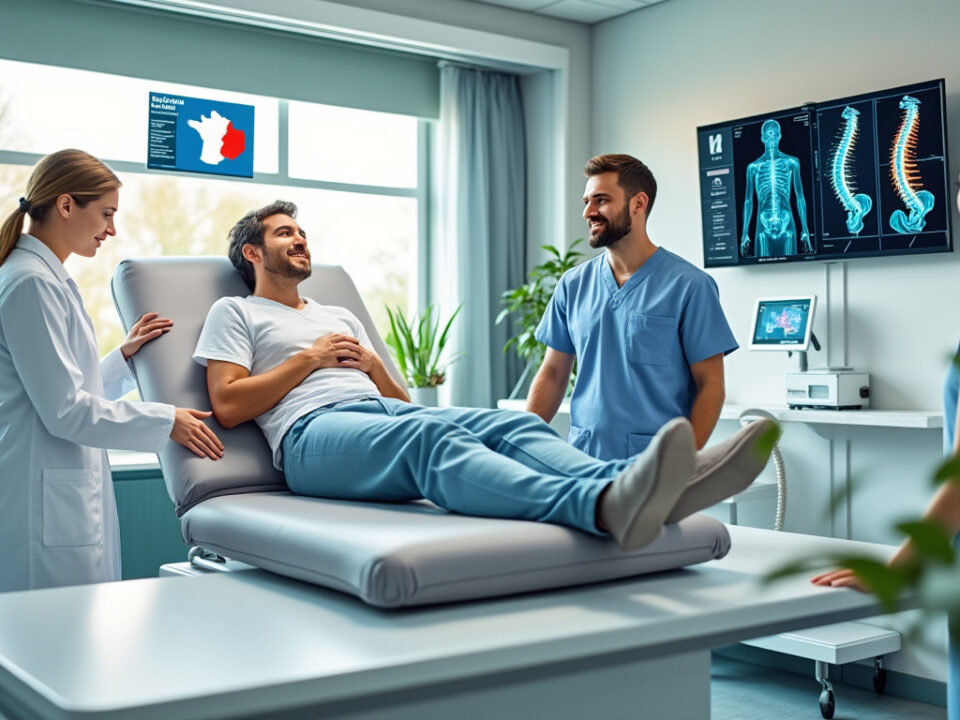
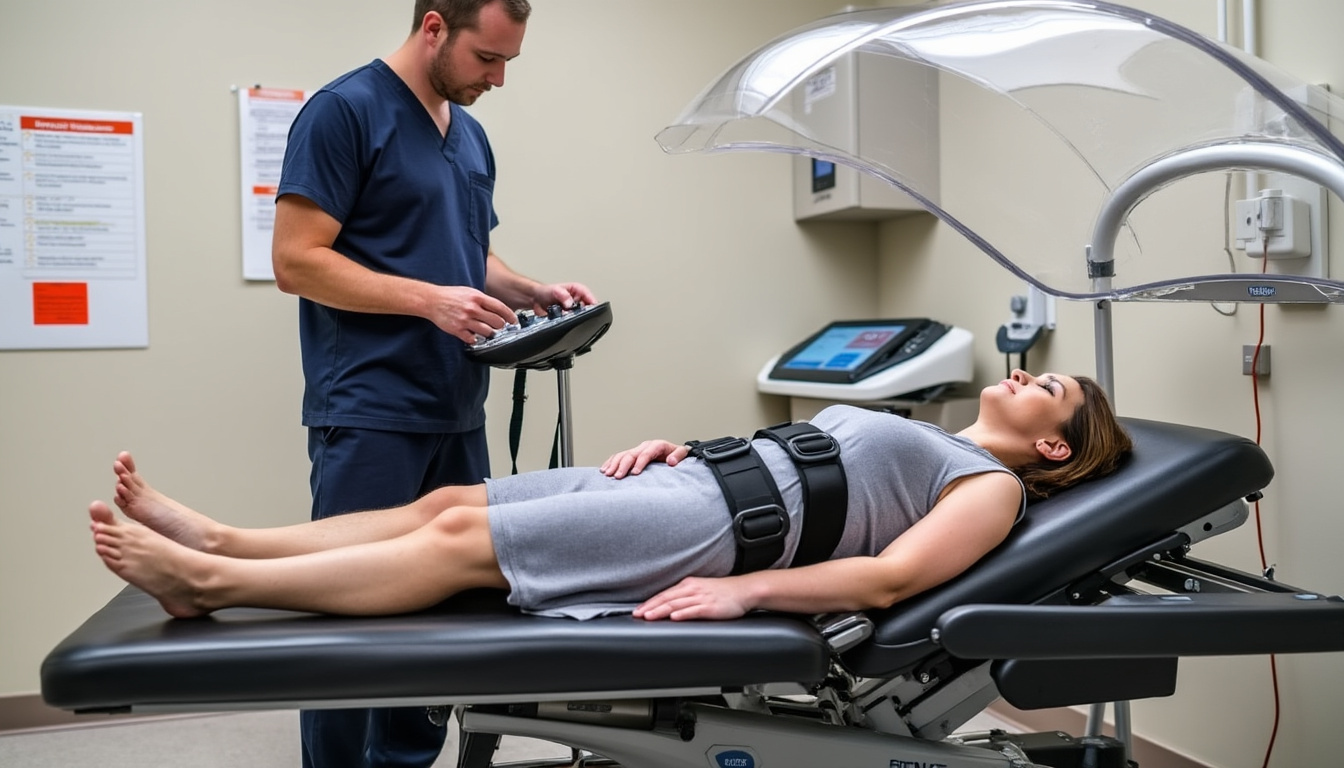
Targeting these zones through neurovertebral decompression involves gently stretching the spine to create negative pressure within the disc, facilitating retraction of the herniated material and relieving nerve root impingement. This carefully calibrated traction not only lessens mechanical stress on inflamed nerve roots but also encourages rehydration and healing of the intervertebral disc itself.
Furthermore, the therapy transcends the lumbar region when clinical assessment reveals cervical or thoracic discomfort radiating toward the upper limbs. Employing diagnostic imaging such as MRI and precise clinical evaluation ensures the identification of affected segments, making the neurovertebral decompression highly adaptable and individualized. Through this exacting selection of target zones, the treatment surpasses generic solutions and delivers focused relief tailored to the patient’s unique spinal pathology.
In clinical practice, this strategy aligns with contemporary studies emphasizing the necessity of regional precision for optimal outcomes. For example, a review from the Parker Journal highlights how tailored spinal decompression can drastically improve both clinical symptoms and imaging results in lumbar disc herniation cases. These insights underpin the targeted therapy philosophy practiced in L’Assomption, ensuring a scientific and patient-centered approach to managing complex spinal conditions.
Back Surgery in Trois-Rivières: Ensuring Mobility Preservation Post-Operation
Back surgery remains a critical consideration for many individuals in Trois-Rivières, Quebec, who struggle with chronic spinal conditions that significantly impair their quality of life. The challenge lies not only in addressing unbearable pain but also in preserving spinal mobility…
Neurovertebral Decompression Technology: Advancing Spinal Treatment in L’Assomption
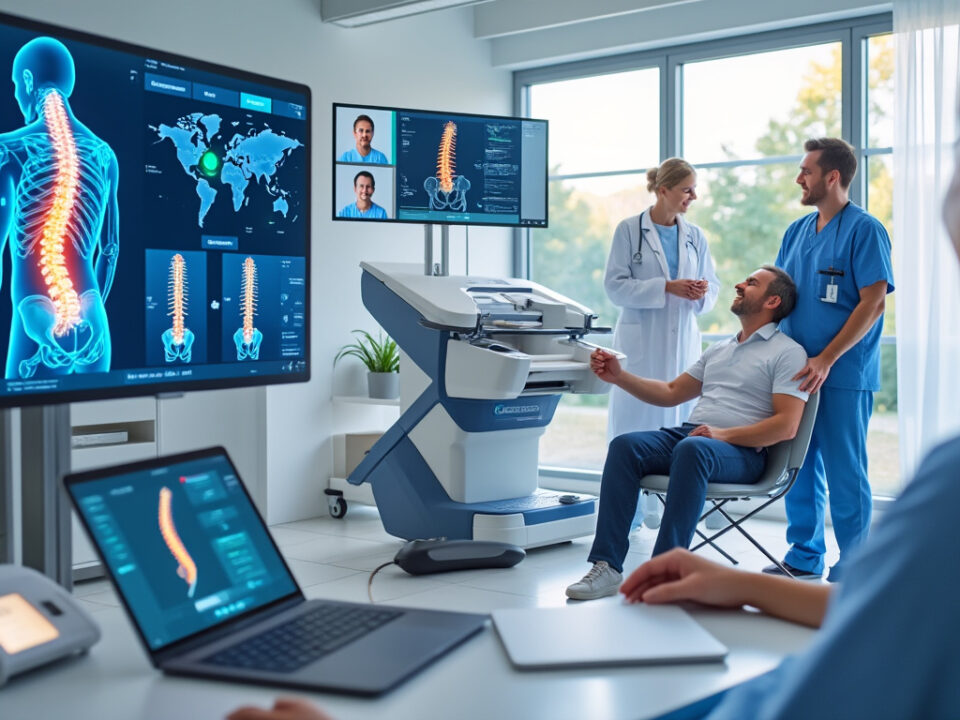
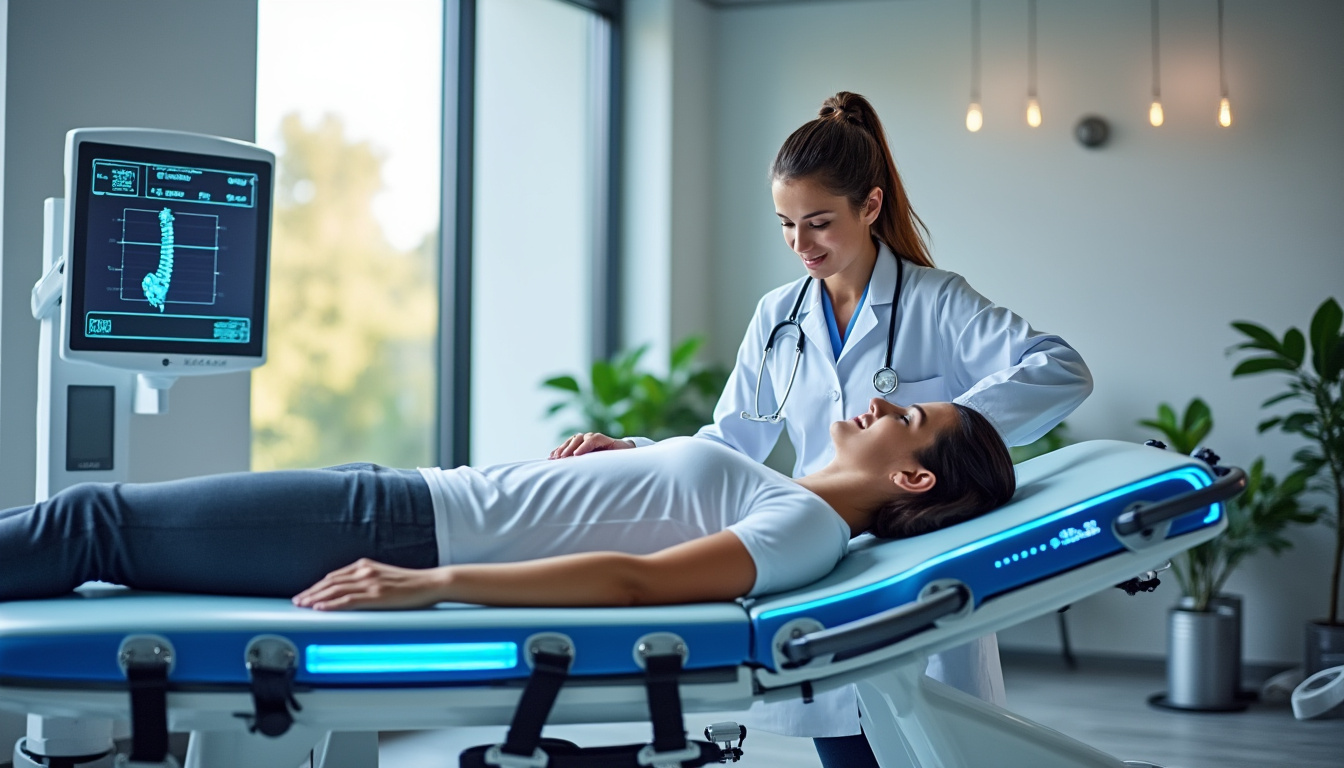
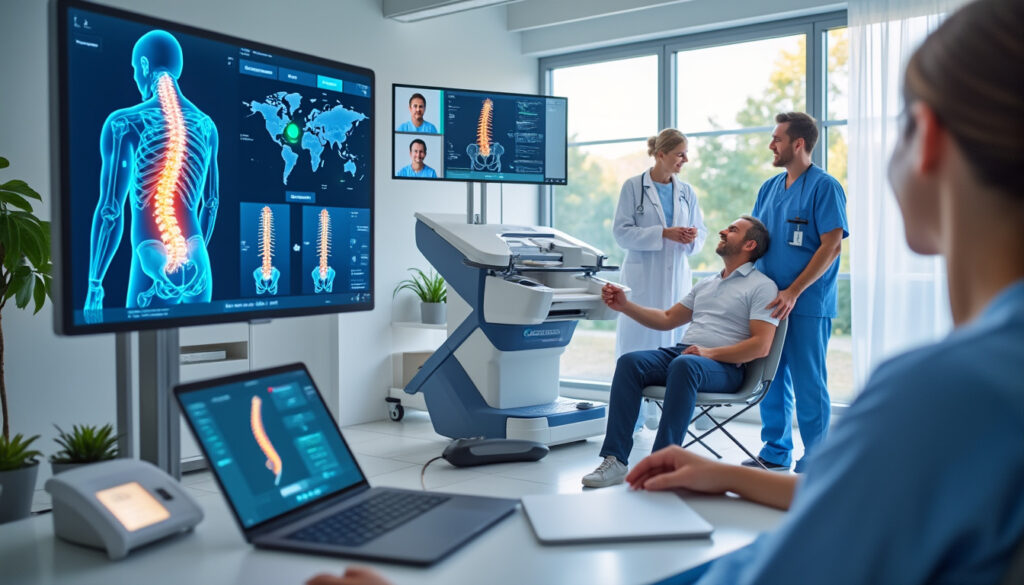
Modern spinal care in L’Assomption benefits from cutting-edge technology such as the DRX9000 decompression table and Antalgic-Trak multiaxial traction systems. These devices offer nuanced control over traction force, angle, and duration, adapting dynamically to patient feedback and tissue response to optimize treatment precision.
The DRX9000 utilizes robotic assistance and software-driven adjustments, enabling mechanized traction that delicately elongates vertebral segments without provoking muscle spasms or discomfort. This capability is essential given the sensitivity of nerve roots compressed by intraspinal disc herniations. Precise decompression eases nerve irritation, enhancing both pain relief and functional recovery.
Additionally, the Antalgic-Trak diversifies this approach by enabling three-dimensional decompression suited for complex disc lesions subjected to multidirectional forces. Its 3D traction is particularly valuable in cases where traditional linear traction might fail to address the biomechanics fully. Together, these technologies constitute a powerful arsenal in the non-surgical treatment of herniated discs, offering a safer alternative to invasive surgeries while aiming for similar efficacy.
Complementing the decompression devices, the Spineforce system supports targeted muscle strengthening post-session. This integrative method reinforces deep spinal stabilizers, mitigating the risk of future herniations and enhancing overall spinal health. Personalized rehabilitation programs incorporating these tools stand as evidence of a sophisticated approach that blends technology with anatomical restoration.
| Device | Functionality | Benefit to Patients in L’Assomption |
|---|---|---|
| DRX9000 | Controlled robotic spinal traction with adaptive software | Enables precise targeting of disc herniations, reduces discomfort and side effects |
| Antalgic-Trak | Multiaxial 3D decompression therapy | Effective for complex spinal segments, improves tolerance and outcomes |
| Spineforce | Deep muscle strengthening and spinal stabilization | Prevents recurrence and supports long-term spinal health |
This spectrum of advanced equipment reflects the expert guidance of leaders in the field, including Dr. Sylvain Desforges and his team at Clinique TAGMED, assuring patients of comprehensive, technology-driven care options.
Disc Herniation in Terrebonne: Targeted Patients and Neurovertebral Decompression Therapy Explained
The challenge of disc herniation is a significant concern for many residents in Terrebonne, Quebec, where chronic back pain impacts daily life and productivity. Disc herniation, involving the displacement of spinal discs causing nerve compression, often results in debilitating symptoms…
Clinical Rigor and Ethical Standards Upholding Spinal Care Excellence
Within L’Assomption, the pursuit of spinal treatment excellence is fiercely guided by scientific rigor and ethical standards. Dr. Sylvain Desforges, with over 30 years of extensive clinical experience and qualifications including B.Sc., D.O., and N.D., ensures that patient evaluations and treatment protocols are not only personalized but also compliant with provincial and national regulations.
Dr. Desforges’ roles as founder and president of the Alliance Canadienne de Médecine Alternative and the Canadian College of Osteopaths underscore his commitment to advancing safe, evidence-based spinal therapies. His practice strictly follows the guidelines issued by the Collège des médecins du Québec, prioritizing patient safety and treatment efficacy above all.
This approach extends beyond clinical care to include transparent communication about treatment indications and potential limitations, removing uncertainty and building patient confidence. The ethical obligation is evident in every decision made: evaluations provide comprehensive information without premature diagnoses, and treatment plans continuously evolve based on patient feedback and scientific literature.
Research evidence meanwhile supports the growing preference for non-invasive decompression techniques as first-line care. For example, an inspiring case series documented in Sosherniateddisc.com highlights substantial improvements in patients specifically treated with neurovertebral decompression at TAGMED. These instances illustrate that adhering to rigorous standards results in measurable, reproducible outcomes enhancing back pain relief and quality of life.
TOPS™ in Gatineau: A Modern Alternative to Lumbar Fusion Surgery
Chronic lower back pain continues to impact thousands of individuals across Québec, profoundly affecting their daily lives and mobility. Lumbar spinal disorders such as stenosis and degenerative spondylolisthesis frequently require interventions that balance pain relief with the preservation of spinal…
Personalized Patient Evaluation and Treatment Planning in L’Assomption
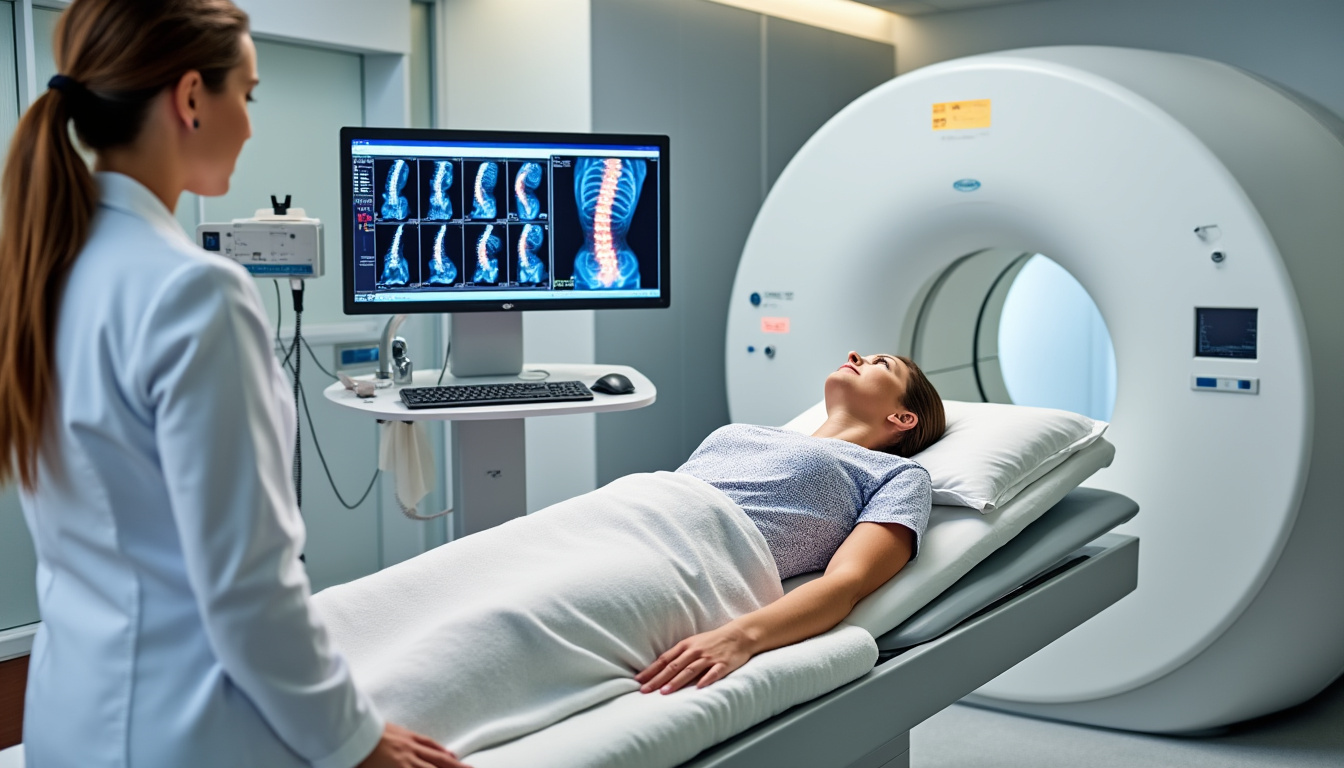
A central pillar of effective spinal treatment is an exhaustive and customized evaluation process. At TAGMED, under the expert guidance of Dr. Desforges, patients undergo a thorough clinical assessment combined with advanced imaging—MRI and X-rays—to precisely locate the extent and location of herniated discs.
This granular diagnostic approach informs the deployment of neurovertebral decompression therapy, targeting only the affected intervertebral discs and sparing adjacent healthy tissue from unnecessary stress. It also facilitates the creation of individualized treatment plans, carefully calibrated in traction intensity and frequency to match each patient’s specific condition and comfort level.
For example, a patient demonstrating a mild L4-L5 disc bulge with nerve root irritation will receive a gentler initial decompression protocol, progressively escalating as tolerance builds and response is observed. This fine-tuning is supported by state-of-the-art devices with real-time biofeedback, ensuring treatment remains not only effective but comfortable and safe.
The role of shared decision-making is prominent, with patients encouraged to actively participate, ask questions, and communicate sensations experienced during therapy. Such collaboration between expert and patient fosters trust and contributes to superior adherence and outcomes.
The experience of lumbar disc herniation affects thousands in the bustling city of Longueuil, a suburban hub that combines vibrant urban life with the complexities of modern work and lifestyle challenges. Individuals suffering from this condition frequently seek innovative yet…
International Coordination and Seamless Patient Journey between Canada and France
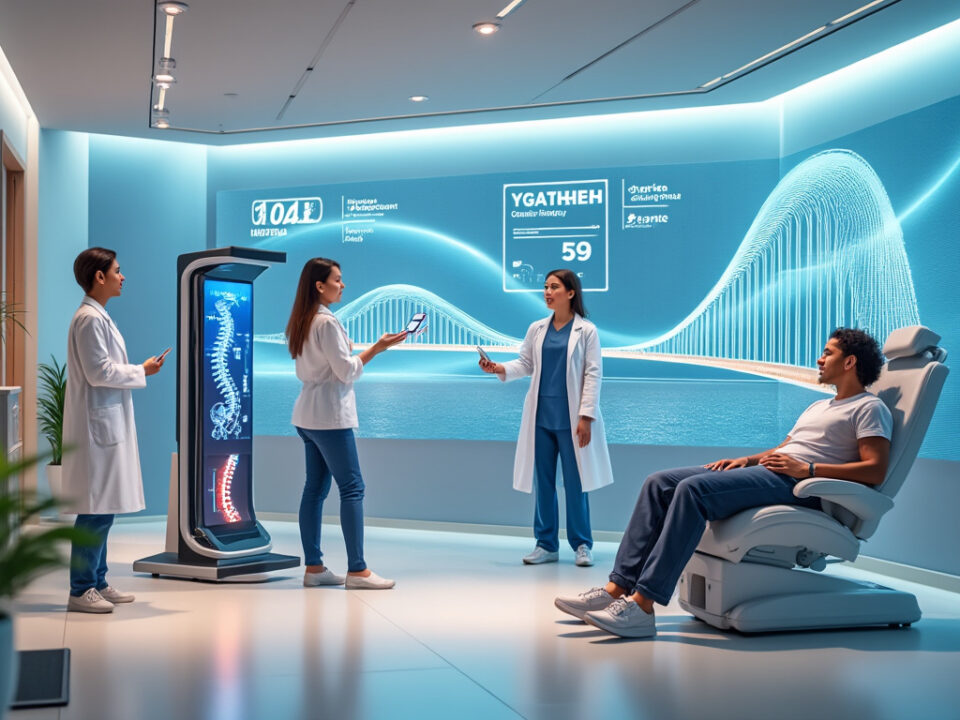
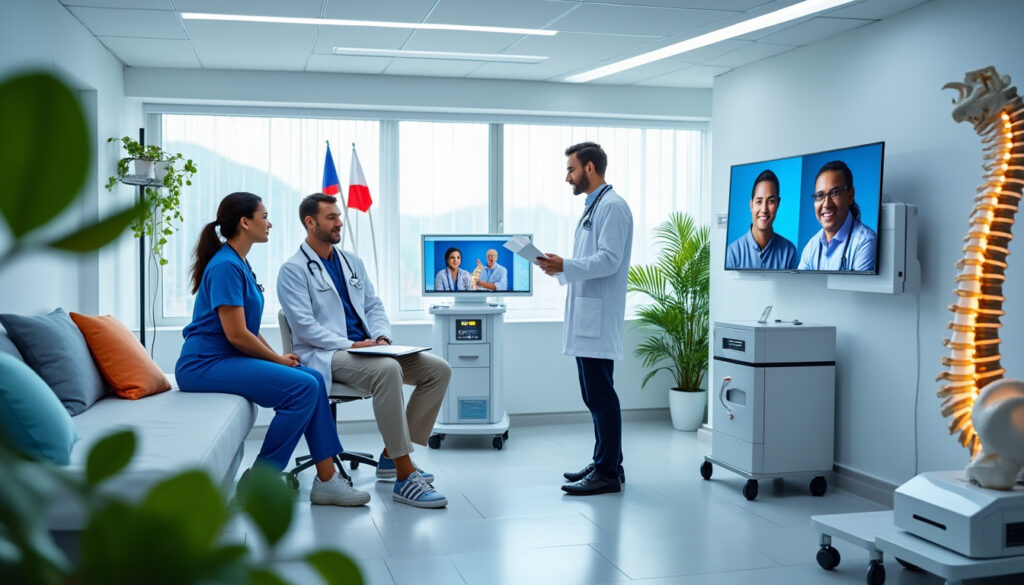
Dr. Desforges extends his expertise beyond Quebec through close collaborations with leading spine surgeons and clinics in France, orchestrated via partnerships with medical tourism platforms such as SOS Tourisme Médical. This transatlantic coordination enables patients from L’Assomption to access highly specialized treatment pathways not readily available locally.
This international network optimizes treatment timelines, enabling swift transitions from diagnostic evaluation to surgical or advanced conservative interventions when necessary. It also ensures that pre- and post-operative care is smoothly integrated, delivering a continuum of care which is personalized and consistent regardless of geography.
Drawing upon his leadership roles in Canadian and international organizations, Dr. Desforges champions this cooperative model, facilitating the exchange of clinical knowledge and best practices that ultimately benefit patients. By combining Canadian innovative therapies with European surgical expertise, patients experience enhanced outcomes along carefully tailored care trajectories.
This unique service model further underscores how expert-driven care in L’Assomption is directly connected to global standards and innovations in spinal health treatment.
Cervical Disc Prosthesis in Quebec: Restoring Mobility with Proven Approval
The landscape of spinal care in Quebec has evolved remarkably, offering new hope to patients suffering from chronic neck pain and diminished mobility. Among the transformative innovations in this field is the use of cervical disc prostheses, a groundbreaking orthopedic…
Innovative Non-surgical Treatment Alternatives to Address Herniated Disc
The demand for less invasive treatments is strong, particularly for a condition like herniated disc, which can manifest as debilitating back pain radiating to limbs. Neurovertebral decompression is a prime example of an advanced, patient-friendly solution offering significant symptom relief without surgical risks.
This modality gently alleviates pressure on herniated or bulging intervertebral discs through targeted mechanical traction. It enhances disc rehydration, reduces inflammation, and restores nerve root function, offering a comprehensive approach to recovery. Additionally, the technology used addresses various zones of impairment tailored to individual needs.
Complementing decompression, physical therapy interventions—including specifically designed exercises and ergonomic adjustments—play an essential role in recovery. These non-surgical strategies collectively provide a safer alternative to invasive surgical procedures, which come with longer recuperation times and possible complications.
Patients in L’Assomption have reported remarkable improvements following combined protocols of spinal decompression and rehabilitative care, echoing findings from clinical reviews available through Newregenortho. Such contemporary evidence continues to support the shift toward comprehensive, minimally invasive care plans for spinal disorders.
In Montreal, herniated disc care has evolved into a multidisciplinary practice combining cutting-edge technology and personalized protocols designed to mitigate pain, restore mobility, and improve overall spine health. The bustling urban environment, combined with physically demanding lifestyles, imposes unique challenges…
Post-Treatment Rehabilitation and Long-Term Spinal Health Maintenance
The journey toward lasting back pain relief requires more than just successful decompression sessions. At TAGMED, emphasis is placed on structured rehabilitation to consolidate therapeutic gains and maintain spinal health. This phase typically involves muscle strengthening, particularly targeting the deep spinal stabilizers, postural re-education, and lifestyle guidance tailored to everyday activities.
Programs leverage technologies like the Spineforce system to provide effective, targeted muscle conditioning which helps stabilize vertebral segments and reduce strain on intervertebral discs. Alongside manual osteopathic techniques, these efforts aim to restore full functional capacity and prevent recurrence of disc herniation.
Monitoring and follow-up are integral components of this comprehensive approach. Patients receive clear instructions on activities, ergonomic modifications, and periodic evaluations, ensuring early identification and management of any potential relapse. This forward-looking care model demonstrates a holistic commitment to not only alleviating current symptoms but empowering patients to sustain spinal well-being long term.
Minimally Invasive Surgery in Longueuil: Maintaining Post-Operative Flexibility
Minimally invasive surgery in Longueuil is transforming the way spinal conditions are treated, offering patients a path that emphasizes reduced tissue trauma, quicker recovery times, and preservation of natural spinal mobility. For many individuals suffering from chronic back and neck…
Understanding Pain Relief and Functional Improvement through Neurovertebral Decompression
Pain resulting from herniated discs arises when displaced disc material compresses or irritates nearby nerve roots, leading to sciatica or cervical radiculopathy and resulting in debilitating discomfort. Neurovertebral decompression therapy reduces intradiscal pressure and promotes disc retraction, mitigating nerve irritation and inflammation.
Clinical studies substantiate these benefits, showing improved mobility and decreased pain intensity after comprehensive treatment courses. Patients frequently report better sleep quality, renewed ability to engage in sports and daily activities, and significant reduction in medication dependency following therapy.
A notable case of a L’Assomption resident exemplifies these results: after targeted neurovertebral decompression sessions guided by Dr. Desforges, the patient experienced progressive relief from radiating leg pain and regained functional independence. This testimony reflects the therapy’s efficacy as a vital part of conservative spinal management.
When compared to surgical interventions, this non-invasive approach avoids hospitalization risks and long convalescence while addressing the fundamental cause of symptoms. For insight into such clinical successes and to learn about neurovertebral decompression’s role in facilitating back pain relief, consult resources like those found on Deukspine.
How does neurovertebral decompression therapy target herniated discs?
The therapy applies controlled spinal traction to gently separate vertebrae, reducing pressure on the affected intervertebral disc, promoting disc rehydration and nerve decompression to alleviate pain.
Is neurovertebral decompression painful?
Typically, the therapy is painless. Patients may feel a gradual stretching or mild tension during treatment but no sharp or acute pain, thanks to real-time adjustments made by computer control.
How many sessions are usually required to notice improvements?
Treatment duration varies based on severity, but many patients undergo around 20 sessions. Progress assessments often occur after the first seven to adapt the treatment protocol effectively.
Can neurovertebral decompression prevent the need for surgery?
For numerous cases, this non-surgical treatment can reduce symptoms sufficiently to avoid surgical intervention, making it a preferable first-line option before considering invasive procedures.
What additional therapies complement neurovertebral decompression in L’Assomption?
Physical therapy exercises, osteopathic manipulations, posture education, and muscular strengthening with devices like Spineforce are integrated into the post-treatment phase to ensure sustainable spinal health.
In the vibrant, active region of Laval, lumbar disc herniation (LDH) represents a significant health concern, especially among individuals facing repetitive spinal strain or leading sedentary lifestyles. This spinal condition, often manifesting as intense back pain and functional limitations, calls…