Comprehensive Guide to Eligibility Criteria for Back Surgery
November 29, 2025
International Comparison: Spotlight on Spine Care Practices Between France and Quebec
November 30, 2025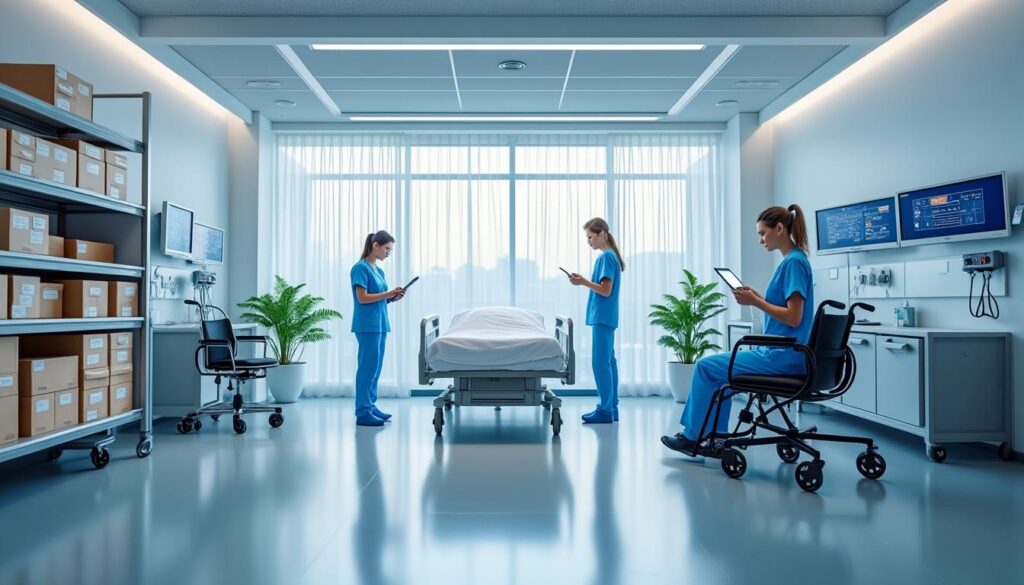
In the evolving landscape of global healthcare, the interplay between medical logistics and patient accommodation has become a cornerstone for effective and patient-centric care delivery. This synergy is particularly evident in the management of international patient journeys, where cross-border coordination, timely access to advanced treatments, and tailored accommodation converge to shape outcomes profoundly. Countries like France have emerged as hubs for specialized surgical interventions, notably spinal surgeries, attracting patients from across the Atlantic, including Canada. For these patients, the journey is more than a medical procedure; it is a complex orchestration involving precise supply chain management, bespoke medical transportation arrangements, and accommodation that supports convalescence in safety and comfort.
The rise of such comprehensive patient care approaches underscores the importance of robust healthcare supply chains and the integration of hospital logistics components. From the procurement and handling of certified medical devices to ensuring the seamless flow of patient information and material resources, healthcare systems are evolving to meet the intricate demands of contemporary medicine. These efforts are supported by innovations in digital tracking, cross-institutional coordination, and specialist providers who bridge gaps between healthcare facilities and patient support services. The outcome is a patient care journey that prioritizes continuity, minimizes delays, and enhances clinical success through meticulous planning and execution.
Strategic Role of Medical Logistics in Enhancing Patient Care Journey
Medical logistics serves as the backbone of any healthcare delivery system, central to ensuring that patients receive appropriate care efficiently. It envelops the entire spectrum of managing physical resources, information, and services within health systems, from the arrival of patients to their discharge and follow-up. In international contexts, such as Canadian patients traveling to France for spinal surgery, medical logistics governs:
- Patient flow management: Coordinating admissions, intra-hospital transfers, and discharge processes while complying with strict healthcare protocols and time-sensitive operations.
- Medical supply chain management: Handling critical items such as pharmaceuticals, implantable devices, surgical consumables, and sterile goods with uncompromising standards of safety and traceability.
- Emergency and postoperative logistics: Ensuring real-time responsiveness for emergency interventions and rehabilitation support, involving precise resource allocation.
- Continuous operations: Functioning seamlessly 24/7, including in degraded modes during crises, which highlights the distinction of healthcare logistics from conventional industrial supply chains.
A practical example is the integration of advanced digital tools allowing real-time tracking of implants like TOPS and Intraspine devices, ensuring their immediate availability for scheduled procedures. This system also optimizes inventory levels, reducing waste and shortages, thereby enhancing patient safety and treatment efficacy. The management of these logistic parameters directly influences the quality of care, underpinning the reliability and efficiency of healthcare delivery frameworks, notably in specialist centers such as those in Bordeaux and Toulouse.
| Logistics Component | Description | Importance in Patient Care |
|---|---|---|
| Patient Flow | Admission, transfers, and discharge scheduling | Minimizes wait times and improves patient experience |
| Medical Supplies | Pharmaceuticals, sterile consumables, implantable devices | Ensures appropriate, safe, and timely treatment |
| Emergency Services | Rapid availability of medical staff and equipment | Critical for preventing complications post-surgery |
| Information Flow | Dossier management and real-time tracking systems | Supports coordinated care and informed decision-making |
Understanding and optimizing these aspects of hospital logistics are imperative for healthcare organizations aspiring to deliver high-quality care with international patient involvement. Research highlights the critical role of healthcare logistics in improving medical supply efficiency and patient outcomes, showing a direct correlation between logistic excellence and clinical results.
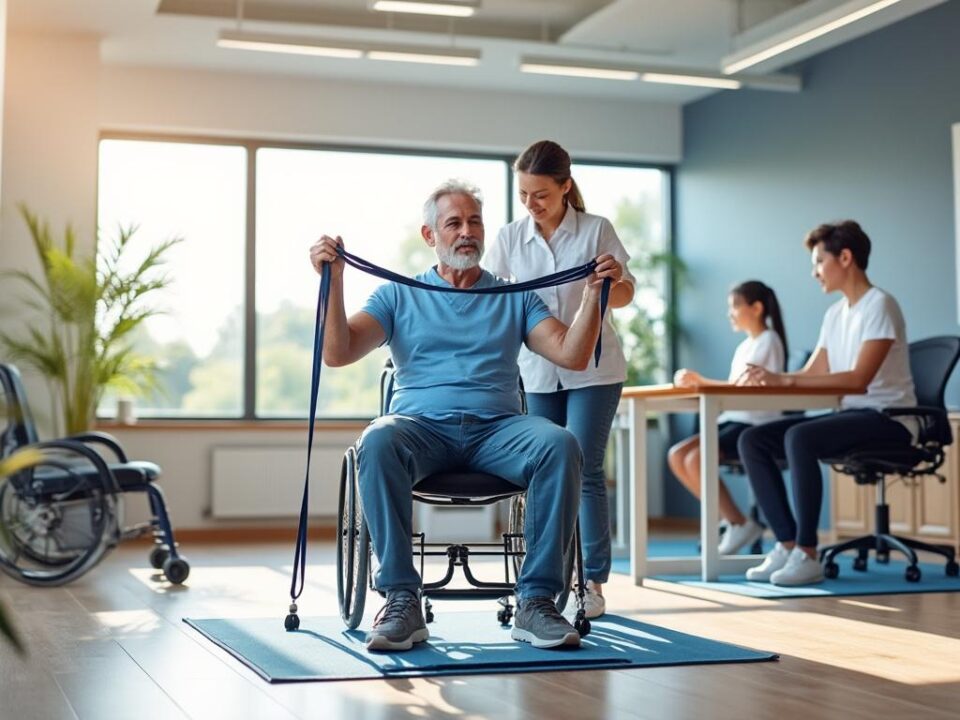
Can Rehabilitation and Return to Work Prevent the Need for Surgery?
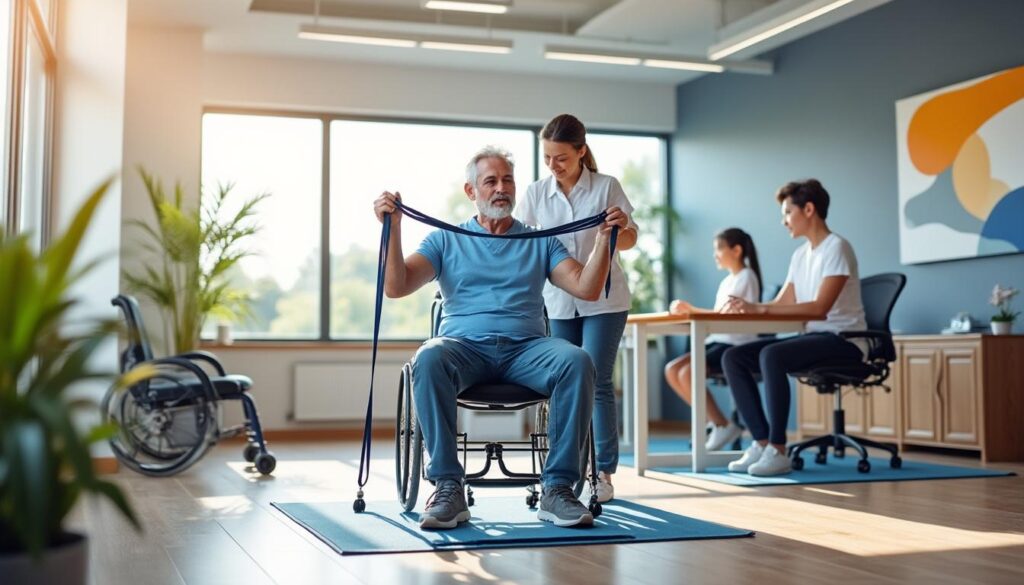
In the constantly evolving landscape of spinal healthcare, patients and practitioners alike grapple with a pivotal question: can the rigorous pathways of rehabilitation and structured return to work reduce or even eliminate the need for surgical intervention? The answer, as…
Patient Accommodation: A Critical Factor in International Medical Care
Beyond the operating room, patient accommodation is instrumental to a successful healthcare journey, especially for international patients who face the dual challenges of unfamiliar environments and complex treatment regimens. For Canadian patients traveling to France for specialized spinal surgery, accommodation is meticulously organized within immediate proximity of medical facilities. This strategy significantly limits travel-related stress and logistical delays, ensures rapid access to follow-ups, and fosters a secure, healing environment.
Accommodations dedicated to medical tourists are designed with specific standards tailored to patient comfort and recovery needs:
- Proximity and accessibility: Lodgings situated within walking distance of hospitals, enabling timely transitions between treatment and rest.
- Customized services: Including dietary planning suitable for post-operative recovery, mobility assistance, and concierge support.
- Comfort and safety: Rooms equipped with medical beds, ergonomic furniture, and quiet settings to reduce stress and promote healing.
- Medical accompaniment: Provision of nursing and physiotherapy support within accommodation to facilitate continuous care.
The coordination of these amenities is often managed by specialized agencies that act as intermediaries between healthcare providers and patients. Organizations such as SOS Tourisme Médical and Franchir exemplify this integrated approach, ensuring that accommodation logistics are as precise and reliable as medical logistics components.
| Accommodation Feature | Impact on Patient | Example of Application |
|---|---|---|
| Close to Hospital | Reduces patient transport times and anxiety | Stay within 5 minutes walk of surgical centers |
| Tailored Services | Addresses individualized patient needs | Special diets and mobility aid provision |
| Comfortable Environment | Enhances rest and recovery efficiency | Medical-grade beds and minimalist room design |
| On-site Medical Support | Continuous monitoring and rehabilitation | Physiotherapy sessions in lodging facilities |
This well-rounded accommodation framework exemplifies how the healthcare facility management system extends beyond clinical boundaries to encompass the psychosocial and logistical needs of patients, reinforcing the overall integrity of the care continuum.
Role of Patient Support Services in Enhancing Comfort and Safety
Patient support extends into diverse realms that enhance both the practical and emotional aspects of care. This includes coordinated transportation services, assistance with medical appointments, and availability of psychosocial support networks. Integrating patient support services into accommodation planning also contributes to higher satisfaction rates and better overall outcomes.
- Provision of medical transportation ensuring timely hospital visits.
- Meal delivery services matching dietary restrictions and energy needs.
- 24/7 assistance hotlines and translation services for international patients.
- Guided tours of hospital facilities to familiarize patients and families.
Through these efforts, healthcare institutions accommodate the full spectrum of patient needs, emphasizing individualized care and a smooth patient experience. Comprehensive understanding of how medical logistics and accommodation are transforming patient care provides insight into the multidimensional impact of these practices on clinical success and patient well-being.
Exploring the Overlooked Benefits of Spine Surgery in France
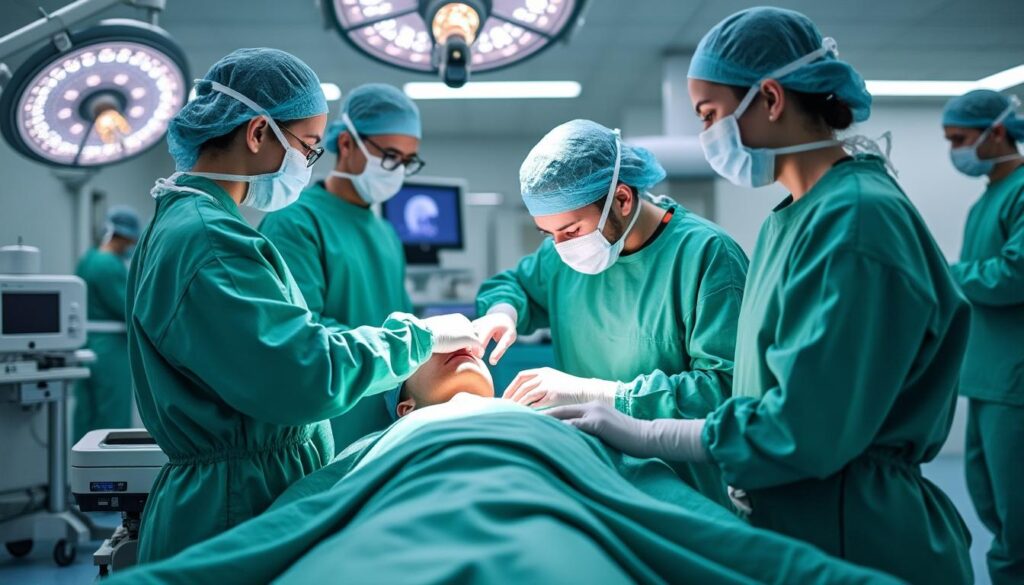
Spinal disorders are a significant health concern for many patients worldwide, yet the solutions and benefits of spine surgery often remain underappreciated. France, with its advanced healthcare infrastructure and pioneering surgical techniques, has emerged as a noteworthy destination for patients…
Managing Healthcare Supply Chain for Specialized Medical Equipment
The complexity of managing medical equipment handling within the supply chain intensifies with high-value and sensitive implants such as those used in spinal surgery. Devices like TOPS, Intraspine, ESP, and B-DYN implants incorporate advanced biotechnologies and require unwavering supply chain vigilance to maintain certification standards and clinical integrity. The logistics behind procuring and delivering these devices include:
- Storage under regulated temperatures to maintain implant sterility and function.
- Traceability protocols from manufacturer to patient, assured by European CE and U.S. FDA certifications.
- Coordination with specialized suppliers and distributors to minimize lead times.
- Integration with surgical scheduling to synchronize device arrival with operative timelines.
Expertise in this arena is exemplified by practitioners with dual clinical and industrial backgrounds, ensuring an alignment between patient-specific needs and technological options. Hospitals investing in dedicated platforms for medical logistics enhance their responsiveness and operational quality.
| Implant Type | Major Function | Clinical Benefit | Primary Indications |
|---|---|---|---|
| TOPS | Dynamic lumbar stabilization | Preserves spinal mobility and reduces pain | Herniated discs, spinal instability |
| Intraspine | Interspinous device for decompression | Minimally invasive, avoids fusion | Lumbar stenosis, radiculopathy |
| ESP | Dynamic stabilization system | Adapts to movement, alleviates mechanical stress | Disc degeneration, arthritis |
| B-DYN | Cervical dynamic implant | Maintains cervical spine mobility | Cervical arthrodesis delay |
Ensuring the availability of these implants is not merely a logistical matter but a clinical imperative directly affecting patient outcomes. Therefore, logistics teams collaborate closely with medical teams to forecast demand and confirm supply continuity, reflecting best practices in quality and certification of medical devices.

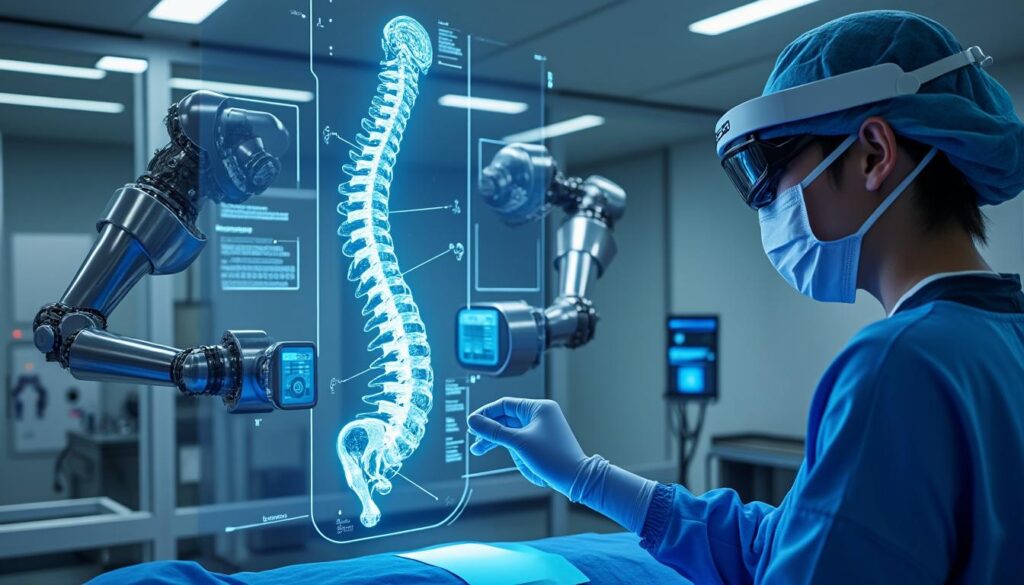
Cousin Spine Technology and Franchir: Transforming Surgical Decision-Making
In recent years, the integration of advanced medical technologies has dramatically shifted how spinal surgeries are planned, performed, and managed. Among the transformative developments, the alliance between Cousin Spine Technology and Franchir stands out as a pioneering force redefining surgical…
Optimizing Medical Transportation and International Patient Coordination
Medical transportation management is an indispensable part of the international patient care journey, particularly when patients travel extensive distances such as from Canada to Europe. Proper coordination of flights, ground transfers, and medical escorts ensures continuity of care and minimizes physical and psychological stress.
- Selection of direct flights or optimized connecting routes favoring patient comfort.
- Secure transfers from airports to accommodation and healthcare facilities, avoiding delays.
- Availability of medical escorts and ambulance services when necessary for vulnerable patients.
- Scheduling flexibility aligned with treatment plans and hospital availability.
Organizations like SOS Tourisme Médical facilitate these logistics, working closely with both Canadian and French healthcare providers to ensure comprehensive management of all transit stages. Beyond transportation, services often extend to pre-travel counseling and post-operative coordination, ensuring patients receive support before, during, and after their medical journey.
| Stage of Transport | Description | Critical Considerations |
|---|---|---|
| Outbound Flight | Medical tourism patients travel from home to location of care | Minimizing travel time and physical exertion |
| Airport Transfers | Secure transport to accommodations or hospitals | Timeliness and medical support availability |
| Hospital Transfers | Patient movement between hotel and medical facility | Scheduling and minimizing disruption |
| Return Journey | Post-treatment medical flight back to home country | Coordination with follow-up care providers |
The global coordination of these steps requires meticulous planning and collaboration between healthcare institutions, patient support services, and transportation specialists. Such coordinated efforts reduce potential risks and enhance the overall patient safety profile, as detailed in reports on hospital logistics impact on patient safety and care efficiency.
Insights from Research on Preventing Post-Laminectomy Syndrome
Post-Laminectomy Syndrome (PLS), a chronic pain condition arising after spinal surgery, remains a formidable challenge in spinal surgery and pain management. Despite advances in surgical techniques, a significant subset of patients continues to experience persistent neuropathic pain and functional limitations,…
Integrative Healthcare Coordination Across International Borders
Healthcare coordination extends beyond individual institutions, encompassing multidisciplinary teams, international networks, and patient-centered platforms. The integration of care pathways and information systems facilitates smooth transition points in the patient journey. Key dimensions include:
- Interoperable electronic health records allowing instant access to comprehensive patient history.
- Collaborative treatment planning between surgeons, anesthetists, rehabilitation specialists, and logistics managers.
- Automated scheduling systems synchronizing appointments, follow-up visits, and accommodation arrangements.
- Feedback mechanisms enabling continuous improvement in patient care standards.
This granular approach to healthcare coordination ensures personalized treatment trajectories and optimizes outcomes by minimizing fragmentation. It supports the growing trend toward patient-centric services, resonating with frameworks detailed in industry whitepapers emphasizing integrated care and understanding care gaps (patient-centricity framework for medical affairs).
| Coordination Aspect | Role in Patient Care | Example |
|---|---|---|
| Information Exchange | Seamless sharing of medical records and care plans | Real-time updates on post-op recovery status |
| Multidisciplinary Teamwork | Coherent clinical and logistic planning | Joint surgical and rehabilitation strategy meetings |
| Patient Engagement | Involving patients in decisions and care coordination | Accessible portals for appointment management |
| Quality Assurance | Continuous evaluation and feedback loops | Patient satisfaction surveys post-treatment |
This integrated model showcases the pivotal role of healthcare coordination in supporting complex patient journeys and is indicative of healthcare systems adapting to the needs of international patient populations requiring specialized surgeries.
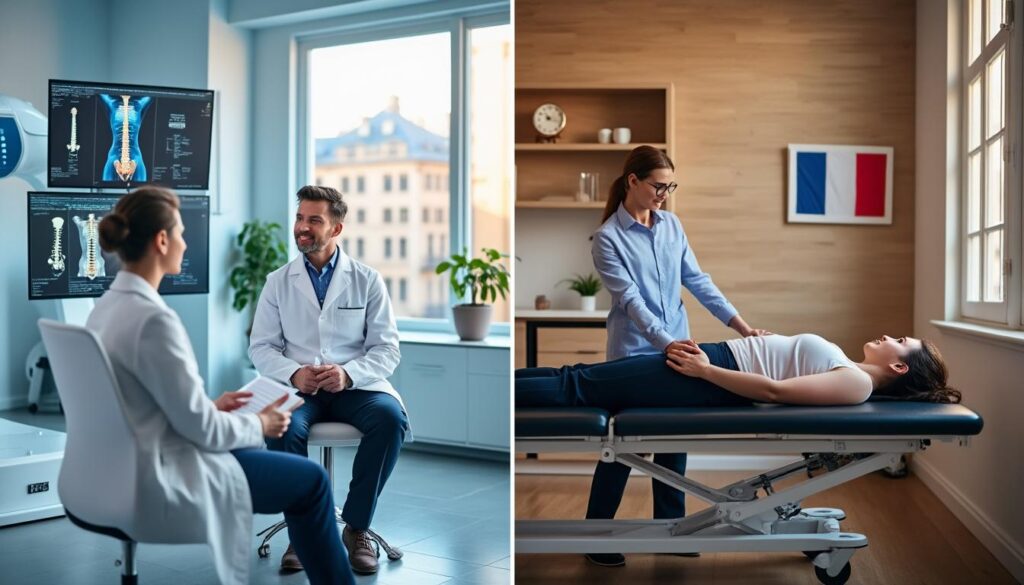
International Comparison: Spotlight on Spine Care Practices Between France and Quebec
The growing emphasis on spine health in Quebec has spotlighted the value of international collaboration in advancing patient care. With the challenges of prolonged wait times and high private care costs in Quebec, France emerges as an attractive alternative, boasting…
Adapting Hospital Logistics to Address Challenges in Patient Safety and Care Efficiency
Hospital logistics play a decisive role in maintaining safety and efficiency standards critical to high-quality patient care. Effective logistics management encompasses inventory controls, sterilization processes, waste management, and staff scheduling, all synchronized to support operational excellence.
Several strategies have emerged to meet contemporary demands:
- Implementation of RFID and barcode tracking systems to prevent stock-outs and ensure equipment sterility.
- Centralization of supply chain functions within healthcare facilities to unify pharmacy, sterilization, and catering services.
- Flexible workforce deployment based on automated predictions of patient volume fluctuations.
- Stringent compliance with hygiene protocols and waste disposal regulations.
Facilities such as the Pôle de santé du Villeneuvois in France illustrate these advances with integrated logistics designed to optimize resource use and patient throughput. The linkage of logistics with clinical workflows enhances safety and satisfaction, a key topic as elaborated in studies addressing hospital logistics and quality in resource management.
| Hospital Logistics Innovation | Impact on Patient Safety | Care Efficiency |
|---|---|---|
| RFID Tracking Systems | Reduces medication and device errors | Speeds up supply chain processes |
| Centralized Supply Units | Improves sterility and hygiene | Reduces redundancy and costs |
| Dynamic Staff Scheduling | Ensures adequate coverage | Adapts to peak patient inflow |
| Waste Management Protocols | Prevents contamination and infections | Complies with environmental standards |
Training and Development in Hospital Logistics
Investment in training programs for logistics and medical supply personnel enhances the overall care continuum and anticipates emergent needs in complex healthcare environments. This includes ongoing education on technological tools, regulatory updates, and crisis management protocols.
Medical Logistics and Accommodation: Central Pillars in the Patient Care Journey
Compare key aspects of medical logistics and accommodation solutions with their benefits and practical examples.
| Aspect | Benefits | Example |
|---|
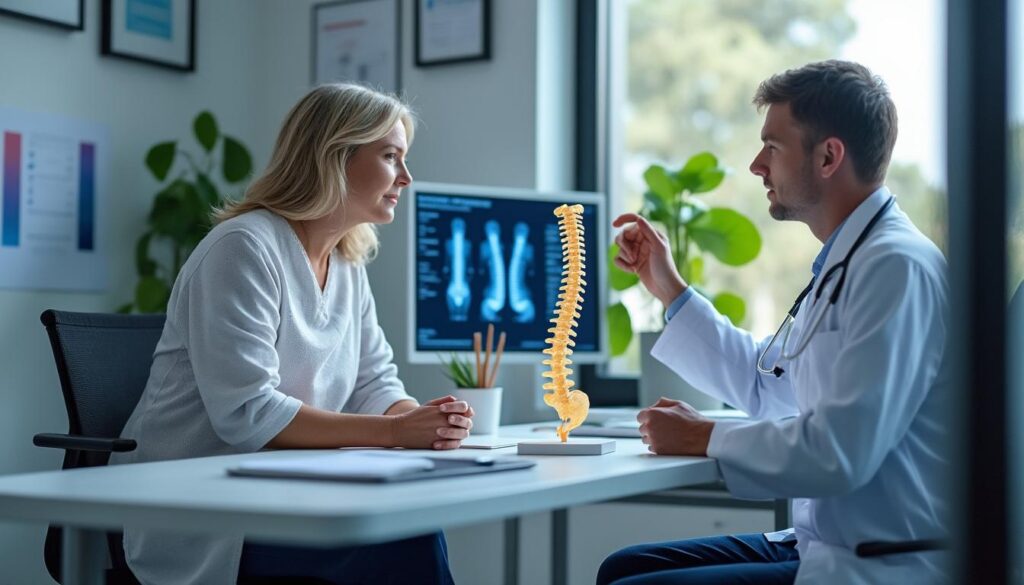
Comprehensive Guide to Eligibility Criteria for Back Surgery
The decision to undergo back surgery involves numerous complex considerations that extend beyond the presence of spinal discomfort. Through an international collaboration between healthcare experts in Quebec and France, patients facing severe spine conditions now have access to advanced surgical…
Technological Innovations Shaping the Future of Medical Logistics and Accommodation
Continuous innovation is reshaping medical logistics and patient accommodation toward more patient-centric and efficient models. Developments include:
- 3D printing of anatomical models for pre-surgical planning, enhancing surgical precision and patient communication.
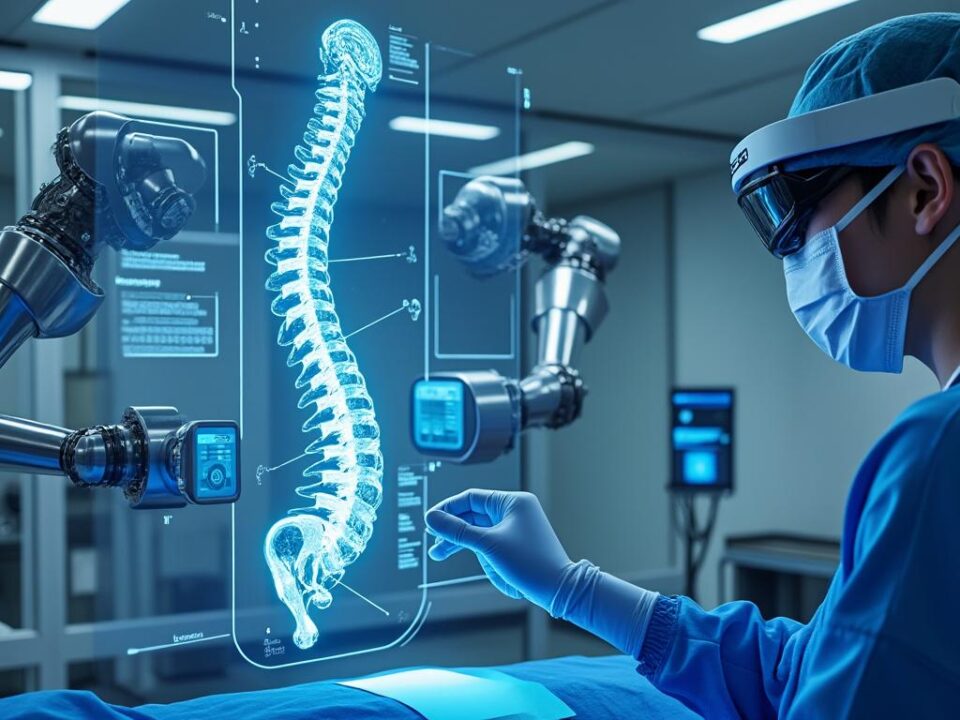
- Robotic-assisted surgery leveraging advanced navigation platforms for minimally invasive spinal interventions.
- Artificial intelligence-driven supply chain management to predict demand, optimize stock, and reduce waste.
- Smart accommodations equipped with digital health monitoring tools to enable real-time recovery tracking.
For instance, the introduction of FDA-cleared robotic systems for spinal surgery in leading clinics has not only improved surgical outcomes but also significantly reduced hospital stays. Similarly, advances in medical logistics optimizing healthcare delivery are allowing hospitals to manage patient inflows and device availability more effectively.
| Innovation | Description | Impact on Care Quality |
|---|---|---|
| 3D Anatomical Models | Patient-specific printed models for surgical planning | Improves accuracy and patient understanding |
| Robotic Surgery Platforms | Enhanced precision and minimally invasive techniques | Reduces complications and recovery times |
| AI-driven Logistics | Real-time inventory analytics and predictive management | Optimizes resource allocation and reduces waste |
| Smart Patient Rooms | Integration of digital monitoring and communication devices | Enables proactive care and faster intervention |
Leading institutions like the Pôle de santé du Villeneuvois and the Clinique du Parc Lyon serve as benchmarks showcasing the integration of these innovations into everyday patient care practice.
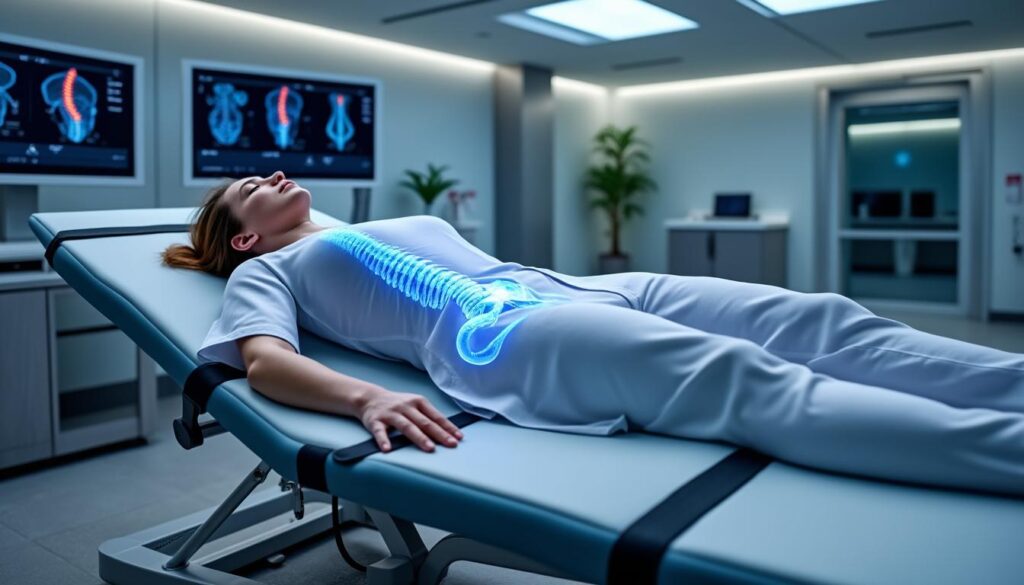
Unveiling the Hidden Benefits of Neurovertebral Decompression Therapy
Chronic back and neck pain remain pervasive health issues impacting millions, often leading to debilitating effects on daily life and overall well-being. Traditional management strategies frequently fall short due to lengthy wait times, high costs, or invasive procedures. Amid this…
Global Perspectives: Comparing Medical Logistics and Accommodation Across Healthcare Systems
While France has developed advanced models for managing international patient journeys, other countries also provide valuable insights into best practices. A comparative analysis reveals that successful systems prioritize:
- Standardization of medical device certification and patient safety protocols.
- Integration of logistics with digital health records and supply chain transparency.
- Patient-centric accommodation policies that emphasize comfort and recovery needs.
- Strong collaboration among multidisciplinary care teams to harmonize clinical and logistic efforts.
This global perspective fosters continuous improvement and cross-border learning, critical as healthcare systems become increasingly interconnected around shared goals of quality and accessibility. Publications addressing an international comparison exploring medical logistics and accommodation demonstrate how such collaborations enhance patient outcomes worldwide.
Challenges and Opportunities in International Healthcare Logistics
The complexity of international patient care logistics involves regulatory environments, language and cultural differences, and variable infrastructural capabilities. Despite these challenges, opportunities emerge through:
- Technology-enhanced communication and telemedicine tools bridging knowledge gaps.
- Accreditation programs fostering standardization and quality assurance.
- Patient education initiatives empowering informed decision-making.
- Collaborative networks facilitating seamless care continuity across borders.
Healthcare providers embracing these trends contribute to building resilient, patient-centered global care ecosystems that accommodate diverse patient profiles effectively.
What are the key advantages of medical logistics for Canadian patients seeking care in France?
Medical logistics ensures efficient patient flow and timely access to innovative surgical treatments, alongside secure and comfortable accommodation supporting optimal recovery.
How is patient accommodation tailored for international medical tourists?
Accommodations are situated near hospitals with customized services such as medical-grade beds, diet-specific meals, and on-site physiological support to enable effective recovery.
Which spinal implants are commonly utilized in French care pathways for Canadian patients?
Implants like TOPS, Intraspine, ESP, and B-DYN offer dynamic stabilization and mobility preservation, bearing CE and FDA certifications crucial for clinical safety.
What is the role of agencies like Franchir in managing the patient care journey?
They organize patient referrals, coordinate transportation and accommodation, and schedule medical consultations, ensuring a coherent, stress-free treatment process.
How is postoperative follow-up managed after patients return to Canada?
Specialized services such as those provided by Neurothérapie Montréal offer personalized rehabilitation and monitoring, ensuring continuity of care beyond surgery.

What Research Reveals About Rehabilitation and Returning to Work
Rehabilitation and the process of returning to work form a complex interplay that extends far beyond physical recovery. It is a multifaceted journey involving medical treatment, psychological adaptation, workplace accommodation, and social reintegration. Research in recent years underscores the profound…