Pointe-Claire Lumbar Disc Pain Resolved Without Surgery
May 24, 2026
Understanding Device Quality and Certification: A Guide for Quebec Patients
May 24, 2026
The landscape of spinal care is undergoing a remarkable transformation, especially for patients in Québec dealing with chronic back pain and spinal disorders. Motion Surgery, a groundbreaking approach that preserves natural spinal movement while alleviating pain, is at the forefront of this evolution. Unlike traditional spinal fusion surgeries that restrict mobility, this innovative technique employs dynamic implants designed to maintain vertebral flexibility, reshaping patient outcomes. Terrebonne, a thriving hub in Québec, has emerged as a center where such advanced surgical technology and healthcare innovations converge to offer new hope to patients seeking individualized and less invasive solutions.
This progress is propelled by the collaborative efforts between Canadian and French medical teams, facilitating transatlantic coordination that enhances access to cutting-edge treatments. Notably, Dr. Sylvain Desforges, a leading spine care expert with over three decades of clinical experience, has played a pivotal role in orchestrating these advancements. His commitment to rigorous scientific evaluation, ethical responsibility, and patient-centered care ensures that each individual’s treatment pathway is tailored, transparent, and grounded in the latest evidence-based practices.
As patient care evolves in 2026, the integration of Motion Surgery in Terrebonne represents more than a medical breakthrough—it embodies a holistic rethinking of how spinal disorders are managed. Patients benefit from minimally invasive procedures supported by sophisticated technologies like neurovertebral decompression and laser therapy, combined with comprehensive post-operative rehabilitation. This seamless journey, from early conservative interventions to advanced surgical options, demonstrates a future where maintaining spinal health is both achievable and sustainable.
Foundations and Innovations Behind Motion Surgery in Terrebonne
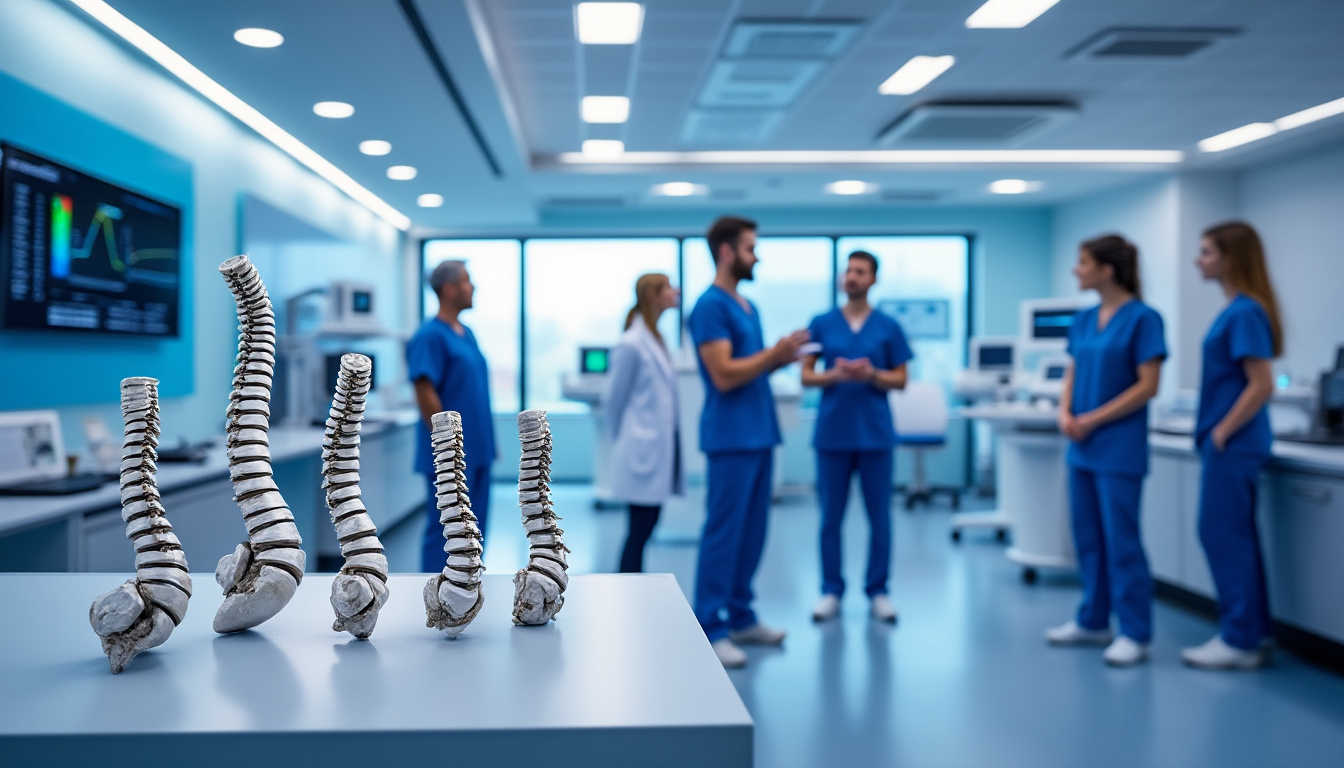
Motion Surgery, also commonly referred to as dynamic stabilization or flexible spinal surgery, has rapidly gained recognition as a transformative technique within spinal healthcare. Grounded on preserving physiological motion during surgical treatment, it marks a significant departure from conventional spinal fusion procedures that often immobilize affected spinal segments, consequently leading to adjacent segment degeneration and reduced functionality.
In Terrebonne, this progressive approach is not only gaining momentum but also setting a regional standard for what advanced spinal care entails. The core principle involves implanting devices such as the TOPS system or IntraSPINE dynamic spacers, which enable the spine to retain its natural flexibility while effectively addressing pathological conditions like spondylolisthesis or lumbar spinal stenosis.
Unlike fusion surgeries that eliminate motion at the treated level, Motion Surgery intervenes to actively preserve the range of motion, thus reducing stress transferred to neighboring vertebrae. The clinical outcomes resulting from this strategy are notably favorable in terms of pain relief, functional restoration, and long-term spinal health maintenance. This pioneering perspective has been informed by ongoing studies and the progressive adoption of such dynamic implants across Europe and North America, corroborating its safety and efficacy profile.
This surgical methodology aligns with the vision of experts like Dr. Sylvain Desforges, who advocates for innovative yet scientifically sound solutions in spinal care. His role in organizing clinical pathways and collaborating with interdisciplinary teams ensures that patients in Terrebonne benefit from both the latest surgical technologies and comprehensive care models designed to optimize recovery.
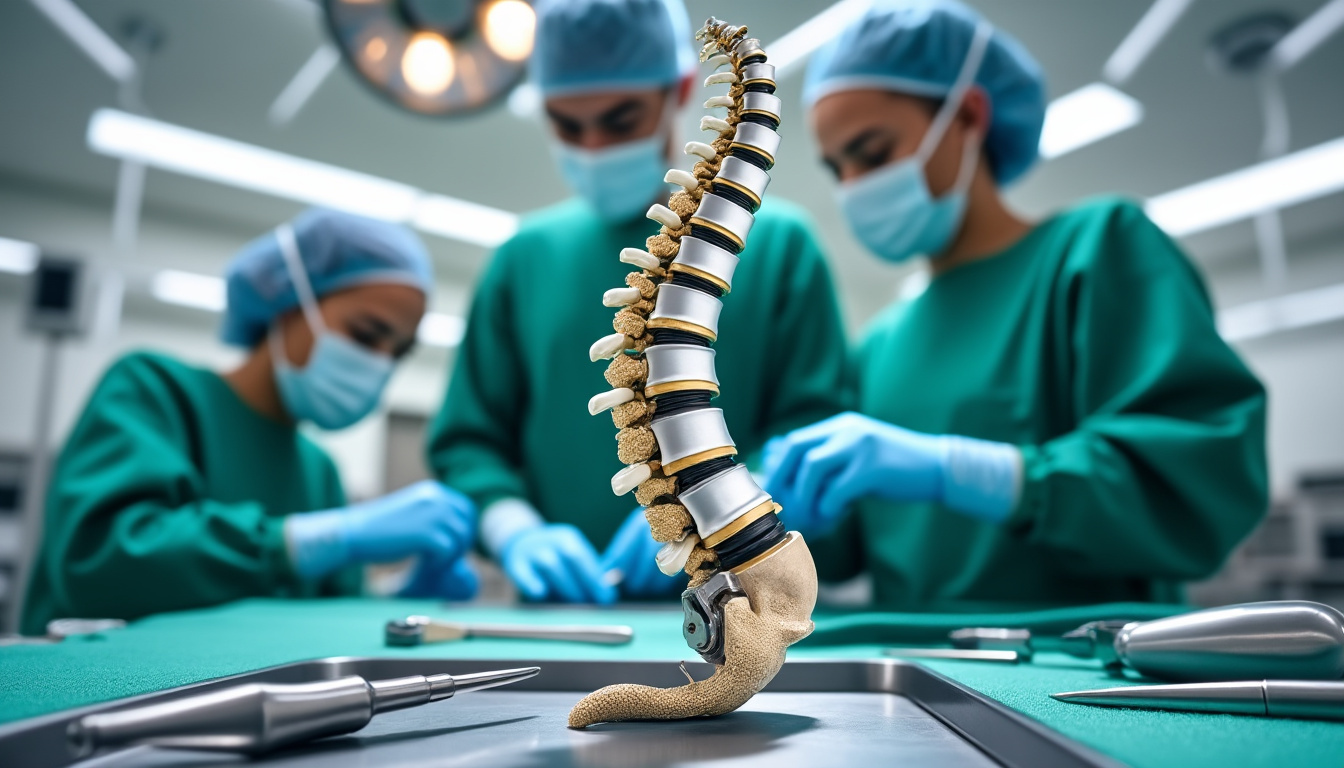
Key Differences Between Motion Surgery and Traditional Fusion Procedures
Understanding the fundamental distinctions between Motion Surgery and traditional spinal fusion elucidates why this innovation represents a critical breakthrough. While fusion physically joins adjacent vertebrae to eliminate painful movement, it inevitably restricts natural spinal biomechanics and often places additional strain on adjacent segments, potentially accelerating degenerative changes.
In contrast, Motion Surgery employs implants engineered to maintain segmental motion, effectively mitigating the common pitfalls associated with fusion. This means patients retain more natural spinal mechanics, experience less adjacent segment disease, and enjoy improved functional capabilities post-operatively.
These benefits render Motion Surgery particularly attractive for younger patients or those keen to preserve spinal mobility and lifestyle quality. Clinical studies reveal that dynamic implants contribute to a quicker recovery and a lower incidence of post-surgical complications, reinforcing the value of advanced surgical technology.
The Canadian healthcare system, especially through institutions like Clinique TAGMED led by Dr. Desforges, integrates these novel techniques within a framework that prioritizes ethics and regulatory compliance. This careful integration assures that patients are guided through every step with clarity, empathy, and scientific rigor, shaping a new standard for patient-centered spinal care in Québec.
IntraSPINE® in Sherbrooke: A Long-Lasting Solution for Chronic Lower Back Pain
Chronic lower back pain remains one of the most pressing health concerns in Sherbrooke and beyond, impacting millions and often diminishing daily quality of life. Despite the prevalence of lumbar discomfort, many face limited access to cutting-edge treatments amidst lengthy…
Diverse Surgical Techniques Available Within Motion Surgery
Motion Surgery encompasses a spectrum of surgical interventions tailored to individual patient needs, each targeting specific spinal pathologies with minimally invasive and mobility-preserving principles. Below is an outline of the main surgical options practiced and refined in Terrebonne with a focus on innovation and personalized patient care.
| Type of Surgery | Primary Indications | Advantages | Limitations |
|---|---|---|---|
| Simple Decompression Surgery | Acute nerve compression causing radiculopathy or neurological symptoms | Minimally invasive, rapid recovery, immediate relief of nerve pressure | Does not address vertebral instability or deformity |
| Spinal Fusion (Arthrodesis) | Severe vertebral instability, deformities (e.g., scoliosis), advanced degeneration | Provides definitive stabilization and structural reinforcement | Permanently restricts motion on treated segment, risk of adjacent segment arthrosis |
| Motion Surgery (Dynamic Stabilization) | Spondylolisthesis, lumbar stenosis with instability, select disc pathologies | Preserves natural spinal motion, reduces risk of adjacent segment disease, faster recovery | Strict patient selection required, emerging long-term data |
The selection of the appropriate surgical technique hinges on comprehensive clinical evaluations by experts like Dr. Desforges that consider individual pathology, lifestyle needs, and long-term functional goals. By offering this range of options in Terrebonne, patients gain access to the most suitable intervention aiming to maximize outcomes with minimal invasiveness.
Herniated Disc Care in Sainte-Julie: Why TAGMED’s Neurovertebral Decompression Therapy Stands Out
In the vibrant community of Sainte-Julie, back pain—particularly that stemming from herniated discs—has become a widespread concern affecting people from all walks of life. The relentless search for effective, non-invasive treatments has brought renewed attention to a pioneering therapy that…
Comprehensive Patient Journey Across Canada and France: Transatlantic Coordination
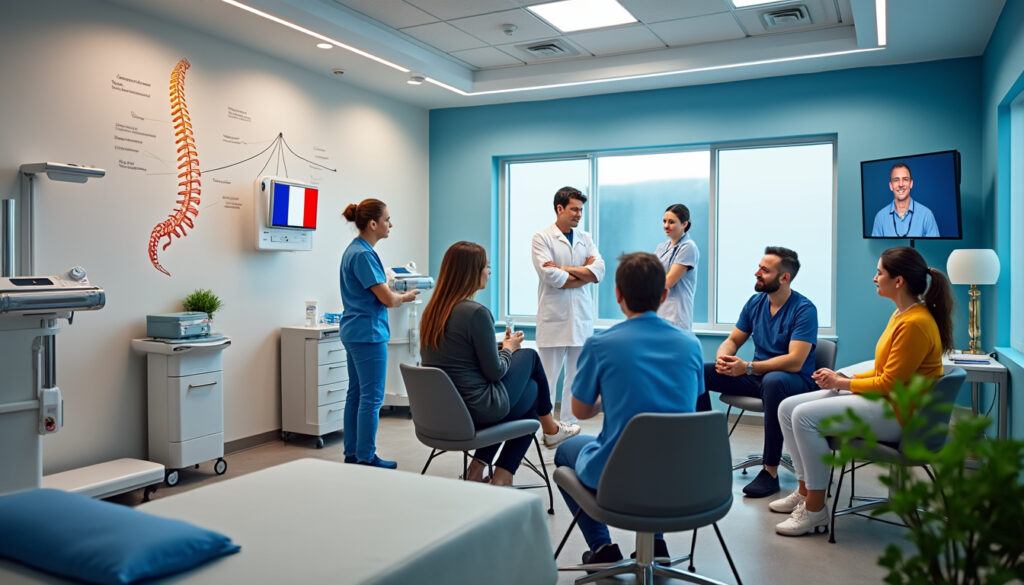
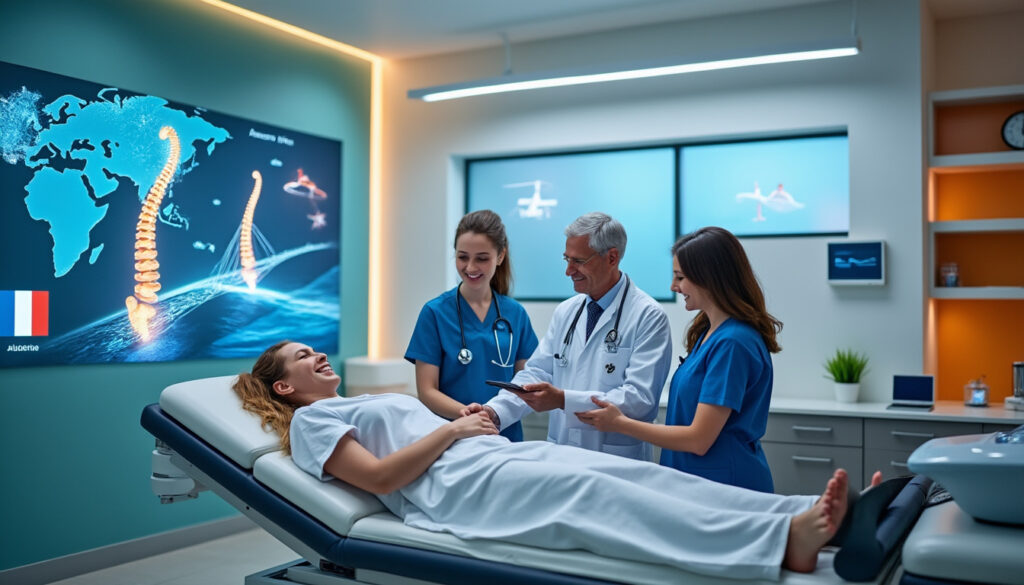
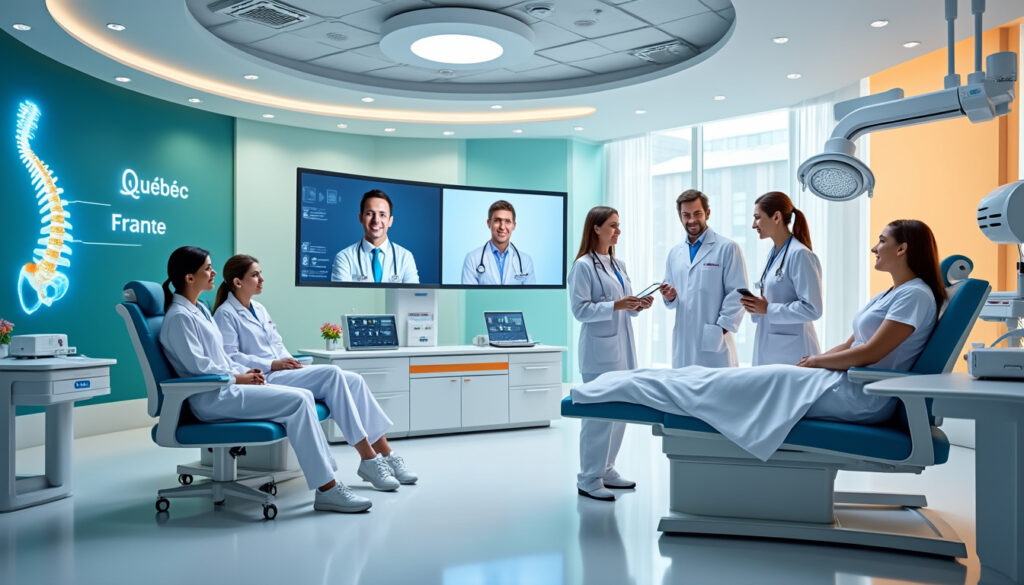
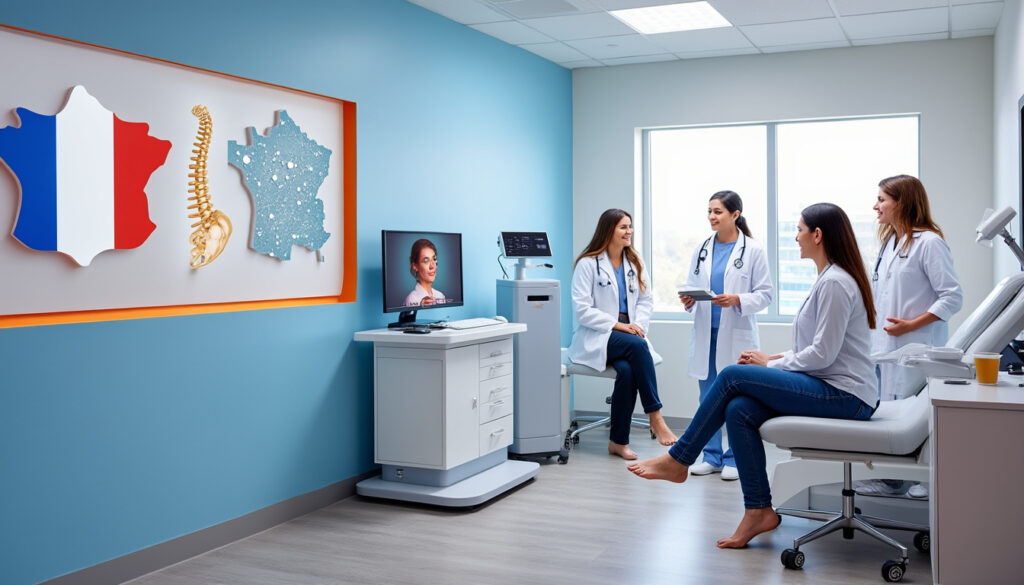
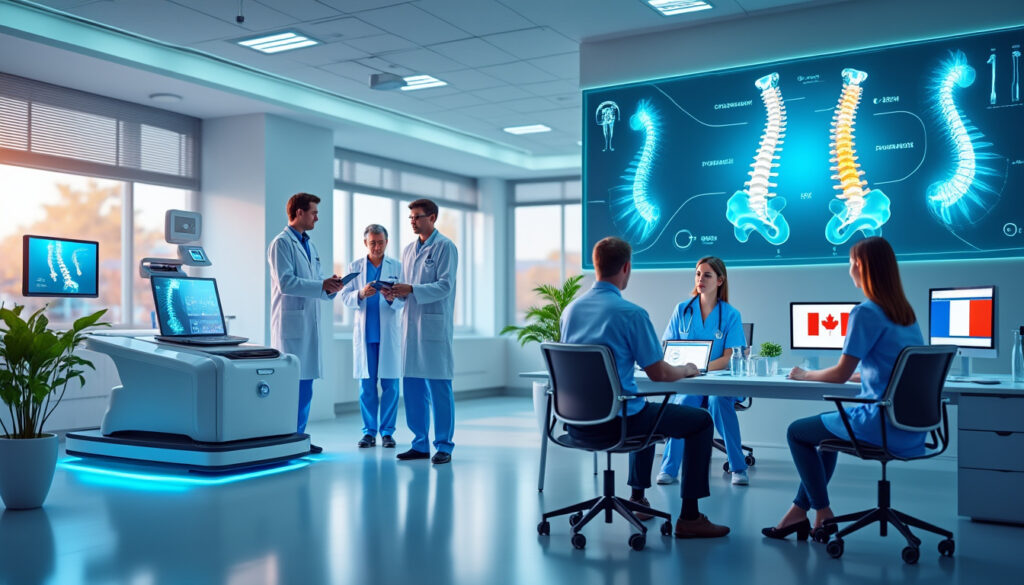
One of the exceptional features of Motion Surgery in Terrebonne is the established transatlantic collaboration that ensures patients receive cutting-edge care seamlessly coordinated between Canada and France. This bilateral partnership exemplifies an advanced model of healthcare innovation and patient-centered service delivery.
The journey begins with a detailed initial evaluation conducted at Clinique TAGMED under the supervision of Dr. Sylvain Desforges. This includes an in-depth medical history review, imaging, and functional assessments to devise an optimized treatment plan. Where conservative treatments fail or surgical intervention is indicated, the patient’s care becomes a coordinated effort involving French surgical centers known for advanced Motion Surgery technologies.
A specialized medical tourism coordination entity, such as Franchir, facilitates this transition by managing logistics that include travel arrangements, clinical appointments, and surgical scheduling. This organized approach mitigates delays and maximizes the surgical technology benefits available in select centers in France—centers equipped with state-of-the-art dynamic implant systems and interdisciplinary teams.
Post-operative care is seamlessly integrated with rehabilitation services back in Québec, with Neurothérapie Montréal providing customized neurorehabilitation that supports functional recovery and long-term spinal health. This multi-stage, collaborative framework highlights a commitment to maintaining high standards of care, improving patient outcomes, and personalizing the experience across borders.
Back Surgery in Trois-Rivières: Alleviating Pain While Preserving Mobility
In Trois-Rivières, Quebec, the persistence of back pain affects a substantial portion of the population seeking effective and personalized solutions. Back pain, often caused by spinal disorders or herniated discs, can drastically diminish quality of life, limiting mobility and causing…
The Essential Role of Conservative Treatments Before Motion Surgery
Prior to considering Motion Surgery, patients usually undergo a period of conservative treatment lasting between three to six months. This approach aligns with Dr. Sylvain Desforges’ philosophy of exploring all less invasive options before proceeding with advanced surgical techniques.
At Clinique TAGMED, this conservative phase involves specialized neurovertebral decompression protocols supported by cutting-edge equipment tailored to alleviate pain, reduce inflammation, and improve spinal function. These therapies not only help some patients avoid surgery altogether but also prepare those requiring surgery for a more favorable outcome.
The effectiveness of conservative treatments lies in their ability to address symptoms while enabling comprehensive assessment of the pathology’s progression. Patients benefiting from this approach often report improved mobility and pain relief, underscoring the importance of individualized care plans. Additionally, adhering to conservative treatment protocols is associated with enhanced post-surgical recovery and lower complication rates, contributing directly to the success of Motion Surgery outcomes.
Through patient education and shared decision-making, Dr. Desforges and his team ensure that individuals are fully informed about the indications, benefits, and limitations of each step along the care continuum. This transparency encourages confidence and empowers patients to actively engage in managing their spinal health effectively.
Disc herniation remains a significant health concern in Pointe-Claire, impacting the lives of a diverse population ranging from labor-intensive workers to the aging community. The condition, characterized by the displacement or rupture of the intervertebral disc, often leads to debilitating…
Biomechanical and Quality of Life Advantages of Motion Surgery
The benefits of Motion Surgery transcend symptom relief, offering profound biomechanical improvements and enhanced quality of life for patients. By preserving the physiological motion of the spine, dynamic implants mitigate the secondary complications often seen after fusion procedures, such as adjacent segment degeneration and restricted functionality.
Clinically, patients experience:
- Preservation of natural spinal mechanics, enabling easier performance of daily activities and improved posture.
- Reduction in mechanical stress on adjacent vertebrae, thereby lowering the incidence of degenerative joint disease.
- Accelerated rehabilitation with minimally invasive techniques contributing to shorter hospital stays and quicker return-to-work timelines.
- Long-term spinal health maintenance enhanced by biocompatible implants that minimize the need for revision surgeries.
These outcomes have been substantiated through European and North American studies, with over 85% of patients reporting significant functional improvements and consistent pain reduction following Motion Surgery. This supports a growing consensus within the spinal care community that preserving motion is central to sustaining optimal spine biomechanics and patient wellness over time.
TOPS™ in Gatineau: A High-Performance Solution for Lumbar Spine Care
In a region where chronic back pain increasingly affects quality of life, the quest for advanced and effective lumbar spine treatments is paramount. Lumbar spinal stenosis, a prevalent condition among Quebec’s aging population, often imposes persistent discomfort and mobility limitations.…
Unveiling Dr. Sylvain Desforges’ Unique Contributions to Advancing Spine Care
Dr. Sylvain Desforges is recognized as a pioneer in spinal care, championing innovation, ethics, and scientific rigor for over 30 years. Holding credentials including a B.Sc., D.O., and N.D., he has founded and presided over influential bodies such as the Alliance Canadienne de Médecine Alternative (ACMA) and the Canadian College of Osteopaths.
His expertise in evaluating spinal disorders and directing comprehensive patient care pathways places him at the forefront of integrating advanced surgical technologies like Motion Surgery into accessible treatment options within Québec. Dr. Desforges emphasizes strict adherence to Quebec and Canadian medical regulations, ensuring patient safety and ethical treatment delivery.
Noteworthy is his leadership in facilitating international collaborations that optimize patient journeys across continents, particularly between Canada and France. This network enhances access to unique surgical implants and cutting-edge rehabilitation techniques not yet widely available in Canada. Moreover, Dr. Desforges fosters an empathetic, educational approach that demystifies complex procedures, empowering patients and healthcare professionals alike.
At Gouin Clinic, the landscape of herniated disc therapy has entered a transformative era marked by the integration of Personalized Treatment Plans and breakthrough Neurovertebral Decompression Therapy. This non-surgical approach is revolutionizing how spinal disorders are managed, offering patients an…
Patient Outcomes and Future Directions in Motion Surgery at Terrebonne
The adoption of Motion Surgery in Terrebonne is tangible evidence of evolving healthcare innovation focused on enhancing patient outcomes. Through meticulous patient selection, advanced surgical technology, and interdisciplinary collaboration, the results showcase reduced postoperative pain, maintained spinal flexibility, and improved functional independence.
Patients recovering from Motion Surgery highlight rapid return to normal activities and decreased incidence of complications traditionally associated with spinal fusion. The inclusion of Neurothérapie Montréal in post-operative rehabilitation exemplifies a holistic approach to care, addressing neuromuscular coordination and patient well-being comprehensively.
As the field progresses, ongoing clinical studies and emerging technologies, such as laser-assisted spinal procedures and dynamic spinal implants, promise to further refine motion-preserving techniques. Integrating these developments with established protocols positions Terrebonne and figures like Dr. Desforges as leaders shaping the future of spinal care globally.
Cervical Disc Prosthesis in Quebec: Preventing Post-Operative Stiffness
Neck pain is one of the most common musculoskeletal complaints in Quebec, affecting a significant portion of the population annually. Often rooted in degenerative cervical disc diseases or herniated discs, this persistent discomfort severely impacts daily life and mobility. Fortunately,…
Essential Insights on Motion Surgery: Addressing Common Patient Questions
What distinguishes Motion Surgery from traditional spinal fusion?
Motion Surgery uses dynamic implants to preserve spinal movement, while traditional fusion permanently immobilizes spinal segments, potentially leading to adjacent segment degeneration. This preservation of motion often results in better functional outcomes and less long-term complications.
Is Motion Surgery a safe procedure?
Yes, with rigorous patient selection and adherence to medical guidelines, Motion Surgery is considered safe and effective. Dr. Sylvain Desforges ensures each candidate undergoes detailed assessment to optimize safety and outcomes.
How long is the rehabilitation process after Motion Surgery?
Recovery varies by individual, but most patients experience a faster rehabilitation compared to fusion surgeries, often returning to daily activities within weeks under supervised neurorehabilitation programs.
Are conservative treatments necessary before considering Motion Surgery?
Absolutely. A thorough trial of conservative therapies lasting 3 to 6 months is essential before surgery is pursued, aiming to relieve symptoms and prepare the patient’s body for potential surgery.
How can I request a personalized evaluation for Motion Surgery?
Patients interested in assessing their suitability for Motion Surgery can reach out through specialized platforms such as SOS Tourisme Médical to schedule consultations and receive expert guidance.
The prevalence of herniated disc conditions in Blainville has sparked considerable discussion and misconceptions about their causes, symptoms, and treatments. While the pain and disability associated with this spinal disorder are well documented, the emergence of non-surgical options such as…