Exploring the impact of neurovertebral decompression: personal stories and insights
August 18, 2025
Why Brossard Residents Choose TAGMED for Non-Surgical Disc Treatment
August 19, 2025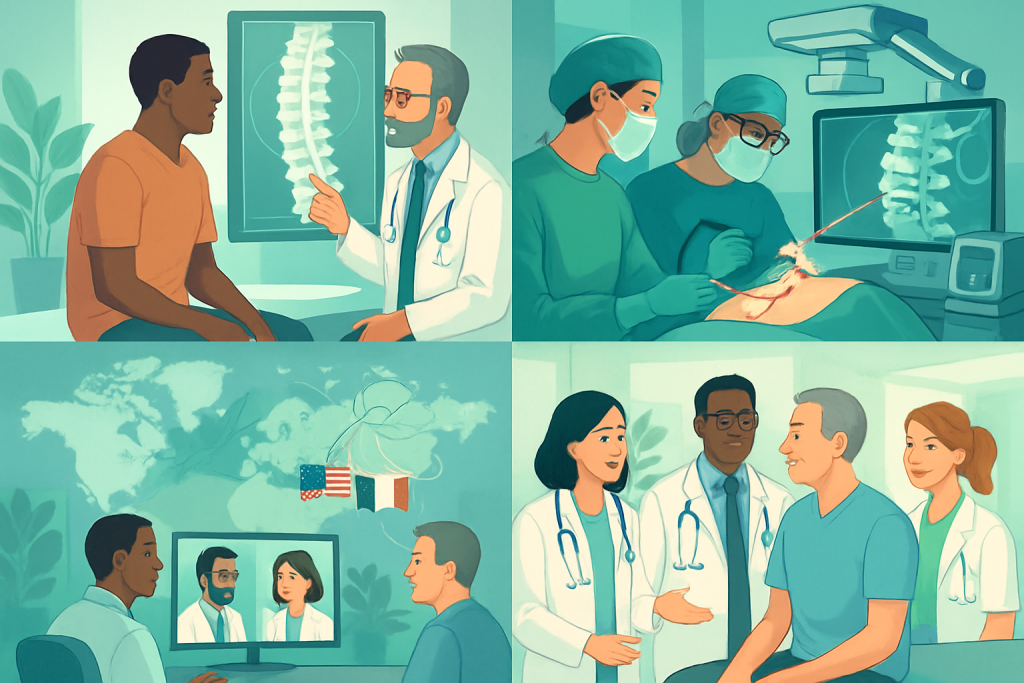
In the evolving landscape of spinal care, motion-preserving surgery has emerged as a revolutionary approach that challenges the long-held norms of spinal fusion procedures. For patients facing debilitating spine conditions, especially those in Quebec exploring alternatives to long surgical wait times and the high costs of private care, understanding the nuances of modern spinal surgery is crucial. Motion preservation represents not only a technological advancement but a shift towards treatments that respect the body’s natural biomechanics. This is especially pertinent for those who value maintaining mobility and avoiding the long-term repercussions associated with traditional spinal fusion. With over 30 years of dedicated experience, Dr. Sylvain Desforges stands at the forefront of these innovations, guiding patients through rigorous evaluations and personalized care pathways, notably in collaboration with international partners. This article explores the intricacies of motion preservation surgery, highlights its advantages compared to fusion techniques, and delves into the comprehensive transatlantic care model that optimizes outcomes for patients considering surgery in France.
Understanding Motion Surgery: How It Preserves the Natural Function of the Spine
Motion surgery refers to advanced spinal procedures that aim to maintain or restore the natural range of motion of the spine while addressing painful or degenerative spinal conditions. Unlike spinal fusion, which immobilizes vertebral segments by permanently joining them, motion-preserving techniques utilize sophisticated implants or devices designed to retain spinal flexibility.
To appreciate the impact of motion preservation, it is worth contrasting it with the traditional spinal fusion approach. Fusion surgeries, effective in stabilizing unstable or severely degenerated vertebrae, eliminate motion at the affected segment, often resulting in increased mechanical stress on adjacent segments. This accelerates degeneration in nearby spinal joints, leading in some cases to Adjacent Segment Disease (ASD), which may necessitate further surgical intervention.
Motion preservation, practiced by expert evaluators like Dr. Desforges, prioritizes biomechanical harmony by allowing controlled, natural movement at the treated site. The implants employed — including artificial disc replacements, dynamic stabilization devices, and facet joint replacements — have been engineered to mimic the spine’s native kinematics, minimizing stress redistribution and promoting healthier adjacent spinal segments.
Common examples include artificial disc replacement (ADR), which substitutes a degenerated disc with a prosthesis facilitating normal spinal mobility, and dynamic stabilization systems that provide support while conserving motion. These advanced techniques align with Spine Motion Tech and BioMotion Surgery innovations, ensuring patients retain spinal flexibility post-intervention.
The significance of motion surgery extends beyond mechanical benefits. Patients often experience quicker recovery times, a reduction in chronic post-surgical stiffness, and improved quality of life, especially younger and more active individuals aiming to retain functional independence over time.

How Motion Surgery Enhances Daily Life and Prevents Further Degeneration
By preserving spinal motion, patients benefit from:
- More natural movement: Activities like bending, turning, and twisting remain comfortable and fluid.
- Lower risk of adjacent segment problems: Since mobility is retained, excess stress on surrounding vertebrae is minimized.
- Expedited rehabilitation: Less immobilization leads to faster return to normal activities.
- Reduced chronic pain risk: Maintaining mobility prevents stiffness and persistent discomfort often seen after fusion.
The option for motion preservation is not universal; selection depends on patient-specific factors such as degree of disc degeneration, spinal stability, bone quality, and presence of arthritis. A thorough evaluation led by Dr. Desforges, utilizing comprehensive imaging and clinical assessment tools, is essential to identify candidates who would benefit most from these techniques. The expert consideration for each unique case reflects rigorous scientific standards and ethical care principles.
Innovation in devices, such as those developed by DynamicSpine Systems and PreserveFlex Medical, continues to advance the possibilities for motion surgery, offering patients ever-improving outcomes and fewer limitations.
| Surgical Approach | Motion Preservation | Traditional Fusion |
|---|---|---|
| Goal | Maintain natural spinal movement | Stabilize and immobilize spinal segment |
| Implants | Artificial discs, dynamic stabilizers, facet replacements | Bones grafts, rigid hardware |
| Recovery Time | Generally quicker with early mobilization | Longer due to immobilization |
| Risk of Adjacent Segment Degeneration | Reduced due to preserved motion | Increased due to biomechanical stress |
| Long-Term Mobility | Preserved | Often diminished |
Disc Prosthesis in Lévis: Maintain Natural Mobility
In the evolving landscape of spinal health, the pursuit of innovative solutions for chronic back pain and degenerative disc conditions has never been more critical. Residents of Lévis and surrounding regions seeking pathways beyond the limitations of traditional spinal fusion…
Types of Motion-Preserving Surgeries Available in France: Options tailored to individual spinal conditions
France has developed a reputation for pioneering advanced spinal procedures that emphasize motion preservation alongside traditional surgical methods. Patients seeking care there can explore a spectrum of options such as:
- Artificial Disc Replacement (ADR): Commonly employed to replace degenerated discs in cervical and lumbar regions, ADR utilizes bioengineered prosthetics that replicate natural disc biomechanics, adhering to technological advancements from companies like NaturalSpine Dynamics.
- Dynamic Stabilization: These devices offer flexible support structures that stabilize unstable spinal segments without rigid fusion. Patients maintain partial motion and experience reduced biomechanical stress and pain.
- Facet Joint Replacement: A more specialized approach addressing arthritic or damaged facet joints, this procedure replaces affected joints with artificial implants, preserving motion and providing pain relief.
Dr. Desforges, through collaboration with leading French surgical teams and platforms such as MotionPreserve Clinic, contributes to refining patient selection and ensuring surgical techniques align with international best practices and safety standards.
These modern options form part of a wider spine care continuum, integrating innovations in surgery in France with postoperative rehabilitation emphasizing restored motion.
Each option presents unique benefits and considerations: ADR is especially suitable for patients with localized disc herniation, while dynamic stabilization can be a preferred route for those with early instability but preserved spinal alignment. Facet joint replacement suits those with isolated facet arthritis, providing an alternative to fusion when joint-specific pain is the primary complaint.
| Surgical Technique | Ideal Indications | Expected Benefits |
|---|---|---|
| Artificial Disc Replacement (ADR) | Disc degeneration, single-level involvement | Preservation of spinal motion, reduced ASD risk |
| Dynamic Stabilization | Moderate instability, early degeneration | Controlled motion, pain relief, spinal support |
| Facet Joint Replacement | Facet arthritis, joint-specific pain | Motion preservation, pain reduction |
These advanced procedures represent the current frontier of spinal healthcare in France, offering alternatives to fusion with a focus on preserving flexibility and function.
Motion Surgery in Terrebonne: Advanced Techniques Available in France
With over three decades of dedicated expertise in spine care, I have witnessed firsthand the evolution of surgical options aimed at improving quality of life for those living with spinal disorders. Among these advances, Motion Surgery stands out in Terrebonne…
From Evaluation to Rehabilitation: The Detailed Patient Journey for Motion Surgery Across the Atlantic
The process of undergoing motion-preserving surgery from Quebec to France involves several distinct, coordinated phases that maximize patient safety, outcome quality, and overall experience. Dr. Desforges plays a pivotal role at every step of the journey, ensuring thorough evaluation, ethical counsel, and personalized support.
Key stages include:
- Initial Comprehensive Evaluation: Utilizing advanced imaging techniques, clinical examination, and patient history to assess spine pathology and confirm if motion preservation is suitable.
- Conservative Treatment Prioritization: Confirming that conservative approaches, including physical therapy and specialized decompression neurovertébrale treatments offered at Clinique TAGMED, have been trialed for a minimum of 3 to 6 months to possibly avoid surgery.
- International Consultation and Coordination: Organizing transatlantic consultations between Quebec-based experts and French surgical teams via secure telehealth platforms.
- Preoperative Preparation: Detailed planning involving personalized surgical strategies, implant selection based on latest SpineFlex Innovations technology, and logistical arrangements for travel and hospital stay.
- Surgical Intervention: Surgery performed by experienced multidisciplinary teams in France known for leading-edge motion preservation techniques.
- Postoperative Care and Early Rehabilitation: Intensive follow-up by French specialists and remote support led by Dr. Desforges, facilitating early mobilization and pain management.
- Return to Quebec and Ongoing Rehabilitation: Continued recovery supervised locally with adjusted physical therapy plans, ensuring integration of restored motion in daily life activities.
- Long-term Monitoring and Support: Regular evaluations by Dr. Desforges to assess implant function, motion preservation success, and address any complications.
This continuum of care benefits from seamless international collaboration and innovative care models, ensuring patients receive comprehensive, personalized, and ethically sound treatment plans promoting optimal functional outcomes.

Lumbar Disc Prosthesis in Saguenay: Long-Lasting Relief After Surgery
Chronic back pain rooted in lumbar disc degeneration challenges many patients in Saguenay and beyond, urging exploration of innovative solutions to restore spine health and quality of life. Traditional spinal fusion surgeries, though effective for stabilizing painful segments, have notable…
3 to 6 Months of Conservative Treatment: A Mandatory Precursor to Considering Motion Surgery
Before motion-preserving surgery becomes an option, it is paramount to exhaust conservative therapies that may alleviate symptoms without the need for invasive intervention. This protocol aligns perfectly with the prudence and scientific rigor that Dr. Desforges advocates as essential pillars of ethical practice.
Conservative treatment strategies typically include:
- Physical therapy: Customized exercise programs targeting spinal flexibility and strength.
- Spinal decompression therapies: Notably neurovertébrale decompression available at Clinique TAGMED, which employs cutting-edge methods to relieve nerve pressure non-surgically.
- Medications: Pain management and anti-inflammatory agents.
- Educational guidance and ergonomic adjustments: Helping patients modify daily habits to reduce spinal stress.
These therapies offer the significant advantage of reducing or even eliminating the need for surgery in many cases, while preserving the integrity and natural function of the spine. According to studies available through technical evaluations of decompression methods, many patients achieve substantial improvement combining these approaches with medical oversight by experienced practitioners.
If symptoms persist despite diligent conservative treatment for 3 to 6 months—or if the degenerative process threatens neurological structures—then motion-preserving surgery becomes a justified and appropriate next step, always performed within a scientifically grounded framework of patient safety and outcome efficacy.
IntraSPINE® in Sherbrooke: Maintain Lumbar Function
In the modern management of lumbar spine conditions, patients in Sherbrooke and across Quebec are increasingly presented with innovative solutions that prioritize maintaining natural spinal function while alleviating debilitating pain. Among these advancements, the IntraSPINE device has emerged as a…
Biomécanical, Economic, and Human Advantages of the Transatlantic Motion Surgery Pathway
The journey from Quebec to France for motion-preserving spinal surgery offers remarkable advantages rooted in biomechanics, economic rationale, and patient-centered care philosophy.
| Aspect | Benefit | Explanation |
|---|---|---|
| Biomechanical | Preservation of spinal flexibility and reduction of adjacent segment stress | Motion-preserving devices maintain natural dynamics reducing secondary degeneration risks |
| Economic | Access to advanced surgical options with cost-effective models | Partnerships through platforms like SOS Tourisme Médical optimize costs compared to high private costs in Quebec |
| Human | Personalized, coordinated care with comprehensive patient support | Dr. Desforges and multidisciplinary teams provide empathetic informed decision-making |
This transatlantic care model leverages the strengths of each healthcare system: the technological forefront and surgical expertise available in France paired with thorough patient evaluation and follow-up in Quebec. The integration of FlexiSpine Solutions and RestoreMove Spine approaches ensures that patients enjoy innovative implants and holistic support before, during, and after surgery.
Critically, patients benefit from protocols that align with Quebec and Canadian healthcare regulation standards, ensuring compliance and trust. The result is a blend of rigorous science, ethical responsibility, and human warmth encapsulated in a truly collaborative treatment journey.

Minimally Invasive Surgery in Longueuil: Reduce Post-Surgery Pain
Minimally invasive surgery in Longueuil is transforming the patient experience by significantly reducing post-surgery pain and accelerating recovery times. With advances in surgical techniques such as laparoscopic and robotic-assisted procedures, patients can benefit from smaller incisions, less tissue damage, and…
The Specificity of Services: What Sets This Motion Surgery Pathway Apart
Several distinctive factors define the transatlantic motion-preserving spinal surgery pathway coordinated by Dr. Desforges and his partners. These highlight the value-added aspects patients should consider when weighing their options.
- Exclusive access to cutting-edge implants: Devices by SpineFlex Innovations and NaturalSpine Dynamics are not widely available in Canada, offering superior biomechanical fidelity.
- Comprehensive pre- and post-operative care: Full-spectrum engagement from initial evaluation, conservative treatment attempts, surgery, through to rehabilitation and long-term follow-up.
- Multidisciplinary expert collaboration: Coordinated efforts among orthopedic surgeons, osteopaths, physiotherapists, and nursing specialists.
- Personalized surgical planning: Tailored implant selection and surgical approach based on precise anatomical and functional assessments.
- Integration with advanced conservatory care centers: Connection with facilities like Clinique TAGMED ensures patients receive best-in-class neurovertébral decompression prior to surgery consideration.
- Regulatory compliance and safety oversight: Adhering strictly to Québec and Canadian medical guidelines during all treatment stages.
These elements culminate to offer a uniquely patient-centric surgical experience, emphasizing innovation, safety, and long-term success. Patients are encouraged to engage thoroughly at each step, informed by clear, jargon-free education delivered by Dr. Desforges and his team.
Neck Surgery in Montreal: Maintain Natural Cervical Flexibility
Neck surgery remains a crucial consideration for patients suffering from severe cervical spine disorders where conservative treatments have failed. In Montreal, access to specialized care offers patients the opportunity to explore advanced surgical solutions designed to maintain natural cervical flexibility—an…
Patient Empowerment through Clear Communication and Support
A central pillar of this motion surgery care model is Dr. Desforges’ commitment to educating and empowering patients. Understanding complex procedures without unnecessary jargon empowers patients to make informed, confident decisions regarding their spine health.
Practices geared towards patient understanding include:
- Detailed, personalized explanations: Clarifying the indications, risks, and benefits of motion preservation vs. other surgical options.
- Open dialogue environment: Encouraging patients to ask questions and express concerns.
- Transparent outline of each phase of care: What to expect from evaluation through recovery.
- Resources and referrals: Directing patients to authoritative sources and support networks including the SOS Tourisme Médical platform.
This approach fosters a collaborative relationship, reducing anxiety and enhancing patient satisfaction and outcomes. The human touch in such high-tech care pathways is indispensable, ensuring individuals feel supported throughout their journey.
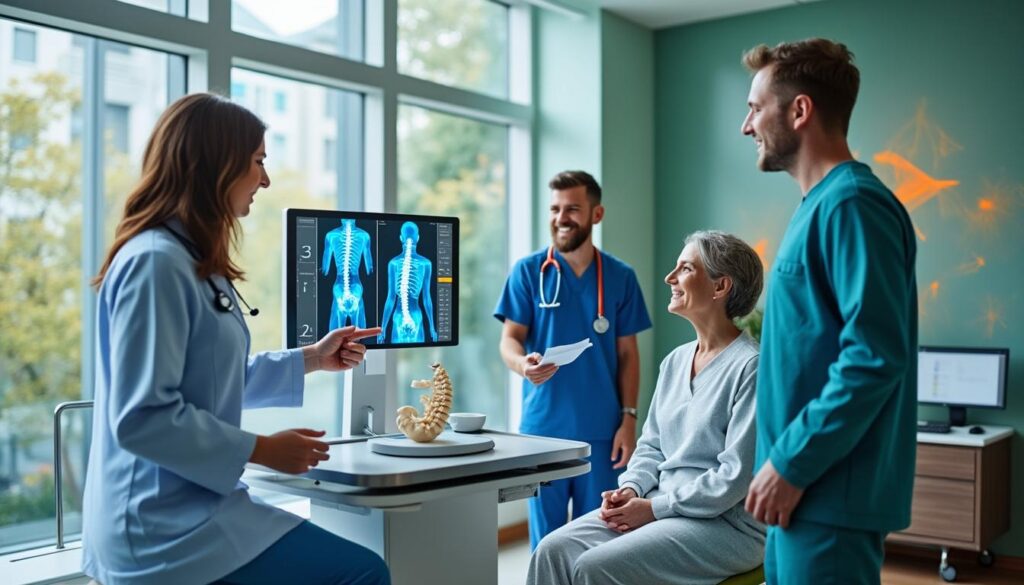
Disc Prosthesis in Lévis: Fast and Lasting Results
In the realm of spinal care, patients battling chronic back pain and degenerative disc diseases continuously seek solutions that offer not just symptom relief but also the restoration of natural spinal function. Disc prosthesis, or artificial spinal disc replacement, has…
Encouragement to Begin Your Personalized Motion Surgery Evaluation
For those overwhelmed by chronic spinal discomfort or curious about alternatives to lengthy local wait times, the transatlantic motion preservation pathway offers a viable, scientifically backed solution. With the rigorous evaluation and guidance of Dr. Sylvain Desforges, patients gain access to international expertise and innovative surgery options centered on maintaining the natural function of the spine.
Whether at the Conservatory TAGMED clinic or the motion surgery centers in France, your unique case receives ethical consideration grounded in 30+ years of spine care expertise. The fusion of scientific rigor, multidisciplinary teams, and advanced technology ensures a comprehensive solution tailored to your needs.
For more information or to discuss your specific spine health concerns, please visit SOS Tourisme Médical Contact to initiate a personalized evaluation and begin the journey toward restored spinal mobility.
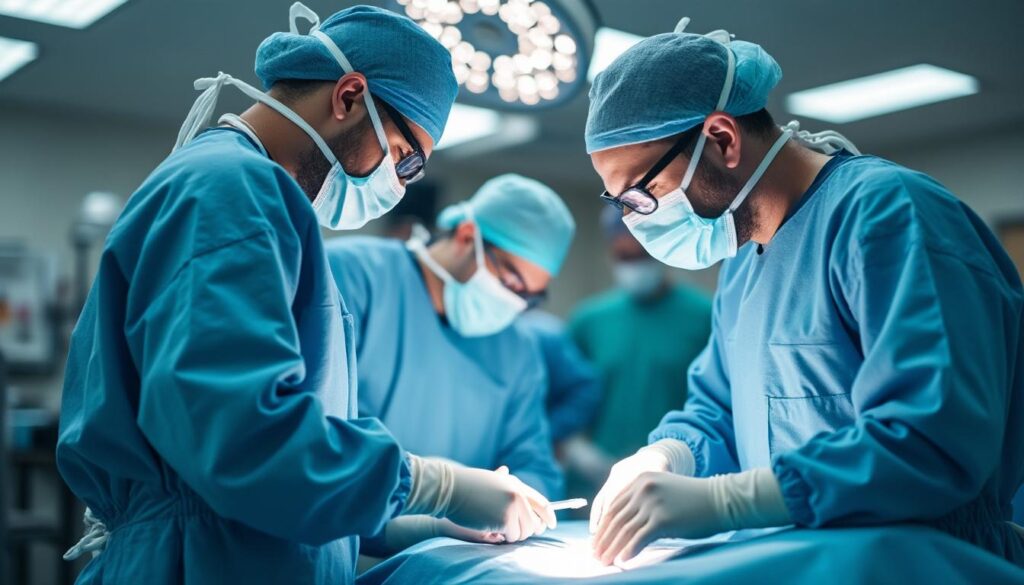
Motion Surgery in Terrebonne: Reduce Postoperative Complications
In the evolving landscape of spine care, Motion Surgery in Terrebonne represents a groundbreaking approach that offers patients a significant advantage in reducing postoperative complications while preserving spinal mobility. Traditional spinal surgeries have long been associated with challenges, including stiffness,…
Frequently Asked Questions about Motion-Preserving Spine Surgery
- What distinguishes motion preservation surgery from traditional spinal fusion?
Motion preservation preserves spinal segment mobility using implants that mimic natural movement, whereas fusion permanently immobilizes the affected segments to provide stability. - Who is an ideal candidate for motion preservation surgery?
Candidates generally have localized disc or joint degeneration, are in good health, exhibit no severe instability, and have good bone quality. A detailed examination is essential. - Is conservative treatment always required before considering surgery?
Yes, undergoing 3 to 6 months of conservative care, including advanced decompression therapy at Clinique TAGMED, is recommended to delay or avoid surgery whenever possible. - What are the main benefits of choosing the transatlantic surgical pathway?
Patients gain access to advanced implants and techniques unavailable in Canada, benefit from expert bi-national care coordination, and often experience cost advantages. - How does Dr. Desforges ensure safe and ethical care?
He prioritizes evidence-based approaches, thorough evaluation, regulatory compliance, and transparent patient communication to maintain high standards of care.