Insights from Research on Preventing Post-Laminectomy Syndrome
November 30, 2025
Blainville Neck Pain and Herniation Management Guide
November 30, 2025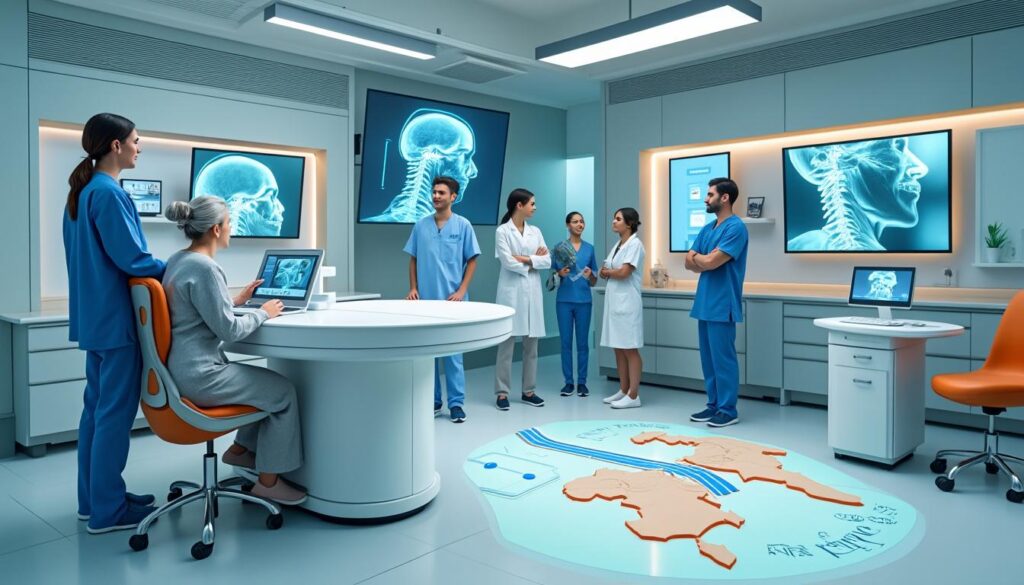
Neck surgery remains a crucial consideration for patients suffering from severe cervical spine disorders where conservative treatments have failed. In Montreal, access to specialized care offers patients the opportunity to explore advanced surgical solutions designed to maintain natural cervical flexibility—an essential factor in preserving quality of life and neck function. With evolving techniques in minimally invasive surgery and motion-preserving implants, the landscape of spinal surgery increasingly prioritizes both symptom relief and biomechanical integrity. The combination of rigorous scientific methodology, state-of-the-art technology, and patient-centered care is reshaping how neck pain is addressed postoperatively.
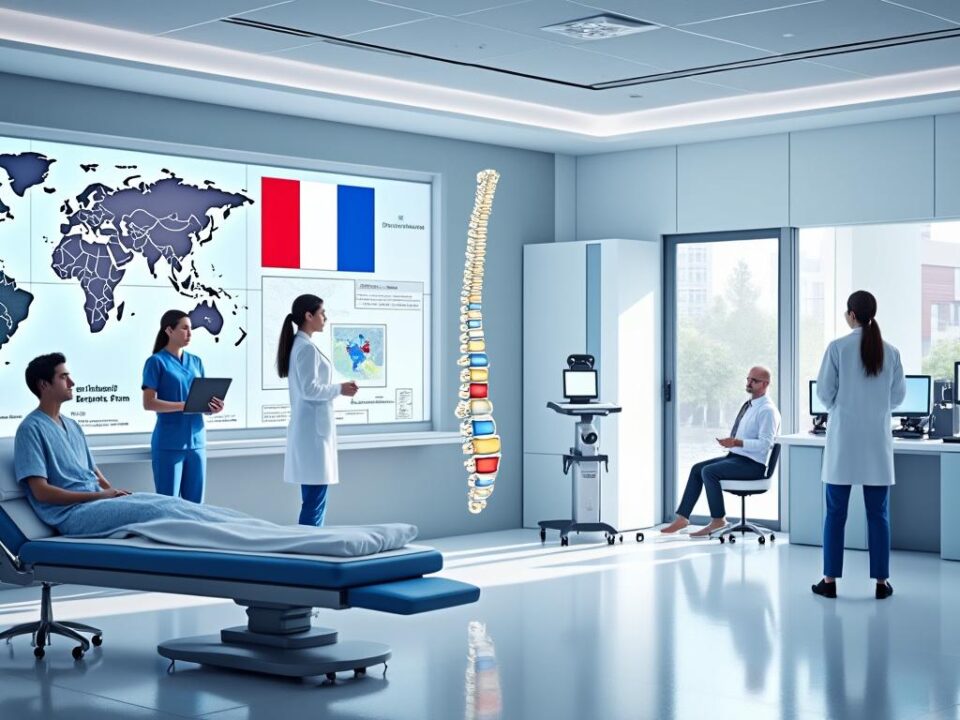
This article unfolds the variety of surgical options available in Montreal and abroad, concentrating on the preservation of cervical mobility through innovative methods. It navigates the entire patient journey from initial evaluation by experts such as Dr. Sylvain Desforges, who with over 30 years of experience provides meticulous assessments, to comprehensive postoperative rehabilitation protocols. Additionally, the article details the benefits of international coordination, particularly between Canada and France, which ensures patients receive not only timely and affordable care but also access to technologies unavailable domestically.
Understanding the anatomy, the surgical methods, and the rehabilitation strategies is essential for patients contemplating neck surgery as a path toward pain relief and restored function. This knowledge equips individuals to make informed decisions, asking the right questions and ensuring that treatment aligns with their unique clinical profiles and lifestyle goals. Whether seeking to avoid prolonged queues within the provincial healthcare system or to optimize outcomes through cutting-edge techniques, patients will find valuable guidance here.
Types of Neck Surgery Available: Preserving Cervical Flexibility in Montreal
The cervical spine is complex and requires surgical interventions tailored to the patient’s specific pathology while aiming to keep natural mobility where possible. Montreal patients benefit from several surgical categories that may be broadly classified as simple decompression, fusion procedures, and motion-preserving surgeries. Understanding the distinctions among these is essential to appreciating their respective advantages and limitations.
Simple Decompression Procedures
Simple decompression surgery involves relieving pressure on the nerves or spinal cord by removing or reshaping parts of bone, disc material, or soft tissue that impinge upon neural elements. These minimally invasive procedures tend to preserve adjacent levels of the spine and reduce operative trauma, which generally translates into faster recovery times with minimized stiffness.
- Examples: Anterior cervical discectomy without fusion, posterior laminotomy.
- Indications: Radiculopathy caused by herniated discs or foraminal stenosis.
- Benefits: Reduced pain and nerve dysfunction without significant loss of motion.
Fusion Surgeries
Despite their effectiveness, fusion surgeries—such as anterior cervical discectomy and fusion (ACDF)—eliminate movement between targeted vertebrae to stabilize painful or unstable segments. While fusion may be necessary for certain cases, it inherently reduces motion at fused levels and can increase stress on adjacent segments, potentially contributing to long-term complications like adjacent segment disease.
- Indications: Severe degenerative disc disease, instability, trauma.
- Pros: Spine stability, excellent pain relief in most patients.
- Cons: Reduced cervical range of motion, higher risk of adjacent segment degeneration.
Motion-Preserving Surgical Options
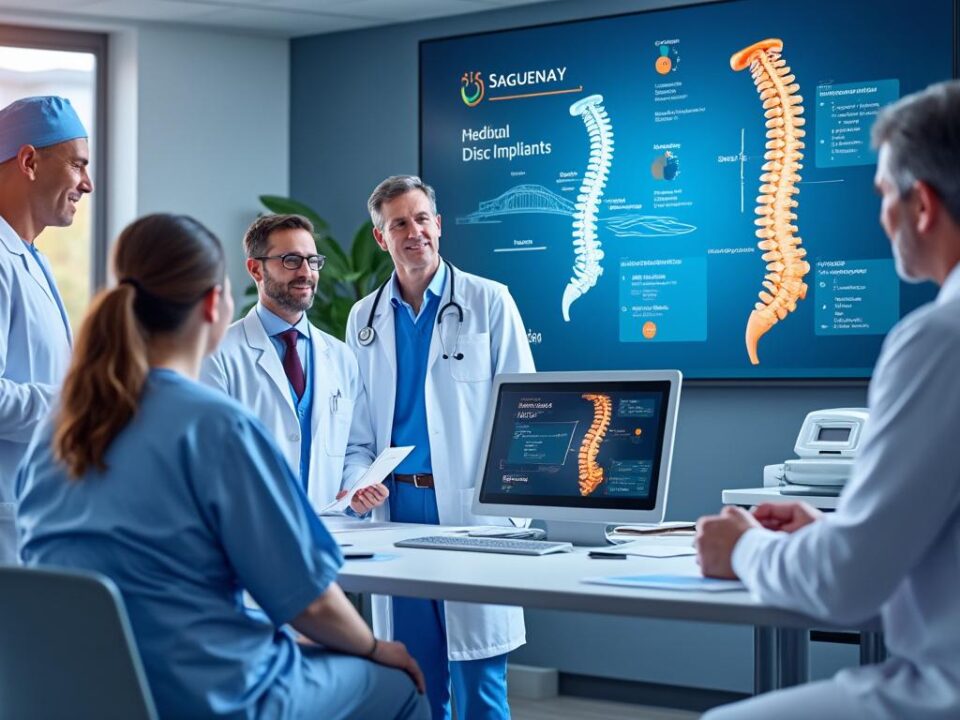
Montreal increasingly embraces advanced technologies involving artificial cervical disc replacements and dynamic implants designed to maintain or restore natural neck mobility. These motion-preserving surgeries offer a significant biomechanical advantage by allowing patients to retain a near-normal range of motion postoperatively, decreasing the likelihood of adjacent level deterioration.
- Examples: Disc arthroplasty, dynamic stabilization systems.
- Advantages: Maintained cervical flexibility, diminished postoperative stiffness.
- Considerations: Patient selection criteria must be strict; not all pathologies are suitable.
| Type of Surgery | Motion Preservation | Recovery Time | Risks | Typical Indications |
|---|---|---|---|---|
| Simple Decompression | High | Short (weeks to months) | Minimal surgical trauma, occasional nerve irritation | Radiculopathy, mild stenosis |
| Fusion | Low (no motion at fused segment) | Moderate (months) | Adjacent segment disease, stiffness | Severe degeneration, instability |
| Motion-Preserving Surgery | High | Moderate | Device failure (rare), patient selection key | Eligible degenerative disease, select radiculopathy |
Patients in the Montreal area can discuss these options with skilled evaluators like Dr. Sylvain Desforges, whose extensive expertise enables tailored recommendations based on clinical and imaging assessments.
Disc Prosthesis in Lévis: Maintain Natural Mobility
In the evolving landscape of spinal health, the pursuit of innovative solutions for chronic back pain and degenerative disc conditions has never been more critical. Residents of Lévis and surrounding regions seeking pathways beyond the limitations of traditional spinal fusion…
Step-by-Step Patient Journey: From Evaluation to Recovery in Neck Surgery
Embarking on neck surgery requires multiple coordinated steps with clear communication, thorough evaluation, and advanced planning to optimize patient outcomes. The journey begins with a detailed and methodical assessment that is the hallmark expertise of Dr. Desforges, who brings over three decades of specialized clinical knowledge to ensure that every intervention is appropriate, evidence-based, and aligned with patient needs.
Initial Evaluation and Diagnostic Work-Up
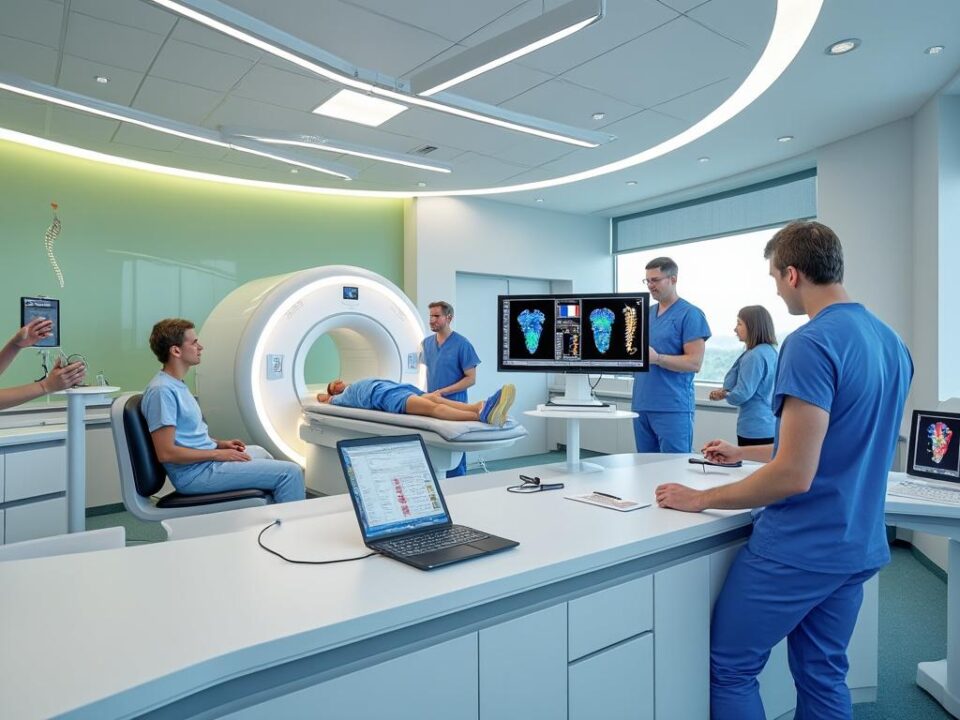
The assessment phase involves clinical history taking with careful attention to symptoms, neurological signs, and prior conservative treatments. Advanced imaging studies such as MRI or CT scans elucidate the precise anatomical issues. This stage often integrates multidisciplinary reviews that may include neurologists, orthopedic and neurological surgeons, physiotherapists, and osteopaths, ensuring a comprehensive understanding of the patient’s condition.
- Review of prior conservative treatments, including physical therapy and neurovertébral decompression.
- Identification of indications for surgery only after failure of at least 3 to 6 months of conservative care.
- Consultation with international partners when considering advanced surgical methods or overseas care.
Preoperative Preparation and Patient Education
Preparation focuses on prehabilitation strategies, risk mitigation, and detailed discussions to align patient expectations. Emphasis is placed on the importance of refraining from premature surgery before exhausting advanced conservative treatments at clinics like TAGMED, which offer neurovertébral decompression and cutting-edge non-surgical therapies aiming to reduce surgical necessity.
- Optimization of physical condition, including posture education and early rehabilitation exercises.
- Review of surgical risks, benefits, and motion-preserving options.
- Coordination of travel and logistical arrangements for international or transatlantic care pathways.
Surgical Intervention and Immediate Postoperative Phase
Surgery is typically performed by specialized teams in high-volume centers. Minimally invasive techniques are favored when applicable to minimize tissue disruption and postoperative stiffness. Patients are closely monitored for neurological status and complications. Early mobilization is encouraged under supervision to maintain soft tissue compliance and avert contractures.
- Use of implants and devices selected based on biomechanical goals to preserve cervical flexibility.
- Minimization of anesthesia duration and tissue manipulation for quicker recovery.
- Postoperative protocols include pain management, wound care, and early rehabilitation initiation.
Rehabilitation and Long-Term Recovery
Rehabilitation is a cornerstone for regaining function and preventing postoperative complications. The multidisciplinary team applies tailored protocols including gentle cervical spine exercises for strength and flexibility enhancement, posture correction, and pain relief. Recommended exercises are based on evidence-supported practices and patient-specific progress.
- Programs often involve neck and shoulder exercises recommended post neck surgery to restore mobility.
- Continuous assessment of functional milestones leads to appropriate progression in activity and therapy intensity.
- Long-term follow-up with experts such as Dr. Desforges ensures monitoring for complications such as adjacent segment disease.
| Phase | Focus | Timeline | Key Actions |
|---|---|---|---|
| Evaluation | Confirm surgical necessity | Weeks 0–4 | Diagnostic imaging, clinical assessment |
| Preoperative | Optimize patient readiness | Weeks 4–8 | Prehabilitation, education, planning |
| Surgery | Intervention | Day 0 | Minimally invasive or open surgery |
| Immediate Postoperative | Recovery initiation | Days 0–14 | Pain control, early mobilization |
| Rehabilitation | Strength and mobility regain | Weeks 2–12+ | Active exercises, monitoring progress |
Motion Surgery in Terrebonne: Advanced Techniques Available in France
With over three decades of dedicated expertise in spine care, I have witnessed firsthand the evolution of surgical options aimed at improving quality of life for those living with spinal disorders. Among these advances, Motion Surgery stands out in Terrebonne…
Advantages of Cross-Atlantic Coordination in Neck Surgery Treatment
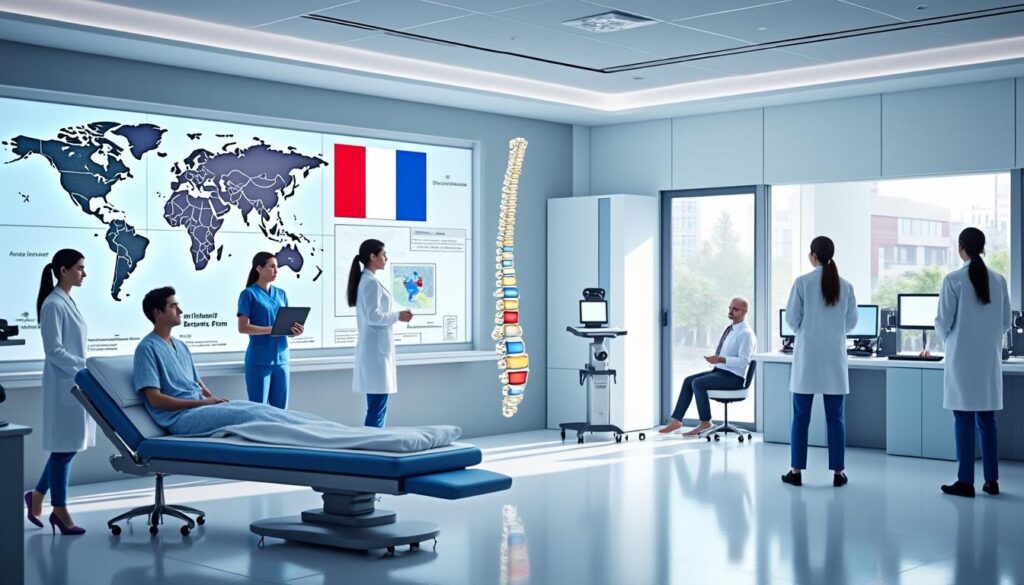
One of the innovative strengths of modern spinal care is the ability to bridge continents, coordinating expert care between Canada and France. This model leverages the best resources across borders to optimize timing, cost-efficiency, and access to technologies, benefitting Montreal patients who otherwise face longer wait times or higher expenses.
Enhanced Access to Advanced Surgical Technologies
French centers frequently offer cutting-edge implants such as dynamic cervical disc prostheses and laser-assisted decompression systems. Through partnerships facilitated by experts like Dr. Desforges and associations he leads, patients can access these options that might not yet be widely available in Canada. This access translates into better motion preservation and fewer long-term sequelae.
- Availability of FDA and European CE-marked implants with proven clinical success.
- Utilization of minimally invasive techniques supported by state-of-the-art instrumentation.
- Postoperative protocols aligned with international best practices.
Streamlined Process and Optimized Timelines
Transatlantic collaboration significantly reduces delays inherent to local healthcare systems by eliminating bottlenecks in surgical scheduling. Patients benefit from coordinated preoperative evaluations, rapid admission processes, and surgeon expertise concentrated in specialized centers. This efficiency lessens physical and psychological strain caused by extended waiting.
- Multilingual support teams easing communication barriers.
- Integrated medical records and teleconsultations for ongoing patient monitoring.
- Travel logistics managed to minimize disruption.
Personalized Patient-Centered Care
The combined expertise of multidisciplinary teams ensures each patient’s unique clinical and psychosocial profile informs all stages of care. From pre-surgical assessment to postoperative rehabilitation assistance locally in Montreal, this model achieves high patient satisfaction by delivering continuity, transparency, and empathy.
- Customized treatment algorithms respecting patient preferences and anatomy.
- Education sessions to empower patients regarding postoperative expectations.
- Coordination with local rehabilitation providers for smooth transition home.
| Benefit | Description | Impact on Patient |
|---|---|---|
| Advanced Technology | Access to innovative implants and techniques unavailable locally | Improved mobility, reduced complications |
| Reduced Wait Times | Streamlined scheduling through international collaboration | Faster relief, reduced disease progression |
| Comprehensive Support | Multidisciplinary teams across continents | Holistic care, better satisfaction |

Lumbar Disc Prosthesis in Saguenay: Long-Lasting Relief After Surgery
Chronic back pain rooted in lumbar disc degeneration challenges many patients in Saguenay and beyond, urging exploration of innovative solutions to restore spine health and quality of life. Traditional spinal fusion surgeries, though effective for stabilizing painful segments, have notable…
Critical Role of Conservative Treatments Before Considering Surgery
In the realm of neck disorders, surgery is reserved strictly for situations where conservative approaches no longer suffice. Expert evaluation by Dr. Sylvain Desforges stresses that patients should engage in a minimum of three to six months of evidence-based non-surgical care before any surgical intervention is contemplated. This approach safeguards patients from unnecessary operations and promotes recovery where possible without surgical risks.
Advanced Conservative Treatment Modalities
It is imperative that conservative treatment includes modern modalities such as neurovertébral decompression available at specialized centers like Clinique TAGMED. This technique decompresses the spine without invasive surgery, offering pain relief and functional improvement in many cases.
- Physical therapy focused on cervical flexibility and posture correction.
- Targeted manual therapies and osteopathic interventions.
- Non-invasive decompression technologies and laser treatment.
Criteria for Surgery Consideration
Only after the failure of conservative protocols should patients evaluate surgical options, guided by expert evaluations from professionals like Dr. Desforges. These criteria include:
- Persistent or worsening neurological deficits despite therapy.
- Severe and disabling mechanical neck pain unresponsive to care.
- Radiological evidence correlating clinical symptoms consistent with surgery benefits.
| Conservative Treatment | Purpose | Outcome Goal | Examples of Modalities |
|---|---|---|---|
| Physical and Manual Therapy | Improve flexibility, reduce pain | Enhanced cervical function | Posture exercises, osteopathy |
| Neurovertébral Decompression | Reduce nerve impingement pain | Avoid surgery if possible | Traction therapy, TAGMED protocol |
| Laser Therapy | Reduce inflammation and pain | Support healing processes | Low-level laser applications |
IntraSPINE® in Sherbrooke: Maintain Lumbar Function
In the modern management of lumbar spine conditions, patients in Sherbrooke and across Quebec are increasingly presented with innovative solutions that prioritize maintaining natural spinal function while alleviating debilitating pain. Among these advancements, the IntraSPINE device has emerged as a…
Postoperative Neck Pain and Rehabilitation: Essential Care for Restoring Function
After neck surgery, some patients face challenges such as stiffness, pain, limited range of motion, or discomfort at and adjacent to the surgical site. Addressing these issues effectively requires specialized postoperative care and rehabilitation strategies. Clinics in Montreal, such as those offering chiropractic care for post-surgical neck pain, play a vital role in managing these conditions.
Recognizing Post-Surgical Complications
Complications like adjacent segment disease, recurrent disc herniation, and epidural scarring are well-documented concerns following cervical surgeries, often leading to chronic pain and functional limitations. Understanding symptom patterns and early intervention can prevent or mitigate these outcomes.
- Identification of neck and arm pain worsening after initial surgery success.
- Screening for neurological deficits or abnormal spinal biomechanics.
- Referral to manual therapy and pain management clinics for targeted care.
Effective Rehabilitation Strategies
Recovery programs incorporate gentle cervical mobilization, strengthening exercises, and pain control techniques validated by research. Implementing exercises such as pain relief and mobility exercises at home supports restoration of function and aligns with the goals of preserving cervical flexibility. Postoperative rehabilitation progressively restores neck strength and coordination while addressing any compensatory patterns.
- Stretching and strengthening routines targeting cervical and shoulder muscles.
- Postural training emphasising ergonomics and alignment.
- Manual therapies, including gentle spinal decompression and soft tissue mobilization.
| Rehabilitation Component | Objective | Recommended Frequency | Expected Outcome |
|---|---|---|---|
| Stretching Exercises | Maintain cervical movement | Twice daily | Reduced stiffness |
| Strengthening Workouts | Improve muscle support | 3–5 times per week | Increased stability |
| Manual Therapy | Relieve discomfort, restore movement | Weekly sessions initially | Pain reduction, improved function |
Minimally Invasive Surgery in Longueuil: Reduce Post-Surgery Pain
Minimally invasive surgery in Longueuil is transforming the patient experience by significantly reducing post-surgery pain and accelerating recovery times. With advances in surgical techniques such as laparoscopic and robotic-assisted procedures, patients can benefit from smaller incisions, less tissue damage, and…
Minimally Invasive Surgery: Reducing Recovery Time and Postoperative Stiffness
Minimally invasive surgical techniques are transforming how neck surgery is approached in Montreal by reducing soft tissue disruption, lowering infection risks, and shortening hospital stays. These surgeries prioritize preserving anatomical structures crucial to maintaining cervical flexibility.
Techniques and Innovations
Emerging methods such as keyhole anterior approaches, endoscopic decompressions, and use of dynamic implants uniquely balance rigidity and mobility demands. The use of laser technology and micro-instruments further refines these procedures by ensuring precision and minimizing trauma.
- Smaller incisions and targeted decompression reducing damage to muscles and ligaments.
- Enhanced imaging and navigation technology increasing surgical accuracy.
- Dynamic implants aligning with the patient’s natural cervical mechanics.
Patient Outcomes and Benefits
Compared with traditional open surgeries, minimally invasive procedures lead to faster return to normal activity levels, less postoperative pain, and lower rates of stiffness. Montreal patients particularly appreciate these benefits given the active lifestyles and occupational demands prevalent in the region.
- Decreased postoperative neck pain and inflammation.
- Preserved range of motion promoting daily functional performance.
- Reduced scar tissue formation decreasing risk of long-term stiffness.
| Minimally Invasive Features | Impact | Patient Advantage |
|---|---|---|
| Reduced Incision Size | Less trauma to soft tissues | Faster healing, minimal scarring |
| Targeted Decompression | Focused nerve relief | Effective pain resolution |
| Use of Dynamic Implants | Preservation of cervical motion | Maintained neck flexibility |
Disc Prosthesis in Lévis: Fast and Lasting Results
In the realm of spinal care, patients battling chronic back pain and degenerative disc diseases continuously seek solutions that offer not just symptom relief but also the restoration of natural spinal function. Disc prosthesis, or artificial spinal disc replacement, has…
Rehabilitation Exercises to Sustain Neck Mobility Post Surgery
Post-surgical rehabilitation programs are indispensable to fully regain cervical flexibility and function. Implementation of specific neck exercises enhances muscle strength, reduces pain, and prevents postoperative stiffness. Guided by clinical evidence and expert insight, these exercises form the cornerstone of successful recovery.
Core Exercises for Neck Mobility
Many effective movements and stretches can be performed within patients’ homes to promote flexibility and strength. Key exercises include chin tucks, side neck stretches, and arm circles, all aimed at mimicking natural cervical biomechanics.
- Diagonal neck stretch upwards and downwards to maintain range of motion.
- Pectoral doorway stretches to relieve chest tightness affecting neck posture.
- Backward shoulder rolls and arm retractions to improve scapular stability and reduce tension.
Important Rehabilitation Tips
Consistency and proper technique are crucial. Patients should perform exercises slowly and smoothly, avoid holding their breath, and stop activities if pain or dizziness occurs. Encouraging patients to monitor posture using a mirror can optimize results.
- Exercise twice daily for the first three months post-surgery.
- Use of timers to hold stretches for prescribed durations.
- Regular consultation with healthcare providers for tailored program adjustments.
| Exercise | Frequency | Duration per Hold | Goal |
|---|---|---|---|
| Chin Tuck | 2 times daily | 5 seconds | Improve cervical stabilization |
| Diagonal Neck Stretch | 2 times daily | 30 seconds | Maintain flexibility |
| Arm Circles | 2 times daily | 10 repetitions | Enhance shoulder mobility |
Motion Surgery in Terrebonne: Reduce Postoperative Complications
In the evolving landscape of spine care, Motion Surgery in Terrebonne represents a groundbreaking approach that offers patients a significant advantage in reducing postoperative complications while preserving spinal mobility. Traditional spinal surgeries have long been associated with challenges, including stiffness,…
Coordinated Local Support for Montreal Patients Post Transatlantic Surgery
Patients undergoing surgery abroad require integrated care once back in Montreal to maintain progress and prevent complications. Dr. Desforges emphasizes the importance of local multidisciplinary support, including chiropractic care and physiotherapy, in long-term success.
Role of Local Rehabilitation Teams
Montreal-based providers offer personalized care, applying manual therapies and structured exercise programs that complement the surgical outcomes achieved overseas. Facilities such as Neuromtl and other clinics deliver specialized support aligned with international protocols.
- Evaluation of surgical site healing and function.
- Implementation of advanced manual therapies for pain control.
- Periodic reassessment to identify and address complications early.
Benefits of Transatlantic Continuous Care
This ongoing care collaboration fosters seamless recovery, with patients benefiting from expertise on both continents. The approach reduces risks of rehospitalization and enhances overall life quality.
- Continuity of information between treating teams abroad and local caregivers.
- Better management of postoperative stiffness and neck pain.
- Enhanced patient confidence and motivation during recovery.
| Support Aspect | Local Montreal Care | Transatlantic Care Impact |
|---|---|---|
| Manual Therapy | Regular sessions with chiropractors and physiotherapists | Enhanced post-surgical mobility |
| Exercise Programs | Guided home and clinic-based exercises | Maintained cervical flexibility |
| Communication | Coordination with overseas surgical teams | Optimized recovery protocols |
What types of neck surgeries help preserve cervical flexibility?
Motion-preserving surgeries such as artificial disc replacement and dynamic stabilization systems are designed to maintain natural neck movement, while simple decompression surgeries relieve nerve pressure without fusion.
Why is conservative treatment important before opting for neck surgery?
Conservative treatments including physical therapy, neurovertébral decompression, and manual therapies can often alleviate symptoms without surgery. Surgery is recommended only after 3 to 6 months of unsuccessful conservative management.
How does minimally invasive neck surgery benefit recovery?
Minimally invasive techniques minimize tissue damage, reduce pain, shorten hospital stays, and preserve cervical mobility, leading to faster return to daily activities.
What is the role of rehabilitation after neck surgery?
Rehabilitation includes exercises focused on improving strength, flexibility, and posture to restore neck function and prevent stiffness, which is critical for long-term success.
How does international coordination improve neck surgery outcomes?
Coordinated care between Canadian and French specialists allows access to advanced technologies, reduces wait times, and ensures personalized and continuous care across both locations.
Lumbar Disc Prosthesis in Saguenay: Maintain Intervertebral Mobility
In recent years, the landscape of spinal treatment has been dynamically evolving, particularly for patients in Saguenay and regions of Quebec who face the challenges of degenerative lumbar disc disease. Traditional spinal fusion surgeries, often associated with prolonged recovery times…