La Prairie Neck Pain Prevention for Office Workers
June 4, 2026
Disc Herniation Treatment in Ahuntsic-Cartierville: Exploring the Neurovertebral Decompression Session and Recovery Process
June 4, 2026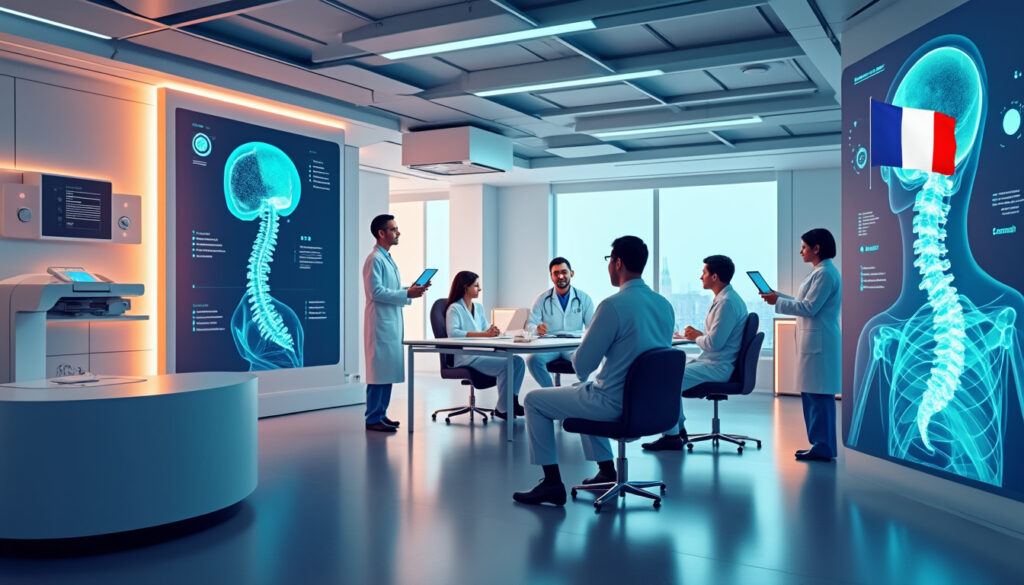
Neck surgery in Montreal has experienced significant advancements in recent years, offering patients access to a wide range of cutting-edge techniques for treating cervical spine disorders. With evolving knowledge and technology, surgical solutions now emphasize preserving mobility and function, reducing recovery time, and minimizing risks. Patients who face extended wait times or high private care costs in Quebec increasingly turn to innovative alternatives, including collaboration with international expert centers, for timely and personalized management of their spinal health.
The cervical spine, composed of seven vertebrae in the neck region, plays a pivotal role in supporting the head and permitting an extensive range of motion. Pathologies such as herniated discs, spinal stenosis, or spondylolisthesis can profoundly impact quality of life by causing pain, neurological symptoms, and functional impairments. Identifying the most appropriate surgical approach requires thorough evaluation and consideration of conservative options, underscoring the importance of expertise in spine health that integrates scientific rigor and compassionate care.
Dr. Sylvain Desforges, with over 30 years of experience and qualifications including B.Sc., D.O., and N.D., stands at the forefront of this field. As founder and president of the Association of Canadian Manual and Manipulative Osteopaths (ACMA), the Collège des Ostéopathes Canadiens, and the cutting-edge clinic TAGMED, Dr. Desforges embodies a commitment to innovation, ethics, and evidence-based practices in spinal care. His unique proficiency in evaluating spinal pathologies ensures tailored patient pathways that optimize outcomes and patient well-being.
Exploring Modern Cervical Spine Surgery Options in Montreal
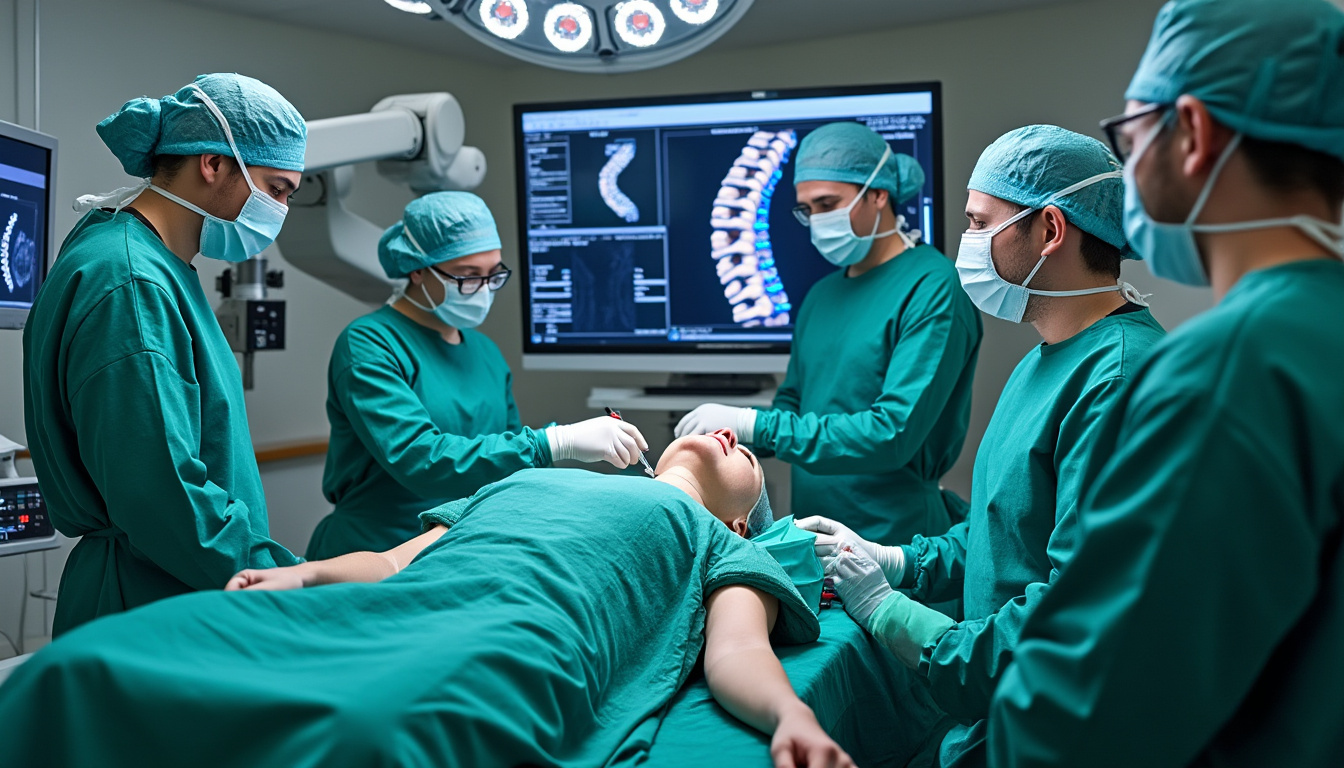
Neck surgery in Montreal today covers a spectrum of techniques designed to address a diverse range of cervical spine disorders. These techniques can broadly be categorized into simple decompression procedures, fusion surgeries, and mobility-preserving surgeries, each tailored to specific patient needs and clinical indications.
Simple decompression surgery aims to alleviate nerve compression caused by herniated discs or foraminal stenosis without fusing vertebrae. This procedure, often performed minimally invasively using endoscopy, preserves the natural mobility of the cervical spine. Such approaches typically involve smaller incisions, reduced muscle trauma, less blood loss, and shorter hospital stays, contributing to faster postoperative recovery.
In patients requiring more stability due to advanced degenerative changes or instability, spinal fusion surgery may be necessary. This involves permanently joining two or more vertebrae using implants and bone grafts, effectively eliminating pathological movement that causes pain or neurological deficits. Modern fusion techniques in Montreal include anterior cervical discectomy and fusion (ACDF), posterior lateral fusion, and minimally invasive lateral approaches, each selected based on the patient’s anatomical and pathological considerations.
Alternatively, motion-preserving cervical disc replacement represents a significant innovation. Instead of fusing vertebrae, specialized implants are inserted to maintain the natural movement of the neck while replacing damaged discs. Devices such as CP-ESP and the TOPS System have demonstrated promising clinical results, reducing the risk of adjacent segment degeneration that can occur after fusion.
Access to these advanced surgical options depends on expert evaluation, and it is crucial for patients to discuss these options thoroughly with their healthcare team, ensuring an individualized decision-making process that balances surgical benefits against potential risks.

Lumbar Disc Prosthesis in Saguenay: Immediate and Approved Relief
The city of Saguenay, Quebec, now stands at the forefront of spinal health innovation with the introduction of lumbar disc prosthesis as an approved and effective treatment for chronic back pain. As many adults here grapple with debilitating lumbar conditions,…
The Critical Role of Expert Evaluation and Patient Education
Effective neck surgery outcomes hinge on precise assessment and patient understanding. Dr. Desforges is recognized not only for his extensive clinical expertise but also for his dedication to patient education, ensuring that complex spinal conditions and surgical options are clearly explained in accessible language. This approach empowers patients to actively participate in their care and make informed decisions about their treatment journey.
Evaluations typically involve reviewing medical history, comprehensive physical examinations, and advanced imaging modalities such as MRI or CT scans to characterize the nature and extent of cervical spine pathology. This data informs the choice between continued conservative management and surgical intervention.
Dr. Desforges emphasizes that surgery should only be considered after a thorough trial of 3 to 6 months of advanced conservative treatments. If neurovertebral decompression modalities—such as those offered at the Clinique TAGMED—have not been undertaken, they are essential before contemplating surgery. These non-invasive treatments, including laser therapy, decompression, and targeted manual therapies, often reduce pain and improve function, sometimes rendering surgery unnecessary.
Patients are encouraged to ask questions regarding the specifics of surgical techniques, possible implications, recovery expectations, and postoperative care plans. Such dialogue reduces anxiety, clarifies realistic outcomes, and fosters a trusting therapeutic relationship.
IntraSPINE® in Sherbrooke: Personalized Care for Active Patients
In Sherbrooke, the advent of the IntraSPINE device marks a significant milestone in spinal health care, particularly for active patients grappling with chronic lower back pain. Recognized as a pioneering development in orthopedic treatment, IntraSPINE is reshaping expectations around back…
Understanding the Patient Pathway: From Evaluation to Postoperative Care
The pathway for a patient considering neck surgery in Montreal is multifaceted, involving distinct phases that collectively aim to optimize clinical outcomes and patient satisfaction.
The journey begins with a careful assessment by experts like Dr. Desforges, who evaluate cervical spine integrity and neurological function to identify candidates who might benefit from surgery. If surgical intervention appears appropriate, the patient is guided to consider their options, including advanced minimally invasive procedures or traditional fusion, as well as the potential for international surgical collaboration.
In cases where surgery outside Canada is considered—for example, at specialized centers in France—the pathway includes coordinated logistical support ensuring seamless transition. This international model, coordinated by teams in Montreal and partner institutions abroad, manages preoperative assessments, travel arrangements, hospital admissions, and consultations via telemedicine, ensuring continuity of care throughout.
Following surgery, crucial postoperative care in Montreal is provided by multidisciplinary teams skilled in rehabilitation and monitoring for complications. This includes pain management, physical therapy focusing on gentle mobilization, and strategies to prevent recurrence or adjacent segment disease. Such comprehensive care is integral to regaining spine health and resuming an active, fulfilling life.

Spine Surgery in Trois-Rivières: Maintain Quality of Life After Surgery
Spine surgery in Trois-Rivières has evolved into a beacon of hope for patients enduring chronic spinal conditions that drastically impair daily living. Facing prolonged wait times and escalating healthcare costs within Canada, many patients seek innovative solutions beyond their borders…
Biochemical and Biomechanical Benefits of Motion-Preserving Cervical Surgery
One of the pioneering aspects of modern neck surgery techniques—highlighted by Dr. Desforges’ work—is the focus on preserving the natural biomechanics of the cervical spine. Unlike traditional fusion, which everts vertebral segments and limits motion at treated sites, motion-preserving devices aim to maintain flexibility and reduce mechanical stress on adjacent segments.
Implants such as the CP-ESP prosthesis are engineered from viscoelastic materials that mimic the behavior of natural intervertebral discs. Through shock absorption and controlled range of motion, these implants help prevent the accelerated degeneration seen in segments adjacent to fused vertebrae. Similarly, the TOPS System stabilizes affected spinal segments while allowing physiological movements such as flexion, extension, and rotation.
The biomechanical advantages translate into clinical benefits: reduced pain, preservation of mobility, minimized risk of secondary surgery, and enhanced quality of life. For many patients, maintaining neck motion is crucial for daily tasks and occupational activities.
This mobility preservation aligns with a broader philosophy that values the spine as a dynamic structure requiring solutions harmonized with natural anatomy and function. The incorporation of such technology into care pathways signals a new era in cervical spine surgery, one defined by innovation and respect for complex spinal mechanics.
TOPS™ in Gatineau: Quick Relief After Decompression
In the fast-evolving world of spine care, patients and practitioners alike search for innovative solutions that combine effectiveness, safety, and minimal invasiveness. Especially for those affected by lumbar spinal stenosis and degenerative spondylolisthesis, finding relief from debilitating back and leg…
Advantages of the Transatlantic Surgical Pathway
For Quebec patients seeking advanced neck surgery, the transatlantic pathway connecting Montreal with expert surgical centers in France demonstrates significant advantages. This coordinated approach, facilitated by organizations such as Neurotherapy Montreal, provides solutions to challenges commonly faced in Canadian healthcare, including long wait times and limited availability of specialized technologies.
Key benefits include:
- Rapid Access: Patients can often undergo surgery within months instead of waiting upwards of one to two years in the public system.
- Cost-Effectiveness: Overall costs, including travel and postoperative care, tend to be lower than private options within North America, making advanced care more accessible.
- World-Class Expertise: Leading French surgeons utilize state-of-the-art minimally invasive and motion-preserving techniques supported by 3D navigation and robotic assistance.
- Comprehensive Local Support: Postoperative and rehabilitative services are coordinated in Montreal, ensuring continuity of personalized care under familiar clinical teams.
- Access to Advanced Implants: Patients benefit from implants unavailable in Canada, designed specifically to preserve function and mobility.
Such transatlantic care is exemplified by partnerships involving clinical teams in Montreal and highly specialized spine units in France, balancing innovation with patient-centered coordination.

Cervical Disc Prosthesis in Quebec City: Approved and Durable Option
In Quebec City, advancements in spinal health have introduced the Cervical Disc Prosthesis as a transformative solution for those suffering from chronic neck pain and cervical spine pathologies. With approved medical devices now accessible, patients can benefit from procedures that…
Comprehensive Overview of Neck Surgery Techniques Available to Patients
Understanding the technical options supports informed decision-making. Here is a detailed overview of the primary neck surgery techniques available to patients in Montreal and through partner centers abroad:
| Technique | Purpose | Procedure Overview | Recovery Time | Benefits |
|---|---|---|---|---|
| Simple Decompression | Alleviate nerve compression without fusion | Minimally invasive removal of herniated disc material or bone spurs | 2–4 weeks | Preservation of neck mobility, minimal tissue damage |
| Cervical Disc Replacement | Replace damaged discs while maintaining motion | Insertion of dynamic prosthesis such as CP-ESP or TOPS | 4–6 weeks | Preserves natural spinal dynamics, lowers risk of adjacent degeneration |
| Spinal Fusion | Stabilize unstable vertebrae | Permanent joining of vertebrae with implants and grafts (ACDF, PLIF) | 2–3 months | Effective for severe instability or deformities |
| Minimally Invasive Endoscopic Surgery | Reduce pain and recovery time | Use of 6–8 mm dual-channel endoscope with 4K imaging for targeted decompression | 1–3 weeks | Less blood loss, lower infection risk, faster rehabilitation |
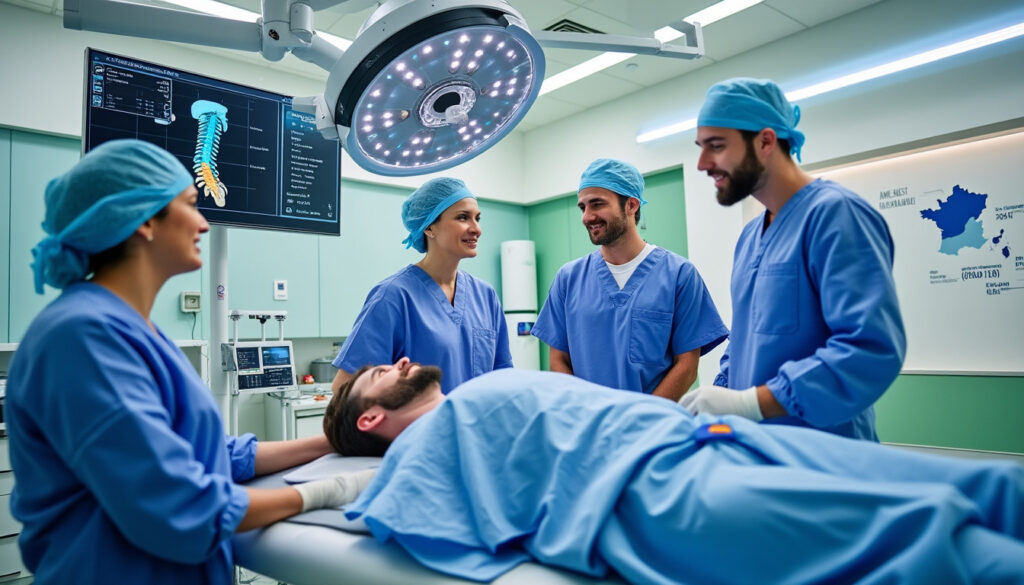
Minimally Invasive Surgery in Longueuil: Shorter Recovery and Maintained Mobility
In the evolving landscape of spinal care, patients across Quebec increasingly seek minimally invasive surgical solutions to overcome the challenges posed by chronic back and neck conditions. In Longueuil, a hub of innovative spine treatments, these advanced procedures are transforming…
Why Prioritize Conservative Treatments Before Considering Surgery?
Despite access to advanced surgical options, it is essential to emphasize the value of comprehensive conservative management before proceeding with surgery. At least 3 to 6 months of non-surgical care should be attempted unless urgent neurological compromise requires expedited intervention.
Conservative management may include physical therapy, pain management, lifestyle modifications, and importantly, advanced non-invasive therapies such as neurovertebral decompression available at the Clinique TAGMED. This clinic offers specialized treatments such as laser therapy and decompression techniques proven to relieve symptoms and improve function effectively.
Completing adequate conservative care helps eliminate unnecessary surgeries, optimize surgical candidacy, and improve postoperative prognosis. Dr. Desforges advocates for a carefully coordinated, evidence-based approach that respects patient safety and informed consent.

IntraSPINE® in Laval: Fast Recovery After Lumbar Intervention
The quest for effective solutions to chronic lumbar back pain continues to inspire innovative approaches in spine care. With over three decades of expertise, Dr. Sylvain Desforges stands at the forefront of this transformation, weaving scientific rigor, cutting-edge technology, and…
Collaborating with Leading Neurosurgeons in Montreal and Beyond
Patients in Montreal benefit from access to highly qualified neurosurgeons and orthopaedic spine specialists distinguished by their commitment to innovation and excellence. Surgeons trained in advanced minimally invasive techniques, motion preservation, and complex spinal reconstruction provide personalized surgical plans.
Partners include top practitioners featured in local and national directories such as three best neurosurgeons in Montreal and practices like Ortho Westmount’s back pain specialists. Surgical centers emphasize multidisciplinary care, incorporating the latest evidence and technology to achieve optimal results in spine surgery and postoperative care.
This integrated approach extends to international collaborations, enabling seamless care coordination for patients who undertake surgery abroad and return for follow-up in Montreal under expert guidance.
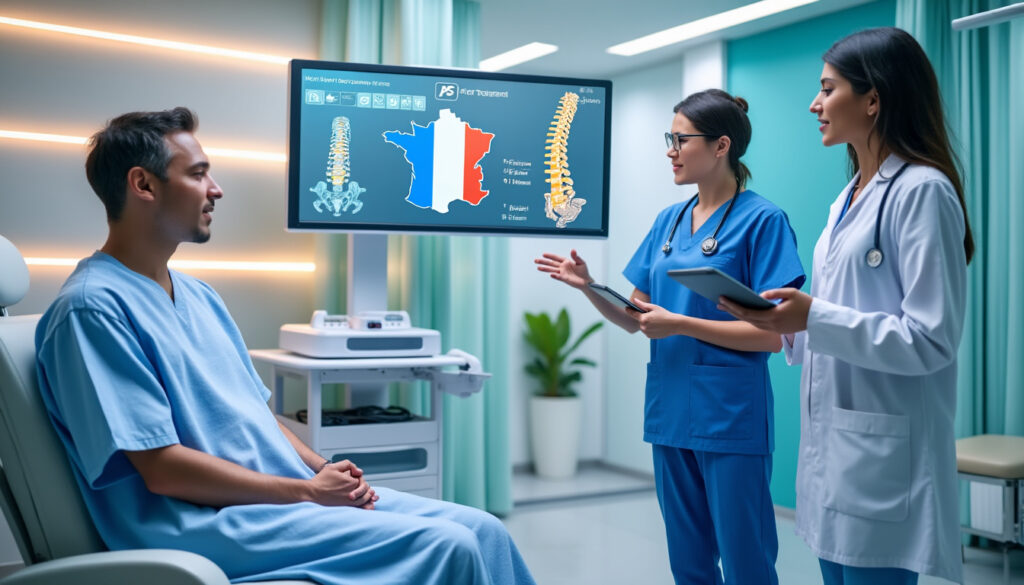
Neck Surgery in Montreal: Maintain Cervical Flexibility
Neck surgery stands at a crossroads of medical innovation and patient-centered care in Montreal, evolving significantly to address the complexities of cervical spine conditions. For those enduring persistent neck pain and debilitating spinal disorders, surgery often serves as a critical…
Postoperative Care: Ensuring a Safe and Effective Recovery in Montreal
Following neck surgery, proper postoperative care is paramount to safeguard spinal health and enhance recovery trajectories. Patients are supported by multidisciplinary teams including physiotherapists, osteopaths, pain specialists, and neurologists, coordinated by experienced clinicians like Dr. Desforges.
Rehabilitation protocols focus on gentle mobilization, gradual strengthening, and education about ergonomics to prevent future injuries. Additionally, patients may benefit from adjunct therapies such as repetitive transcranial magnetic stimulation (rTMS), which research suggests can aid recovery and reduce the risk of additional surgical interventions.
Regular follow-up appointments monitor healing progress, implant integrity, and neurological function. Effective communication between patients and their healthcare providers fosters early detection of complications and prompt management.
Overall, postoperative care aims not only to restore function but also to motivate patients toward maintaining a healthy lifestyle supportive of long-term spine health and quality of life.
What types of neck surgery are available in Montreal?
Neck surgery options in Montreal include simple decompression, cervical disc replacement to preserve motion, spinal fusion for stability, and minimally invasive endoscopic procedures. The choice depends on your specific spinal condition and expert evaluation.
Should I try conservative treatments before surgery?
Yes. It is recommended to complete at least 3 to 6 months of conservative care, including advanced therapies like neurovertebral decompression offered at specialized clinics, to optimize outcomes and avoid unnecessary surgery.
What are the benefits of motion-preserving surgery?
Motion-preserving surgery maintains natural neck movements, reduces pain, limits stress on adjacent spinal segments, and often leads to quicker recovery compared to fusion surgery.
How does the transatlantic surgical pathway work?
Patients from Quebec access world-class surgical care in France through coordinated logistics and local support in Montreal before and after surgery, ensuring a seamless, personalized treatment journey.
What should I expect during postoperative care?
Postoperative care involves multidisciplinary rehabilitation aimed at restoring function, managing pain, and preventing complications, with close follow-up to ensure successful recovery and spine health preservation.