Minimally Invasive Surgery in Longueuil: Reducing Recovery Time and Preserving Mobility
July 18, 2026
La Prairie Lumbar Disc Recovery Without Hospital Stay
July 18, 2026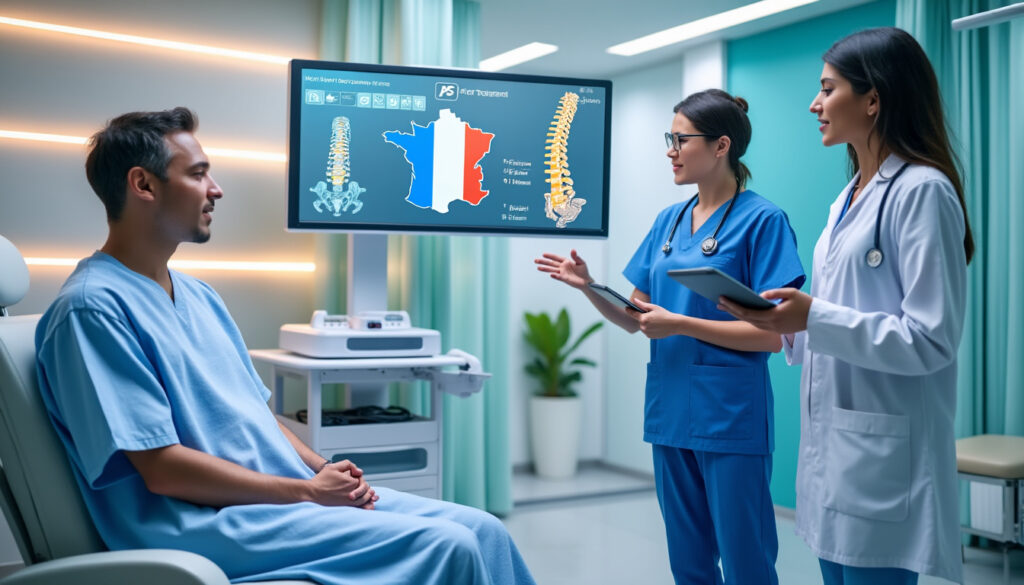
Neck surgery stands at a crossroads of medical innovation and patient-centered care in Montreal, evolving significantly to address the complexities of cervical spine conditions. For those enduring persistent neck pain and debilitating spinal disorders, surgery often serves as a critical intervention after conservative treatments have been exhausted. However, an emerging emphasis on preserving cervical flexibility during surgical procedures marks a transformative shift in approach, directly impacting patients’ quality of life and functional outcomes. Within this landscape, the expertise of seasoned professionals like Dr. Sylvain Desforges, with over 30 years in spinal care and leadership roles in Canadian osteopathic and medical associations, shapes a multidisciplinary, evidence-based model of evaluation and management that prioritizes biomechanical integrity alongside symptom relief.
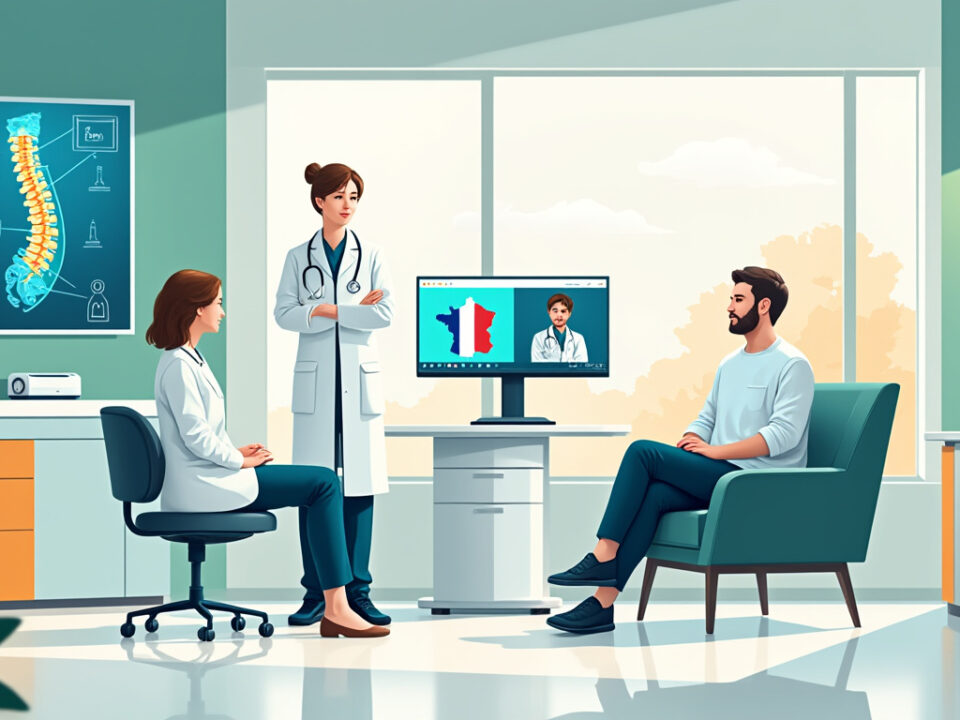
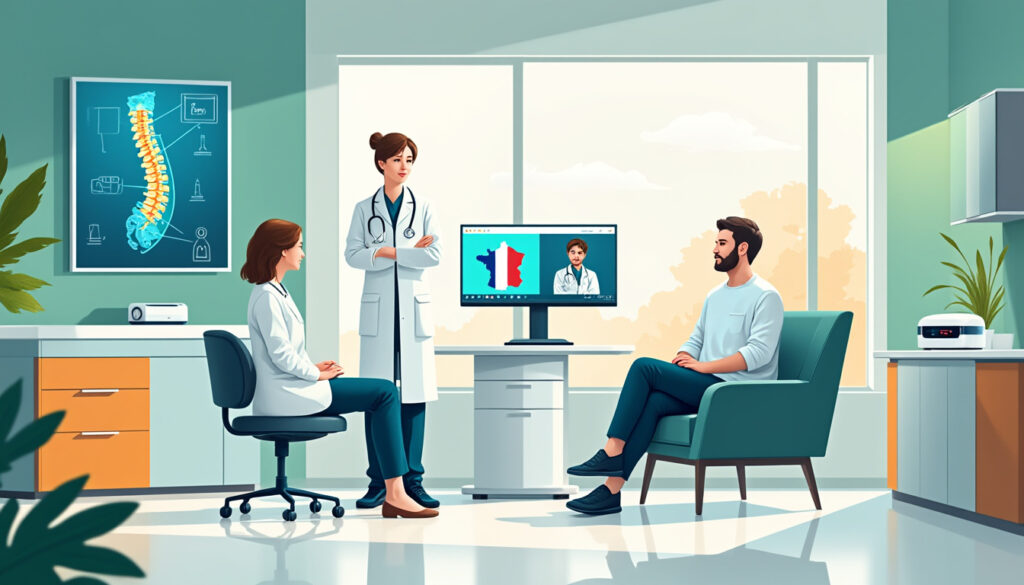
Montreal’s increasing access to advanced surgical modalities—including minimally invasive techniques, motion-preserving implants, and state-of-the-art technologies—means patients can explore options that not only alleviate nerve compression and pain but also maintain natural neck mobility. This nuanced balance between decompression and structural stability is essential given the cervical spine’s role in daily activities and overall well-being. Moreover, the integration of international collaboration, especially between Canada and France, through platforms like SOS Tourisme Médical, provides patients with expedited access to innovative procedures not yet widely available domestically, facilitated by expert coordination from evaluation to postoperative rehabilitation.
Understanding the range of surgical options, the indispensability of thorough conservative management, comprehensive patient journeys, and the support systems around recovery equips individuals facing neck surgery with the knowledge to make informed, personalized decisions that align with their health goals and lifestyles. This framework reframes neck surgery not simply as a last resort but as a thoughtfully orchestrated step within a continuum of spine health care that embraces innovation, ethics, and compassion.
Comprehensive Overview of Neck Surgery Types Focused on Cervical Flexibility Preservation
The cervical spine’s complexity demands that surgical interventions be precisely tailored, not only to treat pathology but also to safeguard movement and function. In Montreal, patients can access a spectrum of surgical procedures broadly categorized into simple decompression, spinal fusion, and motion-preserving surgeries. Each type serves specific clinical needs and presents distinct biomechanical consequences. The expertise of evaluators like Dr. Sylvain Desforges ensures that every surgical option is considered through a rigorous, patient-specific lens.
Simple Decompression Procedures as a First-Line Surgical Solution
Simple decompression surgeries aim to alleviate nerve impingement by removing or reshaping the anatomical structures causing compression, such as herniated discs or hypertrophic ligaments, without fusing the vertebrae. Procedures like anterior cervical discectomy without fusion or posterior laminotomy focus on relieving symptoms with minimal disruption to cervical biomechanics. These approaches are particularly indicated in cases of radiculopathy or foraminal stenosis where spine stability remains intact.
Empirical outcomes demonstrate that patients undergoing decompression often benefit from reduced postoperative stiffness and faster return to normal activities compared to fusion. The preservation of motion at adjacent levels lowers the risk of accelerated degeneration of neighboring discs, a known complication when mobility is lost. However, decompression is suitable primarily for cases without significant spinal instability.
Fusion Surgeries: Stability at the Cost of Motion
Fusion surgeries, such as anterior cervical discectomy and fusion (ACDF), involve permanently joining two or more vertebrae to stabilize areas compromised by severe degenerative disc disease, trauma, or instability. While these procedures offer high rates of pain relief and segmental stability, they inherently reduce cervical range of motion and may increase biomechanical stress on adjacent segments, potentially leading to adjacent segment disease over time.
Despite their limitations on flexibility, fusion surgeries remain invaluable for select patients with complex pathology. Rigorous evaluation by experts like Dr. Desforges helps ensure these procedures are recommended only when motion-preserving alternatives are unsuitable, balancing immediate symptom control with long-term spine health considerations.
Motion-Preserving Surgical Options: Innovations in Cervical Spine Care
Advancements in spinal surgery have brought motion-preserving options to the forefront in Montreal, offering patients the potential to maintain near-normal neck mobility postoperatively. Disc arthroplasty (artificial disc replacement) and dynamic stabilization systems exemplify these innovations. These implants are designed to emulate the natural biomechanical properties of the cervical spine, allowing flexion, extension, and rotation while decompressing neural elements.
Strict patient selection criteria are crucial to optimize outcomes. Generally, candidates have localized degenerative disc disease or radiculopathy without significant facet joint arthritis or instability. When well-indicated, motion-preserving surgeries reduce postoperative stiffness, lower the risk of adjacent segment degeneration, and support a quicker return to active lifestyles.
| Type of Neck Surgery | Motion Preservation | Typical Recovery Time | Key Benefits | Clinical Indications |
|---|---|---|---|---|
| Simple Decompression | High | Weeks to Few Months | Minimal tissue disruption, maintains mobility | Radiculopathy, mild to moderate stenosis |
| Fusion Surgery (ACDF, PLIF, ALIF) | Low (No movement at fused segments) | Months | Excellent stability, symptom relief | Severe degeneration, instability, trauma |
| Motion-Preserving Surgery (Disc Arthroplasty, Dynamic Implants) | High | 1–3 Months | Preserves cervical flexibility, reduces adjacent segment risk | Degenerative disc disease, select radiculopathy |
Patients interested in detailed assessments can benefit from Dr. Desforges’ expertise to receive guidance on which surgery best aligns with their clinical profile. For further specialty information and options in the Montreal area, resources such as Neck Surgery in Montreal for Cervical Flexibility and Comprehensive Spine Surgery Services provide valuable context.

IntraSPINE® in Laval: Fast Recovery After Lumbar Intervention
The quest for effective solutions to chronic lumbar back pain continues to inspire innovative approaches in spine care. With over three decades of expertise, Dr. Sylvain Desforges stands at the forefront of this transformation, weaving scientific rigor, cutting-edge technology, and…
Step-by-Step Patient Journey for Neck Surgery: From Expert Evaluation to Full Recovery
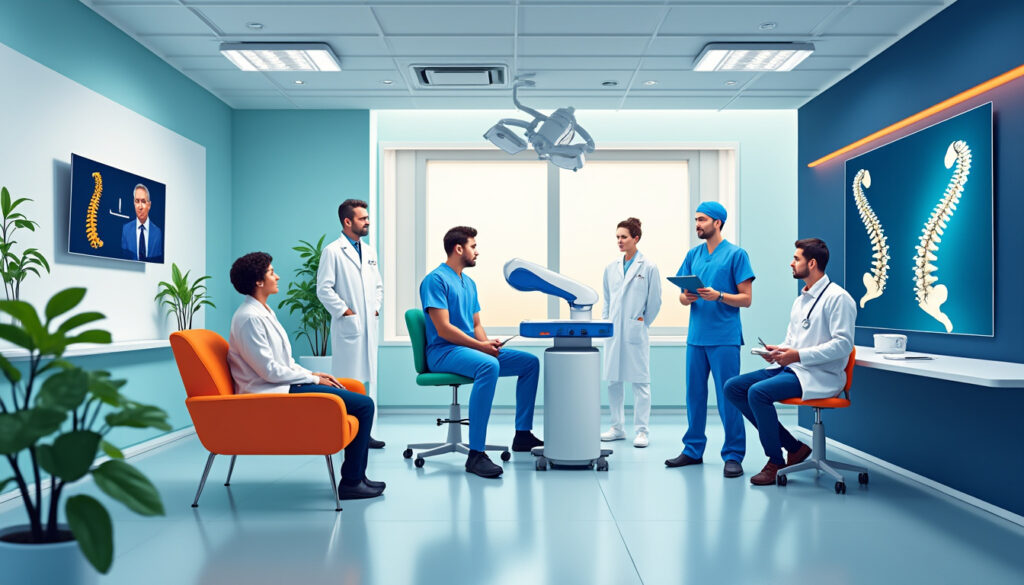
The pathway to neck surgery must be marked by meticulous planning, personalized evaluation, and coordinated care, especially for patients from Quebec considering innovative transatlantic options. Dr. Sylvain Desforges contributes critical expertise in evaluating patient suitability through clinical history, advanced imaging, and multidisciplinary consultation. His approach ensures surgery is only considered after a thorough trial of conservative treatments, emphasizing evidence-based care and safety.
Initial Evaluation and Diagnostic Assessments
Patients begin with a comprehensive clinical evaluation, including detailed symptom history and thorough neurologic examination targeted at identifying deficits or signs of myelopathy. Imaging studies such as MRI or CT scans underpin precise anatomical localization of nerve compression or spinal instability. Collaboration with neurologists, orthopedic surgeons, and physiotherapists often complements the assessment to formulate a holistic picture.
An essential element of this phase involves scrutinizing the completeness of conservative management efforts, such as physical therapy, osteopathic interventions, and advanced treatments like neurovertébral decompression as offered by the renowned Clinique TAGMED. This ensures that surgery is pursued only in cases where a minimum of three to six months of optimized non-surgical treatment has failed to bring adequate relief.
Preoperative Preparation and Patient Education
Preparation focuses on optimizing physical condition, minimizing risks, and fostering realistic expectations. Through detailed education sessions, patients gain clear understanding of each surgical option’s steps, expected recovery timelines, risks, and benefits, especially regarding motion preservation. Collaborative care planning involves coordinating logistics, particularly for transatlantic travel when surgery abroad is planned, ensuring seamless integration of preoperative and postoperative phases.
Surgical Procedure and Immediate Care
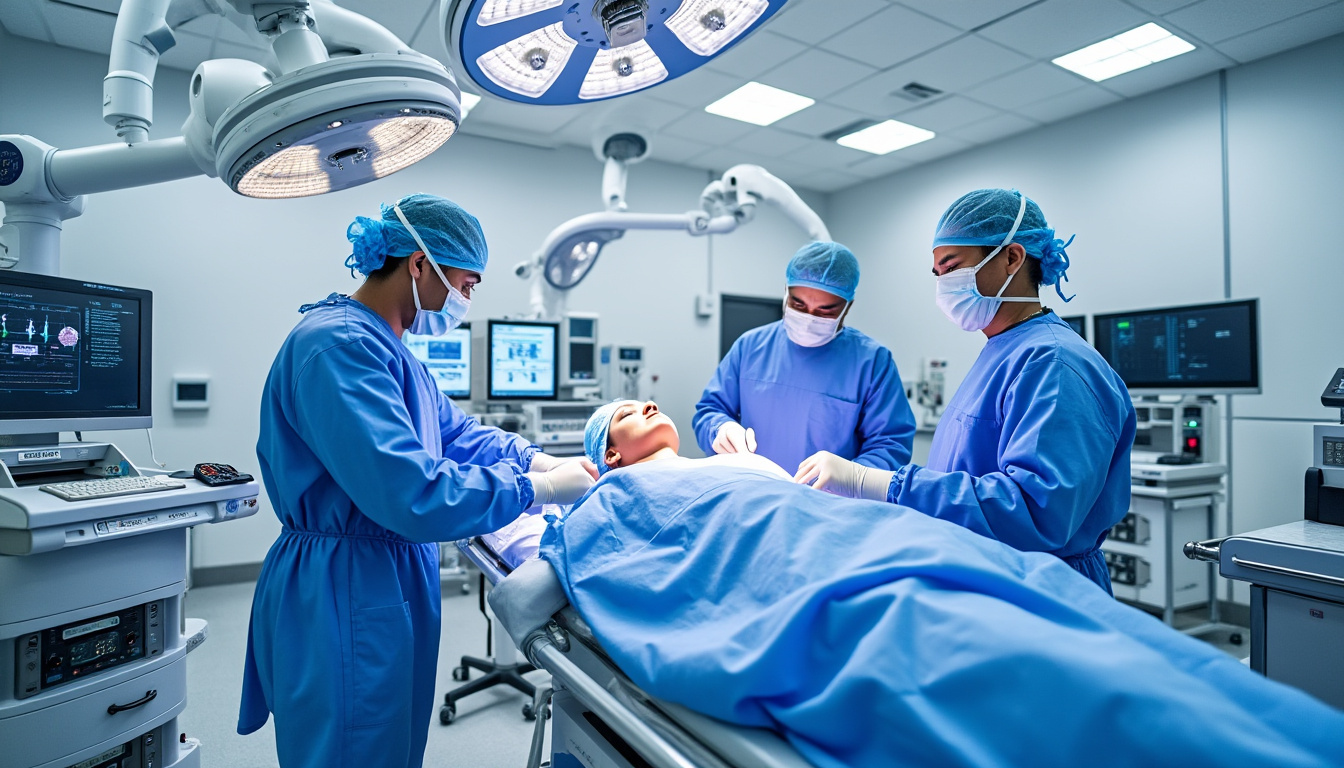
Surgery is performed using minimally invasive techniques whenever feasible to reduce tissue trauma and preserve biomechanical function. The use of dynamic implants or artificial disc prostheses aligns with the overarching goal of maintaining cervical flexibility. Postoperative protocols emphasize early mobilization, meticulous pain control, and monitoring for complications.
Rehabilitation and Long-Term Follow-Up
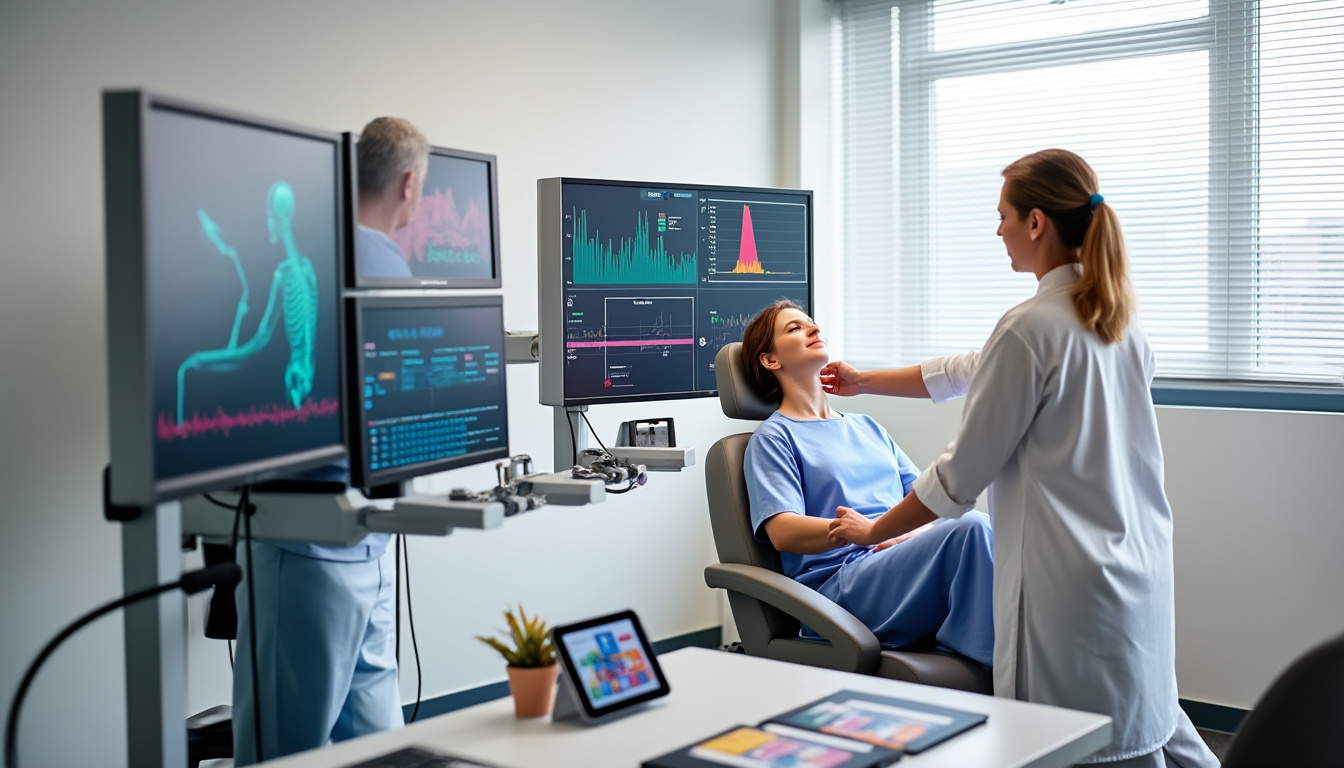
Rehabilitation constitutes a cornerstone in regaining cervical strength, flexibility, and coordination. Multidisciplinary teams in Montreal provide ongoing manual therapies, supervised exercises, and posture correction programs tailored to individual recovery trajectories. This phase promotes gradual return to activities of daily living and prevention of complications such as postoperative stiffness or adjacent segment disease. Follow-up assessments with experienced professionals, including Dr. Desforges, ensure surveillance of outcomes and timely intervention if necessary.
Disc Prosthesis in Lévis: Approved and Effective Solution
Back pain is a pervasive health issue affecting millions of people worldwide, often resulting from degenerative conditions of the spinal discs. As medical science advances, innovative solutions emerge offering hope and relief beyond traditional therapies. Among these, disc prosthesis stands…
The Indispensable Role of Conservative Treatments Before Considering Neck Surgery
Expert evaluation by Dr. Sylvain Desforges consistently underscores that surgery is not an immediate option for neck pain or cervical spine disorders. Instead, conservative therapies must be thoroughly explored for at least three to six months prior to surgical consideration. This standard reflects a patient-centered, evidence-based philosophy aimed at maximizing outcomes while minimizing unnecessary surgical risks.
Conservative management strategies encompass a broad array of modalities that aim to relieve pain, improve function, and correct underlying biomechanical issues. Modern advances include targeted osteopathic treatments, specialized physical therapies focused on cervical flexibility and posture, and most notably, neurovertébral decompression available at Clinique TAGMED. This non-invasive spinal decompression technique gently alleviates nerve compression, significantly reducing symptoms in many patients previously facing surgery.
Patients benefit from understanding that by investing time in these progressive treatments, they can often delay or even avoid surgical intervention, preserving their natural spine and avoiding associated risks. When surgery is ultimately indicated, this prior treatment history informs the surgical plan, fostering better recovery prospects.
- Physical therapy emphasizing strengthening and flexibility
- Osteopathic and manual therapies tailored for cervical spine
- Non-invasive neurovertébral decompression
- Laser therapy to reduce inflammation and promote healing
- Postural and ergonomic education to prevent recurrence

Motion Surgery in Terrebonne: Innovative and Proven Results
Spinal disorders remain a leading cause of discomfort and disability worldwide, with Quebec seeing a steady increase in consultations for chronic back pain. At the intersection of medical innovation and patient-centered care, motion surgery in Terrebonne offers a revolutionary approach…
Benefits of International Coordination in Neck Surgery: Bridging Montreal and France
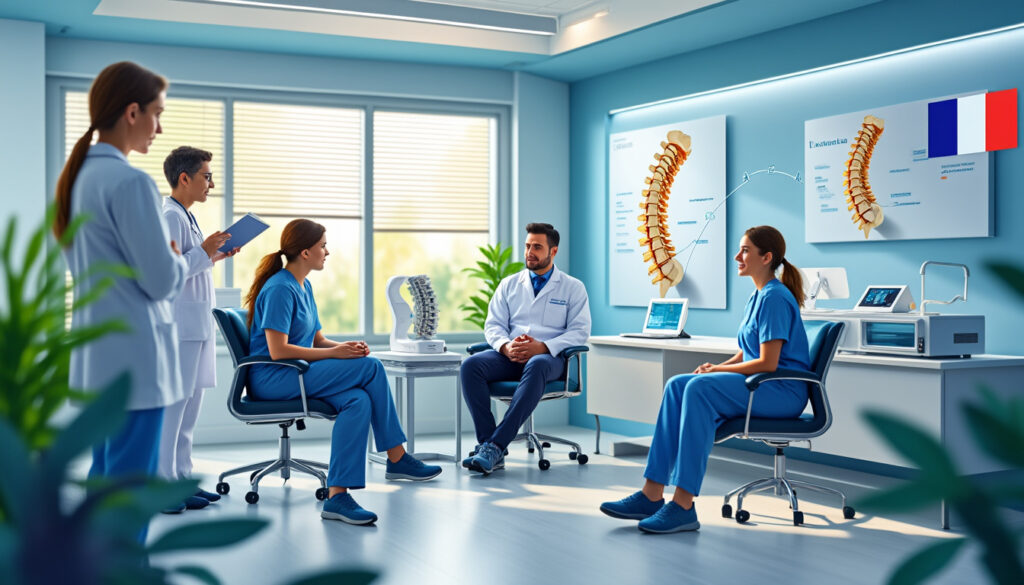
The transatlantic collaboration between Canada and France presents a unique opportunity for Montreal patients to access cutting-edge neck surgeries with minimized wait times and improved affordability. Dr. Desforges plays an instrumental role in this coordination, leveraging decades of experience and leadership to orchestrate seamless care pathways that integrate French surgical expertise with local support in Quebec.
French surgical centers excel in offering advanced implants like dynamic cervical disc prostheses and techniques including laser-assisted decompression that may not yet be widely accessible in Canada. These options facilitate motion preservation and enhance long-term outcomes. Moreover, European regulatory approvals such as CE marking and FDA certification underscore their safety and efficacy.
Collaborative logistics ensure patients experience a streamlined journey—from initial evaluation in Montreal, through surgical treatment in France, to postoperative rehabilitation upon return. Multilingual medical teams, teleconsultations, and integrated medical records further simplify communication and continuity of care, reducing psychological stress for patients navigating complex pathways.
| Benefit | Description | Impact on Patient Outcomes |
|---|---|---|
| Access to Advanced Technologies | Availability of FDA and CE-marked motion-preserving implants and minimally invasive procedures | Improved cervical flexibility, decreased postoperative complications |
| Reduced Wait Times | Efficient scheduling removing local healthcare bottlenecks | Faster symptom relief and reduced condition progression |
| Personalized and Multidisciplinary Care | Customized surgical planning and rehabilitation aligned with patient needs | Enhanced satisfaction, better functional outcomes |
| Seamless Continuous Care | Integrated follow-up between French and Montreal teams | Lower readmission rates, improved recovery support |

Lumbar Disc Prosthesis in Saguenay: Maintain Spinal Biomechanics
The rising prevalence of chronic back pain and lumbar spine conditions in Saguenay has prompted an increase in advanced orthopedic solutions designed to alleviate discomfort while maintaining optimal spinal functionality. Among these innovations, lumbar disc prosthesis stands out as a…
Advanced Minimally Invasive Techniques and Their Role in Cervical Spine Surgery
In Montreal and across partner centers in France, minimally invasive spine surgery represents a cornerstone of modern neck surgery aimed at protection of cervical function. These techniques utilize small incisions, endoscopic visualization, and robotic assistance to ensure precision while reducing damage to muscles, ligaments, and other soft tissues.
Procedures such as endoscopic anterior cervical discectomy and posterior laminotomies minimize postoperative pain, speed up recovery timelines, and decrease scar tissue—the common contributors to reduced neck mobility after surgery. The integration of 4K imaging, continuous irrigation systems, and 3D navigation enhances surgical accuracy and patient safety. By preserving natural anatomy, these approaches promote preservation of natural cervical flexibility without sacrificing decompression efficacy.
Dynamic implants used in these surgeries, including devices like TOPS and IntraSPINE, further support motion preservation, often preferred over traditional fusion when clinically appropriate. Patients opting for these procedures typically experience less postoperative stiffness and maintain superior functional neck movement, improving their return to work and daily activities.

IntraSPINE® in Sherbrooke: Safe Minimally Invasive Procedure
In recent years, chronic back pain has escalated as a pressing health issue, significantly diminishing quality of life for many individuals, particularly in Quebec. Traditional spinal surgeries, while effective, often involve extensive recovery periods and can be associated with significant…
Postoperative Care and Rehabilitation Essential for Optimal Neck Surgery Outcomes
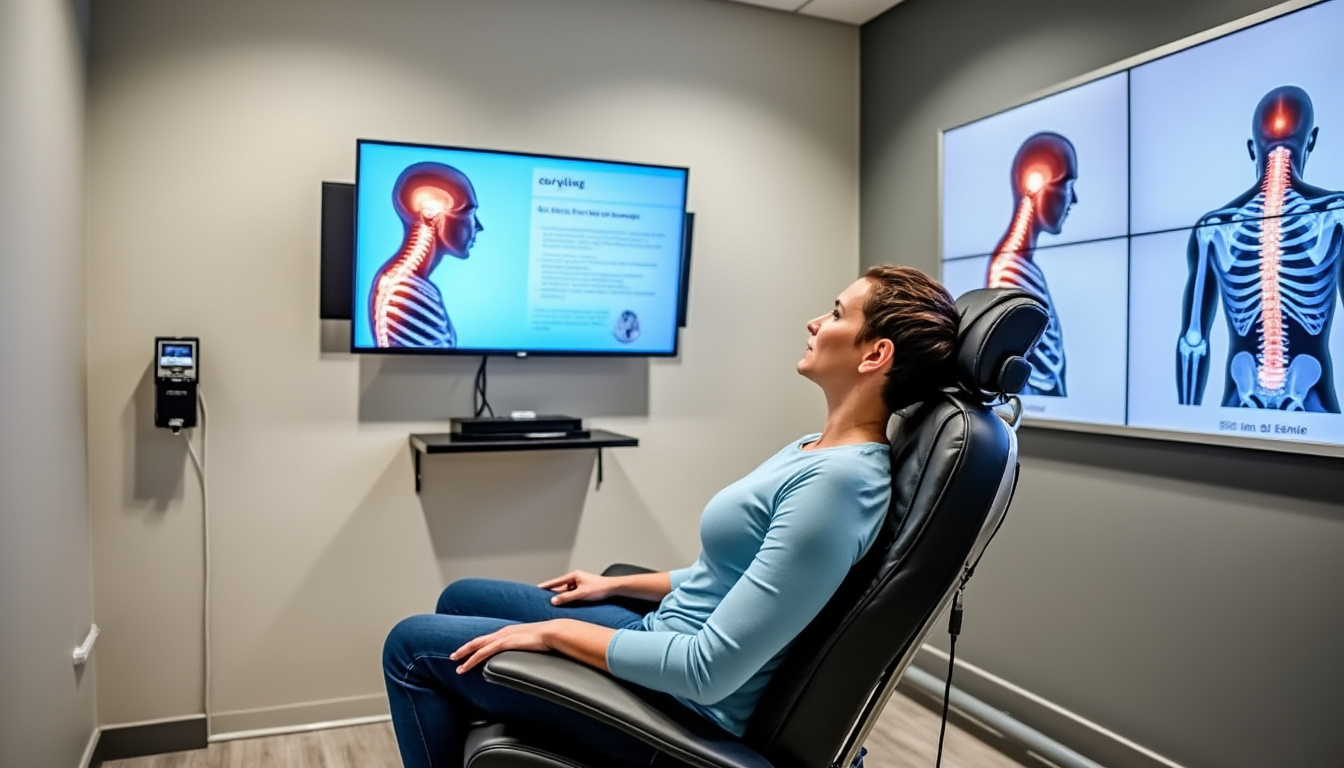
After surgery, recovery does not end in the operating room—it marks the beginning of a carefully guided rehabilitation journey that is essential for sustaining cervical flexibility and overall spine health. Postoperative care involves a combination of pain management, wound care, and physically targeted therapies.
Clinics in Montreal facilitate therapy protocols involving gentle mobilization, strengthening exercises, and posture re-education tailored to individual patient progress. Exercises such as chin tucks, diagonal neck stretches, and arm circles are particularly beneficial in restoring normal biomechanics and preventing long-term stiffness.
Consistent rehabilitation under expert guidance reduces the risk of complications such as adjacent segment disease and recurrent nerve compression. Patients gain confidence as they gradually regain neck strength, flexibility, and function, supported by in-person sessions and telemedicine follow-ups when needed.
- Chin tucks to stabilize cervical muscles
- Diagonal neck stretches for flexibility maintenance
- Shoulder rolls and arm circles for scapular stability
- Postural training emphasizing ergonomics
- Regular assessments to adapt therapy intensity
Spine Surgery in Trois-Rivières: Personalized Patient-Centered Intervention
The challenge of back health and spinal surgery has become increasingly critical for many patients in Trois-Rivières, Quebec. Lengthy waiting times for appropriate surgical interventions often transform the care journey into a frustrating experience. Against this backdrop, a promising international…
Distinguishing Features and Added Value of Dr. Sylvain Desforges’ Approach to Neck Surgery Care
With more than three decades of experience, Dr. Sylvain Desforges stands out as a pioneering expert in spinal health, especially in the evaluation of cervical pathologies and personalized patient care. His qualifications (B.Sc., D.O., N.D.), leadership as founder and president of the ACMA and Collège des Ostéopathes Canadiens, and pioneering role in TAGMED position him uniquely to guide patients through intricate clinical decisions.
Dr. Desforges’ approach is characterized by a steadfast commitment to rigorous scientific methods, ethical practice, and innovative treatments. His in-depth knowledge enables a thorough assessment of each patient’s condition, respecting Québec and Canadian medical standards. He ensures that patients engage fully in understanding their options through clear communication that demystifies complex medical concepts and fosters informed consent.
Furthermore, Dr. Desforges champions international care coordination, facilitating access to advanced surgical techniques and technology unavailable in Canada. His humanistic, reassuring style encourages patients to actively participate, ask questions, and understand that each case is unique and merits tailored management. This comprehensive model improves both clinical outcomes and patient experience.

TOPS™ in Gatineau: Reduce Pain and Improve Lumbar Function
The management of chronic lumbar pain remains a pressing challenge for many patients in Quebec, seeking effective and accessible solutions beyond prolonged wait times and costly private care. Thanks to an innovative transatlantic partnership, the TOPS (Total Posterior Spine) system…
Empowering Patients: Taking the Next Step Towards Neck Health and Mobility
For patients grappling with chronic neck pain or cervical disorders, gaining detailed understanding and expert evaluation forms the foundation for informed, confident decision-making about neck surgery. Engaging with professionals like Dr. Desforges ensures access to a personalized, rigorous assessment, backed by over 30 years of dedicated expertise in spine care.
Whether exploring advanced surgical options in Montreal or through international collaboration, the emphasis remains on preserving cervical flexibility and optimizing quality of life. Patients are encouraged to exhaust conservative treatments for at least three to six months, including innovative non-invasive therapies such as those provided by Clinique TAGMED, prior to considering surgery.
To learn more about the nuanced options for neck surgery and to receive an expert evaluation adapted to your specific needs, visit SOS Tourisme Médical contact page. Taking this step can pave the way toward relief, restored function, and renewed vitality.
What surgical procedures are available to preserve cervical flexibility in Montreal?
Patents can choose among simple decompression surgeries, fusion surgeries, and motion-preserving surgeries like disc arthroplasty that prioritize maintaining natural neck mobility.
Why must conservative treatments be exhausted before considering neck surgery?
Conservative therapies such as physical therapy and neurovertébral decompression often alleviate symptoms and avoid the risks of surgery. Surgery is indicated only after at least three to six months of unsuccessful conservative care.
How do minimally invasive surgical techniques improve neck surgery outcomes?
Minimally invasive methods reduce tissue damage, shorten hospital stays, decrease postoperative pain, and preserve cervical spine biomechanics, leading to quicker, safer recoveries.
What is the importance of rehabilitation after neck surgery?
Targeted rehabilitation exercises restore neck strength and flexibility, reduce pain, prevent stiffness, and help maintain long-term cervical function following surgery.
How does international collaboration benefit neck surgery patients from Montreal?
Collaborating with French surgical centers provides access to advanced implants, reduces wait times, and ensures coordinated care spanning surgery abroad and recovery at home, improving overall outcomes.
Cervical Disc Prosthesis in Quebec City: Preserve Natural Mobility
Neck pain remains a pervasive challenge for many individuals in Quebec City, deeply affecting daily life and overall well-being. As the prevalence of chronic cervical discomfort rises, innovative interventions such as the cervical disc prosthesis have garnered increasing attention. Unlike…