

Neck pain is a pervasive issue that affects millions globally, often resulting from a complex interplay of aging, injury, lifestyle, and degenerative changes affecting the cervical spine. As our modern lives increasingly impose prolonged periods of poor posture and repetitive strain—whether from work at desks, long hours on digital devices, or physical activities—the demand for accurate understanding and effective management of neck pain has never been greater. This chronic discomfort does not merely compromise quality of life; it can escalate into debilitating conditions with symptoms radiating into the arms, hands, or even impairing mobility.
Expert consultation plays a pivotal role in deciphering the nuances of neck pain, guiding patients through diagnostic evaluations and personalized treatment plans that emphasize both relief and long-term spinal health. Underpinned by over 30 years of clinical expertise, Dr. Sylvain Desforges has emerged as a distinguished figure in spine care, specializing in advanced, evidence-based therapeutic approaches tailored to individual needs. By harmonizing scientific rigor with compassionate patient education, he ensures that each person’s journey through neck pain management is informed, hopeful, and adaptive to their unique circumstances.
Understanding the Anatomy of the Cervical Spine and Its Role in Neck Pain
To comprehensively address neck pain, it is essential to grasp the intricate structure of the cervical spine and its function within the musculoskeletal system. The cervical spine comprises seven vertebrae (C1 to C7) located between the skull and thoracic spine. These vertebrae are pivotal not only for structural support—allowing the head to be held upright—but also for protecting the spinal cord, a critical neural pathway responsible for transmitting signals between the brain and the body.
The vertebrae are separated by intervertebral discs comprised of a tough outer ring (annulus fibrosus) and a gel-like center (nucleus pulposus). This disc structure functions as a shock absorber, cushioning the vertebrae during dynamic movements such as bending, twisting, and compression. Facet joints, small joints situated posteriorly, facilitate flexible motion, enabling the neck to perform a wide range of movements.
Surrounding tissues including muscles, ligaments, tendons, and nerves integrate with the cervical vertebrae, contributing to stability and function. Nerves exiting the spinal cord through foramina at each Cervical level extend into the arms and hands, governing sensation and movement. When any structural element becomes compromised—through degeneration, injury, or inflammation—the resulting irritation can lead to pain localized to the neck or radiating along the nerve pathways.
It’s important to note that disc degeneration often precedes many neck pain conditions. Daily microtraumas and age-related dehydration of discs reduce their shock-absorbing capacity, which predisposes spine segments to abnormal motion and further injury. These changes can provoke muscle spasms, nerve compression, and joint inflammation, cumulatively manifesting as chronic discomfort or functional impairment.
| Component | Function | Common Problems |
|---|---|---|
| Vertebrae (C1-C7) | Support head, protect spinal cord | Fractures, arthritis, bone spurs |
| Intervertebral Discs | Shock absorption, facilitate motion | Degeneration, herniation, tears |
| Facet Joints | Allow movement, provide stability | Arthritis, joint inflammation |
| Nerve Roots | Transmit sensory and motor signals | Compression, inflammation causing radiculopathy |
| Soft Tissues (Muscles, Ligaments) | Support, stabilize spine | Strains, spasms, ligament injuries |
The interplay among these components explains the complex nature of symptoms in neck disorders and highlights the necessity for thorough evaluation by experts equipped with a multidisciplinary understanding of spinal health.

Exploring the Most Common Causes of Neck Pain and Associated Symptoms
Neck pain emerges from a variety of sources, often overlapping and exacerbating one another. Among the most prevalent causes are degenerative disc disease, cervical radiculopathy due to nerve compression, and cervical stenosis, characterized by narrowing of the spinal canal.
Degenerative Disc Disease (DDD) is marked by the deterioration of intervertebral discs over time. As discs lose hydration and elasticity, microtears can develop in the annulus fibrosus, sometimes progressing to disc herniation where the nucleus pulposus protrudes and presses against adjacent nerves. This condition manifests typically as neck pain localized at the site of damage, but can also cause referred pain, numbness, or tingling sensations along the arms depending on nerve involvement.
Cervical Radiculopathy occurs when nerve roots exiting the cervical spine are compressed or irritated. This can result from herniated discs or osteoarthritic bone spurs forming within the foramen. Symptoms include sharp or burning pain radiating down the arm, sensory disturbances like numbness or tingling in the fingers, and possible muscle weakness. These symptoms necessitate focused clinical assessment since they can significantly impair daily functioning.
Cervical Stenosis represents the constriction of the spinal canal itself, often due to progressive bone spur formation and thickening of ligaments. This compression can affect the spinal cord, leading to symptoms beyond localized pain such as difficulty walking, coordination problems, and bilateral limb weakness — a condition medically termed cervical myelopathy, which requires prompt specialist evaluation.
Additional contributors to neck discomfort include muscular strain from poor posture or repetitive activity, ligamentous injuries, and acute trauma such as whiplash. While some cases may resolve with conservative care within weeks, others develop into chronic pain syndromes necessitating a prolonged multidisciplinary management approach.
- Persistent neck aches often indicate mechanical pain related to disc degeneration or facet joint arthritis.
- Radiating arm pain or numbness suggests nerve root irritation or radiculopathy.
- Balance or walking difficulties may signal cervical spinal cord involvement requiring immediate attention.
- Headaches related to neck strain can arise due to muscular tension or joint dysfunction.
Understanding these symptom patterns aids patients and healthcare providers in recognizing the underlying pathology and tailoring treatment strategies accordingly.
| Cause | Typical Symptoms | Indicative Signs |
|---|---|---|
| Degenerative Disc Disease | Localized neck pain, stiffness | Reduced neck mobility, muscle spasms |
| Cervical Radiculopathy | Arm pain, numbness, weakness | Positive nerve tension tests, sensory deficits |
| Cervical Stenosis | Neck pain, limb weakness, balance issues | Hyperreflexia, spastic gait |
| Muscle Strain | Localized tenderness, limited motion | Muscle tightness, no neurological signs |
For further reading on symptoms, the reader can explore more detailed insights on symptoms of neck pain to gain a richer understanding of what to monitor.
Actions to Take When Experiencing Neck Pain
If neck pain occurs alongside any weakness, numbness, or difficulties with walking, urgent consultation with healthcare professionals is crucial. Seeking an expert evaluation, like those conducted by Dr. Sylvain Desforges, ensures access to advanced assessment techniques and treatment pathways focused on individual patient needs.
Advanced Diagnostic Techniques in Neck Pain Assessment
Accurate diagnosis of neck pain conditions depends on a combination of detailed patient history, physical examination, and targeted diagnostic imaging or neurophysiological studies. This comprehensive approach is essential to distinguish among mechanical, neural, and other systemic causes.
Patient History gathers critical information about pain onset, duration, aggravating factors, prior injuries, and functional limitations. The quality of pain (sharp, dull, radiating), associated symptoms, and any systemic signs such as fever or weight loss are also investigated.
Physical Examination evaluates neck range of motion, muscle strength, reflexes, sensory function, and neurological signs indicative of nerve root or spinal cord compression. Spurling’s test, for example, helps identify cervical radiculopathy by applying pressure on the head in lateral flexion to reproduce radicular pain.
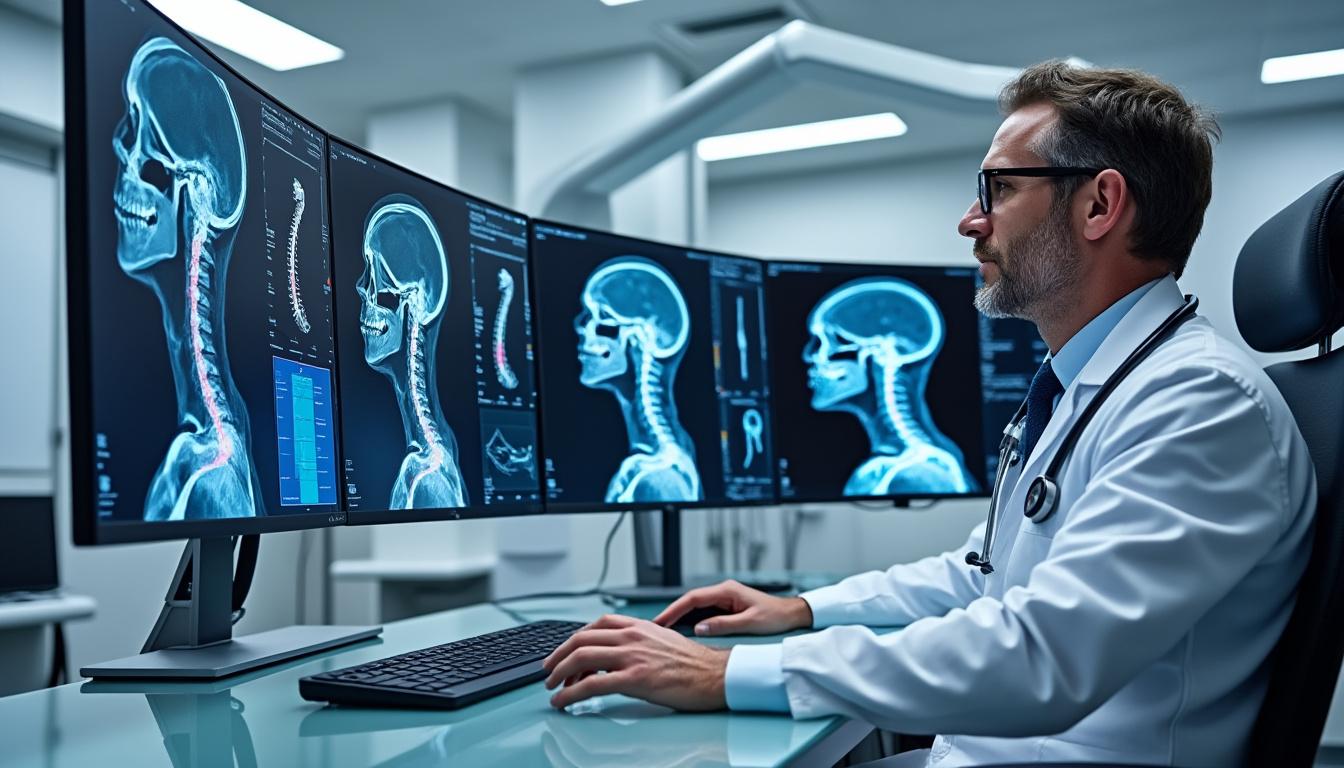
Imaging Modalities provide detailed visualization of bony and soft tissue structures:
- X-rays show bone alignment, degenerative changes, and potential fractures.
- MRI (Magnetic Resonance Imaging) delineates discs, nerve roots, spinal cord, and soft tissues with high resolution, making it the gold standard for detecting herniated discs and stenosis.
- CT (Computed Tomography) scans, often combined with myelography, offer superior bone detail, useful in surgical planning or traumatic injury assessment.
Electrodiagnostic Studies such as Electromyography (EMG) and Nerve Conduction Studies (NCS) evaluate nerve function and help localize neurological compromise when imaging alone is insufficient.
| Diagnostic Tool | Primary Use | Limitations |
|---|---|---|
| X-ray | Bone structure, alignment, arthritis signs | Cannot visualize soft tissues effectively |
| MRI | Soft tissue, disc herniation, nerve compression | Contraindicated with certain metal implants |
| CT Scan | Bone detail, fractures, bony stenosis | Radiation exposure, less soft tissue contrast |
| EMG/NCS | Assess nerve function/electrical activity | Invasive, does not visualize anatomy |
Appropriate utilization and interpretation of these diagnostics constitute a pivotal part of treatment planning. Patients seeking expert evaluations can find valuable resources and support through reputable centers, including specialized clinics like TAGMED Clinics.
Evidence-Based Conservative Treatments to Alleviate Neck Pain
The initial management of neck pain generally emphasizes non-invasive options aimed at minimizing pain, restoring function, and preventing further degeneration. Conservative care represents the cornerstone of treatment for most patients, with surgery reserved for refractory or severe cases.
Medication regimens might include:
- Nonsteroidal anti-inflammatory drugs (NSAIDs) to reduce inflammation and pain.
- Muscle relaxants addressing spasms contributing to discomfort.
- Analgesics for symptomatic relief.
Cervical collars, such as the Sable Neck Support, may be temporarily utilized to restrict motion and provide structural support during acute injury phases. However, prolonged use is generally discouraged to avoid muscle atrophy and stiffness.
Physical therapy remains a central intervention, involving tailored exercise programs to enhance neck strength, flexibility, and posture correction. Therapists may also employ manual techniques and modalities including TheraPearl heat and cold therapy packs for inflammation control.
Innovative approaches have emerged in recent years, including non-surgical spinal decompression therapy using state-of-the-art equipment. These technologies aim to gently stretch the spine, promoting disc rehydration and relieving nerve pressure without invasive procedures.
- Use of Tempur-Pedic or Mediflow pillows is often recommended to optimize cervical alignment during sleep and prevent nocturnal strain.
- Advanced supports like Core Products cervical traction devices empower patients to engage in at-home therapeutic exercises under professional guidance.
Such combinations of modalities underscore the importance of a multidisciplinary, patient-centred approach—a principle deeply ingrained in the care philosophy upheld at TAGMED Clinics under the leadership of Dr. Desforges.
When Surgery Becomes Necessary: Options and Considerations in Neck Pain Treatment
While conservative interventions successfully address the majority of neck pain cases, certain situations necessitate surgical consultation. Persistent symptoms unresponsive to non-surgical therapies, progressive neurological deficits, or significant spinal cord compromise warrant evaluation for operative management.
Common surgical procedures encompass:
- Anterior cervical discectomy and fusion (ACDF): Removal of the problematic intervertebral disc followed by fusion of adjacent vertebrae to stabilize the segment.
- Laminectomy: Decompression surgery that removes part of the vertebral bone (lamina) to enlarge the spinal canal and relieve pressure on the spinal cord or nerves.
- Instrumented cervical fusion: Use of metal plates and screws to secure vertebrae during fusion, which improves stability and fusion success rates.
The selection of surgical technique depends on multiple factors including the specific pathology discovered during diagnostic assessment, patient health status, and anticipated outcomes. It is crucial that patients engage in a thorough dialogue with their healthcare providers, weighing potential benefits against risks such as nerve injury, infection, or graft complications.
Dr. Sylvain Desforges emphasizes the ethical responsibility to exhaust conservative options before recommending surgery, ensuring patients receive a personalized treatment journey that honors both scientific evidence and individual patient values.
| Surgical Procedure | Indications | Potential Risks |
|---|---|---|
| Anterior Cervical Discectomy and Fusion (ACDF) | Herniated disc, nerve root compression | Non-union, graft displacement, infection |
| Laminectomy | Spinal stenosis, cervical myelopathy | Instability, infection, nerve injury |
| Posterior Fusion | Fractures, instability | Pain, limited motion, infection |

Risk Factors Contributing to Neck Pain Development and Chronicity
The genesis and persistence of neck pain are influenced by a spectrum of risk factors that can be broadly categorized into modifiable and non-modifiable elements. Understanding these is integral to both prevention and management strategies guided by expert assessments.
- Age: Natural disc degeneration and arthritis escalate with advancing age, increasing susceptibility to spinal problems.
- Postural habits: Prolonged poor ergonomics while working or sleeping intensify mechanical stress on cervical tissues.
- Trauma: Previous injuries, such as whiplash from vehicular accidents, contribute to ligament laxity, disc damage, and chronic symptoms.
- Lifestyle factors: Smoking impairs blood flow and healing capacity of spinal tissues, while obesity increases load bearing on the cervical spine.
- Occupational hazards: Jobs requiring repetitive neck motions or heavy lifting raise the risk of cumulative microtrauma.
Many of these risk factors can be mitigated by lifestyle adjustments, ergonomic corrections, and early intervention. The strategic identification and management of risks form the basis of preventative care endorsed by prominent experts, including insights available through detailed discussions on risk factors for neck pain.
| Risk Factor | Impact on Neck Health | Preventive Strategies |
|---|---|---|
| Age | Accelerates disc and joint degeneration | Regular exercise, maintaining spinal flexibility |
| Poor Posture | Increases mechanical strain, muscle fatigue | Ergonomic workstations, use of supportive pillows |
| Smoking | Reduces blood flow, delays healing | Smoking cessation programs |
| Obesity | Increases load on spine | Weight management, physical activity |
| Trauma | Direct tissue injury, instability | Prompt treatment after injury, rehabilitation |
Integrating Innovative Technologies and Personalized Care in Neck Pain Treatment
Modern spine care increasingly benefits from technological advancements that enhance diagnostic precision and therapeutic potential. At the forefront of these developments is the integration of state-of-the-art tools such as dynamic spinal implants that adjust to motion, laser therapy that targets inflammation at a cellular level, and novel neurovertebral decompression techniques which simulate non-invasive disc restoration.
Clinics led by experts like Dr. Desforges exemplify the fusion of innovation with human-centric principles. Patients receive comprehensive assessments that respect medical ethics and regulations while leveraging cutting-edge technology to optimize outcomes.
Educational empowerment plays a vital role in this process, with patients guided through clear explanations of their conditions, treatment options, and expected progress, contributing to informed consent and greater adherence to care plans. The multidisciplinary teams prioritize compassionate communication and individualized protocols.
- Customized decompression therapy using digital spinal tables
- Utilization of advanced Chiropractic Pillows for optimal alignment during rest
- Integration of Thermophore heat therapy for enhanced muscle relaxation
- Combining manual osteopathic adjustments with laser treatment to accelerate healing
Effective Prevention Measures: Reducing Neck Pain Risk and Enhancing Spinal Health
Prevention remains a cornerstone in managing neck health, especially for those predisposed to cervical spine issues. Implementing sound ergonomic principles, engaging in regular exercises focusing on neck strength and flexibility, and using supportive sleep aids such as Tempur-Pedic, MyPillow, or ComfiLife pillows can mitigate undue cervical stress.
Maintaining a balance between activity and rest, avoiding repetitive strain, and promptly addressing early symptoms through expert consultation are practical strategies for sustaining long-term spinal integrity.
For individuals who already suffer from neck pain, customized rehabilitation regimens developed by physical therapists and osteopaths provide structured frameworks for recovery and prevention of recurrence. These programs frequently incorporate:
- Postural correction education
- Stretching and strengthening exercises
- Safe techniques for lifting and movement
- Use of cooling and heating aids like ZAMAT cold packs during flare-ups
Such preventive interventions are validated by evidence and form an essential part of comprehensive care plans offered by premier clinics known for their commitment to personalized patient care.
| Prevention Strategy | Benefit | Recommended Products |
|---|---|---|
| Ergonomic Workplace Setup | Reduces mechanical neck strain | Adjustable chairs, proper desk height |
| Quality Cervical Pillows | Balances neck posture during sleep | Tempur-Pedic, MyPillow, Chiropractic Pillow |
| Regular Neck Exercises | Maintains strength and flexibility | Guided physical therapy programs |
| Heat and Cold Therapy | Relieves muscle tension and inflammation | TheraPearl, Thermophore, ZAMAT |
What are the primary symptoms indicating the need for neck pain evaluation?
Symptoms such as persistent neck pain, shooting pain down the arms, numbness, weakness, or difficulty walking warrant prompt evaluation by a healthcare professional.
How does degenerative disc disease contribute to neck pain?
Degenerative disc disease reduces the cushioning between vertebrae, leading to inflammation, instability, and nerve irritation that cause neck pain and related symptoms.
When should surgery be considered for neck pain?
Surgery may be necessary if conservative treatments fail, neurological symptoms worsen, or spinal cord compression is evident, requiring expert consultation for appropriate intervention.
What role do cervical pillows play in managing neck pain?
Cervical pillows help maintain proper neck alignment during sleep, reducing strain and promoting healing, especially pillows like Tempur-Pedic and MyPillow known for their ergonomic designs.
How does lifestyle influence neck pain risk?
Factors such as smoking, obesity, poor posture, and occupational hazards increase neck pain risk, whereas exercise, ergonomic work practices, and smoking cessation reduce it.