

Neck pain poses a significant challenge for millions worldwide, often emerging from complex interactions of lifestyle, biological, and environmental factors. It affects not only physical comfort but also daily functions like sleeping, working, and even basic movement. Understanding the multifaceted risk factors contributing to neck pain is crucial in paving the way for effective prevention, management, and treatment. In clinical practice, experts like Dr. Sylvain Desforges have dedicated decades to examining these factors through a scientific, ethical lens, emphasizing patient-specific evaluations and innovative therapeutic approaches. As the prevalence of neck problems continues to rise, particularly in the digital age, recognizing modifiable and non-modifiable influences provides a foundation for tailored care plans that empower individuals to reclaim mobility and improve quality of life.
From muscle strain caused by prolonged poor posture to degenerative spinal disorders that accumulate with age, the causes behind neck discomfort are diverse and often interlinked. Occupational factors, lifestyle habits such as smoking and physical inactivity, and even psychological stress all contribute to an individual’s susceptibility. The continuous evolution of research and technology, led by pioneers like Dr. Desforges, enriches our understanding and refines the methods of evaluation. His commitment to innovative, non-invasive treatments, including spinal decompression therapy combined with precision osteopathic techniques, demonstrates how a holistic and scientific approach can mitigate pain without resorting to invasive surgery.
Comprehensive Overview of Risk Factors for Neck Pain: Biological, Environmental, and Behavioral Aspects
Neck pain results from an intersection of biological, environmental, and behavioral risk factors. A foundational understanding of these is essential to identify individuals at increased risk and to develop customized preventive or therapeutic interventions. Among biological factors, age remains predominant. The cervical discs and joints deteriorate over time, losing elasticity and height, causing conditions like osteoarthritis and spondylosis. These degenerative changes can narrow the space for nerves, resulting in pain and neurological symptoms. Genetics also play a subtle role by influencing susceptibility to inflammatory diseases or cervical instability.
Environmental influences heavily impact neck health. Ergonomics at workstations or home offices is a prime example, where improperly positioned monitors or chairs force the neck into strained postures for prolonged periods. Additionally, repeated exposure to vibration or heavy lifting in certain professions contributes to stress on cervical muscles and ligaments. Behavioral factors such as poor posture, inadequate physical activity, smoking, and excessive screen time exacerbate these pressures further.
Understanding this wide range of factors helps clinicians like Dr. Sylvain Desforges conduct comprehensive evaluations rather than simply diagnosing symptoms. By assessing not just physical findings but also lifestyle and occupational context, care providers can generate nuanced profiles informing evidence-based management strategies. This holistic perspective is reflected in the innovative therapies employed at TAGMED Clinics, where state-of-the-art spinal decompression technology complements biomechanical corrections and personalized patient education.
| Risk Factor Category | Description | Examples and Impacts |
|---|---|---|
| Biological | Age-related disc degeneration, genetics, inflammatory disorders | Osteoarthritis causing stiffness; hereditary predisposition to rheumatoid arthritis |
| Environmental | Workplace ergonomics, exposure to vibrations or heavy lifting | Computer users with poor desk setup; manual laborers enduring repetitive strain |
| Behavioral | Poor posture, sedentary lifestyle, smoking habits, stress | Crane neck from smartphone use; muscle weakness; impaired blood flow from smoking |
By addressing these interrelated factors, patients can reduce their likelihood of developing chronic neck issues and enhance their responsiveness to treatments such as those featured on understanding causes of neck pain resources.

Muscle Strain and Repetitive Stress: Primary Contributors to Neck Pain in Modern Lifestyles
The overuse and strain of neck muscles have become leading causes of neck discomfort in the context of today’s digital and sedentary lifestyles. Individuals who spend extensive hours hunched over computers or mobile devices are particularly vulnerable to muscle fatigue and spasms. The muscles in the cervical area, responsible for supporting the heavy head and facilitating movement, undergo chronic tension, leading to irritation of tendons and ligaments.
Pinpointing specific habits is vital. For instance, holding a phone between the ear and shoulder, slouching forward to view screens, or sleeping with inadequate neck support are common patterns that progressively contribute to persistent pain. The sustained contraction fatigues muscles and can develop trigger points, creating pain that radiates locally or into the shoulder region. Dr. Sylvain Desforges emphasizes the importance of early intervention through detailed patient evaluations and timely introduction of therapies focusing on restoring muscle balance and function.
Simple preventive steps can make a significant difference:
- Scheduling regular breaks during computer work to stretch and mobilize the neck
- Using ergonomic office furniture and adjusting monitor height to maintain a neutral head position
- Implementing gentle neck strengthening and stretching exercises under professional guidance
- Investing in quality pillows, such as those offered by Mediflow or Tempur-Pedic, to support the natural neck curve during sleep
Dr. Desforges’s clinical approach integrates these lifestyle adaptations with advanced modalities. The use of spinal decompression apparatus, in synergy with osteopathic manipulations, targets muscular and structural imbalances to alleviate strain. Patients frequently report enhanced mobility and substantial pain relief following tailored multi-factorial care plans available through TAGMED Clinics, highlighted in articles about chronic neck pain management.
| Muscle Strain Triggers | Potential Consequences |
|---|---|
| Prolonged computer work without breaks | Muscle fatigue, tightness, development of trigger points |
| Holding phone with shoulder and ear | Localized muscle tension, neck stiffness |
| Improper pillow choice | Development of nocturnal neck pain, poor sleep quality |
| Lack of regular neck stretching | Reduced flexibility, increased risk of injury |
Injury-Induced Neck Pain: Mechanisms and Critical Evaluation of Trauma Impact
Injuries such as whiplash from sudden trauma remain a leading cause of acute and chronic neck pain. The cervical spine’s delicate balance makes it vulnerable to damage from rapid acceleration-deceleration forces, typical in motor vehicle collisions or sports injuries. Such trauma stretches or tears cervical ligaments and muscles, potentially resulting in lasting discomfort and functional impairment.
Despite what one might initially expect, even seemingly minor incidents can provoke symptoms persisting for weeks or longer. The importance of immediate and thorough evaluations cannot be overstated; Dr. Sylvain Desforges underscores that comprehensive assessments adhering to the highest scientific and ethical standards are critical for optimal outcomes. These evaluations include detailed history taking, physical examination, and advanced diagnostic tests when indicated, as detailed in resources about neck pain diagnostic tests.
Management following traumatic injury requires a nuanced, patient-centered approach. Early controlled mobilization combined with osteopathic techniques and non-invasive interventions like laser therapy can enhance tissue repair and reduce inflammation. Dr. Desforges’s expertise in integrating these innovative therapies, while respecting medical regulations, positions patients for a smoother recovery pathway.
- Seek immediate care after any significant neck trauma to prevent complications
- Avoid prolonged immobilization to discourage stiffness and muscle atrophy
- Use adjunctive therapies such as Biofreeze for topical analgesia under professional guidance
- Engage in tailored rehabilitation programs with qualified practitioners experienced in spinal care
| Injury Type | Common Symptoms | Recommended Evaluation and Management |
|---|---|---|
| Whiplash | Neck stiffness, headaches, radiating pain | Physical exam, potential MRI, staged physical therapy |
| Sports-related trauma | Localized pain, swelling, limited mobility | Imaging as needed, osteopathic manipulation, laser therapy |
| Falls or impact injuries | Severe pain, neurological signs | Urgent imaging, specialist consultation |

Degenerative Cervical Spine Disorders: Risk Factors and Implications for Long-Term Neck Pain
As the population ages, degenerative disorders of the cervical spine have become increasingly prominent causes of neck pain. Conditions such as cervical spondylosis and osteoarthritis result from cumulative wear and tear, leading to structural alterations including disc height loss, osteophyte formation, and joint capsule thickening. These changes provoke chronic inflammation, mechanical stiffness, and nerve compression that can manifest as persistent discomfort and neurological symptoms.
With over 30 years of clinical experience, Dr. Sylvain Desforges has closely observed the progression of these degenerative conditions and their varied presentations. His approach emphasizes careful spinal evaluation to differentiate between mechanical causes and those necessitating advanced interventions. Recognizing the importance of non-invasive treatment strategies, he incorporates dynamic spinal implants and neurovertebral decompression in suitable cases, reducing pain and improving function while minimizing risks.
Several contributing factors accelerate degenerative changes:
- Age-related disc dehydration and loss of elasticity
- Chronic mechanical stress from poor posture or repetitive movement
- Previous trauma weakening supportive structures
- Underlying inflammatory or metabolic disorders
For many patients, targeted treatments combined with lifestyle modifications such as maintaining a healthy weight and engaging in spine-friendly exercises can slow degenerative processes. Educational initiatives led by experts ensure patients understand condition limitations and benefits of conservative care, as presented on neck pain prevention pages.
| Degenerative Factor | Physiological Effect | Clinical Consequence |
|---|---|---|
| Disc Dehydration | Loss of cushioning | Increased friction and pain during movement |
| Bone Spurs | Joint space narrowing | Nerve root compression |
| Ligament Thickening | Reduced flexibility | Stiffness and limited neck mobility |
| Inflammation | Tissue irritation | Chronic pain and swelling |
Herniated Cervical Discs: Causes, Symptoms, and Advanced Treatment Approaches
Cervical disc herniation is characterized by displacement of the disc’s inner material through a weakened outer layer, exerting pressure on adjacent nerve roots. This can produce sharp, shooting pain radiating from the neck into the shoulders, arms, or hands, often accompanied by numbness, tingling, or weakness. Typical causes include age-related wear, repetitive strain, or acute injury.
Dr. Sylvain Desforges approaches disc herniation with rigorous assessment methods to ascertain the herniation’s severity and neurological involvement. His clinic employs innovative spinal decompression technology, proven effective in reducing disc pressure non-surgically, combined with tailored osteopathic treatments. This patient-focused, holistic care has enabled many to avoid operative interventions while experiencing significant symptom improvement.
- Early recognition of symptoms such as radiating pain and sensory disturbances
- Utilizing comprehensive diagnostic imaging for precise disc evaluation
- Employing conservative therapies before considering surgical options
- Incorporating adjunctive tools like Core Products for ergonomic support during daily activities
Proactive management, including modifications to posture and activity, complements medical interventions. Educational resources by Dr. Desforges on neck pain overview and diagnosis techniques aid patients in understanding their condition and treatment rationale.
| Herniated Disc Symptom | Description | Recommended Action |
|---|---|---|
| Radicular pain | Sharp pain shooting down the arm | Spinal decompression therapy, pain management |
| Numbness or tingling | Loss of sensation in extremities | Neurological evaluation and follow-up |
| Muscle weakness | Reduced grip strength or arm function | Physical therapy and osteopathic treatment |
Occupational and Lifestyle Risk Factors: Identifying Modifiable Contributors to Neck Pain
In examining population-level data, occupational risks have emerged as substantial contributors to neck pain prevalence. Job roles involving prolonged sedentary postures, repetitive neck movements, or manual labor with heavy lifting correlate strongly with increased discomfort and musculoskeletal strain in the cervical region. Office employees, factory workers, and healthcare professionals often report symptoms linked to poor workplace ergonomics and inadequate recovery intervals.
Additionally, lifestyle choices markedly impact neck health. Smoking decreases blood flow to spinal tissues, undermining natural repair mechanisms, while physical inactivity fosters muscle weakness and spinal instability. Nutritional deficiencies further impair tissue resilience, compounding degenerative tendencies. Stress, too, activates muscle tension cycles that exacerbate pain perception.
Effective management demands a multi-pronged strategy addressing both workplace and lifestyle factors. Interventions like ergonomic adjustments, periodic movement breaks, and stress management techniques form essential pillars of comprehensive care. Devices and supports from brands such as Sissel and Sleep Number assist patients in maintaining neutral postures during work and rest.
| Risk Factor | Impact on Neck Health | Preventive Measures |
|---|---|---|
| Prolonged sitting with poor posture | Muscle strain, joint compression | Ergonomic chairs, adjustable desks, frequent breaks |
| Smoking | Reduced tissue healing ability | Smoking cessation programs |
| Physical inactivity | Muscle weakness, impaired stability | Regular exercise, targeted neck strengthening |
| High stress levels | Increased muscle tension, pain sensitivity | Relaxation techniques, mindfulness, yoga |
Preventing Neck Pain: Practical Guidelines and Lifestyle Modifications for Long-Term Health
Prevention stands as the first line of defense against neck pain’s disruptive impact. Recognizing early risk factors and adopting proactive habits can reduce incidence rates and enhance overall spinal health. Key prevention strategies promoted by experts like Dr. Sylvain Desforges include maintaining correct posture, ensuring ergonomic workstations, and prioritizing supportive sleep environments.
Sleep holds particular significance in spinal health. Selecting pillows such as Posturepedic or therapeutic mattresses from companies like Ergofoam optimizes cervical alignment and supports restorative rest. This measures minimize strain exacerbated by improper sleeping positions.
- Educate yourself on proper posture during activities involving computer work or smartphone use
- Incorporate daily stretches and strengthening exercises recommended by a spine care professional
- Choose ergonomic furniture tailored to your body dimensions and needs
- Maintain a balanced diet rich in anti-inflammatory nutrients to support tissue health
- Manage stress through relaxation techniques like meditation or yoga to reduce muscle tension
These practical steps, integrated with personalized care plans available at dedicated clinics, help individuals take control of their neck health. For many, this approach leads to sustainable pain relief and enhanced functional capacity, as supported by clinical research and expert consensus documented on reliable platforms like the neck pain prevention guide.
| Preventive Action | Purpose | Benefit |
|---|---|---|
| Maintain neutral head posture | Reduce mechanical stress | Decrease muscle fatigue and joint wear |
| Use ergonomic supports | Enhance spinal alignment | Prevent strain and improve comfort |
| Regular physical activity | Strengthen neck muscles | Increase stability and flexibility |
| Manage psychological stress | Limit muscle tension | Lower pain perception |
Advanced Diagnostic and Therapeutic Innovations in Neck Pain Evaluation and Care
Cutting-edge diagnostic technologies have revolutionized the accuracy and comprehensiveness of neck pain evaluations. High-resolution MRI and CT imaging enable detailed visualization of disc integrity, joint health, and nerve involvement, guiding precise intervention strategies. Dr. Sylvain Desforges integrates these advanced tools within a framework emphasizing ethics, patient-centered communication, and continuous innovation.
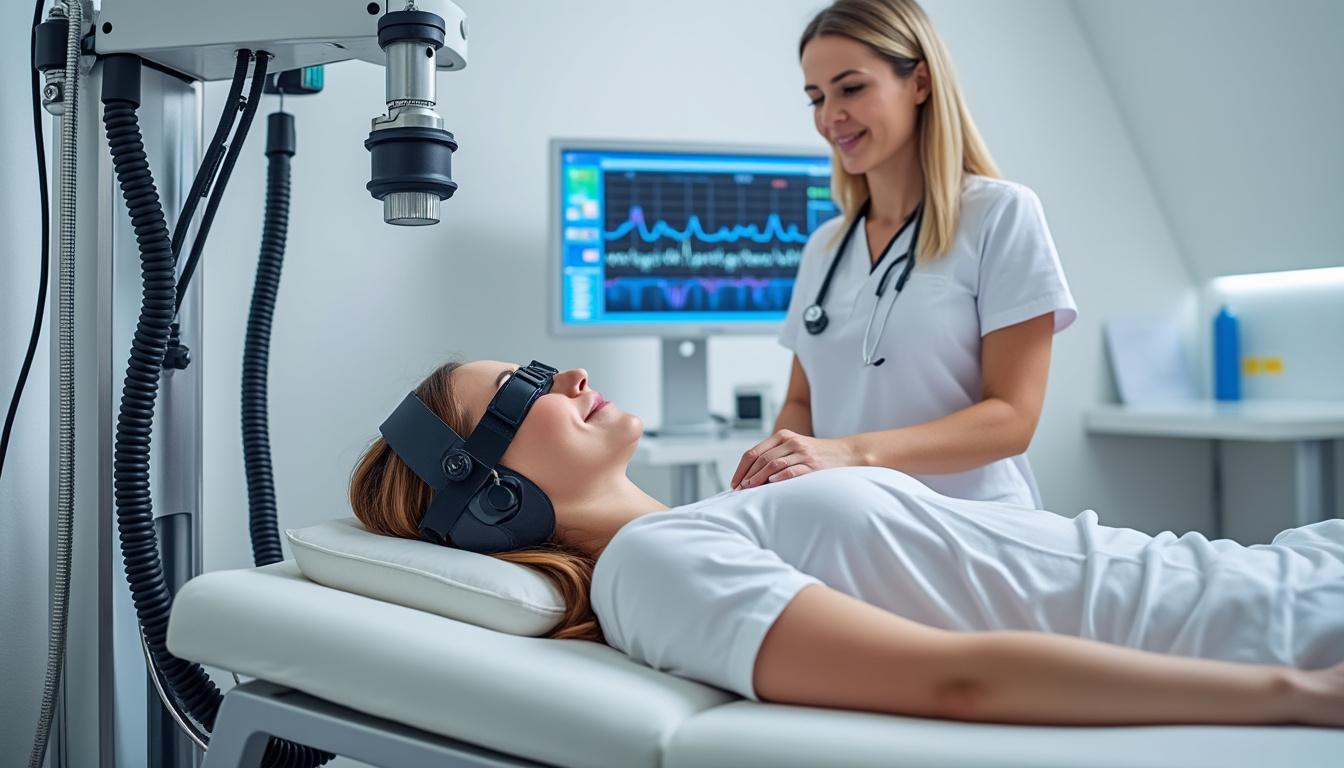
Treatment methods have similarly progressed. Techniques such as neurovertebral decompression and laser therapy target underlying structural causes non-invasively, helping restore spinal function and relieve pain without surgery. Dynamic spinal implants represent another promising frontier, correcting instability while preserving motion.
Education remains a priority in this evolving landscape. Ensuring patients understand their diagnosis and treatment options is essential for adherence and satisfaction. Platforms featuring expert content like neck pain treatment management empower individuals to participate actively in their healing journeys, supported by trustworthy guidance and personalized care.
| Innovation | Function | Clinical Benefit |
|---|---|---|
| High-resolution imaging | Visualize spinal structures | Accurate diagnosis and targeted care |
| Neurovertebral decompression | Reduce disc pressure non-invasively | Pain relief without surgery |
| Laser therapy | Stimulate tissue healing | Decrease inflammation and recovery time |
| Dynamic spinal implants | Stabilize while preserving mobility | Improved long-term spine function |
Collaborative Patient-Centered Approach: Personalized Care Plans for Neck Pain Relief
Optimal management of neck pain demands a synergistic approach that places the patient at the heart of care. With over three decades of clinical expertise, Dr. Sylvain Desforges pioneerly combines evidence-based medicine, ethical practice, and innovative technologies to tailor treatments to each individual’s unique profile.
Comprehensive evaluations assess not only physical signs but contextual factors like occupational demands, lifestyle, and psychological well-being. This enables development of holistic care plans blending spinal decompression therapy, osteopathic manipulations, ergonomic coaching, and supportive modalities.
Throughout this process, patient education and empowerment remain central. Understanding one’s condition, setting realistic goals, and actively participating in the rehabilitation journey improve satisfaction and outcomes. Collaborative team-based care environments foster supportive dialogue, allowing patients to express concerns and receive reassurance.
- Personalized assessment tailored to each patient’s history and needs
- Integration of cutting-edge technologies with manual therapies
- Continuous monitoring and adjustment of therapeutic approaches
- Patient education emphasizing realistic expectations and self-care strategies
Individuals experiencing persistent neck pain are encouraged to seek expert evaluation and consider conservative care first, reserving surgery as a last option. More details about expert care pathways can be found at trusted neck pain relief clinics.
What daily habits most contribute to neck pain?
Poor posture during work or device use, sedentary lifestyle, smoking, and inadequate sleep support are key daily habits promoting neck pain.
Can neck pain from a herniated disc be managed without surgery?
Yes, many patients experience significant relief with non-surgical approaches such as spinal decompression, osteopathic treatment, and physical therapy under expert guidance.
When should I seek professional evaluation for neck pain?
Seek medical attention if neck pain is severe, persistent beyond several days, accompanied by numbness, weakness, or radiates down the arms or legs.
How does smoking impact neck health?
Smoking reduces blood flow to spinal tissues, impairs healing capacity, and contributes to degenerative spine disorders, heightening neck pain risk.
What are effective ergonomic adjustments to prevent neck pain?
Using adjustable chairs and desks to maintain neutral posture, frequent breaks for stretching, and selecting supportive pillows like those from Tempur-Pedic and Posturepedic can prevent neck strain.