

Neck pain is a pervasive health concern that affects people worldwide, impairing daily activities and reducing quality of life. Its complexity arises from the intricate structure of the cervical spine, which supports the head’s weight while allowing a remarkable range of movement. Yet, these capabilities come with increased vulnerability to injury, degeneration, and chronic conditions. The evaluation and management of neck pain require a balanced synthesis of careful clinical investigation and cutting-edge therapeutic options. Dr. Sylvain Desforges, a recognized expert in spinal care with over 30 years of clinical experience, champions an integrative, scientifically rigorous approach to treating neck pain optimized to individual patient needs.
Exploring the multifaceted origins and manifestations of neck pain is essential in informing effective strategies. From acute muscular strains to herniated discs and degenerative arthritis, the spectrum of causes demands detailed assessment using advanced diagnostic techniques. Treatment ranges widely from conservative physical therapy, osteopathic manipulation, and innovative spinal decompression modalities to carefully selected medical interventions. Ensuring patient-centered care requires transparent communication, clear education about symptoms and options, and support throughout recovery.
Addressing this complex health problem with empathy and evidence-based methods enhances outcomes and stability for patients facing neck discomfort. This article, richly informed by Dr. Desforges’ expertise and ongoing engagement with contemporary spinal therapies, outlines the essential knowledge clinicians and patients need in 2025 to navigate diagnosis, management, and prevention of neck pain.
Understanding Neck Pain: Causes, Symptoms, and Clinical Significance
The cervical spine’s anatomy underpins the diversity of neck pain causes. It consists of vertebrae, intervertebral discs, muscles, ligaments, nerves, and vascular structures—all potential sources of discomfort. Neck pain may vary from mild stiffness to severe pain with neurological implications. Common causes include:
- Muscle, tendon, or ligament injury often resulting from sudden trauma or chronic strain.
- Herniated cervical discs, where the disc material protrudes, compressing adjacent nerve roots.
- Osteoarthritis and rheumatoid arthritis, leading to joint inflammation and degeneration.
- Cervical disc degeneration due to age or repetitive mechanical stress.
- Congenital abnormalities affecting vertebral stability or alignment.
- Neoplastic processes such as tumors impacting spinal structures.
Symptoms frequently seen with neck pain include tenderness, sharp or burning sensations, stiffness, muscle spasms, and sometimes neurological signs like tingling or weakness in the upper limbs. These signs imply potential nerve involvement requiring precise assessment.
Given this complexity, accurate diagnosis is indispensable. Dr. Sylvain Desforges emphasizes comprehensive evaluations that combine thorough history-taking, physical examination, and state-of-the-art imaging or electrophysiological tests. Diagnostic tools include:
- X-rays, revealing bony changes and alignment issues.
- MRI scans, providing detailed images of soft tissues, discs, and nerve structures.
- EMG (Electromyography) to assess nerve function and detect nerve damage.
- Blood tests to identify inflammatory or systemic diseases.
| Cause | Typical Symptoms | Diagnostic Method | Potential Impact |
|---|---|---|---|
| Muscle strain | Localized tenderness, stiffness | Physical exam | Temporary pain, reduced range of motion |
| Herniated disc | Sharp radiating pain, numbness | MRI, EMG | Nerve compression, possible weakness |
| Osteoarthritis | Chronic stiffness, joint pain | X-ray, MRI, blood tests | Joint degradation, chronic pain |
| Cervical disc degeneration | Gradual neck stiffness, pain | MRI | Losing spinal flexibility |
| Congenital abnormalities | Variable; sometimes asymptomatic | Imaging studies | Spinal instability, neurological risk |
Understanding these diverse factors and their influence on neck pain facilitates targeted, effective treatments that Dr. Desforges incorporates into his clinical practice.

Advanced Diagnostic Strategies in Evaluating Neck Pain
Correct diagnosis is the cornerstone of successful neck pain management. Dr. Sylvain Desforges advocates for a meticulous, evidence-driven diagnostic process that integrates clinical acumen with the latest technology.
Provided the wide-ranging potential causes, the differential diagnosis of neck pain must consider mechanical, neurological, inflammatory, and systemic conditions. Structured history-taking probes symptom onset, pattern, aggravating and alleviating factors, and previous treatments, forming the foundation for examination.
Diagnostic imaging plays a pivotal role:
- X-ray imaging uncovers vertebral alignment, degenerative changes, and congenital malformations.
- MRI scanning remains the gold standard for soft tissue visualization, essential for assessing disc herniations, nerve root irritation, and ligament integrity.
- CT scans provide detailed bone imaging when complex fractures or tumors are suspected.
- EMG testing evaluates muscle innervation and nerve functionality, helping distinguish between nerve root and muscle problems.
Laboratory tests assist in recognizing inflammatory causes such as rheumatoid arthritis or infections. Combining these diagnostic tools renders a comprehensive clinical picture.
Dr. Desforges’ extensive clinical expertise enables nuanced interpretation beyond test results, integrating patient-specific factors to determine the most appropriate management pathways. For instance, identifying patients who may benefit from advanced spinal decompression therapy versus those requiring multidisciplinary rehabilitation exemplifies this tailored approach.
| Diagnostic Tool | Primary Use | Advantages | Limitations |
|---|---|---|---|
| X-ray | Bone alignment, osteoarthritis detection | Widely accessible, quick | Limited soft tissue detail |
| MRI | Soft tissue, discs, nerve roots | Highly detailed, non-invasive | Higher cost, availability may vary |
| CT Scan | Bone fracture, complex anatomy | Detailed bone imaging | Radiation exposure |
| EMG | Neurological assessment | Functional nerve testing | Invasive, uncomfortable |
| Blood tests | Identify systemic disease | Non-invasive, broad screening | Non-specific results |
For more detailed insights regarding diagnosis, consider research on diagnostic techniques for neck pain in contemporary clinical practice.
Conservative Treatment Approaches for Neck Pain Relief and Recovery
Effective management must begin with conservative, non-invasive therapies. Dr. Sylvain Desforges strategically prioritizes treatments designed to alleviate symptoms, promote healing, and restore function without surgery where feasible.
Common non-surgical interventions include:
- Physical therapy focusing on tailored exercises for strengthening, flexibility, and posture correction.
- Osteopathic manipulation to address spinal alignment, joint mobility, and soft tissue restrictions.
- Use of supportive devices such as neck braces or ComfyMed cervical collars to stabilize and reduce strain temporarily.
- Topical and oral medications including anti-inflammatory agents and analgesics, supported by products like Biofreeze, Salonpas, and Sombra for localized pain relief.
- Modalities such as massage therapy and heat/cold therapy to reduce muscle tension and inflammation.
- Ergonomic adjustments in daily activities and workspace setup to prevent aggravating neck strain.
Patients benefit from education emphasizing posture, avoidance of harmful movements, and gradual return to normal activities. Particularly, use of TheraBand exercises has gained prominence for strengthening scapular stabilizers and cervical musculature.
| Conservative Treatment | Indications | Mechanism | Expected Outcomes |
|---|---|---|---|
| Physical therapy | Mild-to-moderate neck pain without red flags | Improves strength and mobility | Pain reduction, functional improvement |
| Osteopathic manipulation | Mechanical neck pain | Restores joint function | Decreased stiffness and pain |
| Topical analgesics (Biofreeze, Salonpas) | Localized muscle pain | Reduces inflammation and discomfort | Temporary symptom relief |
| Neck brace (ComfyMed) | Acute injury or post-procedural support | Immobilizes cervical spine | Decrease in movement-induced pain |
| Ergonomic measures | Chronic strain prevention | Posture correction | Reduced recurrent pain |
Adopting these treatments early can prevent progression to chronic pain states. Dr. Desforges’ clinic integrates these modalities within a comprehensive care plan, tailored through careful evaluation and patient preferences.
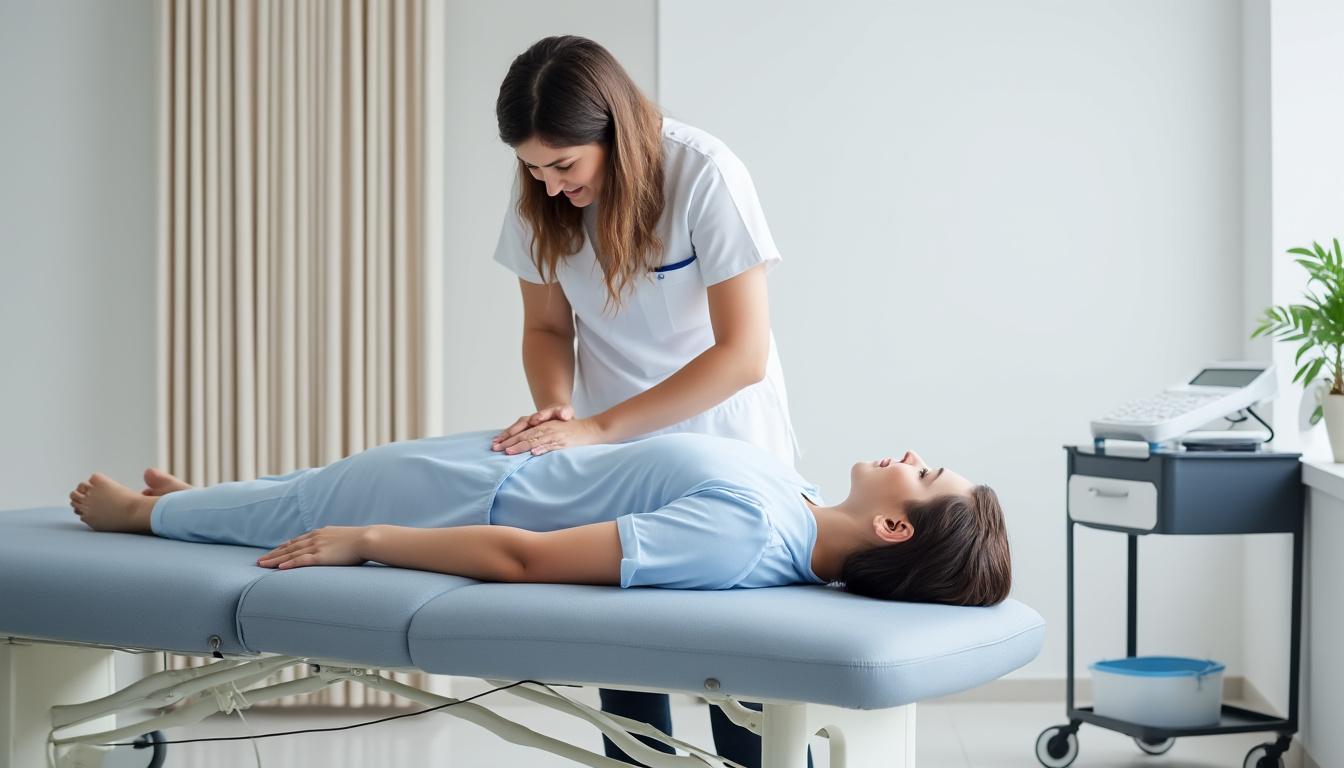
Innovative Spinal Decompression Therapy and Its Role in Neck Pain Treatment
Among the advancements transforming neck pain management today, spinal decompression therapy stands out. Dr. Sylvain Desforges is a pioneer in employing this advanced technology, enhancing non-surgical options for patients with herniated discs and nerve compression.
Spinal decompression therapy uses computer-controlled traction to gently stretch the cervical spine, alleviating pressure on discs and nerves while promoting nutrient exchange and healing. This option offers several advantages:
- Non-invasive and safe, reducing the risks associated with surgery.
- Targeted relief for disc herniations and nerve root impingement.
- Facilitates tissue repair by enhancing blood flow and spinal mechanics.
- Comfortable, patient-friendly procedures that can be integrated with osteopathic techniques.
Patients undergoing spinal decompression therapy at Clinique TAGMED experience personalized treatment plans driven by Dr. Desforges’ extensive expertise. This therapy often complements rehabilitative exercises and manual manipulation to optimize outcomes.
| Feature | Description | Clinical Benefit |
|---|---|---|
| Technology | Computerized traction and monitoring | Precise force application, increased safety |
| Therapeutic effect | Reduction of disc pressure and inflammation | Decreased pain and improved mobility |
| Treatment schedule | Multiple sessions over weeks | Gradual, sustained improvement |
| Integration | Combined with osteopathy and physical therapy | Enhanced overall functional recovery |
To explore in greater detail the benefits of this approach, see the featured article on treating chronic neck pain with spinal decompression.
Medical Interventions and Their Place in Neck Pain Management
When conservative treatments do not yield sufficient relief, selective medical interventions become necessary. Dr. Sylvain Desforges emphasizes judicious use of pharmacological agents and other procedures adhering strictly to evidence-based guidelines and patient safety regulations.
Key medical options include:
- Nonsteroidal anti-inflammatory drugs (NSAIDs) such as ibuprofen or naproxen, to reduce pain and inflammation.
- Analgesics like acetaminophen for mild to moderate pain management.
- Topical analgesics including Biofreeze and Icy Hot, providing localized symptom relief without systemic effects.
- In some cases, corticosteroid injections to address nerve root inflammation.
Pharmacological management is part of a comprehensive approach rather than sole treatment, ideally combined with physical therapies and lifestyle modifications. Furthermore, Dr. Desforges’ practice maintains close monitoring to minimize side effects and adjust therapies precisely.
| Medication/Procedure | Indication | Mechanism | Considerations |
|---|---|---|---|
| NSAIDs | Moderate pain and inflammation | Inhibit prostaglandin synthesis | Caution in patients with gastrointestinal or renal issues |
| Acetaminophen | Mild pain relief | Central pain modulation | Safe but toxicity risk if overdosed |
| Topical agents (Icy Hot, Biofreeze) | Localized muscle pain | Counter-irritation and analgesia | Minimal systemic absorption |
| Corticosteroid injections | Nerve root inflammation | Anti-inflammatory effect | Limited frequency; risks if overused |
These measures are undertaken within the framework of patient-specific evaluations, always prioritizing long-term safety and functional recovery.
Ergonomics and Lifestyle Modifications for Neck Pain Prevention and Management
Preventing neck pain recurrence is a critical component in management. Dr. Desforges advocates effective ergonomic strategies and lifestyle changes that empower patients to sustain cervical health over time.
Simple yet impactful interventions include:
- Maintaining proper posture while sitting, standing, and using electronic devices.
- Adjusting workstation ergonomics including chair height, monitor placement, and keyboard alignment.
- Incorporating regular breaks during repetitive neck movements or prolonged positions.
- Implementing daily neck and shoulder strengthening exercises using tools like TheraBand resistance bands.
- Using supportive and comfortable bedding such as Tempur-Pedic pillows which promote healthy cervical alignment during sleep.
These modifications not only aid recovery but are essential in reducing future injury risk and sustaining pain relief achieved by therapy.
| Ergonomic Change | Benefit | Example Tools or Aids |
|---|---|---|
| Proper seated posture | Reduced cervical strain | Ergonomic chairs, Fellowes lumbar support |
| Monitor placement at eye level | Prevents forward head posture | Adjustable monitor stands |
| Regular activity breaks | Prevents muscular fatigue | Timer reminders |
| Exercise with TheraBand | Strengthens neck and shoulder muscles | TheraBand resistance bands |
| Proper sleep support | Maintains cervical curve | Tempur-Pedic pillows |
Long-term adherence to ergonomic and lifestyle best practices reduces dependency on medical treatments and fosters optimal spinal health.

Integrating Multidisciplinary Care in Neck Pain Management
Addressing neck pain effectively often requires collaboration across various healthcare disciplines. Dr. Sylvain Desforges promotes an interdisciplinary approach incorporating osteopathy, physiotherapy, pain management, and patient education, ensuring a holistic care paradigm.
Such integrated care involves:
- Osteopathic assessment and manipulation to optimize spinal mechanics.
- Physical therapy for tailored muscle strengthening and mobility enhancement.
- Pain management specialists for pharmacological guidance and procedural interventions.
- Patient education and psychosocial support to promote adherence and psychological well-being.
Clinique TAGMED embodies this comprehensive philosophy, led by Dr. Desforges, delivering personalized treatment plans based on rigorous evaluation.
| Discipline | Role in Management | Key Contributions |
|---|---|---|
| Osteopathy | Restore joint and tissue function | Improved alignment, pain relief |
| Physical Therapy | Enhance strength and mobility | Functional rehabilitation |
| Pain Management | Optimize medication and interventions | Effective symptom control |
| Patient Education | Empower patient self-care | Better compliance and outcomes |
This multidimensional care model ensures that every patient’s unique presentation guides therapeutic choices, fostering sustainable recovery and improved quality of life.
Patient Empowerment and Education: Clear Guidance on Neck Pain Management
Empowering patients with accessible, clear information is fundamental in managing neck pain effectively. Dr. Desforges prioritizes communication that demystifies complex spinal conditions and treatment options.
Patients learn best when explanations avoid medical jargon and emphasize personalized pathways:
- Understanding the causes of neck pain and recognizing warning signs.
- Clear descriptions of conservative and advanced treatments, outlining benefits and limitations.
- Guidance on lifestyle and ergonomic adjustments that support recovery and prevention.
- Encouragement to participate actively in their care decisions, fostering confidence and adherence.
For individuals seeking to deepen their knowledge on causes, symptoms, and intervention strategies, resources such as causes of neck pain and detailed symptom outlines assist informed decision-making.
| Topic | Patient Benefit | Communication Approach |
|---|---|---|
| Causes of neck pain | Increases awareness | Simple, illustrated explanations |
| Symptoms recognition | Timely healthcare seeking | Clear lists and scenarios |
| Treatment overview | Reduces anxiety | Comparative descriptions, FAQs |
| Lifestyle modifications | Empowers self-management | Step-by-step guidance |
When to Seek Professional Evaluation and Key Preventive Strategies
Prompt evaluation is essential when neck pain persists beyond expected recovery timelines or is accompanied by neurological symptoms such as arm weakness or tingling. Early consultation helps prevent chronic disability. Dr. Desforges endorses proactive care emphasizing these signals:
- Neck pain lasting more than several weeks despite conservative care.
- Progressive neurological deficits like numbness, weakness, or coordination loss.
- Severe pain unresponsive to over-the-counter options.
- History of trauma or systemic symptoms like unexplained weight loss or fever.
Preventive measures focus on modifiable risk factors, including:
- Regular exercise targeting neck and upper back muscles.
- Ergonomic workplace setup.
- Use of suitable pain relief adjuncts like CryoDerm or Tiger Balm to manage flare-ups safely.
- Avoidance of prolonged poor postures, especially when using digital devices.
| Situation | Action Recommended | Benefits |
|---|---|---|
| Persistent neck pain | Consult expert evaluator | Identify underlying cause, tailor treatment |
| Neurological symptoms | Urgent evaluation | Prevent nerve damage |
| Work-related strain | Ergonomic adjustments | Reduce recurrence |
| Early symptom flare-up | Use topical therapies like Icy Hot | Manage pain, improve comfort |
Contacting a clinic with specialized expertise such as TAGMED, where targeted, individualized evaluations are accessible, can effectively initiate a patient’s recovery journey.
What are common causes of neck pain?
Neck pain commonly arises from muscle strain, herniated discs, arthritis, cervical disc degeneration, congenital abnormalities, and sometimes tumors affecting spinal structures.
How is neck pain diagnosed?
Diagnosis involves detailed history-taking, physical exam, and imaging tests such as X-rays, MRI, CT scans, and electromyography to evaluate the underlying cause of pain.
What treatments are available for neck pain?
Treatment ranges from conservative methods like physical therapy, osteopathic manipulation, and topical analgesics to advanced therapies including spinal decompression and medical interventions such as NSAIDs or corticosteroid injections.
When should I seek medical care for neck pain?
Seek care if neck pain is severe, persistent, accompanied by neurological symptoms, or if it follows trauma or systemic signs. Early evaluation aids prevention of worsening conditions.
Can lifestyle changes help prevent neck pain?
Yes, maintaining ergonomic work and living environments, practicing proper posture, engaging in regular exercise with tools like TheraBand, and using supportive bedding can minimize neck pain risk.