Herniated Disc in Rosemont–La Petite-Patrie: Your Essential FAQ on Neurovertebral Decompression and Treatment Options
November 20, 2025
Unveiling the Hidden Benefits of Comprehensive Preoperative Assessment
November 21, 2025
Recovering from back surgery presents a multifaceted challenge, especially for Quebec patients often navigating transatlantic healthcare pathways between Canada and France. The delicate interplay of postoperative care, pain management, physical therapy, and patient education directly influences back surgery recovery outcomes. Understanding the complexities of spinal surgery aftercare amid Quebec health guidelines, and the collaborative medical networks involved, empowers patients to take control of their healing journey. Mitigating risks such as wound complications and mobility setbacks requires thorough attention to postoperative care essentials and a proactive approach to complication prevention.
This comprehensive guide elucidates the tailored care pathways for Quebec patients undergoing back surgery, integrating advanced neuromodulation techniques, precise wound care instructions, and structured mobility exercises. It spotlights the collaboration between local and international healthcare entities to optimize patient support, underscoring the importance of personalized strategies ranging from immediate postoperative interventions to long-term physical rehabilitation. Grounded in the latest clinical protocols and enriched by expert insights, this resource navigates the intricate post-surgical landscape to aid patients in achieving a smooth, efficient recovery and enhancing their quality of life.
Structured Postoperative Care Protocols Aligned with Quebec Health Guidelines
Effective postoperative care after back surgery forms the cornerstone of a successful recovery. Quebec health guidelines emphasize a structured, multiphase approach tailored to the patient’s unique surgical procedure and overall health status. Early engagement in spinal surgery aftercare prioritizes pain management and wound care to minimize infection risk and enhance tissue healing.
Initial postoperative protocols commonly include:
- Pain management: Utilization of multimodal analgesia incorporating opioids, non-steroidal anti-inflammatory drugs, and adjunctive neuromodulation therapies such as repetitive Transcranial Magnetic Stimulation (rTMS) to address both acute nociceptive and chronic neuropathic pain pathways.
- Wound care: Strict aseptic dressing changes, incision monitoring for signs of infection or drainage, and patient education to recognize early warning symptoms.
- Mobility exercises: Guided initiation of gentle physical therapy activities within 24-48 hours post-surgery to counteract immobility risks including deep vein thrombosis and muscle atrophy, respecting the limits dictated by the type of surgery performed.
- Complication prevention: Vigilant monitoring for neurological deficits, hematomas, or other postoperative complications, supported by regular clinical assessments and imaging when indicated.
The pragmatic design of these protocols stems from extensive analysis of surgical outcomes within Quebec and international standards, promoting a patient-centered model. This structured approach is supported by resources such as essential postoperative care guidelines and expert advice on back surgery recovery, which meticulously address these themes within the scope of Quebec health frameworks.
Multidisciplinary teams coordinate to balance effective pain control while encouraging early mobilization, a synergy critical to optimizing functional restoration and preventing common pitfalls in spinal postoperative care. This cohesive strategy fosters patient confidence, equips them to take an active role in their rehabilitation, and aligns with provincial health objectives to reduce hospital readmissions and enhance long-term spinal health.

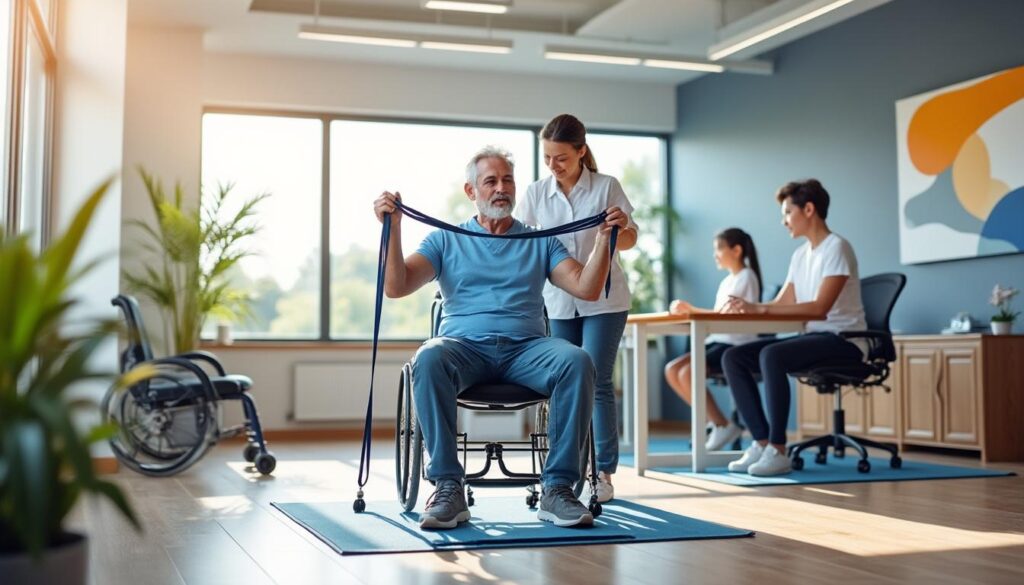
Can Rehabilitation and Return to Work Prevent the Need for Surgery?
In the constantly evolving landscape of spinal healthcare, patients and practitioners alike grapple with a pivotal question: can the rigorous pathways of rehabilitation and structured return to work reduce or even eliminate the need for surgical intervention? The answer, as…
Exploring the Overlooked Benefits of Spine Surgery in France
Spinal disorders are a significant health concern for many patients worldwide, yet the solutions and benefits of spine surgery often remain underappreciated. France, with its advanced healthcare infrastructure and pioneering surgical techniques, has emerged as a noteworthy destination for patients…
Phases and Key Steps in Back Surgery Recovery for Quebec Patients
Back surgery recovery unfolds in clearly delineated phases, each demanding distinct care priorities and tailored interventions. Quebec patients benefit from understanding this phased timeline combined with specialized support programs to maximize outcomes.
The major postoperative phases include:
- Immediate postoperative phase (0-2 weeks): Focused on pain modulation, wound healing, and initiation of gentle mobility exercises. Strict adherence to wound care guidelines and close clinical observation are critical to detect early complications.
- Subacute phase (2-6 weeks): Introduction of targeted physical therapy protocols emphasizing gradual strengthening, flexibility, posture correction, and reduction of inflammation. This period also includes patient education on activity modification and lifestyle adaptation.
- Rehabilitation and reintegration phase (6 weeks to 3 months and beyond): Advanced physical therapy integrating mobility exercises tailored to surgical type (simple decompression, motion preservation, or spinal fusion), gradual return to occupational and sport activities, and continuous pain management including innovative neuromodulation when indicated.
For illustration, the recovery trajectory varies markedly depending on the surgical intervention type. For example, after a simple decompression surgery, patients commence mobilization rapidly and progressively enhance activity tolerance, while spinal fusion patients experience a more cautious progression necessitating brace support and extended physical rehabilitation.
| Type of Surgery | Phase 1 (0-2 weeks) | Phase 2 (2-6 weeks) | Phase 3 (6 weeks – 3 months) |
|---|---|---|---|
| Simple Decompression | Pain control, early mobilization, wound monitoring | Gradual physical activity increase, re-education start | Return to daily activities, work adjustment |
| Motion Preservation Surgery | Gentle mobilization, inflammation control | Targeted strengthening, neurofunctional stimulation | Sport resumption, performance evaluation |
| Spinal Fusion | Relative rest, brace usage, pain management | Soft physiotherapy, neurofunctional supervision | Intensive rehabilitation, full reintegration |
This structured timeline is congruent with expert recommendations from key elements in the care pathway and has been adapted by Quebec caregivers according to local health system capabilities and patient expectations. Close, ongoing monitoring by specialized teams ensures adjustment of therapeutic measures, enabling early detection of potential complications such as post-laminectomy syndrome.
Cousin Spine Technology and Franchir: Transforming Surgical Decision-Making
In recent years, the integration of advanced medical technologies has dramatically shifted how spinal surgeries are planned, performed, and managed. Among the transformative developments, the alliance between Cousin Spine Technology and Franchir stands out as a pioneering force redefining surgical…
Insights from Research on Preventing Post-Laminectomy Syndrome
Post-Laminectomy Syndrome (PLS), a chronic pain condition arising after spinal surgery, remains a formidable challenge in spinal surgery and pain management. Despite advances in surgical techniques, a significant subset of patients continues to experience persistent neuropathic pain and functional limitations,…
Innovations in Pain Management: The Role of Neuromodulation and rTMS
Addressing postoperative pain remains one of the most challenging aspects in back surgery recovery. Aside from traditional pharmacological approaches, neuromodulation offers promising advances, particularly via repetitive Transcranial Magnetic Stimulation (rTMS). Under expert guidance, including services offered by Neurothérapie Montréal, rTMS is being integrated into postoperative care to attenuate chronic pain conditions resistant to conventional therapies.
By targeting specific cerebral regions involved in pain processing, rTMS facilitates the modulation of neuronal activity, reducing pain intensity and improving patients’ mood and psychological resilience. This is especially vital in cases of neuropathic pain typically observed in post-laminectomy syndrome. Additionally, rTMS complements physical therapy, enhancing neuroplasticity and functional recovery.
- Main indications of rTMS post-surgery: Chronic post-surgical pain, neuropathic symptoms, depression, and anxiety associated with the recovery process.
- Benefits include: Significant pain reduction, diminished reliance on opioids, mood stabilization, and better overall quality of life.
These benefits align with the observations documented in recent studies and clinical reviews such as those found on neuromodulation application in spine surgery. The seamless coordination of rTMS treatments with physical therapy exemplifies a holistic recovery program increasingly adopted within Quebec’s specialized centers.
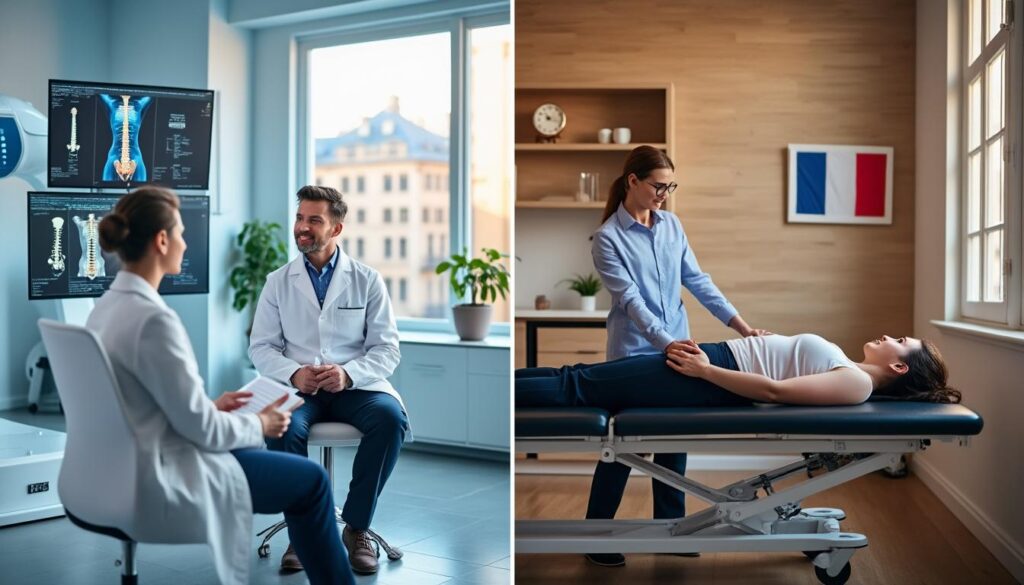
International Comparison: Spotlight on Spine Care Practices Between France and Quebec
The growing emphasis on spine health in Quebec has spotlighted the value of international collaboration in advancing patient care. With the challenges of prolonged wait times and high private care costs in Quebec, France emerges as an attractive alternative, boasting…

Medical Logistics and Accommodation: Central Pillars in the Patient Care Journey
In the evolving landscape of global healthcare, the interplay between medical logistics and patient accommodation has become a cornerstone for effective and patient-centric care delivery. This synergy is particularly evident in the management of international patient journeys, where cross-border coordination,…
Recovery Timelines and Activity Resumption Specific to Quebec Patients
The timeline for resuming activities after back surgery varies depending on the surgical type, patient health, and rehabilitation progress. Quebec patients particularly benefit from tailored calendar recommendations that consider their local lifestyle and occupational contexts, balancing recovery demands with quality of life.
A practical activity schedule includes:
- Walking: Initiated within 1-2 days for simple surgeries to prevent thromboembolic complications; introduced progressively for fusion patients.
- Return to work: Generally 4-6 weeks after simple procedures; longer for fusion surgeries, often 8-12 weeks.
- Sporting activities: Low-impact activities recommended after 6-10 weeks, with high-impact sports withheld until 3-9 months postoperatively, considering surgical specifics.
| Activity | Simple Surgery | Motion Surgery | Spinal Fusion |
|---|---|---|---|
| Walking | 1-2 days postop | 2-3 days gentle mobilization | Progressive from 1 week postop |
| Work Resumption | 4-6 weeks | 4-8 weeks based on workload | 8-12 weeks approximately |
| Low-Impact Sport | 6-8 weeks | 6-10 weeks gentle activity | 10-12 weeks or more |
| High-Impact Sport | 3-6 months | 3-6 months as tolerated | 6-9 months minimum |
This progressive resumption is guided carefully by multidisciplinary clinicians. Patients are regularly encouraged to interpret their own physical signals and work closely with rehabilitation specialists. Such vigilance considerably reduces the likelihood of setbacks and expedites a safe return to normalcy, as emphasized in transformative postoperative care approaches for Quebec patients.
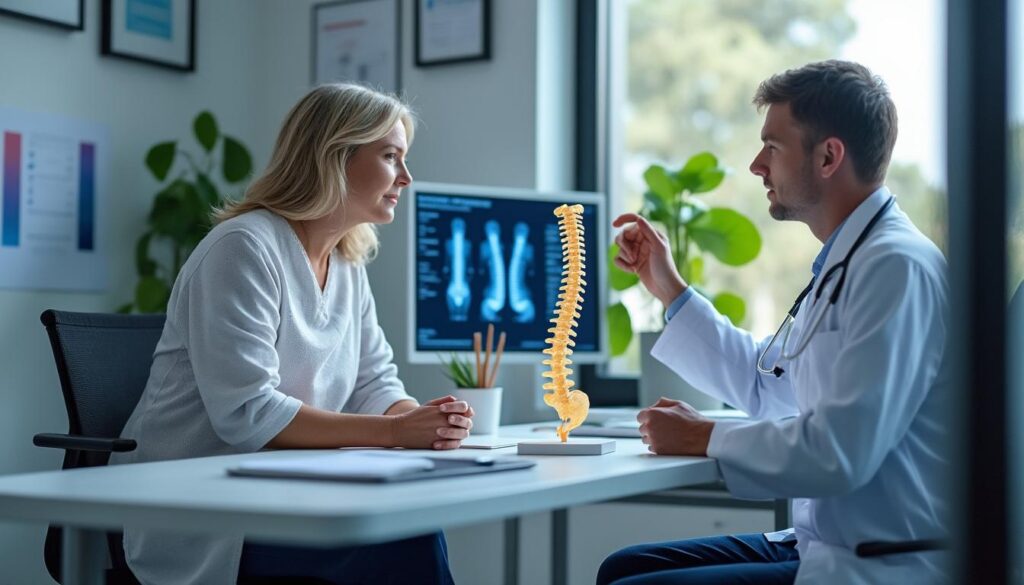
Comprehensive Guide to Eligibility Criteria for Back Surgery
The decision to undergo back surgery involves numerous complex considerations that extend beyond the presence of spinal discomfort. Through an international collaboration between healthcare experts in Quebec and France, patients facing severe spine conditions now have access to advanced surgical…
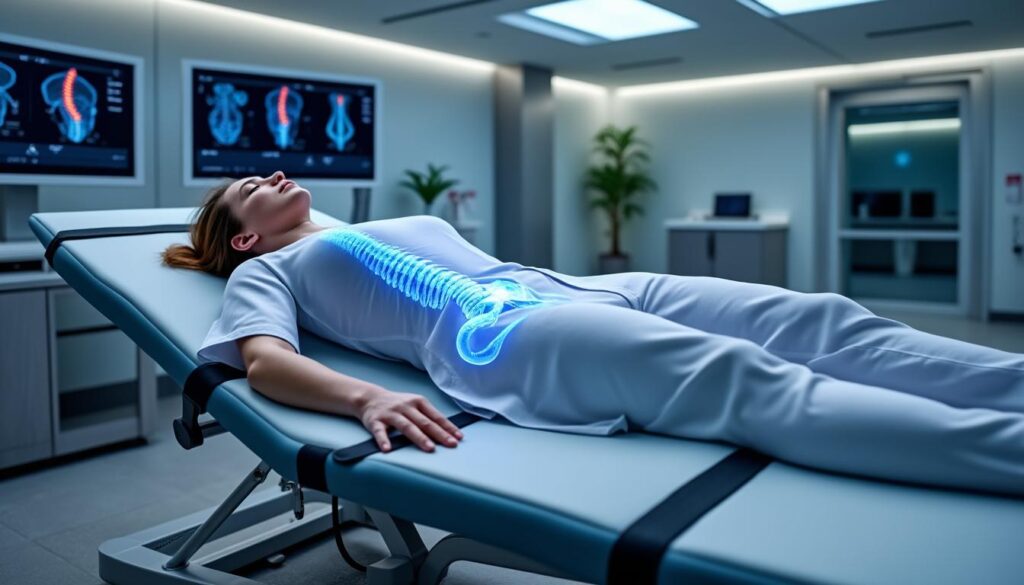
Unveiling the Hidden Benefits of Neurovertebral Decompression Therapy
Chronic back and neck pain remain pervasive health issues impacting millions, often leading to debilitating effects on daily life and overall well-being. Traditional management strategies frequently fall short due to lengthy wait times, high costs, or invasive procedures. Amid this…
Transatlantic Collaboration Enhancing Patient Experience and Continuity of Care
For Quebec patients undergoing back surgery in France, ensuring seamless care transitions necessitates an international collaboration enriched by robust communication and shared protocols. Key partnerships involve Neurothérapie Montréal, Franchir, and SOS Tourisme Médical, collectively addressing preoperative preparation, travel logistics, surgical coordination, and comprehensive postoperative follow-up.
Franchir serves a pivotal role by guiding patients to the most appropriate surgical centers in France and coordinating logistical details including accommodation and medical appointments. SOS Tourisme Médical enhances patient understanding of surgical techniques, eligibility criteria, and administrative requirements, aiming to eliminate barriers and reduce anxiety.
- Neurothérapie Montréal: Provides personalized postoperative neurofunctional assessments, pain management through rTMS, and rehabilitation programs tailored to each patient’s surgical profile.
- Integrated medical records: Coordinated exchange between French providers and Quebec teams ensures continuous monitoring, effective complication prevention, and adaptation of therapies based on evolving patient status.
This transatlantic collaboration exemplifies healthcare globalization serving patient-centric goals. It assures Quebec patients access to cutting-edge spinal surgery treatments complemented by expert aftercare tailored to their sociocultural environment. Further details on the collaborative benefits are elucidated in informative resources covering transatlantic patient journeys in healthcare outcomes.
Customized Rehabilitation and Support Services Offered by Neurothérapie Montréal
Postoperative spinal rehabilitation in Quebec increasingly hinges on Neurothérapie Montréal’s integration of physical therapy, neuromodulation, and psychological support. This multifaceted approach responds directly to common postoperative challenges such as persistent pain, limited mobility, and emotional distress.
The center’s rehabilitation programs include:
- Individualized physical therapy: Tailored sessions focusing on muscle strengthening, posture correction, and restoration of spine flexibility, carefully adapted to surgery type and patient tolerance.
- Advanced neuromodulation: rTMS and other neuromodulation methods for management of neuropathic pain and mood stabilization.
- Psychological support: Counseling and cognitive behavioral therapy aimed at mitigating anxiety, depression, and enhancing coping mechanisms during recovery.
- Continuous functional monitoring: Regular neurofunctional assessments enable dynamic adjustment of therapeutic interventions and early detection of complications.
For illustration, a typical case involved a patient recovering from motion-preserving surgery who achieved sporting activity resumption within 10 weeks through this combined framework. The synergy of physical and neurological therapies fostered pain relief and psychological well-being, aligning with the recommendations found on must-haves for back surgery recovery.

Practical Patient Education: Navigating Post-Operative Care and Preventing Complications
Comprehensive patient education constitutes a vital component in postoperative success, empowering Quebec patients with knowledge about self-care, recognizing signs of complications, and adhering to prescribed regimens. Key educational points encompass:
- Wound care management: Proper incision hygiene, monitoring for redness, swelling, or discharge, and timely communication with healthcare providers upon symptom emergence.
- Activity guidelines: Clear instructions on mobility exercises, posture maintenance, lifting restrictions, and gradual activity escalation to minimize injury risk.
- Pain and medication adherence: Understanding pain control strategies, safe medication use, and side-effect prevention.
- Complication awareness: Identification of warning signs such as persistent fever, new neurological symptoms, or sudden pain exacerbation leading to urgent consultation.
The educational material must be accessible, culturally sensitive, and integrated into ongoing clinical interactions. Supporting resources from hospitals and medical platforms, like the detailed patient guide from Montreal General Hospital, provide concrete frameworks promoting informed and proactive postoperative care.
Phases of Post-Operative Back Surgery Recovery
What are warning signs to watch after back surgery?
Severe unrelieved pain, persistent fever, loss of sensation, or muscle weakness require immediate medical evaluation to prevent serious complications.
How long is typical recovery after back surgery?
Recovery duration varies widely, from weeks after decompression surgery to several months following spinal fusion, with gradual resumption of activities tailored to individual cases.
How does rTMS help manage post-operative pain?
rTMS modulates brain activity involved in pain perception, significantly reducing chronic and neuropathic pain while improving mood and reducing anxiety symptoms.
What advice can Quebec patients preparing for surgery in France follow?
Prepare travel and medical documents carefully with the assistance of service providers like Franchir, adhere strictly to preoperative guidelines, and arrange for comprehensive postoperative follow-up with Neurothérapie Montréal.
What exercises are recommended during post-operative recovery?
Progressive mobilization, muscle strengthening, and stretching exercises are recommended under professional supervision, customized based on surgical protocol and patient tolerance.