Why Spine Surgery is Highly Recommended by Experts in France
November 11, 2025
Comprehensive Guide to Preoperative Evaluation: Everything You Need to Know
November 11, 2025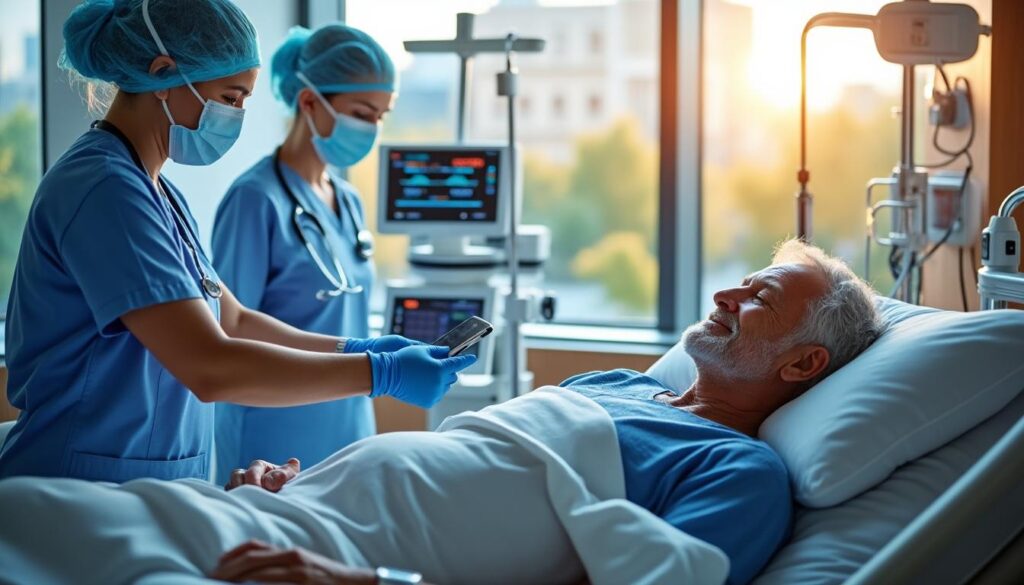
Each year, a significant number of patients from Quebec seek specialized back surgery treatment in France, drawn by advanced surgical techniques and expert medical teams. These interventions symbolize a bridge between two healthcare cultures, ensuring access to cutting-edge procedures not always readily available locally. However, the true transformation in patient outcomes arises long after the operating room, where meticulously structured post-operative care emerges as the cornerstone of successful, sustained recovery.
Integrating expert follow-up care that spans continents, professionals like Philippe Mazaltarim of Neurothérapie Montréal utilize advanced neuromodulatory therapies combined with rigorous physical rehabilitation to enable Quebec patients to regain mobility and restore quality of life efficiently and safely. This international collaboration manifests as a model of holistic health management, where precise clinical monitoring joins innovative technologies to address the complex needs of spinal surgery convalescence.
Understanding the Critical Role of Post-Operative Care in Quebec’s Back Surgery Recovery
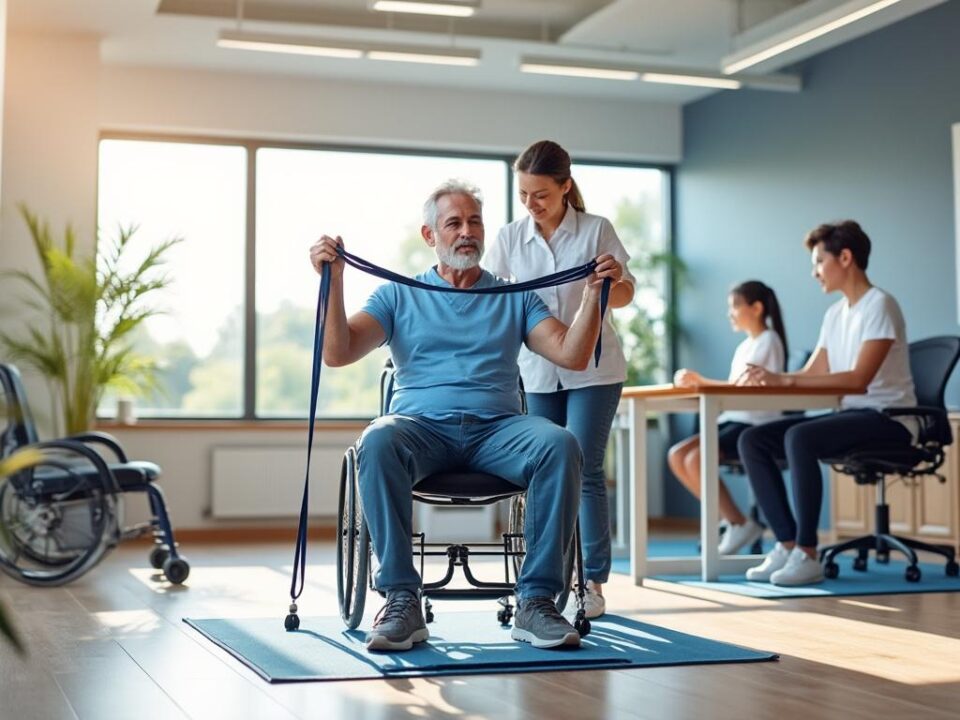
Back surgery represents a pivotal intervention for many Quebec patients suffering from spinal pathologies, yet the surgical procedure itself is just one element of the recovery journey. The post-operative care phase dictates the trajectory of healing, functional restoration, and pain management, often proving essential for long-term success. Rigorous, coordinated post-operative protocols tailored to individual surgical approaches enhance outcomes and reduce complications.
Comprehensive recovery pathways encompass continuous neurofunctional assessment, pain control strategies, targeted physical therapy, and psychological support, especially for chronic pain or mood disorders that often follow spine surgery. The application of advanced neuromodulation techniques, including repetitive transcranial magnetic stimulation (rTMS), enables modulation of neurological pathways to augment rehabilitation effects – a pioneering approach gaining traction in Canadian spinal care networks.
- Neurofunctional evaluation to monitor neurological status and adapt interventions.
- Customized pain management protocols addressing both nociceptive and neuropathic pain.
- Gradual mobilization and physical therapy tailored to surgical procedure and patient tolerance.
- Psychological support targeting anxiety, depression, and motivation during convalescence.
PostOpCareQuebec frameworks are becoming increasingly data-driven, leveraging evidence-based guidelines such as those disseminated through Enhanced Recovery Canada to streamline patient pathways efficiently. A harmonized approach significantly diminishes hospital readmission rates and fosters earlier return to daily activities or work.
| Post-Operative Care Component | Purpose | Benefit for Quebec Patients |
|---|---|---|
| Early Neurofunctional Monitoring | Identify emerging neurological deficits | Prevents long-term complications, streamlines recovery |
| Advanced Pain Management (e.g., rTMS) | Reduce neuropathic and chronic pain | Enhances comfort and functional capacity |
| Tailored Rehabilitation Protocols | Restore mobility and strength | Improves independence and quality of life |
| Psychological Interventions | Support mental well-being | Boosts adherence and recovery success |
Can Rehabilitation and Return to Work Prevent the Need for Surgery?
In the constantly evolving landscape of spinal healthcare, patients and practitioners alike grapple with a pivotal question: can the rigorous pathways of rehabilitation and structured return to work reduce or even eliminate the need for surgical intervention? The answer, as…
Adapting Post-Operative Care Protocols to Variations in Back Surgery Types for Quebec Patients
Back surgery is not a monolith but a selection of sophisticated procedures, each demanding unique post-operative strategies for optimal recovery. Quebec’s patients undergoing these interventions—ranging from simple decompressions to complex fusions or motion-preserving surgeries—benefit from care plans intricately crafted to align with surgical intricacies.
In cases such as microdiscectomies or laminectomies, commonly labeled as “simple surgeries,” post-operative care emphasizes cautious early mobilization and vigilant pain control. Missteps here may lead to complications or prolonged disability. Conversely, dynamic stabilization surgeries (Motion Preservation) with prosthetic implants impose demands for enhanced monitoring of implant stability and eventual return to physical activity, necessitating frequent evaluations combined with neuromodulation techniques to facilitate neural adaptation.
Spinal fusion patients require an even more intensive convalescence period, where osseous consolidation and posture reeducation dominate care objectives. Their regimens often include graduated physical restraint (including corset use), extensive physiotherapy, and psychological interventions to address associated mood disturbances.
- Simple surgery care: phased rest and gradual physical activity increase over 2–3 months.
- Motion Preservation follow-up: periodic implant checks and neuromodulation synergy over a 3–6 month timeline.
- Fusion recovery: longer immobilization, structured rehabilitation, and mental health attention, extending up to 12 months.
Such stratified care paradigms reflect international best practices aligned with current research. The incorporation of rTMS and sensory neuroplasticity devices like BrainPort markedly improves pain relief and functional reintegration, illustrating advances documented in clinical outcomes studies.
| Surgery Type | Average Recovery Duration | Primary Care Focus | Innovative Therapies Used |
|---|---|---|---|
| Simple Surgery (Laminectomy, Microdiscectomy) | 2-3 Months | Pain control, mobilization, complication prevention | rTMS, neurofunctional assessment |
| Motion Preservation Surgery | 3-6 Months | Implant monitoring, functional recovery | Neuromodulation, tailored rehabilitation |
| Spinal Fusion | 6-12 Months | Bone healing, psychological support, rehabilitation | rTMS, intensive follow-up |
Example Patient Experience
A middle-aged Quebec patient undergoing a dynamic disc replacement reported substantial quality-of-life improvements following a care regimen combining implant surveillance and neurostimulation, successfully returning to moderate sporting activities within 6 months. This case illustrates the importance of a personalized multidisciplinary approach leveraging Canada-France cooperation for superior BackCareSolutions.
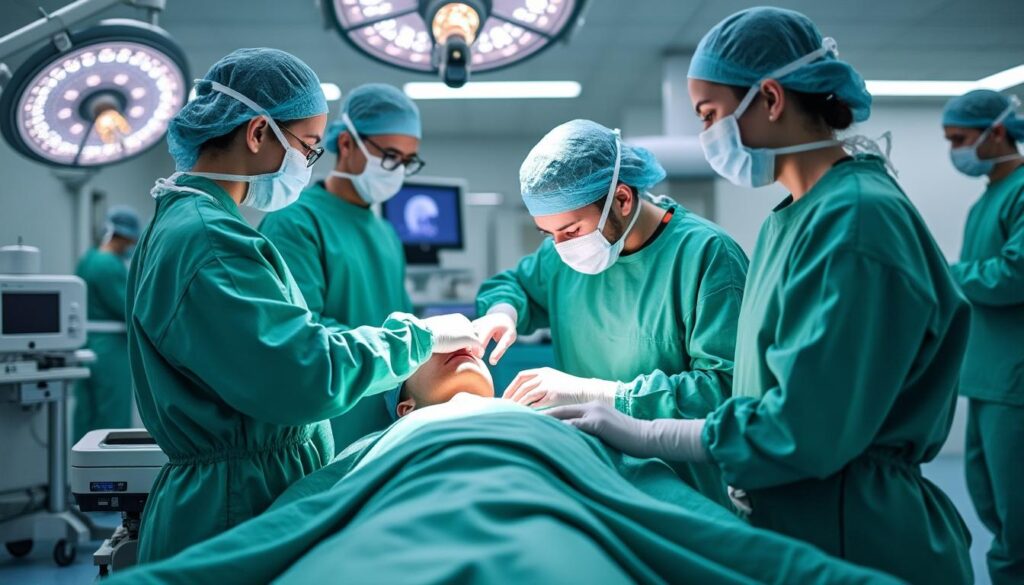
Exploring the Overlooked Benefits of Spine Surgery in France
Spinal disorders are a significant health concern for many patients worldwide, yet the solutions and benefits of spine surgery often remain underappreciated. France, with its advanced healthcare infrastructure and pioneering surgical techniques, has emerged as a noteworthy destination for patients…
Implementing Stepwise Functional Recovery Pathways for Sustainable Quebec Back Surgery Outcomes
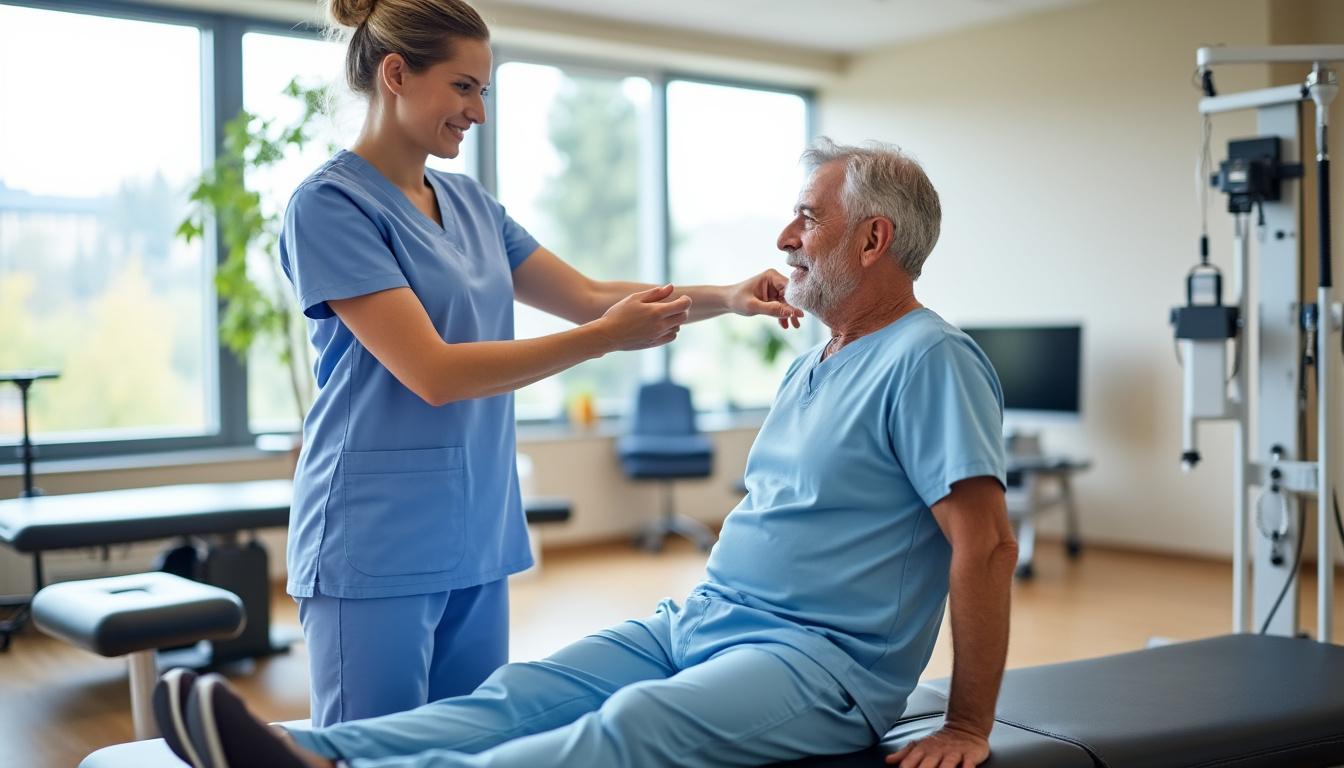
In Quebec’s growing interest in bolstering back surgery recovery, stepwise functional recovery strategies have gained prominence. These pathways prioritize graduated resumption of movement and activities, reducing risks of re-injury or postoperative complications.
The approach typically segments rehabilitation into clearly defined phases, each with tailored goals and interventions emphasizing patient safety, comfort, and functional gains. From the initial days post-surgery focusing on light movement to advanced stages engaging complex motor skills and strength, this structured progression supports holistic BackSurgeryRecovery.
Key phases in stepwise recovery include:
- Early Mobilization Phase (Days 1-14): Controlled walking, light household movement, pain management optimization.
- Intermediate Rehabilitation Phase (Weeks 3-8): Progressive strengthening exercises, posture training, introduction to low-impact activity.
- Advanced Conditioning Phase (Months 3-6): Functional training targeting return to work and recreational activities.
- Maintenance Phase (Beyond 6 Months): Continued physical activity with surveillance and prevention education.
Studies such as those shared through BackSurgeryRecovery research emphasize the clinical effectiveness of this methodology. Include postoperative neuromodulation adjuncts to optimize neuroplasticity and pain control further enhancing citizens’ autonomy and satisfaction.
| Recovery Phase | Timeframe | Main Objectives | Interventions |
|---|---|---|---|
| Early Mobilization | Days 1-14 | Prevent stiffness, initiate safe movement, control pain | Pain management, short walks, posture education |
| Intermediate Rehabilitation | Weeks 3-8 | Improve strength and postural control | Physiotherapy, neuromodulation sessions |
| Advanced Conditioning | Months 3-6 | Functional independence, resumption of work and sport | Graduated exercises, occupational therapy support |
| Maintenance | 6+ Months | Long-term mobility and health preservation | Regular monitoring, physical activity encouragement |
Building patient adherence to each step through education and support, including remote monitoring and timely interventions, are key determinants of success. This patient-centric model exemplifies QuebecRecoverySupport and truly revolutionizes traditional BackHealingExperts roles.
Cousin Spine Technology and Franchir: Transforming Surgical Decision-Making
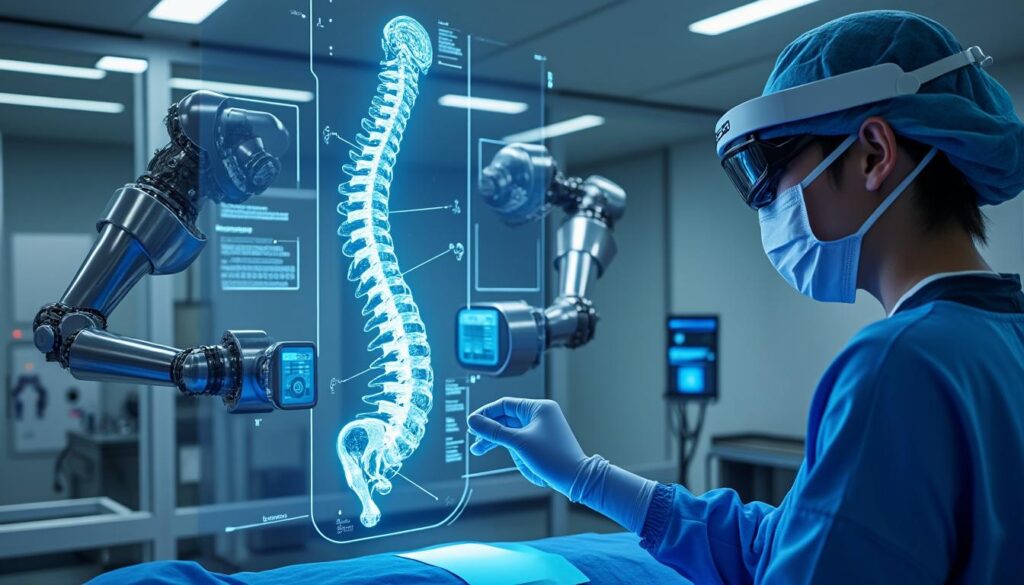
In recent years, the integration of advanced medical technologies has dramatically shifted how spinal surgeries are planned, performed, and managed. Among the transformative developments, the alliance between Cousin Spine Technology and Franchir stands out as a pioneering force redefining surgical…
Innovative Technologies Accelerating Post-Op Recovery in Quebec’s Back Surgery Patients
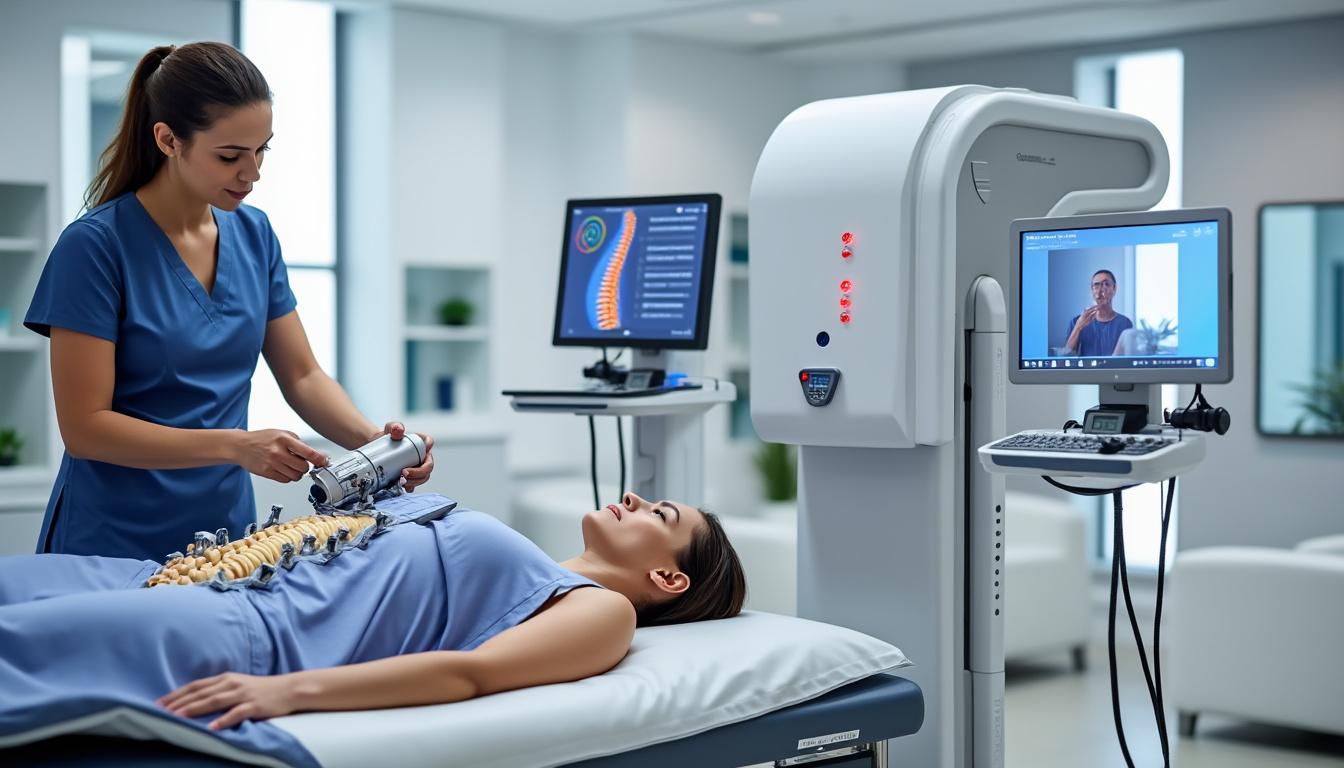
Technological advancement is reshaping the landscape of BackCareSolutions following spinal surgery. Pioneered by entities such as Neurothérapie Montréal, patients gain access to neuromodulation methods that significantly reduce postoperative pain and empower neurological adaptation. Devices such as BrainPort and PoNS promote sensorimotor recovery by stimulating neuroplasticity through targeted peripheral and central nervous system activation.
The repetitive transcranial magnetic stimulation (rTMS) stands out as a non-invasive modality offering substantial benefit in chronic neuropathic pain modulation and mood disorder amelioration, which can affect rehabilitation success. Additionally, integration with traditional physiotherapy strengthens muscle function and endurance.
- rTMS: Modulates cortical activity to diminish pain perception and improve mood.
- BrainPort and PoNS: Foster sensorimotor network reorganization via neurofeedback.
- Dynamic Assessment Tools: Track patient progress objectively for tailored therapy adjustments.
- Telerehabilitation Platforms: Ensure continuity of care regardless of geographic distance.
The synergistic use of innovative technologies alongside multidisciplinary care teams constitutes a new benchmark in patient-centered BackSurgeryRecovery, supported by research evidence from medical studies and collaborative healthcare networks such as Enhanced Recovery Canada.
| Technology | Primary Function | Impact on Recovery |
|---|---|---|
| rTMS | Pain relief and mood enhancement | Accelerates rehabilitation and reduces opioid dependence |
| BrainPort | Neurosensory stimulation | Improves motor control and sensory integration |
| PoNS | Neuroplasticity facilitation | Supports neural rebuilding after surgery |
| Telerehabilitation | Remote monitoring and therapy | Maintains consistent recovery progression |
Insights from Research on Preventing Post-Laminectomy Syndrome
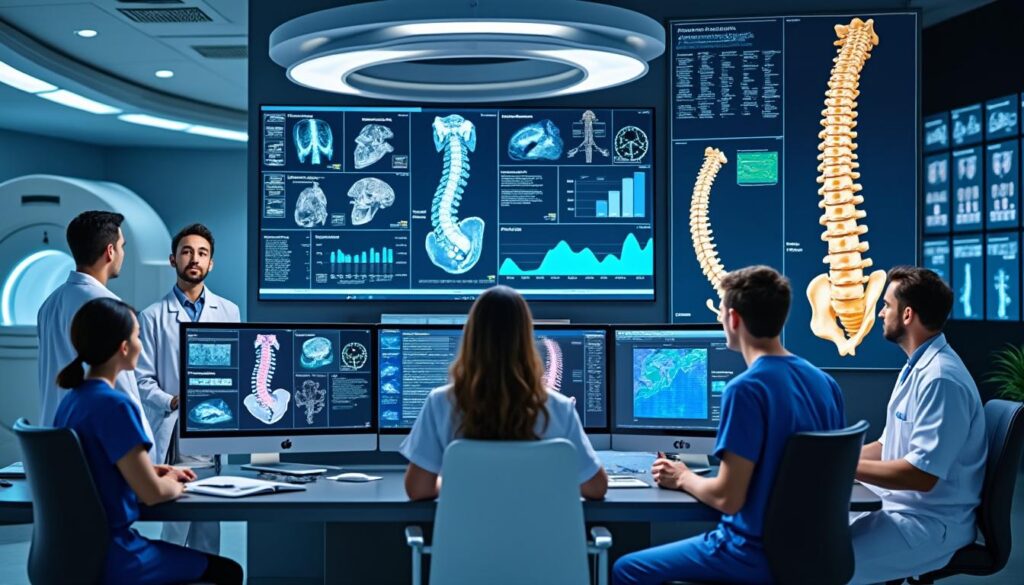
Post-Laminectomy Syndrome (PLS), a chronic pain condition arising after spinal surgery, remains a formidable challenge in spinal surgery and pain management. Despite advances in surgical techniques, a significant subset of patients continues to experience persistent neuropathic pain and functional limitations,…
Structured International Coordination Enhances Post-Operative Support for Quebec’s Back Surgery Patients
The journey for Quebec patients traveling to France for back surgery is marked not only by surgical technique but by an extensive international partnership encompassing preoperative preparation, surgical execution, and sustained postoperative care. Coordination between Neurothérapie Montréal, the Franchir network, and SOS Tourisme Médical ensures seamless transitions and holistic coverage from first contact to full recovery.
Preoperative neurofunctional assessment optimizes surgical readiness by addressing modifiable factors and personalizing care plans. The preoperative assessment process exemplifies this, setting the stage for postoperative success by forecasting rehabilitation requirements and potential complications.
- Franchir: Facilitates access to top French surgical centers and organizes logistics.
- SOS Tourisme Médical: Provides administrative guidance and patient support.
- Neurothérapie Montréal: Oversees longitudinal neurorehabilitation and pain management on return to Quebec.
This collaborative model incorporates cross-border data exchange, shared clinical guidelines, and patient engagement strategies that ensure data-informed decisions and personalized care continuity. Such integration forms a best-practice prototype for globalized medical tourism weighted with clinical responsibility and innovation.
| Partner Organization | Role in Patient Journey | Key Services |
|---|---|---|
| Franchir | Organizing surgery in France | Surgical center selection, accommodation, logistics management |
| SOS Tourisme Médical | Administrative support | Patient qualification, paperwork assistance |
| Neurothérapie Montréal | Long-term follow-up in Quebec | Neuromodulation, rehabilitation, pain control |
International Comparison: Spotlight on Spine Care Practices Between France and Quebec
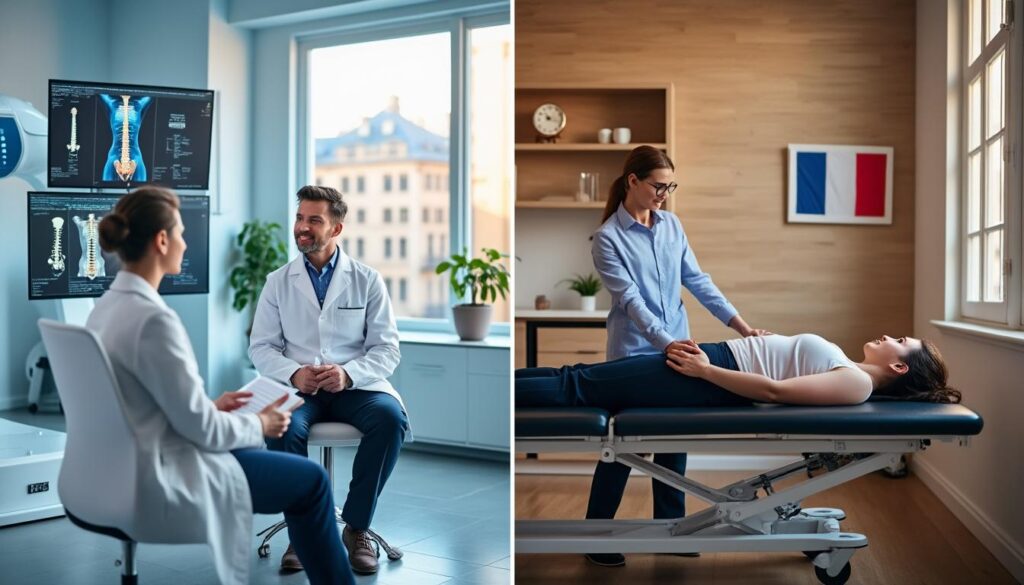
The growing emphasis on spine health in Quebec has spotlighted the value of international collaboration in advancing patient care. With the challenges of prolonged wait times and high private care costs in Quebec, France emerges as an attractive alternative, boasting…
Integrating Pain and Psychological Management in Quebec’s Postoperative Back Care
The challenge of managing chronic pain and psychological health after back surgery cannot be overstated. Neuropathic pain often outlasts the primary surgical prognosis and may severely hinder rehabilitation. Coupled with frequent occurrences of depression and anxiety post-surgery, these factors necessitate a comprehensive approach to care.
Neurothérapie Montréal leverages rTMS protocols to target both pain pathways and mood regulation centers simultaneously. This dual-action intervention mitigates the physical and emotional barriers to effective recovery. Complementary counseling and patient education addressing pain perceptions and coping mechanisms further empower patients.
- Chronic pain modulation through non-invasive neuromodulation.
- Psychological assessment integrated into routine follow-up visits.
- Educational programs enhancing patient self-management.
- Collaborative mental health support aligned with rehabilitation goals.
Evidence suggests that successful integration of pain and mental health management accelerates return to function and reduces healthcare burden. The approach aligns with principles from initiatives like Enhanced Recovery Canada, demonstrating how multidisciplinary care improves outcomes holistically.
| Management Component | Methodology | Patient Benefit |
|---|---|---|
| Pain Modulation | rTMS, medication adjustment | Reduced chronic pain and improved daily function |
| Mental Health Support | Psychological counseling, mood regulation therapies | Lower anxiety and depression, increased therapy adherence |
| Patient Education | Workshops and personalized guidance | Enhanced self-efficacy and prevention of complications |
| Integrated Follow-Up | Regular multidisciplinary consultations | Continuous assessment and care adjustment |
Medical Logistics and Accommodation: Central Pillars in the Patient Care Journey
In the evolving landscape of global healthcare, the interplay between medical logistics and patient accommodation has become a cornerstone for effective and patient-centric care delivery. This synergy is particularly evident in the management of international patient journeys, where cross-border coordination,…
Enhancing Return-to-Work and Everyday Functionality through Individualized Post-Op Support Programs in Quebec
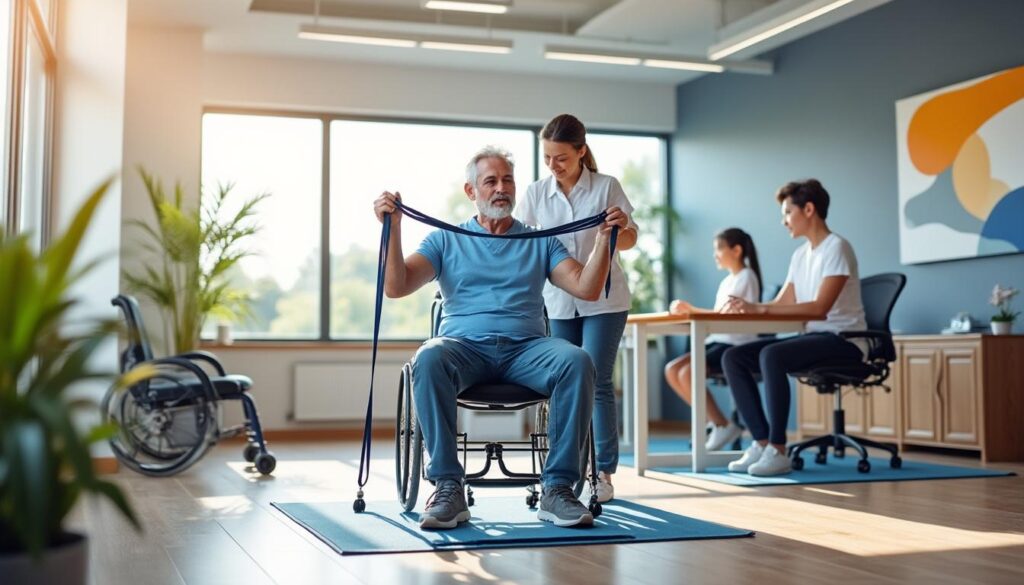
A major goal of post-operative management for Quebec’s back surgery patients includes facilitating a safe and timely return to occupational and daily activities. Rehabilitation specialists craft personalized plans considering job nature, physical demands, and patient-specific healing progress.
Sedentary workers typically begin modified activity within 4 to 6 weeks, benefiting from ergonomic interventions and scheduled breaks. Physical laborers require lengthier rehabilitation periods, focusing on strengthening, endurance, and injury prevention, often extending between 8 and 12 weeks or more. High-load professionals and athletes undergo stepwise intensive conditioning supervised closely by multidisciplinary teams.
- Ergonomic workplace modifications to prevent reinjury during work resumption.
- Progressive physical conditioning blending neuromodulation and functional exercises.
- Occupational therapy support for task adaptation and pacing.
- Psychosocial support to address stress and motivation barriers.
Programs like the IntraSPINE initiative in Laval exemplify tailored interventions that combine technology and clinical support to speed functional recovery and job reintegration. Such comprehensive packages reflect best practices emerging in Quebec’s evolving healthcare landscape.
| Activity Type | Typical Return Timeline | Key Support Elements |
|---|---|---|
| Sedentary Work | 4-6 Weeks | Ergonomics, gradual task increase, regular breaks |
| Moderate Physical Work | 8-12 Weeks | Muscle strengthening, functional training |
| Intensive Physical Labor/Athletics | 4-6+ Months | Stepwise conditioning, multidisciplinary supervision |
Comprehensive Guide to Eligibility Criteria for Back Surgery
The decision to undergo back surgery involves numerous complex considerations that extend beyond the presence of spinal discomfort. Through an international collaboration between healthcare experts in Quebec and France, patients facing severe spine conditions now have access to advanced surgical…
The Future of Post-Operative Care: Integrating Evidence-Based Best Practices into Quebec’s Spine Surgery Follow-Up
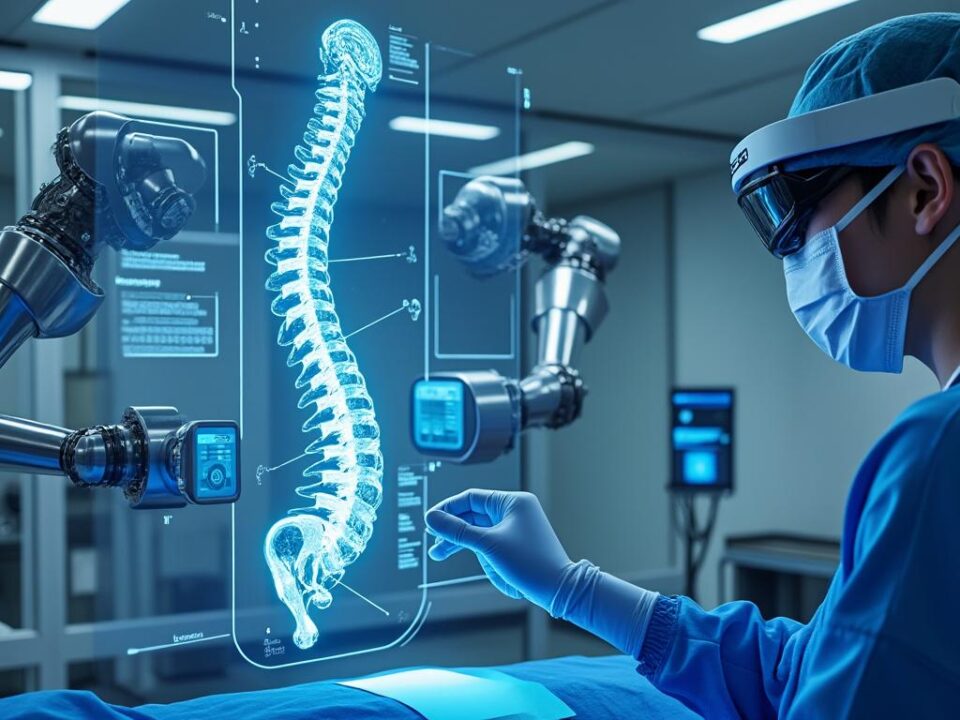
As surgical techniques evolve—incorporating innovations such as robotic assistance and 3D spinal imaging—the post-operative care landscape similarly advances. Quebec’s healthcare providers are increasingly embedding evidence-based protocols into care pathways, drawing insights from international collaborations and comprehensive clinical research.
Workshops such as the Spinal Surgery in France course and training activities by organizations like EuroSpine broaden practitioner expertise, facilitating knowledge transfer that benefits Quebec patients directly. Enhanced recovery protocols, supported by data from platforms like the National Surgical Quality Improvement Program, continue to minimize complications and reduce hospital stays.
Technology will further integrate with personalized medicine, enabling real-time adaptive rehabilitation and advanced patient engagement tools. Multidisciplinary teams will remain central, ensuring every individual’s recovery journey is optimized for best possible results under dynamic health systems facing growing demand.
- Robotic-assisted surgery reduces intraoperative trauma and improves implant precision.
- Data-driven recovery pathways customize rehabilitation duration and intensity.
- Virtual reality and AI-assisted therapy enhance patient motivation and functional gains.
- Collaborative international knowledge exchange advances standards of care continuously.
| Innovation | Benefit | Application |
|---|---|---|
| Robotic Surgery | Precision and decreased complications | Spine procedures with minimally invasive approaches |
| Personalized Protocols | Optimized recovery and patient satisfaction | Customized rehab plans based on patient data |
| Virtual Reality Training | Improved engagement and motor skills | Postoperative neuromotor rehabilitation |
| International Cooperation | Latest clinical advances accessible locally | Knowledge sharing between France and Quebec |
Back Surgery Post-Operative Care: Comparison Table
How long does complete recovery take after back surgery?
Recovery duration varies by surgery type: typically 2 to 3 months for simple procedures and up to 12 months for spinal fusion, with progressive, patient-adaptive phases.
How does neuromodulation improve post-operative recovery?
Neuromodulation such as rTMS reduces chronic pain, enhances brain plasticity, and supports mental health, promoting faster, more effective recovery.
How is the coordination between France and Quebec organized for post-op follow-up?
Neurothérapie Montréal manages evaluations and recovery in Quebec, collaborating with Franchir for French surgery arrangements and SOS Tourisme Médical for administrative support.
What complications are monitored during recovery?
Care teams watch for infections, neuropathic pain, new sensory or motor issues, and post-laminectomy syndrome, allowing prompt intervention.
Can physical rehabilitation be combined with neuromodulation?
Absolutely; combining both therapies optimizes pain relief, functionality, and psychological well-being during recovery.
Unveiling the Hidden Benefits of Neurovertebral Decompression Therapy
Chronic back and neck pain remain pervasive health issues impacting millions, often leading to debilitating effects on daily life and overall well-being. Traditional management strategies frequently fall short due to lengthy wait times, high costs, or invasive procedures. Amid this…