

Low back pain remains one of the most widespread health challenges globally, affecting millions of people at various stages of life. Its impact is not limited to physical discomfort; it significantly influences mental well-being, productivity, and overall quality of life. With modern lifestyles increasingly sedentary and workplace ergonomics often overlooked, the risk factors for developing low back pain are intensifying. Preventive measures grounded in scientific evidence can substantially reduce the incidence and severity of low back pain, fostering healthier communities and easing healthcare burdens.
Dr. Sylvain Desforges, an expert with over 30 years of experience in spinal care, underscores the importance of informed prevention tailored to individual needs. His approach combines rigorous scientific principles, patient-centered evaluation, and innovative therapies such as spinal decompression and dynamic spinal implants. This perspective is integral to devising effective strategies that reinforce spinal health before discomfort arises.
Fundamental Principles for Preventing Low Back Pain Through Physical Activity
A core component of preventing low back pain lies in maintaining strong and flexible back muscles. Regular physical activity empowers the spine to withstand daily stresses and reduces the risk of injury. Essential exercise programs incorporate both muscle-strengthening and stretching routines, ideally performed at least twice a week. Strengthening the core musculature—the muscles around the abdomen and lower back—provides critical support to spinal structures.
Additionally, cardiovascular exercises such as walking, swimming, or cycling enhance blood flow and oxygen supply to spinal tissues, contributing to their resilience and repair capabilities. To optimize spinal health, it is advisable to complement aerobic exercise with targeted interventions like TheraBand resistance training and yoga classes, both of which have proven benefits in increasing spine stability and flexibility.
Proper posture forms another pillar of prevention. Whether standing or sitting, spinal alignment should be maintained in a neutral position to minimize stress. Dr. Desforges warns against prolonged poor postures, which often precipitate mechanical strain and subsequent pain. A useful tip is to consciously realign the back frequently during daily activities and utilize ergonomic aids such as BACKJOY seat supports to encourage natural posture.
- Engage in core-strengthening exercises at least twice weekly
- Incorporate both aerobic and flexibility training into routines
- Maintain upright posture when standing and sitting
- Use ergonomic supports when seated for prolonged periods
- Take regular activity breaks to avoid static positions
| Exercise Type | Benefits for Spine | Recommended Frequency |
|---|---|---|
| Core Strengthening (e.g., Pilates, TheraBand) | Stabilizes spine, reduces injury risk | 2-3 times per week |
| Aerobic (walking, swimming) | Improves circulation and tissue health | 150 minutes per week |
| Flexibility (stretching, yoga) | Maintains range of motion, reduces stiffness | 2-3 times per week |
Ergonomics and Injury Prevention Strategies in the Workplace and Home
The design of one’s physical environment can substantially affect spinal health. Workplaces and homes must be equipped to support optimal posture and movement. Dr. Desforges emphasizes that ergonomic interventions help to minimize repetitive strains that contribute to both acute and chronic low back pain.
For people who spend long hours sitting at a desk, adjusting the height of chairs and desks to promote neutral spinal position is critical. Chairs with lumbar support and adjustable armrests reduce postural deviations. The use of spine-alignment accessories, such as SpineAlign cushions, enhances comfort and spinal health. Alternating between sitting and standing every 30 minutes can reduce stiffness and improve circulation.
Safe lifting techniques remain vital both at work and in domestic settings. Instead of bending from the waist, bending at the knees while keeping the back straight allows the powerful leg muscles to bear the load. For loads that exceed a comfortable threshold, assistance such as Mueller back braces or help from others should be sought to prevent injury.
- Set up workstations with ergonomic furniture suited to spine support
- Take frequent short breaks to stand, stretch, or walk
- Utilize lumbar supports and seat accessories to maintain posture
- Learn and practice safe lifting techniques, bending at the knees
- Employ supportive braces like Mueller when lifting heavy objects
| Ergonomic Intervention | Purpose | Recommended Usage |
|---|---|---|
| Adjustable Chair with Lumbar Support | Maintain natural spinal curvature | Daily for desk workers |
| SpineAlign Seat Cushion | Encourage neutral posture sitting | As needed during prolonged sitting |
| Standing Desk or Alternate Sitting | Reduce static posture-related strain | Change position every 30 minutes |
| Safe Lifting Technique | Prevent musculoskeletal injury | Whenever lifting objects |
| Mueller Back Brace | Provide lumbar stability during heavy lifting | During physically demanding tasks |
Weight Management as a Key Factor in Reducing Low Back Stress
Carrying excess body weight imposes additional strain on the lumbar region, increasing vulnerability to pain and degenerative conditions such as herniated discs. The lumbar spine must support the body’s weight and facilitate movement; thus, overweight individuals may experience altered spinal mechanics leading to chronic discomfort.
Dr. Sylvain Desforges advocates for an integrated approach combining dietary management with tailored physical activity to maintain a healthy weight. A balanced diet rich in calcium, vitamin D, magnesium, and phosphorus nourishes bone health and preserves intervertebral disc function. Staying hydrated supports disc hydration, crucial for shock absorption.
Many patients benefit from working with nutritionists in conjunction with physical therapists for personalized plans. Avoiding high-sugar and processed foods while increasing the intake of vegetables, lean proteins, and whole grains contributes to sustainable weight control and healthier spinal loading.
- Adopt a balanced, nutrient-rich diet supporting spinal health
- Engage in regular moderate-intensity aerobic exercise
- Consult professionals for personalized weight management programs
- Drink adequate water to maintain disc hydration
- Avoid high-calorie, low-nutrient processed foods
| Nutrient | Role in Spine Health | Food Sources |
|---|---|---|
| Calcium | Strengthens bones | Dairy products, leafy greens |
| Vitamin D | Enhances calcium absorption | Fatty fish, fortified foods |
| Magnesium | Works with calcium for bones | Nuts, seeds, whole grains |
| Phosphorus | Bone mineralization | Milk, meat, fish |
| Water | Maintains disc hydration | Fluids, fruits, vegetables |

Posture Correction and Its Role in Long-Term Back Health
Postural misalignment incubates many spine disorders and directly contributes to low back pain. It disturbs the natural curves of the spine and imposes undue pressure that can accelerate disc degeneration and muscular fatigue. Dr. Desforges places strong emphasis on educating patients about the value of upright posture throughout daily activities.
Common habits that can undermine posture include slouching while working at a desk, carrying uneven loads, and looking down at screens for extended periods. Corrective strategies include mindful posture checks, ergonomic chair adjustments, and strengthening exercises focusing on back extensors and abdominal muscles. Products like ComfyMed back braces can provide external support during postural rehabilitation.
- Keep feet flat on the floor when sitting; use a footrest if necessary
- Maintain knees slightly higher than hips while seated
- Stand tall with shoulders back and chin level
- Avoid prolonged inclination of the head forward
- Incorporate postural exercises and supportive braces as needed
| Postural Habit | Negative Impact | Correction Strategy |
|---|---|---|
| Slouching in Chair | Increased lumbar strain | Use lumbar support and practice upright sitting |
| Looking Down at Screens | Neck and upper back tension | Raise screens to eye level, take breaks |
| Uneven Load Carriage | Muscle imbalance and spinal rotation | Use backpacks or distribute weight evenly |
| Crossed Legs Sitting | Pelvic tilt and spinal misalignment | Place feet flat, avoid crossing legs |
| Forward Head Posture | Chronic neck and low back pain | Postural exercises and biomechanical awareness |
The Impact of Stress and Sleep on Spine Health and Low Back Pain Prevention
Psychological stress contributes indirectly to low back pain by increasing muscle tension and inflammation within spinal tissues. Chronic stress can interfere with the body’s natural healing mechanisms, promoting persistent discomfort. Techniques including mindfulness meditation, yoga, and deep breathing reduce stress and help relax tense musculature.
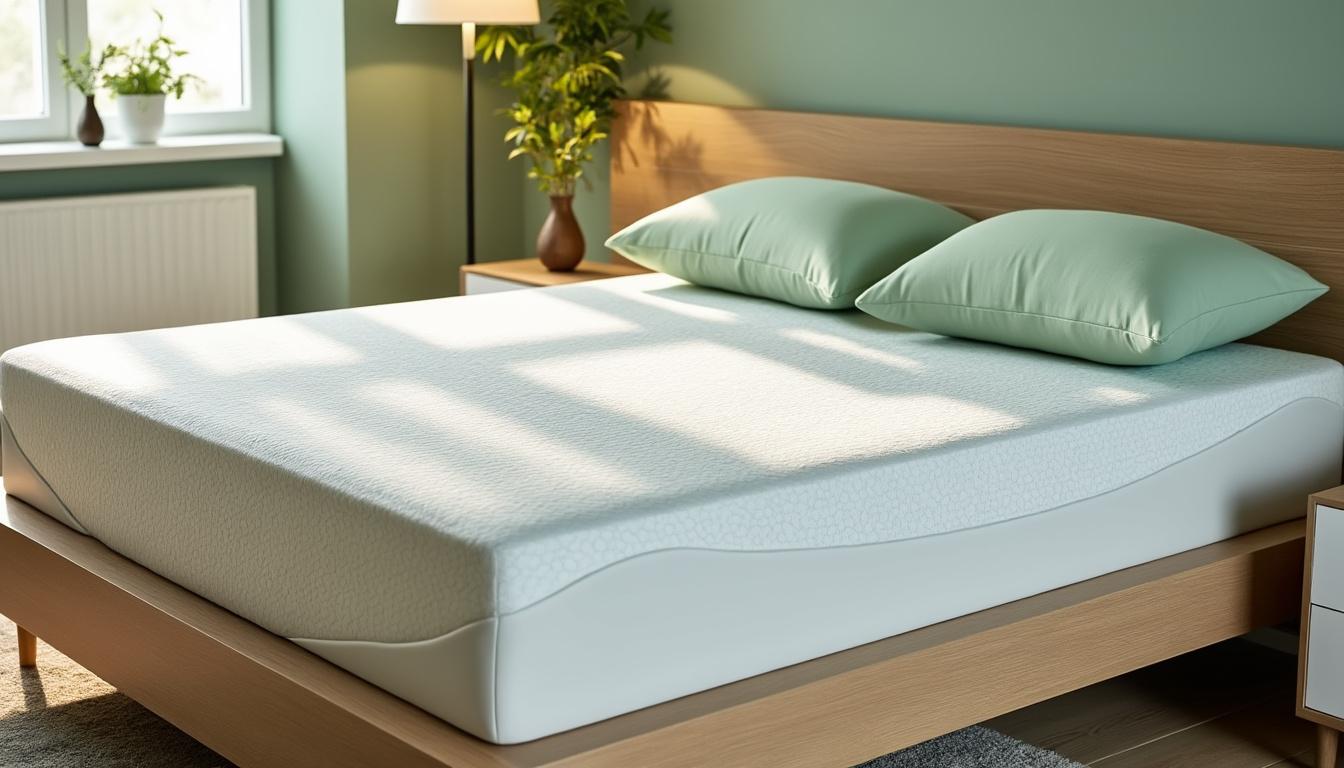
Complementarily, sleep quality has a profound influence on spinal health. During restful sleep, spinal muscles relax and reparative processes occur. Poor sleep posture or unsupportive mattresses can misalign spinal curves, intensifying pain. Experts highlight the use of medium-firm mattresses and supportive pillows to maintain neutral alignment throughout the night.
- Practice stress reduction techniques such as yoga and meditation regularly
- Avoid prolonged muscle tension through relaxation exercises
- Choose medium-firm mattresses to support spinal curves
- Use pillows that maintain proper neck alignment
- Develop a consistent, restful sleep schedule
| Factor | Effect on Spine | Preventive Measure |
|---|---|---|
| Chronic Stress | Muscle tension and inflammation | Mindfulness, meditation, yoga |
| Poor Sleep Posture | Spinal misalignment and pain | Supportive mattress and pillows |
| Sleep Deprivation | Impaired healing, increased pain sensitivity | Regular sleep hygiene practices |
| Muscle Fatigue from Tension | Lower back stiffness | Deep breathing and relaxation exercises |
| Irregular Sleep Patterns | Disrupted repair cycles | Consistent bedtime routine |
Understanding Individual Risk Factors for Low Back Pain and Targeted Prevention
Individual susceptibility to low back pain is influenced by diverse factors including genetics, age, occupation, and lifestyle habits. Recognizing personal risk parameters enables customized preventive strategies. For example, pregnant women encounter biomechanical changes that affect lumbar lordosis; workplace manual laborers face repetitive lifting stress; smokers experience accelerated spinal degeneration.
Dr. Desforges advocates for comprehensive evaluations that identify these risks ahead of symptom development, enabling early intervention with specific exercise prescriptions, ergonomic adjustments, or counseling to mitigate modifiable factors. For patients with neck discomfort alongside low back pain, insights into related conditions may be consulted from resources such as risk factors for neck pain.
- Assess personal and family medical history involving spine disorders
- Modify workplace activities to reduce repetitive strain
- Implement targeted exercises addressing individual biomechanical needs
- Cease smoking to improve spinal circulation and retard degeneration
- Monitor pregnancy-related postural changes and seek specialized care
| Risk Factor | Effect on Spine | Preventive Actions |
|---|---|---|
| Age-Related Degeneration | Disc dehydration and loss of elasticity | Strengthening exercises and hydration |
| Obesity | Increased lumbar strain | Weight management through diet and activity |
| Smoking | Reduced disc nourishment and accelerated degeneration | Smoking cessation programs |
| Occupation with Heavy Lifting | Repetitive mechanical stress | Proper lifting techniques and ergonomic solutions |
| Pregnancy | Altered spinal curvature and load distribution | Specialized prenatal care and exercises |
Innovative Non-Surgical Treatments and Technologies in Low Back Pain Prevention
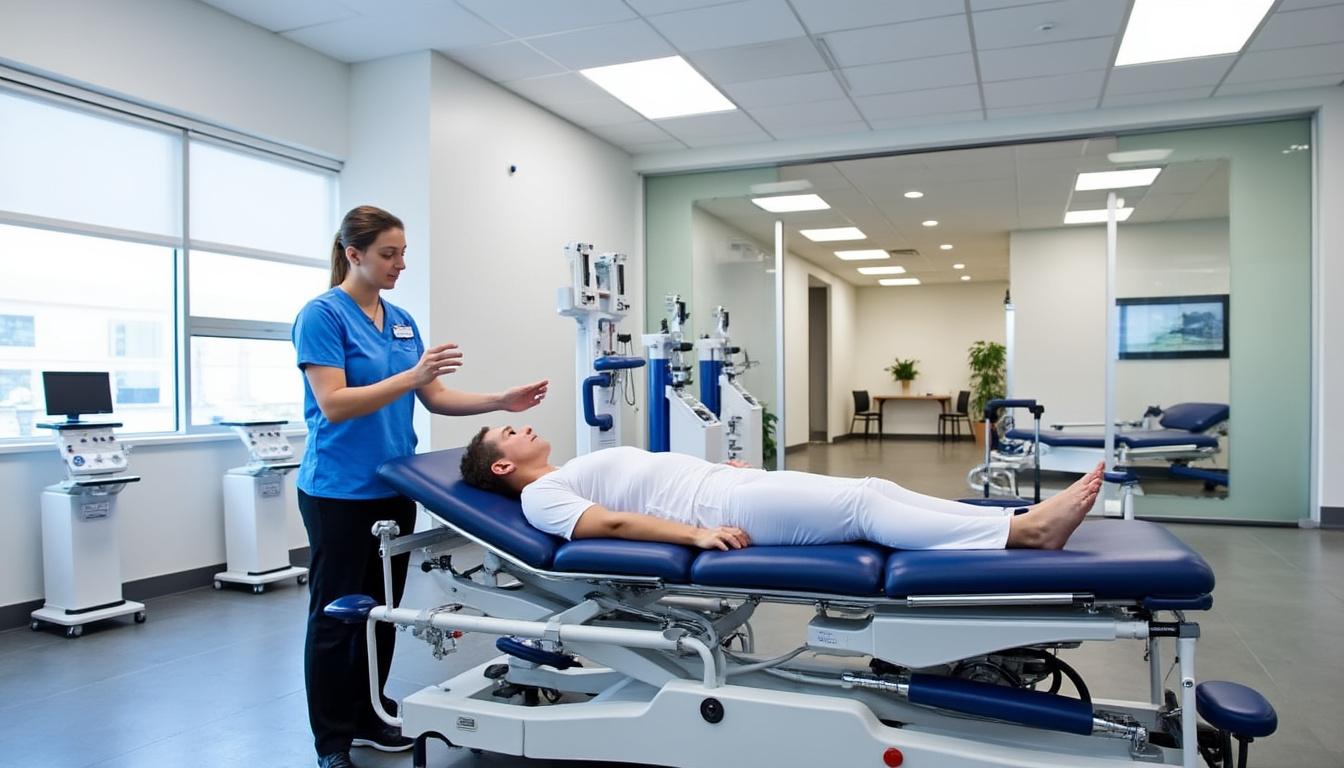
Emerging technologies and therapeutic advancements present promising non-surgical alternatives for managing spinal disorders and preventing chronic low back pain. Dr. Desforges has pioneered integrative approaches incorporating neurovertebral decompression therapy, laser therapy, and dynamic spinal implants available in his TAGMED clinics.
Neurovertebral decompression gently separates spinal vertebrae, reducing pressure on discs and nerves to alleviate pain and potentially reverse early disc injury. Laser therapy helps accelerate tissue repair and reduce inflammation. Meanwhile, dynamic spinal implants offer biomechanical support to preserve spinal segments’ mobility and stability.
These innovations complement foundational preventive measures such as exercise and ergonomics, creating multifaceted care pathways. Patients interested in personalized assessments can consult further information on treatment options through treatment and management of herniated discs.
- Neurovertebral decompression therapy to reduce disc pressure
- Laser treatments promoting healing of spinal tissues
- Dynamic spinal implants preserving natural spine mobility
- Combining advanced therapy with rehabilitation exercises
- Patient-specific evaluation to tailor interventions
| Technology | Function | Benefit in Prevention |
|---|---|---|
| Neurovertebral Decompression | Mechanical relief of nerve pressure | Reduces pain and disc damage risk |
| Laser Therapy | Enhances tissue repair and reduces inflammation | Speeds recovery of spinal structures |
| Dynamic Spinal Implants | Maintains spinal alignment and mobility | Prevents progression to severe degeneration |
| Osteopathic Manual Techniques | Improves spinal alignment and function | Supports overall spine health |
| Precision Patient Evaluation | Identifies individualized care needs | Ensures personalized early interventions |
Integrating Supportive Tools and Products into a Low Back Pain Prevention Plan
Maintenance of spinal health can be significantly enhanced through the sensible application of supportive tools and aids. Brace systems like BraceUP and McDavid provide external stabilization to reduce strain during activity or recovery phases. For sacroiliac joint pain, specialized products such as those from Sacroiliac Solutions offer targeted support that reduces biomechanical stress.
For daily comfort and to aid in spinal alignment during prolonged sitting, devices like ComfyMed and BACKJOY seats can make crucial differences. Users often report improved posture and reduced fatigue when integrating these ergonomic accessories into work or home settings.
- Use lumbar braces selectively to support recovery or strenuous activity
- Employ sacroiliac supports for targeted pelvic stability
- Incorporate ergonomic seat cushions for improved posture
- Leverage back support devices during prolonged sitting
- Consult healthcare providers before adopting any supportive products
| Product | Purpose | Recommended Use |
|---|---|---|
| BraceUP Back Brace | Provides lumbar support | During heavy lifting or recovery |
| McDavid Brace | Stabilizes lower spine | For injury prevention and post-injury |
| Sacroiliac Solutions Support | Reduces pelvic joint strain | For SI joint pain management |
| ComfyMed Seat Cushion | Enhances sitting posture | During prolonged sitting |
| BACKJOY Seat Support | Improves spinal alignment | For ergonomic sitting comfort |
When to Seek Professional Evaluation and Personalized Care for Low Back Pain Prevention
While preventive measures are effective, certain symptoms warrant professional assessment to avert future complications. Dr. Sylvain Desforges stresses the importance of getting comprehensive evaluations rather than self-diagnosing or relying solely on generic advice. Persistent or severe symptoms such as numbness, tingling, or weakness in the lower limbs, or unrelenting pain despite conservative care, should prompt consultation with spine care experts.
Dr. Desforges’ unique expertise involves detailed patient assessments to understand individual spinal biomechanics and devise personalized care plans. His affiliation with the Alliance Canadienne de Médecine Alternative and leadership in osteopathic education ensure his approach is evidence-based, ethical, and patient-focused.
Patients interested in exploring their specific condition or beginning a preventive program are encouraged to contact TAGMED clinics, where advanced diagnostic resources and multi-disciplinary care teams provide holistic management.
- Recognize indications requiring medical evaluation (persistent pain, neurological symptoms)
- Obtain thorough spinal assessments by expert osteopaths
- Understand personalized risk profiles and prevention pathways
- Engage in evidence-based conservative management before considering invasive options
- Utilize resources and professional networks for ongoing patient education
| Symptom | Significance | Recommended Action |
|---|---|---|
| Persistent low back pain over weeks | Possible underlying pathology | Consult a spine expert for assessment |
| Numbness or tingling in legs | Potential nerve involvement | Immediate professional evaluation |
| Weakness in lower limbs | Neurological compromise | Urgent medical review |
| Severe acute pain with trauma | Possible fracture or disc injury | Diagnostic imaging and care plan |
| Lack of improvement with home care | Need for tailored intervention | Seek specialized consultation |
What are the most effective exercises to prevent low back pain?
Exercises that strengthen the core muscles, such as Pilates, yoga, and specific TheraBand workouts, are highly effective. Combining these with aerobic activities like walking or swimming helps maintain spinal health.
Can ergonomic tools like BACKJOY and SpineAlign really prevent back pain?
Yes, ergonomic devices that support natural spine alignment reduce strain during prolonged sitting, helping prevent mechanical causes of low back pain. Using them alongside movement and stretching is recommended.
How does weight affect the risk of low back pain?
Excess weight increases the mechanical load on the lumbar spine, accelerating degeneration of discs and promoting pain. Maintaining a healthy weight through diet and exercise significantly reduces this risk.
What role does stress play in low back pain prevention?
Chronic stress increases muscle tension and inflammation around the spine, which can worsen or contribute to pain. Stress reduction techniques like meditation and yoga greatly support spinal health.
When should I seek professional evaluation for low back pain?
Consult a healthcare professional if back pain persists for longer than a few weeks, if there is numbness, weakness, or severe symptoms. Early professional evaluation ensures appropriate management and prevents complications.