Lumbar Disc Herniation in Montreal: Setting Realistic Expectations and Outcomes with Neurovertebral Decompression Therapy
November 13, 2025Hidden Benefits of Patient Testimonials During Recovery
November 14, 2025Spinal disorders rank among the most challenging health conditions globally, drastically impacting patients’ lives due to chronic pain, limited mobility, and often lengthy, costly treatments. In recent years, innovations in spine care have progressed rapidly, with the integration of simple surgery options, fusion techniques, and cutting-edge motion preservation strategies transforming the traditional care approach. The transatlantic collaboration between Quebec and France exemplifies the evolution of advanced care pathways, ensuring patients access high-quality, personalized treatment plans that blend the best of surgical expertise, biomaterials technology, and postoperative rehabilitation protocols. This alliance not only enhances clinical outcomes but also reflects a growing emphasis on patient-centered care models tailored to preserving function and improving quality of life.
Central to the management of spinal pathologies is the deliberate choice between simple decompressive surgeries, rigid fusion methods, and the innovative motion-preserving implants that maintain physiological movement. Such decisions depend on a careful evaluation process, often involving multidisciplinary teams and interactions across borders to optimize access. The emergence of robotics, 3D imaging, and minimally invasive techniques further underscores the shift toward safer, more efficient surgical interventions that expedite recovery. Alongside technical advances, standardized care pathways like ERAS (Enhanced Recovery After Surgery) promote multimodal strategies to reduce complications and hospital stays, fostering a paradigm where mobility and healing coexist. This comprehensive exploration aims to dissect these crucial elements—SimpleSurg, FusionCare, MotionMed, and integrated PathwaySurgery—highlighting their interplay within modern spine care.
Advanced Surgical Options in Spine Care: SimpleSurg, FusionCare, and MotionMed Techniques
Managing spinal disorders involves a spectrum of surgical options, each with specific objectives, benefits, and drawbacks. The first category, SimpleSurg, includes targeted, minimally invasive interventions focusing on decompression. These procedures address conditions like herniated discs and spinal stenosis by relieving nerve impingement through small incisions and precision tools. Benefits include faster recovery, reduced hospitalization, and preservation of natural spinal motion, aligning with patient desires to minimize disruption. For example, a patient with a lumbar disc herniation may undergo a microdiscectomy using advanced endoscopic tools, allowing ambulatory surgery with a return to light activities within days.
The second category, FusionCare, involves arthrodesis or spinal fusion procedures designed to stabilize unstable or degenerative segments by promoting bony union between adjacent vertebrae. This rigid fixation is preferred in severe cases such as spinal fractures, spondylolisthesis, or advanced degenerative disc disease. While fusion offers effective stabilization, the trade-off is a permanent reduction or total loss of movement at the fused levels, which might predispose adjacent segments to accelerated degeneration. Recovery times are longer, spanning several months, requiring careful patient selection and counseling. Recent methodological enhancements include minimally invasive fusion techniques combined with navigation systems, promoting safer screw placement and less soft tissue trauma.
The third surgical approach, termed MotionMed, champions preserving natural spine dynamics by utilizing implants that allow controlled motion. Devices such as dynamic stabilization systems, artificial disc replacements (e.g., LP-ESP or IntraSPINE), and semi-rigid fixation technologies aim to maintain flexibility while providing the necessary support. These implants mitigate risks of adjacent segment disease seen in fusion cases and facilitate quicker functional restoration. The integration of robotic-assisted surgery and 3D imaging guides surgeons during precise implant positioning. For instance, a patient with single-level degenerative disc disease may receive a cervical disc prosthesis, allowing motion at the affected level and preserving the range of motion essential for daily activities.
| Surgical Technique | Main Objective | Impact on Spinal Motion | Recovery Duration | Potential Risks |
|---|---|---|---|---|
| SimpleSurg | Targeted nerve decompression | Maintained | Days to weeks | Minor complications like infection or transient pain |
| FusionCare | Rigid segment stabilization | Reduced or abolished | Months | Risk of ankylosis and adjacent segment degeneration |
| MotionMed | Preservation of physiological motion | Preserved at 60-80% | Weeks to months | Lower risk of adjacent degeneration, possible implant complications |
An in-depth understanding of these options enables spine specialists to tailor treatments effectively, blending simplicity, stabilization, and motion preservation. Each patient’s clinical profile, imaging results, and lifestyle expectations guide the selection process, underscoring the importance of multidisciplinary assessment and expert interpretation.
Can Rehabilitation and Return to Work Prevent the Need for Surgery?
In the constantly evolving landscape of spinal healthcare, patients and practitioners alike grapple with a pivotal question: can the rigorous pathways of rehabilitation and structured return to work reduce or even eliminate the need for surgical intervention? The answer, as…
Coordinated Multidisciplinary Care Pathways Optimize Patient Outcomes in Spine Surgery
The implementation of integrated care pathways like PathwaySurgery plays a pivotal role in structuring the management of spinal disorders across simple surgery, fusion, and motion-preserving techniques. These pathways organize the patient journey from initial assessment through preoperative optimization, surgical intervention, and postoperative follow-up. Enhanced Recovery After Surgery (ERAS) principles, adapted for spine procedures, emphasize multimodal pain management, early mobilization, and patient education, leading to reduced hospital length of stay and fewer complications.
Central components of an effective care pathway include:
- Expert Preoperative Evaluation: Utilizing advanced imaging evaluation by spinal consultants and incorporating conservative treatment trials before surgery ensures ultimate appropriateness of the chosen intervention.
- Personalized Treatment Plans: Collaborative discussions align surgical goals with patient expectations, integrating SimplePath Care strategies to minimize invasiveness and maximize functional benefit.
- Technological Support: Incorporation of 3D imaging, intraoperative navigation, and robotic assistance enhances surgical precision, safety, and outcomes.
- Postoperative Rehabilitation: Early mobilization protocols administered within coordinated systems speed recovery and reduce secondary complications.
One example is the coordinated transatlantic pathway between Quebec and France that ensures continuous communication and care quality, allowing patients to benefit from FusionMotion expertise and MotionFusion technologies while receiving postoperative support via remote and in-person consultations. This approach not only shortens surgical wait times but also enriches patient experience by reducing anxiety and improving overall recovery satisfaction.
| Care Pathway Component | Description | Benefits |
|---|---|---|
| Preoperative Evaluation | Comprehensive clinical and imaging assessment with expert consultations | Increased appropriateness of surgery, avoidance of unnecessary intervention |
| Personalized Treatment Planning | Patient-centered surgical options integrating SimpleSurg, FusionCare, MotionMed | Optimal functional outcomes and improved patient satisfaction |
| Technological Assistance | 3D imaging, robotic navigation, and intraoperative monitoring | Enhanced surgical accuracy, reduced complications |
| Postoperative Rehabilitation | Structured support and early mobilization | Accelerated recovery, reduced hospital stay |
The published literature highlights the advantages of standardized pathways for spine surgery, supported by evidence from institutions applying ERAS protocols to spinal fusion and motion preservation techniques. Comprehensive guides to care pathways demonstrate their ability to reduce variability in treatment and improve safety across different surgical modalities (source).
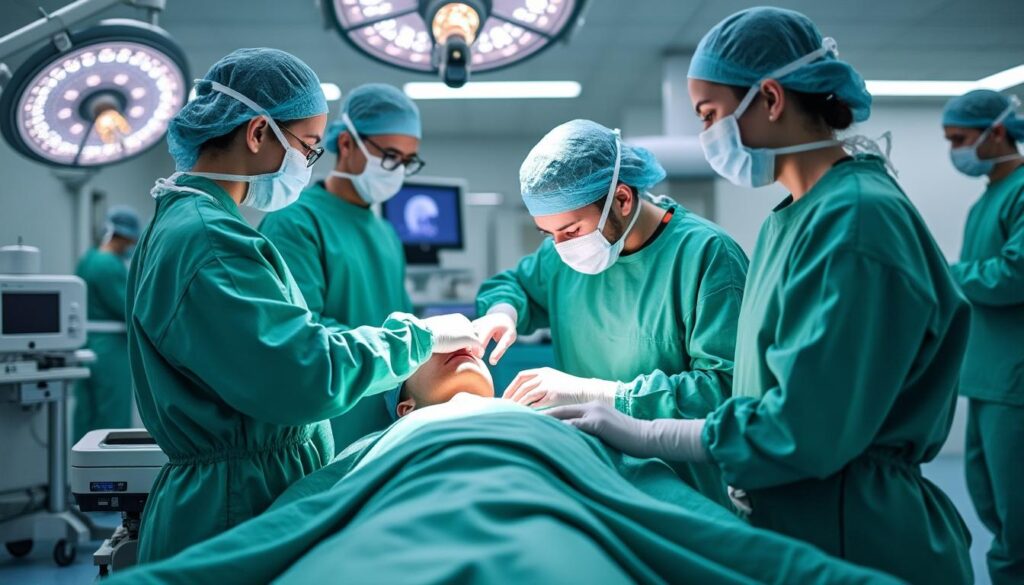
Exploring the Overlooked Benefits of Spine Surgery in France
Spinal disorders are a significant health concern for many patients worldwide, yet the solutions and benefits of spine surgery often remain underappreciated. France, with its advanced healthcare infrastructure and pioneering surgical techniques, has emerged as a noteworthy destination for patients…
Multimodal Conservative Treatments and Their Role in Reducing Surgical Necessity
Before resorting to any surgical intervention, especially complex fusion or motion-preserving procedures, the role of advanced conservative treatments remains paramount. Innovative non-surgical options leverage robotics, targeted physical therapy, and neurovertébral decompression techniques to alleviate symptoms while improving spine biomechanics and muscular support. Institutions like the Clinique TAGMED in France illustrate the success of such methods using robotically assisted traction and laser therapies to reduce nerve compression.
Key elements of these modalities include:
- Robotic Neurovertébral Decompression: Controlled computer-guided traction enables precise decompression with reduced risk of tissue injury.
- Specific Muscular Reinforcement: Customized physiotherapy enhances spinal support and delays pathological progression.
- Postural and Ergonomic Optimization: Guidance on workplace and lifestyle modifications mitigates stress on spinal segments.
- Non-Pharmacological Pain Management: Including acupuncture, mindfulness, and education to complement physical interventions.
By adhering to a conservative treatment period of at least 3-6 months under expert supervision, many patients achieve significant symptom relief, postponing or preventing the need for surgery. This philosophy aligns with the principles laid out in various clinical guidelines emphasizing personalized, staged care (source).
| Conservative Treatment Modalities | Main Focus | Expected Benefits |
|---|---|---|
| Robotic Neurovertébral Decompression | Precise nerve traction | Symptom relief, reduced neural compression |
| Muscular Reinforcement | Spinal support enhancement | Improved stability, postponed degeneration |
| Ergonomic Optimization | Postural correction | Reduced mechanical stress on spine |
| Non-Pharmacological Methods | Pain management | Reduced pain perception, mental well-being |
This integrative care approach ensures that surgery is reserved for patients who demonstrate genuine need after a thorough and comprehensive pathway, enhancing outcomes and respecting the natural healing potential of the body.
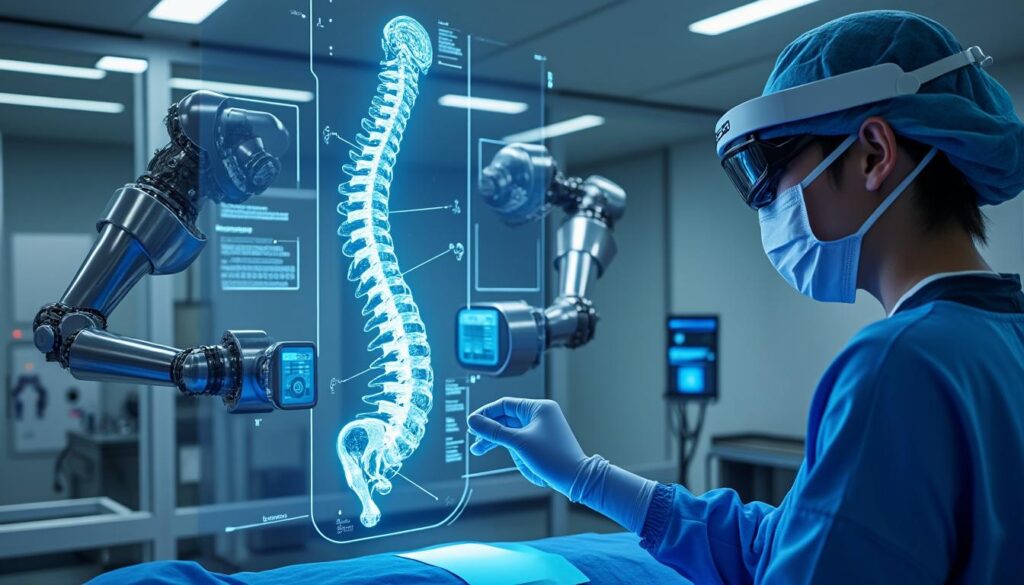
Cousin Spine Technology and Franchir: Transforming Surgical Decision-Making
In recent years, the integration of advanced medical technologies has dramatically shifted how spinal surgeries are planned, performed, and managed. Among the transformative developments, the alliance between Cousin Spine Technology and Franchir stands out as a pioneering force redefining surgical…
Cutting-Edge Technologies Shaping the Future of Spinal Surgery: Robotics and 3D Imaging
The spine surgery field has embraced technological innovation, with robotics and advanced imaging revolutionizing traditional approaches. Platforms like eCential Robotics provide navigation and stereotactic assistance, markedly increasing surgical accuracy and decreasing complication rates in both fusion and motion-preserving surgeries. These technologies facilitate precise screw placement, optimal implant orientation, and real-time tissue feedback.
Three-dimensional imaging techniques supplement surgical planning by producing detailed anatomical reconstructions, enabling surgeons to simulate procedures and foresee challenges prior to the operating room. Utilizing these tools, institutions achieve higher success rates, reduced operative times, and enhanced patient safety. The 2025 EUROSPINE Endoscopic Spine Course, for instance, advocates ongoing surgeon education in these innovations, highlighting their critical role in modern care pathways (source).
The benefits of such innovations include:
- Improved Precision: Robotic arms and navigation guide instrumentation through complex anatomy.
- Minimized Tissue Trauma: Focused approaches reduce incision size and muscle injury.
- Enhanced Visualization: 3D imaging clarifies structural relationships.
- Greater Reproducibility: Standardized workflows ensure consistent quality.
| Technological Feature | Function | Clinical Advantage |
|---|---|---|
| Robotics Navigation | Automated instrument guidance | Increased safety and reduced complication risk |
| 3D Imaging and Simulation | Anatomical detailed mapping | Enhanced preoperative planning and intraoperative guidance |
| Minimally Invasive Tools | Reduced surgical footprint | Faster recovery, less pain |
| Intraoperative Feedback Systems | Real-time monitoring | Improved accuracy and immediate adjustments |
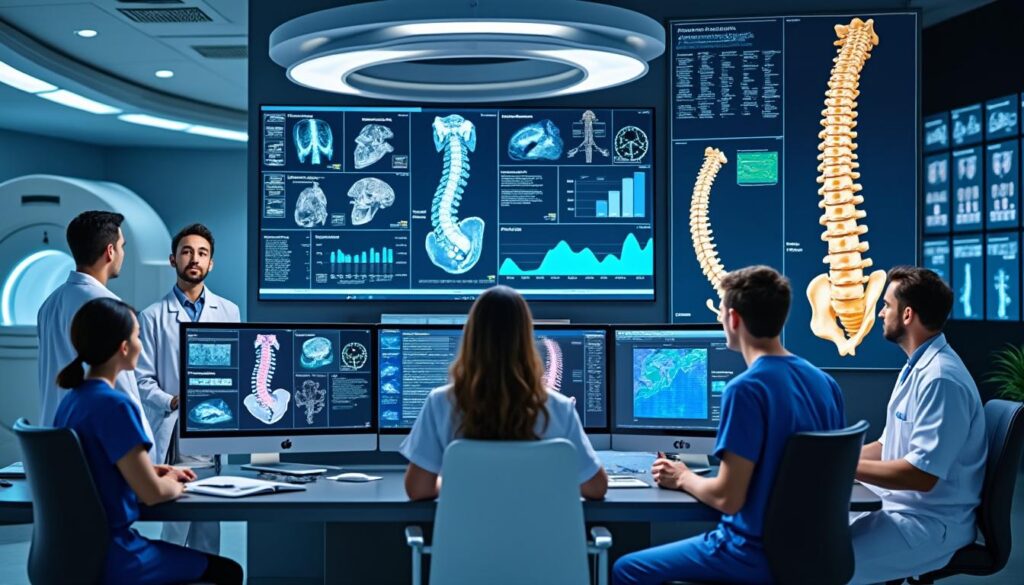
Insights from Research on Preventing Post-Laminectomy Syndrome
Post-Laminectomy Syndrome (PLS), a chronic pain condition arising after spinal surgery, remains a formidable challenge in spinal surgery and pain management. Despite advances in surgical techniques, a significant subset of patients continues to experience persistent neuropathic pain and functional limitations,…
Transatlantic Care Coordination: Structured Pathways for Quebec Patients Receiving Surgery in France
For many patients in Quebec facing long surgical wait times or seeking advanced interventions, transatlantic pathways to French spinal centers offer a compelling solution. These pathways, exemplifying the SurgiPath model, provide structured access to state-of-the-art care through partnerships involving French expert surgeons, experienced coordinators, and specialized rehabilitation programs in Quebec.
Key characteristics of this model include:
- Expert Assessment: Rapid dossier reviews by specialists like Dr. Sylvain Desforges, who assess imaging and clinical history.
- Comprehensive Logistics: Companies such as Franchir manage travel, accommodation, and administrative procedures, alleviating patient stress.
- Personalized Surgical Care: Selection of the most appropriate surgical center and technique, ensuring expert-led SimplePath Care, FusionMotion, or MotionFusion approaches.
- Continuity of Care: Follow-up at Neurothérapie Montréal guarantees tailored rehabilitation and outcome monitoring via hybrid consultations post-return.
The coordination achieves a seamless cycle, markedly reducing delays while optimizing patient safety and satisfaction. This cross-border cooperation also broadens treatment horizons, introducing cutting-edge dynamic stabilization techniques unavailable locally. Evaluations such as those published on the international comparison of surgical techniques confirm the potency of such integrative healthcare models (source).
| Pathway Phase | Key Features | Benefits for Patient |
|---|---|---|
| Initial Evaluation | Expert dossier and imaging review | Rapid treatment direction decisions |
| Logistical Management | Travel and accommodation coordination | Reduced stress and complexity |
| Surgical Intervention | Choice of advanced center and technique | Best available expertise and technology |
| Postoperative Care | Hybrid rehabilitation follow-up | Enhanced functional recovery and safety |
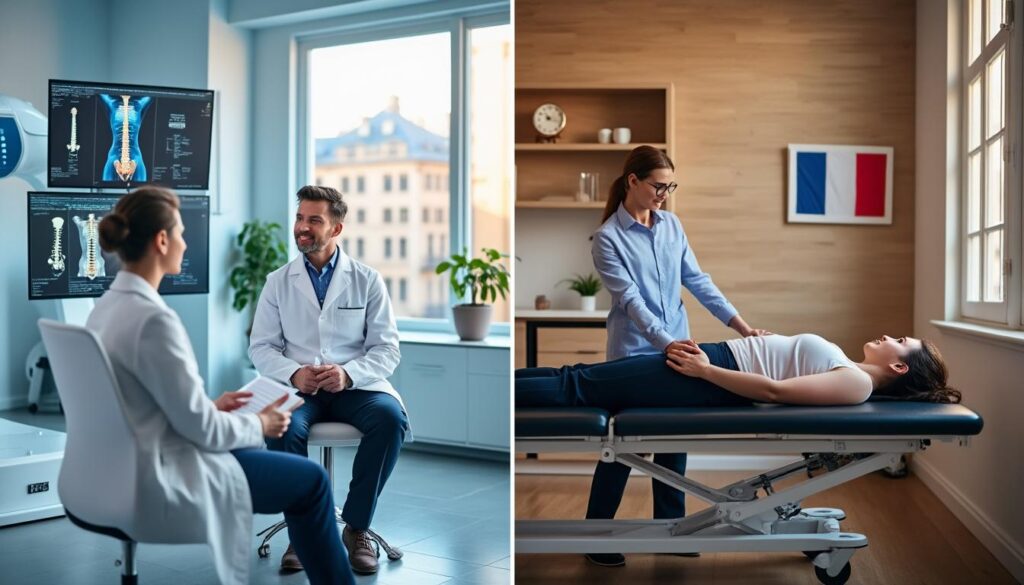
International Comparison: Spotlight on Spine Care Practices Between France and Quebec
The growing emphasis on spine health in Quebec has spotlighted the value of international collaboration in advancing patient care. With the challenges of prolonged wait times and high private care costs in Quebec, France emerges as an attractive alternative, boasting…
Economic and Psychological Benefits of Choosing a Coordinated CarePathway for Spine Surgery Abroad
Undergoing spine surgery through a coordinated pathway abroad, particularly between Quebec and France, offers numerous economic and psychological advantages. Financially, the streamlined organization designed by partners like Franchir optimizes expenses related to travel and hospital stay while bypassing long domestic waitlists, yielding quicker access to essential care. From a hospital resource perspective, it also reduces in-country surgical burdens, allowing better allocation of local health services.
Psychologically, structured programs reduce anxiety and confusion linked to complex medical journeys. Clear communication, well-organized steps, and supportive multidisciplinary teams nurture patient confidence throughout treatment. The reassuring presence of international collaboration and follow-up support via platforms like Neurothérapie Montréal fosters improved patient adherence and satisfaction. Numerous studies confirm enhanced mental well-being and motivation directly correlating with comprehensive, navigated healthcare pathways (source).
Advantages include:
- Cost-effective treatment access without waiting months or years in local systems
- Expedited care delivery reducing prolonged disability
- Structured support systems improve patient compliance and resilience
- Higher patient empowerment through education and personalized care plans
| Benefit Type | Details | Impact on Patient Experience |
|---|---|---|
| Economic | Optimized travel and care costs, reduced local wait times | Faster return to productivity, reduced financial burden |
| Psychological | Clear communication, coordinated care approach | Reduced anxiety, enhanced treatment adherence |
| Clinical | Access to advanced surgical technologies and multidisciplinary teams | Improved outcomes and patient satisfaction |
| Logistical | Comprehensive support including accommodation and transport | Greater patient comfort and reduced stress |
Medical Logistics and Accommodation: Central Pillars in the Patient Care Journey
In the evolving landscape of global healthcare, the interplay between medical logistics and patient accommodation has become a cornerstone for effective and patient-centric care delivery. This synergy is particularly evident in the management of international patient journeys, where cross-border coordination,…
Essential Considerations for Preparing Patients for SimpleSurg, FusionCare, or MotionMed Procedures
Patient preparation is a critical determinant in the success of spine surgery, whether simple, fusion, or motion-preserving. Key preoperative measures involve comprehensive medical optimization, psychological readiness, and education regarding procedural specifics. Engaging patients through tailored information about risks, benefits, and expected recovery timelines supports realistic expectations and informed consent.
Essential preoperative steps include:
- Thorough Medical Evaluation: Identification and stabilization of comorbidities such as diabetes or cardiovascular disease.
- Prehabilitation: Customized exercise regimens to enhance muscular strength and respiratory function, which contribute to faster postoperative recovery.
- Medication Management: Adjusting anticoagulant and analgesic therapies in coordination with surgeons and anesthesiologists.
- Psychological Support: Addressing anxiety or depression proactively, potentially with counselling or cognitive strategies.
- Patient Education: Detailed walkthrough of the surgery process, recovery expectations, and rehabilitation plans.
Studies emphasize that well-prepared patients show reduced postoperative complications, shorter lengths of hospital stay, and improved functional outcomes. Multimodal support and clear communication form the cornerstone of such preparation, creating a supportive SurgiPath environment conducive to healing (source).
| Preoperative Preparation Aspect | Purpose | Impact on Surgical Result |
|---|---|---|
| Medical Optimization | Mitigate health risks | Lower complications, safer surgery |
| Prehabilitation Exercises | Enhance physical readiness | Faster recovery, better mobility |
| Medication Adjustment | Reduce bleeding, manage pain | Improved safety and comfort |
| Psychological Counselling | Address mental barriers | Improved cooperation, reduced stress |
| Patient Education | Set realistic expectations | Greater adherence, informed decision |
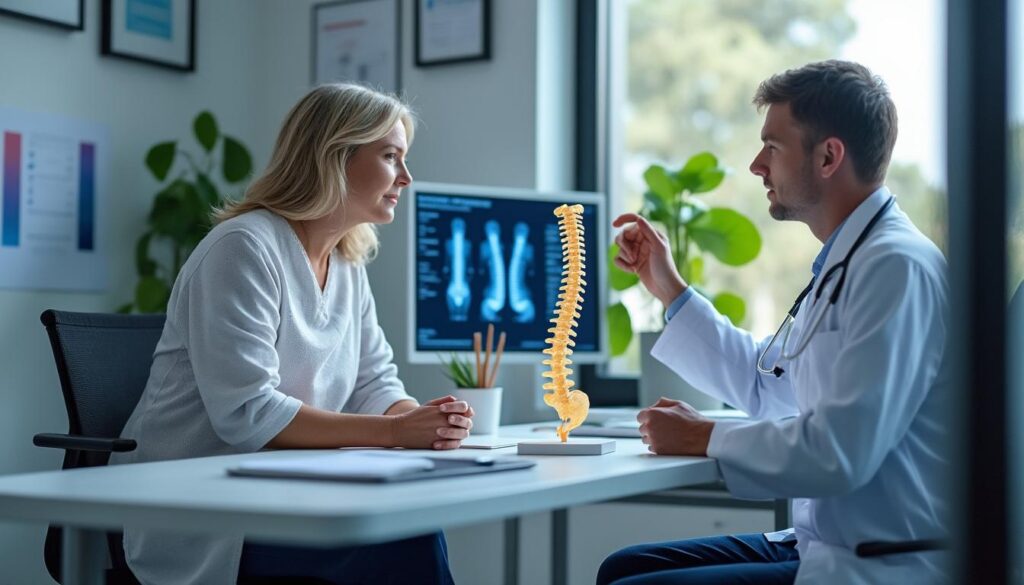
Comprehensive Guide to Eligibility Criteria for Back Surgery
The decision to undergo back surgery involves numerous complex considerations that extend beyond the presence of spinal discomfort. Through an international collaboration between healthcare experts in Quebec and France, patients facing severe spine conditions now have access to advanced surgical…
Innovative MotionFusion Implants: Transforming Post-Fusion and Preservation Strategies
Among the recent advances in spinal care, motion-preserving stabilization implants labeled as MotionFusion have carved an essential role. These systems bridge the gap between traditional fusion rigidity and natural movement, offering dynamic stabilization with controlled flexibility. Examples include advanced devices like the TOPS system and LP-ESP prostheses, which integrate biocompatible materials engineered to sustain repeated biomechanical stresses without compromising stability.
Key biomechanical advantages of MotionFusion include:
- Preservation of near-physiological spinal motion, reducing adjacent segment wear
- Minimally invasive implantation with robotic and image-guidance support to ensure exact positioning
- Enhanced load distribution protecting discs and facet joints
- Potential reduction in long-term complications compared with rigid fusion
Clinical evidence shows encouraging outcomes: patients demonstrate quicker functional recovery, less postoperative pain, and a better quality of life compared with those undergoing conventional fusion. These implants represent the forefront of the MotionSurg philosophy, marrying stabilization with motion preservation, tailored to individual pathology severity and lifestyle demands. Comprehensive reviews further elucidate their safety profiles and indications (source).
| Implant System | Functionality | Clinical Benefits | Suitability |
|---|---|---|---|
| TOPS | Dynamic facet joint stabilization | Preserves motion, reduces adjacent degeneration | Lumbar spine instability without severe deformity |
| LP-ESP | Artificial disc replacement | Maintains physiological load and motion | Single-level degenerative disc disease |
| IntraSPINE | Interlaminar dynamic stabilization | Relieves back pain with preserved mobility | Lumbar degenerative conditions with moderate instability |
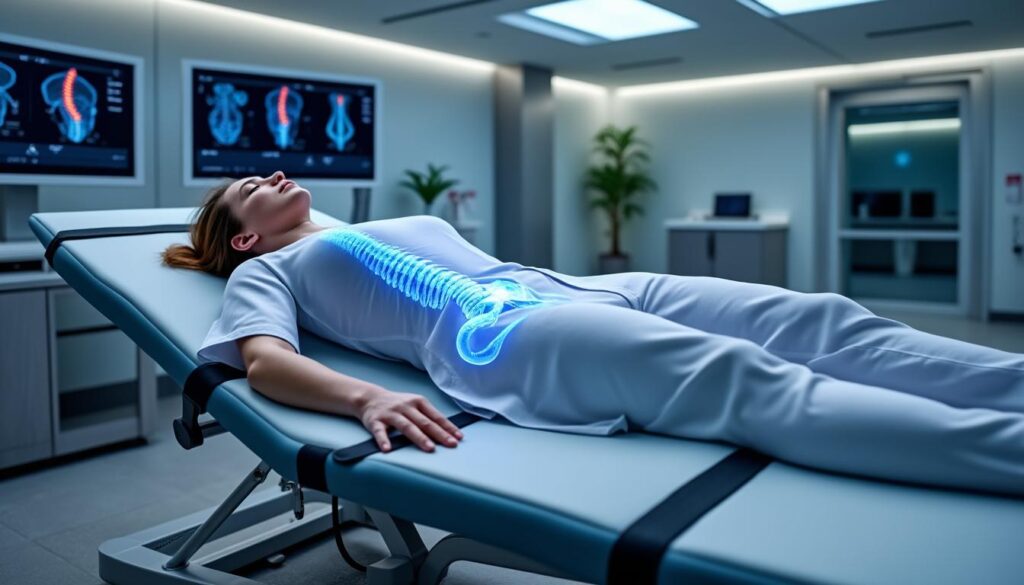
Unveiling the Hidden Benefits of Neurovertebral Decompression Therapy
Chronic back and neck pain remain pervasive health issues impacting millions, often leading to debilitating effects on daily life and overall well-being. Traditional management strategies frequently fall short due to lengthy wait times, high costs, or invasive procedures. Amid this…
Continuous Professional Education and Certification in Spine Surgery: Ensuring Quality and Innovation
Maintaining excellence in spine surgery requires ongoing professional education and certification aligned with emerging technologies and evolving care standards. Institutions such as the Société Française de Chirurgie Rachidienne (SFCR) and university diplomas from Bordeaux and Paris offer advanced curriculum, emphasizing minimally invasive techniques, robotic-assisted surgeries, and innovative implant applications.
These training programs focus on:
- Core knowledge of spinal pathology and biomechanics
- Hands-on experience with modern surgical technologies
- Updated protocols incorporating Enhanced Recovery After Surgery principles
- Research and evidence-based practice development
Regular participation enhances surgeon competence, supporting safe integration of SurgiPath and CareFusion approaches into institutional spine programs. For example, courses like the IRCAD Endoscopic Spine Course facilitate skill acquisition in endoscopic decompression, complementing fusion and motion preservation techniques (source).
| Education Type | Focus Area | Outcome |
|---|---|---|
| DU and DIU Diplomas | Comprehensive spinal surgery knowledge | Certified expertise, academic credentials |
| Hands-on Workshops | Robotic and minimally invasive surgical skills | Enhanced technical proficiency |
| ERAS Protocol Training | Multimodal care pathway implementation | Improved recovery and patient outcomes |
| Research Forums | Latest evidence dissemination | Updated clinical best practices |
Future Trends: Integrating Artificial Intelligence and Personalized Medicine in Spine Pathway Surgery
Looking forward, the fusion of artificial intelligence (AI) with personalized medicine promises to revolutionize spinal care pathways. AI algorithms analyzing large datasets may optimize diagnosis, predict surgical outcomes, and tailor interventions to individual biomechanical and genetic profiles. This anticipates a further refinement of the SimplePath Care concept, enhancing decision-making and reducing complication risks.
The integration of AI-powered robotic systems could automate complex planning and intraoperative adjustments, adapting real-time to tissue changes and patient responses. Personalized implant designs, potentially leveraging 3D-printed anatomy-specific components, will also refine motion preservation strategies under the MotionFusion paradigm.
Key emerging innovations expected by the mid-2020s include:
- Predictive modeling for surgical success and risk stratification
- Customized implant manufacturing based on patient imaging
- AI-assisted rehabilitation protocols optimized per individual recovery patterns
- Enhanced virtual and augmented reality surgical training modules
| Innovation | Expected Impact | Timeline |
|---|---|---|
| AI-Driven Diagnostics | More accurate and timely diagnosis | Within 2025-2027 |
| Personalized Implant Fabrication | Optimized biomechanical fit and longevity | 2025 onwards |
| AI Rehabilitation Customization | Faster, targeted recovery plans | 2026-2028 |
| Virtual Reality Training | Enhanced surgeon skill development | Continuing growth post-2025 |
What conditions are best treated with simple spinal surgery?
SimpleSurg is ideal for conditions such as lumbar disc herniation and spinal stenosis where targeted nerve decompression is sufficient to relieve symptoms.
How does motion-preserving surgery compare to spinal fusion?
MotionMed techniques maintain spinal flexibility and reduce the risk of adjacent segment degeneration often seen with fusion, though patient suitability varies.
Why are multimodal care pathways important in spine surgery?
Care pathways like PathwaySurgery integrate multidisciplinary approaches and enhanced recovery protocols that optimize surgical outcomes and patient experience.
What are the benefits of choosing spine surgery abroad through a coordinated pathway?
Patients gain quicker access to advanced technologies and expertise, benefiting from organized logistics and structured postoperative support, reducing stress and improving outcomes.
What role does preoperative preparation play in surgical success?
Comprehensive preparation including medical optimization, prehabilitation, psychological support, and patient education significantly lowers complications and enhances recovery after spine surgery.
Tableau comparatif des principales techniques chirurgicales
Simple Surgery, Fusion, and Motion — comparaison interactive