Herniated Disc in Sainte-Julie: Top 3 Warning Signs and Neurovertebral Decompression Treatment
June 9, 2026
Minimally Invasive Surgery in Longueuil: Maintain Flexibility After Surgery
June 10, 2026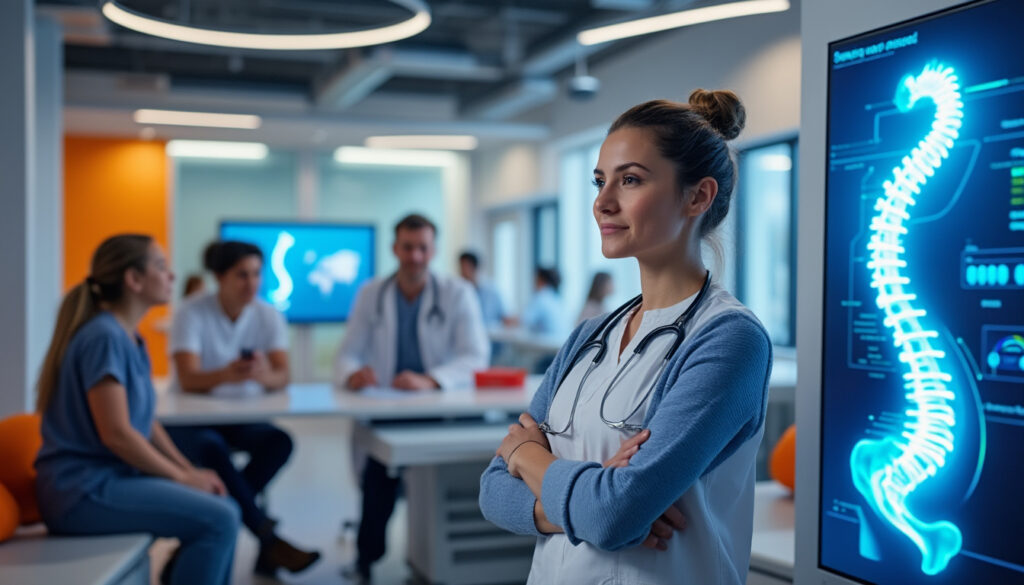
The challenge of managing chronic spinal pain continues to grow in Québec, where patients search for effective and less invasive options beyond traditional treatments. Among emerging solutions, the Total Posterior Spine System (TOPS) available in Gatineau stands out as a transformative innovation in lumbar spine care. Unlike lumbar fusion surgeries that reduce motion and often cause stiffness, the TOPS implant offers a dynamic stabilization preserving natural spinal mobility and providing lasting relief from back pain. This article explores the benefits, patient journey, scientific foundation, and multidisciplinary care model coordinated by the renowned spine care expert Dr. Sylvain Desforges, whose more than 30 years of experience elevate patient outcomes with a human-centered and evidence-based approach.
At the intersection of advanced surgical technology and conservative management, the TOPS system reflects a new paradigm in spinal surgery, emphasizing function and quality of life without compromising long-term spinal health. Coordinated care pathways across Québec and France, led by Dr. Desforges, ensure patients receive timely, innovative treatments backed by scientific rigor. This comprehensive perspective reveals how patients in Gatineau and beyond benefit from cutting-edge techniques that combine neurovertebral decompression, state-of-the-art implants, and personalized rehabilitation strategies for excellent pain management and preserved mobility.
Understanding the TOPS System: A Breakthrough in Lumbar Spine Care in Gatineau
The TOPS system represents a pioneering step away from traditional spinal fusion, aimed primarily at patients suffering from lumbar spinal stenosis and low-grade spondylolisthesis. This dynamic implant, developed by Premia Spine, replaces the natural facet joints and stabilizes the spine following decompression surgery, while uniquely allowing a retained range of motion at the treated segment. Unlike fusion, which eliminates movement by rigidly fixing vertebral levels, TOPS maintains the biomechanical integrity of the lumbar spine to reduce the risk of adjacent segment degeneration over time.
Research, such as the pivotal studies registered on clinicaltrials.gov and featured in journals like ScienceDirect, demonstrate how TOPS provides effective pain relief and preserves spinal functionality. Patients undergoing TOPS implantation often report faster functional recovery compared to traditional fusion, with sustained improvements in spinal biomechanics.
For patients in Gatineau considering surgical intervention, understanding this technology offers a clear alternative to the long-established fusion method. The device facilitates radical decompression by allowing removal of the affected facet joints, which contribute to nerve compression and back pain, while the implant allows controlled motion, improving patient satisfaction and long-term outcomes.
Dr. Sylvain Desforges, with his deep expertise and leadership at TAGMED Clinics, is instrumental in guiding patients through the complex considerations surrounding this technology. His rigorous evaluations ensure that candidates for TOPS surgery fully understand the device’s indications and benefits, positioning this approach as a tailored solution within an integrated care framework.
Herniated Disc in Verdun: Preparing for Your Session and Neurovertebral Decompression Treatment
In Verdun, back pain, particularly from herniated discs, remains a significant challenge impacting a diverse population ranging from young professionals to seniors enjoying retirement. The urban vibrancy combined with a focus on quality of life in this Montreal borough underscores…
Key Advantages of the TOPS Implant: Enhancing Quality of Life through Preserved Mobility
TOPS delivers a set of clinical advantages that address the common drawbacks of lumbar fusion surgery, especially regarding spinal mobility and pain management. By preserving physiological movement at the surgical level, the implant reduces stress on adjacent vertebral segments, mitigating the risk of subsequent degenerative changes frequently observed after fusion.
Among the several benefits highlighted by both patients and clinicians are:
- Preserved Range of Motion: Maintains natural flexion, extension, and rotational movements, enabling patients to perform everyday activities with greater ease.
- Sustained Pain Relief: The device combines decompression with dynamic stabilization, leading to long-term relief from nerve-related lumbar pain.
- Reduced Adjacent Segment Degeneration: Unlike fusion, which can lead to wear on neighboring segments, TOPS minimizes this risk by preserving spinal mechanics.
- Accelerated Functional Recovery: Patients often regain mobility more rapidly, facilitating earlier return to work and recreational pursuits.
- Lower Need for Additional Surgeries: The durability and biomechanical compatibility of the implant reduce the likelihood of revision procedures.
These advantages collectively improve quality of life for those living with chronic back pain or degenerative lumbar conditions. Emphasizing these outcomes, Dr. Desforges employs TOPS within a multidisciplinary care approach that incorporates physical therapy and targeted rehabilitation to maximize functional gains post-surgery.
Comparisons between traditional fusion and the TOPS system have been documented in several clinical trial reports and publications, such as on Medical Device Network, validating the technology’s superior long-term performance in maintaining spinal mobility without compromising stability.
A Comparative Table of TOPS Versus Lumbar Fusion Surgery
| Criteria | TOPS Implant | Lumbar Fusion |
|---|---|---|
| Spinal Mobility | Preserved natural motion | Restricted, resulting in stiffness |
| Pain Relief | Effective with dynamic stabilization | Effective but may lead to adjacent pain |
| Risk of Adjacent Segment Disease | Lower due to motion preservation | Higher due to rigid fixation |
| Recovery Time | Typically faster, 3-6 months | Longer, often 6+ months |
| Revision Surgery Rates | Lower | Higher |
Disc Prosthesis in Lévis: A Safe Alternative to Rigid Spinal Fusion
Back pain remains one of the most widespread and debilitating health concerns worldwide, affecting millions of individuals and impeding their daily lives. In Canada alone, the growing number of patients suffering from chronic lumbar pain has spurred a demand for…
Coordinated Patient Pathways: Transatlantic Collaboration for Advanced Spine Treatments
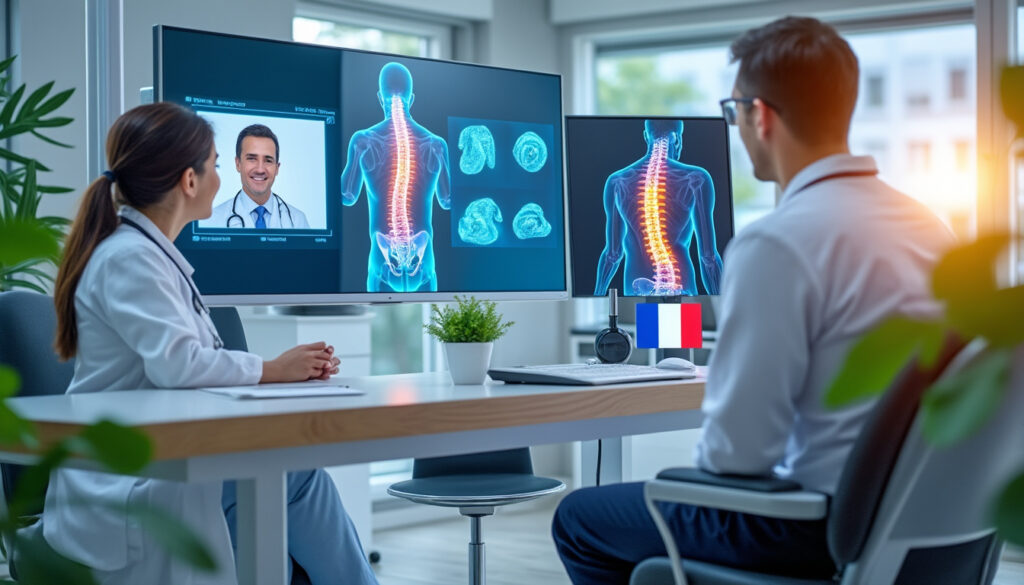
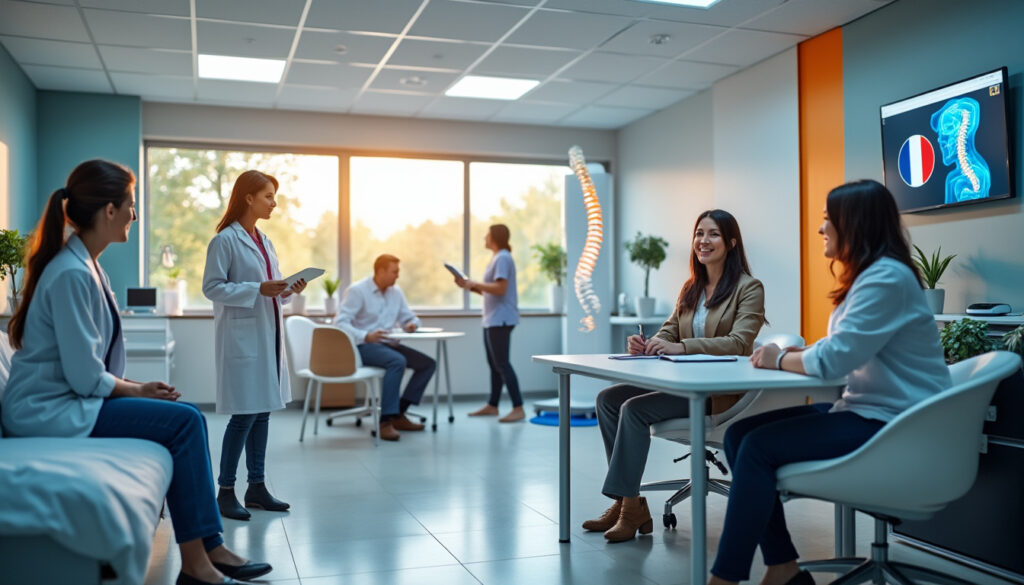
The management and treatment of chronic lumbar conditions involving TOPS in Gatineau benefit immensely from a structured patient pathway orchestrated by Dr. Sylvain Desforges and his expert team. Beginning with comprehensive clinical evaluations at TAGMED Clinics, the process embodies a holistic approach from diagnosis to treatment and rehabilitation.
The patient journey typically involves:
- Intensive Initial Assessment: Dr. Desforges conducts a meticulous review of medical history, symptoms, and spinal imaging, ensuring appropriate surgical candidacy for TOPS implantation.
- Conservative Treatment Phase: A 3 to 6-month period emphasizing neurovertebral decompression and physical therapy as preliminary approaches to ameliorate symptoms.
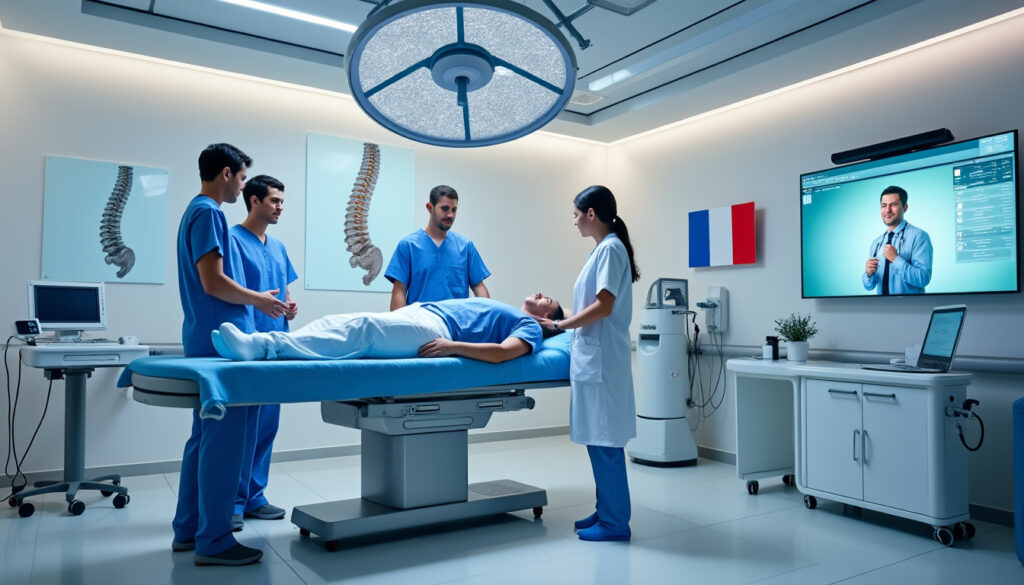
- International Surgical Coordination: Should surgery be necessary, arrangements are made for the implant procedure in France, where specialized spine surgeons perform the operation with cutting-edge technology.
- Postoperative Rehabilitation: Upon return to Québec, dedicated physical therapy and follow-up care at local centers ensure smooth recovery and maximal functional restoration.
This seamless transatlantic coordination exemplifies how Québec patients gain access to globally recognized expertise, advanced surgical methods, and personalized care continuity. Collaborative platforms, such as SOS Tourisme Médical, complement this network by facilitating logistics and patient support, optimizing timelines and addressing healthcare system constraints locally.
Dr. Desforges’ involvement transcends mere evaluation; his ongoing clinical guidance and patient education reinforce trust and empowerment throughout the care continuum.
In the vibrant community of Saint-Laurent, back pain caused by herniated discs continues to be a significant health challenge affecting countless individuals. The condition’s complexity extends far beyond the mere sensation of pain, necessitating advanced and precise treatment modalities for…
Conservative Treatments: Essential Foundations Before Considering TOPS Surgery
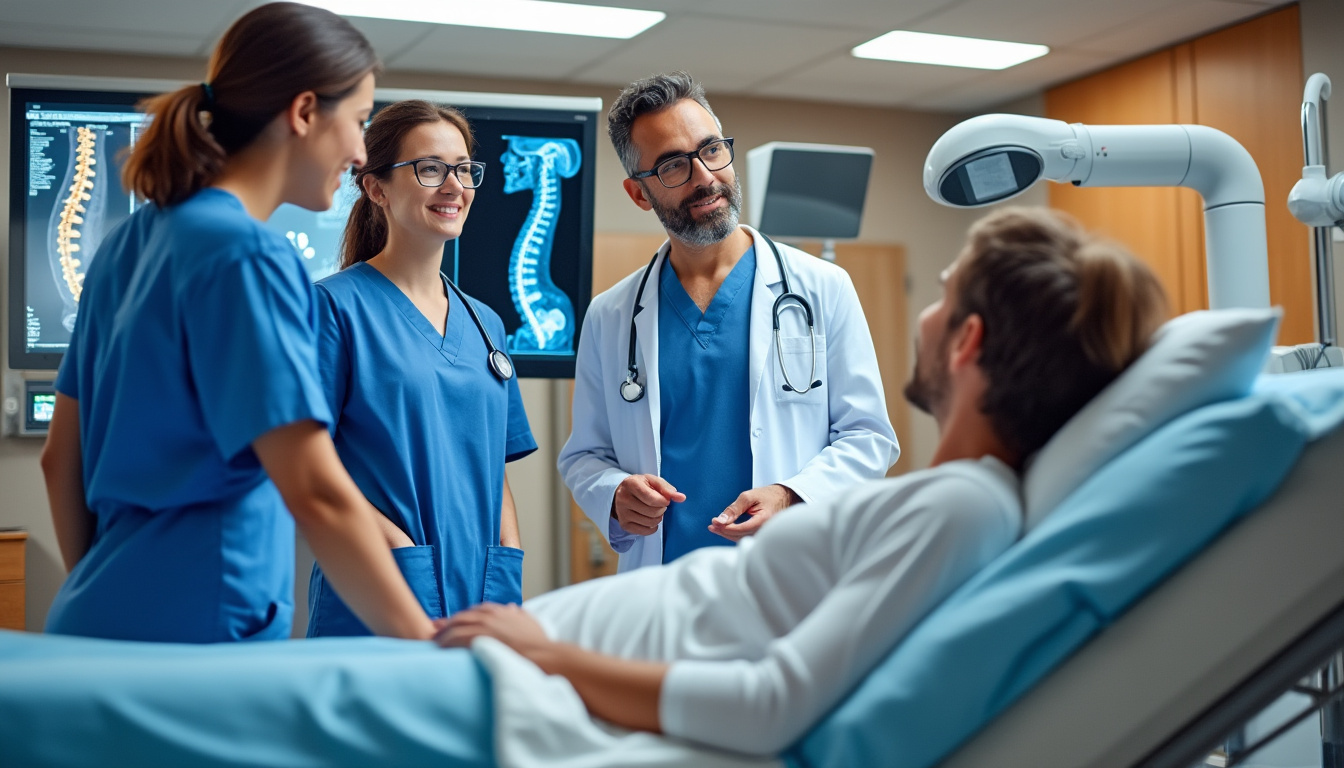
Prior to advancing towards a surgical solution like the TOPS implant, a thorough trial of conservative management is essential and strongly recommended to optimize outcomes. Patients undergo neurovertebral decompression therapy—a sophisticated technique that alleviates nerve pressure through non-invasive spinal traction.
This phase usually ranges from 3 to 6 months and commonly includes adjunctive therapies, such as:
- Robot-assisted neurovertebral decompression: Uses precise, computer-guided mechanical decompression to reduce disc and nerve root pressure gently.
- Shockwave therapy: Non-invasive pulses promote tissue healing and decrease pain.
- Osteopathic care: Manual techniques reduce muscular tension and improve circulatory function to support spinal health.
- Structured physical therapy: Customized exercises enhance spinal stability and mobility.
These conservative measures can significantly improve symptoms, often reducing or postponing the need for surgical intervention. Dr. Desforges’ patient-centered approach ensures treatment plans are adapted to each individual’s condition, taking into account their lifestyle, goals, and medical history.
By integrating clinical evidence with a humanized evaluation method, this approach aligns with the broader goal of minimizing invasive procedures and optimizing patient quality of life.
Motion Surgery in Terrebonne: Minimizing Complications and Preserving Mobility
In recent years, spinal care has witnessed transformative advances aimed at enhancing patient outcomes through innovative surgical techniques. Among these developments, motion surgery in Terrebonne has emerged as a groundbreaking approach for individuals suffering from chronic back and neck pain.…
Innovations in Postoperative Rehabilitation and Long-Term Care
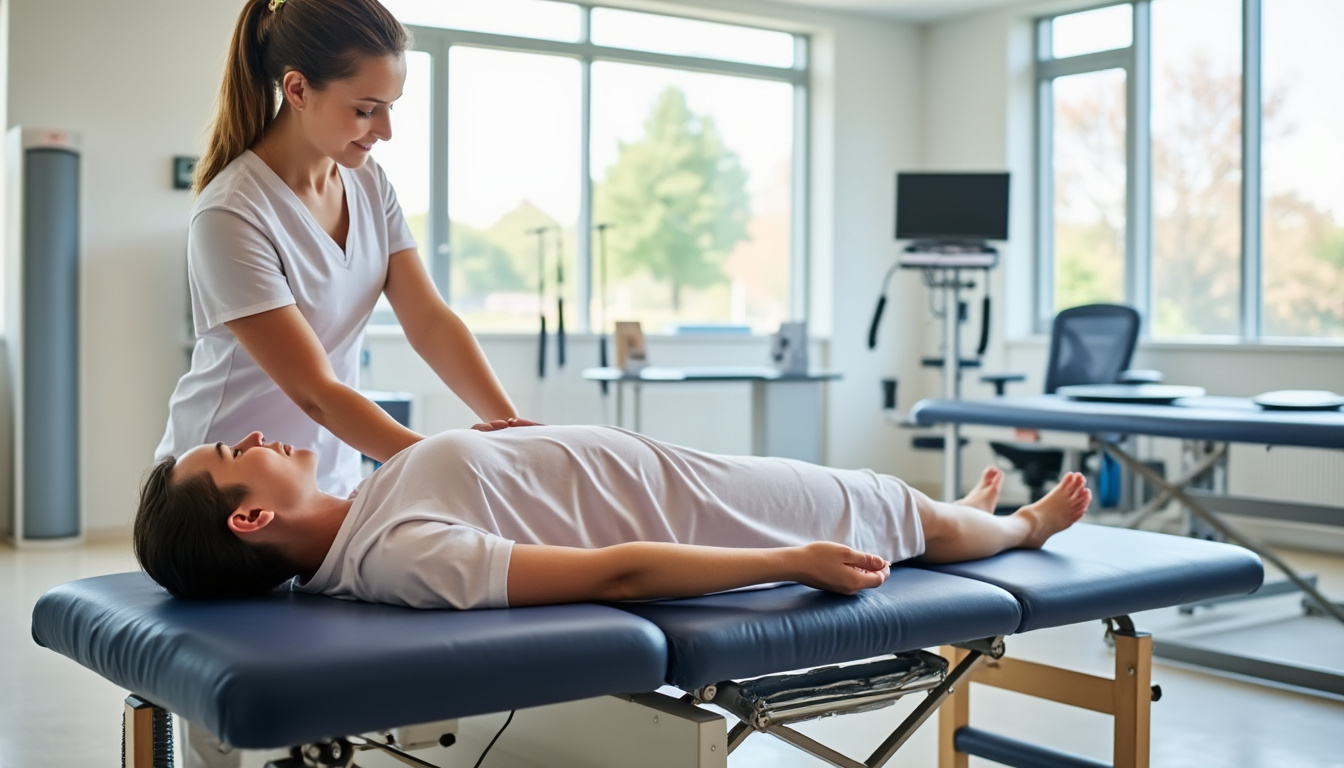
Following TOPS implantation, a carefully coordinated rehabilitation program is critical to maximizing the benefits of surgery and ensuring preservation of spinal mobility. Dr. Desforges emphasizes personalized rehabilitation plans that integrate ongoing physical therapy and technological adjuncts, tailored to each patient’s recovery progress.
Rehabilitation focuses on:
- Restoring functional movement: Exercises targeting muscle strength and spinal flexibility help support the implanted device and resume daily activities.
- Pain management: Techniques such as laser therapy and shockwave treatment complement physical therapy for sustained relief.
- Monitoring and adjustments: Regular clinical assessments evaluate healing progress and adapt exercises to avoid overloading the spine.
- Patient education: Empowering patients with knowledge about activity modifications and long-term spine care fosters sustained health.
Dr. Desforges’ ethical commitment includes strict adherence to Quebec and Canadian medical regulations, ensuring patient safety and evidence-based care. His leadership within the Alliance Canadienne de Médecine Alternative (ACMA) facilitates integration of emerging therapies grounded in scientific research, reinforcing a trustworthy and innovative treatment environment.
Therapeutic Technologies Complementing Recovery
Advanced modalities such as neurovertebral decompression and laser therapy play an important role post-surgery. These technologies not only accelerate tissue healing but also improve circulation and reduce inflammatory responses, contributing to lasting relief and enhanced mobility.
Innovations in dynamic spinal implants like TOPS are best complemented by these non-invasive therapies to foster a holistic recovery experience.
Disc Herniation in Brossard: Safety, Contraindications, and Neurovertebral Decompression Treatment
Disc herniation in Brossard represents a significant challenge due to the prevalence of this spinal condition and the complexity involved in its management. Many individuals endure intense lower back pain that severely limits daily activities, underscoring the demand for reliable,…
Role of Dr. Sylvain Desforges: Guiding Spine Care with Expertise and Compassion
Dr. Sylvain Desforges stands as a pioneer in spinal healthcare with over 30 years of extensive clinical experience, holding formal qualifications including B.Sc., D.O., and N.D. As founder and president of organizations like the Canadian College of Osteopaths and ACMA, as well as the lead practitioner at Clinique TAGMED, he combines scientific rigor, ethics, and advanced innovation to elevate patient care standards.
His unique expertise revolves around comprehensive spinal evaluations rather than diagnoses, ensuring each patient’s condition is precisely understood. Patients benefit from Dr. Desforges’ methodical and empathic assessments, tailored treatment pathways, and continuity of care that spans across continents, notably between Québec and France. This international collaboration enables access to surgical options such as the TOPS system while maintaining consistent follow-up locally.
By championing evidence-based medicine alongside patient safety and transparent communication, Dr. Desforges fosters a care environment where patients feel supported and motivated to engage actively in their healing journey. His commitment to education demystifies complex spinal pathologies and treatment options, making advanced therapies more accessible and comprehensible to both healthcare professionals and patients alike.
This dedication is well reflected in various expert forums and articles, including those available at SOS Herniated Disc, which serve as valuable resources for Québec residents navigating spinal health challenges.
Lumbar Disc Prosthesis in Saguenay: Immediate and Trusted Relief
The Saguenay region, renowned for its active population and picturesque landscapes, faces a rising challenge: persistent lower back pain that affects the daily lives of many adults. This growing discomfort among working individuals has sparked an urgent search for effective,…
Patient Experiences and Outcomes: Real-World Benefits of TOPS in Gatineau
Patients receiving TOPS implants in Gatineau report significant and lasting improvement in back pain reduction and preservation of spinal motion. These real-world outcomes confirm clinical trial data and demonstrate the implant’s capacity to restore functionality and improve quality of life.
For instance, one patient shared how after years of debilitating lumbar pain limiting daily activities and physical therapy progress, undergoing the TOPS procedure allowed them to return to active work and engage in recreational sports within months. This rapid functional restoration, contrasted with the limitations experienced during previous fusion trials, highlights the impact of motion-preserving technology.
Another case involved a middle-aged individual with grade 1 spondylolisthesis, who underwent the TOPS intervention coordinated by Dr. Desforges and French surgical experts. The patient described the journey as reassuring due to the clear communication and continuous follow-up, expressing satisfaction with the lasting pain relief and renewed telescope of mobility.
The positive reception and growing adoption of TOPS in Gatineau emphasize the important role of innovative spinal care pathways supported by experts like Dr. Desforges. These advancements contribute directly to enhancing local health services and expanding treatment options for spinal conditions traditionally handled with fusion.
The challenge of managing herniated discs is a pressing concern in Repentigny, where a significant portion of the community endures persistent spinal pain that compromises mobility and quality of life. Occurring when the softer interior of an intervertebral disc protrudes…
Future Trends in Spine Surgery and Mobility Preservation
As spinal healthcare evolves, the shift towards motion-preserving surgical techniques continues to gain momentum. The TOPS system exemplifies this trend, reflecting a broader movement to personalize and optimize spinal treatments to maintain natural function.
Current research focuses on refining implant materials, enhancing minimally invasive surgical methods, and integrating digital tools for precise surgical planning and postoperative monitoring. In this ecosystem, Dr. Desforges’ commitment to continual innovation and collaboration across medical borders positions his clinics at the forefront of patient-centered spine care.
Looking ahead, advancements such as AI-guided decompression, robotic-assisted implant placement, and improved biomaterials promise to further enhance outcomes and reduce risks. These developments align closely with the principles of preserving mobility, reducing pain, and improving quality of life — core tenets of TOPS philosophy applied in Gatineau’s context.
Patients interested in exploring these modern therapies can benefit from personalized consultations by Dr. Desforges, who ensures each individual’s conditions and aspirations are comprehensively addressed within an evidence-driven framework.
What are the primary benefits of the TOPS system?
The TOPS system preserves spinal mobility, provides long-lasting pain relief, and enables faster functional recovery compared to traditional fusion surgeries.
How long is the typical recovery period after TOPS implantation?
Most patients regain significant spinal mobility within 3 to 6 months following the procedure, depending on individual factors and rehabilitation adherence.
Which conservative treatments should be tried before considering TOPS surgery?
Patients are advised to undergo conservative therapies such as neurovertebral decompression and physical therapy for at least 3 to 6 months before evaluating surgical options.
How is the patient care pathway coordinated for TOPS surgery?
The journey includes thorough evaluations, conservative treatment phases, coordination for surgery in France when required, followed by comprehensive postoperative rehabilitation and personalized monitoring.
IntraSPINE® in Sherbrooke: Tailored Treatment Solutions for Active Patients
In Sherbrooke, the landscape of spinal health care is being transformed by the introduction of the IntraSPINE device, a pioneering technology engineered for patients seeking effective relief from chronic back pain without sacrificing their active lifestyles. This advanced spinal implant…