Herniated Disc in Sainte-Julie: Top 3 Warning Signs and Neurovertebral Decompression Treatment
June 9, 2026
Pointe-Claire Sciatica Relief Without Steroid Injections
June 10, 2026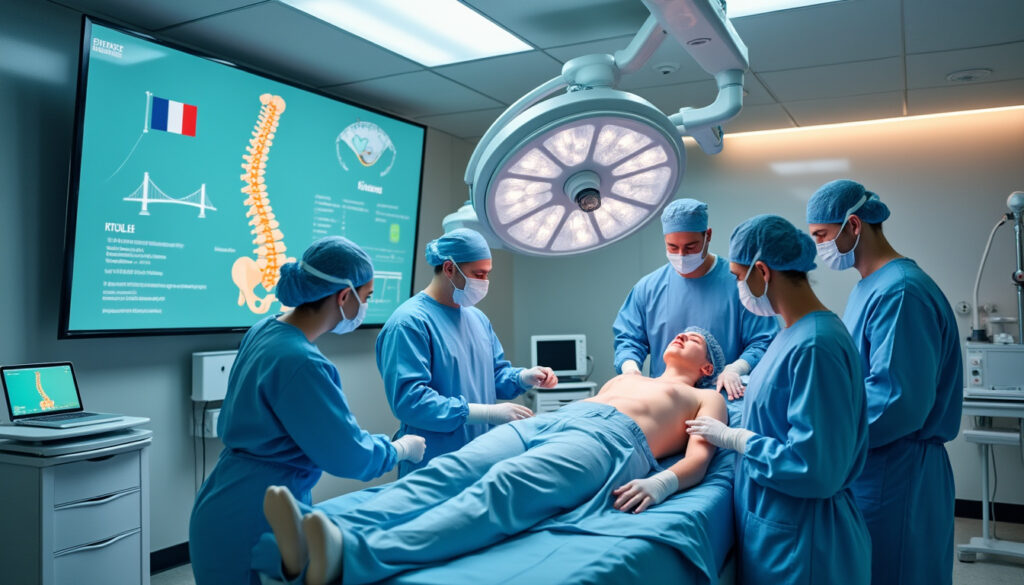
In Longueuil, Quebec, advances in spine treatment are revolutionizing patient experiences through minimally invasive surgery. These techniques emphasize maintaining joint mobility and promoting postoperative flexibility, offering renewed hope for individuals facing spinal conditions. Patients seeking alternatives to traditional surgery, particularly those dealing with extensive wait times or high private care costs in Quebec, are now exploring options that prioritize less trauma and faster recovery. The fusion of innovation, scientific rigor, and ethical care elevates these procedures as a compelling pathway to improved function and quality of life.
Guided by experts with over 30 years of experience, including pioneers such as Dr. Sylvain Desforges, patients receive comprehensive care from evaluation to rehabilitation. The synergy of advanced methods like neurovertebral decompression and dynamic implants alongside cross-continental care coordination ensures treatments are personalized, efficient, and rooted in evidence. In this context, minimally invasive surgery emerges not merely as a medical intervention but as a holistic journey towards sustained spinal health and mobility.
Types of Minimally Invasive Spine Surgery Available in Longueuil
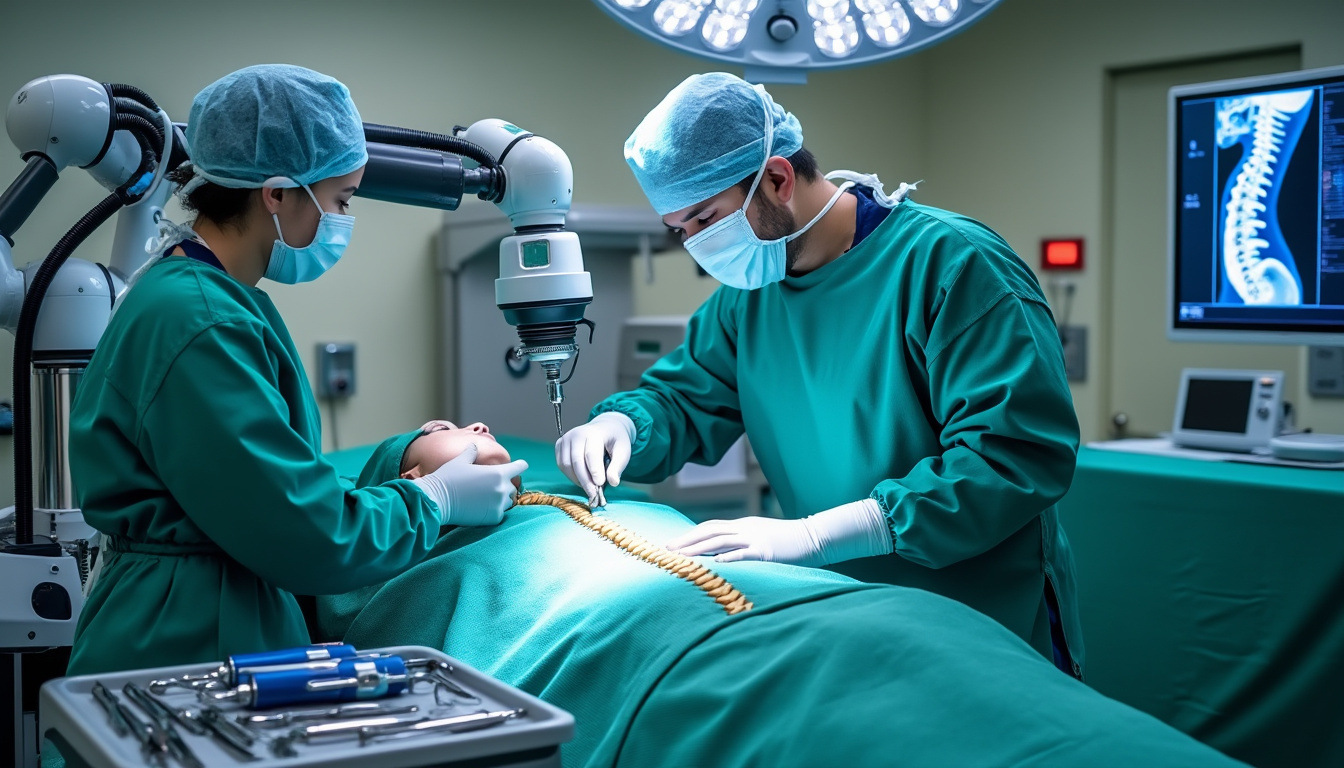
Minimally invasive surgery (MIS) for spinal conditions encompasses a range of procedures tailored to specific diagnoses and patient needs. The core goal is to address issues like nerve compression, disc herniation, and spinal instability while preserving delicate anatomical structures to maintain postoperative flexibility and mobility.
One of the primary categories includes simple decompressive surgeries, such as lumbar microdiscectomy or cervical foraminotomy. These procedures use small incisions to relieve pressure on nerve roots caused by herniated discs or bone spurs without significant alteration of spinal biomechanics. By avoiding large muscle dissection, they expedite recovery and reduce postoperative pain.
Another prevalent category involves fusion surgeries, which stabilize unstable spinal segments by joining two or more vertebrae. Despite the traditional concerns about motion loss, modern fusion techniques employed in Longueuil often incorporate minimally invasive approaches that limit collateral tissue damage. These are carefully selected for patients when conservative options have failed, ensuring that the benefits outweigh potential biomechanical compromises.
Finally, motion-preserving surgeries represent a significant leap forward. Technologies such as artificial disc replacement and dynamic implants provide spinal stability while maintaining natural joint movement. These innovative implants, increasingly available in Longueuil, often afford patients less postoperative stiffness compared to fusion, supporting a more active lifestyle post-surgery.
The selection among these surgical categories hinges on comprehensive evaluations, often involving multidisciplinary teams led by experienced experts in spinal pathology assessments. This ensures the alignment of procedure type with individual pathology and patient goals, maximizing outcomes in terms of pain relief and joint mobility.

IntraSPINE® in Sherbrooke: Durable Solution for Chronic Low Back Pain
The management of chronic low back pain, a widespread condition affecting millions across Quebec and beyond, has reached a pivotal moment thanks to innovative medical technologies and coordinated care pathways. At the heart of this evolution lies the IntraSPINE implant,…
Comprehensive Patient Journey: From Evaluation to Postoperative Care
A successful minimally invasive spine surgery experience begins well before the surgical procedure itself. Expert evaluation, particularly by specialists with extensive backgrounds such as Dr. Sylvain Desforges, who holds a B.Sc., D.O., and N.D., is fundamental. His expertise underscores personalized assessment of spinal pathologies, ensuring the care plan aligns precisely with patient needs.
The initial evaluation phase includes diagnostic imaging, thorough clinical examination, and biomechanical assessments. This phase leverages cutting-edge technologies to confirm indications for surgery and to weigh conservative treatments’ efficacy beforehand. Patients are encouraged to fully engage in understanding their condition, fostering informed decisions.
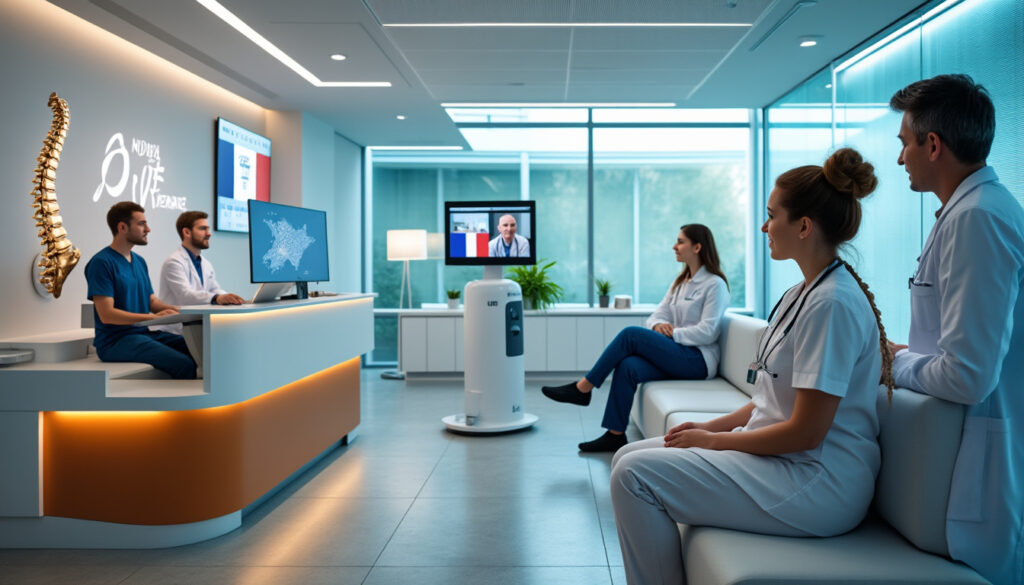
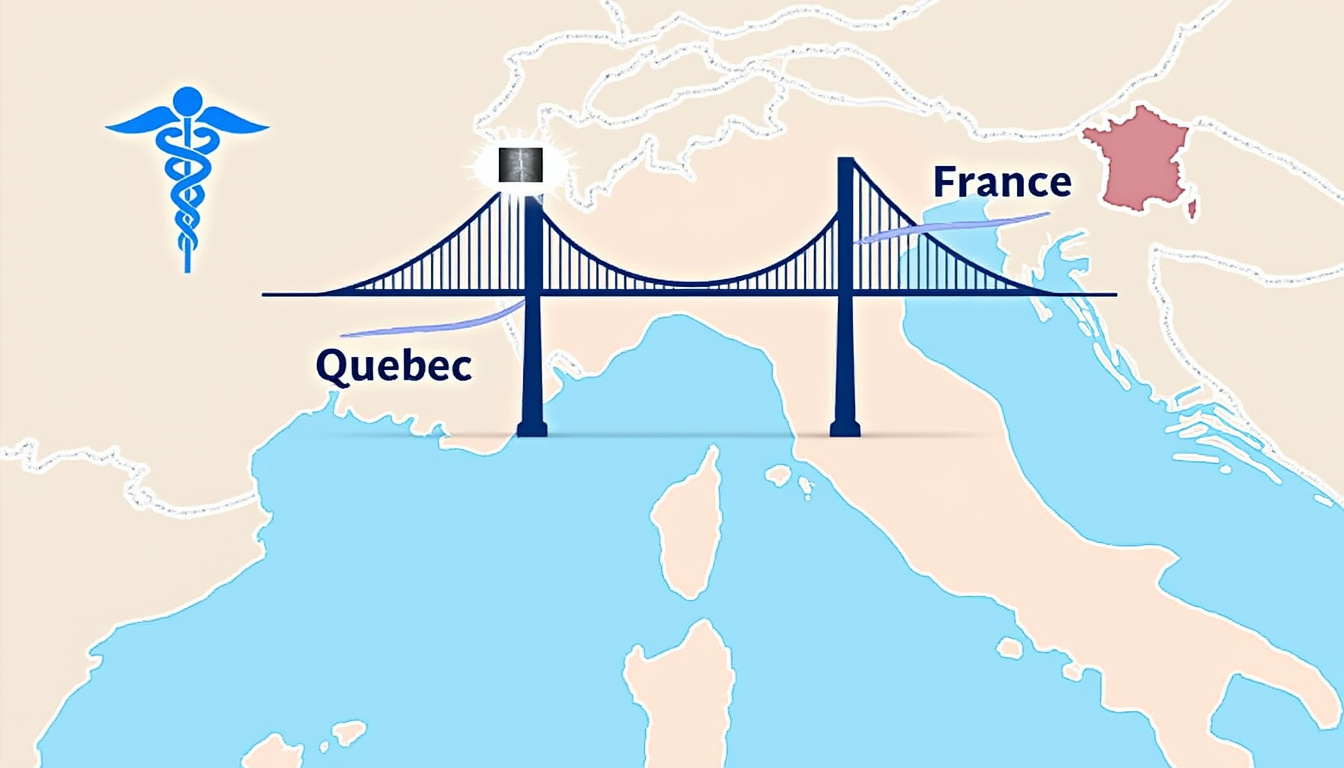
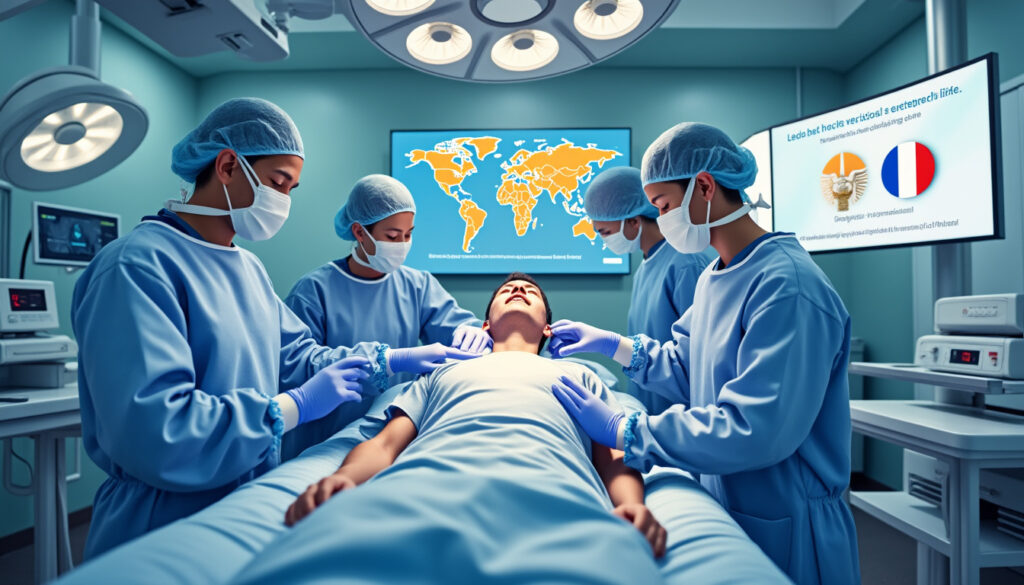
Once surgery is deemed appropriate after careful deliberation, coordination with Longueuil’s reputable surgical teams begins. This transatlantic collaboration is exemplified in the integrated cooperation between Canadian practitioners and French facilities renowned for advanced implant choices and minimally invasive expertise. Such partnerships expedite scheduling and optimize the patient’s surgical window.
Following surgery, patient care shifts towards managing pain, protecting the surgical site, and initiating early rehabilitation phases to restore postoperative flexibility. The holistic postoperative approach involves physical therapy tailored to individual recovery trajectories, with a focus on gradual mobilization and strengthening.
Throughout this journey, communication remains paramount. Regular follow-up assessments, clear explanations of recovery milestones, and responsive support contribute to a reassuring patient experience. This carefully orchestrated pathway ensures that each patient’s unique context and goals remain central to care delivery.
Spine Surgery in Trois-Rivières: Reduce Pain and Preserve Mobility
In recent years, spine surgery in Trois-Rivières has evolved notably, combining advanced medical expertise with innovative technologies to deliver patient-centered care. This growing field addresses the increasing demand among Quebec residents seeking effective solutions for chronic back pain and mobility…
Advantages of Transatlantic Coordination for Surgical Recovery
Transatlantic coordination between Quebec and France exemplifies a modern approach to spinal care, especially for patients seeking alternatives to lengthy public healthcare waiting periods or high-cost private options. This collaborative model offers distinct biomechanical, economic, and human advantages.
From a biomechanical standpoint, access to innovations emerging in French surgical centers, such as next-generation dynamic implants and precision-guided decompression techniques, enhances treatment effectiveness. These advanced options may not be as readily available in Quebec, giving patients the chance to benefit from cutting-edge solutions that prioritize maintaining flexibility after surgery.
Economically, this collaboration enables cost efficiencies by streamlining treatment pathways, reducing waiting times, and potentially lowering the total expenses associated with prolonged disability or less effective interventions. Patients often find that the investment in transatlantic care yields better long-term quality of life and reduced societal costs.
Humanly, patients gain from the personalized, culturally sensitive care delivered through combined clinical expertise. The emphasis on transparent patient education, empathetic communication, and thorough follow-up fosters trust and engagement, essential to navigating complex spinal conditions. This model places the patient at the center, ensuring that decisions reflect their values and daily life needs.
This cross-border partnership also benefits from shared protocols, aligning with Canadian and Quebec regulatory standards, including those of the Collège des médecins. Such harmonization guarantees the highest ethical and safety standards are honored.
Cervical Disc Prosthesis in Quebec City: Avoid Post-Surgery Stiffness
Chronic neck pain remains a significant challenge for thousands of residents in Quebec City every year, often leading them to seek effective spinal surgery options that minimize downtime and maximize long-term mobility. Among the recent advancements revolutionizing cervical spine care,…
Conservative Treatments as a Prerequisite to Surgery
Before contemplating any surgical intervention, it is crucial to exhaust conservative management strategies over a period of at least three to six months. This approach aligns with evidence-based practice and Dr. Desforges’ clinical philosophy emphasizing safety and informed decision-making.
Conservative treatments encompass a spectrum of modalities, such as physiotherapy, osteopathy, pharmacological management, and advanced techniques like neurovertebral decompression provided by specialized clinics like Clinique TAGMED. This innovative therapy focuses on non-invasive spinal decompression to alleviate nerve pressure and enhance function, often resulting in significant symptom relief that can delay or even obviate the need for surgery.
Engaging fully in such treatments allows patients to monitor their condition’s natural course and response to less invasive interventions. It also reduces surgical risks by ensuring that surgery is truly indicated when conservative options have been insufficient.
Patients are empowered through education on the benefits and limitations of each modality, fostering active participation in their care and building confidence in treatment pathways. A multidisciplinary team approach supports this process, integrating expertise across osteopathy, physical therapy, and pain management.
Neglecting this conservative phase can lead to premature surgical interventions, which may carry unnecessary risks or fail to offer optimal long-term benefits. Hence, clearly communicating the importance of this step to patients remains a cornerstone of ethical and effective care.
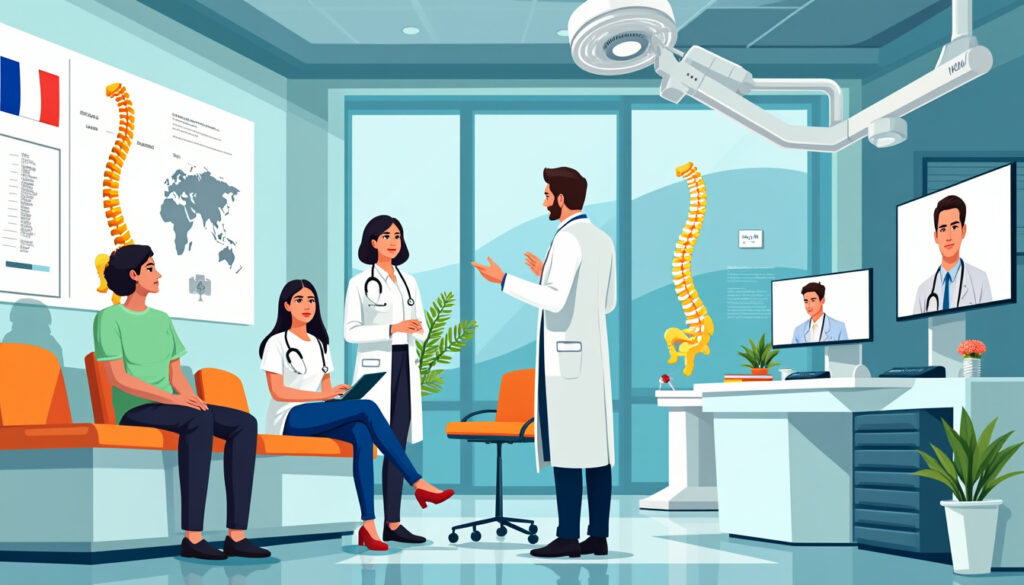
Minimally Invasive Surgery in Longueuil: Reduce Hospital Stay Duration
In recent years, advances in spinal care have dramatically reshaped the treatment landscape for patients suffering from debilitating spinal conditions. Particularly in Longueuil, the emergence of minimally invasive surgery (MIS) techniques offers a transformative alternative to conventional open surgeries. These…
Recovery Timeline and Rehabilitation Strategies After Surgery
The postoperative phase following minimally invasive spine surgery emphasizes rapid restoration of function and minimization of complications. Due to the small incisions and reduced muscle disruption, patients often experience less pain and faster regain of mobility compared to traditional open procedures.
The recovery timeline generally progresses through stages:
- Immediate post-operative period: Characterized by mild discomfort, well-controlled through a combination of medications, cold therapy, and non-pharmacological interventions.
- Early rehabilitation (first 1-2 weeks): Patient education on wound care, gentle range of motion exercises, and mobilization under professional supervision.
- Intermediate phase (3-6 weeks): Gradual reintegration of activities avoiding lifting and twisting, alongside structured physical therapy to rebuild strength and joint stability.
- Late rehabilitation (6 weeks to 3 months): More intensive physical therapy focusing on core strengthening, flexibility, and cardiovascular conditioning to support lasting recovery.
Physical therapy is a pivotal element throughout, designed to ensure rehabilitation maximizes functional outcomes and reduces the risk of reinjury. Therapists customize programs to individual patient needs, continuously adapting as mobility improves.
Average hospital stays for minimally invasive procedures are significantly shorter, often same-day discharge or one to two days at most. Patients typically resume normal daily activities within six weeks, with many returning to work by one to two months post-surgery, depending on their occupational demands.
Here is a summary table illustrating expected recovery milestones:
| Recovery Phase | Timeframe | Key Focus |
|---|---|---|
| Immediate Post-Operative | Days 0-3 | Pain control, wound monitoring, initiate gentle movement |
| Early Rehabilitation | Week 1-2 | Wound care, light mobility exercises, patient education |
| Intermediate Phase | Weeks 3-6 | Progressive physical therapy, activity modification |
| Late Rehabilitation | Weeks 6-12 | Strengthening, flexibility, cardiovascular fitness |
| Long-Term | 3+ Months | Full return to activity, ongoing maintenance |
Managing expectations alongside effective pain management and rehabilitation strategies fast-tracks recovery and enhances patient outcomes. For detailed clinical guidance on recovery after minimally invasive surgery, specialized resources such as this expert recovery overview provide valuable insights.
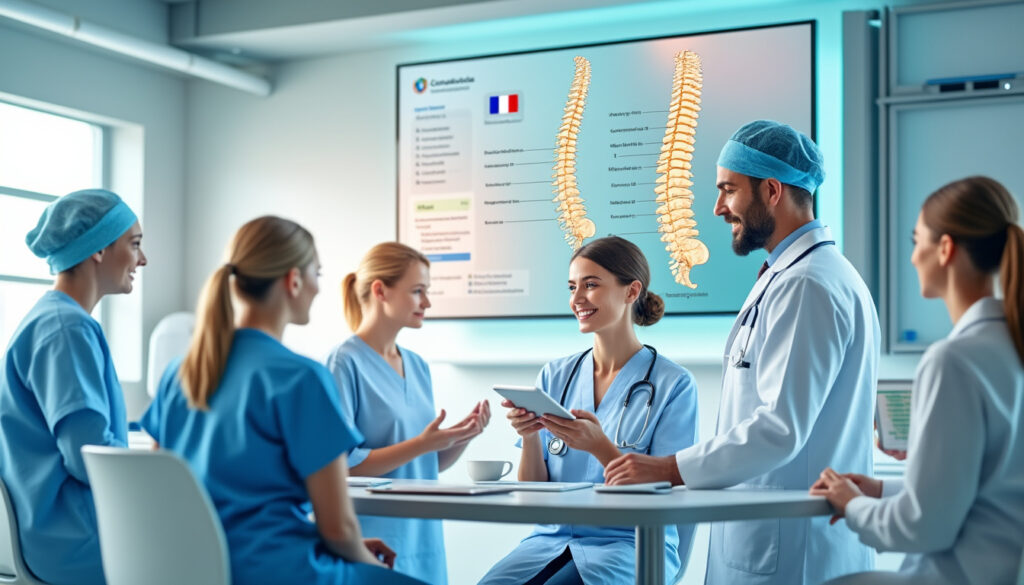
IntraSPINE® in Laval: Modern Solution for Lumbar Stabilization
In the evolving landscape of orthopedic treatments, the city of Laval has become a hub for innovations addressing chronic lower back pain. Among the groundbreaking solutions gaining attention is the IntraSPINE device—a modern spinal implant designed to offer dynamic lumbar…
Innovative Techniques in Maintaining Postoperative Joint Mobility
Maintaining joint mobility after surgery is a fundamental goal that distinguishes minimally invasive approaches. Technologies like dynamic implants, laser-assisted procedures, and neurovertebral decompression are instrumental in preserving natural spinal biomechanics.
Dynamic implants represent a breakthrough in surgical science, allowing controlled motion at the treated spinal segments. Unlike traditional rigid fusion, these devices mimic the spine’s natural movement, substantially reducing adjacent segment disease risks. Their integration in Longueuil’s surgical offerings reflects a commitment to innovation championed by leaders like Dr. Desforges.
Laser technology facilitates precise tissue removal with minimal thermal damage, promoting faster healing and reducing scarring. Similarly, neurovertebral decompression devices employed prior to surgery or as adjuncts promote nerve root mobility and pain relief through gentle spinal decompression.
The emphasis on these technologies within multidisciplinary care models highlights a holistic vision of postoperative recovery. Patients benefit from earlier return to baseline activities, reduced stiffness, and enhanced quality of life.
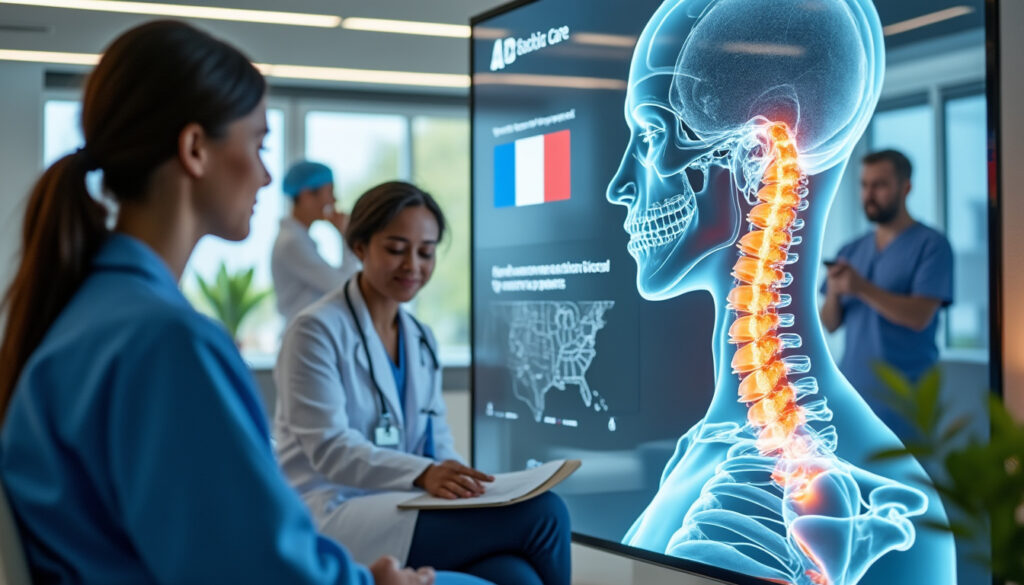
Neck Surgery in Montreal: Maintain Cervical Flexibility and Function
Neck conditions causing persistent pain or functional loss place a substantial burden on individuals and healthcare systems, especially in urban centers like Montreal. Surgical interventions targeting the cervical spine have evolved tremendously, aiming not only to relieve symptoms but to…
Role of Physical Therapy and Pain Management in Surgical Recovery
Physical therapy is indispensable in translating surgical intervention into meaningful functional gains. Therapists focus on restoring strength, flexibility, and endurance while minimizing pain through evidence-based protocols tailored to minimially invasive surgery patients.
Common modalities include manual therapy, targeted exercises, and neuromuscular re-education. Early mobilization strategies help prevent muscle atrophy and joint stiffness. Patient adherence to therapy regimens correlates strongly with improved long-term outcomes.
Pain management post-surgery combines pharmacological and non-pharmacological approaches. Over-the-counter analgesics, cold packs, and techniques like transcutaneous electrical nerve stimulation (TENS) are widely applied. Minimally invasive surgery’s reduced tissue disruption substantially lowers reliance on opioids, enhancing safety and recovery quality.
Collaborative care between surgeons, osteopaths, physiotherapists, and pain specialists embodies the rigorous scientific and ethical framework critical to patient safety and care excellence. This collective approach ensures tailored pain control without compromising rehabilitation progress.

Disc Prosthesis in Lévis: Quick and Long-Lasting Results
Chronic back pain caused by degenerative disc disease continues to profoundly impact the quality of life for many residents in Lévis and the broader Quebec area. For decades, traditional spinal fusion surgery has been the primary solution for alleviating severe…
Trusted Orthopaedic Expertise and Technological Leadership in Longueuil
Longueuil hosts several renowned orthopaedic surgeons with expertise ranging from joint replacement to minimally invasive spine surgery. Surgeons like Dr. Pierre Leclerc and Dr. Marie-Claude Lefebvre bring over two decades of experience and innovative techniques that complement the spinal care continuum led by osteopath experts.
Notably, Dr. Lefebvre’s meticulous surgical approach and collaboration with multidisciplinary teams align with the standards established by pioneers such as Dr. Sylvain Desforges. This network facilitates access to state-of-the-art treatments, including spinal endoscopy and minimally invasive laser techniques.
The city’s integration of high-level surgical expertise with advanced rehabilitation programs exemplifies a system designed to optimize surgical recovery and long-term functional independence. Patients benefit from coordinated care plans that weave together surgical precision, rehabilitation science, and patient-centered communication.
For patients considering spinal treatment options, understanding the local expert landscape provides confidence in the quality of available care. Detailed profiles of Longueuil’s top orthopaedic surgeons can be explored through resources discussing regional surgical leadership.

Motion Surgery in Terrebonne: Maintain Intervertebral Mobility
Back pain remains a widespread concern for many in Quebec, with traditional treatment pathways often imposing lengthy waiting periods and financial constraints. Recently, Motion Surgery in Terrebonne has emerged as a transformative option, attracting patients seeking spinal solutions that prioritize…
A Human Approach: Empowerment Through Education and Personalized Care
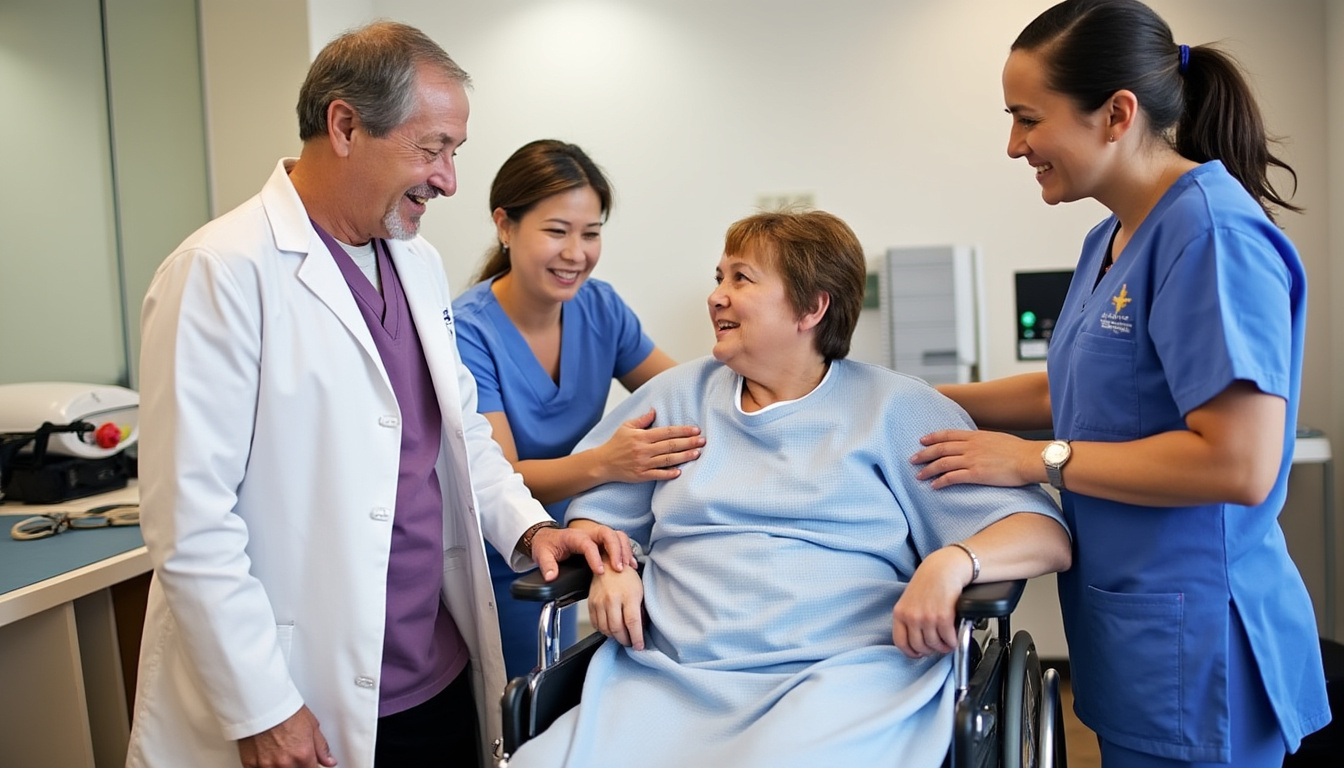
At the heart of successful minimally invasive surgery lies an empathetic and educational approach. Patients are encouraged to ask questions, understand their condition fully, and actively participate in treatment decisions. Dr. Desforges champions this philosophy by simplifying complex spinal concepts into accessible language, enabling informed choice.
Every patient’s spinal condition is unique; therefore, care pathways are highly individualized, encompassing pre-surgical preparation, surgical options, and postoperative rehabilitation. Emphasizing safety, ethical standards, and innovation, patient well-being is placed at the forefront of all interventions.
Through a culture of transparent communication, patients gain reassurance and motivation, essential for adherence to rehabilitation protocols and long-term spinal health maintenance. Such a human-centered framework bridges the gap between advanced medical technology and genuine patient support, ultimately enhancing care outcomes.
For those interested in personalized spinal evaluations or guided care pathways, reaching out to specialized clinics remains a crucial first step. Initiating contact through trusted platforms ensures tailored recommendations and seamless care navigation.
For more information or to discuss your unique case, visit www.sostourismemedical.com/contact.
What distinguishes minimally invasive spine surgery from traditional open surgery?
Minimally invasive spine surgery uses smaller incisions and specialized tools to reduce tissue damage, resulting in faster recovery, less pain, and preservation of joint mobility compared to traditional open surgery.
How long is the typical recovery time after minimally invasive spine surgery?
Recovery usually spans from a few weeks to three months, with many patients resuming normal activities around six weeks post-surgery, depending on individual circumstances and adherence to rehabilitation.
Are conservative treatments required before considering surgery?
Yes, a minimum of three to six months of conservative treatments including physical therapy and specialized methods like neurovertebral decompression at facilities such as Clinique TAGMED are recommended before surgery is contemplated.
What role does physical therapy play after spinal surgery?
Physical therapy is crucial in rebuilding strength, improving joint mobility, and managing pain, ultimately contributing to faster and more effective surgical recovery.
How does transatlantic coordination benefit patients undergoing spine surgery?
This collaboration reduces wait times, offers access to innovative technologies, aligns care with rigorous standards, and provides personalized, culturally attuned medical support for optimal outcomes.