Cervical Disc Prosthesis in Quebec City: Restore Mobility and Relieve Pain
April 23, 2026
Spine Surgery in Trois-Rivières: French Surgical Innovation
May 15, 2026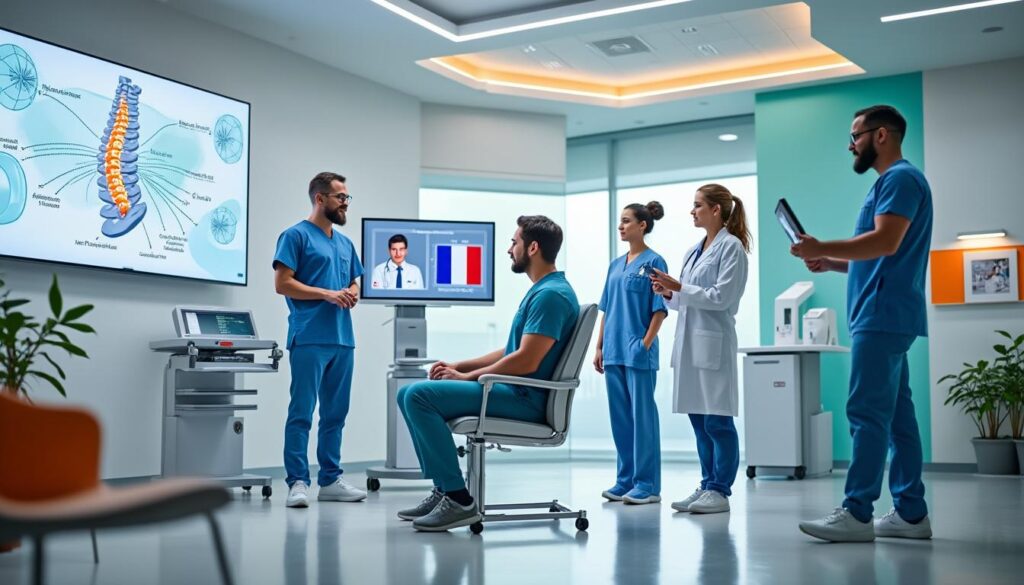
Back pain remains one of the most prevalent and debilitating conditions affecting millions worldwide, often leading to questions about the most effective treatments available. With technological advancements shaping the landscape of spine surgery, innovative solutions like the TOPS (Total Posterior Spine) system offer promising alternatives to traditional lumbar fusion. Gatineau has emerged as a flagship center embracing this cutting-edge spinal device, providing patients new avenues towards back pain relief and enhanced spinal stabilization.
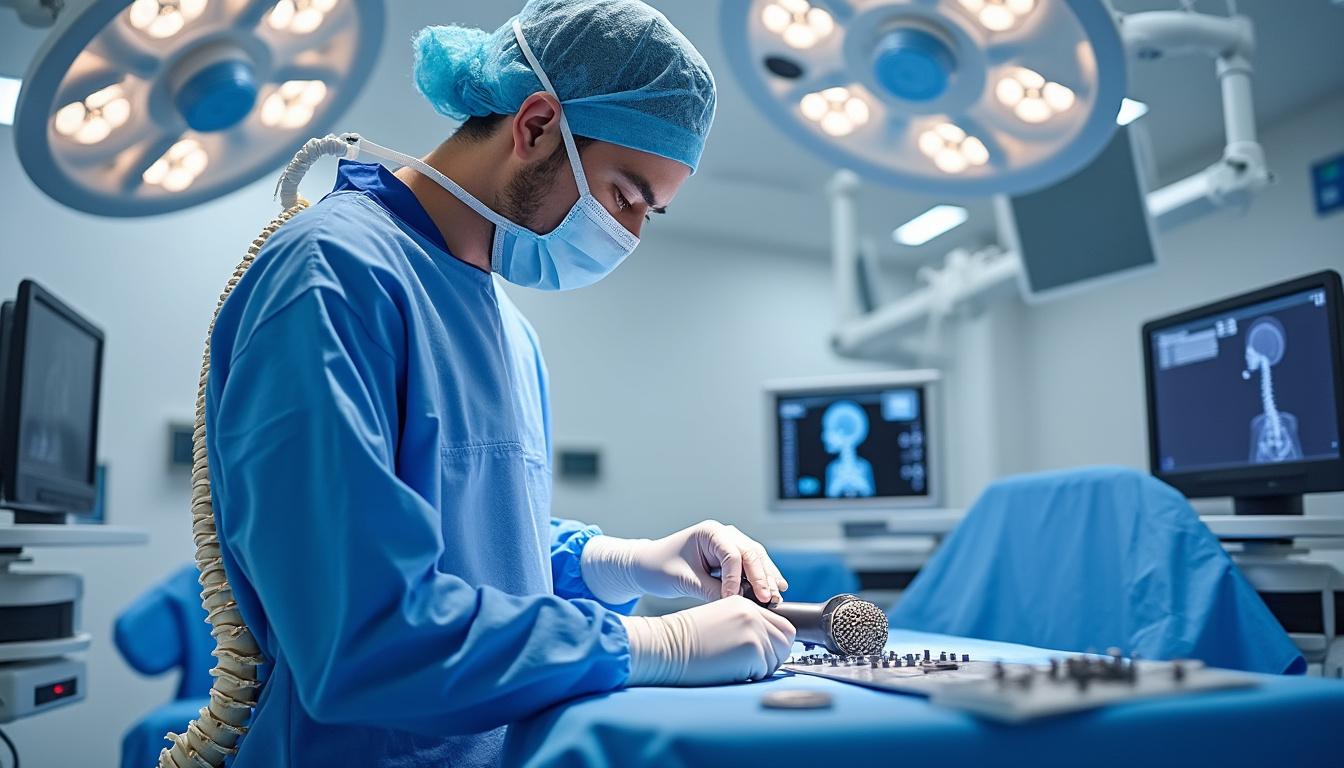
As an expert with over 30 years in spine care, I emphasize the need for solutions that prioritize both function and safety without compromising patient mobility. Traditional lumbar fusion has been a mainstay in managing degenerative disc conditions, yet it often results in limited spinal movement and potential adjacent segment deterioration. TOPS technology revolutionizes this approach by maintaining segmental motion while providing mechanical support through a minimally invasive system. The result? A surgical alternative that improves functionality and reduces the risk of reoperation.
Gatineau’s surge in advanced procedural offerings, particularly with TOPS, is complemented by a robust network that extends internationally — notably between Canada and France — allowing for tailored, cross-border patient care. This article delves into the nuances of TOPS in Gatineau, articulating its biomechanical advantages, surgical process details, patient pathways, and the broader context of alternative spine surgeries, all with the patient’s well-being at the core.
Understanding TOPS Technology: A Game-Changer in Lumbar Fusion Alternatives
The Total Posterior Spine System (TOPS) is a dynamic spinal implant designed to provide spinal stabilization after decompression surgery without sacrificing the natural motion of the lumbar segment. This represents a significant step forward compared to traditional fusion, which permanently immobilizes the treated spinal segment. This technology offers patients a renewed hope for preserving mobility and function post-surgery.
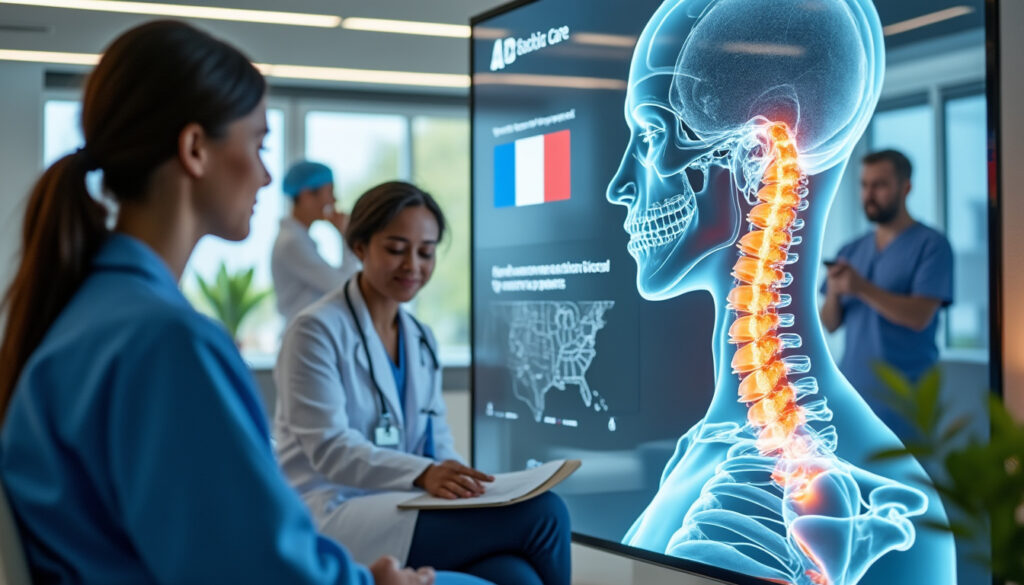
At its core, TOPS consists of a mechanical implant that stabilizes the vertebrae via pedicle screws anchored into the adjacent vertebrae. Unlike fusion, which encourages bone growth to immobilize the vertebrae, TOPS uses a sophisticated hinged device allowing controlled movement across flexion, extension, lateral bending, and axial rotation. This biomechanical preservation reduces stress on adjacent spinal segments, potentially decreasing future degeneration and the need for further surgeries.
This innovative solution aligns perfectly with evidence-based practices focused on minimizing invasiveness while maximizing outcomes. The system is typically implanted through a minimally invasive approach, reducing operative trauma, blood loss, and hospitalization time.
Benefits of TOPS over traditional lumbar fusion include:
- Preservation of natural spinal motion: patients retain greater lumbar flexibility.
- Better pain relief: targeted stabilization directly addresses nerve compression sources.
- Lower risk of adjacent segment disease: preserving motion avoids undue strain on neighboring vertebrae.
- Reduced reoperation rates: as supported in recent orthopedic studies (TOPS in Gatineau reduce risk of reoperation).
- Minimally invasive procedure: results in quicker recovery and shorter hospital stays.
The TOPS system represents a beacon of hope in spine surgery, blending innovation with rigorous scientific validation. It is essential for patients and referring clinicians alike to be informed about the latest advancements to make well-rounded care decisions.
IntraSPINE® in Sherbrooke: Durable Solution for Chronic Low Back Pain
The management of chronic low back pain, a widespread condition affecting millions across Quebec and beyond, has reached a pivotal moment thanks to innovative medical technologies and coordinated care pathways. At the heart of this evolution lies the IntraSPINE implant,…
Types of Spine Surgery in France: From Simple Decompression to Motion-Preserving Implants
France hosts a variety of surgical techniques addressing lumbar spine disorders, ranging from traditional to avant-garde methods. For patients considering international care options, understanding these surgical modalities empowers informed decision-making aligned with personal health needs.
1. Simple Decompression Surgery
Often the first surgical step in lumbar spine care, decompression involves removing parts of bony structures or soft tissues that compress nerves, such as herniated discs or ligament hypertrophy. This surgery aims to alleviate nerve irritation and pain without directly altering spinal stability.
While effective in symptom relief, simple decompression may sometimes be insufficient where spinal stability is compromised. Here, supplemental procedures are considered.
2. Lumbar Fusion Surgery
For cases exhibiting spinal instability, deformity, or severe degeneration, lumbar fusion surgery is indicated. This procedure permanently fuses two or more vertebrae, eliminating painful motion but invariably reducing spinal flexibility. Fusion is extensively practiced in France and worldwide but may bring complications such as adjacent segment degeneration over time.
3. Motion-Preserving Surgeries (Including TOPS Implants)
Recent advancements permit stabilization without sacrificing motion. Devices like the TOPS implant or dynamic spacers allow for segmental motion preservation, offering an alternative to fusion. These solutions are particularly appealing for younger, active patients or those wishing to minimize long-term biomechanical consequences.
France’s infrastructure and expert surgical teams allow access to these technologies, often combined with comprehensive rehabilitation programs to optimize outcomes.
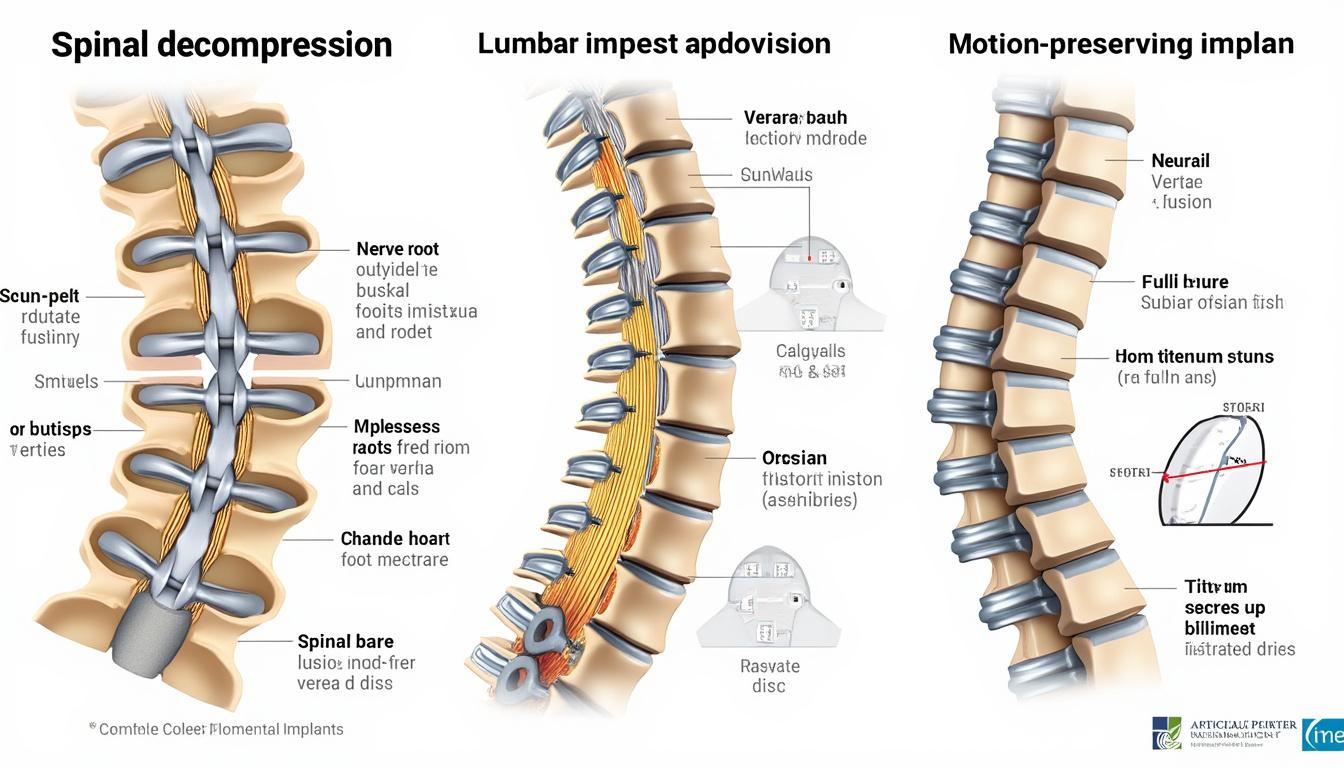
This spectrum of surgical options underlines how personalized spine care is essential to balance risks and benefits. I advise patients to engage in detailed discussions with their care team, informed by evaluations that consider their specific pathology and lifestyle.
Spine Surgery in Trois-Rivières: Reduce Pain and Preserve Mobility
In recent years, spine surgery in Trois-Rivières has evolved notably, combining advanced medical expertise with innovative technologies to deliver patient-centered care. This growing field addresses the increasing demand among Quebec residents seeking effective solutions for chronic back pain and mobility…
Step-by-Step Patient Journey: From Evaluation to Recovery in Transatlantic Spine Surgery
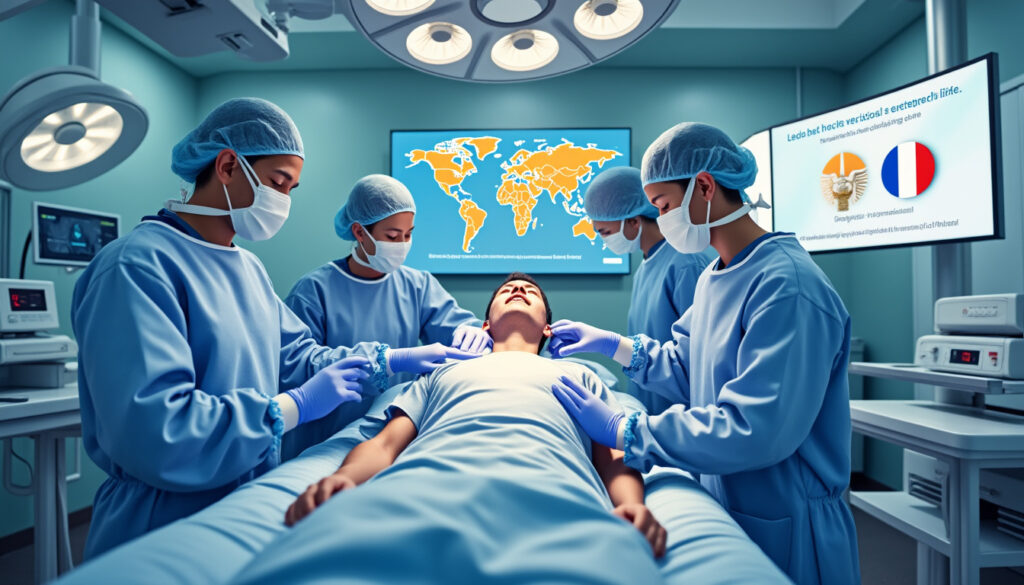
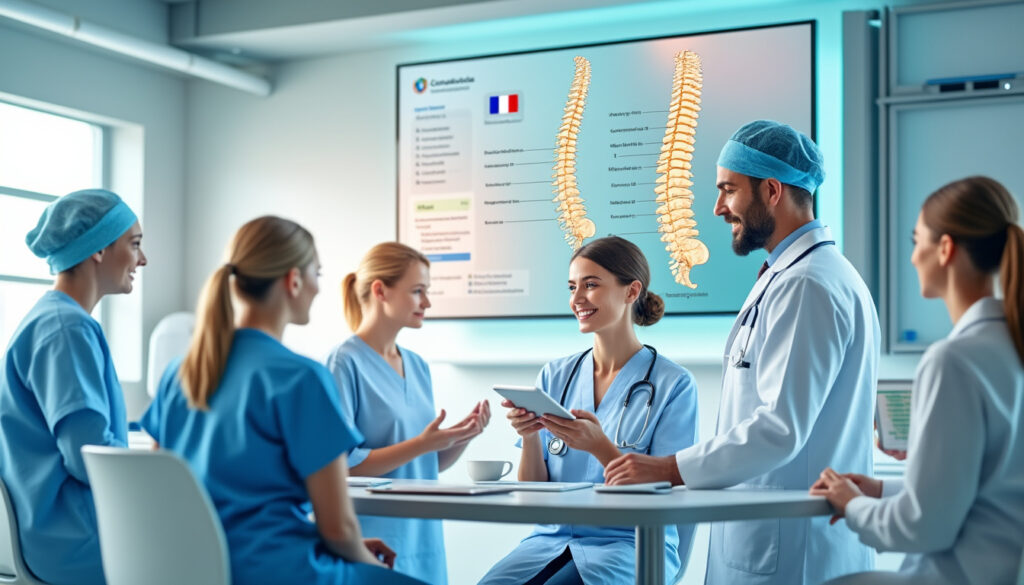
Embarking upon spine surgery across borders requires meticulously coordinated patient pathways to ensure safety, consistency, and personalized care. Through my evaluations and partnerships, including with Clinique TAGMED, I help patients from Quebec navigate this complex process efficiently.
The patient journey typically includes the following phases:
- Comprehensive Evaluation: Initial assessment in Quebec involving detailed clinical and imaging studies, ensuring the pathology and patient expectations align with surgery indications.
- Pre-Surgical Optimization: Completion of conservative care spanning 3 to 6 months, including physical therapy, pain management, and mechanical decompression if not previously tried.
- International Coordination: Consultation with surgical teams in France to define the most appropriate procedure—be it decompression, fusion, or motion-preserving implant such as TOPS.
- Surgical Intervention: Minimally invasive surgery performed at a center of excellence, leveraging the latest technologies and strict adherence to safety protocols.
- Postoperative Care in France: Early rehabilitation and recovery monitored by multidisciplinary teams specializing in spinal care.
- Return to Quebec and Long-Term Follow-Up: Seamless transition back home with ongoing physical therapy and evaluations to promote optimal functional outcomes.
Such a pathway benefits from detailed oversight, evidence-based care, and patient-centered communication to reduce anxiety and improve satisfaction. This process also minimizes delays often encountered in the Quebec health system, accelerating access to innovative procedures without compromising quality.

TOPS™ in Gatineau: High-Performance Option for the Lumbar Spine
The landscape of spinal surgery has witnessed profound evolution, particularly for patients grappling with lumbar spine disorders such as spinal stenosis and spondylolisthesis. These conditions, increasingly prevalent among Quebec’s population, impose substantial limitations on mobility and quality of life. The…
Biomechanical and Clinical Advantages of TOPS: Insights from Gatineau’s Leading Center
The biomechanical innovation in TOPS is not merely theoretical but demonstrates tangible clinical improvements. Research and clinical follow-up reveal several key advantages.
Preserving Motion and Function: By allowing controlled movement at the operated segment, TOPS maintains natural lumbar flexion-extension and rotation. This contrasts sharply with lumbar fusion, where rigidity often leads to compensatory stress on adjacent levels.
Reducing Reoperations: It is well-documented that fusion surgery patients face significant risks of further surgeries due to adjacent segment disease. Studies emerging from Gatineau’s specialist centers reveal that patients treated with TOPS show markedly reduced reoperation rates over mid-term follow-ups (source).
Enhancing Postoperative Recovery: The minimally invasive nature of TOPS implantation enables quicker discharge and earlier mobilization, critical factors in decreasing complications and improving functional outcomes.
Patient Satisfaction and Daily Life Improvements: Patients report less postoperative stiffness and greater ease in performing daily activities, from bending and lifting to recreational sports participation. These subjective benefits are highly significant to quality of life.
Table: Comparative Overview of Lumbar Fusion vs. TOPS
| Feature | Lumbar Fusion | TOPS Implant |
|---|---|---|
| Preservation of spinal motion | No – segment is fused and immobile | Yes – allows controlled movement |
| Risk of adjacent segment disease | High – due to increased biomechanical stress | Lower – maintains natural kinematics |
| Reoperation rates | Higher | Reduced over mid-term |
| Invasiveness | Moderate to high | Minimally invasive |
| Recovery time | Longer hospital and rehab period | Shorter hospitalization and faster rehab |
| Postoperative mobility | Restricted | Preserved |
This data underscores why TOPS has gained traction as an innovative solution for lumbar spine conditions. The center in Gatineau exemplifies adopting technology that meets the highest standards of safety, ethics, and patient-centered care.
Cervical Disc Prosthesis in Quebec City: Avoid Post-Surgery Stiffness
Chronic neck pain remains a significant challenge for thousands of residents in Quebec City every year, often leading them to seek effective spinal surgery options that minimize downtime and maximize long-term mobility. Among the recent advancements revolutionizing cervical spine care,…
Ensuring Safe and Ethical Care: The Role of Expertise and Regulations
When considering surgical options abroad, patients need assurance about the quality and safety of care. With more than 30 years of experience and qualifications including B.Sc., D.O., N.D., my role is to provide rigorous, evidence-based evaluations respecting both Canadian and Quebec rules, particularly those set by the Collège des médecins.
Ethics forms the foundation of all patient guidance: no treatment is proposed without thorough conservative therapy trials when appropriate. In cases where decompression neurovertébrale or other advanced conservative treatments available at Clinique TAGMED have not been attempted, surgery is considered only after these modalities to optimize outcomes and minimize risks.
Procedures in Gatineau’s specialized centers follow strict protocols for patient safety. Regulatory oversight and continuous quality improvement ensure that innovative implants such as TOPS meet the highest clinical efficacy and safety standards. This adherence to scientific rigor and ethical principles guarantees that patient welfare remains paramount throughout the journey.
Moreover, my involvement in founding and presiding over associations such as the ACMA and the Collège des Ostéopathes Canadiens reinforces the commitment to advancing spine care through education, innovation, and transparency. Patients and professionals alike benefit from a culture that values clarity and scientific integrity.
Minimally Invasive Surgery in Longueuil: Reduce Hospital Stay Duration
In recent years, advances in spinal care have dramatically reshaped the treatment landscape for patients suffering from debilitating spinal conditions. Particularly in Longueuil, the emergence of minimally invasive surgery (MIS) techniques offers a transformative alternative to conventional open surgeries. These…
The Economic and Human Value of the Transatlantic Journey: Quebec to France
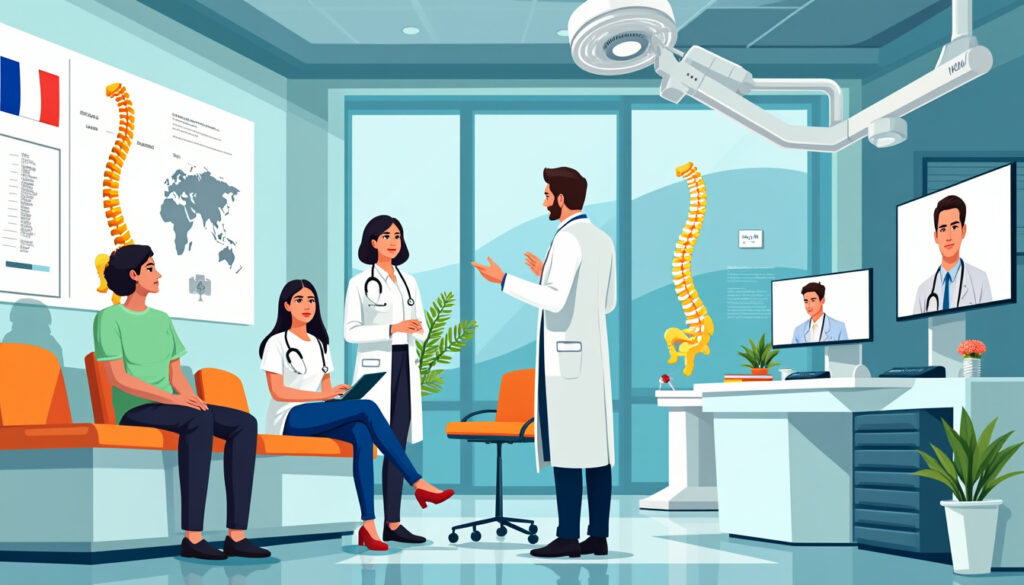
Navigation of spine surgery pathways transatlantically yields unique economic and human benefits, especially for Quebec patients facing extended wait times and high costs in local private care. Facilitating access to advanced procedures like TOPS in Gatineau and France offers a realistic alternative with tangible advantages.
Economic Aspects: Surgical interventions performed abroad often come with reduced overall costs due to different healthcare frameworks while maintaining high standards of care. This pathway helps patients circumvent excessive expenses from private-sector fees or prolonged disability caused by waiting.
Optimizing Wait Times: The Quebec healthcare system’s backlog can extend months or years for complex spine surgeries. Coordinated international care accelerates the timeline from evaluation to treatment, limiting both physical suffering and financial burden from lost workdays.
Human-Centered Factors: Personalized coordination involving multilingual teams and familiar follow-up in Quebec ensures patients are never left isolated. The dual system approach fosters confidence and continuous support through every phase.
Beyond cost and timing, the transatlantic option introduces patients to advanced rehabilitation and conservative care programs alongside surgical excellence, creating a truly holistic recovery process. This international collaboration exemplifies modern medicine’s commitment to removing barriers and empowering patients.
IntraSPINE® in Laval: Modern Solution for Lumbar Stabilization
In the evolving landscape of orthopedic treatments, the city of Laval has become a hub for innovations addressing chronic lower back pain. Among the groundbreaking solutions gaining attention is the IntraSPINE device—a modern spinal implant designed to offer dynamic lumbar…
Essential Role of Conservative Treatments Before Surgery: Prioritizing Neurovertebral Decompression
One fundamental principle that I rigorously follow is that surgery should be a last resort, only considered after extensive conservative treatment of at least 3 to 6 months. Many patients experience significant improvement without surgery when given appropriate therapies, reducing unnecessary risks and costs.
Among these conservative options, neurovertebral decompression available at Clinique TAGMED represents an advanced, non-invasive treatment for spinal pathologies. This technology gently relieves pressure on nerves and discs, aiding pain relief and function restoration without surgery.
Patients who have not undergone neurovertebral decompression before surgical consideration are strongly encouraged to explore this option. The benefits include:
- Reduction in nerve inflammation
- Improved spinal biomechanics
- Avoidance or delay of surgery
- Enhanced outcomes in cases where surgery becomes necessary
This stepwise approach aligns perfectly with an ethical and evidence-based practice and reflects patient-centered care that values long-term function over rapid but aggressive interventions.
Neck Surgery in Montreal: Maintain Cervical Flexibility and Function
Neck conditions causing persistent pain or functional loss place a substantial burden on individuals and healthcare systems, especially in urban centers like Montreal. Surgical interventions targeting the cervical spine have evolved tremendously, aiming not only to relieve symptoms but to…
What Distinguishes Clinics Offering TOPS and Advanced Spine Surgery Services?
Several factors set centers specializing in TOPS and innovative spine surgeries apart from conventional facilities, offering enhanced patient outcomes and satisfaction:
- Access to Cutting-Edge Implants and Techniques: Clinics like those in Gatineau utilize devices such as TOPS that are not widely available in Canada, providing patients more effective alternatives.
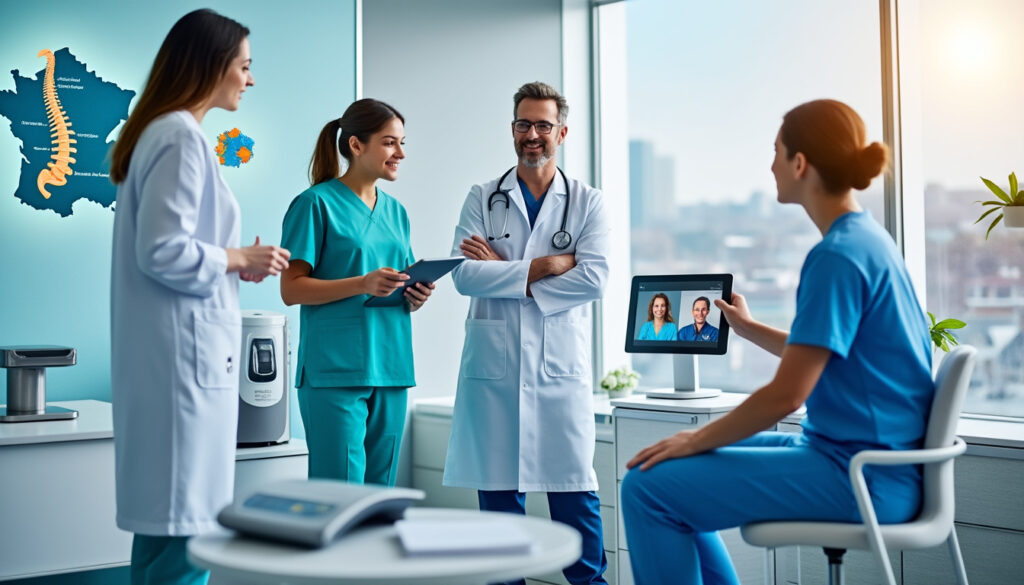
- A Highly Skilled Multidisciplinary Team: From surgeons and osteopaths (including myself as an expert evaluator) to rehabilitation therapists, these centers offer comprehensive, team-based care.
- Integration with Advanced Conservative Treatments: Facilities often include or coordinate with centers like Clinique TAGMED to maximize non-surgical care before and after surgery.
- Customized Patient Pathways: Care plans are tailored to individual clinical and personal needs, respecting patient values and lifestyle goals.
- Superior Postoperative Support: Robust rehabilitation services aid faster recovery and restoration of function.
These distinctive elements underscore why such centers are considered benchmarks of modern spine care.
Disc Prosthesis in Lévis: Quick and Long-Lasting Results
Chronic back pain caused by degenerative disc disease continues to profoundly impact the quality of life for many residents in Lévis and the broader Quebec area. For decades, traditional spinal fusion surgery has been the primary solution for alleviating severe…
Encouraging Patient Engagement: Learning, Questions, and Personalized Decision-Making
Choosing the right spine surgery or alternative treatment requires understanding, reflection, and open dialogue. I encourage patients to learn thoroughly about their condition and treatment options, asking questions to clarify indications, limitations, and expected outcomes.
It is important to know that each patient’s case is unique; what suits one individual may not be ideal for another. The role of expert evaluation is to guide patients through the complex medical landscape, considering personal histories, comorbidities, and preferences.
Communicating in clear, jargon-free language ensures patients can make decisions confidently and feel empowered in their health journey. This educational dimension is vital to foster trust, reduce anxiety, and enhance care adherence.
For further information or to discuss your individual case with a specialist who brings over 30 years of expertise and a commitment to innovative, evidence-based spine care, please visit https://www.sostourismemedical.com/contact.
What makes TOPS different from traditional lumbar fusion?
TOPS preserves natural spinal motion by using a dynamic implant, whereas traditional fusion permanently immobilizes affected vertebrae, which can lead to adjacent segment stress and higher rates of reoperation.
Is surgery always necessary for lumbar spine problems?
Surgery is typically considered only after at least 3 to 6 months of conservative treatments, including advanced options like neurovertebral decompression at Clinique TAGMED, have failed to provide relief.
How does the international patient pathway work for spine surgery?
Patients undergo initial evaluation in Quebec, followed by coordination with surgical centers in France or Gatineau for minimally invasive procedures. Post-surgical care includes rehabilitation both abroad and upon returning home ensuring continuity and personalized recovery.
What are the benefits of the TOPS system for patient recovery?
Patients benefit from preserved mobility, reduced pain, shorter hospital stays, and faster rehabilitation compared to traditional fusion surgery.
Where can I access conservative spine treatments before considering surgery?
Clinique TAGMED provides advanced neurovertebral decompression and other non-invasive therapies to optimize patient outcomes before any surgical intervention is contemplated.