Spine Surgery in Gatineau: Approved Motion Technologies
October 25, 2025
IntraSPINE® in Trois-Rivières: Preserve Lumbar Mobility
October 25, 2025
The journey to effective treatment for lumbar spinal stenosis and degenerative spondylolisthesis can be challenging for patients, particularly in regions such as Quebec where wait times and costs for private care can delay relief. Innovations like the TOPS (Total Posterior Spine) System offer promising alternatives to traditional spinal fusion surgery, enabling motion preservation and quicker recovery. As an expert in spine evaluation with over 30 years of experience, I will guide you through the surgical options available in France, outline the patient pathway from assessment to postoperative care, emphasize the importance of non-surgical treatment trials, and highlight the value brought by international coordination for optimal care delivery.
In this article, we will explore the specifics of the TOPS procedure—its design, indications, and benefits—and contrast it with fusion techniques. Understanding these options, alongside advanced conservative treatments such as neurovertebral decompression at the renowned Clinique TAGMED, can empower patients to make informed decisions tailored to their individual spinal health. Let us delve into the key areas of lumbar spine surgery with a focus on innovation, safety, and thorough patient support from evaluation through recovery.
Understanding Lumbar Spine Surgeries: Traditional Fusion versus Motion-Preserving Procedures
Lumbar spinal stenosis and degenerative spondylolisthesis are prevalent spinal conditions affecting many patients who experience pain, numbness, and reduced mobility due to nerve compression. Surgical interventions aim to decompress nerves and stabilize the spine, commonly through fusion or more recently, motion-preserving implants like the TOPS System. For patients contemplating surgery, it is crucial to comprehend the differences between these approaches.
Traditional spinal fusion surgery involves permanently joining two or more vertebrae to restrict motion at the painful segment. This eliminates nerve compression by stabilizing the spine but can lead to increased stress on adjacent spinal levels, possibly accelerating degeneration in those areas. Recovery often includes significant downtime while bone grafts heal and the vertebrae fuse solidly together.
In contrast, the TOPS implant is designed to maintain some flexibility while providing the necessary support after lumbar decompression surgery. It is attached with pedicle screws and allows controlled movement in flexion, extension, rotation, and lateral bending. This preserves spinal biomechanics, reducing the risk of complications that can result from fused segments, such as adjacent segment disease.
Key surgical differences and outcomes
- Stabilization: Fusion blocks motion between vertebrae; TOPS preserves motion at the treated level.
- Recovery time: Fusion patients often require months of restricted activity; TOPS patients typically resume light activities within weeks.
- Long-term impact: Fusion may lead to increased adjacent segment degeneration; TOPS aims to reduce this risk.
- Reversibility: Fusion is permanent; TOPS implant can be removed or revised if necessary.
Several clinical studies have demonstrated the safety and effectiveness of the TOPS System, including a 76.7% success rate at 24 months follow-up for appropriate patients with Grade I spondylolisthesis and spinal stenosis. Regulatory agencies such as the FDA approved the device based on promising outcomes, highlighting it as a viable alternative to fusion for specific cases. This innovation is gaining attention worldwide, and specialized centers in France offering the TOPS procedure stand at the forefront of advanced spine care.
| Aspect | Spinal Fusion | TOPS System |
|---|---|---|
| Motion Preservation | No – spinal segments fused | Yes – controlled movement allowed |
| Recovery Time | Several months | Shorter, weeks to light activity |
| Risk of Adjacent Segment Disease | Higher due to altered biomechanics | Lower, natural motion maintained |
| Reversibility | No | Yes, implant removable |
| Indications | Various grades of spondylolisthesis and stenosis | Degenerative spondylolisthesis Grade I, lumbar stenosis |
Disc Prosthesis in Lévis: Maintain Natural Mobility
In the evolving landscape of spinal health, the pursuit of innovative solutions for chronic back pain and degenerative disc conditions has never been more critical. Residents of Lévis and surrounding regions seeking pathways beyond the limitations of traditional spinal fusion…
Step-by-Step Patient Pathway for Spine Surgery in France: From Evaluation to Recovery
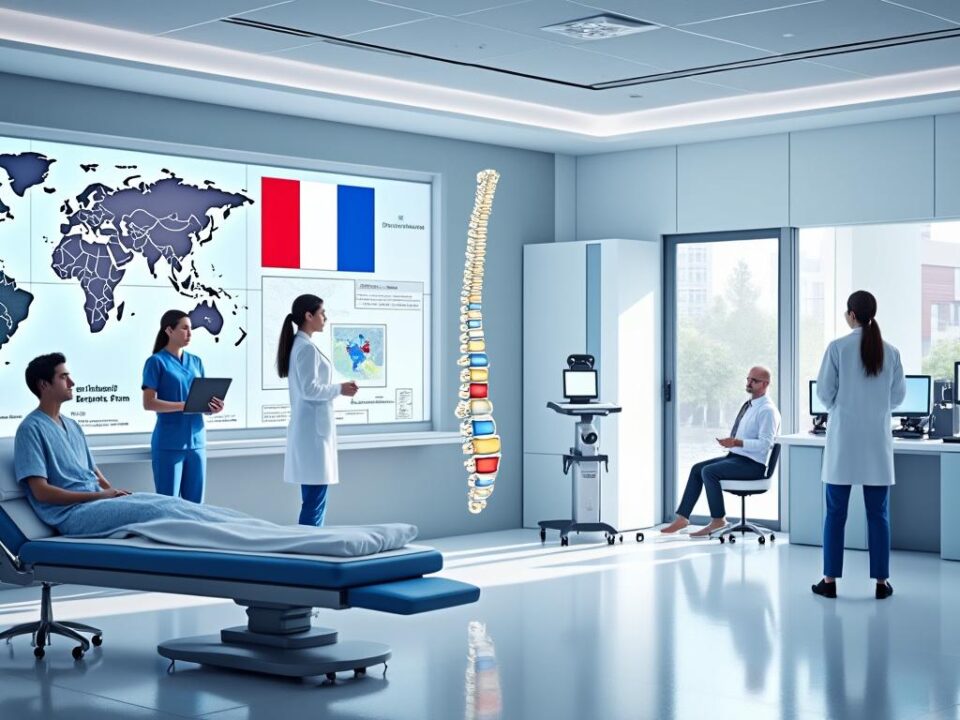
Embarking on a surgical journey abroad requires clarity, trust, and seamless coordination. The transatlantic pathway for patients undergoing lumbar decompression and TOPS implantation in France involves several crucial steps designed to ensure optimal outcomes and support throughout.
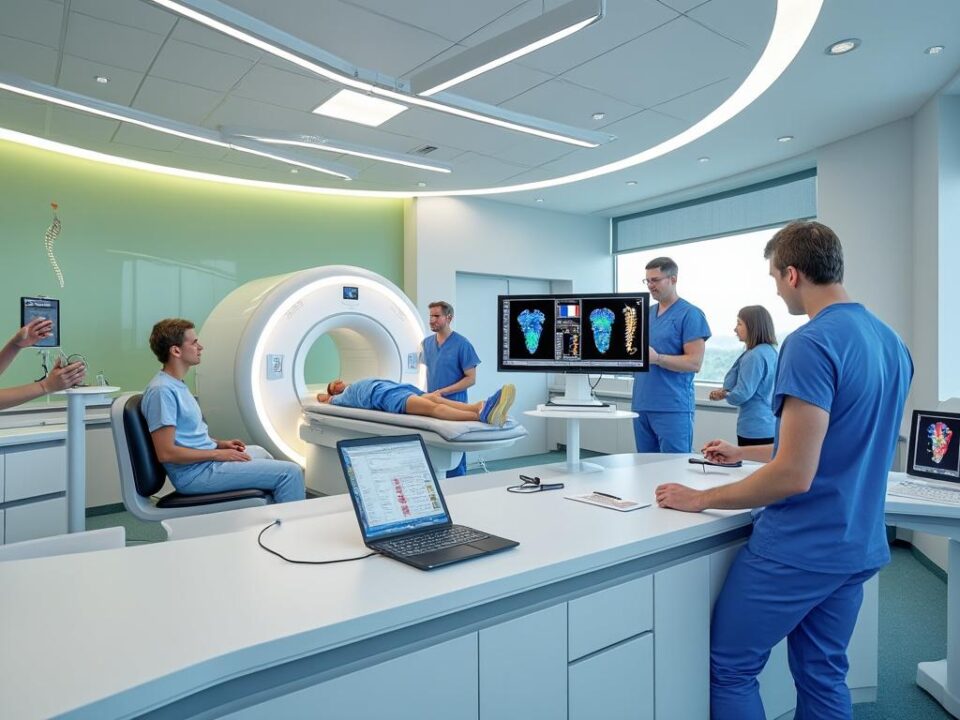
- Comprehensive initial evaluation: Patients are assessed by experts experienced in spine disorders, including an extensive review of history, imaging, and clinical findings. Utilizing evidence-based methods ensures accurate appraisal of surgical candidacy and tailored recommendations.
- Preoperative conservative care assessment: Prior to surgery, a minimum period of 3 to 6 months of conservative treatments is recommended. This includes physiotherapy, medication, and notably neurovertebral decompression therapies such as those provided by Clinique TAGMED. These advanced therapies often alleviate symptoms without the need for surgery.
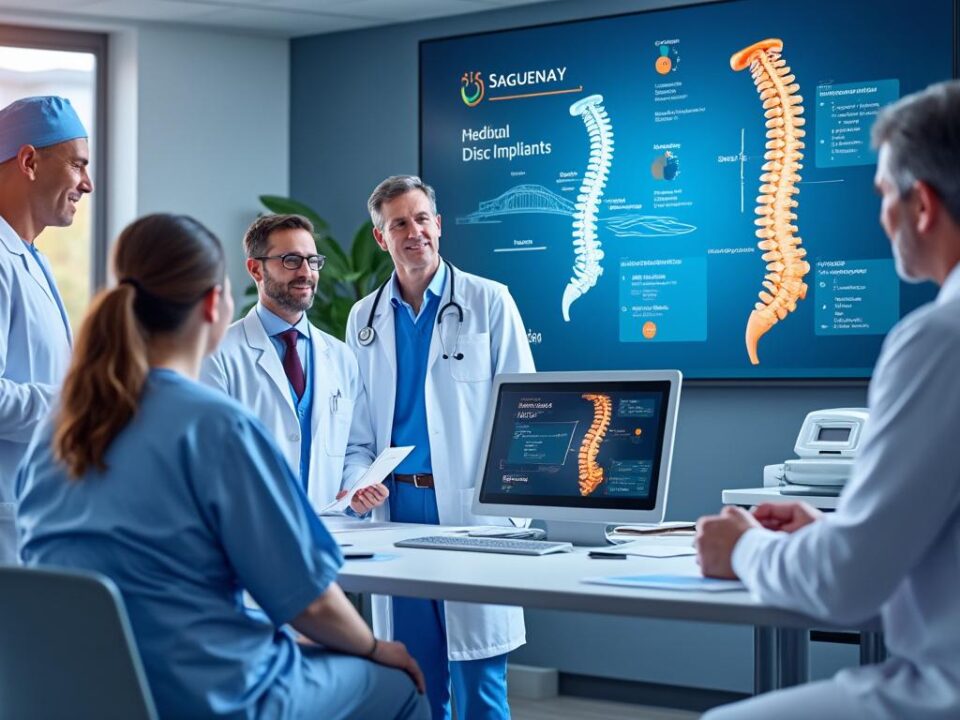
- Detailed surgical planning and patient education: Once surgery is indicated, patients receive clear, jargon-free explanations of the procedure, implant features (such as those from Medtronic, Zimmer Biomet, and NuVasive manufacturers), risks, benefits, and postoperative rehabilitation steps.
- Coordination of logistics and travel: Close collaboration between Canadian and French care teams ensures streamlined appointment scheduling and reduces wait times. This is facilitated by platforms like SOS Tourisme Médical, optimizing the patient’s timeline and experience.
- Hospitalization and surgery: Surgical interventions take place in modern, accredited French clinics equipped with state-of-the-art technology including latest generation implants from companies like Stryker, DePuy Synthes, and Globus Medical.
- Postoperative hospital stay and initial recovery: Early mobilization protocols and multidisciplinary care are emphasized to promote quick recovery with minimal complications.
- Rehabilitation and follow-up: Post-discharge, personalized rehabilitation plans implemented by skilled physical therapists and spine specialists focus on restoring function and preventing recurrence.
- Return to Quebec with ongoing monitoring: Patient files are transferred securely to Quebec-based practitioners for long-term surveillance and assistance, ensuring continuity of care.
This pathway aligns with provincial and national healthcare regulations, ensuring safety, ethical standards, and transparency. Patients benefit from access to techniques and implants sometimes unavailable in Canada, augmented by personalized clinical guidance.

| Stage | Description | Key Benefits |
|---|---|---|
| Evaluation | Specialist assessment and imaging review | Tailored treatment plan and candidacy confirmation |
| Conservative Therapy | 3-6 months of advanced non-surgical treatments | Symptom relief and potential surgery avoidance |
| Surgical Planning | Patient education and implant selection | Informed consent and optimized outcomes |
| Surgery in France | Hospital admission and TOPS device implantation | Access to innovative techniques and experts |
| Postoperative Care | Early mobilization and tailored rehab | Faster recovery and complication reduction |
| Return and Follow-up | Continued monitoring with Quebec specialists | Continuity of care and patient reassurance |
Motion Surgery in Terrebonne: Advanced Techniques Available in France
With over three decades of dedicated expertise in spine care, I have witnessed firsthand the evolution of surgical options aimed at improving quality of life for those living with spinal disorders. Among these advances, Motion Surgery stands out in Terrebonne…
Exploring the Biomechanical Advantages of the TOPS System in Lumbar Decompression Surgery
Among the latest advancements in spine surgery, the TOPS System stands out not only for clinical benefit but also for its sophisticated biomechanical design. Understanding how this implant functions to maintain spinal motion while stabilizing affected segments can deepen patients’ confidence when considering surgery.
The TOPS System replaces the facet joints and posterior spinal elements removed during decompression. Anchored with pedicle screws, it allows controlled, multi-directional movement:
- Axial rotation
- Lateral bending
- Flexion
- Extension
- Anterior-posterior translation
This mobility preservation contrasts sharply with fusion surgery’s immobilization, which often results in altered spinal mechanics and accelerated degeneration at adjacent segments. By mimicking natural joint kinematics, the TOPS System reduces abnormal forces and better preserves overall spinal health.
Biomechanical benefits include:
- Preservation of segmental motion: Enabling functional activities such as bending and twisting without overloading adjacent discs.
- Decreased adjacent segment stress: Lower rates of secondary degeneration leading to fewer revision surgeries.
- Reduced stiffness: Patients often report better post-op flexibility and a more natural feel.
Several manufacturers such as Alphatec Spine, Spine Wave, and Centinel Spine are contributing innovative implants with similar biomechanical goals, but the TOPS System’s FDA approval and clinical study results set it apart as a validated solution. For patients concerned about long-term spinal health and function, these biomechanical features hold significant appeal.
| Biomechanical Feature | Clinical Impact |
|---|---|
| Controlled joint movement | Maintains natural spine mechanics after surgery |
| Load sharing with implant | Reduces stress on adjacent vertebrae |
| Prevents spine rigidity | Improves patient comfort and mobility |
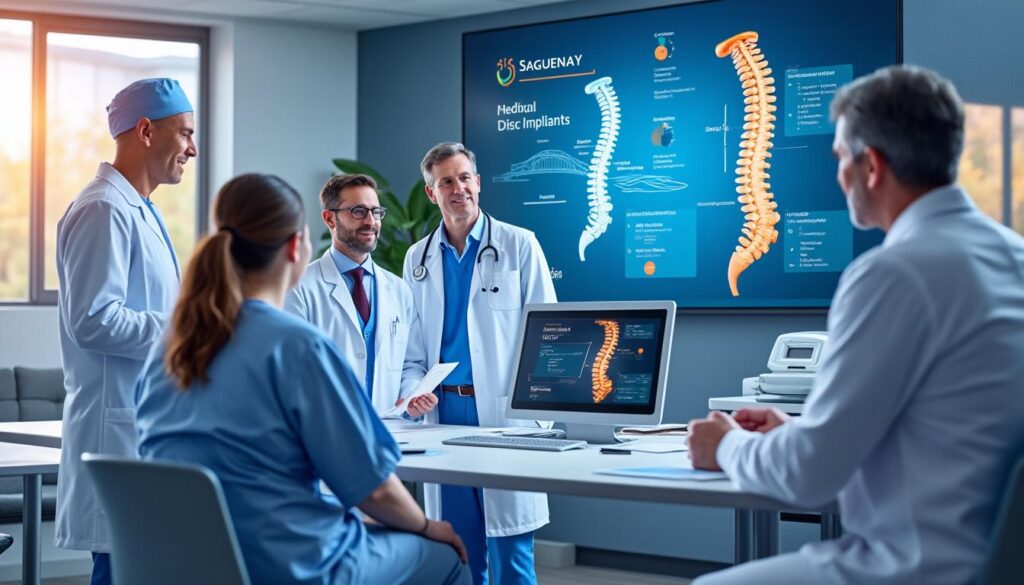
Lumbar Disc Prosthesis in Saguenay: Long-Lasting Relief After Surgery
Chronic back pain rooted in lumbar disc degeneration challenges many patients in Saguenay and beyond, urging exploration of innovative solutions to restore spine health and quality of life. Traditional spinal fusion surgeries, though effective for stabilizing painful segments, have notable…
Critical Role of Conservative Treatments Prior to Considering Spine Surgery
While surgery remains a pivotal option for certain lumbar spine pathologies, it is important for patients to exhaust comprehensive conservative management before proceeding. As an evaluation expert with a longstanding commitment to evidence-based care and patient safety, I stress that surgical intervention should follow at least 3 to 6 months of non-operative therapies.
Advanced conservative treatments include:
- Physiotherapy focusing on spinal stabilization and core strengthening
- Pharmacological management for pain and inflammation control
- Neurovertebral decompression techniques, such as those offered at Clinique TAGMED in Quebec, which use mechanical traction to relieve nerve compression
- Laser therapy and other complementary modalities
- Patient education and lifestyle modifications
Without these conservative steps, surgical outcomes may not be optimized. For example, many patients find significant symptom reduction from neurovertebral decompression alone, obviating or delaying the need for surgery. This stepwise approach aligns with Quebec and Canadian regulatory standards, fostering patient-centered, safe care.
| Treatment | Purpose | Expected Outcome |
|---|---|---|
| Physiotherapy | Strengthening and flexibility improvement | Pain reduction, enhanced mobility |
| Neurovertebral Decompression | Nerve root pressure relief | Symptom alleviation without surgery |
| Medication | Inflammation and pain control | Improved patient comfort |
| Laser Therapy | Tissue healing and pain modulation | Supportive role in conservative care |

IntraSPINE® in Sherbrooke: Maintain Lumbar Function
In the modern management of lumbar spine conditions, patients in Sherbrooke and across Quebec are increasingly presented with innovative solutions that prioritize maintaining natural spinal function while alleviating debilitating pain. Among these advancements, the IntraSPINE device has emerged as a…
Advantages of an International Care Coordination Model for Spine Surgery
The concept of cross-border medical collaboration offers unique benefits for patients seeking high-quality spinal care. As founder and president of associations dedicated to osteopathy and spine care in Canada and internationally, I have witnessed firsthand how coordinated pathways between Quebec and France improve patient outcomes.
Key advantages include:
- Access to cutting-edge technology: France offers innovative implants and surgical techniques not always available in Canada, such as the TOPS procedure.
- Reduction of wait times: International referral networks and coordination platforms dramatically shorten delays.
- Personalized clinical follow-up: Both preoperative and postoperative care are meticulously managed across borders to maintain continuity.
- Cost effectiveness: Combining expert evaluation in Quebec with surgery in France can offer economical advantages compared to private Canadian care.
- Multidisciplinary approach: Collaboration between surgeons, osteopaths, physiotherapists, and pain specialists ensures holistic care.
This model respects the highest ethical standards and complies with Quebec and Canadian medical regulatory requirements. Patient-centered communication and thorough education empower individuals to engage confidently with their care plans.
| International Care Feature | Benefit to Patient |
|---|---|
| Technology Access | Availability of implants like TOPS System |
| Wait Time Reduction | Faster access to surgery and recovery |
| Personalized Follow-up | Ensures safety and trust post-surgery |
| Cost Efficiency | Potential savings compared to private care |
Minimally Invasive Surgery in Longueuil: Reduce Post-Surgery Pain
Minimally invasive surgery in Longueuil is transforming the patient experience by significantly reducing post-surgery pain and accelerating recovery times. With advances in surgical techniques such as laparoscopic and robotic-assisted procedures, patients can benefit from smaller incisions, less tissue damage, and…
Technological Innovations and Implant Selections Enhancing Surgical Outcomes
Careful selection of surgical implants and technologies plays a central role in improving spine surgery results. The TOPS System is part of a growing range of dynamic implants developed by leading manufacturers such as Medtronic, Premia Spine, Zimmer Biomet, NuVasive, and Stryker. These companies continuously innovate to reduce complications and enhance patient function.
Characteristics valued in advanced spinal implants include:
- Biocompatible materials reducing allergic reactions
- Designs allowing natural range of motion without sacrificing stability
- Minimally invasive implantation techniques
- Compatibility with imaging and postoperative assessments
Additionally, integration with complementary technologies such as laser assistance and neuro-navigation enhances surgical precision. The combination of implant expertise and surgical skill directly impacts postoperative pain control, faster mobilization, and long-term spine health.
| Manufacturer | Notable Features | Contribution to Spinal Care |
|---|---|---|
| Medtronic | Comprehensive implant systems, biocompatibility | Wide range of fusion and motion-preserving devices |
| Zimmer Biomet | Innovative biomechanics, customer support | Advances in joint replacement and spine implants |
| NuVasive | Minimally invasive technology, enhanced recovery | Leading in motion preservation implants |
| Stryker | Advanced materials and smart design | Reduces surgical trauma, supports mobility |
Neck Surgery in Montreal: Maintain Natural Cervical Flexibility
Neck surgery remains a crucial consideration for patients suffering from severe cervical spine disorders where conservative treatments have failed. In Montreal, access to specialized care offers patients the opportunity to explore advanced surgical solutions designed to maintain natural cervical flexibility—an…
Patient Education and Support: Empowering Informed Decisions in Spine Care
An essential part of any treatment plan is education. Challenges related to spinal conditions and surgical options can be complex, and patients must fully understand their path forward. As a clinician committed to clear communication and patient empowerment, I emphasize accessible explanations and responsiveness to all patient questions.
This involves:
- Breaking down complex surgical techniques into clear, jargon-free language
- Discussing benefits and limitations of each surgical option including devices like the TOPS System
- Providing realistic expectations regarding recovery timelines and outcomes
- Encouraging patients to actively participate in their care by asking questions and voicing concerns
- Reinforcing the importance of conservative care steps before surgery
By fostering trust and understanding, patients experience reduced anxiety and enhanced satisfaction with their care pathways. This patient-centered, compassionate approach distinguishes leading spine experts and drives better long-term results.
| Patient Education Element | Purpose | Impact |
|---|---|---|
| Jargon-free explanations | Improve understanding | Confidence in decision-making |
| Clear benefit-risk discussions | Manage expectations | Informed consent |
| Active patient engagement | Encourage questions and feedback | Better adherence and outcomes |
Disc Prosthesis in Lévis: Fast and Lasting Results
In the realm of spinal care, patients battling chronic back pain and degenerative disc diseases continuously seek solutions that offer not just symptom relief but also the restoration of natural spinal function. Disc prosthesis, or artificial spinal disc replacement, has…
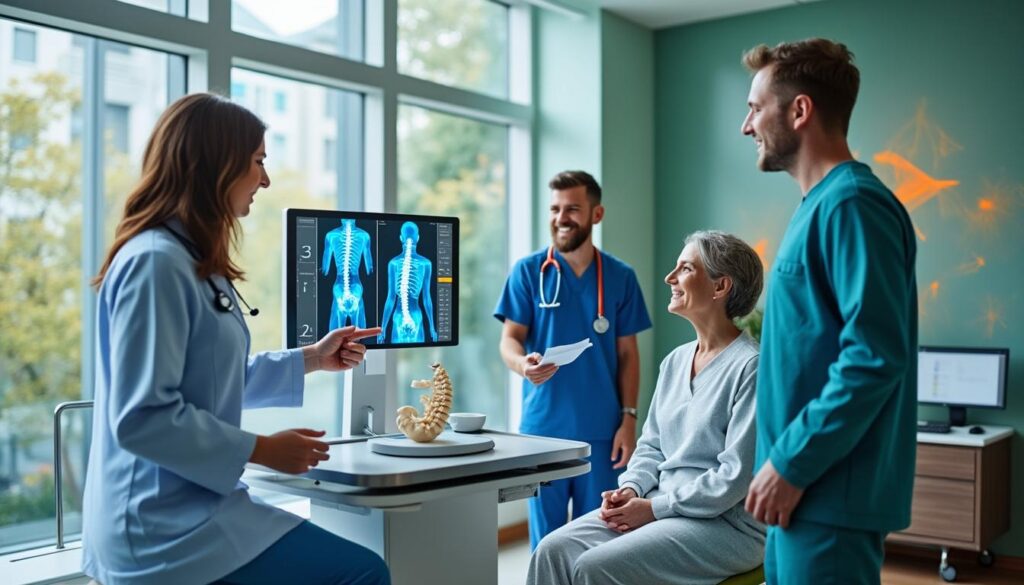
Personalized Care: The Importance of Expert Spine Evaluation and Follow-up
Around a single diagnosis of lumbar stenosis or spondylolisthesis, no two patients are alike. Careful evaluation by an experienced professional dramatically influences treatment pathways. Drawing from my 30+ years in osteopathy and spine care, I apply rigorous scientific principles, leveraging cutting-edge imaging and clinical tools to accurately assess the pathology and the patient’s overall condition.
Personalized care means:
- Identifying precise levels affected and the extent of nerve involvement
- Considering patient lifestyle, expectations, and comorbidities
- Selecting surgical candidates who benefit most from innovations like TOPS
- Ensuring follow-up care addresses recovery milestones and potential complications
- Coordinating care among multidisciplinary teams internationally
My role is to accompany patients throughout this journey, balancing innovation with ethical practice, always prioritizing patient safety and quality of life improvements.
| Evaluation Aspect | Clinical Significance |
|---|---|
| Imaging and functional testing | Accurate diagnosis and surgical planning |
| Patient history and lifestyle analysis | Tailors treatment to individual needs |
| Risk-benefit assessment | Enhances patient safety |
| Coordination with specialists | Optimizes surgical and rehab outcomes |
What is the TOPS System and how does it differ from traditional fusion?
The TOPS System is a motion-preserving spinal implant that replaces damaged facet joints post decompression, allowing for controlled mobility unlike traditional spinal fusion which permanently restricts movement by joining vertebrae.
Is surgery always necessary for lumbar spinal stenosis?
No. Surgery is considered after conservative treatments such as physiotherapy and neurovertebral decompression over 3 to 6 months fail to relieve symptoms significantly.
How does international coordination improve my spine surgery experience?
It provides access to innovative techniques, reduces wait times, ensures personalized surgical planning, and supports continuity of care between Quebec and France.
Can the TOPS implant be removed if needed?
Yes, unlike spinal fusion which is permanent, the TOPS System implant can be removed or replaced through revision surgery.
What are the main benefits of advanced conservative treatments like neurovertebral decompression?
These treatments often relieve nerve compression symptoms without surgery, reduce pain, and may improve mobility, serving as an important first step before considering surgical options.
For more information or to discuss your case with experienced professionals, please visit SOS Tourism Medical contact page to initiate a personalized evaluation and begin your path toward improved spinal health.
Motion Surgery in Terrebonne: Reduce Postoperative Complications
In the evolving landscape of spine care, Motion Surgery in Terrebonne represents a groundbreaking approach that offers patients a significant advantage in reducing postoperative complications while preserving spinal mobility. Traditional spinal surgeries have long been associated with challenges, including stiffness,…