Personalized Treatment Plans and Neurovertebral Decompression Therapy for Herniated Discs in Blainville
July 7, 2026
Neck Surgery in Montreal: Modern Techniques for Cervical Preservation
July 8, 2026
In the rapidly evolving landscape of orthopedic and spinal care, minimally invasive surgery (MIS) in Longueuil stands as a beacon of hope for countless patients seeking effective and fast recovery solutions. With spinal disorders becoming increasingly prevalent in the Quebec population, the demand for less traumatic surgical options has never been higher. MIS techniques offer significant advantages over traditional open surgeries, such as reduced pain, minimal scarring, and shorter hospital stays, all of which contribute to a quicker return to daily activities and work.
The surge in these advanced surgical methods aligns perfectly with the expertise of Dr. Sylvain Desforges, a distinguished figure renowned for his over 30 years devoted to spine care innovation and patient-centered treatment. As founder and president of the Alliance Canadienne de Médecine Alternative (ACMA), the Canadian College of Osteopaths, and TAGMED Clinics, Dr. Desforges brings a comprehensive, scientifically rigorous, and compassionate approach to managing spinal disorders in Quebec and beyond. His commitment to integrating cutting-edge techniques such as neurovertebral decompression, laser therapy, and dynamic spinal implants positions his practice at the forefront of advanced spinal care.
In addition, the intricate coordination of patient journeys between Canada and France enabled by Dr. Desforges and his professional network exemplifies a new era of transatlantic collaboration, ensuring access to surgical innovations, reduced waiting times, and personalized care. Patients in Longueuil now benefit from this seamless integration, enhancing treatment outcomes and overall satisfaction. This article explores the multifaceted world of minimally invasive surgery in Longueuil, emphasizing how expert care, technological advances, and strategic international partnerships converge to facilitate fast and effective recovery for spinal patients.
Advanced Techniques in Minimally Invasive Surgery for Spinal Disorders in Longueuil
Minimally invasive surgery has drastically transformed the treatment of spinal ailments by minimizing tissue damage and accelerating recovery timelines. In Longueuil, this approach encompasses a variety of procedures tailored to diverse spinal pathologies, each leveraging smaller incisions and high-precision instruments to ensure optimal outcomes.
Simple Procedures: Discectomy and Foraminotomy
These interventions focus on relieving nerve compression caused by herniated discs or spinal stenosis. Utilizing tiny incisions, surgeons access the affected area with minimal disruption to surrounding muscles and ligaments. Patients undergoing these procedures report significantly less postoperative pain and a quicker return to daily routines. For instance, a patient with sciatic pain due to a lumbar disc herniation may experience near-immediate relief and resume light activities within days, showcasing the benefits of this approach.
Mini-Invasive Spinal Fusions
When degenerative conditions lead to spinal instability, fusion surgery becomes essential to restore stability and alleviate pain. Mini-invasive fusion techniques developed in Longueuil reduce complications by offering enhanced visualization through small portals. This precision limits blood loss and muscle trauma, resulting in shorter hospital stays and expedited rehabilitation. Postoperative care involves tailored physiotherapy programs designed to enhance spinal strength and flexibility, supporting a swift resumption of work and lifestyle activities.
Dynamic Spinal Implants
One of the pioneering advancements embraced by Dr. Desforges and his team includes the use of dynamic implants, which balance spinal support with mobility preservation. Unlike traditional rigid implants, these innovative devices adapt in response to spinal movement, thereby promoting natural function and decreasing the risk of adjacent segment degeneration. For example, patients treated with dynamic implants for lumbar instability often report sustained pain relief without sacrificing core spinal flexibility, an important factor in long-term rehabilitation success.
These techniques, combined with state-of-the-art technology, position Longueuil as a hub for advanced minimally invasive spine surgeries. They exemplify how precision, innovation, and patient-centered care converge to enhance both surgical safety and recovery experiences.
IntraSPINE® in Sherbrooke: A Long-Lasting Solution for Chronic Lower Back Pain
Chronic lower back pain remains one of the most pressing health concerns in Sherbrooke and beyond, impacting millions and often diminishing daily quality of life. Despite the prevalence of lumbar discomfort, many face limited access to cutting-edge treatments amidst lengthy…
Comprehensive Patient Evaluation and Individualized Care Pathways
The cornerstone of effective spinal surgery is a rigorous and personalized evaluation process. Dr. Sylvain Desforges employs a meticulous approach combining clinical expertise with cutting-edge diagnostic technologies to discern the underlying causes of each patient’s spinal disorder. This thorough assessment ensures tailored treatment plans that match individual needs, promoting optimal outcomes.
During initial consultations, patients have the opportunity to discuss their symptoms, medical history, and lifestyle considerations in a reassuring environment where questions and concerns are addressed openly. This dialogue is crucial, as it allows for the identification of contributing factors such as biomechanical imbalances, degenerative changes, or previous treatment responses.
Supplementary diagnostic tools, including MRI, CT scans, and neurovertebral decompression assessments, provide detailed insights into spinal anatomy and pathology. These instruments support a non-invasive understanding of nerve impingement, disc integrity, and vertebral stability. For instance, a patient with chronic neck pain might undergo neurovertebral decompression imaging to evaluate potential cervical disc protrusions before finalizing a treatment strategy.
Advantages of this Evaluation Model:
- Precision in diagnosis: Reduces unnecessary procedures by focusing on root causes.
- Customized treatment: Plans revolve around each patient’s unique condition, preferences, and recovery goals.
- Enhanced patient education: Patients understand their diagnosis clearly, empowering informed decisions.
By prioritizing individualized assessments, Dr. Desforges ensures that conservative treatments are thoroughly explored prior to surgery consideration. If surgery becomes the recommended path, this foundation enables the design of minimally invasive approaches that align with the patient’s anatomy and health status.
Herniated Disc Care in Sainte-Julie: Why TAGMED’s Neurovertebral Decompression Therapy Stands Out
In the vibrant community of Sainte-Julie, back pain—particularly that stemming from herniated discs—has become a widespread concern affecting people from all walks of life. The relentless search for effective, non-invasive treatments has brought renewed attention to a pioneering therapy that…
Conservative Treatment Modalities: Prioritizing Non-Surgical Solutions
Before surgery is pursued, a crucial phase involves conservative management aimed at symptom relief and functional improvement. Many spinal conditions can be effectively managed without invasive interventions, especially when addressed early and holistically.
Dr. Desforges champions the utilization of several evidence-based non-surgical therapies, including:
- Neurovertebral Decompression Therapy: A non-invasive technique that gently stretches the spine to relieve nerve compression and promote disc healing.
- Physiotherapy and Rehabilitation: Customized exercise programs enhance spinal support, flexibility, and muscular balance.
- Pharmacological Support: Use of anti-inflammatory medications to mitigate pain and swelling during flares.
- Laser Therapy and Shockwave Treatments: Innovative modalities that stimulate tissue repair and reduce inflammation.
These modalities often produce significant symptom reduction and may eliminate the need for surgical intervention altogether. For patients facing long waitlists or apprehensive about surgery, intensive conservative therapy offers a crucial window for improvement.
Consider the case of a middle-aged office worker with lumbar radiculopathy. After a course of neurovertebral decompression combined with physiotherapy, the patient reports marked pain relief and improved mobility, delaying or even sidestepping surgery. This success underscores the potential of conservative approaches when expertly guided and closely monitored.
Patients are encouraged to commit to a treatment period of 3 to 6 months, allowing sufficient time to gauge effectiveness. Throughout this phase, Dr. Desforges and his team provide empathetic support and education, fostering adherence and confidence in the management plan.
Back Surgery in Trois-Rivières: Alleviating Pain While Preserving Mobility
In Trois-Rivières, Quebec, the persistence of back pain affects a substantial portion of the population seeking effective and personalized solutions. Back pain, often caused by spinal disorders or herniated discs, can drastically diminish quality of life, limiting mobility and causing…
Minimally Invasive Surgical Procedures: Techniques and Benefits in Longueuil
When conservative measures prove insufficient, minimally invasive surgery offers a compelling alternative to traditional open procedures. In Longueuil, the utilization of refined laparoscopic and endoscopic surgical techniques has revolutionized patient outcomes.
Key Benefits of Minimally Invasive Surgery:
- Minimal Scarring: Smaller incisions lead to less visible scars and reduced tissue trauma.
- Reduced Pain: Less muscle dissection translates into diminished postoperative discomfort.
- Short Hospital Stay: Many patients are discharged within a day or two, facilitating faster reintegration into daily life.
- Fast and Effective Recovery: Patients regain mobility and function more quickly compared to open surgery.
- Preservation of Spinal Flexibility: Advanced implants and surgical precision support natural spinal motion.
For example, a patient undergoing an endoscopic discectomy can expect a postoperative pain profile that is significantly milder than traditional surgery, enabling a return to work within weeks. Moreover, the risk of infection and surgical complications is markedly decreased due to the minimized exposure of internal structures.
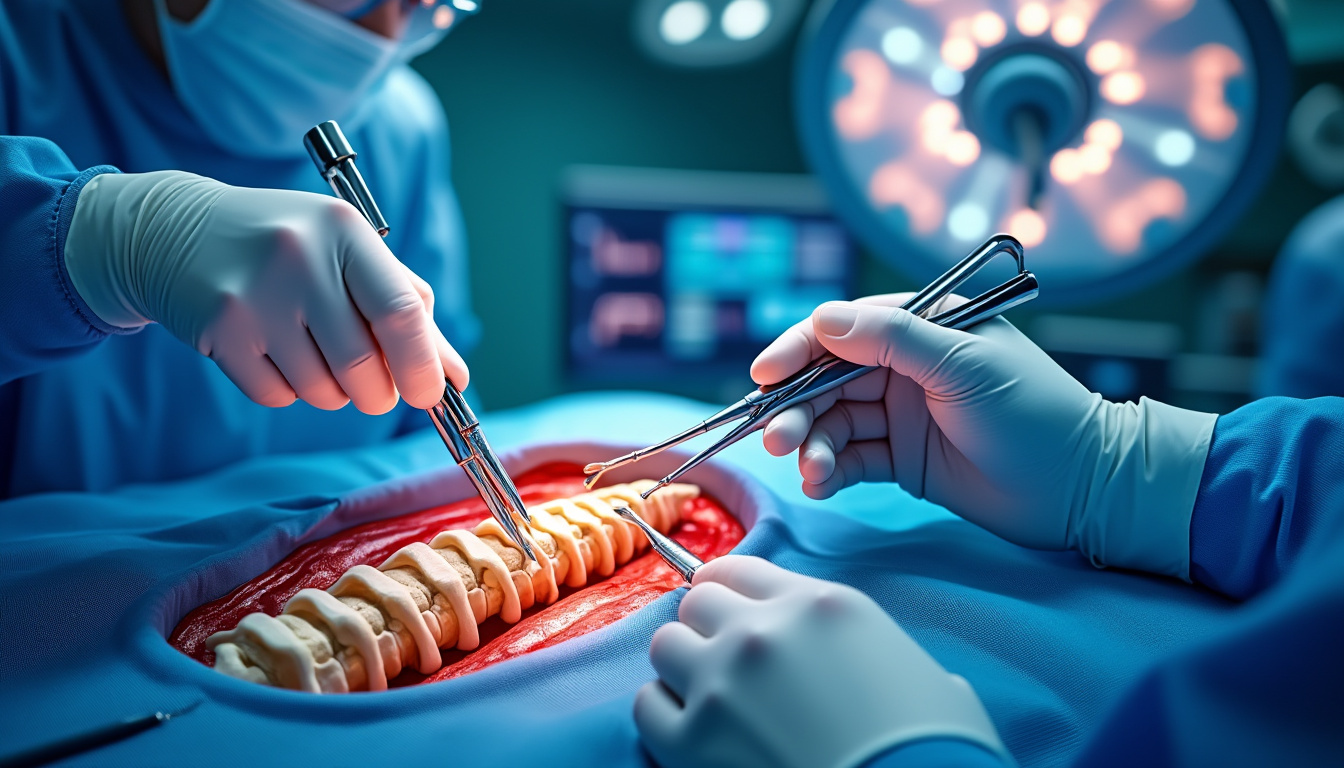
The adoption of endoscopic spine surgery exemplifies how Longueuil’s surgical teams embrace innovation. These procedures use tiny cameras and specialized instruments to remove damaged tissue or decompress nerves with unrivaled accuracy. This technique’s efficacy has been validated through numerous clinical studies, showcasing improved patient satisfaction and reduced recovery times.
Patients also benefit from the comprehensive pre- and post-operative care designed by the experienced team at TAGMED Clinics, ensuring safety and fostering rehabilitation progress through multidisciplinary collaboration.
Disc herniation remains a significant health concern in Pointe-Claire, impacting the lives of a diverse population ranging from labor-intensive workers to the aging community. The condition, characterized by the displacement or rupture of the intervertebral disc, often leads to debilitating…
The Patient Journey: From Initial Evaluation to Postoperative Recovery in Minimally Invasive Spine Surgery
The journey of a patient undergoing minimally invasive surgery in Longueuil involves meticulously coordinated stages, each essential to achieving full recovery and sustained spinal health. Under the expert guidance of Dr. Desforges, this pathway emphasizes personalized attention, patient education, and active rehabilitation.
Step 1: Initial Consultation and Comprehensive Evaluation
Patients first engage in a detailed assessment to elucidate the nature and extent of their spinal disorder. Here, Dr. Desforges’ deep clinical acumen and utilization of advanced diagnostic tools guide a clear understanding of the condition, facilitating shared decision-making.
Step 2: Conservative Management Phase
Before considering surgery, a 3 to 6-month trial of conservative therapies is typically recommended to alleviate symptoms and evaluate the necessity for more invasive intervention.
Step 3: Surgical Intervention
If surgery is warranted, the minimally invasive procedure is scheduled, capitalizing on technologies that reduce trauma and promote rapid healing. Patients experience minimal scarring and reduced pain, supported by evidence-based surgical protocols.
Step 4: Postoperative Care and Rehabilitation
Post-surgery, patients enter a structured rehabilitation program managed closely by the TAGMED team to restore spinal strength, flexibility, and function. This phase includes routine follow-ups, physical therapy, and patient education on lifestyle adaptations to maintain spinal health.
| Stage | Actions | Expected Outcomes |
|---|---|---|
| Initial Evaluation | Clinical consultation, diagnostic imaging | Identification of spinal disorder and personalized plan |
| Conservative Treatment | Neurovertebral decompression, physiotherapy, medication | Reduction in symptoms, improved mobility |
| Surgery | Minimally invasive procedure | Fast recovery, minimal pain, small scars |
| Postoperative Follow-Up | Rehabilitation, continuous monitoring | Return to functional activities, sustained spinal health |
This comprehensive and empathetic pathway not only optimizes outcomes but also helps patients regain confidence in their mobility and quality of life.
At Gouin Clinic, the landscape of herniated disc therapy has entered a transformative era marked by the integration of Personalized Treatment Plans and breakthrough Neurovertebral Decompression Therapy. This non-surgical approach is revolutionizing how spinal disorders are managed, offering patients an…
International Collaboration and Transatlantic Patient Care Coordination
One of the distinctive strengths of Dr. Desforges’ approach lies in his strategic coordination of patient care between Canada and France. In response to growing challenges such as wait times and healthcare costs in Quebec, this collaboration opens pathways to world-class surgical options and expedites access to treatment.
Patients benefit from:
- Optimized Waiting Periods: The international network reduces delays, ensuring timely interventions.
- Access to Advanced Techniques: French clinics, recognized for minimally invasive expertise, complement Canadian care.
- Quality and Compliance: Both Canadian and European ethical standards are strictly observed, assuring patient safety and high-quality care.
- Personalized Follow-Up: Postoperative management is coordinated to provide seamless support from surgery through rehabilitation.
This model enhances patient confidence, knowing they receive coordinated, high-standard treatment regardless of geography. It also leverages tourism medical platforms like SOS Tourisme Médical, further facilitating efficient and patient-friendly logistics.
The long-term vision is a healthcare ecosystem where patients in Longueuil and beyond benefit from global expertise without compromising personalized care or safety.
Cervical Disc Prosthesis in Quebec: Preventing Post-Operative Stiffness
Neck pain is one of the most common musculoskeletal complaints in Quebec, affecting a significant portion of the population annually. Often rooted in degenerative cervical disc diseases or herniated discs, this persistent discomfort severely impacts daily life and mobility. Fortunately,…
Unique Innovations and Value-Added Services at TAGMED Clinics
TAGMED Clinics, under Dr. Desforges’ leadership, distinguish themselves through a commitment to innovation and comprehensive patient care. The clinic’s integration of advanced surgical technology and a multidisciplinary team ensures an unparalleled patient experience.
Innovative Technologies Employed:
- Neurovertebral decompression systems for conservative and postoperative management
- Dynamic spinal implants that preserve natural movement while stabilizing vertebrae
- Laser and shockwave therapies to accelerate tissue healing and reduce inflammation
- State-of-the-art laparoscopic and endoscopic surgical tools enhancing precision and minimizing trauma
Beyond technology, TAGMED embodies a human-centric philosophy. Patients receive personalized consultations where concerns are addressed with clarity and empathy. This approach fosters trust and active participation in the care process.
By offering access to treatments and implants not widely available in Canada, TAGMED provides a distinct advantage to patients seeking innovative spine care. The clinic’s emphasis on evidence-based practice and patient safety aligns with Dr. Desforges’ dedication to medical ethics and quality assurance.
The prevalence of herniated disc conditions in Blainville has sparked considerable discussion and misconceptions about their causes, symptoms, and treatments. While the pain and disability associated with this spinal disorder are well documented, the emergence of non-surgical options such as…
Advantages of Minimally Invasive Surgery: Patient Safety and Fast Recovery Emphasized
Minimally invasive surgery is increasingly recognized for its role in enhancing patient safety while delivering effective treatment for spinal disorders. The reduced incision size minimizes trauma to muscles and soft tissues, translating to fewer complications and faster mobilization.
Patient testimonials and clinical studies alike highlight benefits including:
- Significantly lower postoperative pain levels compared to open surgery
- Reduced risk of infection and blood loss
- Minimized scarring and improved cosmetic outcomes
- Shortened hospitalization and acceleration of rehabilitation timelines
- Preservation of spinal flexibility and function through advanced implants
In 2026, ongoing technological improvements continue to expand the indications and safety profile of MIS, making it a preferred option for many patients. At the core of this success is an unwavering commitment to patient safety, ethical standards, and individualized treatment planning, embodied by experts such as Dr. Desforges.
Those considering surgical intervention can confidently explore minimally invasive options knowing that effective recovery and protection of quality of life remain paramount.
Minimally Invasive Surgery in Longueuil: Reducing Hospital Stays for Faster Recovery
In recent years, a transformative wave has swept through spinal healthcare in Longueuil, aiming to revolutionize treatment experiences for patients suffering from back disorders. This shift stems from a growing demand for procedures that minimize hospital stays without compromising efficacy.…
Frequently Asked Questions About Minimally Invasive Spine Surgery in Longueuil
What types of spinal conditions can minimally invasive surgery in Longueuil treat?
Minimally invasive surgery in Longueuil can address herniated discs, spinal stenosis, degenerative disc diseases, and spinal instability through techniques like discectomy, foraminotomy, and dynamic spinal implants.
How long is the typical recovery time after minimally invasive spine surgery?
Recovery is often faster with minimally invasive procedures, with many patients returning to light activities within days and resuming full function in a few weeks to months depending on the surgery type.
What are the risks associated with minimally invasive spinal surgery?
Risks are minimized due to smaller incisions and targeted intervention, but may include bleeding, infection, nerve injury, and implant-related issues, which are carefully managed by experienced surgical teams.
How is patient safety ensured throughout the surgical process?
Patient safety is prioritized through strict adherence to provincial and national medical regulations, comprehensive preoperative assessments, and multidisciplinary postoperative monitoring, as exemplified by Dr. Desforges’ practice.
Can patients in Longueuil access international surgical expertise through Dr. Desforges’ network?
Yes, patients benefit from streamlined transatlantic coordination, gaining access to advanced surgical techniques in France alongside personalized local follow-up care.
For more information or to discuss your individual spinal condition with Dr. Sylvain Desforges, visit SOS Tourisme Médical contact page to initiate your personalized evaluation and embark on your journey to optimal spinal health.