
Candiac Chronic Back Pain Solutions That Work
July 19, 2026
TOPS™ in Gatineau: Swift Relief Following Spinal Decompression
July 20, 2026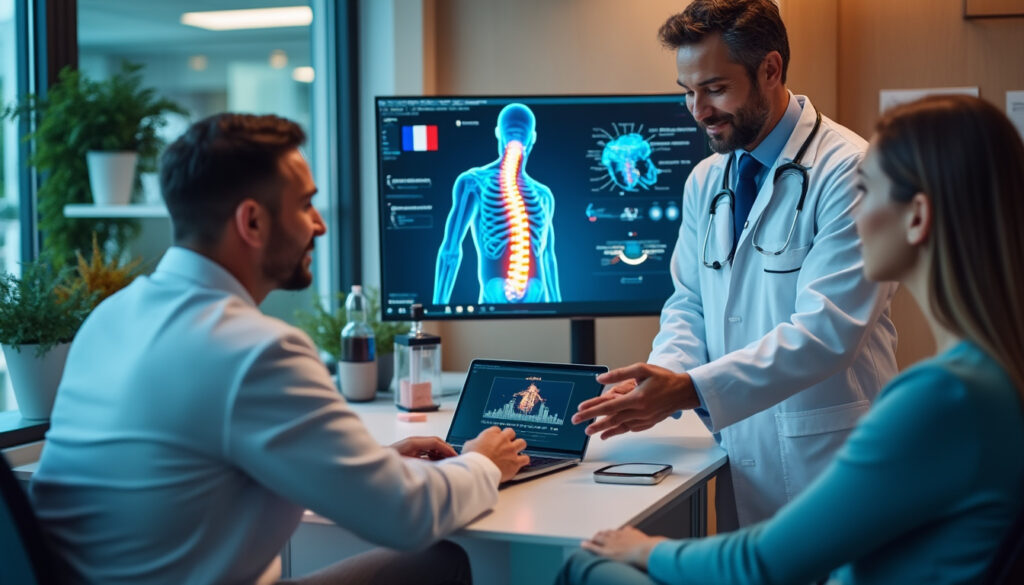
Lumbar disc herniation remains a significant challenge for many residents in Montreal, causing persistent back pain and reduced mobility. As the urban lifestyle grows complex with stress and sedentary habits, the spine’s health becomes a focal concern for both patients and healthcare providers. In this vibrant metropolis, innovative non-invasive treatments like neurovertebral decompression therapy offer new hope for effective relief without the need for surgery. Understanding and implementing proper post-treatment guidelines is crucial for ensuring lasting recovery and minimizing the risk of relapse, while comprehensive patient education remains the foundation for successful outcomes. This article delves into the latest concepts, technological advancements, and patient-centered care strategies for lumbar disc herniation management in Montreal.
In the context of modern spinal health practices, expert evaluations paired with cutting-edge therapies ensure tailored and compassionate care designed to address both symptoms and root causes. With a multidisciplinary approach integrating neuroscience, physical therapy, and osteopathic methods, Montreal’s healthcare system provides a strong support network to encourage herniated disc recovery optimized for each individual. The role of clinical pathways and interprofessional collaboration further enhances treatment quality and efficiency, making the journey toward sustained pain relief more achievable and reassuring for patients coping with back pain daily.
Understanding Lumbar Disc Herniation and Its Impact in Montreal
Lumbar disc herniation is a prevalent spinal condition characterized by the displacement of the nucleus pulposus through the annulus fibrosus, often pressing on adjacent nerves. This disruption commonly results in symptoms such as sharp or burning lower back pain, leg numbness, and muscle weakness, collectively known as sciatica. Given the physically demanding urban environments in Montreal and widespread sedentary lifestyles, lumbar disc issues increasingly affect working-age adults and seniors alike, impeding quality of life and daily functioning.
The condition emerges for various reasons, including repetitive strain, poor posture, and age-related degeneration of spinal discs. In Montreal, stress and long hours spent in seated positions—especially in office jobs—contribute heavily to spinal disc wear and tear. Moreover, occupations involving lifting and bending elevate the risk of disc herniation. Patients grappling with symptoms often report difficulty walking, sitting, or performing routine activities due to pain and limited spinal mobility.
Physiopathologically, the pain from lumbar herniation derives from two primary sources: mechanical inflammation around the damaged disc and neuropathic irritation of compressed nerve roots. Patients may experience a combination of localized ache and radiating sensations such as tingling or numbness down the legs. Understanding this dual source of discomfort is vital for clinicians assessing symptoms to properly target therapeutic interventions.
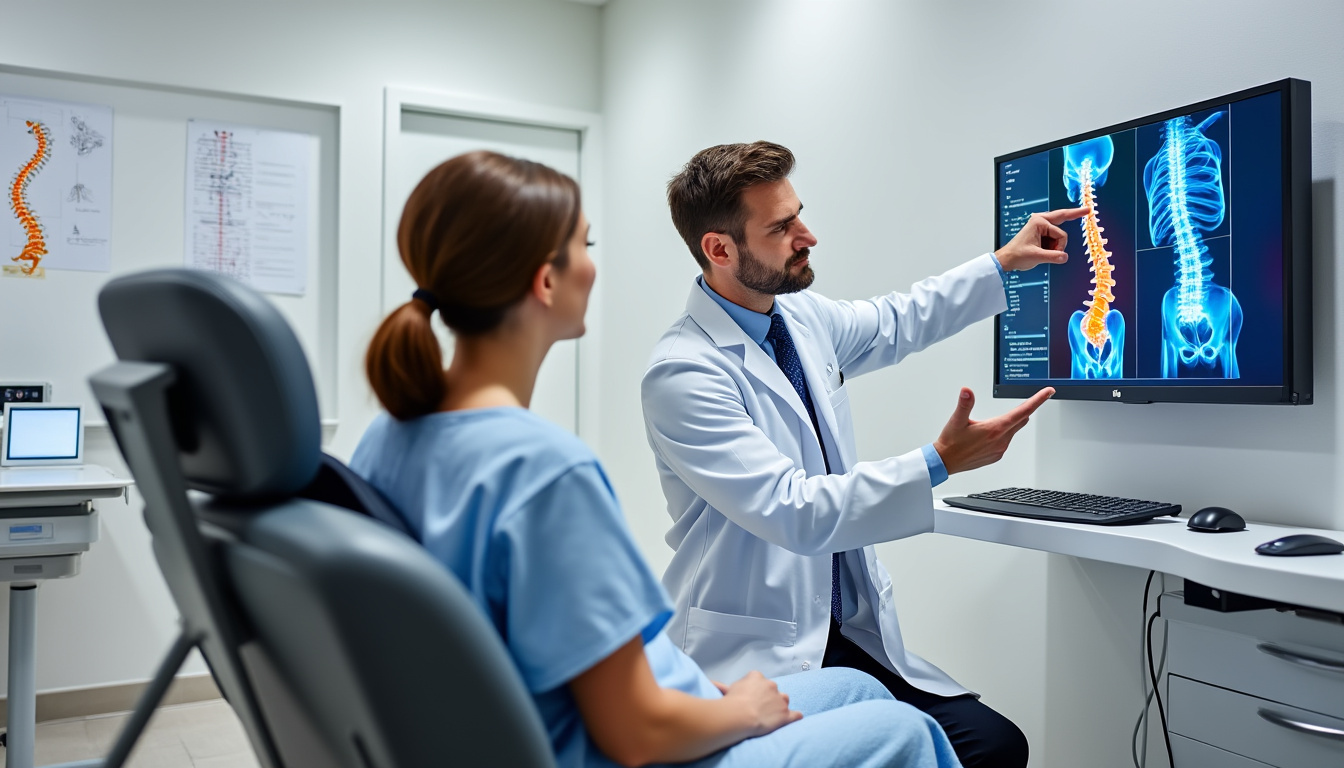
Due to the variety of symptom presentations and severity, customized evaluations are necessary to formulate effective treatments. Advanced imaging techniques like MRI help confirm herniation extent and nerve involvement, while clinical assessments consider patients’ lifestyles and functional impacts. This thorough approach ensures tailored care pathways that respect each patient’s unique challenges and aspirations for spine rehabilitation.
Back Surgery in Trois-Rivières: Ensuring a High Quality of Life Post-Operation
Back pain is increasingly recognized as a significant health challenge in Québec, affecting numerous individuals’ daily lives and well-being. In Trois-Rivières, patients often face long wait times for public healthcare or confront the high costs of private treatment options. This…
The Principles of Neurovertebral Decompression Therapy in Montreal Spine Care
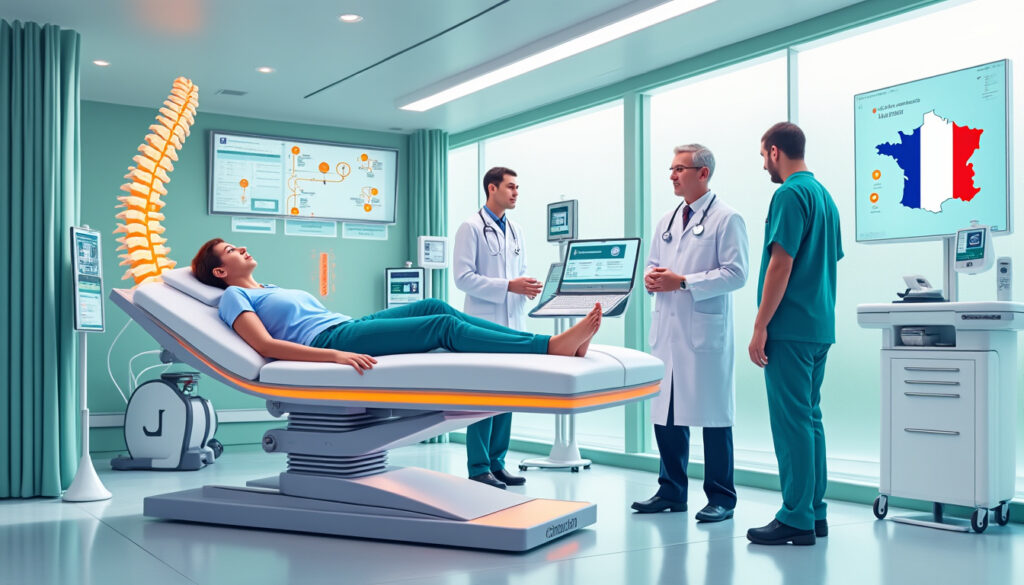
Neurovertebral decompression therapy is an innovative, minimally invasive treatment offered in specialized clinics such as TAGMED in Montreal and Terrebonne. Unlike surgical interventions, this therapy employs a mechanical traction system designed to gently stretch the spine, reducing pressure within intervertebral discs. The resulting negative intradiscal pressure encourages the retraction of herniated material, alleviating nerve compression and mitigating pain.
In Montreal, practitioners led by experts like Dr. Sylvain Desforges prioritize precision and patient safety, utilizing computer-assisted decompression devices to tailor traction forces according to individual tolerances and diagnosis. The therapy not only reduces mechanical stress on nerves but also stimulates localized blood flow, encouraging tissue regeneration and functional recovery.
Importantly, neurovertebral decompression does not promise instantaneous cure but aims for consistent symptom relief through a series of carefully monitored sessions. Typical protocols include approximately 15 to 25 treatments, each lasting 20 to 30 minutes, and integrated within a holistic care plan involving physical therapy and manual osteopathic techniques. This combination strengthens spinal support structures and improves posture, which are essential to prevent recurrence.
The approach is solidly grounded in scientific rigor with continuous clinical oversight to adapt treatments dynamically as patient conditions evolve. Montreal’s comprehensive spine care model embodies a synergy between technology and hands-on expertise, ensuring patients receive effective alternatives to invasive surgery while prioritizing comfort and sustainable outcomes.

Disc Herniation in Longueuil: Equipment, Protocols, and Neurovertebral Decompression Treatment
The rising prevalence of disc herniation in Longueuil calls for innovative, effective, and patient-focused approaches to spinal care. As the population ages and sedentary lifestyles increase, spinal disorders leading to back pain and mobility limitations are more common than ever.…
Post-Treatment Guidelines: Essential Steps to Optimize Herniated Disc Recovery
After completing neurovertebral decompression therapy or any conservative treatment for lumbar disc herniation, post-treatment guidelines become fundamental to maintaining spinal health and preventing relapses. The days and weeks following therapy represent a sensitive window during which patients’ adherence to recommended care significantly influences long-term outcomes.
Healthcare providers in Montreal emphasize a multidisciplinary approach to post-treatment care. This includes structured physical therapy focusing on flexibility, muscle strengthening, and functional rehabilitation. Strengthening the lumbar region and trunk muscles provides enhanced support to the spine, reducing mechanical load on intervertebral discs during daily activities.
Posture education is another key component, with patients receiving individualized coaching on ergonomics for both workplace setups and domestic environments. Adjustments such as proper chair height, screen positioning, and limiting prolonged sitting periods effectively minimize strain on the lumbar spine.
Moreover, patients are encouraged to adopt gradual re-engagement in physical activity, prioritizing low-impact exercises like walking, swimming, or stationary cycling. Such exercises promote circulation and nourish intervertebral discs without provoking undue stress.
Managing pain and muscle tension post-treatment may also benefit from complementary techniques like neuromodulation or gentle laser therapy, which are increasingly incorporated into Montreal’s rehabilitation protocols. These modalities support muscular relaxation and enhance nerve healing, facilitating smoother recovery trajectories.
- Maintain regular follow-up appointments with your healthcare team to monitor progress and adjust care plans.
- Engage in prescribed physical therapy tailored to your individual condition.
- Practice posture awareness and ergonomics in all daily activities.
- Incorporate gentle physical activity to promote spinal mobility and overall health.
- Avoid lifting heavy objects or sudden spinal movements until cleared by your care provider.
Consistent attention to these guidelines helps consolidate the benefits gained from decompression therapy, making herniated disc recovery sustainable and improving patients’ quality of life in the dynamic Montreal urban landscape.

TOPS™ in Gatineau: Swift Relief Following Spinal Decompression
Back pain remains a pressing concern for many, especially when standard treatments fall short or surgical wait times seem interminable. In Gatineau, a breakthrough technology known as TOPS (Total Posterior Spine System) is transforming the landscape of spinal care. Offering…
Comparing Neurovertebral Decompression Therapy and Surgical Approaches in Montreal
While surgery remains an option for severe or unresponsive lumbar disc herniations, neurovertebral decompression therapy offers a compelling alternative emphasizing less risk and faster recovery. Within Montreal’s healthcare landscape, patients often seek minimally invasive treatments that allow them to avoid the complications inherent in surgical procedures, including infections, longer hospital stays, and extended downtime.
Surgery, such as microdiscectomy, effectively removes herniated disc material but carries a notable risk of recurrence and potential side effects. Conversely, neurovertebral decompression seeks to alleviate symptoms by restoring disc integrity and encouraging natural healing pathways.
| Criteria | Neurovertebral Decompression | Surgical Intervention |
|---|---|---|
| Invasiveness | Non-invasive, no incisions | Invasive, requires incisions |
| Risk Profile | Low risk, minimal side effects | Higher risk of anesthesia and infections |
| Recovery Time | Weeks to months | Several months |
| Recurrence Rate | Variable, depends on follow-up care | Can be significant without proper rehab |
| Cost | Generally lower | Typically higher |
This comparative analysis assists patients and healthcare professionals in Montreal to make informed decisions aligned with individual preferences and specific medical contexts. For many, minimally invasive treatment is the preferred first-line approach before surgical options are considered.
Herniated Disc in Laval: Effects on Quality of Life and Neurovertebral Decompression Therapy
Herniated disc is not just a clinical diagnosis in Laval; it symbolizes a profound challenge that reverberates through every facet of daily life. Affecting individuals across all ages and professions, from manual laborers to office workers, this spinal condition compromises…
Cutting-Edge Technological Developments Supporting Spinal Health in Montreal
Montreal’s spine care landscape benefits from ongoing integration of breakthrough technologies complementing neurovertebral decompression. Tools like low-level laser therapy and soft pulse neuromodulation enhance post-treatment recovery through targeted pain relief and muscle relaxation. Devices employing gentle vibratory impulses assist muscle receptors, improving functional restoration of the lumbar area.
Moreover, advances in biomechanical traction—such as three-dimensional patient-specific lumbar traction—have shown superior efficacy in reducing pain and enhancing functional capacity compared to traditional two-dimensional traction. Montreal’s specialized centers increasingly adopt these innovations, pairing them with tailored rehabilitation programs.
The use of dynamic spinal implants expands therapeutic options for patients with more advanced disc degeneration who might not be candidates for decompression alone. Such implants help preserve mobility while stabilizing spinal segments, offering a bridge between conservative therapies and invasive surgical procedures.
Dr. Sylvain Desforges, with over three decades of experience, directs clinical practices that integrate these advanced technologies within medical ethical frameworks, ensuring that patients benefit from the most scientifically validated and safe treatments available.

Cervical Disc Prosthesis in Quebec: An Approved and Long-Lasting Solution
The landscape of spinal care in Quebec has witnessed transformative progress with the advent of the cervical disc prosthesis — an innovative orthopedic solution that offers renewed hope to patients burdened by chronic neck pain. This modern treatment modality replaces…
Personalized Patient Journey and International Coordination in Montreal Spine Care
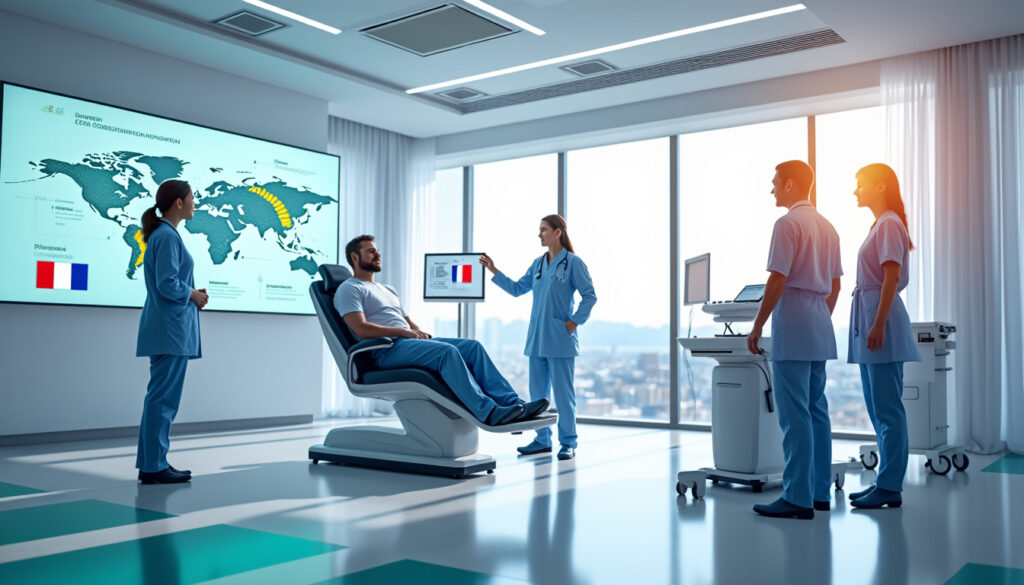
Dr. Sylvain Desforges is recognized for fostering a patient-centered and internationally coordinated care pathway that spans Montreal and France. This transatlantic collaboration enables optimized treatment timelines and access to specialized surgeons and technological resources otherwise hard to reach.
Patients benefit from comprehensive pre- and post-operative evaluations, transparent communication, and multidisciplinary case discussions ensuring personalized care plans. The partnerships with medical tourism platforms allow seamless navigation of healthcare systems and support throughout the entire spine rehabilitation journey.
Such coordination enhances not only the quality of care but also reduces waiting times and logistical burdens, empowering patients in Montreal to make informed choices regarding their lumbar disc herniation management.
This international approach exemplifies healthcare innovation focused on patient well-being, safety, and continuous education, perpetuating Dr. Desforges’ commitment to evidence-based practice and ethical responsibility.
Minimally Invasive Surgery in Longueuil: Reducing Recovery Time and Preserving Mobility
In the evolving landscape of spinal care, minimally invasive surgery in Longueuil is emerging as a pivotal advancement, transforming the patient experience by dramatically reducing recovery time and preserving natural mobility. Patients who once faced daunting surgery and lengthy hospital…
Comprehensive Multidisciplinary Support for Back Pain Management in Montreal
Managing lumbar disc herniation extends beyond immediate symptom relief to ensuring long-term maintenance of spinal function and overall health. Montreal leverages a rich network of professionals including osteopaths, physiotherapists, chiropractors, and functional medicine experts working collaboratively to address multifaceted needs.
This team-based approach allows holistic interventions targeting not only the mechanical causes but also lifestyle factors such as nutrition, stress, and ergonomics. Patients reporting back pain find personalized support in optimizing habits, preventing further injury, and enhancing mobility.
Innovative therapies within this spectrum include manual osteopathic adjustments, McKenzie exercises, neuromuscular stimulation, and ergonomic coaching. All aim to restore balance, reduce muscle tension, and improve spinal alignment, supporting the benefits achieved through neurovertebral decompression.
This comprehensive framework, led by experts who combine scientific rigor with compassionate care, empowers patients in Montreal to overcome limiting pain and fully re-engage with their social and professional lives.
The challenge of managing disc herniation in active communities like Sainte-Anne-de-Bellevue is significant, as residents face persistent back pain that disrupts daily life. In response, advanced therapeutic methods such as neurovertebral decompression have gained attention for their promise in alleviating…
Effective Rehabilitation Protocols and Prevention of Herniated Disc Recurrence
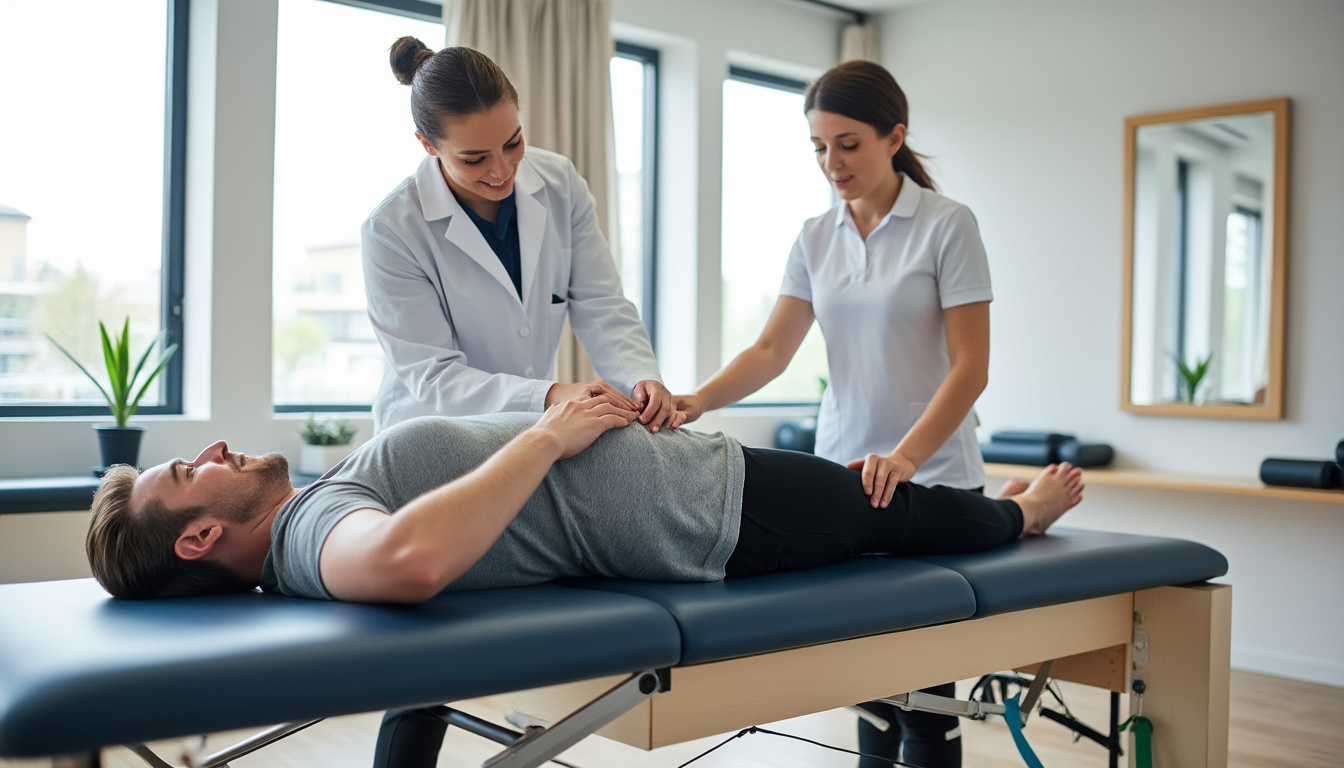
Rehabilitation following lumbar disc treatment is pivotal in preventing relapse and achieving sustained spinal health. Clinical protocols emphasize a gradual, progressive strengthening regimen complemented by flexibility and mobility exercises designed to enhance spinal stability.
Montreal’s physiotherapy centers implement evidence-based rehabilitation programs, modeled on guidelines similar to those provided by the Massachusetts General Hospital, which advocate staged recovery emphasizing functional recovery and pain management.
Patients are educated on proper body mechanics and taught to recognize movement patterns that could exacerbate disc stress. Ergonomic adaptations at work and home settings are routinely prescribed to maintain posture and reduce repetitive strain.
A typical rehabilitation plan relies also on regular assessments to monitor lumbar spine function and adapt treatments accordingly. This feedback loop is crucial for optimizing outcomes and tailoring lasting care pathways specific to each patient’s progress and challenges.
- Start with gentle stretching and mobilization to ease stiffness.
- Incorporate core strengthening exercises to stabilize the lumbar spine.
- Progressively increase activity intensity under professional supervision.
- Emphasize posture and ergonomic awareness during daily activities.
- Ensure continuous follow-up with physical therapists or spine care experts.
Such structured recovery guidelines significantly enhance spinal health and reduce the risk of future herniations, supporting patients’ long-term wellness journeys in Montreal’s demanding urban environment.

IntraSPINE® in Laval: Accelerated Recovery Following Lumbar Surgery
Lumbar back pain remains one of the most pervasive health challenges worldwide, often disrupting daily life and work productivity. In the dynamic medical landscape of Quebec, a transformative solution called IntraSPINE has emerged, revolutionizing how lumbar surgery patients experience recovery.…
Patient Experiences Highlighting the Benefits of Neurovertebral Decompression in Montreal
Patient stories across Montreal illustrate the transformative impact of neurovertebral decompression combined with comprehensive rehabilitation. For instance, Virginie, a 42-year-old resident of Plateau-Mont-Royal, struggled with sharp sciatic pain and reduced mobility for several months before consulting at Clinique TAGMED.
Under the expert guidance of Dr. Sylvain Desforges, Virginie underwent a personalized treatment protocol integrating neurovertebral decompression, osteopathic support, and structured physical therapy. Over the course of her sessions, she reported significant pain reduction and regained functional mobility, enabling her to return to daily activities and work with renewed confidence.
Such patient experiences reinforce the advantages of modern, multidisciplinary spine care in Montreal, emphasizing individualized plans and cutting-edge treatment access. They also underline the importance of continuous support and education in overcoming the challenges posed by lumbar disc herniation.
These outcomes are supported by scientific studies indicating that conservative decompression treatments, when combined with appropriate rehabilitation, reduce healthcare costs and improve quality of life for many patients compared to more invasive options.
Patients and professionals looking to explore these treatment options further may find valuable insights in dedicated resources about lumbar disc management and neurovertebral decompression protocols in Montreal.
What is neurovertebral decompression therapy?
It is a non-invasive technique designed to reduce pressure on intervertebral discs by gently stretching the spinal column, thereby alleviating pain associated with lumbar disc herniation.
How many sessions does a typical decompression treatment involve?
A standard neurovertebral decompression protocol usually includes between 15 and 25 sessions, customized based on the severity of the disc herniation and the patient’s response.
Can neurovertebral decompression replace surgery?
For many patients, this therapy offers an effective non-surgical alternative, often avoiding or postponing the need for surgery, though some severe cases may still require operative intervention.
What precautions should be taken post-decompression therapy?
Maintaining good posture, avoiding excessive physical effort, and engaging in a personalized rehabilitation program to strengthen muscles and stabilize the spine are essential post-treatment steps.
How does decompression therapy improve back pain?
By creating a negative pressure in the discs, it encourages the retraction of herniated material, reduces nerve pressure, and enhances blood flow, leading to decreased pain and improved mobility.