TOPS™ in Gatineau: Swift Relief Following Spinal Decompression
July 20, 2026
Montreal Sciatica Recovery Without Steroid Injections
July 20, 2026
In the evolving landscape of spinal care, patients across Quebec increasingly seek minimally invasive surgical solutions to overcome the challenges posed by chronic back and neck conditions. In Longueuil, a hub of innovative spine treatments, these advanced procedures are transforming patient experiences by offering shorter recovery times, reduced postoperative pain, and preservation of spinal mobility. Rooted in scientific rigor and ethical practice, these approaches are supported by leading experts such as Dr. Sylvain Desforges, whose over 30 years of expertise guide personalized evaluations and transatlantic care coordination with France. Through cutting-edge technologies like neurovertébral decompression, dynamic implants, and laser-assisted techniques, this integration of innovation and human-centered patient care opens new doors to improved quality of life for individuals who otherwise endure long waits and limited options within traditional healthcare systems.
Patients from Quebec now access a carefully coordinated international care model that bridges continents, combining the latest surgical advancements available in France with expert preoperative assessment and specialized postoperative rehabilitation. This path not only accelerates intervention timing but also maintains spinal function and mobility through technologies designed to minimize tissue trauma. The expertise of Dr. Desforges and his network leverages evidence-based practices and ethical guidelines, ensuring any surgical candidacy follows a diligent period of conservative treatment, including therapies like those provided at the Clinique TAGMED. As a result, patients benefit from a continuum of care that prioritizes safety, scientific integrity, and compassionate support, empowering them to make informed decisions about their spinal health.
Diverse Types of Minimally Invasive Spine Surgery Available to Longueuil and Quebec Patients
The spectrum of spinal surgical options offered in France, accessible to Quebec patients through coordinated pathways, can be classified into three primary categories: simple decompression surgeries, fusion procedures, and motion-preserving operations. Each category serves distinct clinical indications and has specific implications for spinal biomechanics and patient outcomes.
Simple Decompression Surgeries: Targeted Relief with Minimal Impact
Simple surgeries focus on alleviating nerve compression caused by herniated discs or spinal stenosis using smaller incisions and advanced imaging guidance. These procedures, such as microdiscectomy, seek to relieve pain and neurological symptoms while preserving as much of the spinal anatomy as possible. The minimal disruption results in decreased postoperative discomfort and quicker functional recovery. Patients frequently experience significant improvements immediately after the intervention, enabling a return to routine activities within days to weeks.
Fusion Surgeries: Stabilization with Lasting Pain Reduction
When spinal instability or deformities threaten function, fusion surgeries play a vital role by permanently joining vertebrae using implants like screws, rods, and cages. This technique aims to halt abnormal motion, reducing pain arising from structural damage or degeneration. However, fusion procedures limit segmental mobility, which can influence adjacent spinal levels over time. Notably, advances in minimally invasive fusion in France have optimized these surgeries to achieve reduced blood loss, smaller incisions, and accelerated recovery, contrasting with traditional open fusions that require extensive muscle dissection.
Motion-Preserving Surgeries: Innovation in Maintaining Spinal Function
Recent surgical developments prioritize retaining the natural mobility of the spine through dynamic implants or artificial disc replacements. Motion-preserving surgeries, such as those using TOPS or IntraSPINE systems, offer effective pain relief without sacrificing functional movement. This approach limits the risk of adjacent segment degeneration and allows patients to maintain a fuller range of spinal flexibility postoperatively. French centers lead in these sophisticated techniques, integrating them within tailored patient pathways supported by comprehensive evaluation and rehabilitation programs.

IntraSPINE® in Sherbrooke: Durable Solution for Chronic Low Back Pain
The management of chronic low back pain, a widespread condition affecting millions across Quebec and beyond, has reached a pivotal moment thanks to innovative medical technologies and coordinated care pathways. At the heart of this evolution lies the IntraSPINE implant,…
Spine Surgery in Trois-Rivières: Reduce Pain and Preserve Mobility
In recent years, spine surgery in Trois-Rivières has evolved notably, combining advanced medical expertise with innovative technologies to deliver patient-centered care. This growing field addresses the increasing demand among Quebec residents seeking effective solutions for chronic back pain and mobility…
Essential Steps in the Patient Journey for Transatlantic Minimally Invasive Spine Surgery
Understanding the full patient pathway is key to safely and effectively benefiting from minimally invasive surgery in Longueuil and abroad. Based on Dr. Sylvain Desforges’ extensive experience, the journey integrates scientific assessment, conservative treatment, optimized surgical coordination, and personalized rehabilitation to ensure excellence in outcomes.
Comprehensive Initial Evaluation and Personalized Assessment
The process begins with a thorough clinical evaluation by Dr. Desforges, whose qualifications and leadership roles—including founding the ACMA and the Canadian Osteopath College—underscore his expertise. This assessment considers symptomatology, previous treatments, and individual patient goals. Importantly, adherence to ethical standards and evidence-based practices requires that patients have undergone at least three to six months of conservative therapies prior to any surgical recommendation. Evaluations may include reviewing advanced non-surgical interventions such as the neurovertébral decompression techniques available at the Clinique TAGMED.
Coordinated Surgical Scheduling with Expert French Clinics
Once surgery is indicated, seamless collaboration with partner surgical centers in France ensures access to cutting-edge minimally invasive procedures. These partnerships, reinforced by platforms like SOS Tourisme Médical, streamline logistics such as travel arrangements, preoperative preparation, and hospital admissions. The approach prioritizes reducing hospital stay durations while maintaining highest safety standards, ensuring patients benefit from experienced surgical teams and post-op monitoring.
Structured Postoperative Recovery and International Follow-Up
Post-surgery, patients receive individualized rehabilitation plans involving multidisciplinary teams including osteopaths and physiotherapists. This care continues upon return to Quebec, emphasizing pain control, functional restoration, and long-term spinal health maintenance. Regular remote consultations and follow-ups facilitate timely interventions if complications arise. The transatlantic care model balances technological advances with compassionate human support to optimize patient experiences and clinical success.

TOPS™ in Gatineau: High-Performance Option for the Lumbar Spine
The landscape of spinal surgery has witnessed profound evolution, particularly for patients grappling with lumbar spine disorders such as spinal stenosis and spondylolisthesis. These conditions, increasingly prevalent among Quebec’s population, impose substantial limitations on mobility and quality of life. The…
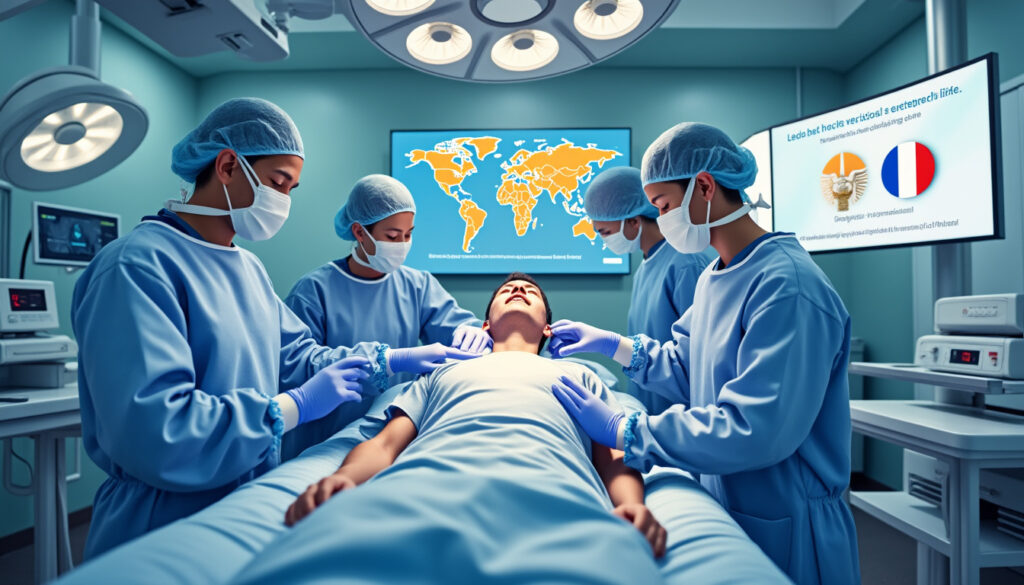
Cervical Disc Prosthesis in Quebec City: Avoid Post-Surgery Stiffness
Chronic neck pain remains a significant challenge for thousands of residents in Quebec City every year, often leading them to seek effective spinal surgery options that minimize downtime and maximize long-term mobility. Among the recent advancements revolutionizing cervical spine care,…
The Critical Role of Conservative Treatment Before Considering Surgery
Conservative management forms the cornerstone of spinal care, focusing on alleviating symptoms while avoiding unnecessary surgical risks. Dr. Desforges is a steadfast advocate for exhaustive non-surgical treatment over a sustained period—typically ranging from three to six months—before surgery is contemplated.
Among these options, neurovertébral decompression available at the Clinique TAGMED stands out as an advanced, evidence-based conservative modality. This technique gently reduces nerve pressure through controlled mechanical traction, alleviating pain and improving function without invasive procedures. Physical therapy, osteopathic treatment, and tailored exercises complement decompression, all aiming to optimize spinal biomechanics and patient well-being.
Patients who skip or shorten this crucial phase risk premature surgical intervention, potentially facing avoidable complications or suboptimal recovery. By embracing a conservative-first philosophy grounded in scientific evidence and ethical practice, patients make informed, safer decisions about their spinal health trajectory. This careful sequencing exemplifies Dr. Desforges’ commitment to evidence-based care and personalized patient empowerment.
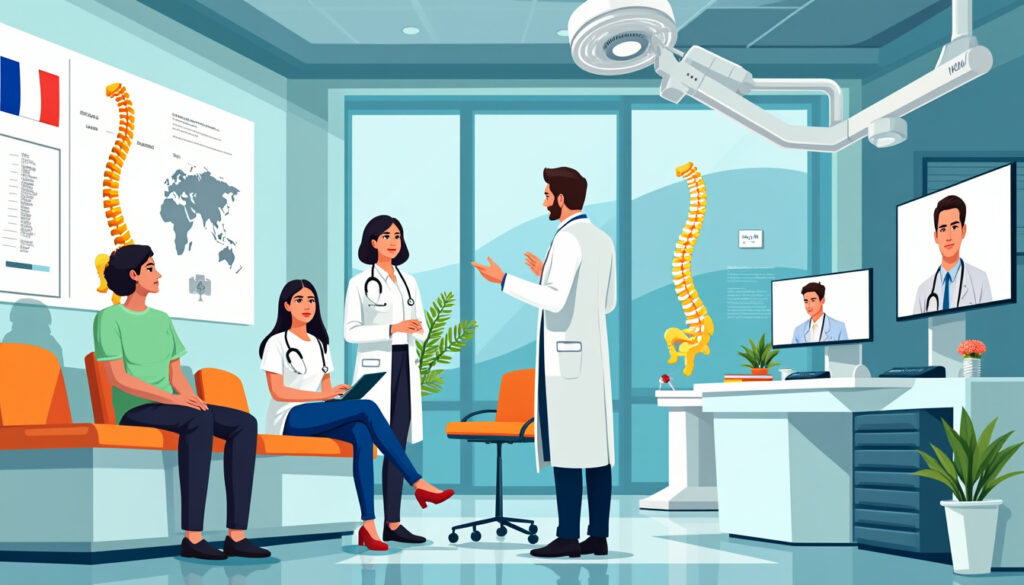
Minimally Invasive Surgery in Longueuil: Reduce Hospital Stay Duration
In recent years, advances in spinal care have dramatically reshaped the treatment landscape for patients suffering from debilitating spinal conditions. Particularly in Longueuil, the emergence of minimally invasive surgery (MIS) techniques offers a transformative alternative to conventional open surgeries. These…
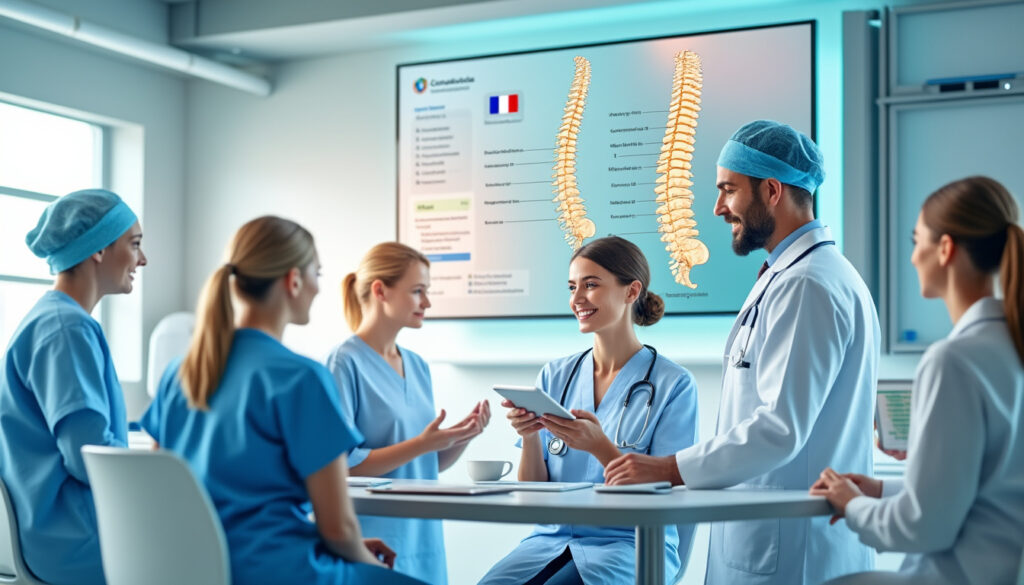
IntraSPINE® in Laval: Modern Solution for Lumbar Stabilization
In the evolving landscape of orthopedic treatments, the city of Laval has become a hub for innovations addressing chronic lower back pain. Among the groundbreaking solutions gaining attention is the IntraSPINE device—a modern spinal implant designed to offer dynamic lumbar…
Biomechanical and Economic Advantages of Minimally Invasive Surgery for Spinal Disorders
Minimally invasive surgery presents several biomechanical benefits. Compared to open surgery, its small incisions limit muscle and soft tissue injury, preserving spinal integrity and reducing inflammation. This conservation of surrounding tissues is essential for maintaining mobility preservation and preventing the widespread scarring that can adversely affect long-term spinal function.
Use of dynamic implants supports motion maintenance, mitigating adjacent segment degeneration often seen following fusion. Laser-assisted and robotically guided interventions further limit trauma and enhance precision, facilitating faster postoperative recovery and improved pain control.
Economically, MIS translates into fewer days hospitalized, quicker return to work, and lower indirect costs related to disability and caregiver burden. These financial advantages benefit patients and healthcare systems alike, particularly within frameworks demanding efficient resource utilization. The transatlantic cooperation mentioned earlier also reduces waiting times and optimizes procedure value, offering a cost-effective counterpoint to delayed or costly local services.
| Aspect | Traditional Open Surgery | Minimally Invasive Surgery |
|---|---|---|
| Incision Size | Large, extensive | Small, precise |
| Muscle Disruption | Significant | Minimal |
| Blood Loss | Moderate to High | Low |
| Hospital Stay | 5-10 days | 1-3 days |
| Recovery Time | Weeks to Months | Days to Weeks |
| Postoperative Pain | Moderate to Severe | Mild to Moderate |
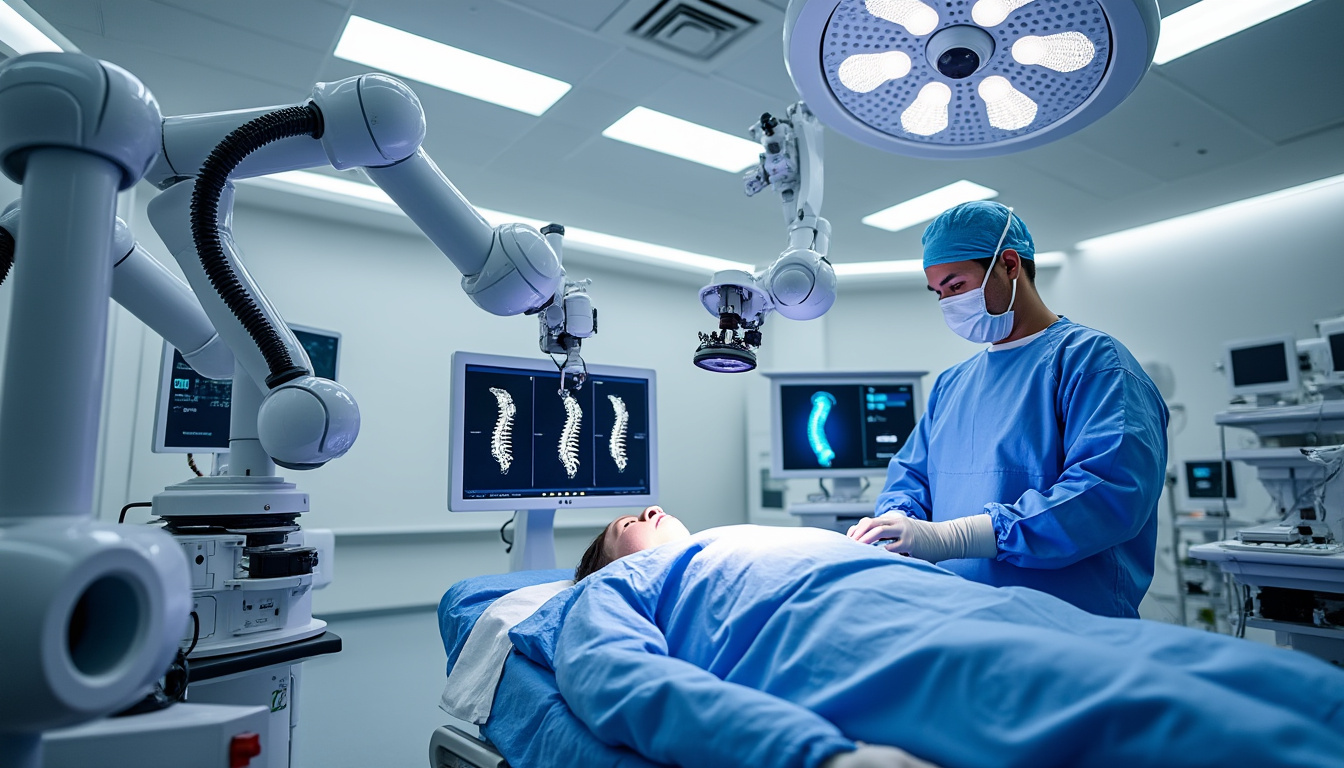
Neck Surgery in Montreal: Maintain Cervical Flexibility and Function
Neck conditions causing persistent pain or functional loss place a substantial burden on individuals and healthcare systems, especially in urban centers like Montreal. Surgical interventions targeting the cervical spine have evolved tremendously, aiming not only to relieve symptoms but to…

Disc Prosthesis in Lévis: Quick and Long-Lasting Results
Chronic back pain caused by degenerative disc disease continues to profoundly impact the quality of life for many residents in Lévis and the broader Quebec area. For decades, traditional spinal fusion surgery has been the primary solution for alleviating severe…
Technological Innovation Driving Excellence in Minimally Invasive Surgery in Longueuil
Technological advances empower surgeons to perform minimally invasive spine procedures with unparalleled accuracy and reduced patient burden. At the forefront is the use of robotics and enhanced imaging techniques that assist navigation and precision during surgery. Laser-assisted tools further enable selective treatment of affected tissues, minimizing collateral damage and accelerating healing.
Dynamic implant systems, including those pioneered in French surgical centers, enhance biomechanical outcomes by preserving natural movement and reducing mechanical stress on adjacent vertebrae. Additionally, neurovertébral decompression—offered in clinics like TAGMED—marks a non-surgical pillar, complementing surgery when necessary.
These innovations reflect Dr. Desforges’ commitment to integrating evidence-based, patient-centered care with the latest medical technology. His role ensures stringent safety protocols and ongoing evaluation, balancing innovation with proven clinical efficacy.
Postoperative Care and Rehabilitation: Keys to Maintaining Spinal Function and Accelerating Recovery
Effective postoperative management critically influences surgical success. Minimally invasive techniques reduce pain and tissue injury, enabling earlier mobilization and smoother rehabilitation. Multidisciplinary teams work collaboratively on pain control, physical therapy, and osteopathic treatment, ensuring a holistic approach tailored to individual patient needs.
Rehabilitation programs focus on strengthening spinal support muscles, improving flexibility, and restoring functional mobility. Regular follow-ups allow adjustments to therapy and early identification of potential complications. The goal is a durable recovery that sustains the benefits gained from surgery, enabling patients to quickly resume daily routines and improve their overall quality of life.
Support throughout this recovery phase exemplifies the compassionate, human-centered philosophy championed by Dr. Desforges, fostering patient confidence and motivation during the healing process.
Advantages of Transatlantic Coordination: Enhanced Access and Patient-Centered Support
For many Quebec patients, the prospect of traveling abroad for spine surgery may raise concerns. However, the transatlantic collaboration managed by Dr. Desforges offers numerous advantages that alleviate such worries while providing superior care options.
- Accelerated surgical access: Patients avoid long local waitlists, gaining timely interventions typically within three months.
- Access to innovative techniques: Availability of advanced motion-preserving implants and minimally invasive technologies uncommon in Canada.
- Cost-effectiveness: Lower overall surgical expenses due to shorter hospital stays and avoidance of private care premiums in Quebec.
- Personalized logistical support: Dedicated coordination teams manage travel, appointments, and postoperative follow-up, reducing patient stress.
- Multidisciplinary, continuous care: Integrated pre- and post-surgical management across both continents.
This comprehensive and empathetic framework ensures patients receive a high standard of care from evaluation through to full recovery, embodying the principles of ethical practice, transparency, and patient empowerment emphasized by Dr. Desforges and his team.
What are the main benefits of minimally invasive spine surgery?
Minimally invasive surgery typically reduces postoperative pain, shortens hospital stays, accelerates functional recovery, and preserves spinal mobility compared to traditional open surgery.
Why is conservative treatment necessary before considering surgery?
Conservative treatments help to manage symptoms and may avoid the need for surgery. They prepare the spine and patient for optimal outcomes if surgery becomes necessary, ensuring safer, evidence-based decision-making.
What types of minimally invasive spine surgeries are available in France?
Patients may access simple decompression procedures, fusion surgeries, and advanced motion-preserving surgeries such as those utilizing dynamic implants or disc replacements.
How does technological innovation improve minimally invasive spine surgery?
New tools like robotic assistance, laser devices, and enhanced imaging enable precise, tissue-sparing surgeries that reduce trauma and facilitate faster recovery.
What should patients expect during postoperative recovery?
Patients benefit from tailored rehabilitation plans emphasizing pain management, mobility restoration, and continuous follow-up to ensure sustained surgical benefits.
For more personalized information or to discuss your specific case, please visit SOS Tourisme Médical contact page and connect with dedicated professionals ready to guide your path to improved spinal health.