Disc Herniation in Brossard: Safety, Contraindications, and Neurovertebral Decompression Treatment
July 23, 2026
IntraSPINE® in Sherbrooke: Personalized Care for Active Patients
July 24, 2026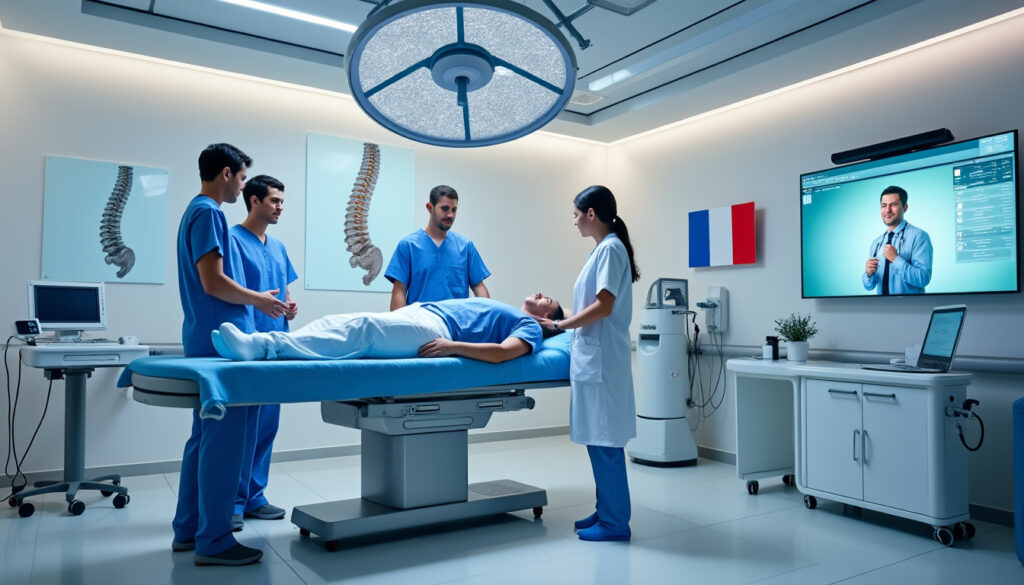
In recent years, spinal care has witnessed transformative advances aimed at enhancing patient outcomes through innovative surgical techniques. Among these developments, motion surgery in Terrebonne has emerged as a groundbreaking approach for individuals suffering from chronic back and neck pain. This surgical method prioritizes preserving spinal mobility while minimizing complications traditionally associated with orthopedic surgery. Combining cutting-edge technology with expert interdisciplinary care, Terrebonne has evolved into a leading center where patients benefit from personalized, evidence-based treatment pathways. The collaboration between Quebec and international partners enriches the management of complex spinal disorders, ensuring seamless patient journeys from initial evaluation to rehabilitation. As spine surgery strategies continue to innovate, motion surgery exemplifies how modern surgical techniques can facilitate optimal joint movement, accelerate patient recovery, and reduce post-operative risks, ultimately improving quality of life for those impacted by spinal conditions.
In the context of ongoing challenges such as surgical wait times and the need for minimally invasive solutions, the integrated approach to motion surgery in Terrebonne addresses these issues by leveraging dynamic implants and advanced technologies. These innovations, including the TOPS and IntraSPINE systems, stabilize while maintaining the natural biomechanics of the spine. This focus on maintaining joint movement, rather than rigid fusion, marks a significant evolution in orthopedic spine care. The expertise of professionals, such as Dr. Sylvain Desforges, who meticulously evaluate spinal disorders and guide patients through conservative and surgical options, underpins the success of this approach. Through comprehensive care coordination, including collaborations with prominent French spine surgeons, patients experience optimized treatment timelines and personalized rehabilitation programs. Together, these factors underscore the promise and potential of motion surgery to redefine recovery and mobility preservation in spine health management.
Advancements in Motion Surgery: A New Paradigm in Spine Care
The landscape of spine surgery has evolved dramatically, with motion surgery representing a paradigm shift away from traditional fusion procedures. This technique employs advanced, dynamic implants designed to stabilize spinal segments without compromising their natural movement. Unlike fusion surgery that immobilizes vertebrae, motion surgery maintains physiological joint motion, thereby reducing typical post-operative complications such as adjacent segment disease, stiffness, and long-term degeneration.
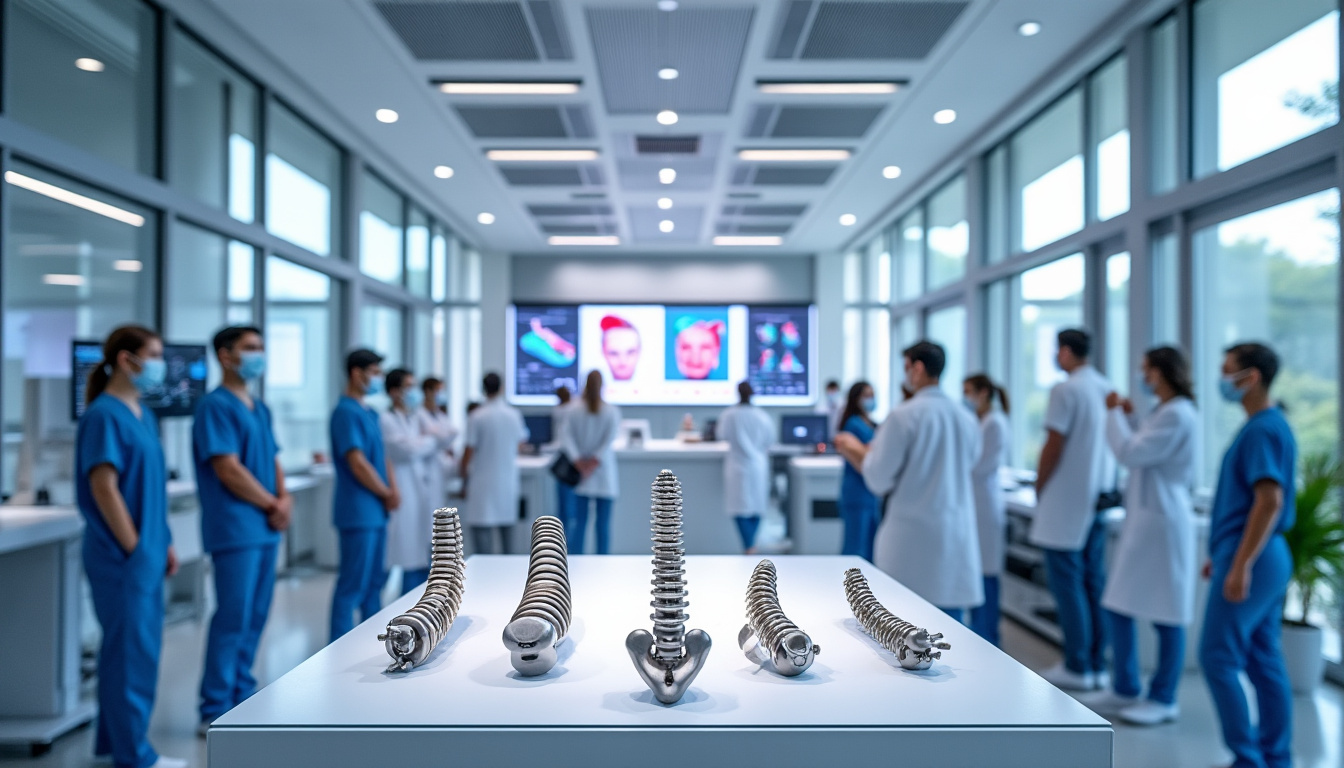
Terrebonne stands out as a hub for such innovative practices, offering patients access to state-of-the-art orthopedic surgery options supported by a multidisciplinary team. The use of dynamic implants like TOPS (Total Posterior Spine) and IntraSPINE allows for multidirectional spinal stabilization. For example, the TOPS system facilitates controlled movement while providing robust support, enabling early mobilization and pain reduction.
Additionally, motion surgery aligns with biomechanical principles that encourage a more natural distribution of stress along the spinal column. This helps forestall abnormal wear on adjacent vertebral segments, a frequent complication when rigid fusion is applied. Patients report quicker recovery times, less post-operative discomfort, and greater satisfaction with preserved mobility following these procedures.
Dynamic Implants: Technical Insights and Functional Benefits
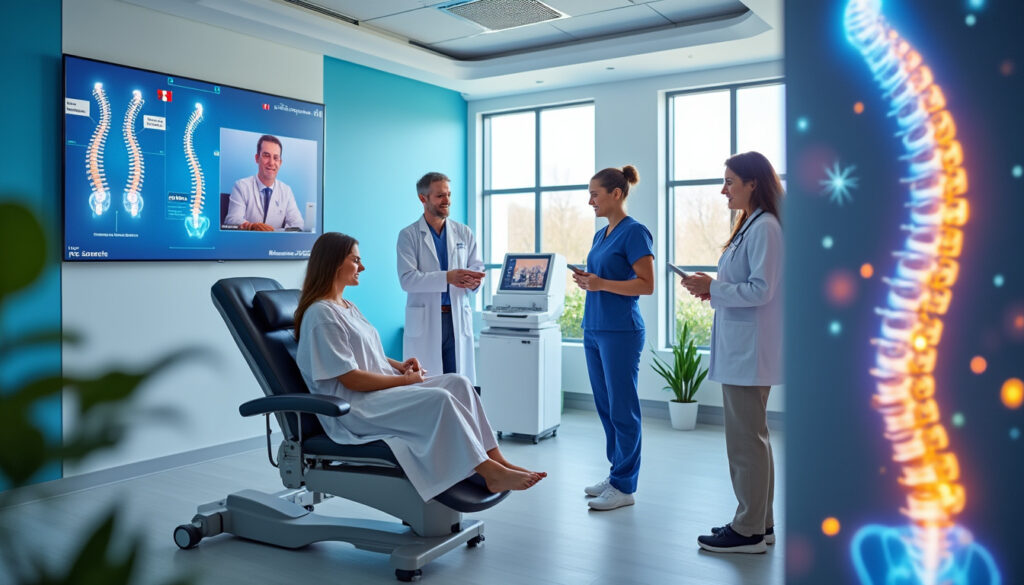
Implants such as TOPS and IntraSPINE are engineered to provide both stability and flexibility. The TOPS device, for instance, replaces a facet joint while preserving the existing vertebral structure, allowing the spine to move in multiple planes. Similarly, the IntraSPINE implant focuses on neurovertebral decompression without sacrificing motion, easing nerve pressure responsible for radiating pain.
The adaptation of such implants in Terrebonne’s clinics reflects a commitment to integrating advanced surgical technology. These implants have passed rigorous assessments and demonstrate superior postoperative outcomes when compared to traditional fusion techniques.
Compared to fusion, where the treated spinal segment is entirely immobilized, motion surgery offers patients the unique advantage of maintaining natural spinal biomechanics. This translates into a lower incidence of secondary spinal problems and enhanced long-term functional outcomes. The preservation of motion also means patients are more likely to return to an active lifestyle sooner.
Herniated Disc in Verdun: Preparing for Your Session and Neurovertebral Decompression Treatment
In Verdun, back pain, particularly from herniated discs, remains a significant challenge impacting a diverse population ranging from young professionals to seniors enjoying retirement. The urban vibrancy combined with a focus on quality of life in this Montreal borough underscores…
Patient-Centered Evaluation: Ensuring Suitability for Motion Surgery
Central to the success of motion surgery is the thorough evaluation process. Before surgery, patients undergo comprehensive assessments that involve detailed clinical examinations and diagnostic imaging to understand the specific spinal pathology. Dr. Sylvain Desforges, an expert in spinal disorders with over 30 years of expertise, plays a pivotal role in this critical phase.
As the founder of Clinique TAGMED and a respected figure in osteopathic and alternative medicine, Dr. Desforges integrates evidence-based practices with patient safety and ethical standards. His evaluations focus on identifying candidates who would most benefit from motion surgery while emphasizing the importance of exploring conservative treatments initially. A typical protocol involves a 3 to 6 months trial period of non-surgical interventions — such as neurovertebral decompression therapy, physical therapy, and targeted laser treatments — before considering surgical options.
This measured approach helps avoid unnecessary surgeries while ensuring that patients who move forward to operation have a clear indication for intervention. It also fosters a collaborative patient-doctor relationship centered on trust and personalized care plans. Dr. Desforges’ long-standing commitment to blending scientific rigor with innovation makes this process meticulous and patient-focused.
From this evaluation phase, individualized pathways are devised, balancing the patient’s medical needs, lifestyle, and recovery expectations. Such customized planning is essential to maximize the benefits of motion surgery and accelerate rehabilitation.
Conservative Treatments and Their Role in Patient Preparation
Neurovertebral decompression is among the core conservative interventions offered at TAGMED Clinic. This non-invasive technique employs computer-controlled traction tables to gently stretch the spine, relieving pressure on herniated discs and compressed nerves. When combined with osteopathic manipulations and physical therapy, patients often experience significant symptom relief and improved spinal function.
This holistic care model exemplifies how surgery is not the immediate answer but the result of a thoughtful, evidence-based journey. Patients are thoroughly educated on their diagnosis and treatment options, empowering them to make informed decisions about their health.

Disc Prosthesis in Lévis: A Safe Alternative to Rigid Spinal Fusion
Back pain remains one of the most widespread and debilitating health concerns worldwide, affecting millions of individuals and impeding their daily lives. In Canada alone, the growing number of patients suffering from chronic lumbar pain has spurred a demand for…
Comparing Motion Surgery and Spinal Fusion: Functional and Clinical Considerations
Orthopedic surgery has long relied on spinal fusion as a standard for stabilizing unstable vertebral joints. Fusion entails permanently connecting two or more vertebrae, preventing movement to alleviate pain. While effective in certain cases, this approach has inherent drawbacks, notably the loss of segmental mobility and increased risk of adjacent segment degeneration (ASD).
Motion surgery challenges this norm by preserving natural joint movement through dynamic stabilization. The difference is not just technical but clinical — motion surgery results in improved patient recovery profiles and reduced complications. Early mobilization and joint movement support healthier biomechanical function throughout the spine.
The table below highlights key differences between these two surgical approaches:
| Technique | Main Objective | Key Benefits | Potential Limitations |
|---|---|---|---|
| Spinal Fusion | Rigid stabilization of affected segments | Effective pain relief and durable stability | Loss of mobility, risk of adjacent segment degeneration |
| Motion Surgery | Preserve intervertebral mobility | Enhanced recovery, maintained biomechanics, fewer complications | Selective indications, requires specialized expertise |
For patients concerned about prolonged immobilization or who require a quicker return to activity, motion surgery presents a valuable alternative to fusion. Its emphasis on preserving spinal function demonstrates a patient-first philosophy advancing spine care standards.
Insights into Patient Outcomes and Satisfaction
Empirical data accumulated from practices in Terrebonne highlight that patients undergoing motion surgery often experience rapid pain reduction and improvement in daily activities. Unlike fusion recipients who may face months of restricted movement, motion surgery patients report improved joint flexibility and quicker functional restoration.
This progression reduces dependence on long-term medication and physical therapy, promoting independent recovery and greater autonomy. The dynamic stabilization approach contributes not only to biomechanical health but also to psychological well-being through less stressful rehabilitation.
In the vibrant community of Saint-Laurent, back pain caused by herniated discs continues to be a significant health challenge affecting countless individuals. The condition’s complexity extends far beyond the mere sensation of pain, necessitating advanced and precise treatment modalities for…
International Coordination: Québec-France Collaboration in Motion Surgery
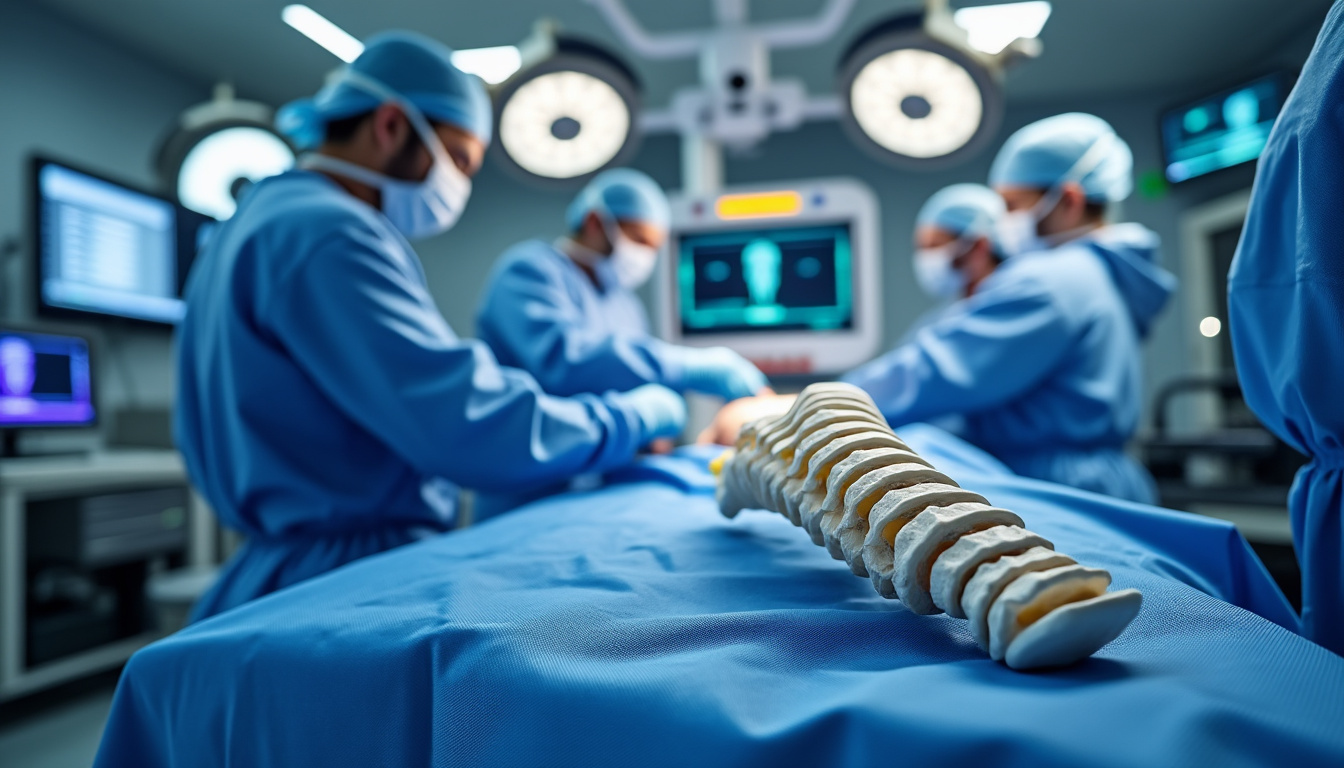
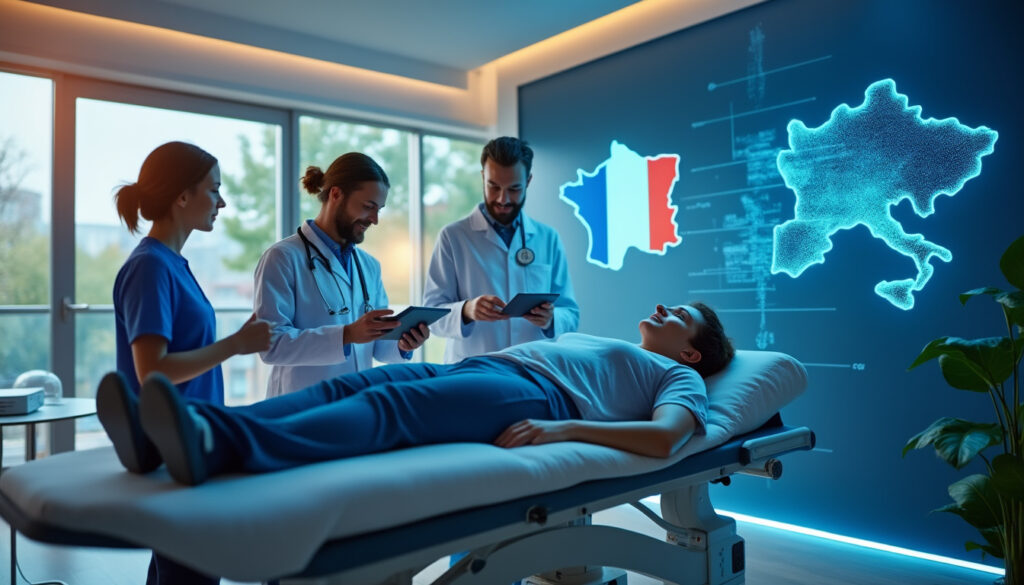
One of the pioneering aspects of motion surgery availability in Terrebonne is the robust international partnership between Quebec-based practitioners and leading spine surgeons in France. This synergy facilitates access to advanced surgical techniques and specialized implants not widely available in Canada.
Dr. Sylvain Desforges oversees the transatlantic coordination, ensuring that patients benefit from a seamless care continuum. From detailed clinical evaluations at Clinique TAGMED to surgical interventions in elite French centers, this collaboration optimizes treatment timelines and quality.
The Quebec-France medical corridor also offers logistical support, covering aspects such as scheduling, travel, and post-operative follow-ups. Through dedicated platforms like SOS Tourisme Médical, patients receive comprehensive assistance fostering confidence and comfort during their care journey.
This bilateral cooperation enables access to innovative implants like the TOPS system and dynamic decompression technologies, positioning Terrebonne not only as a treatment destination but as a center of excellence in motion-preserving spine care.
Streamlined Patient Journey from Assessment to Rehabilitation
With coordinated team efforts, the patient pathway is intricately managed to ensure no gaps in care. Initial screenings and conservative therapy occur in Quebec, while surgical procedures take place in France’s advanced facilities. Post-operative rehabilitation is a collaborative effort facilitated through both regions, providing ongoing physical therapy and monitoring for optimal recovery.
This integrated approach not only improves clinical results but also addresses emotional and logistical patient needs, offering reassurance and individualized support throughout. The open communication between teams strengthens the consistency of follow-up care, reducing risks of complications or readmissions.
Disc Herniation in Brossard: Safety, Contraindications, and Neurovertebral Decompression Treatment
Disc herniation in Brossard represents a significant challenge due to the prevalence of this spinal condition and the complexity involved in its management. Many individuals endure intense lower back pain that severely limits daily activities, underscoring the demand for reliable,…
Rehabilitation Strategies: Optimizing Recovery After Motion Surgery
Recovery after motion surgery is tailored to respect the preserved joint movement and the stability provided by dynamic implants. Rehabilitation programs commence soon after surgery, focusing on controlled joint mobilization, muscle strengthening, and ergonomic education to prevent recurrence of spinal issues.
Physical therapy protocols are personalized based on the patient’s condition, age, and lifestyle. Gentle exercises aimed at improving flexibility and core strength are emphasized to support spinal structures. Importantly, patients are guided to avoid movements that could overload the affected vertebral segments early in recovery.
The enhanced biomechanics afforded by motion surgery allow for a quicker progression through rehabilitation phases compared to traditional fusion surgeries. Patients often experience less stiffness and regain normal function more rapidly, enabling earlier return to daily activities and occupational demands.
- Early initiation of tailored physical therapy to maintain joint movement
- Focused strengthening of paraspinal muscles for spine support
- Patient education on posture and ergonomic adjustments
- Monitoring and prevention of compensatory movements that could cause strain
- Use of adjunctive therapies such as laser and shockwave treatments to enhance healing
This holistic rehabilitation approach aligns with the principles established by experts like Dr. Sylvain Desforges, ensuring patients receive comprehensive care beyond the operating room. The goal remains not only surgical success but sustainable, pain-free mobility for the long term.

Lumbar Disc Prosthesis in Saguenay: Immediate and Trusted Relief
The Saguenay region, renowned for its active population and picturesque landscapes, faces a rising challenge: persistent lower back pain that affects the daily lives of many adults. This growing discomfort among working individuals has sparked an urgent search for effective,…
Unique Value of Terrebonne’s Motion Surgery Services
The services available in Terrebonne, under the guidance of experts like Dr. Desforges, stand apart for their technological innovation, collaborative care model, and patient-centered focus. The integration of advanced implants, non-surgical decompression techniques, and cooperative international surgery options creates a unique offering in spine care.
Patients benefit from:
- Access to cutting-edge dynamic implants preserving spinal mechanics
- Comprehensive initial assessment and conservative management before surgery
- International surgical expertise through Quebec-France partnerships
- Coordinated post-operative rehabilitation supporting rapid functional recovery
- A compassionate, educational environment fostering patient empowerment and trust
Furthermore, the continuous integration of scientific research and technology underpins the safety and efficacy of these services. Dr. Desforges’ leadership in both clinical practice and professional organizations highlights the commitment to ethical standards and innovation, ensuring that patient care remains both cutting-edge and responsible.
The challenge of managing herniated discs is a pressing concern in Repentigny, where a significant portion of the community endures persistent spinal pain that compromises mobility and quality of life. Occurring when the softer interior of an intervertebral disc protrudes…
Motion Surgery in Terrebonne: Minimizing Complications and Preserving Mobility for Long-Term Spine Health
Motion surgery represents a significant advancement in orthopedic surgery, offering patients an opportunity to resolve spinal disorders with less risk and better preservation of natural movement. Terrebonne’s position as a comprehensive care center, bolstered by the expertise of Dr. Sylvain Desforges and international collaborations, makes it an excellent destination for those seeking tailored spine care solutions.
This innovative approach not only reduces typical complications but also accelerates patient recovery and supports sustained joint movement long after surgery. By prioritizing a personalized, patient-focused pathway—from detailed evaluation and conservative treatments to surgical intervention and rehabilitation—the services in Terrebonne exemplify modern best practices in spine care.
Patients who face persistent spinal issues despite conservative measures can explore motion surgery as a promising alternative, one that emphasizes function, safety, and quality of life. Thanks to the comprehensive care model and access to advanced surgical technologies, Terrebonne is poised to lead the next generation of spinal care innovations.
IntraSPINE® in Sherbrooke: Tailored Treatment Solutions for Active Patients
In Sherbrooke, the landscape of spinal health care is being transformed by the introduction of the IntraSPINE device, a pioneering technology engineered for patients seeking effective relief from chronic back pain without sacrificing their active lifestyles. This advanced spinal implant…
Frequently Asked Questions About Motion Surgery in Terrebonne
What makes motion surgery different from traditional spinal fusion?
Motion surgery uses dynamic implants to stabilize the spine while preserving natural joint movement, whereas spinal fusion permanently immobilizes affected vertebrae, potentially leading to complications such as adjacent segment degeneration.
Who is a good candidate for motion surgery in Terrebonne?
Candidates generally include patients with persistent spinal pain and functional limitations after 3 to 6 months of conservative treatment, where dynamic stabilization can provide pain relief and mobility preservation under expert evaluation.
How does the Quebec-France partnership benefit patients?
The collaboration ensures access to advanced surgical techniques and implants not widely available in Canada, facilitates seamless transatlantic care coordination, and offers comprehensive logistical support from assessment to rehabilitation.
What does rehabilitation after motion surgery involve?
Rehabilitation involves early, tailored physical therapy focusing on controlled joint movement, muscle strengthening, postural education, and the use of adjunct therapies like laser and shockwave treatment to enhance recovery and prevent re-injury.
Are there reduced post-operative complications with motion surgery?
Yes, by preserving spinal biomechanics and avoiding rigid fusion, motion surgery significantly lowers risks of complications such as adjacent segment disease and promotes faster, more comfortable recovery phases.
Back Surgery in Trois-Rivières: Ensuring a High Quality of Life Post-Operation
Back pain is increasingly recognized as a significant health challenge in Québec, affecting numerous individuals’ daily lives and well-being. In Trois-Rivières, patients often face long wait times for public healthcare or confront the high costs of private treatment options. This…