Laval Sciatica Recovery After Failed Injections
August 7, 2026
Cervical Disc Prosthesis in Quebec: Preventing Post-Operative Stiffness
August 8, 2026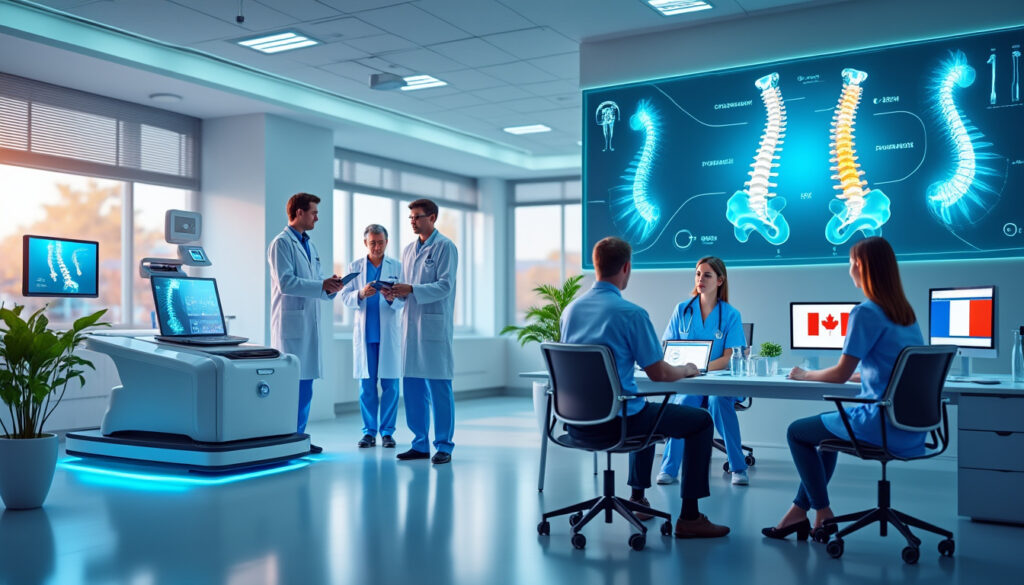
The prevalence of herniated disc conditions in Blainville has sparked considerable discussion and misconceptions about their causes, symptoms, and treatments. While the pain and disability associated with this spinal disorder are well documented, the emergence of non-surgical options such as neurovertebral decompression therapy offers new hope for patients seeking effective, minimally invasive interventions. Despite its growing adoption in spine care, many myths continue to cloud patients’ understanding and expectations, creating barriers to timely and appropriate care.
Unpacking these misconceptions is vital in a healthcare environment focused on personalized, evidence-based interventions. The region’s increasing cases of back pain and sciatica linked to herniated discs call for clear information about available therapies. Neurovertebral decompression therapy stands out for its ability to alleviate nerve pressure, promote spinal health, and improve mobility while avoiding surgery. This reality contrasts sharply with common falsehoods that often lead patients to unnecessary fears or hasty decisions regarding invasive procedures.
Understanding Herniated Disc in Blainville: Anatomy, Causes, and Clinical Realities
A herniated disc occurs when the nucleus pulposus, the soft inner core of an intervertebral disc, protrudes through a tear in the annulus fibrosus, the tough outer layer. This protrusion may compress or irritate adjacent spinal nerves, causing symptoms ranging from mild discomfort to severe pain radiating along the spinal cord pathways.
In Blainville, lifestyle factors are significant contributors. Sedentary habits, poor posture, excess weight, and repetitive strain are all linked to accelerated disc degeneration. Importantly, herniation is not solely a product of traumatic injury or aging; rather, it results from a multifactorial interplay affecting spinal structures over time.
Clinical evaluations often reveal that not all herniated discs cause symptoms—many remain asymptomatic and are only incidentally discovered during imaging for other concerns. Hence, the presence of a herniated disc alone does not equate to inevitable back pain or functional impairment. The extent of nerve involvement, inflammatory response, and individual pain thresholds dictates the clinical picture.
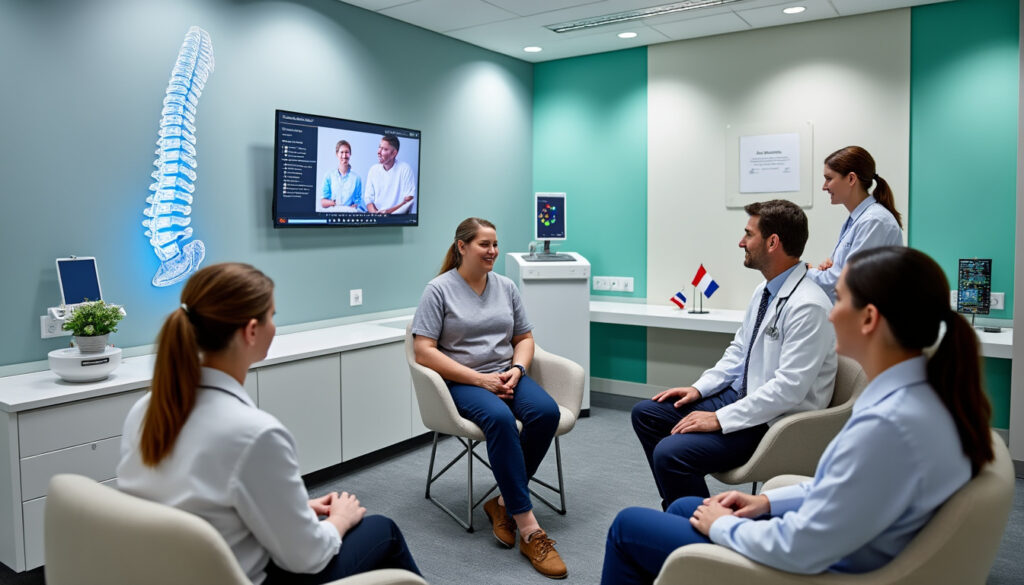
Dr. Sylvain Desforges, esteemed for over 30 years of expertise in osteopathy and neurovertebral decompression, highlights the complexity of these cases through his extensive patient assessments. His approach integrates diagnostic precision, using both clinical findings and imaging, combined with individualized therapy plans tailored to patients’ unique conditions and needs.
IntraSPINE® in Sherbrooke: A Long-Lasting Solution for Chronic Lower Back Pain
Chronic lower back pain remains one of the most pressing health concerns in Sherbrooke and beyond, impacting millions and often diminishing daily quality of life. Despite the prevalence of lumbar discomfort, many face limited access to cutting-edge treatments amidst lengthy…
Myth 1: Herniated Disc Always Means Severe Back Pain
A pervasive myth is the assumption that all herniated discs cause intense, disabling pain. Contrary to this belief, many individuals in Blainville live symptom-free despite having disc herniations visible on MRI or CT scans. The key determinant is whether the herniated section exerts significant pressure on spinal nerves or causes substantial inflammation.
Research shows that a large proportion of disc herniations remain asymptomatic, highlighting the importance of correlating imaging with clinical evaluation rather than relying solely on radiological findings. Dr. Sylvain Desforges stresses that understanding this dissociation helps reduce patient anxiety and prevents unnecessary interventions.
Furthermore, pain perception is modulated by psychological and physiological factors including stress, mental health, and prior experiences. The comprehensive care introduced by neurovertebral decompression programs addresses these elements through integrated pain management strategies, helping patients regain confidence in their spinal health.
For readers seeking to dive deeper into this concept, reputable sources such as common myths about herniated discs offer thorough insights that illuminate the nuance behind symptom variability.
Role of Inflammation and Nerve Proximity
The symptomatic manifestation depends heavily on the proximity of the herniated nucleus to nerves in the spinal canal. Compression or irritation of nerve roots can provoke radiating pain, numbness, or sciatica. Conversely, when a herniation is contained without nerve involvement, patients may notice little or no discomfort, enabling normal activity without impediments.
Clinical Implications
This understanding reinforces a need for precise diagnosis. Not all imaging abnormalities warrant aggressive treatment, and conservative management can often suffice. Neurovertebral decompression, as overseen by experienced clinicians like Dr. Desforges, aims to mitigate nerve pressure gradually, promoting healing without immediate recourse to surgery.
Herniated Disc Care in Sainte-Julie: Why TAGMED’s Neurovertebral Decompression Therapy Stands Out
In the vibrant community of Sainte-Julie, back pain—particularly that stemming from herniated discs—has become a widespread concern affecting people from all walks of life. The relentless search for effective, non-invasive treatments has brought renewed attention to a pioneering therapy that…
Myth 2: Surgery is the Only Effective Treatment for Herniated Disc
The reflexive reliance on surgery remains a common misconception. While surgery has its place in managing severe neurological deficits or unrelenting pain, current evidence and clinical practice increasingly recommend exhausting conservative modalities first. Blainville’s growing use of neurovertebral decompression therapy exemplifies this shift toward non-surgical care.
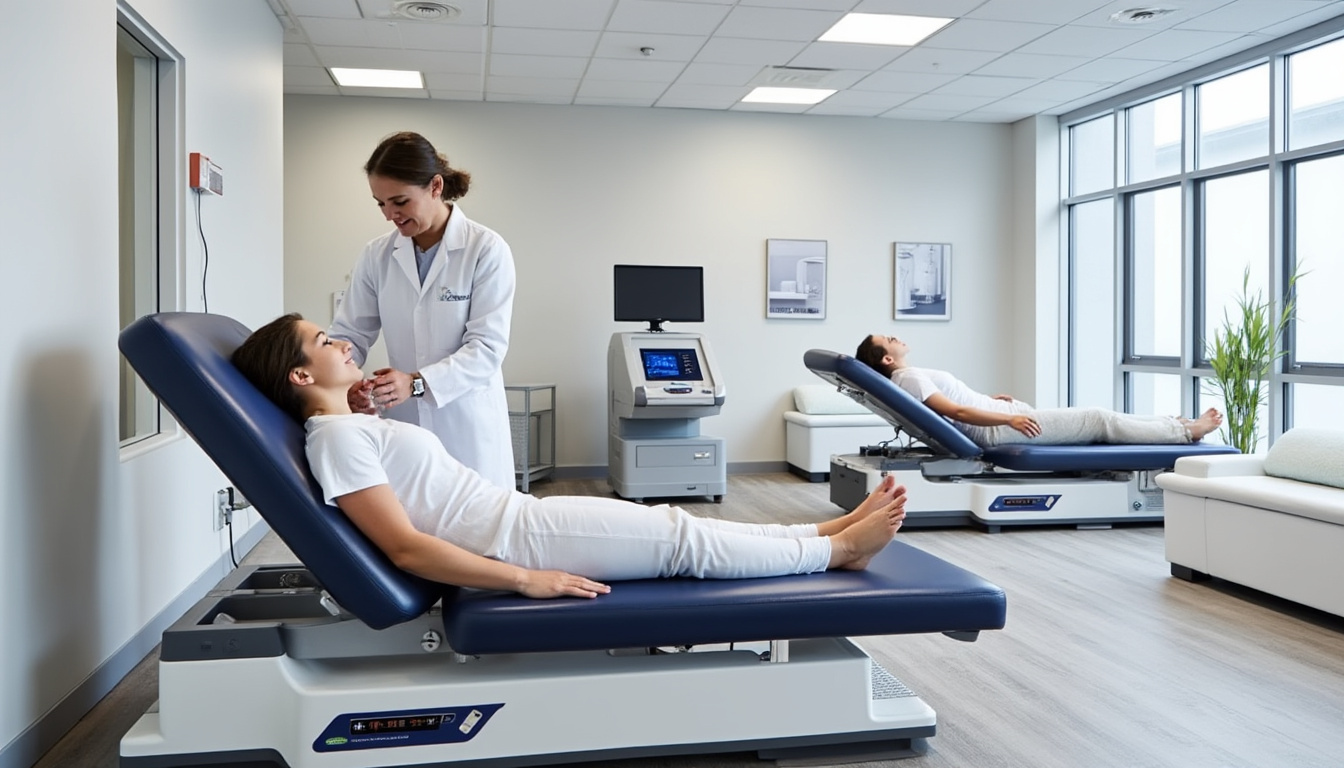
This therapy employs gentle mechanical traction to expand intervertebral spaces, thereby reducing compressive forces on discs and nerves. Unlike surgical approaches, neurovertebral decompression offers a non-invasive pathway to relief, promoting natural tissue repair while preserving spinal integrity.
Dr. Sylvain Desforges’ extensive experience with spinal disorders and leadership in clinics that implement cutting-edge decompression technologies underlines the efficacy and safety of these treatments. His patient-centric protocols adapt the therapy to individual symptomatology and progression, markedly improving health outcomes.
Sources such as common myths about decompression neurovertebral decompression provide well-documented evidence supporting conservative approaches, underscoring the significance of multidisciplinary care pathways.
Advantages of Conservative Treatment
- Lower risk of complications compared to surgery
- Non-invasive and painless procedure
- Preservation of spinal anatomy and mobility
- Improved patient quality of life with gradual symptom relief
When Surgery Becomes Necessary
Despite the merits of neurovertebral decompression, some cases require surgical intervention, particularly when neurological functions are compromised or conservative treatments fail. In such scenarios, Dr. Desforges advocates coordinated care involving leading spine surgeons, balancing the benefits and risks while ensuring patient safety and optimized recovery.
Back Surgery in Trois-Rivières: Alleviating Pain While Preserving Mobility
In Trois-Rivières, Quebec, the persistence of back pain affects a substantial portion of the population seeking effective and personalized solutions. Back pain, often caused by spinal disorders or herniated discs, can drastically diminish quality of life, limiting mobility and causing…
Myth 3: Rest and Immobilization Are the Best Responses to Back Pain from Herniated Discs
Long-held beliefs promote strict rest as the primary remedy for back pain associated with herniated discs. Modern clinical evidence contradicts this notion by demonstrating that prolonged inactivity can weaken musculature, diminish spinal stability, and exacerbate discomfort.
Current guidelines recommend an active lifestyle tailored to individual tolerance levels, incorporating moderate physical activity to enhance circulation, preserve muscle tone, and stimulate tissue repair. Neurovertebral decompression therapy complements this approach, providing mechanical relief while rehabilitation programs guide patients toward safe mobility.
Among the programs suggested post-decompression are structured walking sessions, muscle strengthening, gentle stretching, and ergonomic adjustments in daily life. This balanced regimen accelerates recovery and limits chronic pain development.
Recommended Post-Treatment Activities
| Activity | Purpose | Frequency |
|---|---|---|
| Moderate walking | Stimulates circulation and reduces stiffness | Daily |
| Targeted muscle strengthening | Improves spinal support | 2-3 times per week |
| Gentle stretching | Enhances flexibility of spinal joints | Daily |
| Ergonomic education | Prevents improper posture and future injury | Ongoing |
Dr. Desforges’ clinical guidance widely encourages engaging in these activities as part of a comprehensive neurovertebral decompression therapy plan in Blainville to sustain spinal health and functional recovery.

Disc herniation remains a significant health concern in Pointe-Claire, impacting the lives of a diverse population ranging from labor-intensive workers to the aging community. The condition, characterized by the displacement or rupture of the intervertebral disc, often leads to debilitating…
Myth 4: Proper Lifting Techniques Completely Prevent Herniated Discs
While correct lifting mechanics are essential in spinal protection, this belief oversimplifies the complex pathophysiology of disc herniation. Intrinsic factors such as disc degeneration related to aging, genetics, and systemic health also contribute substantially to disc integrity.
Patients in Blainville with diligent lifting habits may still develop herniated discs due to these overlapping influences including cumulative microtraumas, sedentary lifestyles, or metabolic conditions. Therefore, prevention requires a holistic approach combining mechanical caution, physical conditioning, and lifestyle modification.
Recent clinical observations by Dr. Desforges accentuate that education on back care extends beyond lifting and includes weight management, postural awareness, and early intervention strategies such as neurovertebral decompression when symptoms arise.
TOPS™ in Gatineau: A High-Performance Solution for Lumbar Spine Care
In a region where chronic back pain increasingly affects quality of life, the quest for advanced and effective lumbar spine treatments is paramount. Lumbar spinal stenosis, a prevalent condition among Quebec’s aging population, often imposes persistent discomfort and mobility limitations.…
Myth 5: Pain is the Only Symptom Signaling a Herniated Disc
Pain is the most recognized symptom but does not capture the full spectrum of herniated disc manifestations. Neurological signs such as numbness, tingling, muscle weakness, or coordination difficulties may indicate underlying nerve irritation or damage along the spinal cord pathways.
Patients may experience sciatica characterized by radiating leg pain, sensory disturbances, or motor impairment, which require prompt clinical assessment to prevent permanent deficits. Dr. Desforges emphasizes early evaluation and intervention to optimize outcomes and prevent escalation.
Neurovertebral decompression therapy effectively addresses these complex symptom patterns by improving nerve function and reducing inflammation, differentiating it from treatments that only mask pain symptoms.
At Gouin Clinic, the landscape of herniated disc therapy has entered a transformative era marked by the integration of Personalized Treatment Plans and breakthrough Neurovertebral Decompression Therapy. This non-surgical approach is revolutionizing how spinal disorders are managed, offering patients an…
Innovation and Advanced Technology in Neurovertebral Decompression Therapy at Blainville
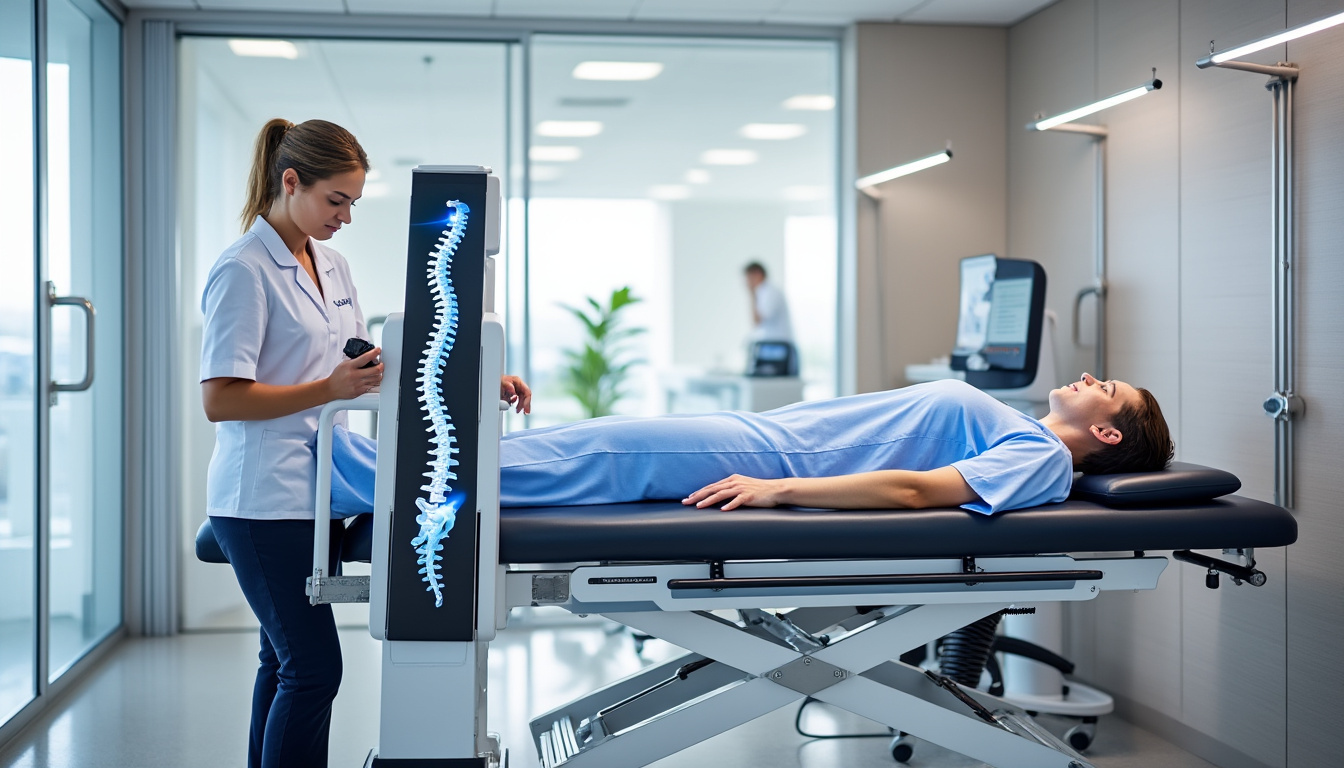
Advancements in spinal care technology have significantly amplified the precision and efficacy of decompression therapies. At clinics led by experts like Dr. Sylvain Desforges, computerized neurovertebral decompression devices provide controlled traction aligned with patient-specific anatomical and symptomatic parameters.
The integration of neuromodulation techniques such as Pulse Align enhances therapeutic outcomes by stimulating muscle mechanoreceptors to promote relaxation and neuromuscular coordination. Such innovations exemplify the commitment to scientific rigor and patient safety central to Québec’s spine care strategies.
These cutting-edge technologies, unavailable in many standard practices across Canada, allow patients in Blainville access to personalized, non-surgical treatment regimens that reduce pain and enhance functional recovery with minimal side effects.
Dr. Desforges’ leadership in combining osteopathy, neurovertebral decompression, and rehabilitative medicine reflects a holistic care model focused on durable spinal health.
Cervical Disc Prosthesis in Quebec: Preventing Post-Operative Stiffness
Neck pain is one of the most common musculoskeletal complaints in Quebec, affecting a significant portion of the population annually. Often rooted in degenerative cervical disc diseases or herniated discs, this persistent discomfort severely impacts daily life and mobility. Fortunately,…
International Coordination and the Patient Journey in Spinal Care
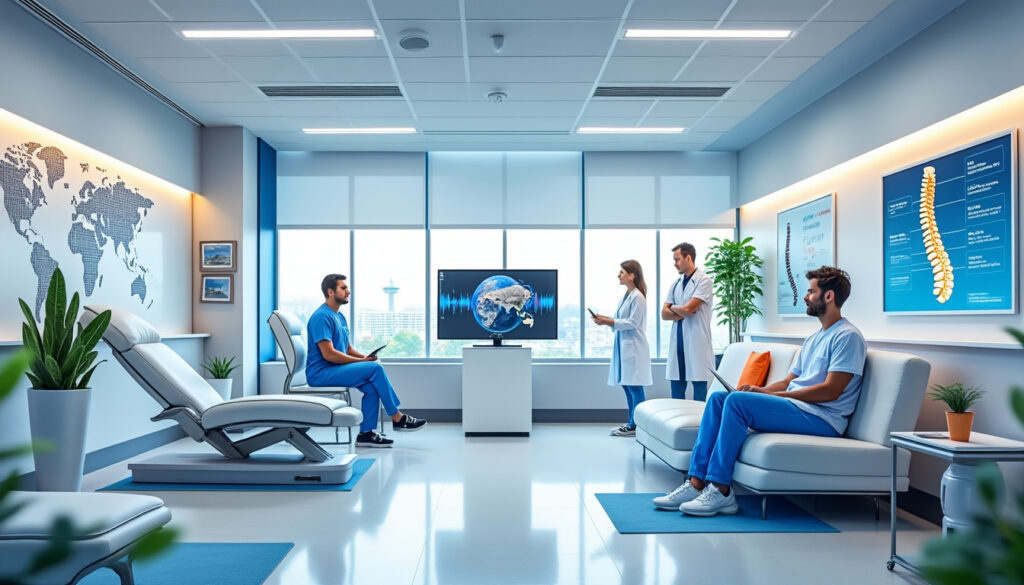
Recognizing the transatlantic dimensions of spine care, Dr. Desforges plays a pivotal role in coordinating treatment pathways between Canadian and French medical centers. This international collaboration enhances patient access to specialized spinal surgeons and innovative implant technologies that may not be available locally.
Through partnerships with clinics and platforms such as SOS Tourisme Médical, patients benefit from streamlined consultations, optimized timelines, and comprehensive support throughout the treatment journey. This multidisciplinary and cross-border approach reinforces patient confidence and ensures continuity of care.
Minimally Invasive Surgery in Longueuil: Reducing Hospital Stays for Faster Recovery
In recent years, a transformative wave has swept through spinal healthcare in Longueuil, aiming to revolutionize treatment experiences for patients suffering from back disorders. This shift stems from a growing demand for procedures that minimize hospital stays without compromising efficacy.…
Personalized Services and Added Value of Neurovertebral Decompression under Dr. Sylvain Desforges
What distinguishes Dr. Desforges’ care goes beyond state-of-the-art technology. His three-decade clinical experience, advanced qualifications (B.Sc., D.O., N.D.), and leadership in professional associations like ACMA and the Canadian College of Osteopaths imbue his practice with unparalleled expertise.
Patients receive meticulous evaluation focusing on individual biomechanics, symptomatology, and lifestyle, enabling tailored therapy plans that encompass pre- and post-treatment guidance. Access to dynamic implants, laser therapy, and shockwave treatment within his clinics further enrich therapeutic options.
This multifaceted approach not only targets symptom relief and structural restoration but also addresses patient education and motivation, empowering individuals to actively participate in their spinal health management.
For personalized recommendations or to initiate a tailored treatment plan, prospective patients are encouraged to reach out via platforms dedicated to spinal health care in the Blainville and greater Québec region.
What is neurovertebral decompression therapy and how does it work?
Neurovertebral decompression therapy is a non-invasive treatment that gently applies traction to the spine to increase the space between vertebrae, reducing pressure on intervertebral discs and spinal nerves. This promotes healing and alleviates symptoms associated with herniated discs.
Is surgery always necessary for a herniated disc?
No. Although surgery can be necessary in cases of severe nerve compression or failed conservative treatment, most herniated discs can be effectively managed with non-surgical options like neurovertebral decompression therapy, physical rehabilitation, and osteopathic care.
Can I continue my daily activities during neurovertebral decompression treatment?
Yes. With appropriate professional guidance, patients are encouraged to maintain moderate physical activity that complements the decompression therapy, which helps improve recovery and prevent muscle atrophy.
What symptoms indicate I should seek immediate medical attention?
Symptoms such as severe or sudden muscle weakness, significant numbness, intense and persistent pain, or urinary and bowel dysfunction necessitate urgent medical evaluation to prevent permanent nerve damage.
How many sessions of neurovertebral decompression are typically needed for improvement?
Treatment plans usually consist of 15 to 25 sessions, with some patients experiencing relief from the first few sessions. Consistency and adherence to the personalized protocol are key to achieving optimal long-term outcomes.